Virginia Free Fishing Days Guide
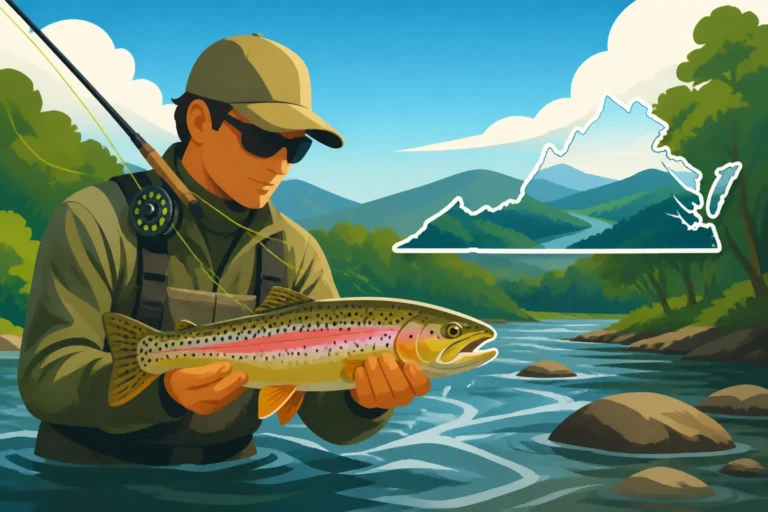
Oh, the sheer joy of a day on the water, rod in hand, the sun warming your face, and that thrilling tug on the line! But let's be honest, for many folks, the thought of navigating fishing licenses, understanding different regulations, and just generally getting started can feel like a really confusing hurdle, sometimes even stopping them before they've even cast a line. This comprehensive guide is here to unravel all the mystery around Virginia's Free Fishing Days, showing you how to take full advantage of this incredible opportunity to experience the Old Dominion's fantastic waterways without needing a license. We'll cover everything from what these days entail to how you can make the most of your time on the water, hopefully sparking a lifelong love for fishing.
Understanding Virginia's Free Fishing Days
Imagine a weekend where the usual barrier of needing a fishing license simply vanishes. That's exactly what Virginia's Free Fishing Days offer, making it the perfect time for novices, families, or even seasoned anglers who just want a no-fuss outing to hit the water. It’s an initiative designed to welcome everyone into the vibrant world of fishing, promoting outdoor recreation and fostering an appreciation for Virginia’s natural aquatic resources.
What Are Free Fishing Days and Why Do They Exist?
Virginia's Free Fishing Days are a special, designated period, usually a weekend, where residents and non-residents alike can fish in any public waters across the Commonwealth without having to purchase a freshwater or saltwater fishing license. Think about that for a moment: no need to figure out Virginia Fishing License Costs and Types Explained or worry about whether you have the right stamp for trout or saltwater. It's a fantastic open invitation from the Virginia Department of Wildlife Resources (DWR) to experience the thrill of fishing firsthand.
The primary goal behind these days is clear: to encourage more people to try fishing, especially those who might be hesitant due to the initial cost or perceived complexity of getting a license. For many, the idea of having to go through the process of How to Get a Fishing License in Virginia can be a real barrier. By removing that first step, the DWR hopes to ignite a passion for angling in new generations, showcase the diverse fishing opportunities Virginia offers, and ultimately, cultivate a stronger connection to conservation efforts. After all, when people experience the beauty and excitement of fishing, they're much more likely to support the programs that protect these precious resources, understanding How Fishing License Fees Support Wildlife Conservation in Virginia directly impacts the health of our fisheries.
When Are Virginia's Free Fishing Days?
Mark your calendars! The Virginia DWR typically designates the first full weekend in June as its official Free Fishing Days. Specifically, for the upcoming year, you'll want to remember that Virginia's 2026 Free Fishing Days are June 5-7. This three-day window provides a wonderful opportunity for individuals and families to explore fishing without the usual license requirements.
It’s crucial to understand that while the license requirement is waived during this specific period, all other fishing regulations, such as size and creel limits, remain firmly in place. You can't just keep every fish you catch; you still need to know the rules for the species you're targeting. For example, if you're out on the water, you'll still need to be aware of Virginia's Fishing License and Catch Limit Basics for specific species. Always double-check the current DWR regulations before you head out, even on Free Fishing Days, to ensure you're fishing legally and responsibly. These dates are generally consistent year after year, but it's always a good idea to confirm the exact dates on the official Virginia DWR website as the year approaches, just to be absolutely sure.
Who Can Participate in Free Fishing Days?
The beauty of Virginia's Free Fishing Days is its inclusivity. These special days are open to everyone, regardless of age or residency status. Whether you're a long-time Virginia resident, visiting from out of state, or just passing through for the weekend, you can legally fish in any public freshwater or saltwater in the Commonwealth without a license.
This is particularly fantastic for families with young children or those introducing friends to fishing for the first time. Many first-time anglers (and their parents!) often wonder, "Do Kids Need a Fishing License to Fish?" and the answer is typically yes, for older children, or it depends on their age. However, during these designated Free Fishing Days, that question becomes irrelevant for all ages. It removes the guesswork and expense, making it incredibly easy to gather the family, pack a picnic, and spend a memorable day by the water. Even though the license is waived, it's a perfect time to teach younger anglers about responsible fishing practices, how to identify different fish, and the importance of conservation, setting them up for success when they eventually need their own Virginia Fishing License Guide in the future.
Preparing for Your Free Fishing Adventure
So, you’ve got the dates, you know who can participate, and the excitement is building! Now, let’s talk about getting ready. Even though you don’t need a license, a little preparation goes a long way in ensuring your free fishing experience is enjoyable, productive, and safe. You wouldn't hike without proper shoes, and you shouldn't fish without a few essentials either!
Essential Gear for a Successful Outing
You don't need a boatload of expensive equipment to enjoy fishing, especially during Free Fishing Days. The focus here is on simplicity and effectiveness.
Here’s a breakdown of what you'll want to have:
- Rod and Reel Combo: For beginners, a simple spinning rod and reel combo is perfect. Look for something in a medium-light to medium action, typically 6 to 7 feet long. These are versatile enough for catching everything from panfish to small bass. You can find surprisingly good quality, affordable options on sites like Amazon, making it easy to get started without breaking the bank.
- Fishing Line: Most combos come pre-spooled, but if not, 6 to 10-pound monofilament line is a great all-around choice.
- Hooks: A variety of hook sizes is useful. Small hooks (size 8 or 10) are great for panfish, while slightly larger hooks (size 4 or 6) work well for bass or catfish.
- Bobbers/Floats: These are invaluable for beginners, as they signal when a fish is biting. A simple round or slip bobber works wonders.
- Sinkers/Weights: Small split shot sinkers help cast your bait further and keep it submerged.
- Bait: Live bait is often the easiest and most effective for beginners. Think red worms, nightcrawlers (available at most bait shops, sporting goods stores, or even in your backyard after a rain!), or crickets. For saltwater, shrimp or small pieces of cut bait can be incredibly effective.
- Tackle Box: Even a small one will help keep your hooks, sinkers, and bobbers organized. There are plenty of compact, durable tackle boxes on Amazon that are perfect for a first-time angler.
- Pliers or Hook Remover: To safely remove hooks from fish, especially if you plan on catch and release.
- Cooler: Essential for keeping drinks and snacks cold, and for safely storing any fish you decide to keep for dinner.
- Sun Protection: A wide-brimmed hat, sunglasses, and sunscreen are non-negotiable, even on cloudy days. Virginia sun can be intense, and reflections off the water multiply its effect.
- Comfortable Clothing: Dress in layers, suitable for the weather. Quick-drying fabrics are a plus.
- Bug Spray: Especially important in June, as mosquitoes and other biting insects can be quite active near water.
Having these basics will ensure you’re prepared for whatever the day brings, allowing you to focus on the fun of fishing rather than scrambling for forgotten items.
Finding the Perfect Spot for Free Fishing
Virginia is absolutely blessed with an abundance of diverse fishing spots, from tranquil mountain streams to vast tidal rivers and the expansive Chesapeake Bay. Finding the "perfect" spot depends on what kind of fishing experience you're looking for, but there are plenty of accessible options, even without a boat.
For many first-timers or families, public piers, designated bank fishing areas, and state parks are excellent choices. Places like state parks often have easy access to lakes or rivers, sometimes even offering equipment rentals or fishing programs. You can find some fantastic information on specific locales by looking up resources like "Best Fishing Spots in Virginia" or even hyper-local guides like "Fishing Spots Near Richmond, Virginia".
Here's how to approach finding your ideal location:
- Virginia DWR Website: This is your best friend. The DWR has maps and lists of public access points, boat ramps, and even specific information on various lakes and rivers. They often highlight family-friendly locations or areas known for particular species.
- Local Parks and Recreation Departments: Many local parks offer ponds or small lakes specifically managed for fishing, some even regularly stocked. These are often great for catching easy-to-find panfish.
- Piers: Public fishing piers are fantastic, especially for saltwater fishing along the coast or tidal rivers. You don't need a boat, and they often put you over deeper water where fish congregate. Consider spots near Virginia Beach or the Chesapeake Bay for these opportunities.
- Community Ponds: Keep an eye out for local community ponds. While some might be on private property, many are open to the public and provide excellent, calm environments for beginners.
- Tackle Shops: Don't underestimate the knowledge of local tackle shop owners. They live and breathe fishing in their area and can give you up-to-the-minute advice on hot spots, what bait to use, and current conditions. They often have maps and can point you in the right direction better than any online search.
When scouting a location, consider the amenities: Are there restrooms? Picnic tables? Shade? These might seem minor, but they can significantly enhance your comfort and enjoyment, especially when fishing with kids.
Understanding Basic Fishing Ethics and Regulations Even Without a License
It's tempting to think "no license, no rules," but that's a dangerous misconception. While Free Fishing Days waive the license requirement, they absolutely do not waive the existing fishing regulations. This is a critical point that the DWR stresses: all other rules, including size limits, creel (daily possession) limits, and species-specific rules, are still in effect. Ignoring these rules can lead to significant penalties, as outlined in "Penalties for Fishing Without a License in Virginia", even if you're out on a Free Fishing Day.
Here's what you need to keep in mind:
- Know Your Limits: Before you even cast a line, familiarize yourself with the daily creel limits and minimum size requirements for the fish species you anticipate catching. For instance, if you're targeting bass, you need to know that "Virginia's daily bass limit is 5 fish combined". If you're near the coast, and dreaming of catching a rockfish (striped bass), you'll need to understand that "Virginia rockfish slot limit is 28 to 31 inches". These limits protect fish populations and ensure healthy fisheries for everyone in the long run.
- Species Identification: Learn how to identify the common fish in the waters you plan to fish. You can't follow regulations if you don't know what you've caught! The DWR website has excellent identification guides, and a quick search on your phone can often confirm a fish's identity if you're unsure.
- Catch and Release Best Practices: Even if you plan to keep some fish, practicing proper catch and release for undersized or unwanted fish is vital. Handle fish gently, minimize their time out of water, and use a hook remover if necessary. Wet your hands before touching fish to protect their protective slime layer.
- Respect Private Property: Just because you can fish without a license doesn't mean you can trespass. Always be aware of property lines and only fish in areas designated as public access. Look for signs, or consult DWR maps.
- Leave No Trace: This is a fundamental principle of outdoor recreation. Pack out everything you pack in, and perhaps even a little extra trash you find. Don't leave behind fishing line, bait containers, or food wrappers. Protect the natural beauty for everyone else, and for the wildlife that calls these places home.
- Boat Ramps and Public Access Etiquette: If you're using a boat ramp, be mindful of others. Prepare your boat before backing down the ramp, launch quickly, and clear the ramp so others can use it. Courtesy goes a long way.
By understanding and adhering to these basic ethics and regulations, you not only ensure you're fishing legally but also contribute to a positive experience for yourself and the entire angling community in Virginia.
Top Fish to Target During Free Fishing Days
Virginia's diverse aquatic environments mean there's a huge variety of fish species you could encounter. For Free Fishing Days, especially if you're a beginner or fishing with kids, focusing on species that are generally abundant and relatively easy to catch can make the experience much more rewarding.
Freshwater Favorites for Beginners
When you're just starting out, success breeds enthusiasm. Luckily, Virginia's freshwater systems are teeming with fish that are eager to bite, making them perfect targets for Free Fishing Days.
- Bluegill and Other Panfish (Crappie, Sunfish): These are the undisputed champions for beginner anglers, especially kids. They're found in almost every pond, lake, and slow-moving river section in Virginia. They're plentiful, bite readily, and don't require fancy gear. A simple worm on a small hook under a bobber is often all it takes. Bluegill, for instance, are known for their feisty fight despite their size, providing great entertainment. If you want to dive deeper, check out "Bream and Bluegill Fishing for Beginners" for excellent tips. They are also incredibly delicious, making for a fantastic shore lunch or dinner!
- Catfish (Channel Catfish, White Catfish): These bottom-dwellers are another excellent choice for beginners. They're widespread, can grow to a respectable size, and put up a strong fight. They're not particularly picky eaters, often falling for simple baits like nightcrawlers, chicken livers, or even hot dogs fished on the bottom. Fishing for catfish is often a relaxing affair, perfect for setting up a few rods and enjoying the peaceful surroundings. For more details on targeting these whiskered beauties, take a look at "Catfish Fishing Techniques and Bait Guide". You'll find them in most larger lakes and rivers across the Commonwealth, like the James River or Lake Anna.
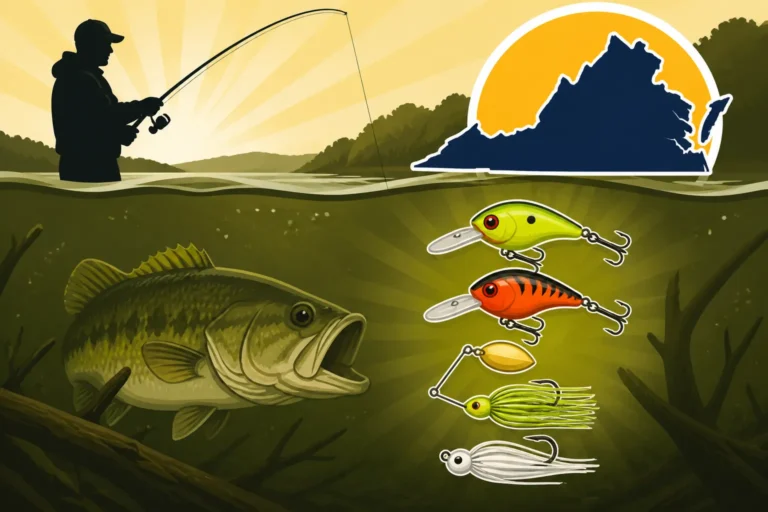
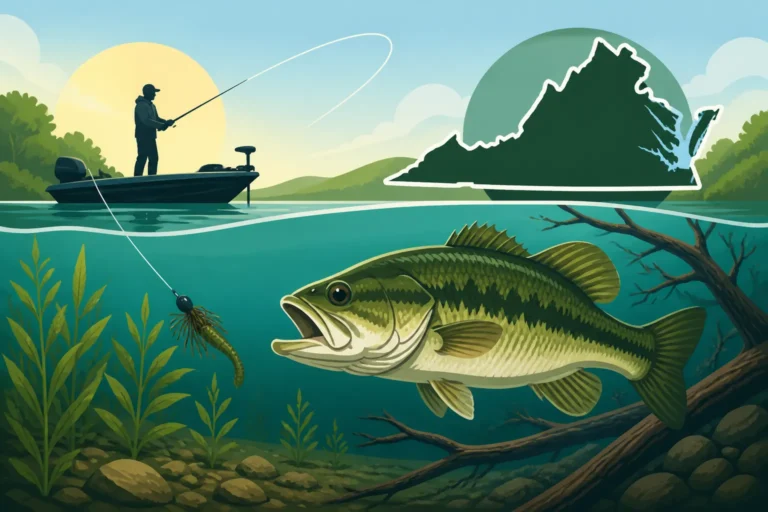
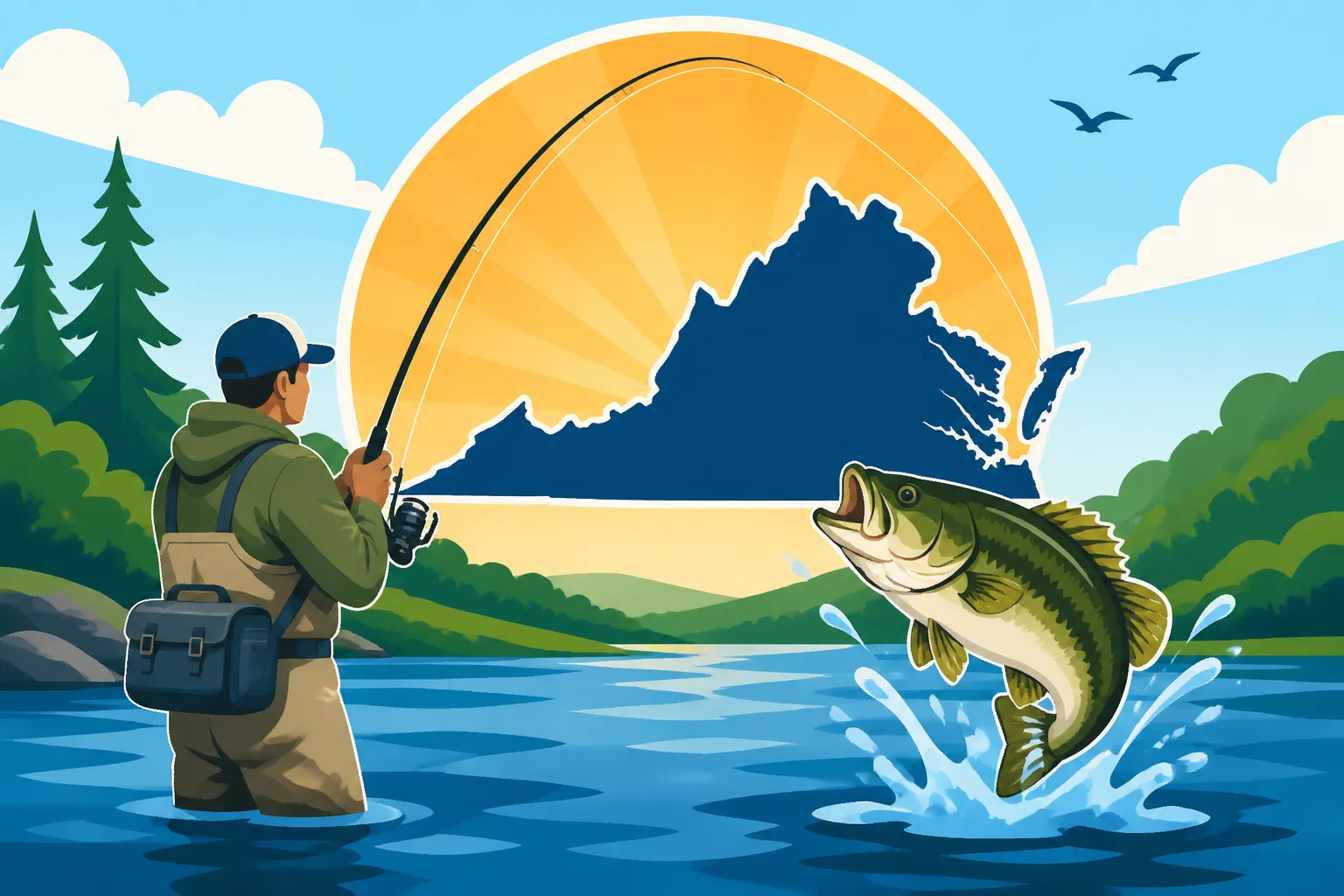
- Largemouth Bass: While perhaps a step up in challenge from panfish, largemouth bass are arguably the most popular freshwater game fish in Virginia and are certainly catchable during early June. They prefer warmer, weedy waters, often found near submerged structures like fallen trees or docks. You'll likely need to switch from simple bobber fishing to using lures like plastic worms, spinnerbaits, or even live minnows. Catching your first largemouth bass is an exhilarating experience, making them a great target once you've gotten a feel for casting and retrieving. Lakes like Smith Mountain Lake and Lake Anna are renowned for their bass populations.
Exploring Saltwater Opportunities Where Applicable
Virginia's Free Fishing Days aren't limited to just freshwater; they extend to all public waters, including the vast saltwater expanses of the Chesapeake Bay and its tributaries, and the Atlantic Ocean. This opens up a whole new world of angling opportunities, especially for those who live closer to the coast.
- Croaker and Spot: These are classic summer saltwater panfish, abundant and relatively easy to catch from piers, docks, and even the surf. They have a distinctive "croaking" sound when caught. Small pieces of shrimp, bloodworms, or squid fished on a bottom rig are incredibly effective. These fish are known for their consistent bite and make for excellent table fare.
- White Perch: A brackish and saltwater cousin to the freshwater perch, white perch are plentiful in the tidal rivers of Virginia, like the James, York, or Rappahannock. They respond well to small jigs tipped with bait or small pieces of cut fish. They are often found in schools, so if you catch one, there are likely more nearby!
- Flounder: A bit more challenging, but incredibly rewarding, flounder are flatfish that lie on the bottom waiting to ambush prey. They're often found around structure like docks, bridge pilings, or oyster beds. Targeting them usually involves jigging Gulp! soft plastics or using live minnows/killifish on a flounder rig. While it takes a bit more finesse, catching a nice-sized flounder is a highlight of any coastal fishing trip.
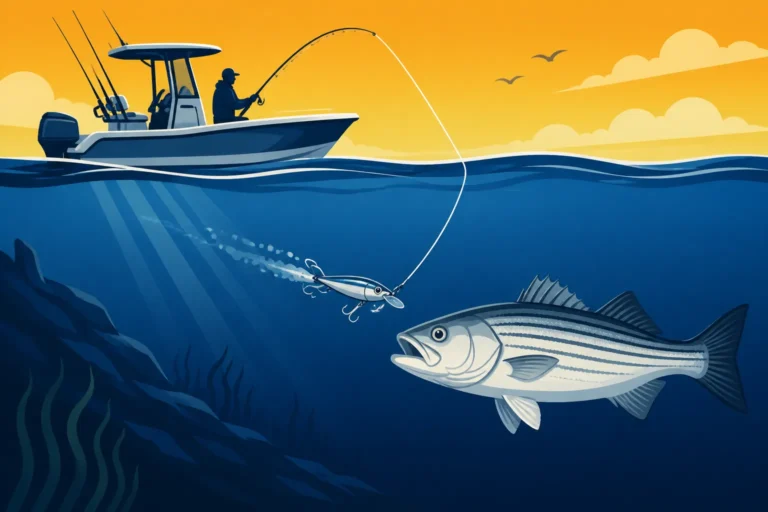
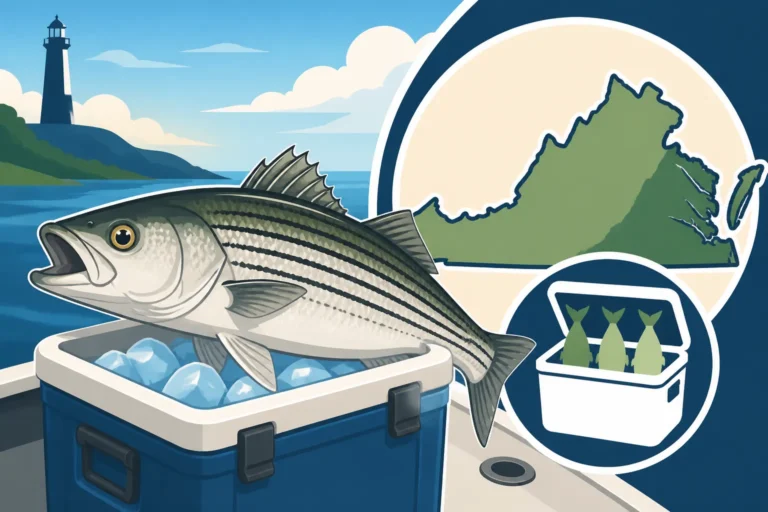
- Striped Bass (Rockfish): During early June, you might also encounter striped bass in the tidal rivers and the Bay. However, be acutely aware of the specific seasons and slot limits for these highly regulated fish. Even though you don't need a license, you must adhere to the "Virginia Striped Bass Season and Slot Limit Guide". For example, the spring season often closes before June, and a specific "slot limit" (meaning they must be within a certain size range to be kept) applies. Always consult the DWR for the latest regulations, as they can change annually.
Species-Specific Regulations to Remember
This point cannot be stressed enough: Free Fishing Days waive the license requirement, but NOT the regulations! Every single fish species in Virginia waters has specific rules governing its harvest, including minimum lengths, maximum lengths (slot limits), and daily creel limits (how many you can keep). Breaking these rules, even unknowingly, can result in fines and legal trouble.
- Consult the Virginia DWR Fishing Regulations Digest: This is your bible on the water. You can pick up a physical copy at most tackle shops or DWR license agents, or download it directly from the DWR website. It’s a small investment in time that can save you a lot of headache. This digest provides detailed information on Virginia Fishing Regulations Explained for every species.
- Minimum Lengths: Many species, like trout, bass, and striped bass, have a minimum length. This means any fish shorter than that length must be immediately released, no exceptions. For example, if you're fishing a wild trout stream, you'll find Virginia wild trout streams have a 7-inch minimum length.
- Slot Limits: Some species, like striped bass (often called rockfish in Virginia), have "slot limits." This means you can only keep fish that fall within a specific size range. Fish that are too small or too large must be released. For striped bass in the Bay, the current rule is often one fish per person within a 28 to 31 inch slot.
- Daily Creel Limits: This refers to the maximum number of fish of a particular species you can keep in one day. Once you've reached your limit, you must stop fishing for that species or switch to strict catch-and-release for the remainder of the day. As mentioned before, "Virginia's daily bass limit is 5 fish combined".
- Gear Restrictions: Certain waters might have specific gear restrictions (e.g., artificial lures only, single hook only). This is more common in trout waters but can apply elsewhere.
- Fishing Methods: Some methods, like snagging or using trotlines, may be restricted or require specific permits. For beginners, stick to rod and reel, which is almost universally allowed.
It might seem like a lot to remember, but a quick review of the DWR regulations for your target species and location before your trip will set you up for success and keep you on the right side of the law. Responsible angling starts with knowing the rules.
Essential Fishing Techniques for Free Fishing Days
You've got your gear, you know where to go, and you're brushed up on the regulations. Now, let's talk about how to actually catch some fish! For Free Fishing Days, the goal is often simplicity and effectiveness, especially if you're introducing someone new to the sport. There's no need for complicated rigs or advanced casting techniques; basic methods can be incredibly productive and fun.
Simple and Effective Bank Fishing Methods
Bank fishing is the most accessible way to fish, requiring minimal gear and no boat. It’s perfect for Free Fishing Days, allowing you to easily move along the shoreline to find active fish.
- Bobber Fishing (Float Fishing): This is arguably the easiest and most effective method for targeting panfish like bluegill, crappie, and even small bass.
- Setup: Attach a small bobber to your line about 1-3 feet above a small hook (size 8-10). Add one or two small split shot sinkers about 6 inches above the hook to help your bait sink.
- Bait: Thread a small piece of nightcrawler, a red worm, or a cricket onto the hook.
- Technique: Cast your bait near submerged cover (like weeds, logs, or lily pads) or drop-offs. The bobber keeps your bait suspended at a set depth. When a fish bites, the bobber will dip, jiggle, or go completely under.
- Why it works: It’s visually intuitive, making it easy for beginners to detect bites. The slow, natural drift of the bait is irresistible to many species. This is a classic method that never gets old and is highly recommended in any "Simple Fishing Techniques for a Child's First Trip" guide.
- Bottom Fishing: Ideal for catfish, carp, and even larger panfish that prefer to feed on the lake or riverbed.
- Setup: Tie a weight (like an egg sinker or pyramid sinker, ¼ to ½ ounce) to the end of your line, then tie a hook (size 4-6) on a short leader (6-12 inches) above the weight. Alternatively, you can use a basic "Carolina rig" with a sliding sinker above a swivel, then a leader to the hook.
- Bait: Use natural baits like a chunk of nightcrawler, chicken liver, cut bait (small pieces of fish), or dough balls.
- Technique: Cast your bait out and let it sink to the bottom. Keep your line relatively tight so you can feel bites. Catfish often produce a slow, steady pull or a series of taps.
- Why it works: It puts your bait directly in the feeding zone of bottom-dwelling species. It's a low-maintenance method, allowing you to relax while waiting for a bite. For more in-depth advice on this, look up "Catfish Bottom Fishing Techniques".
These simple "Bank Fishing Techniques" are fantastic for anglers of all skill levels, allowing you to focus on the enjoyment of the outdoors rather than complex maneuvers.
Getting Started with Boat or Kayak Fishing
If you're lucky enough to have access to a boat or kayak, Free Fishing Days can be a great time to explore waters that are inaccessible from the bank. However, safety should always be your top priority.
- Safety First: Always wear a Coast Guard-approved Personal Flotation Device (PFD), even if you're a strong swimmer. Make sure your boat or kayak is in good working order and you have all required safety gear (whistle, lights if fishing near dawn/dusk, paddle). Tell someone where you're going and when you expect to return. This is especially important for "Fishing license requirements for kayak anglers", as safety rules still apply.
- Using a Boat:
- Trolling: This involves slowly moving the boat while dragging lures or baited lines behind it. It's an excellent way to cover a lot of water and find active fish, particularly effective for species like striped bass or walleye in larger lakes.
- Casting to Structure: Use your boat's mobility to get close to prime fishing spots like submerged timber, rock piles, or weed lines. Anchor up or use a trolling motor to quietly approach, then cast your baits or lures to these areas.
- Drifting: Let the wind or current move your boat naturally over a productive area, presenting your bait in a lifelike manner. This is often very effective for crappie or walleye.
- Using a Kayak:
- Stealth: Kayaks are incredibly quiet, allowing you to sneak up on wary fish in shallow waters.
- Accessibility: You can get into tight spots that larger boats can't reach, opening up new fishing opportunities.
- Paddling and Casting: Focus on paddling to a promising spot, then anchoring or using a stake-out pole to hold position while you cast. Many kayak anglers favor light spinning gear or baitcasters.
Remember, even on a boat or kayak, you'll still be adhering to all the same fishing regulations for catch limits and sizes. It’s just giving you more options for access and presentation.
Bait and Lure Choices for Success
What you put on your hook can make all the difference. For Free Fishing Days, especially if you're new to the game, natural baits often outshine artificial lures in terms of consistent bites.
- Natural Baits (Live or Cut):
- Worms (Nightcrawlers, Red Worms): The universal bait! Virtually every freshwater fish will eat a worm. They are easy to use, readily available, and very effective for panfish, catfish, and even bass.
- Crickets: Another excellent choice for panfish, especially bluegill and sunfish. They're lively and enticing.
- Minnows: Live minnows are irresistible to many predatory fish like bass, crappie, and perch. Hook them lightly through the lip or back and fish them under a bobber or on a jig head.
- Cut Bait: Pieces of small fish (like shad or mullet, where legal) or chunks of shrimp are fantastic for saltwater species like croaker, spot, and flounder, as well as freshwater catfish.
- Dough Balls/Stink Baits: Catfish love smelly baits. You can buy commercial stink baits or make your own dough balls from bread and cheese. These are usually fished on the bottom. For example, "Best Bait for Catfish in Summer" often includes cut bait and stink baits.
- Artificial Lures: While natural baits are often easier for beginners, trying a simple artificial lure can be a lot of fun once you get the hang of casting.
- Spinners: Small inline spinners (like Mepps or Rooster Tail) are great for panfish, trout, and small bass. They're easy to cast and retrieve, and the blade's flash and vibration attract fish.
- Jigs: Small jigs (1/16 to 1/8 ounce) tipped with a soft plastic grub or minnow imitation are deadly for crappie, perch, and even bass. Just cast and retrieve with a slow, erratic retrieve (a "jigging" motion).
- Soft Plastics: Small plastic worms or grubs fished on a light jig head or Texas-rigged are very effective for bass. For more on this, check out "Best Bait for Largemouth Bass in Virginia".
The key is to match your bait or lure to the size of the fish you're targeting and the environment you're fishing in. Don't be afraid to experiment! Sometimes what works one day won't work the next, and sometimes the fish are just finicky.
Beyond the Free Fishing Days: Continuing Your Angling Journey
The Free Fishing Days are a fantastic gateway, a "try before you buy" opportunity that hopefully sparks a lifelong passion for fishing. But the journey doesn't have to end once that weekend is over! Virginia offers incredible year-round fishing, and there's a vibrant community eager to welcome new anglers.
Getting Your Virginia Fishing License
Once you've experienced the thrill of catching fish, the next logical step is to get your own fishing license. It's much simpler than you might think, and the process supports the very resources you just enjoyed.
- Understanding License Types: Virginia offers a variety of licenses to fit every angler's needs. You can choose a freshwater-only, saltwater-only, or a combination license. There are also annual options for residents and non-residents, and even short-term licenses (like a 5-day freshwater or 10-day saltwater pass) which are perfect if you only plan a few trips a year. If you're over 65, be sure to look into options like the Virginia Lifetime Saltwater Fishing License Option or even specific free options for Virginia seniors. For a full breakdown, explore the "Virginia Fishing License Guide".
- Where to Buy: Purchasing a license is incredibly convenient.
- Online: The Virginia DWR website is the easiest way. You can purchase and print your license from the comfort of your home in minutes. Check out "How to Buy a Fishing License Online in Virginia" for step-by-step instructions. You can even buy it on your phone right at the ramp if you suddenly decide to go fishing!
- DWR License Agents: Many sporting goods stores, bait and tackle shops, and even some Walmarts are authorized DWR license agents. This is a great option if you prefer an in-person transaction and often allows you to get local fishing advice at the same time.
- Why It Matters: Every dollar from license sales goes directly back into managing and conserving Virginia's fish and wildlife resources. This includes stocking programs, habitat restoration, public access development, and law enforcement. By purchasing a license, you're directly contributing to ensuring that future generations can enjoy the same incredible fishing opportunities you did on Free Fishing Days.
Exploring Different Fishing Seasons and Species
Virginia's fishing opportunities are not limited to one season or one type of fish. Once you have your license, a whole calendar year of angling adventures opens up!
- Year-Round Opportunities: While Free Fishing Days are in June, you can fish in Virginia all year long. Different species become active at different times. For instance, the fall run of striped bass in the Chesapeake Bay is legendary, while winter offers fantastic opportunities for crappie or musky in specific waters. To get a handle on the ebb and flow of angling throughout the year, refer to "Virginia Fishing Seasons Explained" or "Best Times to Fish in Virginia Throughout the Year".
- Targeting New Species: Once you've mastered panfish and catfish, why not try for something new?
- Trout: Virginia has beautiful mountain streams stocked with rainbow and brown trout, as well as native brook trout streams. A separate trout license is usually required, but the experience is truly unique.
- Striped Bass (Rockfish): These powerful fighters offer incredible thrills in both freshwater lakes (like Smith Mountain Lake) and the saltwater of the Chesapeake Bay. Just remember those strict Virginia Striped Bass Season and Slot Limit Guide regulations!
- Walleye: Found in lakes like Claytor Lake, these delicious fish require a bit more finesse but are highly prized.
- Smallmouth Bass: If you love river fishing, the Shenandoah and James Rivers are world-class smallmouth fisheries, offering a different kind of fight than their largemouth cousins.
Each season and each species presents its own challenges and rewards, keeping the sport fresh and exciting year after year.
Engaging with the Virginia Fishing Community
Fishing is often seen as a solitary pursuit, but it's also a fantastic way to connect with a passionate community.
- Local Tackle Shops: These aren't just places to buy gear; they are hubs of local knowledge. The folks who run these shops are usually seasoned anglers themselves and are often happy to share tips, report on recent catches, and point you towards productive waters. Building a relationship with your local shop can be invaluable.
- Online Forums and Social Media Groups: Virginia has numerous online fishing communities where anglers share reports, ask questions, and plan trips. This can be a great way to learn new techniques and discover hidden gems. Just be mindful of local etiquette and don't expect people to give away their secret spots easily!
- Fishing Clubs: Consider joining a local fishing club or organization. These clubs often host tournaments, educational events, and conservation projects. It's an excellent way to meet like-minded individuals, learn from experienced anglers, and get involved in protecting the sport.
- DWR Resources: The Virginia DWR website and publications are an endless source of information, from species guides and stocking schedules to public access maps and educational materials. They also often host workshops and events for new anglers.
By becoming part of the broader Virginia fishing community, you'll find endless opportunities to learn, grow, and deepen your appreciation for this wonderful outdoor activity. The Free Fishing Days are just the beginning of what could be a lifelong passion!
Virginia Free Fishing Days Quick Reference Table
Here's a handy table to help you quickly identify some common species, the best baits, and ideal locations during Virginia's Free Fishing Days. Remember, all state regulations (size/creel limits) still apply!
| Species | Best Baits / Lures (Beginner-Friendly) | Typical Location during Free Fishing Days (Early June) | Notes |
|---|---|---|---|
| Freshwater | |||
| Bluegill/Sunfish | Worms, crickets, small artificial flies/jigs | Ponds, small lakes, slow river sections, near docks & weed edges | Excellent for kids; easy to catch on bobber rigs. |
| Crappie | Small minnows, jigs (white, chartreuse) | Brush piles, fallen trees, bridge pilings in lakes & rivers | Often schooling fish; can be very active in early summer. |
| Channel Catfish | Nightcrawlers, chicken liver, cut bait | Lake & river bottoms, deeper holes, near structures | Great fighters; bottom fishing with bait. |
| Largemouth Bass | Plastic worms (Texas rig), spinnerbaits, live minnows | Weedy areas, submerged timber, docks, lily pads in lakes & rivers | More challenging but rewarding; early morning/late evening best. |
| Saltwater | |||
| Croaker | Shrimp (peeled), bloodworms, squid | Piers, docks, tidal creeks, surf in the Chesapeake Bay & coast | Abundant; good for light tackle; often bite well. |
| Spot | Shrimp, bloodworms | Same as Croaker, often found together | Smaller than croaker but plentiful and tasty. |
| White Perch | Small jigs (tipped w/ shrimp), minnows | Tidal rivers, brackish creeks, near oyster beds & submerged structure | Often found in schools; fun on light tackle. |
| Flounder | Live minnows, Gulp! shrimp/grubs on jig head | Sandy/muddy bottoms, near structure, docks, bridge pilings | Requires more finesse; bottom-dwelling ambush predators. |
Disclaimer
The information provided in this guide is intended for general informational purposes only and is not a substitute for official regulations. Fishing rules and seasons, especially for specific species like striped bass, can change frequently. Always consult the most current Virginia Department of Wildlife Resources (DWR) fishing regulations before embarking on any fishing trip, including during Free Fishing Days, to ensure compliance with all applicable laws and to ensure your safety and enjoyment on the water.