Bank Fishing Techniques
For many of us, the idea of fishing conjures up images of fancy boats, expensive electronics, and vast open waters. But let's be real – not everyone has a boat, or the budget for one, and the thought of navigating crowded ramps can be a huge turn-off. The good news is, Virginia offers incredible opportunities for bank fishing, letting you enjoy the peace and thrill of the catch right from shore. This guide is all about equipping you with the knowledge and tactics to make your next bank fishing adventure a huge success, whether you're a seasoned angler or just starting out.
Choosing Your Spot: The Art of Reconnaissance
Bank fishing isn't just about throwing a line in the first puddle you see; it's an art that begins with careful observation and choosing the right location. Picking a prime spot can make all the difference between a day of frustration and a memorable catch.
Identifying Prime Bank Fishing Locations
When you're searching for that perfect bank fishing spot, think like a fish. Where would you hide? Where would you find food? Often, the best locations aren't necessarily the prettiest or the most obvious. Public access points, especially those found in Virginia State Parks or along designated wildlife management areas, are a fantastic starting point. These areas are usually maintained, offer convenient parking, and are clearly marked for public use. Look for natural features that provide cover or concentrate baitfish, such as fallen trees, submerged brush piles, rock formations, and docks or piers. Even man-made structures like bridge pilings and culverts where streams flow into larger bodies of water can be absolute hotspots. The transition zones between shallow and deeper water are also key, as fish often patrol these areas for easy meals.
Another thing to consider is the presence of current. In rivers and tidal creeks, current breaks – areas where the water flow slows down, often behind an obstruction – are magnets for fish conserving energy and waiting for food to drift by. Small indentations in the bank, eddies, or the calm water behind a large rock can be highly productive. Take a moment to observe the water. Are there any ripples that suggest submerged structure? Are baitfish jumping near the shore, indicating predators are close by? These subtle clues can lead you to a hidden gem of a fishing spot that others might overlook, turning a simple bank into your personal honey hole.
Don't be afraid to explore a little. Sometimes, walking a bit further down a trail or exploring a less-traveled section of the bank can reveal untouched stretches of water teeming with fish. Just remember to always be mindful of your surroundings and any signage.
Researching Local Waters and Regulations
Before you even pack your tackle box, a little homework can save you a lot of hassle – and potential fines. The Virginia Department of Wildlife Resources (DWR) website is your absolute best friend when it comes to understanding what you can expect from local waters. They offer detailed guides on different bodies of water, common fish species, and public access points. A quick search can reveal information about lake depths, common structures, and even recent stocking reports for trout streams.
Beyond online resources, don't underestimate the wisdom of local bait and tackle shops. These folks live and breathe fishing in their community and can provide invaluable, up-to-the-minute advice on what's biting, where to go, and what bait to use. They often know the hidden gems or the best times to fish certain spots. Always make sure you're up-to-date on Virginia Fishing Regulations Explained for the specific waterbody and species you plan to target. Regulations can vary widely from lake to lake or river to river, and ignorance of the law is no excuse. This includes understanding Virginia's Rules for Fishing on Public and Private Waters and any specific catch limits or slot sizes for certain fish. Neglecting this step could lead to significant penalties, including fines for Penalties for Fishing Without a License in Virginia.
Additionally, some areas might require specific permits beyond your standard fishing license, such as access fees for certain parks or special stamps for trout fishing. Always double-check these requirements to ensure a smooth and legal fishing trip. A quick call to the park office or a visit to their website can often clarify any ambiguities, letting you focus on the fishing itself.
Safety First: Assessing the Bank and Surroundings
Your safety should always be your top priority, especially when bank fishing. What might look like a perfectly accessible spot can hide hidden dangers. Always take a moment to assess the terrain. Is it uneven, slippery, or prone to erosion? Steep, muddy banks can quickly become treacherous, especially after rain, leading to nasty falls or even a dunk in the water. Smooth, wet rocks along riverbanks can be incredibly slick, so watch your footing.
Beyond the immediate ground you're standing on, be aware of potential wildlife. Virginia is home to venomous snakes like copperheads and cottonmouths, particularly in warmer months and brushy areas. Always keep an eye out, wear appropriate footwear, and never reach into areas you can't see. Ticks and poison ivy are also common nuisances, so long pants, insect repellent, and knowing how to identify these plants are crucial. Also, scan for any overhead power lines before making a cast; contact with fishing line can be extremely dangerous. Finally, be respectful of private property. Always look for "No Trespassing" signs or property markers. Fishing on private land without permission is illegal and can lead to serious trouble. When in doubt, err on the side of caution and find a clearly public access point. A safe day on the bank is always a good day, regardless of the catch.
Essential Gear for the Bank Angler
One of the beautiful things about bank fishing is that you don't need a boatload of specialized, expensive equipment. However, having the right basic gear can significantly enhance your comfort and success. It's about smart choices, not excessive spending.
Rod and Reel Selection for Shoreline Success
For most bank fishing scenarios in Virginia, a spinning rod and reel combo is your best bet. Why? Because it offers incredible versatility, allowing you to cast a wide range of lure weights and live baits, and it's generally easier for beginners to master than baitcasting setups. Look for a medium-action rod, typically between 6.5 and 7.5 feet in length. This length provides enough leverage for decent casting distance, which is often crucial when you can't get right on top of the fish, while still being maneuverable in tight spots with overhead obstructions. The medium action offers a good balance of sensitivity for feeling bites and backbone for fighting fish.
Pair your rod with a reliable spinning reel in a 2500 or 3000 size. These sizes offer a good line capacity and a smooth drag system, which is essential when a big fish decides to make a run. Spool your reel with either monofilament or braided line. Monofilament is a classic choice, offering stretch (which can be forgiving) and good knot strength. Braided line, on the other hand, provides superior casting distance, incredible sensitivity (you'll feel every little tap!), and almost no stretch, which is great for strong hooksets. Many anglers opt for braided main line with a fluorocarbon leader for a stealthy presentation. You can find excellent, budget-friendly rod and reel combos perfectly suited for bank fishing on Amazon, offering quality without breaking the bank. Don't feel pressured to buy the most expensive gear; a well-matched, dependable setup is far more important than a flashy label.
The Bank Angler's Tackle Box Staples
Your tackle box doesn't need to be huge, but it does need to be smart. Focus on versatility and the species you're likely to encounter. Start with a variety of hooks: offset worm hooks for soft plastics, circle hooks for live bait, and jig heads in various weights. A selection of sinkers is also critical – split shot for subtle presentations, bullet weights for Texas rigs, and egg sinkers for bottom fishing rigs. Don't forget bobbers; both fixed and slip bobbers will cover most shallow and deeper water presentations. These are the unsung heroes of bank fishing, allowing you to suspend bait at precise depths.
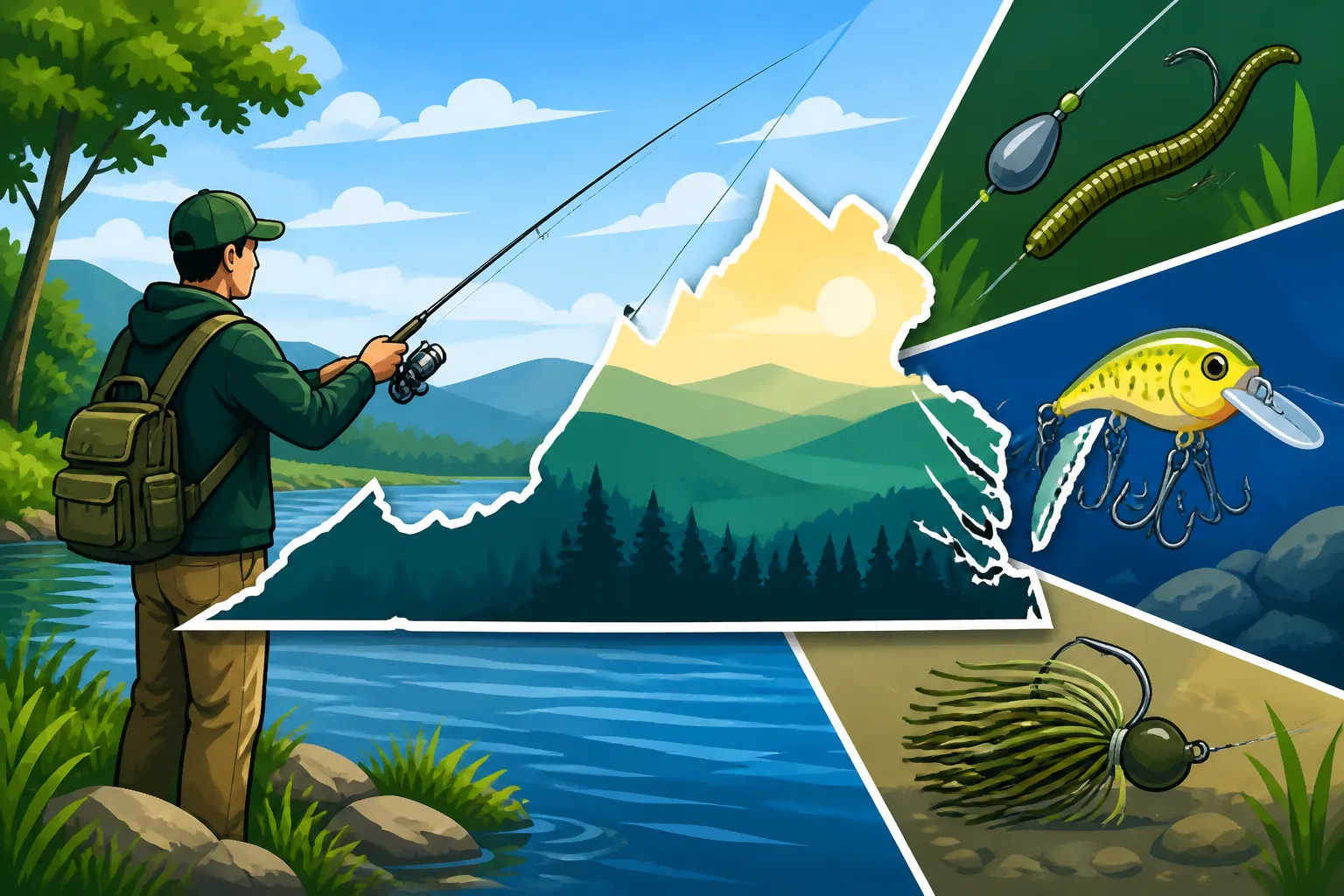
When it comes to lures, a few versatile options will serve you well. Soft plastic worms and creature baits are bass magnets and can be fished in countless ways. Small crankbaits and spinnerbaits are excellent search baits, covering water effectively. And never underestimate a good jig, especially for crappie or bass near structure (for more tips on this, check out Crappie Jigging Techniques). For live bait, common choices include nightcrawlers (always a winner!), minnows, and sometimes corn or dough balls for panfish. Having a small selection of each means you can adapt to what the fish are biting on any given day. Remember, sometimes the simplest bait is the most effective. Buying these essentials in bulk on Amazon can also be a cost-effective strategy for keeping your tackle box stocked.
Comfort and Convenience Items
Bank fishing, while often less demanding than boat fishing, still benefits greatly from a few comfort and convenience items. Trust me, your back and feet will thank you! A lightweight, portable folding chair is a game-changer, especially if you plan to spend several hours in one spot waiting for a bite. A small cooler is perfect for keeping drinks, snacks, and any caught fish fresh. Staying hydrated is key, particularly during Virginia's warm summers.
Don't forget personal protection: sunscreen, a wide-brimmed hat, and insect repellent are non-negotiables to protect against sun exposure and pesky bugs. A pair of needle-nose pliers or line clippers are essential for removing hooks, cutting line, and general tackle adjustments. A small first-aid kit, even just a few band-aids and antiseptic wipes, can quickly address minor scrapes or hook pricks. Finally, wear comfortable, sturdy shoes with good traction, especially if you'll be walking uneven terrain, and consider packing a small backpack or tackle bag to keep everything organized and easy to carry. The less you have to juggle, the more you can focus on the fishing.
Mastering Different Bank Fishing Techniques
Successfully fishing from the bank requires more than just throwing your line out and hoping for the best. It's about understanding how to present your bait or lure effectively from a fixed position, adapting to the environment, and knowing what works for different species.
Fundamental Casting and Retrieval Methods
Even if you're stuck on the bank, a good casting technique can make a world of difference. The most common is the overhead cast, which provides accuracy and distance. Practice loading your rod – using the weight of the lure to bend the rod back before whipping it forward – for maximum power. For tighter spots with trees or brush, a sidearm cast can be invaluable, allowing you to keep your lure low and skip it under obstructions. Another advanced, yet highly effective, technique is skip casting, where you make a low, sidearm cast that causes your lure to skip across the water's surface like a stone, reaching deep under docks or overhanging cover that would otherwise be inaccessible. Mastering these casts significantly expands your reach and the amount of fish-holding structure you can target.
Once your bait or lure is in the water, the retrieval method is equally important. A steady retrieve works well for spinnerbaits and some crankbaits, mimicking fleeing baitfish. A stop-and-go retrieve can be deadly for plastic worms or jerkbaits, creating an erratic action that triggers strikes from curious predators. Jigging, where you make short, sharp lifts of your rod tip to make a lure "hop" along the bottom or through the water column, is excellent for presenting jigs or soft plastics near structure. The key is to experiment and observe; often, the fish will tell you what they prefer on any given day. Pay attention to every bump, twitch, and pause, as these might indicate a subtle bite.
Live Bait Rigs for Stationary and Active Fishing
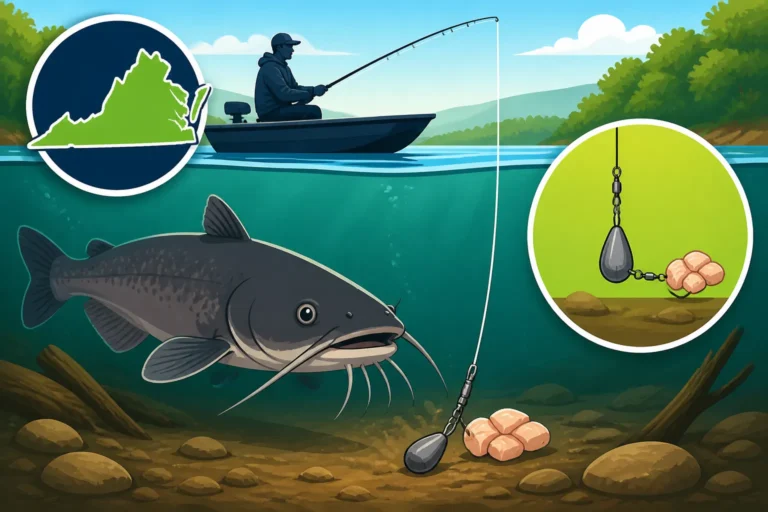
Live bait fishing from the bank is often the easiest and most effective method, especially for beginners or when targeting a variety of species. For bottom-dwelling fish like catfish, a simple bottom rig is ideal. This usually involves a slip sinker above a swivel, followed by a leader (often fluorocarbon for stealth) and a hook. The slip sinker allows the line to run freely, so a biting fish won't feel the weight of the sinker, making them more likely to take the bait. This setup is fantastic for placing cut bait or a large worm right in front of a hungry channel cat, as outlined in guides like Catfish Bottom Fishing Techniques.
For species like panfish or smaller bass that might be suspended or feeding in shallower water, a bobber rig is your go-to. A fixed bobber is great for shallow water where you want to keep your bait at a consistent, shallow depth. For deeper water, a slip bobber rig allows you to easily adjust the depth of your bait by simply sliding a bobber stop up or down your line, presenting your worm or minnow precisely where the fish are holding. Another highly effective rig, especially for bass, is the Carolina rig. This involves a weight (often an egg sinker or a bullet weight) sliding freely on your main line, followed by a swivel, a longer leader, and then your hook with a soft plastic bait. This rig keeps the weight on the bottom while allowing your bait to float freely above it, making it incredibly attractive to bass cruising along the lakebed.
Artificial Lure Presentation from Shore
Fishing artificial lures from the bank takes a bit more finesse and understanding of fish behavior. Since you're stationary, you need to make the most of every cast. Start by fan casting, which means casting to different spots in a fan-like pattern around your position. This helps you cover a wider area and locate where fish might be holding. Pay close attention to any visible structure – submerged logs, rock piles, weed lines, or even changes in bottom contour if the water is clear enough to see. Cast beyond these structures and work your lure through, over, or around them.
The speed and action of your retrieve are critical. Sometimes, a slow, methodical retrieve is what's needed to entice a lethargic bass, while other times a fast, erratic retrieve can trigger a reaction strike. Experiment with different lures and presentations. For example, a Texas-rigged plastic worm worked slowly along the bottom is a classic for largemouth bass, especially near cover. Spinnerbaits and buzzbaits can be highly effective when retrieved quickly over submerged vegetation or along shorelines, mimicking a fleeing baitfish. For more detailed insights on effective lures, consider guides like Best Lures for Summer Bass Fishing. Understanding how current, wind, and depth affect your lure's presentation is also key. A lighter lure might require a faster retrieve in current to stay at the desired depth, while a heavier lure might need to be slowed down to avoid snagging the bottom. The art is in making your lure look as natural and enticing as possible, even with the limitations of a fixed position.
Reading the Water: Understanding Fish Behavior from Shore
You don't need fancy sonar to find fish when you're bank fishing. Your eyes are your most valuable tool, and learning to "read the water" will unlock countless opportunities right from shore. Fish are creatures of habit, and understanding their preferences based on conditions can turn an empty day into a fruitful one.
Identifying Fish-Holding Structure from the Bank
The biggest advantage you have as a bank angler is the ability to closely observe the water directly in front of you. Fish, especially larger ones, are almost always associated with some form of structure or cover. From shore, look for visible cues: fallen trees extending into the water, large rocks, docks, old pilings, or even changes in vegetation along the shoreline. These features provide shade, ambush points, and protection from predators, making them prime real estate for fish. Also, keep an eye out for less obvious underwater structures. Clear water might reveal subtle drop-offs where the bottom suddenly gets deeper, or areas with denser submerged weeds. Even a small culvert where water enters a lake or river can be a fantastic spot, as it often brings in baitfish and nutrients.
Beyond stationary structure, observe the water's surface and activity. Are there ripples in a calm area that suggest a submerged log or rock? Are baitfish jumping erratically, indicating a predator is in pursuit? Are birds like ospreys or herons actively fishing a certain area? These are all tell-tale signs that fish are present and actively feeding. Sometimes, you might even spot fish cruising near the surface, especially during low-light conditions or in clear water. Take mental notes or even use binoculars to scan the water for these subtle but crucial indicators. The more you practice looking for these signs, the better you'll become at pinpointing where the fish are hiding, even from a distance.
The Impact of Weather and Water Conditions
Fish behavior is heavily influenced by environmental factors, and understanding these from the bank can help you predict where they might be and what they might be willing to bite. Water temperature is perhaps the most significant factor, dictating fish metabolism and activity levels. For a deeper dive, check out Water Temperature and Fish Feeding Patterns. In cold water, fish are often lethargic and prefer deeper areas, requiring slower presentations. In warmer water, they become more active, moving into shallower areas to feed, especially during dawn and dusk. Water clarity also plays a huge role; clear water often means fish are more wary, necessitating lighter lines and more natural presentations, while murky water can allow you to use bolder colors and scents.
Weather patterns also have a profound impact. A sudden cold front can shut down the bite, pushing fish deep and making them reluctant to feed. Knowing Fishing Techniques After a Cold Front can be a lifesaver. Conversely, overcast days or light rain can often trigger feeding binges, as the low light makes fish feel safer and more aggressive. Even heavy rain can change fish behavior, as detailed in Fishing Techniques After Rain, by stirring up food sources and increasing current. Pay attention to barometric pressure changes, too; a falling barometer often indicates an approaching storm and can signal an active bite, while a rising barometer might mean a slower bite. These are complex interactions, but even basic awareness can significantly improve your chances.
Understanding Daily and Seasonal Fish Movements
Fish aren't always in the same place; they move throughout the day and year based on their needs for food, spawning, and protection. Understanding these patterns from the bank allows you to target them more effectively. During the warmer months, fish often move into shallower water during low-light periods (dawn and dusk) to feed, then retreat to deeper, cooler water or dense cover during the bright midday sun. This is why early mornings and late evenings are often the "golden hours" for bank anglers.
Seasonally, these movements become even more pronounced. In spring, many fish species, like largemouth bass and panfish, move into very shallow water to spawn, making them highly accessible to bank anglers. This is an excellent time to target them near visible cover. As summer progresses, fish might move to deeper water, seeking cooler temperatures and stable oxygen levels. Fall often sees fish becoming highly active again as they feed heavily in preparation for winter, moving between shallow feeding flats and deeper staging areas. In winter, fish are typically found in the deepest, most stable water they can find, though mild days can see them briefly venturing shallower. A general understanding of Virginia Fishing Seasons Explained for various species will give you a huge advantage, letting you anticipate where fish will be and what they'll be doing.
Tackling Common Bank Fishing Challenges
Bank fishing is incredibly rewarding, but it's not without its unique set of challenges. From snags to crowds, knowing how to anticipate and overcome these hurdles can save you frustration and make your time on the water much more enjoyable.
Dealing with Snags, Weeds, and Obstructions
One of the most frequent frustrations for any bank angler is getting snagged. Whether it's on submerged logs, thick weeds, or rocky bottoms, snags happen. The key is to minimize them and know how to deal with them when they do. Before casting, observe the water for visible obstructions. If you see dense weeds or woody cover, adjust your presentation. Using weedless hooks, such as Texas rigs for soft plastics, can significantly reduce snags in grassy areas. Employing topwater lures or shallow-running crankbaits can help you fish over submerged obstacles.
When you do get snagged, don't just yank. Often, a gentle but firm pull from a different angle can free your lure. Try pointing your rod tip directly at the snag and pulling steadily with your line. If that doesn't work, sometimes letting slack in your line can cause the lure to float free. If all else fails and you have to break off, it's frustrating, but it's part of the game. That's why having extra hooks, weights, and a few backup lures is crucial. Buying tackle in bulk from places like Amazon can help lessen the sting of lost gear. Remember, a lost lure is often a sign you were fishing where the fish were hiding – so don't be too discouraged!
Overcoming Limited Casting Distance and Access
Unlike boat anglers who can cruise to any part of the lake, bank anglers are limited by how far they can cast and where they can physically access the water. This can feel restrictive, but there are ways to overcome it. First, practice your casting. A smooth, powerful overhead cast can add significant yardage to your reach. Using lighter fishing line (e.g., 6-8 lb test monofilament or equivalent diameter braid) can also increase casting distance, as there's less resistance. Matching your lure weight to your rod's rating is also important; a well-matched combo will cast much further and more efficiently.
Second, be strategic about finding accessible spots that also hold fish. Sometimes, walking a little further down the bank to reach a point or a sharp bend in a river can put you within casting range of deeper water or prime structure that's otherwise out of reach. Utilize overhead and skip casting techniques to get lures under overhanging branches or docks. Don't be afraid to use binoculars to scan distant banks or structures for signs of fish activity or potential holding areas before you even start walking. Look for points, inlets, or areas where tributaries flow into the main body of water, as these often concentrate fish and can provide better access to productive waters from shore. Remember, creativity and persistence are a bank angler's best friends.
Managing Crowds and Finding Solitude
One of the downsides of easily accessible bank fishing spots is that they can sometimes get crowded, especially on weekends or during peak seasons. Dealing with other anglers, tangled lines, and noise can detract from the peaceful experience many seek. If solitude is your goal, try fishing during off-peak hours – early mornings, late evenings, or even weekdays when most people are at work. These times often coincide with prime feeding windows for many fish, giving you a double advantage.
Another strategy is to explore lesser-known or less-developed access points. While they might require a bit more walking or navigating rougher terrain, these hidden gems often offer a tranquil fishing experience away from the crowds. State forests, less popular sections of national parks, or smaller, local ponds can be fantastic alternatives to crowded main lakes. When you do encounter other anglers, practice good fishing etiquette: give everyone ample space, keep noise to a minimum, and avoid casting directly over someone else's line. Respecting others' space fosters a more enjoyable environment for everyone. Sometimes, finding that perfect peaceful spot is as much a part of the fishing experience as landing a trophy fish, and Virginia has plenty of opportunities for both.
Species-Specific Bank Fishing in Virginia
Virginia's diverse waterways offer incredible bank fishing opportunities for a wide range of species. Knowing what you're targeting and how to approach them from shore can make your trip much more productive and enjoyable.
Targeting Bass and Panfish from Shore
For many bank anglers, largemouth and smallmouth bass are primary targets. These feisty fish love structure and cover, which you can often find close to shore. For largemouth, focus on areas with submerged logs, thick weed beds, lily pads, or overhanging trees. Texas-rigged plastic worms, jigs, and spinnerbaits are incredibly effective when worked slowly through or around this cover. Early mornings and late evenings are prime times, as bass often move shallow to feed. Smallmouth bass, typically found in clearer, rockier rivers and lakes, respond well to small crankbaits, tube baits, and soft plastic grubs fished near current breaks and rocky bottom. For more in-depth strategies, check out How to Catch Bass From the Bank. Remember, patience and varied retrieves are key when chasing bass from shore.
Panfish, including bluegill, crappie, and various types of perch, are fantastic targets for bank anglers, especially for beginners or families, because they're often abundant and relatively easy to catch. They typically hang around docks, brush piles, and shallow weed edges. A simple setup with a small hook, a piece of a nightcrawler or corn, and a bobber is often all you need. For crappie, small jigs tipped with a minnow or soft plastic are deadly, especially when fished around submerged timber or brush. You can find more beginner-friendly tips in Bream and Bluegill Fishing for Beginners. Many of Virginia's smaller lakes and ponds, as well as the quiet coves of larger reservoirs, are excellent for panfish. Places like the public access points on Lake Anna or Smith Mountain Lake can offer great panfish action from shore.
Landing Catfish and Other Bottom Dwellers
Catfish are another extremely popular target for bank anglers in Virginia, known for their powerful fights and delicious table fare. Channel catfish, flathead catfish, and white catfish are all present in Virginia's rivers and larger lakes. To target them from shore, you'll generally need heavier gear – a medium-heavy rod with a robust reel spooled with 15-20 lb test line is a good starting point. Unlike bass or panfish, catfish are often found on the bottom, preferring deeper holes, river bends, and areas with slower current.
The best baits for catfish are often strong-smelling and natural. Cut bait (pieces of shad, herring, or other oily fish), chicken liver, and commercial stink baits are highly effective. A simple bottom rig, as described earlier, is perfect for getting your bait down to where the catfish are. Patience is key; catfish bites can be subtle at first, often feeling like a gentle tug before they commit. Many anglers find that the best time to target catfish is after dark, as they become more active predators under the cover of night. For detailed strategies, refer to guides like Catfish Bottom Fishing Techniques and How to Catch Catfish at Night. Places like the James River and the broader Chesapeake Bay tributaries offer excellent bank fishing for large catfish.
Shoreline Strategies for Trout and Striped Bass
While often associated with specialized gear or boats, both trout and striped bass can be successfully targeted from Virginia's banks with the right approach. Trout fishing from shore is primarily found in Virginia's stocked trout streams and rivers. These waters are regularly stocked by the DWR, making them accessible to anglers without a boat. Light spinning gear with small spinners (like Mepps or Rooster Tail), artificial trout baits (like PowerBait), or even a simple worm under a bobber can be very effective. Look for slower pools, eddies, or areas around logs and rocks that provide cover and current breaks. Always be aware of Virginia Stocked Trout Waters and License Requirements and specific regulations for these fisheries, as they can sometimes differ from general rules. Wild trout streams, though less common for bank fishing due to their often remote and overgrown nature, also offer opportunities for skilled anglers using flies or small inline spinners (check Wild Trout Stream Rules in Virginia for specific details).
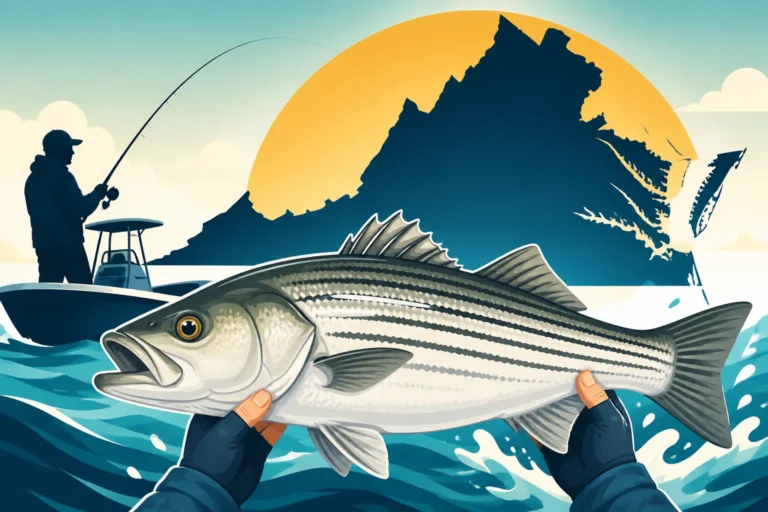
Freshwater striped bass, often called "stripers" or "rockfish" in Virginia's tidal rivers, are a thrilling challenge from the bank. Lakes like Smith Mountain Lake are renowned for their striper populations. These powerful fish require heavier tackle than standard bass gear – a stout medium-heavy rod and a reel with strong drag and plenty of line capacity are essential. Live bait, such as shad or large shiners, fished on a weighted rig or under a balloon (if permitted), can be deadly. Large swimbaits, jerkbaits, and topwater lures can also entice strikes, especially during dawn and dusk. Targeting stripers from shore often means focusing on points, main lake channels, dam areas, and deep water access points, as detailed in resources like Smith Mountain Lake Striped Bass Fishing in Virginia. Be sure to know the current Virginia Striped Bass Season and Slot Limit Guide as regulations for these popular fish are often quite specific and change seasonally.
Here's a quick reference table to help you choose your next bank fishing adventure:
| Species | Typical Locations from Bank | Recommended Bait/Lures | Ideal Conditions | Key Tips for Bank Anglers |
|---|---|---|---|---|
| Largemouth Bass | Weeds, logs, docks, lily pads | Plastic worms, jigs, spinnerbaits, shallow crankbaits | Overcast, dawn/dusk, warm water | Target visible cover, vary retrieve, use weedless rigs |
| Smallmouth Bass | Rocky banks, current breaks, clear rivers | Tube baits, small crankbaits, soft plastic grubs, spinners | Clear water, moderate current, rocky bottoms | Focus on eddies and current seams, precise casts |
| Bluegill/Panfish | Docks, brush piles, shallow coves, weed edges | Worms, crickets, corn, small jigs, tiny spinners | Calm, warm water, sunny days | Simple bobber rigs, light tackle, target visible cover |
| Catfish | Deep holes, river bends, tributary mouths, dark | Cut bait, chicken liver, stink baits, worms | Overcast, night fishing, muddy water | Heavy tackle, bottom rigs, patience, use strong-smelling baits |
| Trout | Stocked streams, deeper pools, current breaks | PowerBait, small spinners, worms, flies | Cooler water, clear streams | Light line, check stocking reports, fish quiet spots |
| Striped Bass | Points, dam outflows, deep channels, bridge pilings | Live shad, large swimbaits, jerkbaits, topwater | Moving water, dawn/dusk, specific seasons | Heavy gear, strong drag, know regulations, look for bait |
Disclaimer
The information provided in this guide is for general informational purposes only and is not intended as legal advice regarding fishing regulations. Fishing regulations, license requirements, and access rules in Virginia can change frequently. It is the responsibility of each angler to consult the most current Virginia Department of Wildlife Resources (DWR) regulations and local ordinances before engaging in any fishing activity. Always prioritize your safety and ensure you are fishing legally and ethically.