How to Bottom Fish for Catfish
There's nothing quite like the thrill of feeling that distinct, heavy thud on your line when a big catfish decides to investigate your offering, but for many anglers, especially those new to the pursuit, figuring out how to consistently land these bottom-dwelling giants can feel like cracking a secret code. You might cast out bait after bait, only to reel in an empty hook, or worse, get snagged in the debris catfish love to call home. This comprehensive guide is designed to demystify the art of bottom fishing for catfish, equipping you with the knowledge and tactics to consistently put more of these powerful fish in your net, whether you're targeting a feisty channel cat or a massive flathead in Virginia's abundant waters.
Understanding Catfish Behavior for Bottom Fishing Success
Before you even think about casting a line, understanding why bottom fishing is so effective for catfish is crucial. These fascinating creatures aren't just lurking in the depths; they're actively hunting, scavenging, and navigating their underwater world in specific ways that make bottom presentations irresistible.
Why Catfish Prefer the Bottom
Catfish, especially the larger species like channel cats, blue cats, and flatheads, are primarily benthic feeders. This means they spend most of their time feeding on or near the bottom of rivers, lakes, and ponds. Their diet often consists of whatever they can find down there: small fish, crustaceans, mussels, insects, and even decaying organic matter. They're built for it, with downward-facing mouths and sensitive whiskers (barbels) that act like antennae, helping them detect food even in murky water or complete darkness.
Imagine a sluggish, muddy river after a storm. The current might be ripping on the surface, but down deep, it's calmer, and more importantly, all sorts of dislodged goodies are settling on the bottom. A catfish's keen sense of smell and touch allows it to sift through this bounty effortlessly. When you place your bait directly on the bottom, you're putting it exactly where these fish are accustomed to finding their meals, capitalizing on their natural feeding instincts and making your offering much more appealing. This is true whether you're fishing the expansive James River or a smaller farm pond.
Prime Catfish Holding Structures
Catfish are structure-oriented fish. They love to hang out around features that offer cover, current breaks, and ambush points where food might drift by. Bottom fishing thrives when you can accurately place your bait in these key areas. Think about the snags and frustrations you've encountered before; often, that's exactly where the fish are!
Look for fallen trees, submerged logs, rock piles, ledges, drop-offs, bridge pilings, and even sudden changes in bottom composition, like where a hard gravel bottom meets a soft, silty one. In rivers, current seams—where fast water meets slow water—are absolute hotspots, as baitfish and other food sources get funneled and confused in these transition zones. When fishing a large body of water like the Chesapeake Bay's tributaries or even a lake like Lake Anna, finding these underwater structures, often with the help of a fish finder, can dramatically increase your success rate. Don't be afraid to experiment with casting to different types of structure until you find where the fish are actively biting.
Essential Gear for Bottom Fishing
Having the right equipment is paramount for successful bottom fishing, especially when you're targeting powerful catfish. You don't need the most expensive gear on the market, but you do need tackle that can stand up to the fight and the often rugged environments where these fish reside.
Rods, Reels, and Line
For catfish bottom fishing, durability and strength are your watchwords. You're not looking for finesse; you're looking for backbone.
- Rods: A medium-heavy to heavy action rod, typically 7 to 9 feet long, is ideal. The longer rod provides better casting distance, which is often crucial when fishing from the bank or reaching distant structures. The heavy action allows you to cast heavier sinkers, fight strong currents, and, most importantly, have the leverage to pull a big catfish out of cover. A good catfish rod will have a sturdy blank and strong guides to withstand the abuse.
- Reels: Look for robust spinning or baitcasting reels. Spinning reels in the 4000-6000 series are common, offering good line capacity and drag. Baitcasting reels, particularly conventional models, are favored by many serious catfishermen for their brute strength, excellent drag systems, and superior cranking power when dealing with large fish or heavy weights. Ensure your reel has a smooth, strong drag system, as this is your primary tool for fighting a powerful fish without breaking your line.
- Line: Monofilament line in the 15-30 lb test range is a popular choice for its shock absorption and abrasion resistance, which is important when fishing around rough bottom structures. Braided line, in the 30-80 lb test range, has become increasingly popular due to its incredible strength, lack of stretch (which provides excellent sensitivity), and thin diameter. If you opt for braid, consider a monofilament or fluorocarbon leader to provide some shock absorption and make your rig less visible. You can find robust braided lines and durable monofilament options readily available on Amazon.
Terminal Tackle Essentials
Your terminal tackle is where the magic happens—it's the business end of your line that presents the bait. Choosing the right components is key to a reliable and effective rig.
- Hooks: Circle hooks are highly recommended for catfish bottom fishing. Their design ensures that the hook typically catches in the corner of the fish's mouth, resulting in fewer gut hooks and making them much safer for catch-and-release, or for fish you intend to keep. Sizes from 4/0 to 8/0 are common, depending on the size of your bait and target species. For smaller channel cats, a 2/0 or 3/0 might suffice, while for large flatheads or blue cats, you'll want something in the 6/0 to 8/0 range. You'll find a wide selection of quality circle hooks, including those from trusted brands, on Amazon.
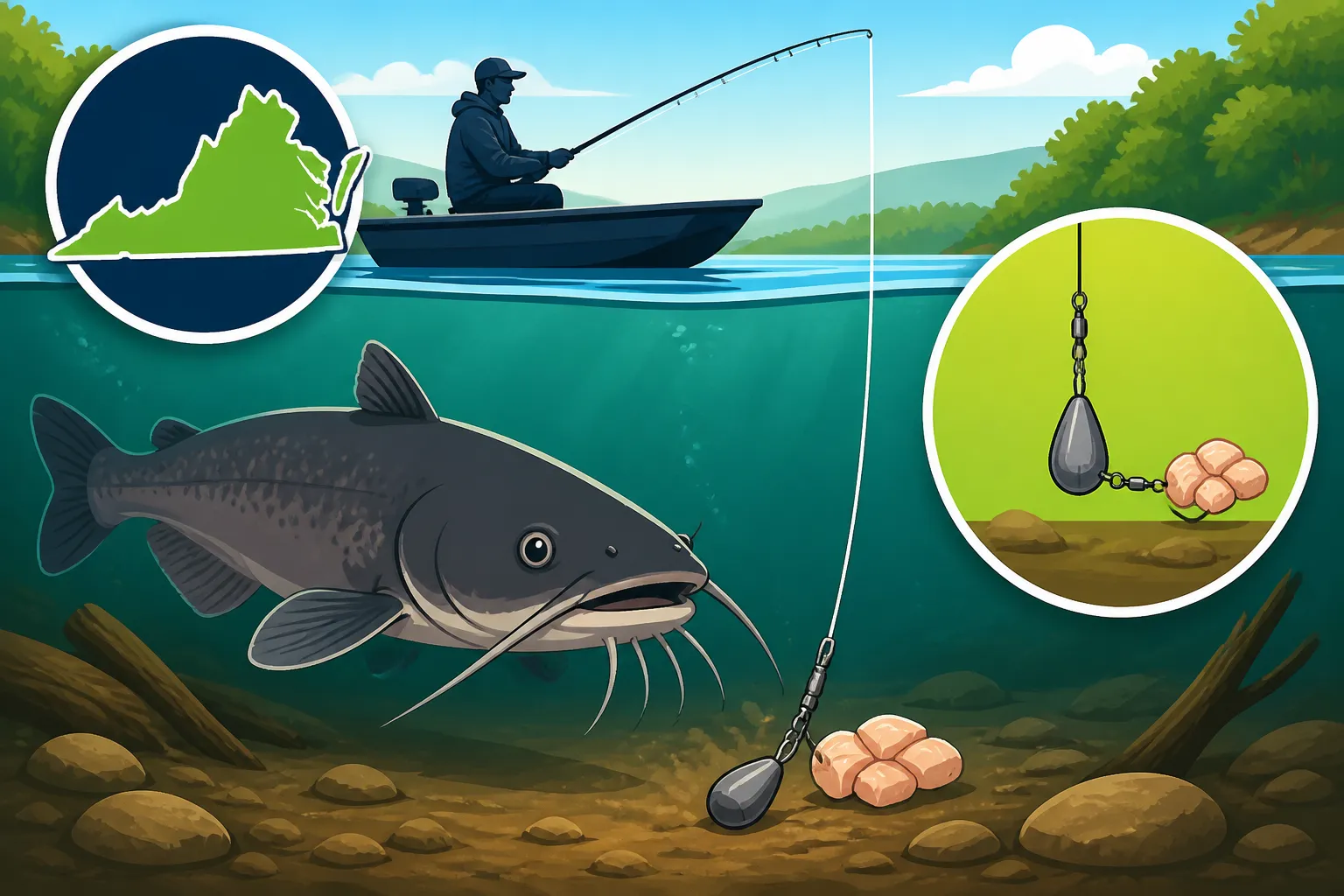
- Sinkers: Because you're fishing the bottom, sinkers are crucial for getting your bait down and keeping it there, especially in current. Pyramid sinkers are great for sandy or muddy bottoms in current, as they dig in and resist rolling. No-roll sinkers are excellent for still water or lighter current over hard bottoms. Egg sinkers are used in slip-sinker rigs, allowing the line to run freely through them, preventing the fish from feeling resistance when it bites. Weight will vary greatly depending on current and depth, from 1/2 ounce to several ounces.
- Swivels: Heavy-duty barrel swivels or three-way swivels are essential for preventing line twist and for connecting different parts of your rig. A good swivel ensures that your bait can spin naturally without kinking your main line.
- Beads: Small plastic beads are often used in slip-sinker rigs between the sinker and the knot connecting to your hook or swivel. This protects the knot from being repeatedly abraded by the sinker during casting and retrieving, extending its lifespan.
Choosing the Best Bait for Bottom Fishing Catfish
Catfish are opportunistic feeders, but they do have preferences! The right bait, presented correctly, can be the difference between a slow day and a banner day. When thinking about Catfish Fishing Techniques and Bait Guide, remember that local conditions and the specific species you're targeting can influence what works best.
Natural Baits: The Catfish Classics
Nothing beats fresh, natural bait when it comes to enticing catfish. Their incredible sense of smell and their predatory instincts draw them in from a distance.
- Cut Bait: This is arguably the king of catfish baits. Fresh shad, herring, bluegill, perch, or even carp cut into chunks or strips releases strong scent trails that catfish find irresistible. The oilier the fish, the better. For large flatheads, a whole live baitfish might be preferred, but for channel and blue cats, a good chunk of fresh cut bait is hard to beat. The smell permeates the water, signaling an easy meal. Many anglers swear by fresh oily fish from their target waters as the best choice.
- Live Bait: For trophy flathead catfish, live bait is often the most effective. Small sunfish (bluegill, bream), shad, or even small carp are excellent choices. Hook them through the back or lips to keep them lively. The struggling movement of a live baitfish sends vibrations through the water, attracting predatory flatheads. Remember to check Virginia's regulations regarding the use of live bait and baitfish species in specific waters, as some areas have restrictions.
- Worms: While perhaps more commonly associated with panfish, a big juicy wad of nightcrawlers can absolutely catch catfish, especially smaller channel cats and bullheads. They provide plenty of natural scent and movement. You might need to use several worms on one hook to create a substantial offering. Worms are particularly effective in smaller ponds or slow-moving rivers.
- Minnows/Shiners: Larger minnows or small shiners, either live or dead, can be very effective, especially for channel cats. Their natural scent and flash mimic many of the smaller baitfish that make up a catfish's diet.
Prepared Baits: Scent and Convenience
For anglers who prefer convenience or want to try something different, there's a huge world of prepared catfish baits designed to capitalize on their strong sense of smell.
- Stink Baits: These are purpose-made concoctions designed with incredibly potent, often pungent, aromas that catfish can detect from afar. Available in various forms—dips, doughs, or punch baits—stink baits adhere to sponges, treble hooks, or specialized bait holders. While less effective for truly massive flatheads (who prefer live or cut bait), they are deadly for channel cats and bullheads, especially in lakes and slower rivers. There are countless brands and recipes, each with its loyal following.
- Dough Baits: Often homemade or commercially produced, dough baits are usually a mix of flour, cornmeal, cheese, and various "secret ingredients" (often including strong-smelling fish or animal byproducts). They're molded onto a hook, sometimes around a spring-loaded bait holder, and release scent slowly into the water.
- Chicken Liver: A classic for a reason! Chicken liver is inexpensive, readily available, and incredibly bloody and smelly. It's fantastic for channel catfish. The main challenge is keeping it on the hook, as it's very soft. Using a small bait holder, wrapping it with a bait thread, or even placing it in a mesh bag can help. You'll likely catch plenty of fish with this simple yet effective option, particularly if you're fishing a spot like the James River for channel catfish.
| Bait Type | Target Species | Pros | Cons |
|---|---|---|---|
| Cut Bait | Blue, Channel, Flathead | Strong scent, natural, highly effective | Can be messy, requires preparation |
| Live Bait | Trophy Flathead | Excels for large predators, natural movement | Requires baitfish, less accessible |
| Worms | Channel, Bullhead | Readily available, easy to use, natural | Less effective for large cats, small offerings |
| Minnows/Shiners | Channel, smaller Blue | Natural, good flash and scent | May attract other fish, can be delicate |
| Stink Baits | Channel, Bullhead | Extreme scent, convenient, long-lasting | Less natural for picky fish, can be messy |
| Chicken Liver | Channel, Bullhead | Inexpensive, strong scent, readily available | Difficult to keep on hook, very messy |
Setting Up Your Bottom Fishing Rig
The way you rig your line can make a significant difference in how effectively your bait is presented and how well you detect bites. There are a few tried-and-true setups for bottom fishing that every catfish angler should know.
The Basic Carolina Rig (Slip Sinker Rig)
The Carolina rig, often called a slip-sinker rig in freshwater, is a perennial favorite for catfish anglers due to its simplicity and effectiveness. It allows the fish to take the bait without feeling immediate resistance from the sinker, leading to more confident bites.
To set up a Carolina rig:
- Thread your main line through an egg sinker (or a no-roll sinker).
- Slide a small plastic bead down the line after the sinker. This bead protects your knot from the sinker's repeated impact during casting.
- Tie a heavy-duty barrel swivel to the end of your main line using a strong knot like a Palomar knot or improved clinch knot.
- To the other end of the swivel, tie a leader line (often 12-24 inches of monofilament or fluorocarbon, slightly lighter than your main line) using another strong knot. This leader length can be adjusted; a shorter leader keeps your bait closer to the bottom, while a longer one allows it to drift slightly above any muck.
- Finally, tie your circle hook to the end of the leader.
This rig is incredibly versatile and works well for most catfish species in various environments. It's particularly useful when you want your bait to stay put on the bottom but still allow for natural movement with the current. This setup is a great choice when fishing How to Catch Channel Catfish From the Bank or from a boat.
Three-Way Swivel Rig
The three-way swivel rig is another excellent option, especially when fishing in rivers with moderate current or when you want to suspend your bait slightly off the bottom, away from debris.
To tie a three-way swivel rig:
- Tie your main line to one eye of a three-way swivel.
- To the second eye, tie a short leader (6-12 inches) with a sinker at the end. This leader acts as a break-away, so if your sinker gets snagged, you might only lose the sinker, not your entire rig and fish.
- To the third eye, tie a longer leader (12-36 inches) with your hook and bait. The length of this leader dictates how far off the bottom your bait will be presented.
This rig excels at keeping your bait visible and clean above mucky bottoms, while still allowing the scent to drift with the current. It's often employed when fishing for bottom-dwelling species in areas like the Shenandoah River where the current can be a factor.
The Santee Cooper Rig
The Santee Cooper rig is essentially a modified Carolina rig, designed specifically to lift your bait a few inches off the bottom, making it more visible and keeping it out of snags or soft mud. This is done by adding a small float to your leader.
To make a Santee Cooper rig:
- Start with a standard Carolina rig setup: main line, egg sinker, bead, swivel.
- On your leader line (after the swivel), slide a small, pencil-shaped float (often called a 'peg float' or 'cigar float') before tying on your hook. The float is typically fixed in place with bobber stops or crimps, but some anglers allow it to slide freely on the leader.
- Tie your hook to the end of the leader.
The small float provides just enough buoyancy to lift your bait off the bottom, allowing it to flutter enticingly in the current. This can be particularly effective when fishing over areas with heavy vegetation or very soft, silty bottoms where your bait might otherwise sink out of sight and scent range.
Effective Bottom Fishing Tactics
Once your gear is ready and your bait is chosen, it's time to put it all into action. Bottom fishing for catfish isn't just about casting and waiting; it involves strategic placement, patience, and knowing when to react.
Casting and Placement
Where you cast your line is just as important as what's on the hook. Remember those prime catfish holding structures we discussed earlier? That's where you want your bait.
- Fan Casting: If you're fishing from the bank or an anchored boat, make several casts to different spots, fanning out your lines. This covers more water and increases your chances of finding where the catfish are congregating. Once you get a bite, focus subsequent casts on that productive area.
- Targeting Structure: Aim your casts near submerged logs, rock piles, ledges, or bridge pilings. Catfish often hide in these areas, ambushing prey. Be prepared for snags, but remember that where there are snags, there are often fish.
- Current Seams: In rivers, cast your bait upstream of a current seam and let it drift naturally into the calmer water where fish might be waiting. The scent of your bait will travel downstream, drawing fish to your offering.
- Waiting Game: Once your bait is cast, let it settle on the bottom. Give it time. Catfish often take their time to find and investigate bait. This isn't usually a technique for constant reeling and casting. Set your rod in a sturdy holder and watch for subtle taps or a rod-bending strike. This patience is key, especially when you're thinking about Best Time of Year for Catfish.
Detecting Bites and Setting the Hook
Catfish bites can range from a gentle tap to a rod-wrenching pull that nearly rips the rod from your hands. Learning to interpret these signals is a skill that comes with experience.
- Rod Holders are Key: A sturdy rod holder is essential for bottom fishing. Not only does it keep your rod secure, but it also allows you to see the rod tip move, indicating a bite. Rod holders can be found for both bank and boat fishing, ensuring your rod is protected from being pulled into the water by a large fish.
- Watching the Rod Tip: For lighter bites, you might see the rod tip twitch or slowly bend. For more aggressive fish, especially larger blues or flatheads, the rod might double over suddenly.
- Patience with Circle Hooks: If you're using circle hooks, resist the urge to violently "set the hook" as you would with a J-hook. Instead, when you see a bite, slowly pick up the rod, reel down to take up slack, and apply steady pressure. The unique design of the circle hook does the work of hooking the fish as it tries to swim away. A sharp, sweeping motion can actually pull the hook out of the fish's mouth. This is a critical detail for successful hook sets.
- The Run: Once hooked, catfish are powerful fighters. They'll often make strong runs, particularly in current. Let your drag do its job, slowly tiring the fish, and only reel when the fish is not pulling line. Knowing how to fight a fish properly will improve your landing ratio significantly.
Safety and Regulations for Catfish Anglers
Beyond the techniques, responsible angling involves understanding and adhering to local regulations and prioritizing safety. A day on the water is always better when it's safe and legal.
Virginia Fishing Regulations
Virginia has specific rules about fishing licenses, catch limits, and bait use. These regulations are designed to protect fish populations and ensure sustainable angling for everyone.
- Fishing License: Almost every angler aged 16 and older needs a valid fishing license to fish in Virginia. Whether you need a freshwater, saltwater, or a combined license depends on where you plan to fish. You can find detailed information on the types and costs by checking out guides like Virginia Fishing License Costs and Types Explained or How to Get a Fishing License in Virginia. Ignoring these requirements can lead to hefty fines, so always make sure you're covered.
- Catch Limits and Size Restrictions: Specific daily creel limits (how many fish you can keep) and size limits (minimum or maximum lengths) apply to different catfish species in various waters. For example, there are often specific rules for blue catfish in certain river systems. Always consult the Virginia Department of Wildlife Resources (DWR) regulations pamphlet or website before you head out. These regulations can change, so it's wise to check them annually.
- Bait Regulations: Be aware of any restrictions on using certain baitfish, especially live bait, to prevent the spread of invasive species. For example, using non-native species as bait is typically prohibited.
- Know Your Species: It's important to be able to identify the different catfish species you catch, especially if there are varying regulations for each. Knowing the difference between a channel cat and a flathead will help you stay compliant. For those interested in specifics, exploring "Channel Catfish vs Flathead Catfish: Which Fights Harder?" can provide useful identification tips.
Essential Safety Practices
Fishing, especially bottom fishing in potentially remote areas or strong currents, carries inherent risks. Being prepared and practicing common-sense safety measures is crucial.
- Wear a PFD (Personal Flotation Device): If you're fishing from a boat, kayak, or even wading in a river, a life jacket is non-negotiable. Accidents happen quickly, and a PFD can be a lifesaver.
- Know Your Location: Inform someone of your fishing plans, including where you're going and when you expect to return. Carry a fully charged cell phone.
- Weather Awareness: Check the weather forecast before you go and be prepared for sudden changes. Storms can roll in quickly, especially in Virginia's mountains and coastal regions.
- Handling Fish Safely: Catfish have sharp pectoral and dorsal spines that can deliver a painful poke. Always handle them with care, using gloves or a fish gripper if necessary. Always use proper tools, like pliers or a hook remover, to extract hooks, especially when dealing with deeply hooked fish or when practicing catch and release.
- First Aid: Carry a basic first aid kit for minor cuts, scrapes, or hook punctures.
- Hydration and Sun Protection: Spend long hours on the water means exposure to the elements. Drink plenty of water and use sunscreen, hats, and protective clothing to guard against sunburn and dehydration.
By mastering these bottom fishing techniques and always prioritizing safety and compliance with regulations, you'll be well on your way to enjoying countless successful and memorable catfish adventures across Virginia.
Disclaimer
This article is for general informational purposes only and does not constitute professional advice. Laws, prices and regulations vary by location and change over time. Consult a qualified professional for guidance on your specific situation.