How to Catch Bass in Spring Before the Spawn
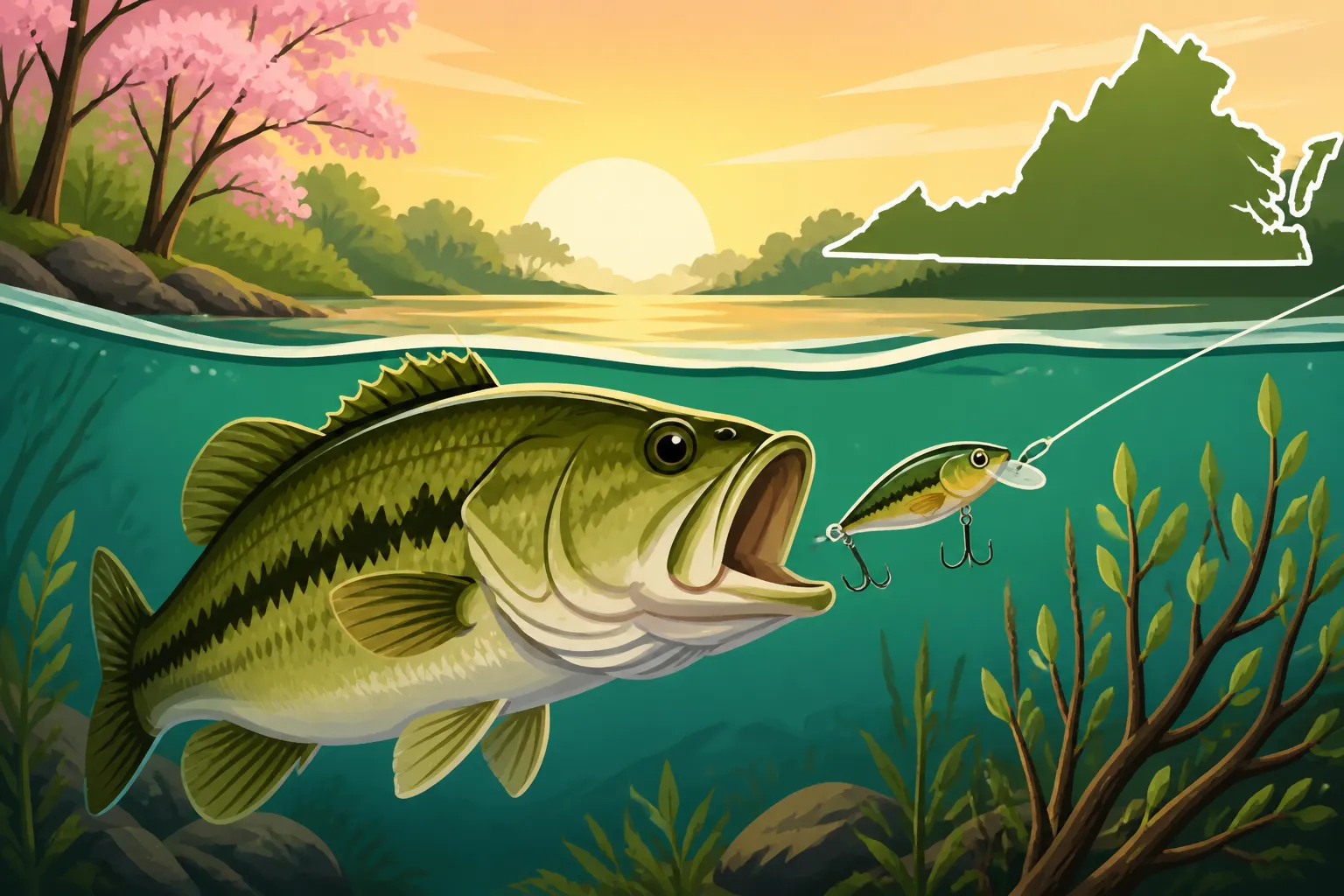
As the chill of winter finally loosens its grip on Virginia's lakes and rivers, many of us start dreaming of those first big bass of the season. But let's be real, pre-spawn bass fishing can be one of the most exciting, yet frustrating, times of the year. The fish are just starting to wake up, they're hungry, but they haven't quite settled into their predictable patterns. It’s a transition period that demands a shift in your approach from those deep winter haunts, and if you don't adjust, you'll be left wondering why everyone else is catching fish while your livewell stays empty. This guide is all about helping you understand and master the art of catching those often-elusive largemouth and smallmouth bass in the critical weeks leading up to their annual spawn, ensuring you're ready to hit the water running.
Understanding Pre-Spawn Bass Behavior in Virginia Waters
Before you even think about tying on a lure, you’ve got to get inside the head of a pre-spawn bass. This isn't just about throwing something shiny; it's about understanding their motivations, their comfort zones, and their feeding habits during this transitional period. In Virginia, as the water temperatures slowly climb from the low 40s into the high 50s, bass undergo a significant shift, moving from deep wintering holes to shallower staging areas.
The key driver here is water temperature. Bass are cold-blooded creatures, and their metabolism is directly linked to the temperature of their environment. In early spring, as sunlight penetrates the shallows and warms the water, these areas become magnets. They’re looking for warmth, but also for food to bulk up for the energy-intensive spawning ritual. This is often referred to as a "feeding frenzy" by anglers, but it’s not always as straightforward as it sounds. They might be aggressive, but they can also be finicky, especially if a cold front pushes through and drops water temps back down. Knowing the general Water Temperature and Fish Feeding Patterns can really give you an edge.
The Crucial Role of Water Temperature
Virginia's spring weather can be notoriously unpredictable. One day it's 65 degrees and sunny, the next it's dipping into the 30s with rain. These fluctuations directly impact where bass will be.
When the water temperature hovers between 45-55 degrees Fahrenheit, bass are in what we call the early pre-spawn phase. They're still somewhat sluggish but are starting to move out of their deepest winter cover. They'll often be found near major creek channels, deep points, or the mouths of spawning coves. They won't venture too far into the shallow flats just yet, but they're positioned to move up when conditions allow. At this stage, a slow, methodical presentation is crucial. Think about how you feel on a chilly morning – you’re not sprinting, you’re easing into your day. Bass are similar.
As temperatures climb consistently above 55 degrees and approach 60-62 degrees, you’re in the prime pre-spawn window. This is when the bass are really getting active and aggressive. Their metabolism is firing, and they're feeding heavily, gorging themselves before the spawn. They'll move closer to the actual spawning grounds, staging on secondary points, submerged timber, rock piles, and other cover in 5-15 feet of water, often with quick access to deeper water. This is the window where you can often catch some of your biggest fish of the year, as the females are at their heaviest, full of eggs. This is also the time when understanding When Do Bass Spawn in Virginia Lakes becomes critical, as you want to hit them right before they commit to the beds.
Where Bass Stage Before the Spawn
"Staging" is a fancy word for where bass hang out before they move onto their beds to spawn. Think of it as a waiting room for the main event. These areas are strategic because they offer a blend of comfort, safety, and access to food, all while being close to the ultimate goal: the shallow spawning flats.
In many Virginia lakes, like the popular Smith Mountain Lake Fishing Guide or Lake Anna Fishing Guide, you’ll find bass staging on the first significant depth change outside of a known spawning pocket. This could be a rocky point that extends out into deeper water, a submerged humped island, or a patch of standing timber where the bottom drops off. They want to be able to quickly retreat to deeper, more stable water if a cold front blows through or if pressure from boats gets too high, but they also want to be able to move shallow when the conditions are just right.
Another common staging area is channel swings. If a creek channel bends and comes close to a shallow flat, bass will often stack up on the deeper edge of that bend. They’ll use the channel as a highway to move between deeper wintering grounds and shallower feeding areas. Look for any kind of cover along these channel swings – brush piles, stumps, or even old tires can hold impressive numbers of pre-spawn bass. The females will often be a bit deeper, while smaller males might already be starting to scout the shallower edges, ready to move in.
Prime Locations for Targeting Pre-Spawn Bass
Finding pre-spawn bass isn’t always about just heading to the shallowest water you can find. It’s about understanding the subtle nuances of where they're positioned for that rapid move to the beds. These fish are in transition, and their location will reflect that, often balancing proximity to spawning grounds with the comfort of slightly deeper, more stable water.
Think of it this way: they’re like you at a restaurant, waiting for your table. You're not sitting in the kitchen, but you're not out in the parking lot either. You're in the waiting area, comfortable but ready to be called. For bass, these "waiting areas" typically involve a mix of depth, cover, and access to the warmer shallows.
Transition Zones and Main Lake Points
Transition zones are your best friends in the pre-spawn period. These are areas where one type of cover or structure transitions into another, offering bass a variety of options. A prime example is where a rocky bank meets a clay bank, or where a hard bottom changes to a soft, silty bottom. These changes often create subtle depth variations or current breaks that bass love.
Main lake points are another goldmine, especially those with access to deep water. Bass use these points like highway exits, moving up and down the point as water temperatures fluctuate. A point that extends a long way out into the lake, perhaps with some submerged rock piles or brush on its sides, can hold fish for weeks during the pre-spawn. They can slide up shallow on the sunny side to warm up and feed, then drop back to deeper water on the cooler, shadier side if conditions change or if they feel pressured. On Virginia's larger impoundments like Kerr Lake, these prominent points can be very productive.
It’s often beneficial to focus on the wind-blown side of a point. Wind pushes warmer surface water and baitfish into these areas, creating a feeding opportunity that aggressive pre-spawn bass won't ignore. Just remember to work these areas slowly and thoroughly, making multiple casts from different angles to cover the entire point.
Creek Arms and Secondary Points
As spring progresses and water temperatures consistently climb, bass will make their way into the major creek arms and eventually into smaller spawning pockets. These creek arms act as pathways, funneling fish from the main lake into their breeding grounds. Focus on the mouths of these creeks first, working your way back as conditions warm.
Within these creek arms, secondary points become incredibly important. These are smaller points located inside the creek, often halfway back towards the spawning flats. They offer the same advantages as main lake points – quick access to depth and cover – but they're closer to the ultimate destination. Look for any structure on these points: docks, boat ramps, fallen trees, or even just a distinct change in bottom contour. These are classic staging areas where groups of bass will congregate before making their final push into the shallows.
Consider the layout of the lake you're fishing. If you're on a tidal river like the James River, look for creek mouths where warmer, often clearer water from the creeks mixes with the main river. These confluence points can hold fish that are waiting for the ideal conditions to move further upstream. The key is to find that perfect balance of warmth, cover, and depth, all within striking distance of where they'll eventually lay their eggs.
Top Baits and Lures for Pre-Spawn Bass
This is where the rubber meets the road! Knowing what to throw is just as important as knowing where to throw it. Pre-spawn bass are often looking for a substantial meal, something that will provide a lot of energy for the upcoming spawn. They’re usually less interested in small, finesse presentations right now, although those can certainly work on tough days or after a cold front. Instead, think about lures that offer a good profile, some vibration, and that can be worked slowly and deliberately.
The general rule of thumb is to start with more aggressive, reaction-strike baits when the fish are active, and then scale back to slower, bottom-oriented presentations if the bite is tough. The goal is to imitate a fleeing baitfish or a crawfish trying to hide, triggering their predatory instincts.
Crankbaits and Jerkbaits
When bass are in that aggressive pre-spawn mood, especially as water temperatures approach the upper 50s, crankbaits can be absolute killers. These lures are designed to imitate baitfish and excel at covering water quickly, helping you locate active fish.
For early pre-spawn (45-55 degrees), consider a lipless crankbait like a Bill Lewis Rat-L-Trap or a simple lipless crankbait you can pick up on Amazon. These lures can be fished effectively at various depths by adjusting your retrieve. A slow-rolling retrieve, occasionally bumping off the bottom or ticking the tops of submerged grass, can be incredibly effective. The vibration from these baits is key, as it helps bass locate them in cooler, often murkier water.
As the water warms up a bit more, diving crankbaits become excellent choices. Look for medium-diving crankbaits (that run 5-10 feet deep) in shad or crawfish patterns. Crank these baits down to their maximum depth, then use a stop-and-go retrieve, allowing the lure to float or suspend for a moment. Many times, the strike will come as the bait pauses or starts to rise. Target those secondary points, channel swings, and transition areas with these.
Jerkbaits are another fantastic option for pre-spawn, particularly when water temperatures are still on the cooler side (mid-to-upper 40s to low 50s). The beauty of a jerkbait is its ability to suspend motionless in the water, mimicking a stunned or dying baitfish. This slow, deliberate presentation can be irresistible to sluggish bass that aren't willing to chase a fast-moving bait.
Work a jerkbait with a series of quick jerks, then pause it for several seconds – sometimes as long as 10-15 seconds in very cold water. The length of your pause is critical; experiment until you find what the fish prefer on a given day. Colors like chrome/blue, clown, or natural shad patterns are usually excellent choices. Brands like Rapala or Lucky Craft make some really effective jerkbaits.
Jigs and Spinnerbaits
No pre-spawn bass arsenal is complete without jigs and spinnerbaits. These are workhorse baits that consistently produce fish during this period.
A jig and trailer combination is arguably one of the most versatile and effective pre-spawn baits. A bulky jig mimics a crawfish, a primary food source for bass in spring, or a larger baitfish. Opt for jigs in the 3/8 to 1/2 ounce range, paired with a plastic crawfish, chunk, or creature bait trailer. Colors like black and blue, green pumpkin, or brown are perennial favorites. The key to jig fishing is a slow, methodical presentation. Cast it to likely cover – docks, laydowns, rock piles – let it sink to the bottom, then hop or drag it slowly. Many strikes will feel like a slight "tick" or added weight, so pay close attention to your line. This technique is often discussed in detail in guides like How to Fish a Jig for Largemouth Bass.
Spinnerbaits are excellent for covering water and triggering reaction strikes, especially when there’s a bit of wind, cloud cover, or slightly stained water. The flash and vibration from the blades are incredibly effective at attracting bass from a distance. For pre-spawn, choose a 3/8 or 1/2 ounce spinnerbait with willow leaf or Colorado blades, or a combination of both. Willow leaf blades offer more flash and less drag, making them good for faster retrieves or deeper water, while Colorado blades provide more thump and lift, ideal for slow-rolling or colder water.
Slow roll your spinnerbait along grass lines, over submerged stumps, or around rocky points. You want to keep it just above the cover, letting the blades do their work. A chartreuse and white combination, or shad patterns, are typically reliable. If you're fishing clear water, consider more natural colors; for stained water, brighter colors will stand out better.
Here's a quick reference table for pre-spawn lures:
| Lure Type | Best Water Temp Range | Primary Forage Mimicked | Retrieval Style | Key Situations |
|---|---|---|---|---|
| Jig & Trailer | 45-60°F | Crawfish, large baitfish | Slow hop, drag, pitch | Heavy cover (docks, laydowns), rock piles, cold fronts, targeted presentations |
| Lipless Crank | 45-55°F | Shad, baitfish | Slow-roll, yo-yo, rip (often bumping bottom) | Grass flats, shallower points, searching for active fish, windy conditions |
| Diving Crank | 55-62°F | Shad, crawfish | Steady retrieve with pauses, deflect off cover | Secondary points, channel swings, rocky banks, covering varied depths |
| Jerkbait | 45-58°F | Dying baitfish | Jerk-jerk-pause (long pauses in colder water) | Clearer water, points, suspending fish, post-cold front, early pre-spawn |
| Spinnerbait | 50-62°F | Baitfish | Slow-roll, moderate retrieve, deflecting | Wind-blown banks, stained water, grass lines, searching for active fish |
Effective Techniques and Strategies for Pre-Spawn Success
Having the right baits is only half the battle; knowing how to present them effectively is what truly sets successful anglers apart during the pre-spawn. This period often demands patience and meticulous attention to detail. It's not usually a run-and-gun situation where you cast wildly and expect a bite every time. Instead, it's about being strategic, understanding the subtle cues from the fish and the environment, and adjusting your approach accordingly.
Remember, these bass are preparing for the most important event of their year. They’re looking for high-calorie meals, but they're not necessarily going to chase something down from across the lake. Your goal is to put the bait right in front of them and make it too tempting to resist.
Slow and Deliberate Presentations
One of the biggest mistakes anglers make during the pre-spawn is fishing too fast. Even when bass are aggressive, their metabolism in cooler water means they might not be willing to expend a lot of energy chasing a bait. A slower, more deliberate retrieve allows the bass more time to see the lure, track it, and commit to the strike.
For jigs, this means letting it sink completely to the bottom, feeling for contact with cover, and then using very subtle hops or drags. Don't lift your rod tip more than a foot or so at a time. Many times, the fish will pick up the jig on the fall or as it's sitting motionless on the bottom. If you're using a jig around heavy cover like a submerged tree on Lake Gaston, really work every branch and crevice.
With crankbaits, while you might be retrieving them faster than a jig, don't be afraid to incorporate pauses. A "stop-and-go" retrieve can be incredibly effective. Crank it down to depth, then pause for a second or two, letting it float up slightly before continuing your retrieve. This erratic action often triggers a strike. The same goes for lipless crankbaits; ripping them up from the bottom and letting them fall back on a semi-slack line can imitate a dying baitfish perfectly.
Focusing on Cover and Structure
Pre-spawn bass are almost always associated with some form of cover or structure. These provide ambush points, protection from predators, and often correlate with where baitfish are holding.
On Virginia's public lakes, you'll find a variety of crucial cover:
- Docks: Especially older docks with sunken brush or tires underneath. Bass will stage under these, particularly those in deeper water with access to nearby spawning flats. Fish around the pilings, under the boat lifts, and along any shaded edges.
- Laydowns and Submerged Timber: Fallen trees or standing timber on points and creek channel bends are prime real estate. The branches offer excellent cover, and the wood itself can hold warmth. Pitch jigs or creature baits into the thickest parts of these laydowns, and be prepared for a fight to pull them out!
- Rock Piles and Riprap: Rocks absorb and radiate heat, making them warmer than surrounding mud bottoms. Bass will gravitate towards rocky points, riprap banks, and rocky humps. Crankbaits that deflect off these rocks can be deadly.
- Grass Beds: If your lake has submerged grass (hydrilla, milfoil, coontail), pay close attention to the edges, pockets, and irregularities within these beds. Bass will use grass for ambush points and as a source of warmth. Lipless crankbaits and spinnerbaits retrieved just over the top or through the edges of these beds can be very effective.
When you find a piece of cover that looks promising, don't just make one cast. Work it thoroughly from multiple angles. Sometimes a bass needs to see the bait several times, or from a different direction, before it decides to strike. This persistence is key when you're looking for that trophy fish that’s ready to make a run at a big meal before the spawn kicks off.
Adjusting for Weather and Water Conditions
Spring in Virginia is a mixed bag when it comes to fishing weather. You can have beautiful, calm, sunny days followed by cold fronts, rain, or heavy winds. Pre-spawn bass are highly sensitive to these changes, and a successful angler knows how to adapt their strategy. Ignoring these conditions is a sure-fire way to come home empty-handed.
It’s not just about the current weather either; the recent weather plays a huge role. A few consecutive warm, sunny days will push bass shallower, while a sudden cold snap will send them retreating to deeper, more stable water. This constant push and pull means you need to be flexible and observant.
Fishing After a Cold Front
This is probably the most challenging scenario for pre-spawn bass fishing. A cold front typically brings clear skies, high pressure, and a sharp drop in air and water temperatures. Bass can become incredibly lethargic and lockjawed after a cold front. Their metabolism slows down, and they often pull off of shallow staging areas and retreat to deeper cover.
When faced with a post-cold front situation, slow down even more. Forget aggressive power fishing for a bit. This is where finesse techniques really shine.
- Go Deep: Target bass in deeper staging areas – 15-25 feet of water – on main lake points, channel edges, or deep structure.
- Smaller Baits: Instead of a bulky jig, consider a football jig with a smaller, more subtle trailer, or even a shaky head worm. Dropshot rigs can also be incredibly effective for suspended fish.
- Slower Presentations: Think about leaving your bait motionless on the bottom for longer periods. A jig that sits still for 10-15 seconds before a tiny hop can entice a bite from a sluggish bass. Jerkbaits with extra-long pauses (20+ seconds!) can also work.
- Natural Colors: Clearer water often accompanies cold fronts, so opt for more natural bait colors like green pumpkin, brown, or natural shad.
Remember, after a cold front, bass are often "tight-lipped." You might not get that aggressive thump; instead, you might just feel a slight sponginess on your line or see your line twitch. Pay close attention to every little anomaly. Knowing Fishing Techniques After a Cold Front can save your day.
Dealing with Rain and Muddy Water
Rain can be a blessing or a curse, depending on its intensity and duration. Light, steady rain on an overcast day can actually improve pre-spawn fishing, as it often softens light penetration and can cause bass to roam more freely. However, heavy, prolonged rain can muddy up the water significantly, which requires its own set of adjustments.
Muddy water affects bass in two main ways: it reduces visibility and often cools the water slightly.
- Move Shallow: Surprisingly, muddy water can sometimes push bass shallower. They’ll often move closer to the banks, trying to find clearer water or using the lack of visibility to their advantage for ambushing prey.
- Vibration and Noise: Since bass can’t see as well, they rely more on their lateral line to detect vibrations. This is where baits that create a lot of noise and thump come into play. Spinnerbaits with large Colorado blades, bladed jigs (ChatterBaits), and lipless crankbaits are excellent choices.
- Darker, Brighter Colors: While clearer water favors natural colors, muddy water demands contrast. Opt for darker colors like black and blue, or super bright colors like chartreuse or fire tiger. These colors stand out better in low visibility.
- Scent: Don't underestimate the power of scent in muddy water. Adding a strong scent to your soft plastics or jigs can give bass an extra reason to bite when they can't rely on sight.
- Current Breaks: Heavy rain often brings increased current. Look for areas where bass can get out of the main flow, like eddies behind points, log jams, or submerged humps.
Always be flexible and willing to experiment. What worked yesterday or even this morning might not work this afternoon if the conditions shift. The angler who observes and adapts is the one who consistently catches fish during the exciting, yet challenging, Virginia pre-spawn.
Disclaimer
Always ensure you have the appropriate Virginia fishing license and adhere to all current state and local fishing regulations. Fishing conditions and regulations can change, so it's essential to consult the Virginia Department of Wildlife Resources (DWR) for the most up-to-date information before heading out on the water. This guide is for informational purposes only and does not constitute official regulatory advice.