How to Catch Bass During the Spawn
Few things are as exhilarating, or sometimes as frustrating, as trying to catch bass during their annual spawn. You see them on their nests, often big, beautiful fish, guarding their future generations with fierce determination. But getting them to bite? That's a whole different ballgame. This guide is here to demystify the bass spawn in Virginia, helping you understand their behavior and offering practical, ethical techniques to improve your chances of a successful and rewarding catch.
The Lifecycle of the Virginia Bass Spawn
Understanding the bass spawn is like understanding a specific stage in their life; it dictates everything from where they are to what they're willing to bite. It's not just about tossing a lure at a fish you see – there's a delicate dance involved that respects their natural instincts. When you grasp the "why" behind their actions, the "how" of catching them becomes much clearer.
Timing and Locations for Nesting Bass
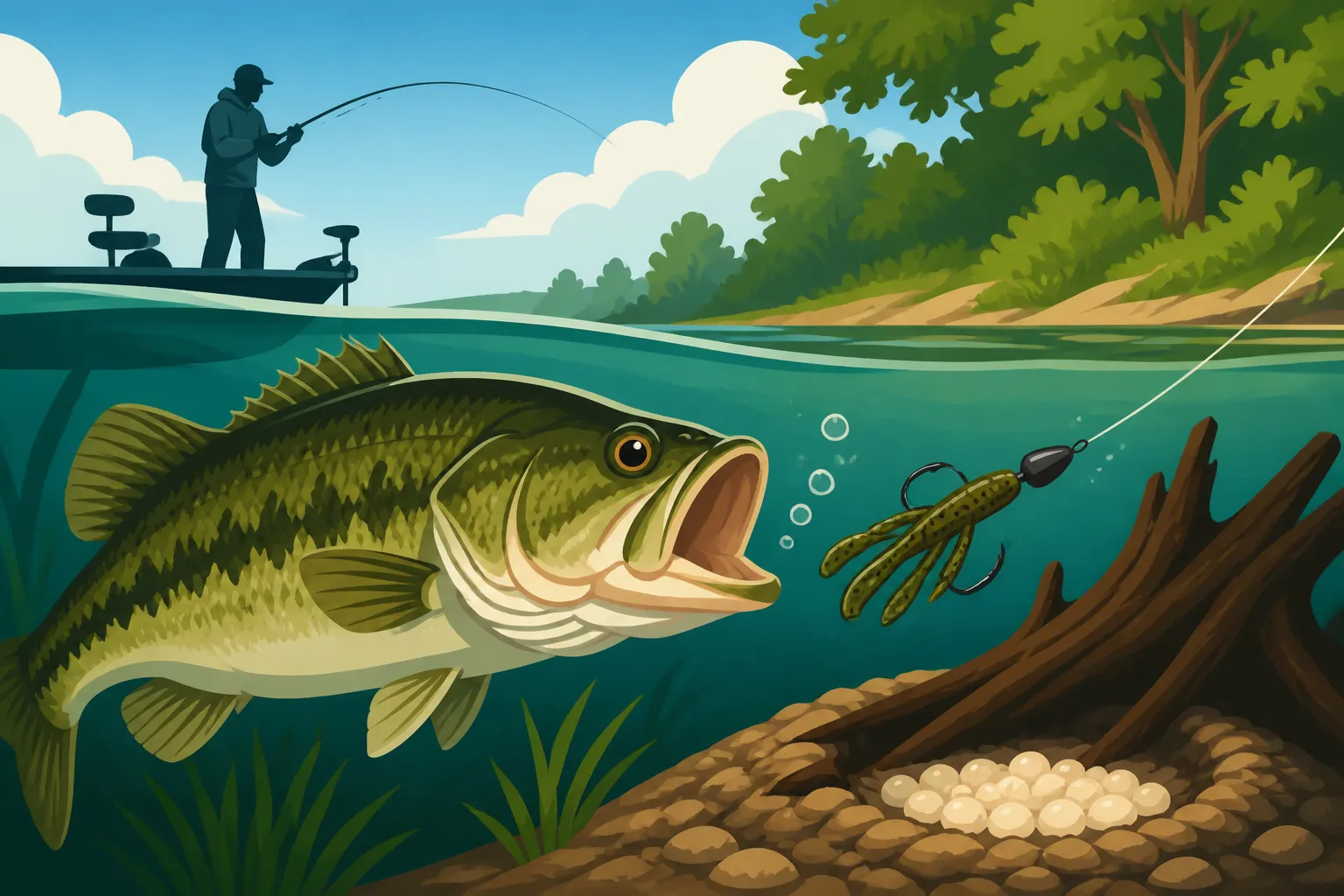
In Virginia, the exact timing of the bass spawn is a bit like predicting the spring weather itself – it can vary from year to year and even from lake to lake. Generally, you're looking at water temperatures being the primary trigger. Once the water starts consistently hitting the mid-50s to low-60s Fahrenheit, usually around April into early June, those big female bass start moving towards shallower water. They're looking for firm bottoms, often gravel or sand, in protected coves or along gradually sloping points where sunlight can warm the water effectively. This is where they'll fan out their nests, creating those tell-tale circular depressions that are often visible in clear water.
Think about places like the warmer, shallower coves of Lake Anna or the protected backs of creeks on Smith Mountain Lake. These areas often warm up faster than the main lake body, drawing bass in like a magnet. The males arrive first, meticulously clearing potential nesting sites. Then the females move in, choosing their partner and depositing their eggs. This whole process is incredibly sensitive to sudden cold fronts or heavy rains, which can push the fish off their beds temporarily, making them much harder to locate and tempt. Knowing when to look, and where, is half the battle. If you're keen to dive deeper into when and where these events unfold, you might find our guide on When Do Bass Spawn in Virginia Lakes incredibly helpful.
Behavioral Changes During Spawning Season
During the spawn, bass behavior shifts dramatically from their typical feeding patterns. Their primary instinct becomes protection, not necessarily hunger. They're on high alert, guarding their eggs and fry from predators like bluegill, sunfish, or even other bass. This means they'll strike at anything that poses a threat to their nest, not necessarily because they want to eat it, but because they want to drive it away. This territorial aggression is what anglers leverage.
You'll notice male bass, typically smaller than the females, meticulously fanning the eggs to keep them clean and oxygenated. Females, especially the larger ones, might sit deeper on the nest but will often charge aggressively at perceived threats. The trick is to present a lure in a way that mimics an intruder, aggravating the bass into striking. This isn't about power-fishing in the traditional sense; it's about precision, patience, and understanding the fish's protective mindset. They can be incredibly wary, scrutinizing anything that enters their personal space, which means your presentation needs to be subtle yet provocative. It’s a fascinating time to observe their natural instincts up close, even if it adds an extra layer of challenge to getting a bite.
Gearing Up for Success: Rods, Reels, and Lures
Fishing the spawn effectively demands a specific approach to your gear. It's less about brute strength and more about finesse, accuracy, and sensitivity. You want equipment that allows for precise casts, subtle presentations, and the ability to feel even the most tentative "bump" of a protective bass. This isn't the time for heavy, clunky setups that can spook wary fish.
Selecting the Right Rod and Reel Combos
For spawning bass, many anglers lean towards medium-heavy spinning or baitcasting rods, typically in the 6'6" to 7'6" range. The key is a rod with a fast or extra-fast action tip. This snappy tip allows for quick, accurate casts to specific nests you might spot, and critically, it provides excellent sensitivity to feel those subtle strikes that aren't full-on bites. A sensitive tip also helps you detect if a bass just "picked up" your bait to move it, rather than eating it.
Pair these rods with a good quality spinning reel (size 2500-3000) for lighter presentations or a smooth baitcaster for slightly heavier cover and more accurate pitching. For line, fluorocarbon is a popular choice for its low visibility and excellent sensitivity, usually in the 10-15 lb test range. The clear waters where bass often spawn make line visibility a significant factor, so that low-visibility fluorocarbon, which sinks and is virtually invisible underwater, gives you a distinct advantage. Some anglers might even opt for braid with a fluorocarbon leader for added casting distance and strength in certain situations. Remember, the goal is to feel everything and present your lure as naturally as possible. A reliable reel like those found on Amazon can make all the difference when you're trying to feel those light taps on the line.
Top Baits and Lures for Nesting Bass
When it comes to lures for spawning bass, the name of the game is imitation and provocation. You're trying to mimic a creature that's either a threat to the nest or an easy meal for an exhausted, protective parent. Here are some go-to options:
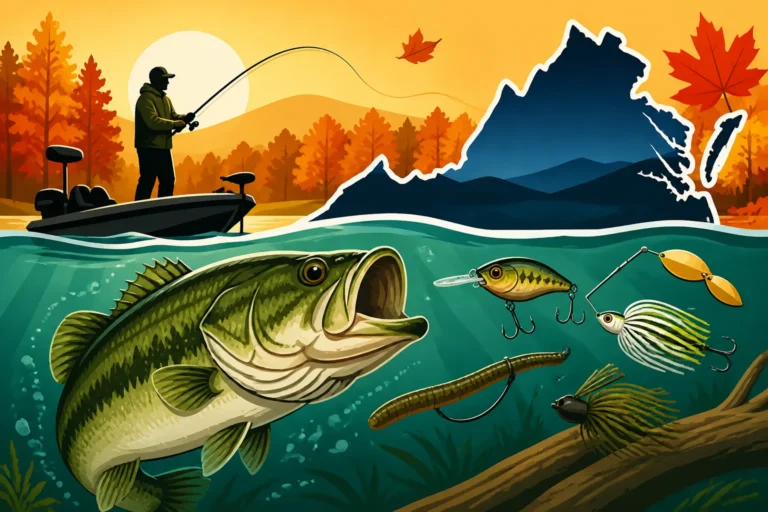
- Soft Plastic Creature Baits and Lizards: These are classics for a reason. Lizards, in particular, are notorious nest predators, making them prime targets for an aggressive bass. Creature baits with flapping appendages look like anything from crawfish to small baitfish. Popular choices include the Zoom Lizard or a Strike King Rage Bug. Rigged Texas-style with a small, unpegged bullet weight, they can be subtly twitched into the nest.
- Jigs: Flipping jigs or pitching jigs, often dressed with a craw-imitating trailer, are incredibly effective. Their compact profile allows for precise placement, and when hopped or dragged near a nest, they look like a bottom-dwelling predator. Darker colors often work well, but don't shy away from bright, contrasting colors like white or chartreuse to truly annoy a bass.
- Weightless Senkos or Stick Baits: These lures have a mesmerizing, subtle wiggle as they fall, and often imitate a dying baitfish or worm. Their slow, natural descent can be irresistible to a bass on the nest, triggering a protective strike. Cast them just past the nest and let them slowly sink into the strike zone.
- Drop Shots: When bass are particularly finicky or pressured, a drop shot rig with a small worm or creature bait can be deadly. It allows you to keep your bait hovering in the bass's face without moving it away from the nest too quickly, giving the fish ample opportunity to get aggravated enough to bite.
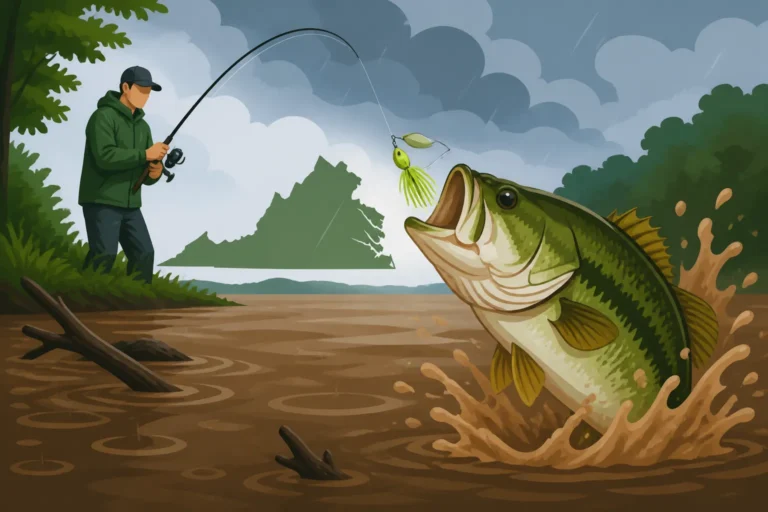
- Spinnerbaits or Chatterbaits (smaller sizes): While less common for direct bed fishing, a small spinnerbait or Chatterbait retrieved slowly past a nest can sometimes elicit a reaction strike from a bass that's slightly off its bed or cruising nearby. The flash and vibration can be just enough to irritate them.
The key is often a slow, deliberate presentation, letting the bait sit for extended periods, and giving it tiny twitches to draw attention. Remember, you're not trying to get them to chase; you're trying to get them to strike out of aggression. For more ideas on what lures Virginia bass respond to, our Best Bait for Largemouth Bass in Virginia guide offers extensive details.
Strategic Fishing Techniques for Spawning Bass
Now that you have your gear and baits ready, it's time to talk strategy. Fishing for spawning bass isn't about blindly casting; it's a careful, almost surgical approach that relies on observation and precise execution. You're dealing with fish that are highly vulnerable and incredibly focused, so your techniques need to match their mindset.
The Art of Sight Fishing and Bed Fishing
Sight fishing for spawning bass, often referred to as "bed fishing," is arguably one of the most exciting, yet challenging, techniques in freshwater angling. It involves actively searching for bass on their nests in clear, shallow water. You'll typically be looking for those tell-tale circular depressions, often lighter in color than the surrounding bottom, where the bass has fanned away debris. Once you spot a fish on a nest, the real work begins.
The first step is observation. Watch the fish. Is it actively fanning? Is it sitting deep on the bed? Is it cruising off and then returning? Note its size, its reaction to shadows or movement, and the presence of other fish nearby. Often, you'll see a male and female on the same bed, or a male guarding eggs. Your goal is to cast your lure, like a weightless Senko or a creature bait, just beyond the nest and slowly work it into the strike zone. Don't cast directly onto the fish; this will almost always spook it. The trick is to keep the bait in the nest long enough to annoy the bass into striking. This might mean letting it sit for 30 seconds, a minute, or even longer, with subtle twitches to simulate an encroaching predator. Sometimes, a bass will pick up the bait and move it without biting – that's when you need to be quick on the hook set! This technique demands patience, sharp eyesight, and precise casting.
Gentle Approaches and Presentation Tactics
Approaching a bass nest incorrectly can ruin your chances before you even make a cast. These fish are highly sensitive to sudden movements, shadows, and boat noise. If you're fishing from a boat, use your trolling motor sparingly and quietly, or better yet, use shallow water anchors like a Power-Pole or Talon to hold your position stealthily. Positioning yourself upwind or upcurrent from the nest can help reduce your boat's presence.
When casting, aim to land your lure softly and accurately just beyond the nest. Avoid "splashing down" right on top of the fish. Once the lure is in the water, resist the urge to retrieve it quickly. Slow is the name of the game. Let the lure settle, then give it very subtle twitches or short drags. If the bass swims off the nest, leave your lure in place; often, they'll return, and your lure will be waiting for them. Changing lure colors or types can also be effective if a bass is being particularly stubborn. Sometimes a bright, obnoxious color will finally trigger an aggressive strike when natural colors fail to get a reaction. Anglers on Amazon often rave about specific soft plastics that have an irresistible flutter when dropped into a nest. Remember, you're trying to evoke a defensive, not a feeding, response.
Ethical Angling and Conservation Practices
Fishing during the bass spawn offers incredible opportunities for exciting catches, but it also comes with a significant responsibility. These fish are at their most vulnerable during this time, and our actions as anglers can have a real impact on their reproductive success and the future of the fishery. Practicing ethical angling isn't just a good idea; it's essential for maintaining healthy bass populations in Virginia for generations to come.
Minimizing Stress on Spawning Fish
When you catch a bass off its nest, you're temporarily removing it from its critical duty of guarding eggs or fry. This leaves the nest vulnerable to predators, which can quickly decimate the entire spawn. To minimize this impact, consider these practices:
- Quick Hook Sets and Retrieves: Once you get a bite, set the hook firmly and bring the fish in quickly. Avoid prolonged fights that exhaust the fish.
- Gentle Handling: Handle the fish as little as possible. Wet your hands before touching it, and support its body horizontally. Avoid squeezing its belly or holding it vertically by the jaw, especially if it's a large female.
- Immediate Release: Release the fish as close to the nest as possible, immediately after landing it. The sooner it returns, the less time its eggs or fry are exposed to predators. If you notice a bass looks particularly stressed, take extra time to revive it before release.
- Consider Limiting Your Catch: While fun, catching multiple bass off the same nest repeatedly can be highly detrimental. Consider moving on after catching one or two fish from a particular bed, allowing the remaining fish to return to their duties without further interruption. This is especially important for the larger females.
By adopting these practices, you ensure that the excitement of catching a spawning bass doesn't come at the cost of the next generation. It's about finding that balance between enjoying the sport and contributing to the health of our fisheries.
Why Conservation Matters for Future Bass Fishing
The bass spawn is literally the future of bass fishing. Every successful nest contributes to the overall population, ensuring there are plenty of fish for us to enjoy in the coming years. Disrupting the spawn, particularly by over-fishing active beds or mishandling fish, can have long-term negative consequences. This is why understanding and adhering to fishing regulations, such as those detailed in the Virginia Fishing Regulations Explained guide, is so important.
The Virginia Department of Wildlife Resources (DWR) implements regulations like Statewide Bass Fishing Limits in Virginia not just to manage current populations, but to protect critical spawning periods and areas. When you practice good conservation, you're not just being a "good sport"; you're actively participating in the management of a vital natural resource.
Imagine a future where fishing for bass during the spawn is a thing of the past because populations have declined. That's a grim thought, and it's why every ethical choice we make on the water during this sensitive time counts. Support local conservation efforts, learn about your local DWR initiatives, and educate other anglers. A healthy fishery is a shared responsibility, and by respecting the spawn, we ensure that the thrill of hooking a big Virginia bass can be experienced by generations of anglers to come.
Here's a quick summary of some top baits to consider:
| Bait Type | Primary Imitation | Ideal Presentation | Key Features |
|---|---|---|---|
| Soft Plastic Lizards | Nest Predator | Slow drag, subtle twitches | Aggravates bass, classic bed fishing bait |
| Creature Baits | Crawfish, Baitfish | Pitching, flipping, slow hop | Erratic action, varied profiles |
| Flipping/Pitching Jigs | Crawfish, Bottom Forage | Precise placement, short hops | Compact, weedless, provokes defensive strikes |
| Weightless Senkos | Dying Baitfish, Worm | Slow fall, long pauses | Natural, seductive wiggle on the fall |
| Drop Shot Worms | Small Forage | Hovering presentation, subtle shake | Keeps bait in strike zone longer, finesse approach |
Disclaimer
Please note that fishing conditions, regulations, and fish behavior can change. Always consult the latest Virginia Department of Wildlife Resources (DWR) regulations before heading out to fish. This guide is for informational purposes only and does not supersede official DWR guidelines.