Virginia Fishing Regulations Explained
It’s a tale as old as time for Virginia anglers: you’re excited to hit the water, your tackle box is packed, your bait is fresh, and then you remember… the rules. Virginia’s fishing regulations can feel like a labyrinth, changing season to season, species to species, and even body of water to body of water. It’s enough to make anyone second-guess their plans and worry about accidentally breaking a rule. This comprehensive guide is here to untangle that complexity, providing you with a clear understanding of the regulations so you can focus on what truly matters: catching fish and enjoying the stunning natural beauty of our Commonwealth.
Understanding the Foundation: Why Regulations Exist in Virginia
Before we dive into the nitty-gritty of licenses and limits, let’s take a moment to appreciate why these regulations are in place. It’s easy to feel burdened by rules, especially when you just want to relax and fish. But these guidelines aren't arbitrary roadblocks; they're the bedrock of healthy, vibrant fisheries that benefit everyone. They are meticulously crafted by experts who understand the delicate balance of our aquatic ecosystems.
Conservation Efforts and Healthy Fisheries
At its heart, every fishing regulation in Virginia is designed with conservation in mind. Think about it: if everyone could catch unlimited fish of any size, our rivers, lakes, and coastal waters would be quickly depleted. We’ve seen this happen in other places throughout history, and it’s a painful lesson. Virginia's regulations aim to prevent overfishing and protect fish populations, ensuring that future generations can enjoy the same angling opportunities we do today.
For example, the rules around spawning seasons are crucial. Many species, like striped bass or various trout, are particularly vulnerable when they gather to reproduce. Placing restrictions or closing seasons during these critical times gives them the best chance to successfully spawn, laying eggs, and contributing to the next generation of fish. Without these protections, their numbers would dwindle, impacting not only the fish but also the countless other species that rely on them for food, and ultimately, our own enjoyment of the sport. It's about maintaining a sustainable balance within nature, allowing ecosystems to thrive rather than just survive.
Ensuring Fair Access and Sustainable Harvests
Regulations also serve to distribute fishing pressure fairly and ensure a sustainable harvest for all anglers. Imagine if one person could take all the prime fishing spots or catch all the legal fish. That wouldn't be very fun or equitable, would it? Size limits, for instance, aren't just about protecting fish; they ensure that fish have a chance to grow to a mature size, contributing to the gene pool before they're harvested. This means the fish you catch today might be the offspring of a healthy, mature fish that another angler caught and released, or that was allowed to grow to trophy size.
Creel limits – the maximum number of fish you can keep in a day – are another vital tool. These limits prevent individual anglers from excessively impacting local fish populations. For instance, if a lake is known for excellent crappie fishing, but the crappie population is showing signs of stress, the Department of Wildlife Resources (DWR) might reduce the daily creel limit to give the fish a chance to rebound. These decisions are often based on extensive scientific research and data collection, ensuring that they are as effective and fair as possible. The goal is to allow everyone a reasonable chance to catch fish, while simultaneously safeguarding the resource for years to come.
Essential Requirements: Licenses You Need to Fish in Virginia
Alright, let's get down to the most fundamental rule of all: you need a license to fish in Virginia if you're 16 years old or older. This isn't just a suggestion; it's a legal requirement, and breaking it can lead to penalties. The good news is that obtaining a license is relatively straightforward, and the fees go directly back into conservation efforts, habitat restoration, and enforcing regulations to keep our fisheries healthy. If you're wondering, "How to Get a Fishing License in Virginia," we have a whole guide dedicated to that process.
Resident vs. Non-Resident Licenses: What's the Difference?
One of the first distinctions you'll encounter is whether you're a Virginia resident or a non-resident. The pricing and some specific offerings differ quite a bit between the two. Generally, residents enjoy lower fees and more options for long-term licenses, acknowledging their ongoing contribution to the state's economy and conservation. To qualify as a resident, you typically need to have lived in Virginia for at least six consecutive months immediately prior to applying for a license. There are exceptions, of course, for active military personnel stationed in Virginia and full-time students attending Virginia colleges.
Non-residents, on the other hand, will pay higher fees, but still have access to various short-term and annual options designed for visitors. For example, a tourist planning a week-long vacation might opt for a short-term license that covers their stay, rather than investing in an annual one. This flexibility ensures that everyone, whether they call Virginia home or are just passing through, can legally enjoy the state's fantastic fishing opportunities. It’s always best to double-check the exact requirements and definitions of residency on the official Virginia Department of Wildlife Resources (DWR) website before purchasing to ensure you get the correct license.
Freshwater vs. Saltwater vs. Combination Licenses
Virginia offers distinct licenses depending on where you plan to cast your line. This is a critical point that often trips up new anglers or those venturing into a new type of water for the first time. The ecosystem and the species you're targeting in a mountain stream are vastly different from those in the Chesapeake Bay, and the licenses reflect that.
- Freshwater Fishing Licenses: These are required for fishing in non-tidal rivers, streams, and inland lakes and ponds. If you're dreaming of reeling in largemouth bass from Smith Mountain Lake or fly-fishing for trout in the Shenandoah, a freshwater license is your ticket. Remember, even if a river eventually flows into the bay, the upper, non-tidal sections require a freshwater license. There are even special requirements like a Stocked Trout License Requirements in Virginia if you're planning to fish in designated stocked trout waters.
- Saltwater Fishing Licenses (FIP Registration): For Virginia's vast coastal waters, including the Chesapeake Bay, its tidal tributaries, and the Atlantic Ocean, you'll need a saltwater fishing license. However, for recreational anglers primarily fishing with rod and reel, Virginia often combines this with the mandatory Virginia Marine Resources Commission (VMRC) Fisherman Identification Program (FIP) registration. This federal program helps track fishing effort to manage marine species. You can find detailed information about Freshwater and Saltwater Fishing Licenses in Virginia to understand the nuances.
- Combination Licenses: If you're like many Virginia anglers who enjoy the best of both worlds – chasing trout in the mountains one weekend and casting for striped bass in the bay the next – a combination license is often the most economical and convenient choice. These bundled licenses cover both freshwater and saltwater fishing, simplifying your licensing needs. They typically offer a cost savings compared to purchasing separate annual licenses for each. For a full breakdown of the various prices, check out our guide on Virginia Fishing License Costs and Types Explained.
Special Permits for Trout and Other Species
Beyond the basic freshwater and saltwater licenses, Virginia has a few special permits that some anglers might need, particularly if they're targeting specific species or fishing in designated areas. The most common of these is the Trout License. If you plan to fish in designated stocked trout waters, regardless of whether you have a general freshwater license, you’ll need this additional permit. These waters are often heavily managed and stocked by the DWR, and the permit fees help cover the significant cost of raising and distributing these fish.
Another consideration, though less common for the average recreational angler, is specific permits for commercial fishing or for unique research purposes. For instance, if you're a tournament angler or participating in certain scientific endeavors, there might be additional registration or permitting required. It's always a good practice to review the DWR regulations annually, as requirements can change. This is especially true if you plan to explore less common fishing opportunities or use specialized gear that might fall under different rules. Getting a copy of the current regulations, perhaps from a local tackle shop or downloaded from the DWR website, is a smart move. Many anglers even pick up a laminated copy to keep in their tackle box, easily purchased through retailers like Amazon.
Navigating Catch Limits and Size Restrictions
So you've got your license, you're on the water, and you've hooked a fish! Now what? This is where catch limits and size restrictions become paramount. These rules are designed to protect fish populations by allowing smaller, immature fish to grow and reproduce, and to prevent overharvesting of larger, breeding-stock fish. Ignoring these limits isn't just bad for the fishery; it can lead to hefty fines and even loss of fishing privileges.
Statewide Daily Creel and Length Limits for Common Species
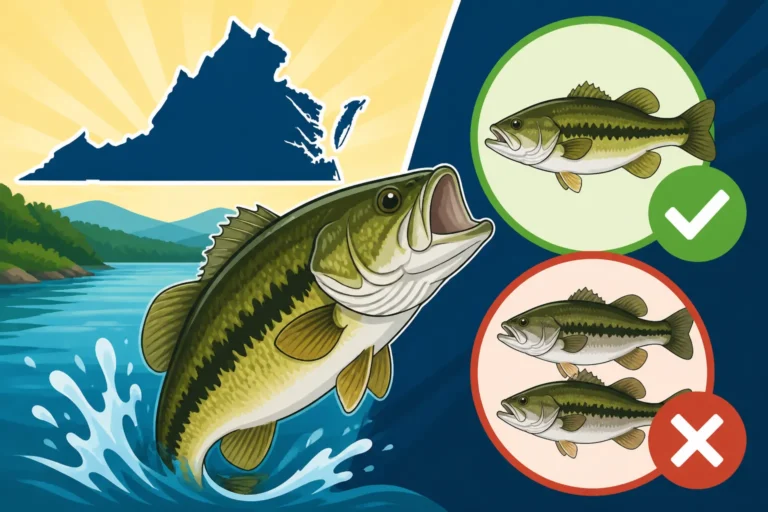
Every species has specific rules about how many you can keep (creel limit) and how long they must be (length limit) before you can legally retain them. These are often expressed as a daily limit per angler. For instance, you might find that the Statewide Bass Fishing Limits in Virginia dictate a daily creel limit of 5 fish, with a minimum length of 12 inches for largemouth and smallmouth bass. This means if you catch a bass shorter than 12 inches, it needs to be immediately released unharmed.
It's crucial to understand that these limits are per angler, per day. If you're fishing with a buddy, each of you can keep your own daily limit, but you can't pool your catches to exceed the individual limit. And these limits reset at midnight, not 24 hours from when you started fishing. Always have a measuring device handy, like a fishing ruler or a specialized measuring board, to accurately check your catch. Sometimes, regulations will also specify "aggregate limits," meaning a combined limit for several similar species. For example, all species of sunfish or panfish might contribute to a single, higher daily aggregate limit. The goal is to keep enough fish for a tasty meal without impacting the population's ability to recover.
Special Slot Limits and Protected Sizes
While minimum length limits are common, some species in Virginia are managed with "slot limits." This means there’s a minimum and a maximum size within which you can keep a fish. Any fish smaller than the minimum or larger than the maximum must be released. Why? This sophisticated management tool protects both the young, immature fish and the large, mature breeding fish that are essential for strong future populations.
A prime example of this is the Striped Bass Season and Slot Limit in Virginia for Chesapeake Bay rockfish. The slot limit is typically 28 to 31 inches. This means a striped bass under 28 inches is too small to keep, and one over 31 inches is too large to keep. The largest, most prolific breeders are often protected, ensuring they can continue to contribute to the next generation of fish. These slot limits can vary by specific body of water or even by season, so it's vital to consult the latest DWR regulations or a current fishing guide. Always handle fish you intend to release with extreme care, minimizing their time out of water to give them the best chance of survival.
Understanding Possession Limits
Beyond daily creel limits, Virginia also has possession limits. This rule dictates the maximum number of fish you can have in your possession at any given time, regardless of when they were caught. While often the same as the daily creel limit, possession limits become particularly relevant if you're on a multi-day fishing trip or if you have fish stored at home from previous outings.
For instance, if the daily creel limit for a certain species is 5, and you caught 5 fish on Monday, you might be restricted from catching another 5 on Tuesday if you still have Monday's catch in your freezer or cooler. The intent is to prevent individuals from accumulating large quantities of fish over several days, which could bypass the spirit of the daily limit designed to prevent overharvesting. It's a system that requires a bit of honesty and careful tracking, especially for dedicated anglers. Always make sure that the total number of fish of a particular species you have in your boat, vehicle, or freezer does not exceed the specified possession limit.
Key Seasons and Timings for Virginia Anglers
Fishing isn't a year-round free-for-all for every species in Virginia. Much like hunting, many fisheries operate under specific seasons designed to protect fish during vulnerable periods, like spawning, or to manage harvest pressure. Knowing these seasons is just as important as knowing your license requirements and bag limits. Misunderstanding a season can quickly turn a fun day into a costly infraction.
General Fishing Seasons: When Waters Are Open
For many popular species in Virginia's freshwater lakes and rivers, like largemouth bass, sunfish, and catfish, fishing is generally permitted year-round. This means you can pursue these species in most non-tidal waters whenever you like, as long as you have the appropriate freshwater license and adhere to the daily creel and length limits. However, even within these year-round seasons, fishing activity might be influenced by natural cycles. For instance, bass fishing might slow down significantly in the dead of winter or during the hottest parts of summer, making understanding fish behavior a key to success, not just regulations.
Saltwater fishing also offers many year-round opportunities for species like croaker, spot, and flounder, particularly in the Chesapeake Bay and its tidal tributaries. However, these fisheries are subject to specific federal and state management plans, which can lead to closures or highly specific seasons for certain species, sometimes with very short notice. For this reason, staying informed with the latest updates from the Virginia Marine Resources Commission (VMRC) is critical for saltwater anglers. Websites and even apps from DWR and VMRC are great resources to consult before heading out, ensuring your target species is in season.
Species-Specific Seasons (e.g., Striped Bass, Trout)
Where regulations really get granular is with species-specific seasons. Some of Virginia’s most prized game fish have very strict windows when they can be legally harvested. This is often done to protect them during critical life stages or to manage populations that are under particular pressure.
- Striped Bass (Rockfish): This is perhaps the most regulated saltwater species in Virginia. The Virginia Striped Bass Season and Slot Limit Guide outlines a "split season" system. Typically, there's a spring season, often in May and June, and then a fall/winter season that runs from October through March. These seasons are often very short and can change based on scientific assessments of the population. For example, in recent years, the spring season has been very limited, sometimes only a few weeks, while the fall season offers more opportunity. The slot limits (e.g., 28 to 31 inches) are always a factor during these open seasons.
- Trout: Virginia’s diverse trout fishery also operates on strict seasonal rules, especially for its stocked trout waters. The Virginia Stocked Trout Season Guide indicates that stocked trout waters generally have an open season from October 1 through mid-June. Wild trout streams, found in the colder headwaters of mountainous regions, often have a more restrictive season, sometimes only catch-and-release, or with very small creel and length limits, to preserve their delicate ecosystems. A separate trout license is required for fishing in stocked waters, even if you have a general freshwater license.
These species-specific seasons are non-negotiable. If you're caught fishing for a closed-season species, or keeping one out of season, the fines can be substantial. It's truly worth the effort to check the current regulations before targeting these species.
Free Fishing Days: Your Chance to Cast Without a License
If the idea of navigating licenses and permits feels a bit daunting, or if you simply want to introduce a friend or family member to fishing without the upfront cost of a license, Virginia offers "Free Fishing Days." These are specific days, usually a weekend in early June, where residents and non-residents alike can fish in Virginia's public freshwaters and certain public saltwater areas without needing a fishing license. It's a fantastic opportunity to get out on the water, try a new spot, or introduce someone to the joy of angling.
For example, Virginia's Virginia Free Fishing Days in June 2026 are already marked on the calendar, typically falling on the first full weekend of the month. While the license requirement is waived, all other fishing regulations remain in effect. This means you still need to adhere to all creel limits, length limits, and season restrictions for specific species. You'll still need to use legal methods and gear. Think of it as a "try before you buy" event for the license, but not a free-for-all on the fish. It’s an excellent way for beginners to get their feet wet (sometimes literally!) without the initial investment of a license.
Specific Rules for Different Waterways
Virginia is a state blessed with an incredible diversity of fishing environments, from the highest Appalachian mountain streams to the expansive Atlantic coastline. This geographical variety, however, means that regulations aren't always uniform across the board. The rules can shift dramatically depending on whether you're in tidal or non-tidal waters, or even if you're on public land versus private property. Understanding these distinctions is key to staying compliant and having a successful outing.
Tidal Waters vs. Non-Tidal Freshwater
The demarcation between tidal and non-tidal waters is one of the most critical distinctions for Virginia anglers, as it often dictates whether you need a freshwater or saltwater license, and which set of regulations applies.
- Tidal Waters: These are generally the lower sections of rivers and streams that are directly influenced by the tides of the Chesapeake Bay and the Atlantic Ocean. Even far inland from the coast, if the water level fluctuates with the ocean tides, it's considered tidal. Fishing in these areas typically requires a saltwater fishing license and adherence to Virginia Marine Resources Commission (VMRC) regulations. Common species here include striped bass (rockfish), croaker, flounder, and bluefish. Many of these tidal rivers, like the James, York, and Rappahannock, offer fantastic fishing, but knowing the exact point where tidal influence ends and freshwater begins can sometimes be tricky. DWR often provides maps or descriptions for these transition zones in their annual regulations.
- Non-Tidal Freshwater: These are the upper reaches of rivers and streams, and all inland lakes, reservoirs, and ponds that are not affected by tides. This includes popular spots like Smith Mountain Lake, Lake Anna, and Claytor Lake, as well as countless smaller ponds and mountain brooks. A freshwater fishing license is required here, and you'll follow the Virginia Department of Wildlife Resources (DWR) regulations for species like largemouth bass, smallmouth bass, trout, and catfish. The rules in these areas are often more stable season-to-season compared to the dynamic nature of marine fisheries, but it's still crucial to stay informed about any changes.
Understanding this division is paramount for choosing the right license and avoiding accidental violations. For example, fishing for bass in a tidal tributary might fall under saltwater regulations, even if you're targeting a typically freshwater species.
Public vs. Private Lands and Impoundments
Another important distinction often overlooked is the difference in rules when fishing on public versus private lands and waters. While your state fishing license covers you for public waters, private property adds another layer of consideration.
- Public Waters: This includes all major rivers, streams, and large public lakes and reservoirs owned or managed by the Commonwealth of Virginia. State parks, national forests, and DWR public access sites typically fall into this category. Your Virginia fishing license generally grants you access to these waters (though some state parks or managed lakes might have additional daily access fees or boat launch permits). The DWR regulations apply directly here. These are the places where most anglers spend their time, enjoying the widely accessible resources. For anglers exploring new spots, maps found online or through agencies can pinpoint these public access points, and often even provide details on specific species to target.
- Private Lands and Impoundments: If you're fishing on private property, such as a farm pond or a privately owned lake, the rules can be different. If the water body is entirely contained within private property and has no connection to public waters, the owner often sets the fishing rules. In such cases, a state fishing license may not be required, but you must have explicit permission from the landowner to fish there. Fishing on private land without permission is trespassing and can lead to legal trouble. However, if that private pond or lake connects to a public waterway, even intermittently, then state fishing license requirements and DWR regulations do apply. It's always best to err on the side of caution: get permission, and if there's any doubt about public access or connectivity, assume a state license is needed.
Navigating Reciprocity with Neighboring States
Virginia shares borders with several states, and for anglers living near these boundaries, the question of license reciprocity often comes up. Does a North Carolina license let you fish in Virginia? Can you use your Virginia license in Maryland? The answer is generally, "it depends." Fishing license reciprocity agreements are specific arrangements between states that allow anglers to fish in certain shared boundary waters with a license from either state. These agreements are not universal and only apply to specific bodies of water.
- Agreements in Place: Virginia has reciprocity agreements with some neighboring states for specific waters. For example, there are agreements for certain sections of the Potomac River with Maryland, and potentially for specific shared reservoirs with North Carolina or Tennessee. These agreements typically cover the shared body of water itself, but not necessarily other waters within the neighboring state. For specific details on this, you'll want to review the official DWR regulations and any agreements with states like Maryland, North Carolina, and Kentucky.
- No Universal Reciprocity: It's critical to understand that a Virginia fishing license does not automatically grant you the right to fish in every body of water in a neighboring state, and vice versa. If you plan to fish entirely within the boundaries of another state (e.g., fishing a lake wholly contained within North Carolina), you will almost certainly need that state's license. Always check the specific regulations and reciprocity agreements for the exact body of water you plan to fish before you go. The penalties for fishing without a license can be steep, so it’s not a risk worth taking.
Legal Methods and Prohibited Practices
Beyond licenses and limits, the "how" of fishing is also regulated in Virginia. Not all fishing methods are created equal, and some are outright prohibited due to their potential harm to fish populations or unfair advantage. Understanding what tackle and techniques are allowed (and what's not) is crucial for ethical and legal angling. This isn't just about avoiding a ticket; it's about respecting the resource and maintaining the integrity of the sport.
Permitted Gear and Tackle
For the vast majority of recreational anglers, the standard rod and reel setup is perfectly legal and encouraged in Virginia. This includes spinning gear, baitcasting setups, fly fishing tackle, and even simple cane poles. You're generally allowed to use up to three rods per person when fishing by rod and reel. This allows for versatility, perhaps one rod rigged for bottom fishing, another for casting lures, and a third for live bait.
However, certain specialized gear might have specific restrictions. For instance, while spearfishing is permitted for certain species in saltwater, it comes with its own set of rules regarding visibility, restricted areas, and target species. Similarly, using cast nets is allowed for catching certain baitfish in specific waters, but not for harvesting game fish. Always consult the DWR or VMRC regulations for the most current information on gear restrictions. This is especially important if you’re experimenting with less common fishing methods or looking to expand your tackle collection beyond the basics, perhaps by exploring specialized gear on Amazon.
Illegal Fishing Practices to Avoid at All Costs
This section is perhaps the most important to pay attention to. Engaging in illegal fishing practices can lead to severe penalties, including hefty fines, confiscation of gear, and loss of fishing privileges. These prohibitions are in place to prevent poaching, ensure fair chase, and protect vulnerable fish populations.
Some of the most common illegal practices include:
- Fishing without a valid license: As discussed earlier, this is a fundamental requirement. Always carry your license with you when fishing. Our guide on Penalties for Fishing Without a License in Virginia goes into more detail.
- Exceeding creel or possession limits: Keeping more fish than legally allowed is a serious offense.
- Keeping undersized or oversized fish (outside slot limits): Measurement matters! Know the limits for your target species.
- Fishing during a closed season: This applies to both specific species and designated waters.
- Using illegal gear or methods: This includes things like dynamiting, poisoning, or electrofishing. These methods are highly destructive and carry severe criminal penalties.
- Snagging/Foul Hooking: Intentionally snagging fish (hooking them anywhere other than the mouth) is generally prohibited, especially for game fish. There might be exceptions for certain baitfish or situations, but always assume it's illegal for your primary target.
- Fishing from prohibited areas: Some areas, like certain spillways, dam structures, or wildlife sanctuaries, might be closed to fishing for safety or conservation reasons. Always observe posted signage.
Ignorance of the law is generally not a valid defense. It’s your responsibility as an angler to know and follow the rules. When in doubt, don't do it, or consult the official regulations.
Rules for Bait and Live Fish Transport
Even the humble act of baiting your hook comes with rules in Virginia, particularly when it involves live bait and its transportation. The primary concern here is preventing the spread of invasive species and diseases that can devastate local fish populations and ecosystems.
- Live Bait Restrictions: While live bait (like minnows, worms, or even smaller fish) is a highly effective tool, there are often rules about what species can be used as live bait and where they can be obtained. For instance, you might be prohibited from using certain non-native species as bait, or from transporting live bait from one watershed to another to prevent accidental introductions of pathogens or invasive organisms. The DWR publishes a list of approved baitfish species and rules regarding their use.
- Transporting Live Fish: The transportation of live fish, especially game fish, is highly regulated. Moving a live fish from one body of water to another without specific permits is generally illegal. This is a critical measure to prevent the unauthorized stocking of non-native species, or the transfer of diseases like Viral Hemorrhagic Septicemia (VHS) or Whirling Disease, which can decimate local fish populations. Anglers typically need to dispatch and ice their catch if they intend to transport them home, rather than keeping them alive in a livewell when moving between different bodies of water. Always drain your livewells and bilge water when moving your boat between different lakes or rivers, as even a small amount of water can harbor microscopic threats.
These rules might seem overly cautious, but they are a testament to Virginia's commitment to protecting its diverse aquatic resources. A seemingly innocent act of releasing leftover bait or transporting a fish can have long-lasting, detrimental impacts on an entire ecosystem.
Enforcement and Consequences of Non-Compliance
It's one thing to know the rules, but it's another to understand that these rules are actively enforced. Virginia's game wardens and marine patrol officers are out on the water, at boat ramps, and in fishing access areas, ensuring that anglers are following the regulations. Getting caught on the wrong side of the law can have significant consequences, far beyond just a slap on the wrist.
Who Enforces Fishing Regulations in Virginia?
In Virginia, the primary enforcement agencies for fishing regulations are:
- Virginia Department of Wildlife Resources (DWR) Conservation Police Officers (Game Wardens): These officers are responsible for enforcing all DWR regulations in freshwater environments across the Commonwealth. They patrol rivers, lakes, streams, and public fishing access points. They are highly trained law enforcement officers with full arrest powers, focusing specifically on wildlife and boating laws. You'll often see them checking licenses, measuring fish, and ensuring compliance with creel limits. They also investigate poaching and other serious wildlife crimes.
- Virginia Marine Resources Commission (VMRC) Marine Police Officers: These officers patrol Virginia's tidal waters, including the Chesapeake Bay, its tributaries, and the Atlantic Ocean. They enforce VMRC regulations, which govern saltwater fishing, commercial fishing, and boating safety in marine environments. Like DWR officers, they have full law enforcement authority and are dedicated to protecting marine resources.
Both DWR and VMRC officers are generally friendly and approachable, willing to answer questions and help anglers understand the rules. However, they are also firm when it comes to violations. Their presence is a constant reminder that these regulations are not just suggestions; they are the law. It’s always best to cooperate fully if you are stopped or approached by an officer.
Penalties for Violations: Fines and More
The consequences of violating Virginia's fishing regulations can range from minor civil penalties to significant criminal charges, depending on the severity and nature of the offense. For a first-time, minor infraction, like fishing without a license or being slightly over the creel limit, you might receive a civil citation with a monetary fine. These fines can quickly add up, often starting in the range of $100-$200 for simpler offenses, plus court costs.
However, repeated violations or more serious offenses, such as intentional poaching, using illegal fishing methods, or possessing an egregious amount of over-limit fish, can lead to much harsher penalties. These might include:
- Substantial Fines: Fines for serious offenses can run into hundreds or even thousands of dollars.
- Confiscation of Gear: Your fishing tackle, boat, or other equipment used in the commission of a crime can be seized.
- Loss of Fishing Privileges: You could have your fishing license revoked or be prohibited from purchasing a license for a period of time, sometimes for several years.
- Criminal Charges: For serious offenses like commercial poaching or using destructive methods, you could face misdemeanor or even felony charges, which carry potential jail time.
The specific penalties are outlined in the Virginia Code and vary based on the offense. Our detailed article on Penalties for Fishing Without a License in Virginia provides a clearer picture of what to expect for common violations. It's a stark reminder that respecting these regulations is not just about conservation, but also about protecting your own legal standing and ensuring continued access to Virginia's amazing fisheries.
The Importance of Knowing the Rules
Given the potential consequences, the importance of knowing Virginia's fishing regulations cannot be overstated. It's not just a suggestion; it's a fundamental responsibility of every angler. Imagine spending a relaxing day on the water, only to have it ruined by an unexpected run-in with law enforcement and a hefty fine, all because you weren't aware of a specific length limit or seasonal closure. That's a frustrating and costly lesson that's easily avoidable.
Think of it as preparing for any other outdoor adventure. You wouldn't hike a difficult trail without understanding the terrain, or go camping without knowing fire safety rules. Fishing regulations are part of that essential preparation. By taking the time to understand the rules before you cast your line, you protect yourself, you protect the fish, and you contribute to a sustainable future for fishing in Virginia. It makes for a much more enjoyable, guilt-free, and successful experience for everyone involved.
Staying Up-to-Date: Resources for Anglers
Given that fishing regulations can change, sometimes with short notice, it’s not enough to just read them once. Staying current is an ongoing commitment for serious anglers. Fortunately, Virginia provides excellent resources to help you keep pace with the latest rules, ensuring you’re always fishing legally and responsibly.
Virginia Department of Wildlife Resources (DWR)
The Virginia Department of Wildlife Resources (DWR) is your absolute go-to authority for all freshwater fishing regulations in the Commonwealth. Their website is a treasure trove of information, meticulously updated with the latest laws, season dates, creel limits, and special advisories.
- Official Regulations Digest: Every year, the DWR publishes a comprehensive Fishing Regulations Digest. This booklet contains all the current rules, often with helpful maps, diagrams, and species identification guides. You can download a digital copy directly from their website, or pick up a physical copy at most bait and tackle shops, DWR offices, and many sporting goods retailers. Having a current copy, perhaps a waterproof one you found on Amazon, in your tackle box is a wise move.
- Website and Mobile Apps: The DWR website (dwr.virginia.gov) is continuously updated. They often have dedicated sections for current news, emergency regulation changes, and specific information on different bodies of water. Additionally, the DWR sometimes offers mobile apps that can provide real-time access to regulations, license purchasing options, and even tools for reporting violations. These digital resources are incredibly convenient for checking a rule on the fly while you're out on the water.
- Contact Information: If you have a specific question that isn't clearly answered in the digest or on the website, don't hesitate to contact the DWR directly. They have regional offices and a central contact number where knowledgeable staff can provide clarification. It's always better to ask than to guess and risk a violation.
Local Bait Shops and Online Communities
While the DWR is the official source, local bait and tackle shops and online fishing communities are invaluable grassroots resources for Virginia anglers. These are places where you can get practical, real-world advice and hear about local conditions.
- Local Bait and Tackle Shops: These establishments are often run by seasoned anglers who live and breathe fishing in their area. They typically have the latest DWR regulations on hand, and more importantly, they can offer insights into how those regulations apply to specific local waters. They can tell you about recent changes, local hot spots, and any nuances that might not be explicitly detailed in the official digest. Building a relationship with your local bait shop owner can provide you with an informal network of knowledge that complements the official DWR resources. Plus, it's where you'll find the best local baits and gear!
- Online Fishing Communities and Forums: There are numerous online forums, social media groups, and dedicated websites where Virginia anglers gather to share information. These communities can be excellent places to ask questions, learn about current fishing conditions, and discuss regulations with fellow enthusiasts. While these groups are not official sources of regulations, experienced members can often point you to the correct DWR pages or share their own interpretations based on recent experiences with game wardens. Just remember to always cross-reference any critical information you find online with the official DWR resources, as unofficial advice can sometimes be inaccurate or outdated. Joining groups like "Virginia Anglers" on Facebook or dedicated forums can be a fun and informative way to connect with the broader fishing community.
By utilizing a combination of official DWR resources and community knowledge, you can confidently navigate Virginia's fishing regulations, ensuring your time on the water is both legal and enjoyable.
Virginia Fishing License Type and Cost Comparison Table
Understanding the different license types and their general costs is a fundamental first step for any angler in Virginia. This table provides a quick overview, but always remember to check the official DWR website for the most current pricing and specific requirements, as these can change.
| License Type | Resident Cost (Annual) | Non-Resident Cost (Annual) | What it Covers | Notes |
|---|---|---|---|---|
| Freshwater Fishing License | $23.00 | $47.00 | Non-tidal rivers, streams, lakes, ponds. | Required for anyone 16 years or older. Does not include stocked trout waters. |
| Saltwater Fishing License (with FIP) | $17.50 | $25.00 | Chesapeake Bay, its tidal tributaries, and Atlantic Ocean waters. | Includes the mandatory Fisherman Identification Program (FIP) registration. Children under 16 do not need a license but need FIP registration for certain species. Virginia's 10-Day Saltwater Fishing License is a great short-term option. |
| Freshwater/Saltwater Combination License | $39.50 | $71.00 | Both non-tidal freshwater and saltwater. | Most convenient for anglers who fish both types of water. Often a cost-saving compared to buying two separate annual licenses. |
| Trout License | $23.00 (additional) | $23.00 (additional) | Required to fish in designated stocked trout waters. | Must be purchased in addition to a basic freshwater or combination license. Check for Stocked Trout License Requirements in Virginia. |
| Lifetime Fishing License | Varies by Age | Not Available | Covers freshwater and saltwater for life. | Excellent long-term investment for dedicated residents. Different age brackets have different one-time costs. Also look into Virginia's Lifetime Saltwater Fishing License Option. |
| Short-Term Freshwater (5-Day) | $14.00 | $24.00 | 5 consecutive days of freshwater fishing. | Great for short trips or visiting non-residents. |
| Short-Term Saltwater (10-Day) | $10.00 | $10.00 | 10 consecutive days of saltwater fishing. | Unique in that resident and non-resident fees are the same. Ideal for a vacation or a weekend trip to the coast. |
| Senior Freshwater Fishing License (65+) | Free (Resident) | Not Available | Freshwater fishing for residents 65 and older. | Free Fishing License for Virginia Seniors 65 and Older is a fantastic benefit. |
Disclaimer
The information provided in this guide is intended for general informational purposes only and is not a substitute for the official regulations published by the Virginia Department of Wildlife Resources (DWR) and the Virginia Marine Resources Commission (VMRC). Regulations are subject to change without notice, and it is the angler's responsibility to consult the most current official publications and laws before engaging in any fishing activity. This guide does not constitute legal advice.