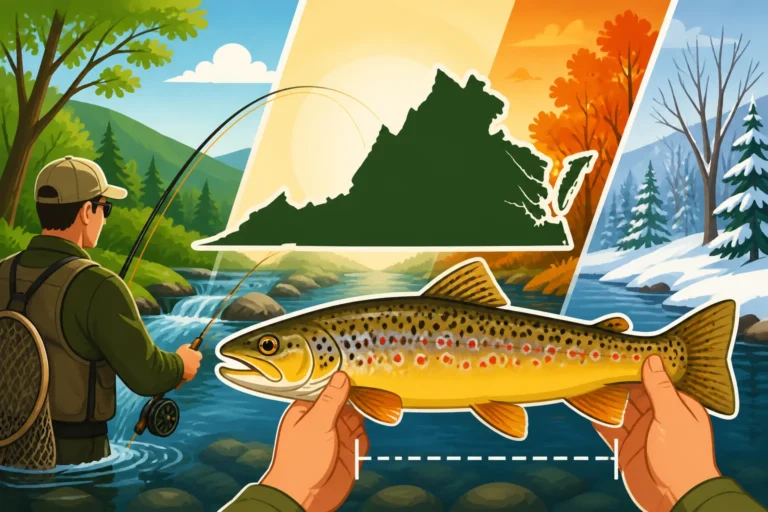
Virginia Stocked Trout Season Guide
Navigating the world of trout fishing in Virginia can feel a bit like wading through a maze, especially when you start trying to figure out the differences between fishing for wild trout and stocked trout. It's easy to get confused about licenses, seasons, and where you're even allowed to drop a line. But don't you worry, because this comprehensive guide is designed to clear up all that confusion, giving you everything you need to know to confidently enjoy Virginia's incredible stocked trout fishing opportunities.
Understanding Virginia's Trout Program: Stocked versus Wild
It’s crucial for any angler in Virginia to understand the fundamental difference between stocked trout and wild trout. While both offer fantastic fishing experiences, the rules, locations, and even the approach you take can vary significantly. Getting this distinction right isn't just about following regulations; it's about appreciating the different ways the Virginia Department of Wildlife Resources (DWR) manages these precious fisheries.
The Purpose of Stocked Trout Programs
The DWR's stocked trout program is a real gift to anglers across the Commonwealth, designed primarily to increase fishing opportunities and success rates. Think about it: not every stream or lake in Virginia has the perfect conditions for trout to naturally reproduce and thrive year-round. Many waterways get too warm in the summer, or lack the right habitat for wild trout populations to sustain themselves. That's where stocking comes in. The DWR raises hundreds of thousands of rainbow, brown, and brook trout in hatcheries and releases them into designated waters, often multiple times throughout the cooler months. This ensures that even in areas where natural populations are sparse or non-existent, anglers still have a chance to experience the thrill of catching trout.
For many of us, especially those just starting out or taking kids fishing, stocked trout waters offer a more forgiving and often more productive experience. The sheer numbers of fish mean that your chances of hooking up are significantly higher, which can be incredibly motivating. It's a way for the DWR to spread the joy of trout fishing to a wider audience, making it accessible to folks who might not have the time or ability to seek out more remote wild trout streams. These programs are meticulously planned to maximize angler satisfaction while also being sustainable, proving why these efforts are so valuable to the Virginia angling community.
Key Differences Between Stocked and Wild Trout Regulations
Now, while they're both trout, the regulations for stocked and wild trout fishing in Virginia can be like night and day. This isn't just bureaucratic red tape; it's based on very real ecological needs. Wild trout, particularly native brook trout, live in fragile ecosystems and reproduce naturally. Their populations are self-sustaining, but they're also highly sensitive to environmental changes and overfishing. Because of this, Wild Trout Stream Rules in Virginia often involve much stricter rules. You might find catch-and-release only regulations, lower creel limits (if harvest is allowed at all), minimum size restrictions, and sometimes even gear restrictions like mandatory single, barbless hooks or fly-fishing only sections. These rules are in place to protect those precious, naturally reproducing populations and the delicate habitats they call home.
Stocked trout, on the other hand, are essentially put-and-take fisheries. Since their primary purpose is to provide immediate angling opportunities, the DWR expects them to be harvested. This means that in most stocked trout waters, you'll find more liberal creel limits – often around six fish per day – and frequently no minimum size limit, especially in waters that are stocked heavily and where trout are unlikely to survive through the warmer summer months. While ethical angling practices always apply, the regulations are designed to facilitate harvest. It's vital to know which type of water you're fishing. Always consult the current Virginia Fishing Regulations Explained before you head out, as misunderstanding these differences can lead to penalties, and more importantly, can inadvertently harm Virginia's incredible trout resources.
The Virginia Stocked Trout Season: When and Where
The beauty of Virginia's stocked trout program is its seasonality, carefully timed to align with the cooler water temperatures that trout need to thrive. Knowing when and where to find these fish is key to planning a successful trip. The DWR does a fantastic job of managing these waters, and staying informed can make all the difference between a frustrating day and a memorable one.
General Season Dates and Major Stocking Periods
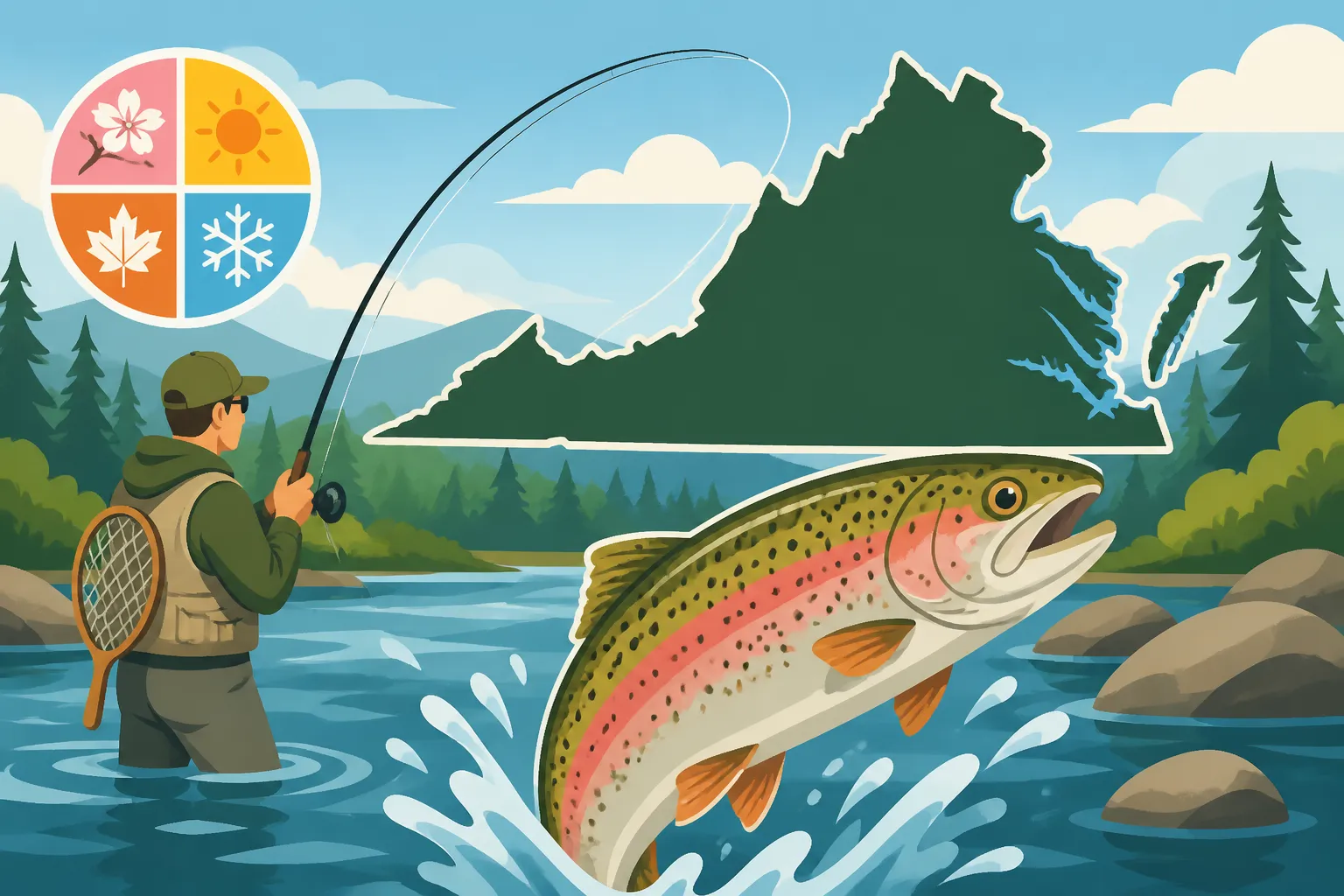
If you’re wondering, "When can I even start fishing for stocked trout?", the good news is that the Virginia Stocked Trout Season October Through Mid-June starts in the fall and generally runs through late spring or early summer. Specifically, the DWR typically begins stocking trout in earnest around October 1st each year. This initial fall stocking is a fantastic time to get out, as the fish are fresh, often feisty, and the cooler weather makes for a comfortable day on the water. Stocking efforts then continue throughout the winter months, providing continuous opportunities even when other fisheries might be slow. The spring, particularly from March through May, is another major stocking period, often coinciding with school breaks and warmer weather, making it a popular time for families.
The DWR doesn't just stock once and call it a day; many waters receive multiple stockings during these peak periods. The exact dates and frequencies can vary each year depending on hatchery production, water conditions, and funding, but the general window remains consistent. Keeping an eye on the DWR's weekly stocking schedule, which they update religiously on their website, is like having insider information. It allows you to target recently stocked streams and increase your chances of a productive outing. These updates are a vital resource for any angler looking to hit the sweet spot of freshly stocked waters.
Identifying Stocked Trout Waters
So, how do you know where these magical stocked trout appear? The DWR maintains a comprehensive list of designated stocked trout streams, rivers, and lakes across Virginia. These aren't just random spots; they're carefully selected based on factors like public access, water quality, and the ability to hold trout during the cooler seasons. For instance, popular rivers like specific sections of the Jackson River, the Dan River, and the South River in the western part of the state are well-known for their excellent stocked trout fishing. Many smaller creeks and even some community lakes also receive regular stockings, offering convenient options closer to urban areas.
Finding these spots is easier than you might think. The DWR’s website is your best friend here, offering detailed maps and lists of Virginia's Stocked Trout Waters and Seasons. They often provide specific access points, parking information, and even real-time updates on recent stocking events. Don't be afraid to visit your local tackle shop either; the folks working there are often treasure troves of hyper-local knowledge about the best spots, recent catches, and current conditions. They might even clue you into a lesser-known spot that gets stocked regularly but doesn't see as much pressure. It's all about doing a little homework, which is part of the fun of planning your next adventure!
Essential Licenses and Permits for Stocked Trout Fishing
Before you even think about casting a line into one of Virginia's teeming stocked trout streams, you need to make sure your paperwork is in order. Skipping this crucial step can lead to fines and a ruined day on the water, and nobody wants that. The licensing system is straightforward once you understand it, but it does require more than just a basic fishing license.
Virginia Resident and Nonresident Fishing License Requirements
First things first, every angler over a certain age needs a basic fishing license to fish in Virginia, regardless of whether you're targeting trout, bass, or panfish. This applies to both residents and nonresidents. For Virginia residents, you'll need a standard freshwater fishing license. Nonresidents also need a Virginia nonresident freshwater fishing license. These licenses are your foundational pass to legally fish in the state's public waters. Remember, these aren't just pieces of paper; the fees collected from these licenses are absolutely vital. They contribute directly to funding the DWR's conservation efforts, including the very trout stocking programs we're talking about, as well as habitat restoration and fisheries management.
The process to acquire these is quite simple. You can purchase them online through the DWR website, from authorized license agents like tackle shops and sporting goods stores (think Dick's Sporting Goods or Walmart), or by mail. If you're new to the state or just getting into fishing, checking out a comprehensive resource like the Virginia Fishing License Guide or the Virginia Fishing License Requirements for Residents and Nonresidents can answer a lot of your initial questions. Make sure you understand whether you need an annual license or if a short-term option, like a 5-day freshwater pass, might be more suitable for your trip.
The Crucial Stocked Trout License and Its Costs
Here's where it gets a little specific for trout anglers: a standard freshwater fishing license isn't enough to fish in designated stocked trout waters. You also need an additional trout license, sometimes referred to as a "trout stamp." This is a separate permit specifically for those waters that receive DWR-stocked fish. It’s a small extra investment, but it’s absolutely mandatory. The cost is quite modest, for example, a resident annual trout license is typically just an additional $23.00 on top of your freshwater license. This extra fee is directly earmarked to support the DWR's trout hatcheries and stocking operations, ensuring that these programs can continue year after year.
Many anglers often ask, "Do You Need a Special License for Stocked Trout in Virginia?", and the answer is a resounding yes. It's a common mistake for newcomers to overlook this, but wildlife officers regularly check for both licenses in these areas. You can purchase this additional permit at the same time and place you get your regular fishing license. It's usually just an extra checkbox on the form or an added item in your online shopping cart. For a full breakdown of all the different permits and their prices, including the trout license, consult a detailed resource such as Virginia Fishing License Costs and Types Explained. Having both your basic freshwater license and your trout license in hand means you’re fully compliant and ready to enjoy your day on the water without worry.
Exemptions and Special Cases (Seniors, Kids, Free Fishing Days)
Virginia is thoughtful about making fishing accessible to everyone, and that includes providing exemptions and special considerations for certain groups. For instance, children under the age of 16 are generally not required to have a fishing license in Virginia. This is wonderful news for families, as it significantly lowers the barrier to entry and encourages younger generations to get out and experience fishing. However, even if they don't need a basic license, it's a good idea to check specific regulations for stocked trout waters, as some rules might still apply. You can find more details on this in the Fishing License Rules for Kids in Virginia.
Seniors also receive special considerations. Residents who are 65 and older can often obtain a Free Fishing License for Virginia Seniors 65 and Older for freshwater fishing. While this often covers the basic freshwater license, seniors may still need to purchase the additional trout license if they plan to fish in stocked trout waters. It's always best to verify the exact requirements for seniors with the DWR to ensure full compliance. Beyond these demographic exemptions, Virginia also offers specific "Free Fishing Days" each year, typically in June. During these designated days, residents and nonresidents alike can fish in Virginia's public waters without needing a fishing license or a trout license. It's a fantastic opportunity to try fishing for the first time or introduce a friend to the sport. Mark your calendars for Virginia Free Fishing Days in June 2026 and enjoy the freedom of license-free angling! However, always double-check if specific permits, like facility use permits for certain parks, are waived during these days, as sometimes "Are facility use permits waived during Virginia's Free Fishing Days?" is a question that needs clarifying.
Gear and Techniques for Successful Stocked Trout Fishing
Having the right gear and knowing how to use it can dramatically increase your chances of success when targeting stocked trout. While these fish might not be as wary as their wild counterparts, they still require a bit of finesse and the right presentation. You don't need the most expensive equipment, but choosing wisely will certainly pay off.
Recommended Rods, Reels, and Lines
When it comes to tackle for stocked trout, simplicity and sensitivity are often your best friends. A light to ultra-light spinning rod, typically between 5 to 7 feet long, is ideal. This kind of rod allows for delicate presentations of small baits and lures, and it makes even smaller trout feel like a respectable fight. Pair that with a small spinning reel (size 1000 or 2000) spooled with 4 to 6-pound test monofilament or fluorocarbon line. Monofilament is a budget-friendly choice with good knot strength and stretch, while fluorocarbon offers greater sensitivity and is nearly invisible underwater, which can be an advantage in clear streams. You can easily find a good selection of quality yet affordable spinning combos on platforms like Amazon that will serve you perfectly for trout fishing.
If you're a fly fishing enthusiast, or looking to get into it, stocked trout waters are a fantastic place to hone your skills. A 3-weight or 4-weight fly rod, about 7.5 to 9 feet long, paired with a matching reel and weight-forward floating line, is a versatile setup. This allows you to present delicate dry flies, nymphs, and small streamers effectively. For both spinning and fly gear, the key is balance: make sure your rod, reel, and line work well together to provide a comfortable and responsive setup. This balance enhances your casting ability and your feel for the subtle takes of a trout.
Best Baits and Lures for Stocked Trout
Stocked trout are often raised on pellet feed, so they can sometimes be less finicky than wild trout and respond well to a variety of baits and artificial lures. When it comes to natural baits, classics like PowerBait (in various colors and forms like nuggets or dough), canned corn, small earthworms (nightcrawlers cut into pieces), and salmon eggs are perennial favorites. These baits offer scent and visual appeal that trout often can't resist. Experimenting with different colors of PowerBait can be particularly effective, as trout can develop preferences based on what they were fed in the hatchery or what they've seen in the water.
For artificial lures, small inline spinners like Mepps Aglia or Rooster Tail spinners, in sizes 0 to 2, are incredibly effective. Their flash and vibration mimic small baitfish or insects, triggering aggressive strikes. Small spoons (like Kastmasters or Phoebe spoons) and tiny crankbaits can also be very productive. When fly fishing, you can't go wrong with Woolly Buggers (black or olive), various nymph patterns (like Prince Nymphs or Pheasant Tails), and even small dry flies during hatches. Remember to carry a selection of options. Sometimes, what worked yesterday won't work today, so having choices means you can adapt. Many anglers stock up on a variety of lures and baits from retailers like Amazon to ensure they're prepared for any conditions on the water. For more specific guidance on what to use, check out "Best Bait for Rainbow Trout in Mountain Streams" which offers great insights.
Effective Fishing Techniques and Strategies
Successfully catching stocked trout often comes down to presentation and understanding where the fish are likely to hold. If you're using bait, a common and effective technique is to fish it under a small bobber or with a light split shot to allow it to drift naturally with the current in a stream or river. In lakes, casting out and letting your PowerBait float off the bottom (using an egg sinker rig) can be deadly. These fish often congregate in deeper pools, around submerged cover, or along current breaks, so learning to "read the water" is invaluable.
For lures, a steady retrieve is usually best for spinners and spoons. Varying your retrieve speed or adding small twitches can sometimes entice a strike from a hesitant fish. If you're fishing a recently stocked stream, trout will often be disbursed throughout the water column and might be less particular about presentation, making for easier catches. However, after a day or two of pressure, they become warier. That's when slower presentations, smaller baits, and lighter lines become more important. Fly anglers should focus on dead-drifting nymphs through likely holding water or swinging streamers through deeper runs. The beauty of stocked trout fishing is that it offers a playground to experiment with different techniques without the intense pressure sometimes found in wild trout fisheries.
Navigating Regulations: Creel Limits, Size Restrictions, and Etiquette
Understanding the rules and practicing good etiquette are just as important as having the right gear. Virginia's fishing regulations are designed to manage the resource effectively, while common courtesy on the water ensures that everyone has an enjoyable experience.
Daily Creel and Size Limits for Stocked Trout
When you're fishing for stocked trout in Virginia, the daily creel limit (how many fish you can keep) is typically quite generous, often set at six trout per person per day. This is a common limit for many put-and-take fisheries, reflecting the program's goal of providing harvesting opportunities. In most designated stocked trout waters, there is also frequently no minimum size limit, meaning you can keep any trout you legally catch, regardless of its length. This contrasts sharply with wild trout streams where size limits are often in place to protect juvenile fish.
However, it's absolutely crucial to remember that regulations can vary by specific body of water. Some larger lakes or certain stream sections might have special regulations, including different creel limits or even temporary catch-and-release periods. Always, always check the current DWR fishing regulations guide before you head out, especially for the specific section of stream or lake you plan to fish. You can find all the details under Virginia Fishing Regulations Explained. These regulations are thoughtfully implemented to balance angler harvest with sustaining a viable, accessible fishery. They allow for a good day's catch while ensuring the DWR can continue its stocking efforts efficiently.
Catch-and-Release Practices and Handling Fish
Even in put-and-take stocked trout fisheries, practicing responsible catch-and-release is a sign of a thoughtful angler. While many stocked trout are destined for the dinner table, there will be times when you catch a fish you don't intend to keep, or you might find yourself in a special regulation water where catch-and-release is mandatory. It's a common query, "Is a license required for catch-and-release fishing?", and the answer is yes, a license is still required even if you don't plan to harvest any fish.
When releasing trout, minimize handling time as much as possible. Keep the fish in the water if you can while you remove the hook. If you must handle it, do so with wet hands; dry hands can remove the protective slime layer from a fish's skin, making it vulnerable to disease. Consider using barbless hooks or pinching down the barbs on your hooks; this makes hook removal much easier and less damaging to the fish. When returning a fish to the water, hold it gently in the current until it swims away on its own. These small acts of care contribute to the health and vitality of the fishery, and ensure that those fish have the best chance of survival, even if they're stocked.
Respecting Fellow Anglers and the Environment
Fishing, especially on popular stocked trout streams, is often a shared experience, and practicing good etiquette is paramount. One of the most common issues on crowded waters is "fishing over" another angler. Give fellow anglers ample space, especially when they are actively fishing a run or a pool. A general rule of thumb is to allow at least 50 feet between anglers if space permits, or more if you're fly fishing and need room to cast. Politeness goes a long way – a simple wave or greeting can set a friendly tone. Remember that everyone is out there to enjoy the peace and thrill of fishing, and mutual respect makes the experience better for all.
Beyond human interactions, being a good steward of the environment is non-negotiable. "Pack it in, pack it out" is the golden rule. This means taking all your trash with you, including discarded fishing line (which can be lethal to wildlife), bait containers, and food wrappers. Avoid disturbing the streambed or riverbanks unnecessarily, and never leave any litter behind. These actions not only keep our beautiful Virginia waterways pristine but also ensure that the DWR's efforts to provide these fishing opportunities are complemented by responsible angler behavior. Following these simple guidelines aligns with the broader principles found in Virginia Fishing Rules Every Angler Should Know and helps preserve the natural beauty of the fishing spots we cherish.
Beyond the Season: Year-Round Trout Opportunities and Conservation
While the traditional stocked trout season in Virginia runs primarily during the cooler months, the DWR has implemented special programs and regulations that can extend your trout fishing opportunities throughout the year. These initiatives, coupled with the critical role of license fees, highlight a broader commitment to conservation that benefits all anglers.
Delayed Harvest and Special Regulation Waters
Virginia offers some truly unique trout fishing experiences through its "Delayed Harvest" and other special regulation waters. These streams are a game-changer for anglers who want to extend their season and enjoy a different kind of trout fishing challenge. In a Delayed Harvest stream, the DWR stocks large numbers of trout in the fall, winter, and spring, but during a specific period (typically October 1st through May 15th), these waters are strictly catch-and-release only, and often have additional gear restrictions like single-hook artificial lures or fly-fishing only. This allows the fish to spread out, acclimate, and grow larger, providing fantastic catch-and-release opportunities for months. After May 15th, these waters usually revert to general regulations, allowing for harvest.
Examples of these fantastic fisheries include specific sections of the Jackson River, the North River, and other pristine waterways that can support trout year-round thanks to consistent cold water flows. These special regulations are designed to provide a high-quality fishing experience, allowing anglers to target larger, wilder-acting trout that have been in the river for months. It’s a brilliant way to offer a unique experience that bridges the gap between traditional put-and-take stocked waters and more fragile wild trout streams. Always consult the DWR's regulations for specific rules and dates for these special management areas, as they can change annually.
How Fishing License Fees Support Trout Conservation
Have you ever wondered where that money goes when you buy your fishing license and trout stamp? It's a question many of us ponder, and the answer is incredibly encouraging: your fishing license fees are the backbone of Virginia's fisheries conservation efforts. The funds generated are directly reinvested into managing and enhancing the state's aquatic resources. This includes everything from the operation of trout hatcheries, which rear the very fish you're targeting, to scientific research that informs stocking strategies and habitat restoration projects. Your fees pay for the biologists who monitor fish populations, the wardens who enforce regulations, and the education programs that teach new anglers the ropes.
This vital funding supports not only trout programs but also benefits bass, crappie, catfish, and other species throughout the state. It's a cyclical process: anglers pay fees, which fund conservation, which in turn leads to healthier fish populations and better fishing opportunities, encouraging more anglers to participate. It's a powerful example of how user-pay, user-benefit models work to protect and improve our natural heritage. For a deeper dive into this, check out "Where fishing license revenue actually goes"; it’s fascinating to see the impact of your contribution. So, when you purchase that license, know that you're not just buying a right to fish; you're investing in the future of Virginia's incredible aquatic ecosystems.
Preparing for Next Season and Staying Informed
Being a successful angler isn't just about what you do on the water; it's also about staying informed and preparing for future seasons. The DWR website is an indispensable resource. Regularly checking their "Trout Stocking Schedule" and "Fishing Regulations" pages will keep you updated on everything from stocking dates to rule changes. They also offer valuable information on fishing conditions, special notices, and educational resources that can deepen your understanding of Virginia's fisheries. Setting up email alerts or following their social media channels can also ensure you don't miss important announcements.
Beyond official channels, becoming part of the local fishing community can be incredibly rewarding. Local tackle shops, as mentioned before, are often hubs of real-time information. Chatting with other anglers, joining local fishing clubs, or participating in online forums can provide insights, tips, and even opportunities to get involved in conservation efforts. Many communities have volunteer groups that assist the DWR with stocking efforts or stream cleanup projects. Engaging in these activities not only makes you a better, more informed angler but also connects you to a passionate community dedicated to preserving and enhancing Virginia's fishing legacy.
Virginia Stocked Trout Fishing Overview
To help you quickly grasp the key differences and requirements for Virginia's stocked trout fishing, here's a handy comparison table.
| Feature | Stocked Trout Waters | Wild Trout Waters (General) |
|---|---|---|
| Primary Purpose | Provide put-and-take fishing opportunities | Protect natural reproduction and native populations |
| Primary Season | October 1st – Mid-June (cooler months) | Year-round (seasonal closures for some areas) |
| Basic License Req. | VA Freshwater Fishing License | VA Freshwater Fishing License |
| Additional License | Required: VA Stocked Trout License (Trout Stamp) | Generally Not Required (unless it's also a stocked area before DH) |
| Creel Limit (Daily) | Often 6 fish | Often 6 fish (sometimes 4), with specific size limits, or catch-and-release |
| Size Limit | Usually No minimum size (check specific regs) | Often 7" minimum, or catch-and-release (check specific regs) |
| Gear Restrictions | Generally liberal (bait, lures, flies allowed) | Often specific restrictions (e.g., single hook, artificial lures only, fly-fishing only) |
| Fish Appearance | Often show hatchery traits (worn fins, uniform size) | Typically vibrant colors, healthy fins, varied sizes |
| Accessibility | Many accessible locations, often near roads | Can be more remote, requiring hiking access |
| Skill Level | Great for beginners and families | Can be more challenging, rewarding for experienced anglers |
Disclaimer
The information provided in this guide is for general informational purposes only and is not intended as legal advice. Fishing regulations in Virginia are subject to change by the Department of Wildlife Resources (DWR). It is the angler's responsibility to consult the most current official Virginia DWR fishing regulations before engaging in any fishing activities. Always ensure you have the correct and valid licenses and permits for the waters you intend to fish.