Where fishing license revenue actually goes
It's a familiar scenario for many of us anglers. You've got your rod and reel, you've checked the forecast, and you're ready to hit the water, but first, there's that annual ritual: buying your fishing license. As you hand over your hard-earned cash or click "purchase" online, you might pause and wonder, "Where does this money actually go?" It's a valid question, and one that often sparks a bit of frustration or even cynicism. This comprehensive guide is here to pull back the curtain and show you exactly how your Virginia fishing license revenue is put to work, ensuring the health and future of our state's incredible fisheries.
The Misconception: Your License Fee Vanishes into Thin Air (Or Does It?)
For many folks, paying for a fishing license feels a lot like paying another tax. You might not see an immediate, tangible benefit, and it's easy to assume the money just disappears into some black hole of bureaucracy. This feeling isn't unique to Virginia; it's a common sentiment among anglers everywhere. We often grumble about the cost, especially if we're just occasional weekend warriors who only wet a line a few times a year. Why should you pay for something that, at face value, seems like a simple permission slip?
The Initial Reaction to License Costs
Let's be honest, it's easy to feel a pang when you see the price tag for your annual fishing license. Maybe you're a Virginia resident looking for a Virginia Resident Freshwater Fishing License Cost, or perhaps you're planning a trip to the coast and need to budget for a Virginia Resident Saltwater Fishing License Cost. Regardless of the specific fee, the immediate thought can be, "Is this truly necessary? What am I really getting for this?" It's a natural reaction, especially when finances are tight, or if you're new to the sport and simply want to try it out. The idea that this money contributes to something larger, something essential, isn't always clear from the outset. We don't always see the DWR biologist stocking trout or the conservation police officer patrolling remote rivers, so the direct link between our payment and their work can feel a bit abstract.
The Importance of Understanding the 'Why'
While it's easy to dismiss license fees as just another expense, understanding the "why" behind them is absolutely crucial. These fees aren't merely a formality; they are the financial backbone of fishery management and conservation efforts in Virginia. Without these funds, our beloved rivers, lakes, and coastal waters would quickly decline. Imagine a future where fish populations dwindle due to habitat destruction, where invasive species run rampant, or where access to public fishing spots is nonexistent. That's the stark reality we'd face if these license revenues weren't collected and strategically reinvested. Your license fee is an investment – an investment in healthy fish, clean water, and accessible fishing opportunities for everyone, now and for generations to come. It’s about more than just granting permission; it’s about sustaining a cherished natural resource.
Where Your Virginia Fishing License Dollars Truly Land: A Deep Dive into Conservation
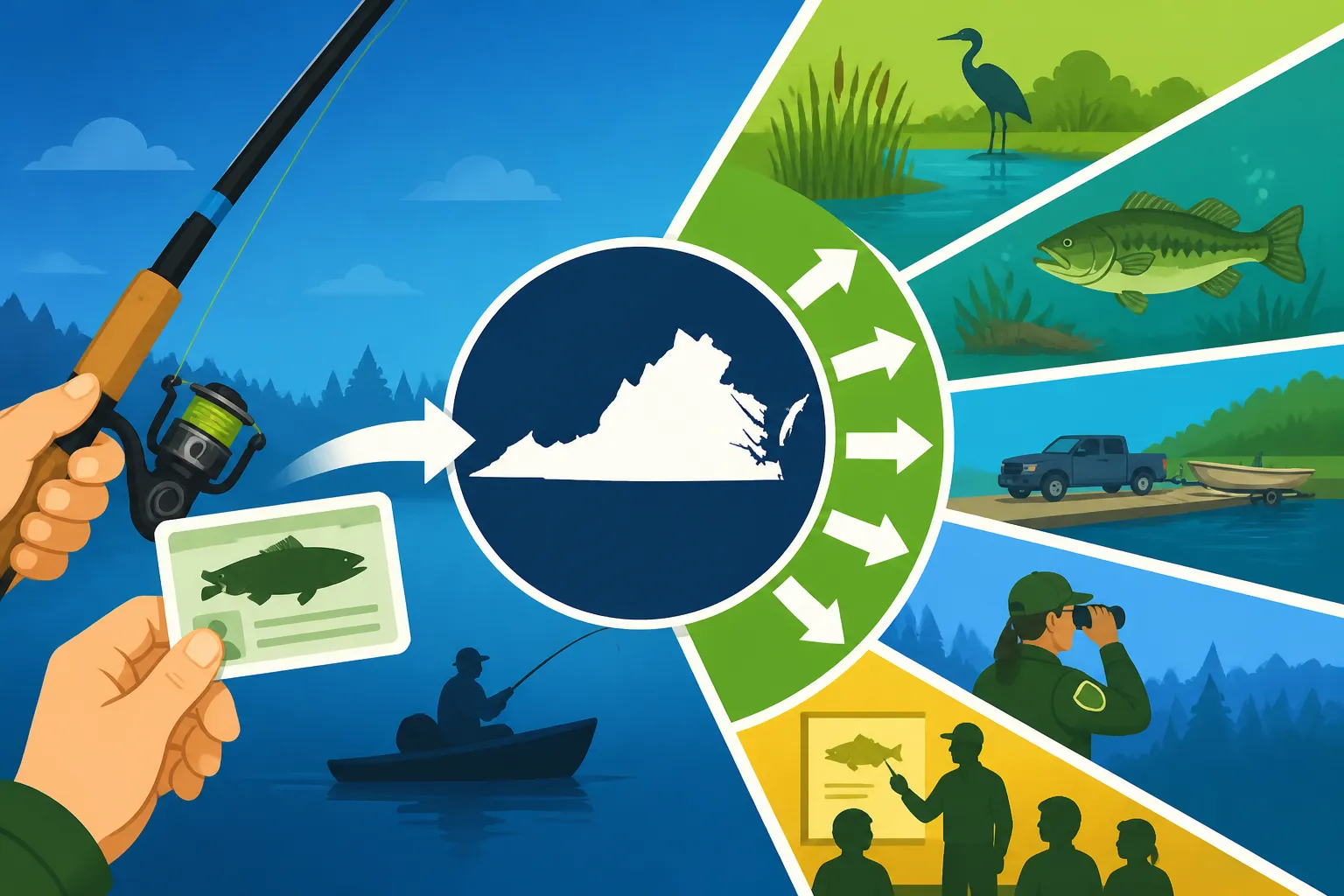
Alright, let's get down to brass tacks. Where exactly does your money go once you've purchased that Virginia fishing license? The vast majority of it goes directly to the Virginia Department of Wildlife Resources (DWR), the agency tasked with managing and conserving the Commonwealth's fish and wildlife resources. But it doesn't just sit in a general fund; it's earmarked for specific, critical programs that directly impact the quality of your fishing experience.
Funding Virginia Department of Wildlife Resources DWR
The Virginia Department of Wildlife Resources is the primary steward of our state's aquatic ecosystems. Your license fees are vital to their operations, fueling everything from scientific research to hands-on conservation work. Think of them as the unsung heroes working behind the scenes to keep our waters teeming with fish.
One of the most direct ways your money is used is for fish stocking programs. Ever wondered how some of our lakes and rivers maintain healthy populations of popular species? A portion of your license fee supports the DWR's hatcheries, which raise and release millions of fish each year. This is particularly evident in programs like the Virginia Stocked Trout Season Guide, which ensures that anglers have fantastic opportunities to catch rainbow, brown, and brook trout in designated waters across the state. Without these stocking efforts, many popular fishing spots would simply not be able to sustain the angling pressure they receive.
Beyond stocking, your dollars fund crucial habitat restoration and enhancement projects. This could involve anything from stabilizing eroding streambanks to prevent sediment runoff, to planting native aquatic vegetation that provides cover and food for fish. These projects improve the overall health of the ecosystem, which in turn leads to stronger, healthier fish populations. When you're casting your line into clear, vibrant waters, you're experiencing the direct result of these efforts.
Finally, a significant portion of the DWR's work involves research and monitoring. Biologists need to understand fish populations, migration patterns, disease outbreaks, and the impacts of environmental changes. This data is critical for making informed management decisions, such as setting appropriate catch limits and seasons, which are detailed in important resources like the Virginia Fishing Regulations Explained. This scientific groundwork ensures that fishing remains sustainable year after year.
The Role of the Sport Fish Restoration Program Dingell-Johnson Act
Here's where things get really interesting, and where your license fee acts as a powerful catalyst for even greater conservation funding. The federal Sport Fish Restoration Program, often referred to as the Dingell-Johnson Act, is a true game-changer. It's a national program funded by excise taxes on fishing equipment, electric trolling motors, sonar equipment, and a portion of motorboat fuel sales. What's truly remarkable is that a state's eligibility for these federal funds is directly tied to the number of fishing licenses it sells.
So, when you buy your Virginia fishing license, you're not just contributing to state programs; you're also helping Virginia qualify for and receive a larger share of these federal dollars. It’s a dollar-for-dollar match, or even more, for approved projects. This means your $23 freshwater license fee, for example, might unlock an additional $77 in federal money, creating a huge multiplier effect for conservation! This combined funding is then channeled back into various state-level projects, dramatically expanding what the DWR can accomplish. This program is a cornerstone of American conservation, directly linking angler participation to robust funding for fisheries nationwide.
This combined state and federal funding supports a wide array of initiatives, many of which directly benefit anglers. This includes the development and maintenance of public boat ramps and fishing piers, making it easier for you to access your favorite fishing spots. It also supports aquatic education programs, teaching the next generation about conservation and responsible angling. Imagine the improvements seen at popular spots like Smith Mountain Lake Fishing Guide, where access points and fish habitat are continually improved thanks to these vital funds. This means cleaner waters, better access, and more fish for everyone.
Protecting and Enhancing Fish Habitats
One of the most fundamental uses of your fishing license dollars is the protection and enhancement of fish habitats. Without healthy places for fish to live, spawn, and grow, all other efforts would be in vain. This isn't just about preserving existing habitats; it's about actively improving them.
Consider water quality projects. Funds are often used to address pollution, reduce sediment runoff from agricultural lands or construction sites, and restore natural water flows. This could involve stream bank stabilization using native plants, which not only prevents erosion but also provides crucial shade and cover for fish. Cleaner water isn't just better for fish; it's better for everyone who uses Virginia's waterways for recreation.
DWR also invests in creating and restoring physical habitats within lakes and rivers. This includes deploying artificial fish attractors like brush piles, rock reefs, or even discarded Christmas trees, which provide cover for smaller fish and attract larger predatory species. These structures create micro-habitats that concentrate fish, making them easier to find and catch. For spawning species, especially those sensitive to environmental changes, funds are allocated to restoring crucial spawning grounds, ensuring that future generations of fish have a place to reproduce successfully. It’s a comprehensive approach that looks at the entire lifecycle and ecological needs of various fish species, providing a solid foundation for sustainable fishing.
Beyond Fish: Broader Benefits for Virginia's Outdoors
While the primary focus of fishing license revenue is, understandably, on fish and their aquatic environments, the benefits extend much further, touching various aspects of Virginia's outdoor heritage. These funds contribute to a holistic approach to conservation that impacts wildlife, public lands, and even public safety.
Enforcement and Education
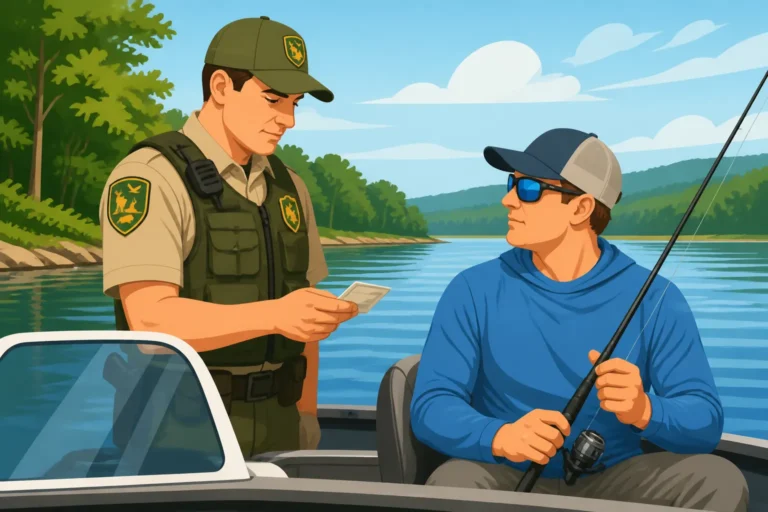
Ever wondered who keeps an eye on our vast waterways, ensuring everyone plays by the rules? Your fishing license fees contribute significantly to funding Virginia's conservation police officers and game wardens. These dedicated professionals are on the front lines, patrolling rivers, lakes, and coastal areas, checking for valid licenses and ensuring compliance with Virginia's Fishing License and Catch Limit Basics. Their presence is crucial for preventing poaching, upholding fair chase principles, and safeguarding our natural resources from illegal activities. It can be a real bummer if you forget your license, and those officers are there to ensure compliance; forgetting it can lead to Penalties for Fishing Without a License in Virginia. Their work ensures that the resources are available for all law-abiding anglers.
Beyond enforcement, these funds also power essential aquatic and wildlife education programs. The DWR hosts numerous workshops, youth fishing clinics, and educational outreach events throughout the year. These programs teach responsible angling techniques, promote ethical outdoor behavior, and foster an appreciation for conservation among the next generation of anglers. Many people discover their passion for fishing through these educational efforts, often starting with basic gear they might find on Amazon, before investing in more specialized equipment. It's about instilling a sense of stewardship in future generations, ensuring they understand the importance of preserving these precious resources.
Public Access and Infrastructure
One of the most tangible benefits of your fishing license dollars is the direct improvement and expansion of public access to Virginia's waters. Finding a great fishing spot is one thing; being able to actually get to it, launch a boat, or fish from the shore is another challenge entirely.
License revenues, often augmented by Sport Fish Restoration funds, are channeled into developing and maintaining critical infrastructure. This includes the construction and upkeep of boat ramps, ensuring anglers can safely launch and retrieve their vessels. It also covers the maintenance of fishing piers and public docks, providing accessible spots for shore anglers, families, and those without boats. Ever arrived at a beautiful lake only to find inadequate parking or dilapidated facilities? These funds address those frustrations directly.
Furthermore, these revenues contribute to the acquisition of public lands and easements, ensuring that valuable fishing areas remain open to the public rather than being lost to private development. This expands the network of places where you can legally and conveniently fish, from urban ponds to remote river stretches. For a clear picture of what's available, check out resources like Boat Ramps for Fishing in Virginia or articles detailing Shore Fishing Access Points in Virginia. These facilities are the unsung heroes that make countless fishing trips possible across the Commonwealth.
Research and Wildlife Management
At the heart of effective conservation lies sound science, and your fishing license fees are critical for funding the vital research and wildlife management activities undertaken by the DWR. This isn't just about counting fish; it's about understanding complex ecosystems.
DWR biologists conduct extensive surveys and monitoring programs to assess fish populations, track growth rates, and identify trends. They use techniques like electrofishing, netting, and tagging to gather data on species like Virginia Bass Fishing: Largemouth, Smallmouth, Spotted, and Alabama Bass or A Guide to Striped Bass Fishing in Virginia. This scientific data is then used to inform management decisions, such as adjusting creel limits, establishing seasons, or identifying areas that need habitat improvement.
Funds also support research into aquatic disease monitoring and control, ensuring that fish populations remain healthy. Understanding how environmental factors like water temperature, pollution, and climate change impact different species is also a continuous effort. For example, knowing the nuances of Striped Bass Season and Slot Limit in Virginia is a direct result of meticulous research. This commitment to scientific understanding ensures that Virginia’s fishing regulations are based on the best available information, promoting healthy, sustainable fisheries for everyone. Many anglers even consult specific DWR publications or books found on Amazon for detailed scientific insights.
Here's a quick overview of where your fishing license money goes:
| Category | Examples of What It Funds | Direct Angler Benefit |
|---|---|---|
| Fish Stocking Programs | Hatchery operations, raising and releasing millions of fish (e.g., trout, bass, striped bass). | More abundant fish, diverse angling opportunities, consistent catches. |
| Habitat Restoration & Enhancement | Stream bank stabilization, planting native aquatic vegetation, creating artificial reefs/fish attractors, restoring spawning grounds, water quality improvements. | Healthier ecosystems, larger and more vibrant fish populations, cleaner waters. |
| Sport Fish Restoration Program Match | Unlocks significant federal funds (from excise taxes on tackle/fuel) for state projects. | Funds enhanced boat ramps, fishing piers, conservation education, expanded research. |
| Enforcement & Conservation Police | Salaries and equipment for game wardens/conservation police officers. | Protection against poaching, fair fishing practices, safety on the water, long-term resource protection. |
| Public Access & Infrastructure | Construction and maintenance of boat ramps, fishing piers, docks, parking areas; acquisition of public land for access. | Easier access to prime fishing locations, more places to fish for all types of anglers. |
| Research & Wildlife Management | Fish population surveys, genetic studies, disease monitoring, ecological research, setting science-based regulations (e.g., catch limits, seasons). | Sustainable fish populations, informed management decisions, protection of endangered species, better fishing today and tomorrow. |
| Aquatic Education & Outreach | Youth fishing clinics, educational materials, workshops on responsible angling. | Educated anglers, promotion of ethical practices, fostering a love for fishing in new generations. |
The Angler's Return on Investment: What You Get Back
So, we've broken down where your money goes. Now, let's talk about the payoff. Because, make no mistake, your Virginia fishing license isn't just a fee; it's an investment that yields significant returns, both for you personally and for the broader outdoor community.
Better Fishing Opportunities
Ultimately, all these programs and initiatives culminate in one crucial benefit for you: better fishing. When DWR actively manages habitats, stocks fish, conducts research, and enforces regulations, the result is a more vibrant and diverse fishing experience across the Commonwealth.
Think about it: healthy fish populations mean you're more likely to have a successful day on the water, whether you're targeting big largemouth bass, feisty smallmouths, or the thrill of a striped bass fight. Improved water quality means the fish are healthier and taste better. Well-maintained access points mean less hassle getting your boat in the water or finding a comfortable spot on the bank. These funds directly contribute to making Virginia one of the Best Fishing Spots in Virginia, offering a wide array of opportunities for every type of angler. The satisfaction of reeling in a healthy fish, knowing it's part of a thriving ecosystem, is the ultimate return on your investment.
A Sustainable Future for Fishing
Perhaps the most profound return on your investment isn't just about your next fishing trip, but about the long game. Your license fees ensure a sustainable future for fishing in Virginia. It’s about ensuring that the natural resources we cherish today will be available for our children, our grandchildren, and beyond. Without dedicated funding for conservation, habitat degradation and overfishing could easily decimate fish populations, turning once-thriving fisheries into mere memories.
This forward-thinking approach is what truly distinguishes these license fees from a simple tax. It's an active commitment to ecological stewardship, providing the DWR with the resources needed to adapt to new challenges, implement innovative conservation strategies, and protect biodiversity. So, when you renew your license, you're not just buying a piece of paper; you're casting a vote for the continued health and abundance of Virginia's aquatic natural heritage.
Supporting Local Communities and Economies
The ripple effect of your fishing license purchase extends far beyond fish and water. A robust fishing industry supports local economies and communities throughout Virginia. When fishing is good, anglers flock to popular destinations, spending money at bait and tackle shops (many of which also carry items from Amazon, alongside local specialties), gas stations, restaurants, hotels, and guide services. This influx of revenue supports small businesses, creates jobs, and strengthens local economies.
Consider the coastal towns during striped bass season or the mountain communities during trout stocking. These periods bring a noticeable boost in economic activity, all fueled by passionate anglers. These dollars circulate locally, supporting families and contributing to the overall well-being of Virginia's communities. So, in a way, your fishing license is also a small investment in the economic vitality of the places you love to fish. It's a testament to how closely intertwined our natural resources are with our livelihoods and quality of life.
Disclaimer
Please note that fishing regulations, license requirements, and fees are subject to change by the Virginia Department of Wildlife Resources. Always consult the most current official DWR publications or website before engaging in any fishing activities to ensure compliance.