Shore Fishing Access Points in Virginia
There's a unique frustration that bubbles up when you love to fish but don't own a boat: feeling like all the best spots are just out of reach, reserved for those with expensive trailers and outboard motors. Many anglers feel stuck scouting the same few, often crowded, public piers or road-side pull-offs, wondering if they're missing out on Virginia's true fishing treasures. This comprehensive guide is here to change that, revealing some of the best shore fishing access points across the Commonwealth and equipping you with the knowledge to make your next bank-side adventure a success.
The Frustration of Finding Shore Access and Why It Matters
Let's be honest, the image of "easy" shore fishing often feels like a mirage. You see those stunning photos of anglers reeling in trophies, often from what appears to be a remote, pristine shoreline. Then you get out there yourself, full of hope, only to be met with "No Trespassing" signs, overgrown banks, or crowded piers where you're elbow-to-elbow with a dozen other hopefuls. It can be disheartening, making you question if shore fishing is even worth the effort in a state known for its vast waterways and rich fisheries.
The "No Boats, No Problem" Mentality is a Myth (or seems like it)
For many years, it felt like the fishing industry, and even local guides, primarily focused on boat-based excursions. If you didn't have a vessel, you were often an afterthought. It's a real struggle to find accurate, up-to-date information on where you can legally and safely cast a line without needing to launch a boat. You might drive past tantalizing stretches of river or promising coves, only to find access blocked by private property or thick vegetation. This feeling of exclusion can deter new anglers, especially families, from even trying their hand at fishing, creating a barrier to enjoying one of Virginia's most beloved pastimes. We've all been there, peering over a bridge, seeing prime habitat, and wishing there was a clear path down to the water's edge.
Why Shore Access is Crucial for Many Anglers
Despite the challenges, shore fishing holds an incredibly important place in the angling world. For starters, it's often the most accessible and affordable way to get on the water. Not everyone can afford a boat, the fuel to run it, or the maintenance it requires. Shore fishing democratizes the sport, opening it up to families, beginners, and those on a budget. It also offers a different kind of experience – a quieter, more contemplative connection with nature that you might not get from a noisy boat. Imagine a serene morning, a gentle breeze, and the simple pleasure of casting from a quiet bank. For many, it’s about reconnecting with the peace that fishing offers, away from the hustle and bustle. Moreover, many communities rely on these accessible spots for local recreation, fostering a sense of community around their shared love of the outdoors.
Navigating Virginia's Diverse Shoreline: Freshwater vs. Saltwater
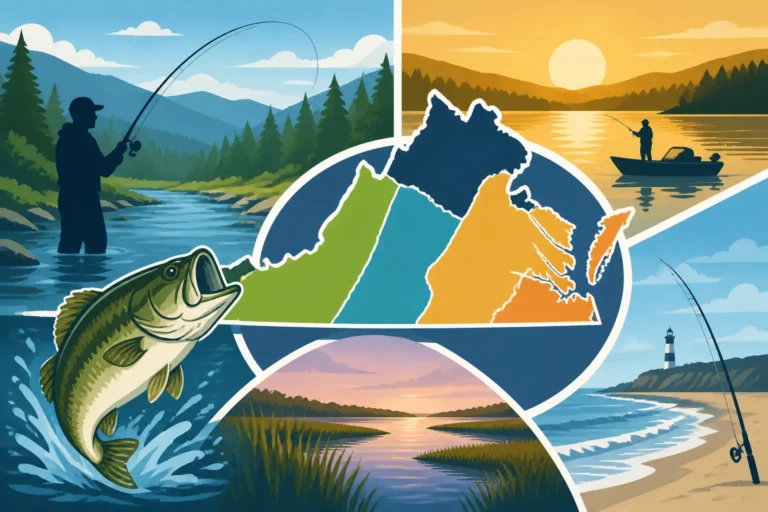
Virginia is blessed with an incredible variety of aquatic environments, from the towering mountains with their cool, clear streams to the expansive tidal rivers and the saltwater expanse of the Chesapeake Bay and Atlantic Ocean. This diversity means a fantastic range of shore fishing opportunities, but it also means understanding the different types of access and what you can expect to catch in each.
Prime Freshwater Bank Fishing Opportunities
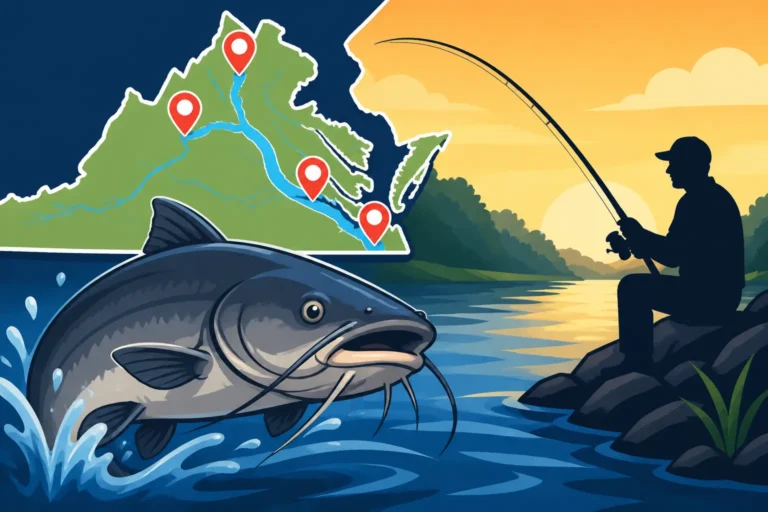
When it comes to freshwater, Virginia's rivers and lakes offer some truly outstanding bank fishing. The James River and the Shenandoah River are legendary for their smallmouth bass fisheries, and while much of their prime real estate requires a boat, there are numerous public access points, particularly within city parks and state lands, where you can successfully target these feisty fighters. Look for areas with rocky banks, submerged logs, and current breaks. You might also encounter channel catfish, particularly in the slower, deeper sections, and various panfish like bluegill and crappie in calmer backwaters.
Beyond rivers, many of Virginia's state parks, like Pocahontas State Park in Chesterfield or Lake Anna State Park, feature designated fishing piers or extensive shorelines perfect for casting. These spots are often managed, sometimes stocked, and usually have amenities like restrooms and picnic areas, making them ideal for family outings. When fishing these lakes, target structure like fallen trees, docks (if permitted), and points. Species like largemouth bass, crappie, and catfish are often abundant. For those in Southwest Virginia, places like Claytor Lake State Park offer excellent bank access for species ranging from walleye to catfish and various bass species. Remember to always check local regulations, as rules can vary even between different sections of the same waterway. Don't forget, if you're targeting specific species, understanding their habits is key. For example, knowing about different bass species such as Largemouth, Smallmouth, Spotted, and Alabama Bass can really boost your success.
Unlocking Saltwater Shoreline Gems
Virginia's saltwater shore fishing is equally rewarding, offering the chance to catch species that are a blast to reel in and delicious to eat. The Chesapeake Bay's vast network of tidal rivers and tributaries, like the York, James, and Rappahannock, are fantastic. Many of these rivers have public boat ramps with adjacent fishing areas, small parks, or dedicated fishing piers. Along the actual coastline, places like Virginia Beach offer numerous options. Pier fishing is incredibly popular, with landmark structures like the Virginia Beach Fishing Pier providing excellent access to species like spot, croaker, flounder, and even striped bass during their seasonal runs.
Public beaches, especially during cooler months or early mornings, can also offer great surf fishing opportunities for species like red drum, striped bass, and even sharks (check regulations for size and species). State parks on the coast, such as Kiptopeke State Park on the Eastern Shore or First Landing State Park in Virginia Beach, often have designated fishing areas, including piers, jetties, or stretches of beach where you can cast a line. These locations typically have amenities and are well-maintained. Just remember, a separate saltwater fishing license or FIP registration is often required for saltwater angling in Virginia, even if you’re fishing from a pier. While a fishing license is required for pier fishing, often the pier operator will have a blanket license that covers patrons, but it's always best to confirm beforehand.
Top Shore Fishing Access Points Across Virginia
Virginia truly spoils shore anglers with its variety. From the bustling coastal areas to the serene mountain streams, there's a spot waiting for your line. Let's dive into some specific locations that have proven to be fantastic for bank-bound anglers.
Eastern Shore and Coastal Plains Hotspots
The eastern part of Virginia, with its coastal plains and the Eastern Shore, is a treasure trove for saltwater shore anglers. You've got direct access to the Chesapeake Bay and the Atlantic Ocean, offering a diverse array of fish.
One of the most popular and productive spots is the Virginia Beach Fishing Pier. This iconic pier extends a significant distance into the Atlantic, putting anglers over deeper water where a wider variety of fish lurk. During the spring and fall migrations, you can often hook into striped bass (often called "rockfish" in saltwater, if you're interested in learning more about the Chesapeake Bay Striped Bass Fishing Guide), red drum, and even king mackerel. In the warmer months, croaker, spot, flounder, and various panfish are common catches. The pier offers bait, tackle, and sometimes even rod rentals, making it super accessible for beginners or those just passing through. Beyond the pier, Rudee Inlet offers various public access points along its jetties and banks. Here, anglers can target flounder, speckled trout, and red drum, especially around tide changes. Parking can be tight, so getting there early is often key.
Further north on the Eastern Shore, Kiptopeke State Park is a fantastic choice. It boasts a long fishing pier built over the remains of concrete ships, creating excellent habitat. Anglers here regularly catch flounder, croaker, spot, bluefish, and even some larger species like red drum. The park itself is beautiful, with camping, cabins, and hiking trails, making it a perfect spot for a weekend fishing getaway for the whole family. Another gem is First Landing State Park in Virginia Beach, which offers excellent surf fishing access along its miles of protected beach, particularly for those targeting red drum, flounder, and various bottom fish. Early mornings or late evenings often yield the best results away from the beach-going crowds.
Central Virginia River & Lake Access
Moving inland to Central Virginia, the focus shifts to freshwater rivers and lakes, with the mighty James River being a dominant force. The James River Park System in Richmond offers multiple access points perfect for bank fishing. Spots like Pony Pasture Rapids Park or Texas Beach provide access to excellent smallmouth bass habitat, particularly during lower water levels where you can wade out onto the rocky sections. You'll also find plenty of channel catfish in the deeper pools and flat stretches. These parks are popular for recreation, so expect company, especially on weekends. It's a great way to experience fishing near Richmond, Virginia, right in the heart of the city.
South of Richmond, Pocahontas State Park near Chesterfield offers multiple lakes with good shore fishing. Swift Creek Lake, for instance, has a fishing pier and plenty of bank access where you can target largemouth bass, crappie, and sunfish. They even have boat rentals for those who want to venture out further. The park is vast, so you can often find quieter spots away from the main activity. For those looking for a larger lake experience, Lake Anna State Park offers extensive shoreline access and a fishing pier on Lake Anna, known for its largemouth bass and striped bass. While a boat is usually preferred on Lake Anna, the state park provides a great entry point for bank anglers. You'll find plenty of opportunities for panfish here too, making it a family-friendly destination.
Western Virginia Mountain and Valley Access
The western part of Virginia, with its majestic mountains and fertile valleys, is synonymous with trout and smallmouth bass fishing. While many prime spots here require wading or specialized gear, there are several accessible shore fishing options.
The Shenandoah River is a gem, offering excellent smallmouth bass fishing from its banks. Public access points, often associated with canoe liveries or state boat launches (like those managed by the Department of Wildlife Resources), can provide good bank fishing opportunities. Look for areas where the current slows down, creating eddies or deeper pools, or around large rocks and fallen trees. Fly fishing from the bank is also popular in certain sections, especially for smallmouth. If you're looking for more details, you can always check out resources on fishing the Shenandoah River in Virginia.
For lake fishing in the west, Claytor Lake State Park near Dublin is an absolute standout. It offers numerous fishing piers and extensive shoreline access to Claytor Lake, a reservoir known for its diverse fishery, including largemouth bass, smallmouth bass, spotted bass, walleye, crappie, and various catfish species. The park provides excellent amenities, making it a fantastic destination for families. For those who love trout, while most wild trout streams require wading, places like Douthat State Park in the Allegheny Mountains offer stocked trout streams and lakes that are much more accessible for bank anglers. These stocked waters are perfect for a relaxing day of trout fishing, and the park often has multiple accessible points, some even suitable for wheelchairs. If you're keen on trout, it's worth learning about the Best Trout Streams in Virginia. Remember, a special trout license is often required for these stocked waters in addition to your regular fishing license.
| Location | Water Type | Primary Species | Best For | Amenities |
|---|---|---|---|---|
| Virginia Beach Fishing Pier | Saltwater | Croaker, Spot, Flounder, Striped Bass | Beginners, Families | Bait/Tackle Shop, Rod Rentals, Restrooms |
| Kiptopeke State Park | Saltwater | Flounder, Croaker, Spot, Bluefish | Camping, Family Trips | Pier, Beach, Camping, Cabins, Restrooms |
| James River Park System (Richmond) | Freshwater | Smallmouth Bass, Catfish, Panfish | Urban Anglers | Parking, Hiking Trails, Some Restrooms |
| Pocahontas State Park | Freshwater | Largemouth Bass, Crappie, Sunfish | Families, Beginners | Pier, Boat Rentals, Restrooms, Picnic Areas |
| Claytor Lake State Park | Freshwater | Bass, Walleye, Catfish, Crappie | Diverse Fishing | Piers, Beach, Camping, Cabins, Restrooms |
| Douthat State Park | Freshwater | Stocked Trout, Panfish | Trout Enthusiasts | Stocked Stream/Lake, Camping, Cabins, Trails |
| First Landing State Park | Saltwater | Red Drum, Flounder, Surf Perch | Surf Fishing, Nature | Beach Access, Hiking Trails, Restrooms |
Overcoming Common Shore Fishing Challenges
Shore fishing, while incredibly rewarding, definitely comes with its own set of hurdles. It's not always as simple as just showing up and casting. Understanding and preparing for these challenges can make the difference between a frustrating outing and a memorable one.
Dealing with Crowds and Limited Space
One of the biggest frustrations for shore anglers, especially at popular spots, is dealing with crowds. Prime fishing piers, accessible jetties, and popular riverbanks can get packed quickly, especially on weekends or during peak seasons. This not only limits your casting space but also increases the chances of tangled lines or spooking fish. To combat this, consider fishing during off-peak hours: early mornings at dawn, late evenings leading into dusk, or even during the middle of the week when others are at work. These times often provide a quieter experience and can coincide with prime feeding times for many species.
Another strategy is to scout less obvious access points. Use satellite maps to look for small public parks, easements, or road bridges over smaller creeks and rivers that might offer limited but uncrowded access. When you are in a crowded spot, practice good angling etiquette: be mindful of your casting arc, respect others' space, and offer a friendly nod. Sometimes, a shared laugh over a missed bite can turn a crowded spot into a communal experience. If you’re really struggling to find good spots, a good resource can be looking up local fishing guides on platforms like FishingBooker; even if you don't book a charter, their descriptions of where they operate can often clue you into publicly accessible areas they frequent.
Understanding Tides and River Currents
Tides are the lifeblood of saltwater fishing, and understanding them is absolutely critical for shore anglers. Most fish species in tidal waters are highly influenced by the ebb and flow of the tide. Often, the incoming or outgoing tide (known as the "moving water" periods) is when fish are most active, feeding on baitfish and crustaceans stirred up by the current. Slack tide, when the water is relatively still, can be slower. Always check a local tide chart before heading out to a saltwater spot. Planning your trip around a strong incoming or outgoing tide can dramatically increase your chances of success.
In freshwater rivers, current plays a similar role. Fish will often position themselves in current breaks (behind rocks, logs, or in eddies) to conserve energy while waiting for food to drift by. Learning to "read the water" – identifying these current seams, riffles, and pools – is a skill that comes with practice and will significantly improve your freshwater shore fishing. Observing where other successful anglers cast their lines can provide valuable clues, but nothing beats spending time on the water and paying attention to how the current affects the fish's behavior.
Essential Gear for the Shore Angler
Shore fishing requires a slightly different approach to gear than boat fishing. Portability and convenience are key. You don't want to be lugging a ton of heavy equipment across uneven terrain. A good quality, medium-action spinning rod (7-8 feet) paired with a reliable reel spooled with 10-20 lb test line (braid with a fluorocarbon leader is a popular choice) will handle most freshwater and light saltwater species you'll encounter from the bank.
Beyond your rod and reel, consider a comfortable, lightweight backpack or tackle box that's easy to carry. Pack only the essential baits and lures for your target species and location. A few multi-purpose lures like soft plastics, spinnerbaits, and small crankbaits can cover a lot of ground in freshwater, while simple bottom rigs with shrimp, cut bait, or squid are staples for saltwater. Don't forget a small pair of pliers, a multi-tool, a rag, and a stringer or cooler for your catch. A foldable chair or bucket to sit on can make long waits much more comfortable, and a good hat, polarized sunglasses, and sunscreen are non-negotiable for sun protection. A small, collapsable landing net can also be a lifesaver for handling larger fish, especially on uneven banks.
Maximizing Your Shore Fishing Success
Being successful at shore fishing isn't just about finding a spot; it's about being prepared, informed, and safety-conscious. A little bit of homework and a mindful approach can turn an average day into an exceptional one.
Researching Your Chosen Spot
Before you even leave the house, a little research can go a long way. Utilize online resources like the Virginia Department of Wildlife Resources (DWR) website. They often have maps, access point information, and even stocking reports for various lakes and rivers. Google Maps and satellite imagery can be incredibly helpful for scouting potential access points, identifying parking areas, and getting a visual sense of the terrain and water features (like points, coves, or river bends) that might hold fish. You might also gain some insights from looking at popular charter listings on sites like FishingBooker – even if they are for boats, the locations they mention can hint at productive areas.
Beyond maps, scour local fishing forums and Facebook groups. Anglers are often passionate about sharing tips, recent catches, and even general locations. However, be respectful; avoid asking for specific "honey holes" but rather general advice on baits, techniques, or conditions. When you arrive at your chosen spot, take a few minutes to observe the water before casting. Look for signs of baitfish, diving birds, or any surface activity. Note the water clarity, current, and any visible structure. Understanding what species typically inhabit that water and what they feed on will allow you to select the most appropriate bait and technique, making your time far more productive. Always be aware of the Virginia Fishing Regulations Explained for the specific body of water you're targeting.
Safety First: Staying Prepared on the Bank
Your safety is paramount, especially when fishing from shore in potentially unfamiliar areas. Uneven terrain, slippery rocks, and steep banks can all pose hazards. Always wear appropriate footwear with good grip, especially if you plan to wade or scramble over rocky areas. Let someone know where you're going and when you expect to return, particularly if you're exploring a remote spot.
Weather in Virginia can change rapidly, so check the forecast before you go and be prepared for sudden shifts. A light rain jacket is always a good idea. Be mindful of local wildlife; snakes, ticks, and other creatures are part of the natural environment. Carrying a small first-aid kit with essentials like bandages, antiseptic wipes, and pain relievers is always a smart move. Finally, bring plenty of water and snacks, even for short trips, to stay hydrated and energized. It’s better to over-prepare than to find yourself in a bind far from help.
Respecting Private Property and Local Regulations
This cannot be stressed enough: always respect private property and adhere to local fishing regulations. Virginia's waterways are a mix of public and private ownership, and knowingly or unknowingly trespassing can lead to fines and legal trouble. Always look for "No Trespassing" signs and if you're unsure about access, err on the side of caution and find another spot. Using maps to identify public lands like state parks, national forests, or designated public access points (often marked by DWR signs) is the best way to ensure you're fishing legally.
Furthermore, make sure you have a valid Virginia Fishing License Guide on your person (or easily accessible on your phone) at all times. Be familiar with the specific catch limits, size restrictions, and seasons for the fish you are targeting in that particular body of water. Ignorance of the law is not an excuse, and game wardens do patrol popular fishing spots. The penalties for fishing without a license in Virginia can be steep, so it's simply not worth the risk. By respecting the land and the rules, you help ensure that these valuable fishing resources remain accessible and healthy for everyone for years to come.
Local Resources and Community Support
Finding great shore fishing spots and maximizing your success often comes down to leveraging local resources and tapping into the vibrant angling community. You don't have to figure it all out on your own!
Virginia Department of Wildlife Resources (DWR) Resources
The Virginia Department of Wildlife Resources (DWR) is your absolute best friend when it comes to finding public fishing access and understanding regulations. Their website (dwr.virginia.gov) is a treasure trove of information. You can find detailed maps of public boat ramps and fishing access points, often with descriptions of the available facilities and target species. They also publish weekly fishing reports, stocking schedules for trout and other species, and comprehensive guides to Virginia fishing regulations.
Many of these resources are specific to regions or even individual lakes and rivers, so you can drill down to exactly where you plan to go. For example, if you're looking for information on "Virginia Fishing Rules Every Angler Should Know" or where to find "Virginia's 5-Day Freshwater Fishing Pass," the DWR website is the authoritative source. Taking the time to explore their site can save you countless hours of driving around aimlessly and significantly increase your chances of finding a productive and legal fishing spot. They're constantly updating their information, so it's always worth a fresh look before a trip.
Local Bait Shops and Expert Advice
Never underestimate the power of a local bait and tackle shop. These small businesses are often hubs of local fishing knowledge. The folks working behind the counter are usually avid anglers themselves, deeply connected to the local fishing scene. They can offer invaluable, real-time advice on what's biting, where the fish are holding, what baits and lures are working best, and crucially, where to find good shore access.
They often know about those lesser-known, publicly accessible spots that might not be on official maps, or they can tell you about specific sections of a river or lake that are producing. Beyond advice, supporting your local bait shop ensures they stay in business, providing you with fresh bait, essential tackle, and that invaluable local intel for years to come. A quick visit, a purchase, and a friendly chat can be one of the best investments you make in your fishing trip. If you happen to be considering a guided trip, local guides often maintain relationships with these shops, and you might even find their services listed there, or through broader platforms like FishingBooker.
Engaging with the Angling Community
Connecting with other anglers is one of the most rewarding aspects of fishing, and it's also a fantastic way to discover new shore fishing spots and techniques. Online forums, social media groups dedicated to Virginia fishing, and local fishing clubs are excellent avenues for this. Many communities have specific groups for areas like the Chesapeake Bay, James River, or various lakes.
By joining these groups, you can ask questions, share your own experiences (and maybe even a photo of a nice catch!), and learn from others. People often post about recent success, current conditions, and even point out accessible areas. Just remember to be respectful and contribute positively to the community. Avoid asking for exact coordinates of secret spots, but rather engage in discussions about general areas, effective techniques, and ethical fishing practices. This shared passion not only makes fishing more enjoyable but also helps to foster a strong, knowledgeable, and responsible angling community across Virginia.
Disclaimer
The information provided in this guide is for general informational purposes only and is not intended as legal advice. Fishing regulations, access points, and conditions in Virginia can change. It is the responsibility of the angler to always check the most current regulations with the Virginia Department of Wildlife Resources (DWR) and respect all private property laws before fishing. We are not responsible for any incidents, accidents, or legal issues that may arise from following the information contained herein. Always prioritize safety and practice ethical angling.