Best Winter Fishing Spots for Crappie
Winter crappie fishing in Virginia can often feel like you’re trying to find a needle in a haystack, especially if you’re used to their more predictable patterns in warmer months. They don’t just vanish; they simply move to different, often deeper, territories, making locating them a real head-scratcher for many anglers. This comprehensive guide is here to shed light on those secret winter hiding spots and arm you with the knowledge to consistently reel in crappie when the temperatures plummet across the Commonwealth.
The Winter Crappie Conundrum: Understanding Their Habits When It's Cold
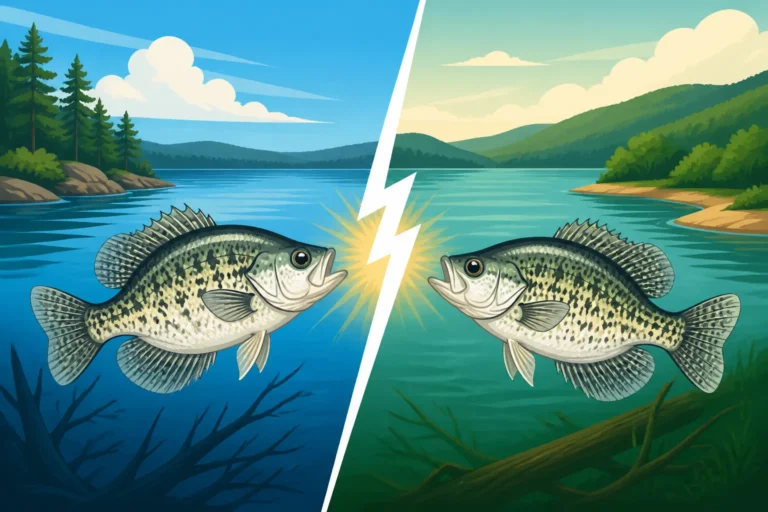
When the crisp autumn air gives way to the biting chill of winter, most anglers pack away their crappie gear, assuming the fish are simply too dormant to catch. But that's a common misconception! Crappie, both black and white, don't stop feeding; their metabolism just slows down. This means they become less aggressive and their movements are more subtle. The real challenge isn't that they won't bite, it's finding them in their new cold-water residences. Understanding this shift in behavior is your first step to winter crappie success.
Why Crappie Go Deep and Cluster in Winter
As the water temperatures drop, crappie, like many other freshwater species, seek out thermal refuge and consistent conditions. This usually means migrating from shallow coves and weed beds to deeper water, often suspending over structure or congregating along channel edges. The surface layers cool rapidly, but deeper water maintains a more stable, albeit cold, temperature. This is where you'll find them schooled up, conserving energy. Imagine them huddling together for warmth and safety, much like we do by a fireplace on a chilly evening. They're still active, just not darting around like they would in the spring spawn.
Another crucial factor is the baitfish. Crappie are primarily piscivorous, meaning they eat smaller fish like shad and minnows. These baitfish also seek deeper, more stable water in winter. Where the bait goes, the crappie follow. So, if you can locate schools of baitfish on your sonar, you're often just a stone's throw away from hungry crappie. It's like finding a buffet line; the diners won't be far off. This deep-water clustering makes them harder to find initially, but once you pinpoint a school, you can often catch multiple fish from the same spot, sometimes even without moving the boat. This behavior is key to understanding How Deep Do Crappie Go in Winter.
Key Indicators of Winter Crappie Hotspots
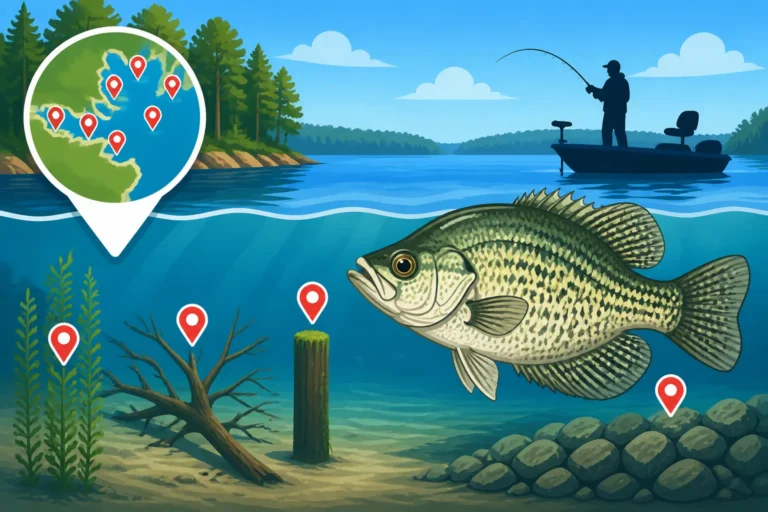
Finding winter crappie requires a bit of detective work and a reliance on modern electronics, though keen observation and historical knowledge of a lake can also go a long way. The prime indicators are submerged timber, brush piles, rock piles, bridge pilings, and deep creek channels. These structures provide both cover from predators and ambush points for crappie to feed on passing baitfish. Look for areas where a deep channel runs close to a bluff wall or a steep drop-off. The fish will often hug these vertical structures.
Water temperature is, of course, critical. While deep water is more stable, subtle differences can make a huge impact. Areas with slightly warmer water, even a degree or two, such as those near power plant discharges (like on Lake Anna), can concentrate fish. Also, keep an eye on your electronics for bait balls. Shad often ball up in dense schools in deep water during winter, and crappie will hover just beneath, above, or within these schools, waiting for an easy meal. If you mark bait, assume crappie are close by, even if they aren't showing up as distinct arcs on your screen right away. Learning to interpret your fish finder in these conditions is paramount.
Top Virginia Lakes for Winter Crappie Action
Virginia is blessed with an abundance of lakes and reservoirs that hold thriving crappie populations, and many of them offer fantastic winter fishing opportunities if you know where to look. These larger bodies of water, with their diverse bottom structures and deep channels, become magnets for crappie once the cold weather sets in. Forget the shallow coves of summer; it's time to explore the deeper, more consistent zones.
Smith Mountain Lake: A Winter Crappie Powerhouse
Smith Mountain Lake, often touted for its excellent striped bass and largemouth bass fishing, is also a surprisingly productive spot for winter crappie. The lake's vastness and deep, clear waters provide ample habitat for crappie to descend into as temperatures fall. Look for them concentrated around the deep submerged timber and brush piles that litter the lakebed, particularly in the lower lake sections. The main channel and its many deep feeder creeks, like those near Craddock Creek or the Blackwater River arm, are prime areas.
Anglers often find success by targeting depths ranging from 20 to 40 feet, sometimes even deeper, suspending small jigs or live minnows just above the sunken structure. Pay close attention to prominent points and humps that drop off into deep water. These topographical features act as natural congregating points for both crappie and their forage. Early mornings and late afternoons can be particularly productive as the fish might become slightly more active. You can find more specific tips in our guide on Crappie Fishing at Smith Mountain Lake.
Lake Anna: Thermal Advantage for Winter Anglers
Lake Anna, with its unique "hot side" created by the thermal discharge from the North Anna Nuclear Generating Station, offers a distinct advantage for winter crappie anglers. While much of the lake experiences typical winter cooling, the discharge area keeps a significant portion of the water warmer, often by several degrees. This warmer water acts as a crappie magnet, drawing fish from miles around. Even the "cold side" of the lake can be productive, but the thermal discharge areas provide a more consistent bite.
Crappie will often be found suspended around submerged brush piles, boat docks, and bridge pilings in the warmer water sections. The discharge canals themselves, as well as the main lake areas immediately adjacent to the warm water, are excellent starting points. Depths can vary here; sometimes crappie will push shallower in the warmer zones than they would in other winter lakes. Again, vertical presentations with small jigs or minnows are key. If you're exploring Lake Anna Fishing Guide, make sure to factor in the thermal discharge for your winter crappie plans.
Claytor Lake: Clear Water and Defined Structure
Claytor Lake, known for its clear waters and steep banks, presents a different kind of winter crappie challenge and reward. The clarity of the water means crappie can be a bit warier, but it also means that electronics are incredibly effective at locating them. The lake's deep channels, rocky bluffs, and numerous man-made brush piles are key areas to target. Crappie here will often hug tight to vertical structure, making them somewhat predictable once located.
Focus your efforts on the main lake channel and the deeper sections of its major tributaries. Look for crappie suspended around bridge pilings, particularly where the channel passes underneath, and don't overlook standing timber, if present, in the deeper coves. Anglers on Claytor Lake often find that a slow, subtle presentation is crucial. Ultralight tackle with small jigs tipped with a crappie nibbler or a tiny minnow can make all the difference. For more insights on the lake's diverse offerings, check out our Claytor Lake Fishing Guide.
Kerr Lake (Buggs Island): Vastness and Channel Edges
Kerr Lake, also known as Buggs Island Lake, is a massive reservoir that straddles the Virginia-North Carolina border. Its sheer size can be intimidating, but its extensive network of submerged creek channels and abundant timber make it a premier winter crappie destination. Unlike some other lakes, Kerr's crappie often relate very closely to the defined edges of its old river and creek channels.
To find crappie here, focus on tracing these channel edges, especially where they intersect with submerged humps, roadbeds, or significant brush piles. Crappie will often suspend right on the breaks, sometimes at depths of 25-40 feet or more, depending on the specific location and water temperature. Using your electronics to identify these contours and then vertically jigging or slow trolling along them is a highly effective strategy. Given the lake's size, hiring a local guide, perhaps through a platform like FishingBooker, can give you a significant advantage in finding these elusive winter schools on Kerr Lake Fishing Guide for Beginners.
Proven Strategies for Cold Water Crappie
Once you've zeroed in on potential winter crappie hideouts, the next step is to actually entice them to bite. Cold water fishing isn't about fast retrieves and aggressive presentations; it's about subtlety, precision, and patience. The fish are sluggish, and their strike zones are much smaller. You need to put the bait right in front of them and keep it there for a moment.
Vertical Jigging and Slow Trolling for Precision
In winter, crappie often hold in tight schools and don't move far to chase a meal. This makes vertical jigging directly over them incredibly effective. Using your boat's electronics, locate a school of crappie or a significant brush pile holding fish. Position your boat directly above them and lower a small jig or minnow straight down. The key is to keep your bait at the exact depth where the fish are holding. A slight lift-and-drop motion, or simply holding the bait perfectly still, is often all it takes. This is where Crappie Jigging Techniques really shine.
Slow trolling, also known as "spider rigging" when using multiple rods from the front of the boat, is another fantastic method, particularly on larger bodies of water like Kerr Lake. This involves moving at extremely slow speeds (0.5 to 1.0 mph), dragging multiple baits (jigs or minnows) at varying depths until you find the fish. The slow, steady movement allows you to cover more water while still presenting the bait in a lethargic, natural way that appeals to cold-water crappie. When you get a bite, note the depth and try to replicate it with your other rods. This method allows you to "map" the crappie's preferred depth as you move across potential holding areas.
Best Baits and Lures for Winter Crappie
When it comes to baits and lures for winter crappie, less is often more. Think small, subtle, and natural. Live minnows are, without a doubt, a top choice. A small, lively minnow hooked through the back and suspended beneath a bobber (if fishing shallower) or a slip sinker (for deeper presentations) is often irresistible. The natural movement of the minnow is enough to trigger a strike from even the most hesitant crappie. For deep-water fishing, a simple drop-shot rig with a minnow can also be incredibly effective, keeping the minnow right in the fish's face without any line twist.
For artificials, small marabou jigs or tiny soft plastic "tube" jigs (1/32 to 1/16 ounce) are ideal. Colors can vary, but generally, natural colors like white, black, gray, and brown work well in clear water, while chartreuse, orange, and pink can be effective in stained or murky conditions. Tipping your jig with a crappie nibbler or a piece of Berkley PowerBait for crappie can add scent and extra appeal. Remember, the retrieve needs to be painfully slow. Sometimes, just letting the jig hang motionless for an extended period, punctuated by a tiny twitch, is what finally gets a bite. Understanding Best Bait for Crappie Fishing in Virginia and pairing it with the right presentation is vital.
Essential Gear for Cold Weather Comfort and Success
Fishing in winter means dealing with the cold, sometimes biting wind and even freezing rain. Dressing in layers is absolutely non-negotiable. Start with a moisture-wicking base layer, add insulating layers like fleece or wool, and top it off with a waterproof and windproof outer shell. Warm, insulated boots, a good hat, and gloves (preferably fingerless or convertible mittens for dexterity) will make your day infinitely more enjoyable. Frostbite is a serious concern, so don't take comfort lightly.
Beyond personal comfort, having the right fishing gear is crucial. Sensitive rods (ultralight to light action) with fast tips are essential for detecting the subtle bites of winter crappie. Pair these with small spinning reels spooled with light line (4-6 lb test monofilament or fluorocarbon). A good quality depth finder with side-imaging or down-imaging capabilities is arguably your most important tool for locating fish and structure. GPS functionality is also helpful for marking productive spots and navigating safely. Finally, a small portable heater for the boat can make a huge difference, especially on those truly frigid days. If you're planning a trip and need a reliable boat, platforms like FishingBooker can sometimes help you find charters that are equipped for cold-weather fishing.
Maximizing Your Winter Crappie Trip: Tips for Success
Winter fishing requires a different mindset. It's not about quantity as much as it is about quality, and definitely about patience. The rewards, however, are often larger, healthier crappie, and the solitude of having the water largely to yourself.
Timing Your Winter Crappie Excursions
While crappie can be caught throughout the day in winter, there are often specific windows that prove more productive. Unlike summer, when early mornings and late evenings are prime, winter crappie can sometimes become more active during the warmest part of the day, typically from late morning to mid-afternoon. A slight increase in water temperature during these hours can spur a brief feeding frenzy.
Overcast days can also be beneficial, as they diffuse light, making crappie less wary in clearer waters and encouraging them to roam a bit more. Barometric pressure changes, particularly just before a warm front moves in, can also trigger a bite. Keep an eye on the weather forecast and try to time your trips for stable, slightly warming conditions, or just before a significant weather shift. Avoiding extremely windy days will also make for a more comfortable and productive outing, as it's easier to maintain boat control and feel those subtle bites. For more general advice, consider our guide to Best Techniques for Winter Fishing.
Reading the Water and Adjusting Your Approach
Winter crappie fishing is a constant game of adjustment. What worked an hour ago might not work now, and what worked in one part of the lake might not work in another. Pay close attention to your electronics. If you're marking fish at 30 feet, make sure your bait is at 30 feet, or even a foot or two above them. Crappie often feed upwards. If the bite dies, consider moving a few feet or changing your depth by a couple of feet.
Don't be afraid to experiment with different jig colors or bait sizes. Sometimes a subtle change from a white jig to a chartreuse one can make all the difference. Also, remember that bait presentation needs to be extremely slow. If you think you're going slow enough, slow down even more. The most common mistake in winter crappie fishing is moving the bait too fast. These fish aren't going to chase. They want an easy meal presented directly to them. This might even influence the Best Time of Day to Catch Crappie during these colder months.
Don't Forget Your Virginia Fishing License!
No matter how good the fishing is, or how well you’ve prepared your gear and planned your trip, you still need to ensure you’re fishing legally. Always remember that a valid Virginia fishing license is required for anyone 16 years of age or older. Whether you're fishing a popular reservoir or a quiet creek, having your license in order is the first rule of responsible angling. You can easily purchase one online through the Virginia Department of Wildlife Resources (DWR) website, or from authorized license agents across the state. It's quick, easy, and essential to avoid unnecessary penalties. Make sure you understand all the specifics laid out in our comprehensive Virginia Fishing License Guide.
Disclaimer
The information provided in this guide is for general informational purposes only and is subject to change. Fishing conditions, regulations, and fish behavior can vary greatly depending on weather, season, and specific locations. Always consult the latest Virginia Department of Wildlife Resources (DWR) regulations before any fishing trip. Be aware of local conditions and practice safe boating and fishing habits.