Kerr Lake Fishing Guide for Beginners
Stepping into the vast world of fishing, especially on a lake as sprawling and renowned as Kerr Lake, often feels like trying to navigate an ocean with just a paddle. It's completely normal to feel overwhelmed by its sheer size and the endless possibilities. This guide is designed specifically for beginner anglers, cutting through the noise to provide clear, actionable advice so you can confidently cast your line and enjoy the incredible fishing opportunities that Virginia's magnificent Kerr Lake, also known as Buggs Island Lake, has to offer.
Understanding Kerr Lake (Buggs Island Lake): Your New Fishing Frontier
Kerr Lake, officially known as the John H. Kerr Reservoir, or affectionately as Buggs Island Lake by locals, is a true gem in Virginia (and North Carolina!). It's not just a lake; it's a massive, diverse ecosystem brimming with fish. But its size, over 50,000 acres, can be a bit daunting for those just starting out. Don't let that intimidate you; instead, see it as a vast playground waiting to be explored.
A Massive Body of Water: Size and Scope
Imagine a lake with over 800 miles of shoreline – that's Kerr Lake. It's the largest lake in Virginia by surface area, stretching across Mecklenburg County in Virginia and Granville, Vance, and Warren counties in North Carolina. This immense size means it has an incredible variety of habitats, from wide-open main lake areas to countless winding creeks, shallow coves, and river channels. For a beginner, this vastness might seem like a needle in a haystack situation, but it actually creates numerous distinct fishing environments, each offering different opportunities depending on the season and target species. You're not trying to learn the whole lake at once; you're just picking a small, promising corner.
What's really special about Kerr Lake's scale is that it rarely feels crowded, even on busy weekends. There's always another cove, another point, or another stretch of shoreline to explore. This allows for a more peaceful and personal fishing experience, which is perfect when you're still figuring things out and don't want the pressure of other anglers nearby. Understanding that you don't need to master the entire lake immediately is the first step to enjoying it. Just pick a spot, focus on a specific technique, and learn what that area has to offer before moving on.
The Lake's Geography: Coves, Creeks, and Structure
Kerr Lake isn't just a big bowl of water; it's incredibly complex geographically. It's fed primarily by the Roanoke River, which forms its main channel, along with numerous smaller rivers and creeks like the Dan River, Grassy Creek, and Bluestone Creek. This inflow creates a dynamic environment with varying water depths, clarity, and currents. The lake is studded with countless coves, points, and humps – all what we call "structure" in fishing jargon. These are essentially underwater features where fish like to hide, ambush prey, or gather.
For a beginner, knowing about these structures is key because fish aren't just swimming randomly; they relate to these features. Coves, for example, are often shallower, warm up faster in spring, and provide shelter from wind and current, making them prime spots for bass during the spawn or crappie seeking warmer water. Points, where land extends into the water, act as highways for fish moving between deep and shallow water, making them excellent ambush spots for predatory species. While you don't need to know every single hump and drop-off, understanding that fish gravitate towards these features will greatly improve your chances. Even simple indicators like submerged timber, rocks, or changes in the shoreline can be fantastic starting points for your fishing adventure.
Key Fish Species for Beginners at Kerr Lake
One of the beautiful things about Kerr Lake is its incredible diversity of fish species. While seasoned anglers might chase specific trophy fish, for beginners, it’s best to focus on species that are relatively abundant, willing to bite, and provide a rewarding experience. Happily, Kerr Lake excels in offering several such opportunities.
Largemouth Bass: Virginia's Favorite Gamefish
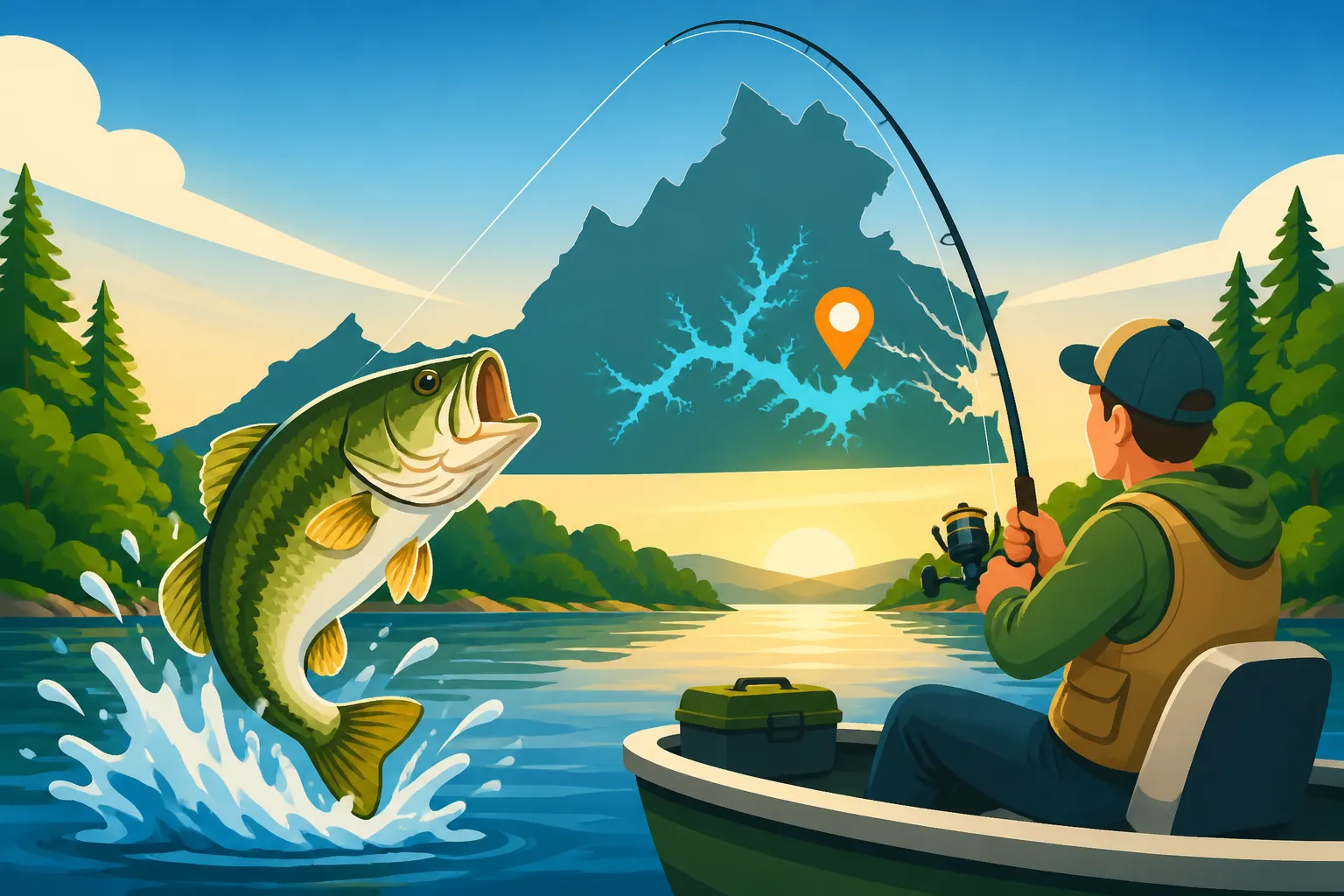
Largemouth bass are undeniably the stars of Kerr Lake for many anglers, and for good reason. They are aggressive, put up a fantastic fight, and are widely distributed throughout the lake. What makes them great for beginners is that they can often be caught on a variety of simple baits and lures, and they frequently hang out in accessible areas like shallow coves, around fallen trees, or near boat docks. You don't need fancy electronics to find them; often, just looking for visible cover will lead you to a fish.
Imagine casting a simple plastic worm or a spinnerbait near a patch of lily pads or a submerged log in a quiet cove. The thrill of feeling that thump and then the line tightening as a bass strikes is an unforgettable experience, especially when you're just starting out. Many anglers targeting Best Largemouth Bass Spots on Kerr Lake, Virginia find success by focusing on these visible structures. They're not only fun to catch, but figuring out their patterns across the changing seasons is a lifelong pursuit that starts with these foundational experiences.
Crappie: A Delicious and Abundant Target
If you're looking for a species that's both fun to catch and excellent to eat, crappie are your go-to at Kerr Lake. Both black and white crappie thrive here, often congregating in large schools, which means if you find one, you're likely to find many more. This makes them incredibly rewarding for beginners, as you can often have consistent action once you locate a school. They love structure, too, particularly brush piles, submerged trees, and bridge pilings.
Beginner-friendly techniques like Crappie Jigging Techniques or simply using a bobber with a live minnow are incredibly effective. You don't need to cast far or use complex retrieves. Just drop your bait or jig near cover, and often, you'll feel that tell-tale tap. In spring, especially, crappie move into shallower water to spawn, making them even more accessible from the bank or a small boat. Learning Where to Catch Crappie on Kerr Lake in Spring can set you up for a fantastic day of fishing, and a cooler full of delicious fillets.
Catfish: Easy to Catch and Often Plentiful
For sheer numbers and relative ease of catching, you can't beat catfish at Kerr Lake. Channel catfish are abundant, and large flathead catfish also roam these waters. They're not typically as finicky as bass or even crappie, making them ideal targets for new anglers. They have an excellent sense of smell, so scent plays a huge role in attracting them, which simplifies bait selection.
Catfish are primarily bottom feeders, so a common and effective technique is Catfish Bottom Fishing Techniques. This involves simply placing a baited hook on the lakebed and waiting. Common baits like chicken livers, nightcrawlers, or even dough balls work wonders. Many anglers find great success targeting Best Catfish Fishing Spots on Buggs Island Lake in the deeper channels or around feeder creeks, especially during warmer months. Plus, catching a big catfish can be quite a fight, offering a powerful introduction to battling larger fish without needing specialized casting skills.
Essential Gear and Techniques for First-Timers at Kerr Lake
Starting out in fishing shouldn't feel like you need to buy out a tackle shop. For Kerr Lake, especially as a beginner, keeping your gear simple and versatile is the smartest approach. Focus on reliability and ease of use, and you'll be well-equipped for a successful first outing.
Basic Rod, Reel, and Line Setup
For beginners, a medium-action spinning rod and reel combo is the absolute best starting point. These setups are versatile enough for catching bass, crappie, and catfish, making them perfect for exploring what Kerr Lake has to offer without needing multiple specialized rods. Look for a rod around 6 to 7 feet long, as this length offers a good balance of casting distance and control.
Pair that with a spinning reel spooled with 8 to 12-pound monofilament line. Monofilament is forgiving, easy to tie knots with, and has a bit of stretch, which helps prevent hooks from pulling out if a fish makes a sudden run. Brands like Ugly Stik or Penn offer excellent, durable beginner combos that can withstand a lot of learning curves. You don't need the most expensive gear; what you need is something comfortable in your hands and reliable enough to handle a feisty fish. This simple setup will serve you well across the various species you'll encounter in Kerr Lake.
Simple Baits and Lures for Success
When it comes to baits and lures, forget the flashy, complicated options for now. Start with tried-and-true choices that consistently catch fish. For bass, a Texas-rigged plastic worm (darker colors like junebug or green pumpkin work great) is incredibly effective and largely weedless, meaning less snagging. A simple spinnerbait or shallow-diving crankbait can also cover water efficiently and trigger aggressive strikes.
For crappie, small jig heads (1/16 to 1/8 ounce) paired with soft plastic grub bodies in chartreuse, white, or black are deadly. Live minnows, fished under a bobber, are also unbeatable. For catfish, nightcrawlers, cut bait (pieces of shad or herring), or chicken livers fished on the bottom are all fantastic options. The key here is not to overthink it. Have a few versatile options on hand, and you'll be ready for whatever bites. Remember, fish are often more interested in what they perceive as an easy meal than a perfectly mimicked artisan lure.
Entry-Level Fishing Techniques to Master
Don't feel pressured to learn every technique in the book on your first trip. Focus on a few simple, effective methods that will get you bites.
For bass, mastering a slow, steady retrieve with a plastic worm or spinnerbait is crucial. Cast your worm near cover, let it sink to the bottom, and then slowly drag it, occasionally giving your rod tip a subtle twitch. For spinnerbaits, a simple cast and retrieve, varying your speed, is often all it takes.
When targeting crappie, vertical jigging is super effective. Find a brush pile or submerged structure, drop your jig or minnow straight down, and gently lift and drop your rod tip a few inches. This subtle motion is often irresistible to crappie. For bank anglers, a bobber and minnow setup is perfect – cast it out near structure and watch for the bobber to dip!
For catfish, the technique is even simpler: cast your bottom rig with bait, let it sink, tighten your line just enough to feel resistance, and then wait patiently. Use a rod holder if you have one, or just prop your rod up safely. The beauty of these techniques is their simplicity, allowing you to focus on feeling the bite and fighting the fish, rather than complex rod movements.
| Target Species | Recommended Rod/Reel Setup | Simple Baits/Lures | Beginner Technique |
|---|---|---|---|
| Largemouth Bass | Medium-action spinning combo (6-7ft, 8-12lb mono) | Plastic Worms (Texas Rig), Spinnerbaits, Shallow Crankbaits | Cast to cover, slow retrieve/twitch |
| Crappie | Light to Medium-Light spinning combo (5-6ft, 4-8lb mono) | Small Jig Heads (1/16-1/8oz) with Grubs, Live Minnows | Vertical jigging, Bobber fishing |
| Catfish | Medium-heavy spinning/baitcasting combo (7ft+, 15-20lb mono) | Chicken Livers, Cut Bait, Nightcrawlers | Bottom fishing with weighted rig |
Navigating Kerr Lake: Access Points and Facilities
One of the great advantages of Kerr Lake is the extensive public access available, thanks to its management by the U.S. Army Corps of Engineers. This means beginners, whether they have a boat or prefer to fish from shore, will find plenty of convenient spots to launch their adventure.
Public Boat Ramps and Marinas
For those with a boat, Kerr Lake offers numerous public boat ramps, many of which are well-maintained and provide ample parking. Popular options on the Virginia side include Occoneechee State Park, Rudd’s Creek, and Eastland Creek. These ramps give you direct access to some of the lake's most productive fishing grounds, including various coves and the main lake channels. For detailed information on specific locations and amenities, checking resources like Boat Ramps on Kerr Lake Near South Boston, Virginia can be incredibly helpful. Marinas such as Clarksville Marina also offer amenities like fuel, bait shops, and often have local knowledge about recent fish activity.
When planning your trip, consider the size of your boat and the weather conditions. Kerr Lake can get very windy, and its vastness means rough water can develop quickly. For beginners in smaller boats, sticking to protected coves or larger creeks on calmer days is a wise choice. Always ensure your boat is equipped with all necessary safety gear, and remember to check the weather forecast before heading out. Having reliable public access points significantly lowers the barrier to entry for boat anglers, making it easier to get on the water and start fishing.
Shore Fishing Opportunities
Not everyone has a boat, and that's perfectly fine! Kerr Lake offers some excellent opportunities for shore fishing, which is often the easiest and most accessible way for beginners to get started. State parks like Occoneechee State Park near Clarksville, Virginia, provide designated fishing piers and plenty of bank access. These areas are often maintained, sometimes even offering picnic spots and restrooms, making them ideal for a family outing or a relaxed solo trip. Shore Fishing Access on Kerr Reservoir is a fantastic way to enjoy the lake without needing a vessel.
Beyond state parks, many of the public access points and recreation areas around the lake also have suitable bank access. Look for areas where the shoreline isn't too steep or heavily vegetated. Creeks and coves are often prime locations for shore anglers, especially in spring and fall when fish move shallower. You might even find success fishing directly from the causeways or bridges that cross some of the lake's arms, though always be mindful of traffic and safety. Don't underestimate the potential of shore fishing; many trophy fish are caught just a stone's throw from land, proving you don't need a fancy boat to have a rewarding experience.
Camping and Accommodation Options
If you’re looking to make your fishing trip to Kerr Lake a multi-day adventure, you're in luck! There are numerous camping options available, ranging from rustic tent sites to full-service RV hookups. Many of the U.S. Army Corps of Engineers recreation areas, like Rudds Creek, North Bend, and Occoneechee State Park, offer fantastic campgrounds right on the lake. Imagine waking up, stepping out of your tent or RV, and being just a few feet from the water's edge, ready to cast your line.
These facilities often include amenities such as restrooms, showers, boat ramps, and sometimes even swimming beaches or playgrounds, making them ideal for families. Booking a spot, especially during peak season, often requires advance reservations, which you can usually make through federal or state park websites. For those who prefer more conventional lodging, nearby towns like Clarksville, South Boston, and Boydton offer hotels, motels, and vacation rentals. Planning your stay around the lake's many access points ensures you're always close to the action, maximizing your time on the water and making for a truly immersive fishing experience.
Best Times and Seasons to Fish Kerr Lake
Understanding the seasonal patterns of fish is one of the biggest leaps a beginner can make in their fishing journey. Kerr Lake's diverse fishery offers opportunities year-round, but knowing what to expect during different seasons will drastically improve your chances of success. Fish behavior is largely dictated by water temperature and their biological clocks, such as spawning cycles.
Spring: Pre-Spawn and Spawn Action
Ah, spring! This is arguably the most exciting time to fish Kerr Lake, especially for bass and crappie. As the water temperatures begin to rise from the cold of winter, fish become much more active. The period leading up to the spawn, often in March and April, sees fish moving from deeper wintering holes to shallower staging areas, gorging themselves in preparation for breeding. This pre-spawn phase means they're aggressively feeding, making them easier to catch.
Largemouth bass will be patrolling points and creek channels leading into spawning coves. Crappie will start to congregate around brush piles and docks in shallower water. The actual spawn, typically in April and May for bass (though it varies with water temps), sees fish moving onto beds in very shallow, protected areas. This can offer sight-fishing opportunities for bass, where you can literally see the fish on its nest. Even for beginners, this shallow movement makes fish more accessible from the bank or small boats. Understanding When Do Bass Spawn in Virginia Lakes is crucial for timing your spring trips, as it's a period of high activity and great catches.
Summer: Deep Water and Night Fishing
Summer fishing on Kerr Lake can be challenging due to high water temperatures and bright sunlight, which often push fish into deeper, cooler water or make them more active during low-light periods. Don't be discouraged, though; there are still plenty of ways to catch fish. For bass, focus on deeper points, humps, and ledges, especially those near the main river channel, where they'll suspend or relate to cooler water. Vertical jigging or using deep-diving crankbaits can be effective.
One of the most popular and often productive summer strategies on Kerr Lake is night fishing. As the sun sets, the water cools slightly, and many species, especially crappie and catfish, become much more active. Imagine the peaceful solitude of casting under the moonlight, perhaps with a submersible light to attract baitfish (and in turn, gamefish) to your boat or dock. For catfish, the warm summer nights are prime time for them to cruise the lakebed for food, making it an excellent time to use your bottom-fishing rigs. Even if you're not a night owl, early mornings and late evenings during the summer offer fantastic opportunities as the sun is lower and temperatures are more comfortable for both you and the fish.
Fall: Feeding Frenzies and Cooler Temps
As the scorching summer heat gives way to cooler autumn air, Kerr Lake comes alive again with what many consider the second best fishing season of the year. Fall is a time of transition, where water temperatures gradually drop, signaling fish to begin their "fall feed." Just like in spring, fish are driven to put on weight for the upcoming winter, leading to aggressive feeding patterns. This means they are often easier to locate and entice with a variety of baits.
You'll find bass moving back into shallower coves and creek arms, chasing schools of baitfish that are also moving shallow. Topwater lures can be incredibly exciting during these feeding frenzies. Crappie will also be active, often schooling up in predictable locations like creek channels and brush piles. The cooler weather also makes for a more comfortable day on the water for anglers. It's a fantastic time for beginners to experiment with different techniques and enjoy consistent action, capitalizing on the fish's instinct to feed heavily. The vibrant fall foliage around the lake adds an extra layer of beauty to an already incredible fishing experience.
Regulations and Licenses You Need to Know
Fishing responsibly and legally is paramount, not just for your own peace of mind, but for the health of Kerr Lake's incredible fishery. Virginia has specific rules in place to protect its natural resources, and understanding them is part of being a good angler.
Virginia Fishing License Requirements
Before you even think about wetting a line, you absolutely need a valid Virginia fishing license. This isn't just a suggestion; it's a legal requirement, and fines for fishing without one can be hefty. Virginia offers various license types, including annual resident and non-resident options, as well as short-term passes perfect for a weekend trip. Remember, Kerr Lake straddles the Virginia-North Carolina border, so if you plan to fish any part of the lake on the Virginia side, you need a Virginia license. If you drift into North Carolina waters, you'd need a NC license as well, so it's often easiest for beginners to stick to one side or purchase both.
You can easily purchase your license online through the Virginia Department of Wildlife Resources (DWR) website, at a local sporting goods store, or a DWR agent. It’s always a good idea to carry a physical or digital copy of your license with you while fishing. For a comprehensive overview, checking out resources like the Virginia Fishing License Guide or How to Get a Fishing License in Virginia can provide all the details you need. Don't let confusion about licenses deter you; it's a simple process that supports wildlife conservation efforts throughout the state.
Kerr Lake Specific Rules (Virginia Side)
While your general Virginia fishing license covers you, certain bodies of water, or even specific species, might have their own nuanced rules regarding size limits, creel limits (how many fish you can keep), or specific seasons. This is where researching Virginia Fishing Regulations Explained for Kerr Lake (Buggs Island Lake) specifically becomes important. For instance, bass and crappie will have statewide regulations, but sometimes special slot limits or reduced daily limits are implemented on particular lakes to manage populations.
For example, bass often have minimum size limits and daily creel limits. Crappie might have a generous daily limit but sometimes a minimum size. It's your responsibility as an angler to know these rules. The Virginia DWR website is your best source for the most up-to-date regulations. They publish an annual fishing regulations pamphlet that covers all species and bodies of water. A quick check before your trip can prevent accidental violations and ensure you're fishing sustainably. These regulations are designed to ensure that Kerr Lake remains a fantastic fishery for generations to come, so adhering to them benefits everyone. If you're planning a guided trip, many guides, often found through platforms like FishingBooker, will be well-versed in these rules and can help keep you compliant.
Disclaimer
The information provided in this guide is for general informational purposes only and is not intended as legal or professional advice. Fishing regulations and conditions in Virginia, especially on a large, multi-state body of water like Kerr Lake, can change frequently. Always consult the official Virginia Department of Wildlife Resources (DWR) website or current regulations pamphlet before heading out to fish. Your safety is your responsibility; always wear appropriate personal flotation devices, be aware of weather conditions, and practice safe boating and fishing practices.