Catfish Bottom Fishing Techniques
There’s nothing quite like the thrill of a rod bending violently, signaling a powerful catfish has taken your bait, especially when you’ve been patiently waiting for that bottom-dwelling leviathan. Yet, so many anglers, even seasoned ones, find themselves frustrated when the catfish just aren't biting, or they’re constantly snagging up. This comprehensive guide will walk you through the nuances of catfish bottom fishing techniques, helping you understand their habits, rig your lines effectively, and choose the perfect bait to turn those slow days into memorable catches in Virginia’s abundant waters.
Understanding Catfish Behavior for Bottom Fishing
Before you even think about casting a line, getting inside the head of a catfish is crucial. These aren't your typical sight-feeders; they rely heavily on their incredible sense of smell and touch, especially when they're rooting around in the depths. Understanding why they hug the bottom and where they prefer to hang out will dramatically increase your chances of success.
Why Catfish Stick to the Bottom
Catfish, especially species like the Channel Catfish, Flathead Catfish, and Blue Catfish common in Virginia, are primarily scavengers and opportunistic predators. Their barbels, those whisker-like appendages around their mouths, are packed with chemoreceptors, allowing them to detect even the faintest scent of food in the water column. The bottom of a river or lake is often where decaying organic matter, baitfish, and other food sources accumulate. Think of it as their natural buffet line.
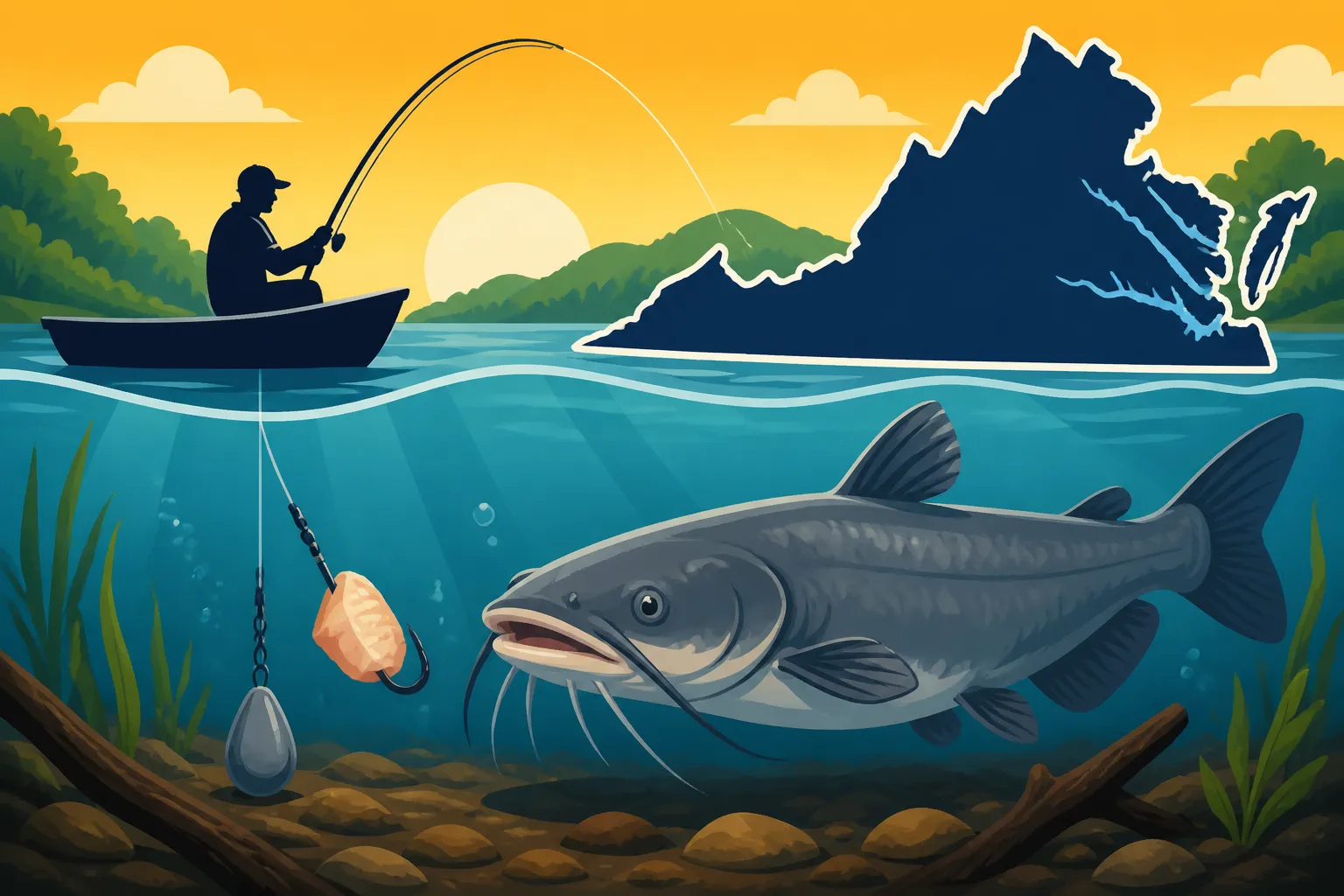
When you're bottom fishing, you're essentially placing your bait directly in their comfort zone and feeding pathway. Whether they're smelling a piece of cut bait drifting along the current or bumping into a gob of stink bait, the bottom is where they expect to find their next meal. This behavior isn't just about foraging; it's also about safety. The deeper, often murkier waters near the bottom provide cover from predators and relief from harsh sunlight, making it a preferred resting and hunting ground. This is especially true for the larger, more cautious Flatheads who often ambush prey from structure.
Preferred Habitats in Virginia's Rivers and Lakes
Virginia is a fantastic state for catfish, boasting an incredible array of waters from the mighty James River to sprawling reservoirs like Kerr Lake (also known as Buggs Island Lake) and Smith Mountain Lake. Each body of water offers unique habitats that catfish adore. In rivers, look for deeper holes, scour marks behind current breaks, the edges of sandbars, and areas with submerged timber or rock piles. These structures provide cover and create eddies where food collects. Tributary mouths, where smaller creeks flow into larger rivers, are also hotspots, as they often wash in food and nutrients.
Lakes and reservoirs offer similar bottom structures. Target humps, ledges, old creek channels, and submerged roadbeds. Points extending into deeper water can be especially productive, as catfish will cruise these contours. Don't overlook marinas, bridge pilings, and even boat docks, which often hold a surprising number of whisker-fish due to accumulated food and shade. Learning about Virginia's Best Catfish Fishing Spots in Virginia can give you a great head start on where to focus your efforts. These fish are masters of their environment, and knowing their preferred hangouts is half the battle.
Nocturnal vs. Daytime Feeding Patterns
While catfish can be caught at any time of day, their feeding activity often peaks during specific periods, largely influenced by light levels and water temperature. Many catfish species, particularly the Channel Catfish, are more active foragers after dusk and into the night. This nocturnal preference helps them avoid predators, and their superior senses give them an advantage in low-light conditions. If you've ever had a quiet evening on the water suddenly erupt with action, you know the magic of How to Catch Catfish at Night.
However, this doesn't mean daytime bottom fishing is a lost cause. During the day, especially in warmer months, catfish will often retreat to deeper, cooler water or seek out dense cover like heavy timber or deep-water ledges. They might be less inclined to chase bait, but they're still susceptible to well-presented offerings dropped directly into their hiding spots. Flathead Catfish, known for their predatory nature, can be caught actively hunting during the day, especially around structure. Blue Catfish, on the other hand, are often active throughout the day, particularly in tidal rivers where they follow schooling baitfish. Understanding these patterns allows you to adjust your approach and maximize your chances, no matter when you hit the water.
Essential Gear for Virginia Catfish Bottom Fishing
Bottom fishing for catfish isn't about finesse; it's about power and durability. These fish can grow incredibly large and put up a significant fight, so having the right gear is non-negotiable. Skimping on tackle will lead to lost fish, broken lines, and a whole lot of frustration. Investing in robust equipment designed for the job will save you headaches and help you land those trophy-sized whisker-fish.
Rods and Reels Built for Battle
For serious catfish bottom fishing, leave your ultralight trout setup at home. You need a rod with backbone and a reel with a stout drag system. Look for medium-heavy to heavy action rods, typically 7 to 10 feet in length. The extra length helps with casting heavier weights, provides better leverage when fighting a big fish, and can help keep your line clear of snags when fishing from the bank. Rods made from fiberglass or a composite blend are excellent choices as they offer durability and a good balance of sensitivity and power. Brands like Ugly Stik are popular for their virtually indestructible qualities, perfect for banging around in a boat or on rocky banks.
Matching your rod with a reliable reel is paramount. Conventional baitcasting reels are often favored by experienced catfishermen for their brute strength, line capacity, and smooth, powerful drags. For those who prefer spinning gear, choose a large, robust spinning reel with a strong metal body and a high line capacity, capable of holding 200+ yards of heavy mono or braided line. Make sure the drag system is sealed and smooth, able to withstand prolonged runs from a determined catfish without sticking or sputtering. You can often find great deals on these workhorse rods and reels on Amazon, ensuring you’re well-equipped without breaking the bank.
Line Choices: Mono, Braid, and Fluorocarbon Leaders
Choosing the right fishing line is as critical as your rod and reel. Each type of line has its advantages for bottom fishing, and often a combination works best.
-
Monofilament (Mono): This is the traditional choice and still very popular. Mono is relatively inexpensive, has good knot strength, and its stretch provides a forgiving cushion against powerful runs and head shakes, reducing the chance of hooks pulling free. For catfish, opt for heavy test mono, typically 20-40 lb, depending on the size of fish you're targeting and the amount of snags in your fishing area. It's also more abrasion-resistant than braid against rocks and shells.
-
Braided Line: Braided line has become incredibly popular for catfish due to its superior strength-to-diameter ratio and zero stretch. This means you can use a thinner line for the same breaking strength, which can help with casting distance and cutting through current. The lack of stretch provides incredible sensitivity, allowing you to feel even the slightest tap on your bait, and delivers powerful hooksets, even at long distances or in deep water. However, braid is less abrasion-resistant than mono and can be visible in clear water. Common braid sizes for catfish range from 30-80 lb.
-
Fluorocarbon Leaders: Many anglers will run braided main lines and then tie on a fluorocarbon leader (2-4 feet long). Fluorocarbon is virtually invisible underwater, highly abrasion-resistant, and has very little stretch. This combination gives you the sensitivity and power of braid with the stealth and abrasion resistance of fluoro right where it matters most, near your hook. A 20-30 lb fluorocarbon leader is a good starting point. This kind of setup allows you to truly feel everything happening at the business end of your line.
Hooks and Sinkers: The Right Tools for the Job
The last pieces of the puzzle for your terminal tackle are your hooks and sinkers. These small components make a huge difference in your presentation and hook-up ratio.
-
Hooks: For catfish, circle hooks are almost universally recommended, especially if you plan to catch and release. Circle hooks are designed to hook fish in the corner of the mouth, minimizing gut hooks and making release much easier. They also tend to set themselves as the fish swims away, reducing the need for a hard hookset. Sizes typically range from 5/0 to 10/0, depending on your bait size and the target species. Larger hooks for bigger baits and bigger fish like Blue Catfish or Flatheads. Look for strong, heavy-gauge wire hooks that won't straighten out under pressure. Popular brands include Gamakatsu and Eagle Claw, often found in multi-packs on Amazon.
-
Sinkers (Weights): The type and weight of your sinker depend entirely on the fishing conditions. In slow or still water, a lighter bell or egg sinker might suffice. However, in moving water or when fishing deep, you’ll need heavier weights to hold your bait on the bottom. Flat, coin-shaped "no-roll" sinkers are excellent in current as they resist tumbling. Pyramid sinkers also hold well in current and on soft bottoms. For heavier currents or very deep water, specialty sinkers like spider weights with wire arms can really dig in. Weights can range from 1/2 ounce to several ounces (3-8 oz) or even more in strong currents, so be prepared with a variety. The key is to use just enough weight to hold your bait in place without it drifting too much.
The Art of Rigging for Bottom Dwellers
Having the right gear is only half the battle; knowing how to assemble it into an effective bottom fishing rig is where the magic happens. Different situations call for different rigs, and mastering a few key setups will make you a much more versatile and successful catfisherman.
The Versatile Carolina Rig
The Carolina Rig is arguably the most popular and versatile bottom fishing rig for catfish, and for good reason. It’s simple, effective, and presents your bait naturally along the bottom.
How to Tie It:
- Thread your main line (or braided mainline) through an egg sinker or a no-roll sinker.
- Next, slide on a bead. This bead protects your knot from the sinker repeatedly banging against it during casts and retrieves.
- Tie a strong swivel (barrel or SPRO Power Swivel) to the end of your main line.
- To the other end of the swivel, tie a leader of monofilament or fluorocarbon, typically 12-24 inches long. The leader should be slightly lighter in breaking strength than your main line, acting as a sacrificial link in case of a snag.
- Finally, tie your circle hook to the end of the leader.
Why It Works:
The beauty of the Carolina Rig lies in its "free-sliding" sinker. When a catfish picks up your bait, the line slides through the sinker, allowing the fish to move off with the bait without feeling the weight of the sinker. This often results in a more confident bite and better hooksets, especially with circle hooks. The length of the leader can be adjusted; a longer leader allows the bait to drift more naturally with the current, while a shorter leader keeps it closer to the sinker and any bottom structure. It's an excellent choice for fishing in lakes, slower rivers, or anywhere you want your bait to have a little freedom of movement. Many anglers use this rig when targeting How to Catch Channel Catfish From the Bank in calmer waters.
The Elevating Santee Cooper Rig
Sometimes, you need your bait to be just off the bottom, especially in areas with very soft mud or heavy snags. That's where the Santee Cooper Rig comes into play. It's a modification of the Carolina Rig designed to keep your bait slightly elevated.
How to Tie It:
- Start exactly like a Carolina Rig: main line, sinker (usually an egg or pyramid), then a bead.
- Tie on a swivel.
- Attach a leader to the other side of the swivel. The leader length can vary, but 18-36 inches is common.
- Here’s the key difference: slide a small foam float or a peg float onto your leader before tying on your hook. Position the float a few inches above the hook, usually with a peg or stop knot.
- Tie your circle hook to the end of the leader.
Why It Works:
The foam float provides buoyancy, lifting your bait a few inches to a foot or more off the bottom. This prevents your bait from sinking into soft mud, where it might be overlooked or completely hidden. It also keeps your bait above certain types of snags, like low-lying vegetation or small rocks, reducing hang-ups. Furthermore, lifting the bait slightly can make it more visible and present it higher in the water column where cruising catfish might spot it more easily. It's particularly effective when fishing murky waters or over mucky bottoms, and anglers often use it when exploring Virginia's Best Flathead Catfish Waters where these fish might be lurking just above debris.
The Three-Way Swivel Rig for Current
When you're fishing in strong current, like in many of Virginia's larger rivers such as the James or the Rappahannock, keeping your bait in place can be a challenge. The three-way swivel rig, also known as a Wolf River Rig, is designed for exactly these conditions.
How to Tie It:
- Tie your main line directly to one eye of a three-way swivel.
- To a second eye, tie a short dropper line (usually 6-12 inches) with a sinker at the end. Make sure this dropper line is a lighter test than your main line, so if your sinker snags, you only lose the weight and not your entire rig.
- To the third eye, tie a longer leader (12-36 inches) with your hook at the end.
Why It Works:
This rig keeps your bait and sinker separated, allowing your bait to drift more naturally in the current while the sinker holds the rig stationary on the bottom. The sinker dropper line ensures that if the weight gets snagged, you can often break it off cleanly without losing your hook and bait, which is a major advantage in snaggy river environments. The bait leader allows your offering to flutter and move enticingly in the current, mimicking a free-floating meal. It's a fantastic rig for targeting large Blue Catfish in deep river channels, where current is a constant factor. When setting up for a day of fishing, consider grabbing some three-way swivels from Amazon to ensure you're prepared for any river conditions you might encounter.
Baiting Up for Success: What Catfish Crave
Catfish are not picky eaters, but they do have preferences, and certain baits consistently outperform others. The key to successful bottom fishing is often offering them something they can’t resist, whether it’s a pungent natural bait or a specially formulated concoction.
Natural Baits: Fresh is Best
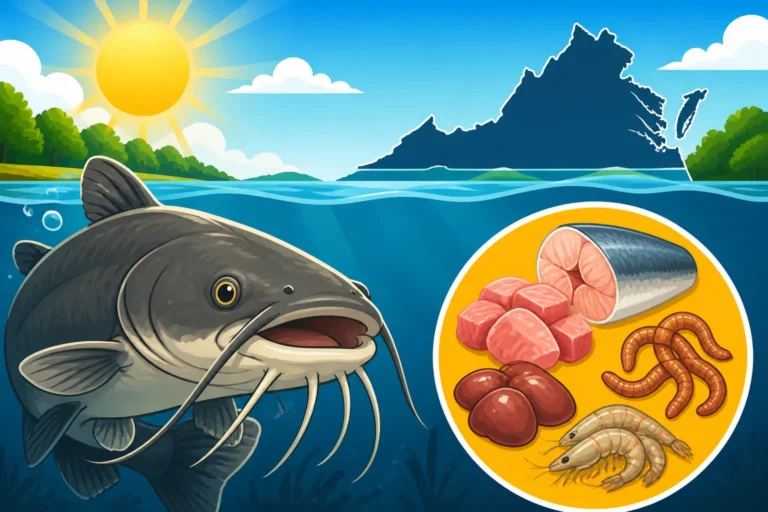
When it comes to catfish, especially the larger Flatheads and Blues, fresh cut bait is king. These fish are drawn to the scent of blood and oils diffusing through the water.
- Cut Shad or Herring: In Virginia, fresh gizzard shad or alewife herring are incredibly effective. Cut them into chunks (for Channel and Blue Cats) or use whole heads/tails (for trophy Blues and Flatheads). The oilier the fish, the better. Look for baitfish species that are native to the waters you’re fishing.
- Panfish (Bluegill, Perch, Crappie): Live or cut panfish are irresistible to Flathead Catfish, which prefer live, struggling bait. Bluegill or small crappie, hooked through the back or lips, are excellent choices. For cut bait, simply fillet and chunk them. Just be sure to check local regulations for using game fish as bait; in Virginia, you can generally use non-game fish or legally caught game fish as bait, but always double-check.
- Chicken Liver: A classic for Channel Catfish, chicken liver is notoriously smelly and messy but incredibly effective. Its soft texture makes it challenging to keep on a hook, so many anglers will use a small bait holder hook or even wrap it with a bait thread to secure it.
- Worms: While not as potent as cut bait for larger catfish, a gob of nightcrawlers or red worms can entice smaller Channel Catfish and panfish, making them a good option for kids or beginners.
The fresher your bait, the more scent it will release, and the more attractive it will be to catfish. If you're wondering Best Bait for Catfish in Summer, often the most pungent and freshly cut options win out.
Prepared Baits and Dough Balls
Beyond natural baits, there’s a whole world of prepared baits designed specifically for catfish, particularly Channel Cats. These often come in paste, dip, or punch bait forms, packed with powerful attractants.
- Stink Baits/Dip Baits: These are commercially produced baits that are incredibly odorous, designed to mimic decaying food. They usually come in jars and have a thick consistency. You’ll need a special "worm" or "tube" bait holder to apply them, or simply use a treble hook and dip it into the jar. Popular brands like Sonny’s or Catfish Charlie are readily available and can be very effective, especially on Channel Catfish.
- Punch Baits: Similar to dip baits but usually thicker, punch baits are used by pressing a treble hook into the bait and "punching" it out, leaving a blob of bait on the hook. They tend to stay on the hook better than liquid dip baits.
- Dough Baits: While less common for large catfish, simple dough balls (made from flour, cornmeal, water, and sometimes added scents like garlic or vanilla) can attract smaller Channel Cats and bullheads. These are easy to make at home and can be a fun activity, especially if you're fishing with family.
When using prepared baits, remember that the scent is paramount. The goal is to create a strong scent trail that draws catfish in from a distance.
Presentation Matters: Hooking Your Bait Properly
Even the best bait won't work if it's not presented correctly.
- For Cut Bait: When using circle hooks with cut bait, thread the hook through the skin side of the fish chunk, leaving the point and barb exposed. Avoid burying the hook entirely. The fish needs to be able to take the bait into its mouth for the circle hook to work its magic and secure in the corner of the jaw. For larger chunks, you might even use two hooks in tandem.
- For Live Bait: Hook live bluegill or panfish through the back, just above the lateral line, taking care not to hit the spine. This allows the fish to swim naturally. Alternatively, hook them through both lips, which is often preferred when casting or if fishing near heavy cover.
- For Chicken Liver: As mentioned, chicken liver is soft. Pinch a good-sized chunk onto your hook, making sure it covers the barb, and wrap it with bait thread if needed to keep it from flying off during a cast or coming off with a gentle nibble.
- For Prepared Baits: Follow the instructions for your specific bait. For dip baits, ensure the bait holder is completely saturated. For punch baits, make sure a good blob of bait is firmly attached to your treble hook.
The goal is always a natural presentation, allowing the bait’s scent to disperse effectively and making it easy for the catfish to inhale. Understanding Catfish Species Found in Virginia Waters will also help you tailor your bait choice and presentation to what each specific species prefers.
Strategic Spots and Times for Bottom Fishing in Virginia
Finding catfish isn't just about throwing a line in the water; it's about understanding their movements and habits throughout the day and year. Strategic thinking about where and when you fish will be a game-changer for your bottom fishing success in Virginia.
Identifying Prime Catfish Holding Areas
Catfish are creatures of habit, often holding in specific areas that offer food, cover, and comfortable water conditions. Learning to "read the water" is crucial.
- Deep Holes and Channels: In rivers, look for the deepest sections, especially bends where the current has scoured out holes. These are classic holding areas for large Blue Catfish. In lakes, old river channels, often visible on a depth finder, are prime highways for catfish.
- Structure, Structure, Structure: Catfish love cover. Submerged timber, fallen trees, brush piles, rock ledges, and bridge pilings are all catfish magnets. These provide ambush points, protection from current, and shade. Flathead Catfish, in particular, are almost always found in or near heavy cover.
- Current Breaks and Eddies: In flowing water, catfish will sit just out of the main current, in an eddy or behind a natural obstruction. This allows them to conserve energy while waiting for food to wash by. The seam where the fast water meets the slack water is often a high-percentage target zone.
- Confluence Points and Tributary Mouths: Where two rivers meet, or a creek flows into a larger body of water, you’ll often find a concentration of catfish. These areas typically have varying depths, currents, and an influx of food.
- Bottom Transitions: Look for changes in bottom composition, like where a hard bottom meets a soft, muddy bottom, or where gravel transitions to sand. These transition zones often hold invertebrates and baitfish, attracting catfish. For a deeper dive into finding them, exploring Best Catfish Fishing Spots in Virginia can highlight specific locations.
Using a good fish finder (sonar) can be invaluable for pinpointing these deep-water structures and even marking fish. However, even without one, observant anglers can identify current breaks, fallen trees, and changes in bank topography that suggest good bottom structure.
Best Times of Day and Year for Catfish Bottom Fishing
While catfish can be caught year-round, certain periods offer peak action.
- Time of Day: As discussed, night fishing is often synonymous with catfish. The low light and cooler temperatures after dusk stimulate their feeding drive, making them more active and less wary. However, early morning hours, just before and after sunrise, can also be incredibly productive. During the heat of the day, catfish typically move to deeper, cooler water or dense cover, where a well-placed bait can still tempt them.
- Time of Year:
- Spring: As water temperatures rise (55-70°F), catfish become very active, feeding heavily to regain energy after winter. This pre-spawn period is fantastic. They’ll often be found in shallower, warming areas.
- Summer: This can be a challenging but rewarding time. Catfish move to deeper, cooler sections of lakes and rivers during the day. Night fishing is often supreme. Fishing at dawn and dusk remains productive. Learning the Best Time of Year to Catch Catfish often points to spring and fall for consistent action.
- Fall: As water temperatures cool again, catfish begin another strong feeding period, bulking up for winter. They can be found in a wider range of depths, often moving shallower to feed. This is another excellent time for targeting trophy fish.
- Winter: Catfish activity slows down significantly in cold water (below 50°F). They tend to congregate in deep holes, lethargically conserving energy. While challenging, patient anglers can still catch large catfish by targeting these deep, slow-moving wintering holes with large, enticing baits.
Adjusting your tactics for the season and time of day is paramount. Don’t expect the same results fishing shallow during a midday summer heatwave as you would on a cool spring evening.
Adjusting for Water Conditions and Current
Virginia's waters are dynamic, and understanding how conditions affect catfish behavior is key.
- Water Clarity: In clear water, catfish can be more wary. You might need to use longer fluorocarbon leaders and more natural-looking baits. In murky or stained water, their reliance on scent is even greater, making strong-smelling baits like cut bait or stink bait particularly effective.
- Current: This is a major factor in river fishing.
- Strong Current: Use heavier sinkers (pyramid, no-roll, or spider weights) to hold your bait in place. Position your boat or cast your line to allow your bait to sit just out of the main current, in an eddy or behind a structure. A three-way swivel rig really shines here.
- Moderate Current: Lighter weights may suffice, and a Carolina rig can allow your bait to waft enticingly.
- Slack Water: In lakes or slow-moving sections of rivers, very light weights or even no weight (if using a bobber) might be appropriate. The Santee Cooper rig can be useful to keep bait off a soft bottom.
- Water Level Changes: Rising water often brings catfish into newly flooded areas to forage for insects and worms washed into the water. Falling water can concentrate them in remaining deep pools or channels. Pay attention to recent rainfall and dam releases, as these can significantly impact where fish are holding.
Being adaptable to these conditions, rather than sticking rigidly to one technique, will make you a far more successful bottom fisherman. It's not just about knowing how to fish, but where and when the fish are most likely to be.
Troubleshooting Common Bottom Fishing Challenges
Even with the best gear and knowledge, bottom fishing comes with its own unique set of frustrations. Snags, light bites, and slow days are part of the game. Learning to troubleshoot these common challenges can turn a potential bust into a successful outing.
Dealing with Snags and Lost Rigs
Snags are the bane of every bottom fisherman's existence. Fishing on the bottom means you're directly interacting with rocks, logs, brush, and other debris that love to grab your line.
-
Prevention is Key:
- Know Your Bottom: If possible, use sonar or a marker buoy to identify snag-prone areas before you cast.
- Use the Right Sinker: In rocky areas, a bell sinker can wedge easily. A no-roll or pyramid sinker might fare better. For truly gnarly areas, a slinky weight (a piece of lead chain or shot inside a piece of paracord) can be incredibly snag-resistant.
- Sacrificial Leaders: As mentioned with the three-way swivel rig, using a lighter test line for your sinker dropper can help you break off just the weight, saving the rest of your rig. Similarly, with a Carolina rig, having a leader that’s slightly lighter than your main line means you might only lose the hook and leader, not your entire expensive setup.
- Positioning: Try to cast up-current of your target area and allow your rig to drift down, rather than casting directly into a dense snag.
-
When You're Snagged:
- Don't Yank Immediately: Give a little slack, then slowly pull from different angles. Sometimes the line will free itself.
- Boat Maneuver: If you're in a boat, motor directly over the snag and pull straight up. This often frees the line from the opposite direction.
- Line Stretching: For braid, which has no stretch, this isn't an option. But with mono, you can sometimes stretch the line a bit before breaking it, which might pull it free.
- Be Prepared: Always have extra hooks, sinkers, leaders, and swivels. It’s not if you'll get snagged, but when. You can quickly re-rig and get back to fishing.
Detecting Subtle Bites
Catfish bites aren't always the dramatic rod-bending thump you see in fishing shows. Especially with larger, more cautious fish or in colder water, bites can be incredibly subtle.
- Watch Your Rod Tip: The most common way to detect a bite is by watching the tip of your rod. Look for slight twitching, a slow bend, or a gentle "thump." Sometimes, the line will just go slack if the fish picks up the bait and swims towards you.
- Feel the Line: If you're holding your rod, pay attention to any unusual vibrations or weight changes. With braided line, this sensitivity is amplified, allowing you to feel even the most delicate tap.
- Use a Rod Holder with a Bell: When bank fishing, a sturdy rod holder combined with a small bell clipped to your rod tip is a time-tested method. The bell will jingle when a fish takes the bait, freeing you up to relax or manage other lines.
- Don't Set the Hook Too Soon: With circle hooks, a hard hookset isn't necessary. Instead of yanking, simply reel down until your line is tight and lift the rod slowly. The circle hook will usually set itself. If you're using J-hooks, wait for the fish to really take the bait and start moving off before a firm, sweeping hookset.
- Patience: Sometimes a subtle tap is just a curious nibble. Give the fish a moment to fully commit to the bait. Don't pull your bait away from a potential bite.
Adapting to Slow Days
We all have them – days when the fish just aren't biting, despite your best efforts. Don't give up! Instead, adapt and experiment.
- Change Bait: If your go-to bait isn't working, switch it up. If you're using cut bait, try chicken liver or a prepared bait. If you're using stink bait, try a live or cut natural bait. Sometimes a different scent or texture is all it takes. This is where having a variety of baits, perhaps a sampler pack from Amazon, can really pay off.
- Change Location (Slightly): If you’re not getting bites in a specific hole, try moving to the edges of the hole, shallower water, or nearby structure. Catfish might have shifted their position due to subtle changes in current, light, or temperature. Even moving 50 yards can make a difference.
- Adjust Presentation: Is your bait too far off the bottom, or too deep in the mud? Try changing your leader length or switching to a Santee Cooper rig to elevate your bait. If fishing in current, ensure your bait is truly drifting naturally.
- Vary Retrieval: If you're casting and retrieving, try varying your speed. Sometimes a slow, steady retrieve is best, while other times, a twitch-and-pause might entice a bite.
- Wait for the Bite Window: Catfish, like all fish, have specific feeding windows. Sometimes you just have to wait them out. If you’ve done your research on Best Time of Year to Catch Catfish and are in a good spot, patience can often be rewarded.
- Consider a Different Technique: If bottom fishing isn't producing, and regulations allow, maybe try a different catfish technique for a bit. Ever thought about How to Set Up a Catfish Trotline or even Jug Fishing for Catfish? These methods target fish differently and can be highly effective when conventional bottom fishing is slow.
Bottom Fishing Rigs Comparison Table
| Rig Type | Key Feature | Best Use Cases | Pros | Cons |
|---|---|---|---|---|
| Carolina Rig | Free-sliding sinker | Lakes, slow rivers, general bottom fishing | Natural bait presentation, confident bites | Bait can sink into mud, prone to snags |
| Santee Cooper Rig | Elevated bait (via float) | Mucky bottoms, heavy snags, murky water | Keeps bait visible/clean, reduces snags | More complex to tie, float can be damaged |
| Three-Way Swivel Rig | Separated sinker & bait | Strong currents, deep river channels | Bait drifts naturally, less sinker snagging | More components, potential for tangles |
By understanding these common challenges and having a repertoire of solutions, you'll be well-equipped to handle whatever Virginia's waters throw at you, making your catfish bottom fishing adventures more productive and enjoyable.
Disclaimer
The information provided in this guide is for general informational purposes only and is not intended as legal advice regarding fishing regulations. Virginia's fishing rules and regulations are subject to change. Always consult the most current Virginia Department of Wildlife Resources (DWR) regulations before fishing to ensure compliance with all license requirements, seasons, size limits, and creel limits.