How to Catch Channel Catfish From the Bank
There's nothing quite like the primal thrill of feeling that powerful tug on your line, especially when you're casting right from the bank of a quiet river or a bustling lake in Virginia. But let's be honest, trying to catch channel catfish without the benefit of a boat or fancy electronics can sometimes feel like a guessing game, leaving you wondering where to even begin or if you're doing anything right. This comprehensive guide will walk you through everything you need to know to successfully target and land those elusive channel catfish right from the shore in Virginia, turning those frustrating days into memorable catches.
Understanding Channel Catfish Behavior from the Bank
Channel catfish are incredibly adaptable, which is great news for us bank anglers! They're not always out in the middle of the lake; often, they’re closer to shore than you think, especially when they're actively feeding. Knowing their habits is half the battle when you're limited to casting from land.
Where Channel Cats Hang Out Near Shore
When you're standing on the bank, looking out over the water, it can feel overwhelming to pick a spot. But channel catfish have preferences, just like any other fish. They love structure, and that's often accessible from shore. Think about areas with submerged logs, rock piles, or even old bridge pilings. These spots provide cover from predators, a break from current, and, most importantly, places for baitfish and other food sources to congregate. Deeper holes or depressions close to the bank are also prime targets, as are the mouths of creeks where fresh water and nutrients wash in. Don't overlook undercut banks either; these can provide shade and shelter, making them perfect ambush points.
Another key factor is current. In rivers and larger tidal creeks, channel cats often position themselves just out of the main current flow, in eddies or behind obstacles, waiting for food to drift by. This means that bends in the river or points where the current changes speed can be fantastic spots. Even in lakes, wind can create currents that push baitfish and other food items against certain shorelines, making them active feeding zones. It's all about observing the water and trying to think like a catfish!
When Channel Catfish Are Most Active from Shore
Timing can make a huge difference, especially when you're relying on bank access. Channel catfish are well-known for their nocturnal habits, which means dawn, dusk, and even the middle of the night can be incredibly productive times for bank fishing. During these low-light periods, they feel more secure venturing into shallower areas to feed, and they often become more aggressive. Many anglers have found immense success fishing for them after the sun goes down, enjoying the peace and quiet that comes with night fishing. If you're considering going after dark, make sure you're prepared with a good headlamp and know the area well for safety. You can find robust, hands-free headlamps that are perfect for bank fishing on Amazon.
Of course, that doesn't mean you can't catch them during the day! On overcast days, or after a good rain that stirs up the water, channel cats might bite all day long. They also tend to be more active during warmer months, though dedicated anglers can still find them in cooler weather by targeting deeper holes. For more insights on seasonal patterns, check out our guide on Catfish Fishing Techniques and Bait Guide.
Essential Gear for Bank Catfishing in Virginia
You don't need a boatload of expensive gear to catch channel catfish from the bank, but having the right tools can make your experience a whole lot more enjoyable and productive. It’s about being prepared for what these strong fighters can dish out.
Rod and Reel Setup
For bank fishing, you want a rod and reel combo that's robust enough to handle a decent-sized catfish and has enough backbone for casting your bait a good distance. A medium-heavy to heavy-action spinning or baitcasting rod, typically 7 to 9 feet long, is ideal. The longer rod helps with casting distance, which is crucial when you can't get out onto the water. Look for rods with a good strong tip that can detect subtle bites, but plenty of power in the butt section to fight a strong fish.
Pair that rod with a durable spinning reel in the 4000-6000 size range, or a baitcasting reel with a good drag system. Spool it up with 15-30 pound monofilament or fluorocarbon line, or even braided line in the 30-50 pound range. Braided line offers excellent sensitivity and strength, which can be a huge advantage when detecting light bites from afar or pulling a fish out of heavy cover. If you're new to this, a quality braided line is a solid investment you can easily find on Amazon.
Terminal Tackle Essentials
This is where the rubber meets the road, or rather, the hook meets the fish. Your terminal tackle is critical for presenting your bait effectively from the bank.
- Hooks: Circle hooks are a game-changer for catfish. They significantly reduce gut-hooking, making for healthier releases and often better hook-up ratios because the fish hooks itself in the corner of its mouth as it swims away. Sizes 2/0 to 6/0 are generally good for channel catfish, depending on the size of the fish you're targeting and the bait you're using.
- Weights: You'll need an assortment of weights to get your bait to the bottom and keep it there, especially in current. Egg sinkers, pyramid sinkers, and flat bottom sinkers are all excellent choices. Having a variety from 1/2 ounce up to 2 ounces will cover most situations you'll encounter from the bank.
- Swivels: Heavy-duty barrel swivels (size 2-4) are important to prevent line twist, especially if you're using multiple baits or fishing in current.
- Leader Material: A strong leader of 15-30 pound test fluorocarbon or monofilament will offer abrasion resistance against rocks and logs, and it's less visible than your main line.
- Bobbers: While not always used for bottom-dwelling channel cats, slip bobbers can be incredibly effective when you want to suspend your bait just off the bottom in a specific depth, especially in calmer waters or over submerged grass beds.
Other Useful Bank Fishing Accessories
Being comfortable and organized can really enhance your bank fishing experience. A sturdy tackle box or backpack to keep all your gear organized is a must. A comfortable folding chair or bucket to sit on will make those long waits much more pleasant. Don't forget a pair of pliers for hook removal, a knife, a first-aid kit, and bug spray – especially if you're fishing at dawn or dusk. A cooler for drinks and snacks, and another for your catch if you plan on keeping some, are also highly recommended. And, as mentioned before, a good headlamp is indispensable for those twilight or nighttime excursions. Even something as simple as a rod holder, often just a metal spike you can push into the bank, can save you from constantly holding your rod and allow you to relax a bit more while waiting for a bite.
Best Baits and Rigs for Shore-Based Catfish
Channel catfish are known for being opportunistic feeders, which means they'll eat just about anything that smells good and fits in their mouth. This opens up a world of possibilities for bank anglers, often using readily available and inexpensive baits.
Top Baits for Channel Catfish
When it comes to tempting channel cats from the bank, scent is often your best friend. They have an incredible sense of smell, and baits that release a strong odor can attract them from a distance.
- Cut Bait: This is a classic for a reason. Freshly cut pieces of oily fish like shad, herring, or even bluegill work wonders. The blood and oils seep into the water, creating an irresistible scent trail. Cut bait can be fished on the bottom and stays on the hook well. You can often catch your own baitfish in the same waters you're targeting catfish.
- Chicken Livers: Another all-time favorite. Chicken livers are incredibly potent in scent and usually very easy to acquire from any grocery store. The challenge is keeping them on the hook, but some anglers use small pieces of pantyhose or netting to secure them. They are undeniably effective.
- Prepared Baits (Stink Baits): There's a huge market for commercially prepared catfish baits, often called "stink baits" or "punch baits." Brands like Catfish Charlie or Secret 7 are popular and come in various forms, from dough balls to dip baits. These are specifically formulated with strong odors to attract catfish. They can be incredibly effective, especially when fishing from the bank where you want to maximize scent dispersal without casting large, live baits. You can find a vast array of these specialty baits and bait holders for them on Amazon.
- Worms and Nightcrawlers: While often associated with panfish or trout, a big ball of nightcrawlers can be very attractive to channel catfish, especially smaller ones. They're easy to find and use, making them a great go-to bait for beginners.
- Other Odorous Baits: Don't be afraid to experiment! Hot dogs, shrimp (especially if they've sat out for a bit to get nice and smelly), or even small pieces of soap can surprisingly catch channel cats. The key is often the smell. For more ideas, check out Best Bait for Channel Catfish in Rivers and Lakes.
| Bait Type | Pros | Cons | Best Use Case |
|---|---|---|---|
| Cut Bait | Strong natural scent, durable on hook. | Can be messy, requires fresh bait. | Rivers with current, targeting larger fish. |
| Chicken Livers | Extremely potent scent, inexpensive. | Very soft, hard to keep on hook. | Still waters, slow currents, excellent attractant. |
| Prepared Baits | Designed for catfish, very strong scent. | Can be messy, needs special bait holders. | All conditions, when strong scent is key. |
| Nightcrawlers | Easy to use, readily available, natural. | Smaller bites, may attract smaller fish. | Calm waters, beginners, general fishing. |
| Shrimp | Readily available, decent scent. | Can be expensive, may attract other species. | Versatile, good for a variety of catfish sizes. |
Effective Bank Fishing Rigs
Simplicity is often best when bank fishing, but having a few reliable rigs in your arsenal will help you adapt to different conditions.
- Carolina Rig (Santee Cooper Rig): This is arguably the most popular and effective rig for channel catfish. It consists of an egg sinker (or similar bottom weight) threaded onto your main line, followed by a bead to protect your knot, then a barrel swivel. To the other end of the swivel, you tie a fluorocarbon or monofilament leader (12-24 inches) and finally your hook. This rig allows the fish to pick up the bait and move off without immediately feeling the weight of the sinker, leading to more confident bites. For bank fishing, you can modify it with a float (Santee Cooper rig) to suspend your bait just off the bottom, keeping it visible and out of the mud. This is perfect for fishing over soft bottoms or areas with light cover.
- Slip Sinker Rig: Very similar to the Carolina rig but without the bead. The weight slides freely on the main line, and the hook is tied directly to the main line or a very short leader. It’s simple, effective, and allows the fish to pick up the bait with minimal resistance. This is a great choice when you're casting into an area with a clean bottom and no snags.
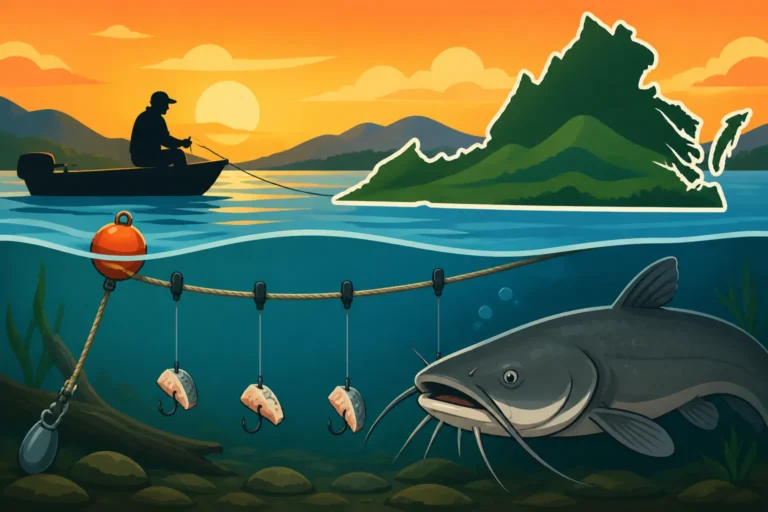
- Three-Way Swivel Rig: This rig is excellent for fishing in current. You tie your main line to one eye of a three-way swivel, a short leader (6-12 inches) with a pyramid or bell sinker to the second eye, and a longer leader (18-36 inches) with your hook to the third eye. This keeps your bait suspended off the bottom and allows the current to waft the scent downstream, attracting fish. It’s particularly useful in rivers like the James or Shenandoah where currents are a factor.
Always remember to test your knot strength and ensure your tackle is in good condition. A lost fish due to faulty gear is a real bummer!
Finding and Working Productive Bank Spots
Alright, you've got your gear, you've got your bait, now it's time to put it all together and find those catfish! Bank fishing is all about location, location, location.
Identifying Productive Shoreline Features
When you're walking the bank, keep your eyes peeled for clues. We already talked about structure, but let's get a bit more specific.
- Deep Water Access: Look for spots where the bank drops off quickly into deeper water. Catfish, especially larger ones, often hold in these deeper channels or holes during the day and move shallower to feed. You can often identify these by observing the water color change or by using a weighted jig to "feel" the bottom contour.
- Inflows and Outflows: Any spot where water is flowing into or out of a main body of water can be a goldmine. Think about small creeks, drainage ditches, or even culverts. These areas bring in fresh food, oxygen, and often create current breaks that catfish love. This is especially true after a rain, as the runoff washes nutrients into the main body of water.
- Overhanging Trees and Brush: These provide shade and cover, which are attractive to fish during bright, sunny days. They also drop insects and other food into the water, creating a natural feeding station. Just be mindful of your casting if you're fishing near heavy brush!
- Man-Made Structures: Docks, piers, rip-rap (rocky erosion control), and bridge abutments are all magnets for fish. They offer shelter, ambush points, and often accumulate debris that provides food for smaller organisms, which in turn attracts catfish. Don't underestimate the power of fishing around a good old fishing pier. For some specific locations, you might want to look at Best Catfish Fishing Spots in Virginia.
Scouting and Approaching Your Spots
Don't just cast blindly. Take a few minutes to observe the water before you even make your first cast. Are there any visible signs of baitfish? Are there any disturbances on the surface? What's the direction of the current? These observations can tell you a lot.
When you approach a spot, do so quietly. Heavy footsteps or loud noises on the bank can spook fish in shallow water. Make your first casts to the edges of the potential strike zone, then gradually work your way closer to the heart of the structure. This way, if there’s a fish holding on the outer edge, you won’t spook any fish holding closer in. Move slowly and methodically, covering the water column if you're using a float, or fan-casting to cover a wider area of the bottom. Remember, patience is a virtue in catfish fishing, particularly from the bank!
Techniques for Success and Landing Your Catch
So, you've found a promising spot, set up your gear, and cast your bait. Now what? The art of bank fishing for channel catfish involves a blend of patience, proper technique, and knowing how to handle these feisty fish once they bite.
Reading the Bite and Setting the Hook
Channel catfish bites can range from a gentle tap to a rod-bending slam. Often, especially with a slip sinker or Carolina rig, you'll feel a series of subtle bumps as the catfish mouths the bait. Then, it might start slowly pulling line from your reel. This is your cue! Resist the urge to yank immediately. Instead, let the fish take the bait confidently for a few seconds. If you're using circle hooks, simply reel down until your line is tight and steadily lift your rod tip. The circle hook is designed to set itself in the corner of the fish's mouth without a hard hookset. If you're using J-hooks, a firm but not overly aggressive sweep of the rod tip is usually sufficient.
It's crucial to pay attention to your rod tip. Any unusual twitch, bend, or sudden slack in the line can indicate a bite. Many bank anglers prefer to have their rod in a rod holder, with the drag set appropriately, so they can visually see the rod tip bend or the reel sing when a fish takes off. This hands-off approach often results in a more natural presentation for the catfish and a better hookup.
Fighting and Landing Channel Catfish
Once you've hooked into a channel catfish, be prepared for a fight! They are strong fish and will often try to run for cover. Keep your rod tip up, creating a bend in the rod that acts as a shock absorber. This pressure will help tire the fish out and keep the hook secure. Let your drag do its job; don't try to muscle the fish in if it's making a strong run. That's a quick way to break your line or pull the hook.
When the fish gets close to the bank, you’ll need a plan for landing it. A sturdy landing net with a long handle is invaluable for bank fishing, especially if you're dealing with slippery banks or a bit of a drop-off. If you don't have a net, and the fish isn't too large, you can often gently slide it onto a flat, clear section of the bank. For larger fish, once they are alongside the bank and tired, you can safely hand-land them by grabbing them firmly behind the gills (being careful of their sharp pectoral and dorsal fins, which can deliver a nasty sting!). Always handle fish gently, especially if you plan to release them.
Best Practices for Bank Catfishing
Beyond the technical aspects, a few common-sense practices can significantly improve your bank fishing experience and contribute to healthier fisheries.
- Patience is Key: Catfishing from the bank is often a waiting game. Don't get discouraged if you don't get a bite immediately. Sometimes, it takes time for the scent of your bait to spread and for fish to find it. Pack snacks, drinks, and enjoy the peace and quiet.
- Leave No Trace: Always pack out everything you pack in. Dispose of all trash, including old fishing line, properly. Respect the environment and leave your fishing spot cleaner than you found it.
- Know Your Regulations: Always be aware of the current Virginia Fishing Regulations Explained, including size and creel limits for channel catfish in your specific body of water. Some areas might have special slot limits or gear restrictions. For information on local regulations, visit the Virginia Department of Wildlife Resources website.
- Safety First: Be mindful of your surroundings. If fishing at night, tell someone where you're going and when you expect to return. Be aware of slippery banks, venomous snakes, and other wildlife. Wear a life jacket if you're fishing near deep or fast-moving water, even from the bank.
Bank fishing for channel catfish in Virginia is a fantastic way to enjoy the outdoors and put some delicious fish on the table. With the right knowledge, gear, and a bit of patience, you'll be well on your way to consistently landing those hard-fighting channel cats right from the shore! If you're looking to explore more about how different catfish species compare, check out our guide on Channel Catfish vs Flathead Catfish: How Virginia Anglers Tell Them Apart.
Disclaimer
This article is for general informational purposes only and does not constitute professional advice. Laws, prices and regulations vary by location and change over time. Consult a qualified professional for guidance on your specific situation.