How to Jig for Crappie in Spring
There's nothing quite like the excitement of spring crappie fishing in Virginia. After a long, cold winter, when you've been cooped up dreaming of bending a rod, the thought of those papermouths moving shallow to feed and spawn is enough to get any angler out the door. But let's be real, simply showing up with a pole and bait isn't always enough to fill a cooler. Crappie in the spring can be finicky, holding tight to cover one day and cruising open water the next. This guide is all about cutting through the guesswork, diving deep into how to jig for crappie specifically during that magical spring window, helping you translate effort into a full livewell.
The Allure and Challenge of Spring Crappie Fishing in Virginia
Spring crappie fishing holds a special place in the hearts of Virginia anglers, and for good reason. It's a time of transition, where fish that were once deep and lethargic suddenly become active, moving into more accessible areas. However, this transition also presents its own set of challenges, as crappie behavior is heavily dictated by fluctuating water temperatures and the stages of their annual spawn. Understanding these nuances is crucial for consistent success, especially when you're relying on jigging.
Why Spring is Prime Time for Crappie
The undeniable truth is, spring offers some of the absolute best crappie fishing opportunities of the entire year. As the days lengthen and the sun's warmth penetrates the water, crappie begin to shake off their winter dormancy. This rising water temperature triggers a biological imperative: the pre-spawn and spawning periods. During these stages, crappie congregate, often in large numbers, as they prepare to reproduce, making them more predictable targets for anglers who know where to look and how to present their offerings. It's a window of opportunity that seasoned anglers eagerly anticipate.
Beyond the sheer numbers, spring crappie often display a more aggressive feeding behavior as they fuel up for the strenuous spawning process. This means they're more likely to strike a well-presented jig, even if they're not actively hunting. They might be guarding a nest or simply reacting to something in their space, which can still lead to a solid hookset. The accessibility is also a huge draw; instead of hunting deep water humps or channel bends, you're often finding them in relatively shallow, easy-to-reach areas, making it ideal for bank anglers, kayakers, and boaters alike.
Moreover, the scenery in spring adds to the overall experience. The trees are budding, wildflowers are blooming, and the air is fresh. It's just a beautiful time to be out on the water, whether you're at Lake Anna or one of Virginia's many other fantastic crappie lakes. The anticipation of that first tug on the line after a quiet winter, feeling the distinct headshakes of a crappie, is a reward in itself. It reminds you why we put up with all the cold weather and waiting; it's all for moments like these.
Understanding the Pre-Spawn and Spawn Phases
To truly jig effectively for spring crappie, you absolutely must grasp the difference between the pre-spawn and spawn phases. These aren't just arbitrary terms; they dictate where the crappie will be, what mood they'll be in, and how you need to approach them. Missing this key distinction is often the difference between a banner day and a frustrating skunk. It's all about paying attention to those vital water temperatures.
The pre-spawn phase usually kicks off when water temperatures climb into the mid-40s to low 50s Fahrenheit. During this time, crappie, both black and white varieties, begin to stage in slightly deeper water adjacent to their eventual spawning grounds. Think creek channels, main lake points, or deeper brush piles near shallow flats. They're still somewhat grouped, feeding heavily to build energy for the spawn. This is an excellent time for vertical jigging or slow trolling small jigs, as they might be suspended or relating closely to structure before moving en masse into the shallows.
As water temperatures push into the mid-50s to low 60s, the true spawn begins. Male crappie will move into very shallow water, often just a few feet deep, to fan out nests around emergent vegetation, submerged wood, or even riprap. The females will follow, laying their eggs and then retreating, while the males stay to guard the nests. During this peak spawning activity, crappie can be incredibly aggressive if you get a jig right in their face, but they might also be very shy, spooking easily from boat noise or shadows. Understanding this delicate balance is key to selecting your approach. You might find them in areas like the shallow coves of Smith Mountain Lake or other popular fishing destinations. For more on where these fish hide, check out our guide on Where to Catch Crappie in Virginia Lakes.
Crappie Behavior as Water Temperatures Rise
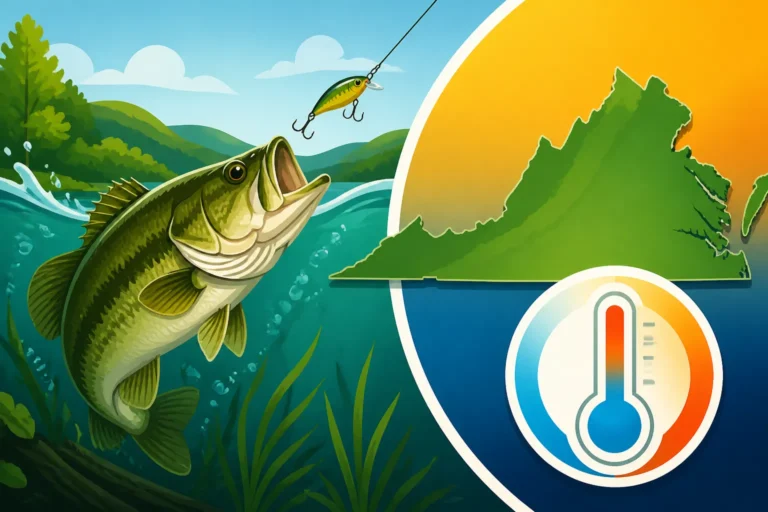
The rise in water temperature is the ultimate trigger for spring crappie activity, transforming them from sluggish winter residents to active, breeding fish. This thermal shift dictates not only their location but also their feeding patterns and susceptibility to different jigging presentations. A few degrees can make all the difference, so constantly monitoring water temperature is a habit every successful spring crappie angler should adopt.
In the early spring, when water temps are just creeping into the upper 40s, crappie will often be found near deeper structure like channel swings, submerged timber, or bridge pilings. They might be somewhat lethargic, requiring a very slow, subtle jig presentation. Think small jigs, light line, and barely perceptible movements. They're not actively chasing yet, but they will inhale an easy meal that drifts right in front of them. This is where patience truly pays off.
As the water warms into the low to mid-50s, crappie become more active and begin their migratory push towards shallower spawning areas. They'll often hold on secondary points, creek channel bends, or brush piles leading into flats. This is a fantastic time for "spider rigging" (multi-rod trolling) or casting jigs to cover. Their metabolism is increasing, and they're feeding more readily, making them less hesitant to strike. Keep an eye on the shallower edges of these structures; the vanguard will start exploring.
Once temperatures hit the mid-50s to low 60s, crappie are fully committed to the spawn. They’ll be in the shallowest cover they can find—sometimes in water less than two feet deep. This is when sight fishing becomes possible in clear water, and pitching jigs into dense cover can be incredibly effective. However, as mentioned, they can be easily spooked. After the spawn, as temperatures climb higher, crappie will gradually retreat to slightly deeper, cooler waters, often suspending over brush or moving to main lake structure, leading into a different set of patterns for summer fishing. Knowing How to Find Crappie in Summer will then become your next challenge.
Gearing Up for Spring Crappie Jigging Success
Having the right tackle for spring crappie jigging isn't about having the most expensive gear, but rather the most appropriate. Crappie have soft mouths and a subtle bite, especially during certain phases of the spawn, so finesse and sensitivity are key. You're not going for brute strength here; you're going for feel and precision. Let's break down the essential components that will give you an edge.
Rods, Reels, and Line Choices for Finesse Jigging
For spring crappie jigging, your rod and reel setup should prioritize sensitivity and lightness. A medium-light action rod, typically 6 to 7 feet long, with a fast tip, is ideal. This combination allows you to feel those delicate bites that often just feel like a slight "tick" or added weight on your line, while still having enough backbone to control a feisty crappie. Popular brands like St. Croix, Ugly Stik, or even more budget-friendly options found on Amazon offer excellent crappie-specific rods that fit the bill.
Pairing your rod with a small, lightweight spinning reel in the 500 to 1000 size range is perfect. These reels are designed for light lines and offer smooth drag systems, which are critical when fighting a crappie with its paper-thin mouth. The smooth drag prevents break-offs when the fish makes a sudden run, particularly if you're using light monofilament or fluorocarbon. A good quality reel also balances well with a light rod, reducing fatigue during a long day of casting and jigging.
When it comes to line, keep it light! Four to six-pound test monofilament or fluorocarbon is the standard. Monofilament is a bit more forgiving with its stretch, which can be beneficial with crappie's soft mouths. Fluorocarbon, on the other hand, offers less stretch, increasing sensitivity, and is virtually invisible underwater, which can be an advantage in clear water conditions. Some anglers even prefer a braided mainline with a fluorocarbon leader for ultimate sensitivity and casting distance. Remember, crappie can be very line-shy, especially in heavily fished waters, so using light line isn't just a suggestion, it's a necessity.
Selecting the Right Jigs and Soft Plastics
This is where the real fun begins and where many crappie anglers build up a formidable collection! The sheer variety of jigs and soft plastics available for crappie is astounding, but for spring, focusing on specific types and colors will greatly increase your odds. It's about matching the hatch and adapting to the crappie's mood.
For spring crappie, jigs typically range from 1/32 to 1/16 ounce, though you might go as heavy as 1/8 ounce in deeper water or strong currents, and as light as 1/64 ounce for extremely shallow or finicky fish. The key is to use the lightest jig you can get away with while still maintaining contact with your lure and reaching your desired depth. Heads can be traditional ball heads, or specialized ones like mushroom heads (often called Ned Rig heads for bass, but crappie love them) or stand-up heads for fishing on the bottom. The hook size is also important; generally, a #4 or #2 hook is ideal for crappie.
As for soft plastics, the options are endless. Common and highly effective choices include small tube jigs (1.5 to 2 inches), grub tails, tiny minnow imitations, and subtle 'critter' baits. Colors can be everything from natural tones like pearl, smoke, or shad to vibrant chartreuse, pink, and orange, especially in stained or muddy water. Sometimes, a mix of colors, like a chartreuse body with a black tail, can be irresistible. It's wise to have a variety on hand, as crappie can be very particular about color on any given day. Many anglers find great deals on assortments or specific favorites when they How to Buy a Fishing License Online in Virginia and then head over to tackle shops or online retailers like Amazon. For deeper insights into color selection, our guide on the Best Jig Colors for Crappie Fishing offers more specific recommendations.
Essential Accessories for a Productive Day
Beyond the basic rod, reel, and line, a few key accessories can significantly enhance your spring crappie jigging experience and make your time on the water more productive and enjoyable. These aren't just luxuries; they're tools that help you adapt to conditions and efficiently put fish in the boat.
First up, a good selection of bobbers or floats. While you're primarily jigging, a slip bobber rig can be incredibly effective when crappie are suspended at a specific depth or holding tight to cover, allowing your jig to sit perfectly still in the strike zone. You'll also want a variety of small split shot weights to add to your line if you need to get your jig down deeper faster without changing the jig head size. These tiny additions can make a huge difference in presentation.
Don't forget the practical items: a pair of needle-nose pliers or a hook remover to safely unhook fish and snips or a small knife for cutting line. A small tackle box or a dedicated crappie jig storage system is also crucial to keep your vast array of jigs organized and easily accessible. A soft-mouthed fish like a crappie benefits from a small net to land them safely, preventing tears and lost fish at the boat. Lastly, and perhaps most importantly, a stringer or a well-aerated livewell is essential for keeping your catch fresh, especially if you plan on taking some home for a delicious crappie fry. And, of course, make sure you have your Virginia Fishing License Guide handy and understand all the Virginia Fishing Regulations Explained before you even cast a line.
Mastering the Art of Spring Crappie Jigging Techniques
Jigging for crappie isn't just about dropping a lure in the water; it's an art form that involves understanding presentation, feel, and adapting to the fish's mood. While crappie can be aggressive during the spawn, they can also be incredibly subtle, requiring a refined touch to entice a strike. Mastering these techniques will undoubtedly elevate your success rate.
Vertical Jigging in Structure
Vertical jigging is an absolute must-have technique in your spring crappie arsenal, especially when fish are holding tight to vertical cover or suspended at specific depths. This method allows for pinpoint accuracy and a subtle presentation that can be irresistible to otherwise hesitant crappie.
When crappie are staging in deeper water during the pre-spawn, or after the spawn when they retreat to main lake structure, they often stack up around submerged timber, brush piles, bridge pilings, or even boat docks. This is where vertical jigging shines. Using your boat's electronics (fish finder), identify these structures and mark any fish you see. Then, position your boat directly over the top of the structure. Drop your jig straight down, carefully watching your line or your fish finder screen to ensure your jig is at the same depth as the fish. A slight jigging motion—just a twitch of the wrist to lift the jig a few inches and let it flutter back down—is often all it takes. Sometimes, even just holding it perfectly still, known as dead-sticking, can trigger a strike. Remember, crappie often bite on the fall, so pay close attention as your jig drops.
Another scenario where vertical jigging excels is when fishing around heavy cover like dense laydowns or thick stands of lily pads. Instead of casting and risking snags, you can carefully position your boat and drop your jig into small openings or along the edges of the cover. This "hole hopping" approach allows you to present your bait exactly where the crappie are hiding without getting hung up. During the spawn, when crappie are guarding nests in shallow, dense cover, carefully dropping a jig right into their immediate vicinity can provoke a territorial strike. The key is stealth and precision, ensuring you don't spook the fish before your jig even gets a chance to dance.
Casting and Retrieving Jigs for Active Crappie
While vertical jigging is fantastic for pinpoint accuracy, casting and retrieving jigs becomes crucial when crappie are more scattered, actively cruising, or holding in shallower, more spread-out cover. This technique allows you to cover more water and search for active fish that might be moving along a shoreline or across a shallow flat.
During the pre-spawn and early spawn, when crappie are moving in and out of spawning areas, they might be scattered along contour lines or feeding along the edges of flats. Make long casts with your small jig, letting it sink to the desired depth. Then, employ a slow, steady retrieve, often punctuated by subtle pauses or small rod twitches. Imagine a minnow slowly swimming or a bug struggling; that's the kind of subtle action you're trying to mimic. Sometimes, a slow-roll right along the bottom or just above submerged vegetation is incredibly effective. The goal is to keep the jig in the strike zone for as long as possible without making it look unnatural.
Consider the retrieve speed and depth carefully. If you're fishing a shallow flat with sparse cover, a slightly faster retrieve might be effective for covering ground and eliciting reaction strikes. However, if you're working the deeper edge of a brush pile, a slower retrieve that allows the jig to sink and pause near the fish is often more productive. Experiment with different retrieve speeds and cadences until you find what the crappie prefer on that particular day. Sometimes, a simple, consistent reel-and-pause motion is all it takes. For those new to the game, mastering different retrieve styles is one of the foundational Crappie Fishing Techniques for Beginners.
The Importance of Presentation and Subtle Bites
More than any other factor, a natural and subtle presentation is paramount when jigging for spring crappie. These fish can be incredibly wary, and a jig that looks unnatural or moves too aggressively will often be ignored. Understanding how to present your jig effectively and recognizing those almost imperceptible bites are skills that separate casual anglers from consistent crappie catchers.
A natural presentation starts with selecting the right jig size and weight for the conditions. Too heavy, and your jig plummets unnaturally; too light, and you can't feel it. Then, it's about the action. Crappie jigs, especially those with soft plastic tails, are designed to flutter and undulate with minimal movement. A gentle quiver of the rod tip, or even just the subtle rocking motion of your boat on calm water, can impart enough action. Resist the urge to aggressively "jig" the rod; often, less is more. Let the jig's design do most of the work, mimicking a dying baitfish or a slow-moving insect.
Recognizing the bite is the other crucial piece of the puzzle. Unlike a bass strike, which can be a violent thud, a crappie bite is often incredibly subtle. It might feel like a slight "tick" on the line, a sudden sponginess or weight, or even just your line going slack when it should be taut. Often, it's not a strike at all, but rather the sensation that your jig has simply stopped moving. This is why a sensitive rod and light line are so important. At the first hint of anything out of the ordinary, set the hook with a gentle but firm sweep of the rod. Many times, you'll be surprised to find a crappie on the other end, having barely moved your lure.
Locating Spring Crappie in Virginia's Waters
You can have the best jigging gear and the most refined techniques, but if you're not putting your lure where the fish are, you're just practicing casting. Locating spring crappie means understanding their seasonal movements and preferred habitats, which are heavily influenced by water temperature and the availability of suitable cover for spawning. Virginia offers a diverse range of crappie habitats, from vast reservoirs to smaller tidal rivers.
Identifying Productive Shallow Water Cover
As spring progresses and water temperatures warm, crappie will inevitably move into shallower waters, making certain types of cover incredibly productive. Identifying these hotspots before you even launch your boat can save you hours of fruitless searching.
Look for areas with plenty of submerged brush piles, fallen trees, or docks with structure underneath. Crappie use these areas for cover, ambush points, and, critically, for spawning. These spots provide protection from predators and offer hard surfaces for eggs to adhere to. In many Virginia lakes, you'll find anglers sinking their own brush piles, specifically for crappie, which become magnets for fish year after year. Focus on the sunny sides of these structures, especially in the early spring, as these areas will warm up faster.
Another prime shallow-water target is emergent vegetation, such as lily pads or cattails, and sparse stands of reeds. As these plants begin to grow, they offer ideal cover and spawning habitat. Crappie will often nest around the bases of these plants or suspend just inside their protective canopy. Don't be afraid to pitch your jig right into these pockets of vegetation. Shallow coves, especially those with dark bottoms that absorb heat, are also notorious crappie hotspots. Even riprap shorelines, like those found along some Virginia reservoirs or tidal river banks, can hold significant numbers of spawning crappie. This is also where you might catch other popular panfish like bream and bluegill if you're fishing for Bream and Bluegill Fishing for Beginners.
Targeting Transition Areas and Drop-offs
While shallow water holds the spawning crappie, don't overlook the importance of transition areas and subtle drop-offs. These are the highways crappie use to move between deeper wintering grounds and their shallow spawning flats. They're also key staging areas where fish will congregate before and after the spawn.
During the pre-spawn, crappie often hold on the first significant depth change adjacent to a spawning flat. This could be a creek channel swinging near a shallow cove, a submerged hump, or a main lake point that gradually slopes into deeper water. These areas offer crappie easy access to deeper, more stable water if a cold front pushes through, but also puts them within a short swim of their spawning grounds. Vertical jigging or slow trolling with multiple rods (known as spider rigging) can be highly effective in these staging areas, especially when you pinpoint the depth at which the fish are holding.
After the spawn, as water temperatures continue to climb and crappie disperse from their shallow nests, many will retreat to slightly deeper water, often suspending over the same type of structure they used during the pre-spawn. They might hang on the edges of drop-offs or suspend over deep timber, recouping energy after the rigors of reproduction. These transition zones become crucial once again. Using your electronics to identify baitfish schools in these areas is a big clue, as crappie won't be far behind. Knowing these patterns will increase your chances during the Best Time of Year for Crappie Fishing in Virginia.
Using Electronics to Pinpoint Schools
In today's angling world, modern electronics are more than just a luxury; they're an indispensable tool for efficiently locating spring crappie, especially when they're suspended or holding on deep structure. Relying solely on guesswork is a recipe for frustration when you could be seeing the fish right below your boat.
A quality fish finder with down imaging and side imaging capabilities can be a game-changer. Use your side imaging to scan wide swaths of water and locate submerged brush piles, timber, or ledges that might be holding fish. Once you identify a promising piece of structure, switch to down imaging or traditional 2D sonar to get a clearer picture of what's directly beneath your boat. You'll be looking for distinct arches or blobs on the screen, which indicate fish. Pay attention to the depth at which they're holding; this is the depth you'll want to present your jig.
Another invaluable feature of modern fish finders is the ability to mark waypoints. When you find a productive brush pile or a school of crappie, mark it immediately. This allows you to return to the exact spot, even if you drift off or need to make another pass. Some units, like those from Humminbird or Garmin, offer excellent detail that can even distinguish individual fish or show your jig moving through the water column. Understanding how to interpret these signals takes a little practice, but it's well worth the effort. It eliminates much of the guesswork, allowing you to focus your jigging efforts on areas with a high probability of holding fish. This targeted approach is far more efficient than aimlessly casting and helps you make the most of your limited time on the water.
| Crappie Spring Phase | Water Temperature (F) | Typical Location | Jigging Technique Focus | Key Presentation |
|---|---|---|---|---|
| Early Pre-Spawn | 45-52 | Deeper channels, main lake points, submerged brush (10-20 ft) | Slow vertical jigging, dead-sticking | Subtle, slow, minimal movement |
| Mid Pre-Spawn | 52-58 | Secondary points, creek bends, brush on channel edges (5-15 ft) | Vertical jigging, slow casting/retrieving | Consistent depth, gentle twitches |
| Peak Spawn | 58-65 | Very shallow cover (1-5 ft): docks, brush, lily pads, riprap | Pitching/flipping, precise vertical drops | Right in their face, slow fall |
| Post-Spawn | 65+ | Retreat to slightly deeper brush, main lake structure (8-18 ft) | Vertical jigging, slow trolling | Matching baitfish, suspended presentation |
Disclaimer
Always remember that fishing regulations, including license requirements, seasons, and catch limits, can change. It is your responsibility to consult the most current Virginia Department of Wildlife Resources (DWR) regulations before heading out on the water. This guide is for informational purposes only and does not replace official DWR publications or legal advice.