Bream and Bluegill Fishing for Beginners
Oh, the joy of bream and bluegill fishing! If you're just dipping your toes into the wonderful world of angling, or perhaps trying to introduce a youngster to the sport, nothing beats the consistent, forgiving action that these feisty little panfish provide. It can feel a bit overwhelming trying to figure out what gear you need, where to go, and what bait to use, but don't worry, you're in the right place. This guide is all about making your first (or hundredth!) bream and bluegill adventure in Virginia as simple and rewarding as possible.
Understanding Bream and Bluegill
Let's clear up some confusion right off the bat, because the terms "bream" and "bluegill" are often used interchangeably, and sometimes it feels like everyone has a different idea of what they mean! For us here in Virginia, "bream" is often a catch-all term that people use for various species within the sunfish family, including bluegill, redear sunfish, pumpkinseed, and even warmouth. While they all share some common traits, understanding the nuances can really help you dial in your technique.
The Lowdown on Bluegill
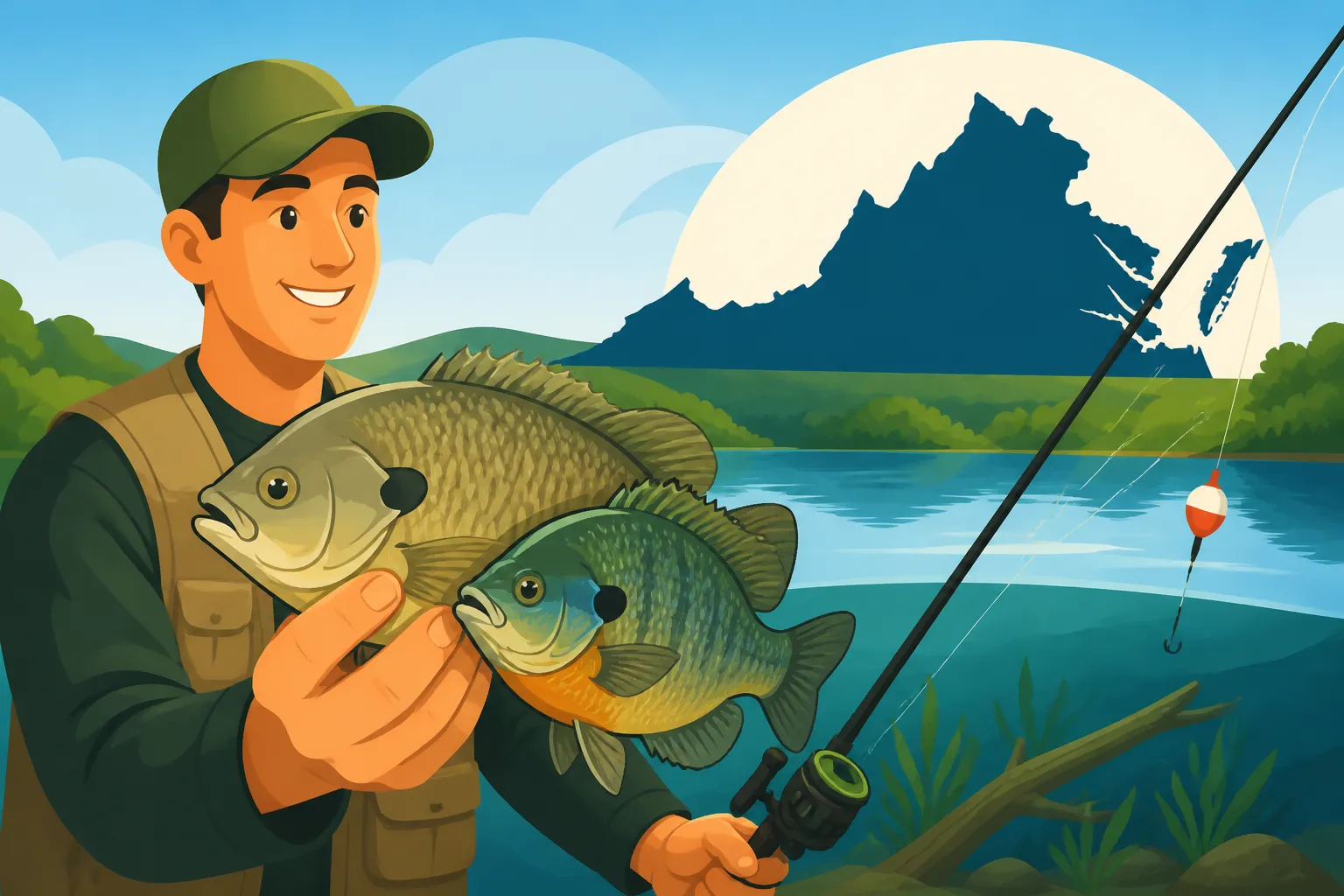
Ah, the bluegill – truly the poster child for panfishing. When someone says they're "bluegill fishing," this is usually the species they're talking about. Bluegill are instantly recognizable by their dark "ear flap" (a black spot on the Gill cover), a small mouth, and often vertical bars along their sides, giving them a striped appearance. Their body shape is typically round and flat, almost like a pancake. They can vary quite a bit in color, from olive green to dark blue or purplish, especially during spawning season, often with a bright orange or yellow belly.
These little powerhouses rarely get huge, with most catches being in the 6 to 9-inch range, though some can push past 10 inches and weigh over a pound. Don't let their size fool you, though. When hooked on light tackle, they put up a surprisingly strong fight, darting and pulling with gusto. They’re also incredibly abundant in just about every freshwater body in Virginia, from small farm ponds to large reservoirs and slow-moving rivers. This widespread presence makes them an incredibly reliable target, which is exactly what you want when you're just starting out or taking kids along. They're also quite tasty, with delicate white meat, making them a popular choice for a fresh fish fry.
Exploring Other "Bream" Species
While bluegill might be the star, Virginia's waters are home to several other fantastic panfish that often get lumped into the "bream" category. Understanding these can add another layer of enjoyment to your trips and sometimes even help you target specific areas.
- Redear Sunfish (Shellcracker): These guys get their nickname, "shellcracker," for a very good reason – they love to eat snails! They have molar-like teeth in their throats that allow them to crush shells, a fascinating adaptation. You can distinguish them from bluegill by their reddish-orange trim on the black ear flap and a slightly more pointed snout. They tend to grow a bit larger than bluegill on average, making them a highly prized catch for panfish enthusiasts. They prefer cleaner, clearer waters and often hang out a bit deeper than bluegill, though you'll find them in similar areas, especially around vegetation where snails are plentiful.
- Pumpkinseed: These are some of the most vibrant and beautiful panfish you'll encounter. Look for their distinct orange or red spot on the tip of their black ear flap, often bordered by a yellow or blue margin. Their bodies are usually adorned with iridescent spots and wavy blue lines, making them a true jewel of the freshwater world. They tend to be a bit smaller than bluegill but are equally aggressive biters. You'll find them in similar habitats to bluegill, often preferring vegetated areas and shallow spots.
- Warmouth: A bit different in appearance from the other sunfish, the warmouth has a stouter, more bass-like body and a larger mouth. They usually have dark, irregular bars or spots on their sides and often reddish eyes. They're a bit more aggressive and predatory, sometimes even hitting lures intended for bass. They prefer murky, weedy waters, making them a common catch in slower streams and swampy areas.
All these species provide excellent sport on light tackle and are part of the wonderful panfish diversity that makes Virginia fishing so enjoyable.
Why They're Perfect for New Anglers
So, why are bream and bluegill almost universally recommended for beginners and family outings? It boils down to a few key factors that take a lot of the frustration out of learning to fish.
First, abundance. You don't have to be a seasoned pro with fancy electronics to find them. They are literally everywhere. This means you spend less time searching and more time with a line in the water, which is crucial for maintaining interest, especially for kids. When you're constantly getting bites, even if they're small, it builds confidence and excitement.
Second, they are not picky eaters. While some fish species are incredibly particular about bait, bream and bluegill are opportunists. Worms, crickets, small artificial lures – they'll hit just about anything that looks like a tasty snack. This simplifies bait selection and means you can often use whatever you have on hand.
Third, their fighting spirit. Despite their size, they pull hard. For a new angler, feeling that tug on the line and experiencing the thrill of a bending rod is an invaluable part of the learning process. It teaches them how to reel, how to keep tension, and how to enjoy the battle without being overwhelmed by a giant fish.
Lastly, they are generally easy to handle once caught. Their small size makes them manageable, and while they have some sharp fins, they are relatively easy to unhook and release, or to put in a cooler for dinner. This makes them truly ideal for anyone just starting out, offering a low-pressure, high-reward fishing experience. When planning a family trip, look for Family-Friendly Fishing Spots in Virginia for public access points with amenities.
Essential Gear for Your First Trip
One of the biggest hurdles for new anglers is feeling like they need to buy an entire tackle shop just to get started. Good news: bream and bluegill fishing is incredibly simple, and you absolutely don't need to break the bank for the right gear. In fact, many anglers find that the simpler the setup, the more enjoyable and effective it can be!
Rods and Reels That Won't Break the Bank
For bream and bluegill, we're talking about light tackle. This means gear that is sensitive enough to feel those gentle nibbles but strong enough to handle a feisty panfish.
- Rods: Look for an "ultralight" or "light" action spinning rod. These rods are usually between 5 and 6.5 feet long. The "ultralight" part refers to how much the rod bends under pressure and how sensitive the tip is. A more sensitive rod allows you to detect even the smallest bites, which is key for these smaller fish. A good quality fiberglass or graphite composite rod will give you the durability you need without costing an arm and a leg. Brands like Ugly Stik or Shakespeare often have excellent, affordable options that are practically indestructible. They’re a fantastic starting point and can be found in most sporting goods stores or even easily purchased online from retailers like Amazon.
- Reels: Pair your ultralight rod with a small spinning reel, often labeled as a "500" or "1000" series. These reels are designed for lighter lines and smaller fish. A spinning reel is by far the easiest for beginners to learn, as it minimizes tangles and allows for easy casting. Look for one with a smooth drag system, which is the mechanism that allows line to be pulled out when a fish fights, preventing your line from snapping. Again, brands like Daiwa, Shimano, or Penn offer reliable, entry-level spinning reels that will serve you well for years. Many stores sell these as a "combo" – a rod and reel already matched together – which is often the most cost-effective and convenient way to get started.
Don't be tempted to go too heavy. A stout bass rod will make a bluegill feel like a leaf, taking all the fun out of the fight. The beauty of ultralight gear is that even a 6-inch bluegill feels like a trophy!
Line, Hooks, and Weights: The Small But Mighty Components
These are the unsung heroes of your fishing setup. Getting them right makes all the difference.
- Fishing Line: For bream and bluegill, you want light monofilament (mono) line. I recommend 4 to 6-pound test line. Mono is easy to tie, has a bit of stretch (which helps cushion the fight and prevent hooks from pulling out), and is relatively inexpensive. Don't go heavier than 6-pound; it's overkill for these fish and will reduce your casting distance and the number of bites you get, as fish can see heavier lines more easily. You can spool your reel with a fresh line for just a few dollars.
- Hooks: Size matters here! You want small hooks. For bluegill and bream, look for sizes ranging from #6 to #10. "Circles hooks" or "aberdeen" style hooks are excellent choices. Circle hooks are designed to hook fish in the corner of the mouth, making for easier, safer releases and less harm to the fish. Aberdeen hooks are thin-wired and have a long shank, which makes them easier to remove from a fish's mouth and less likely to snag in vegetation. Keep a variety of sizes on hand to match your bait.
- Weights (Sinkers): Most of the time, you'll only need a small split-shot weight or two. These are tiny lead or non-toxic weights that you pinch onto your line a few inches above your hook. Their purpose is to help cast your light bait and get it down to where the fish are. Start with the smallest size that allows you to cast comfortably and get your bait to the desired depth. Sometimes, no weight at all is perfect, especially if you're using a bigger live bait like a cricket that can cast itself.
Crucial Accessories: Bobbers, Pliers, and a Cooler
Beyond the basic rod, reel, line, hooks, and weights, a few simple accessories will make your trip much more enjoyable.
- Bobbers (Floats): These are essential for visual bite detection and for keeping your bait at a specific depth. Small, round red-and-white bobbers are classic, but slip bobbers are also fantastic. A slip bobber slides up and down your line and is held in place by a small knot (a bobber stop), allowing you to fish at any depth, even very deep water, with ease. For simple bluegill fishing, a small fixed clip-on bobber is perfectly fine. It will signal when a fish bites by dipping or moving across the water.
- Small Pliers or Hemostats: These are invaluable for safely unhooking fish, especially if the hook is swallowed a bit deep. They protect your fingers and make the process quicker and less stressful for the fish. A small pair of needle-nose pliers or specialized fishing pliers with a cutting tool is a great addition to your tackle box.
- Cooler: If you plan on keeping some of your catch for dinner (and bluegill are delicious!), a small cooler with ice is a must. It keeps your fish fresh and makes for a much better meal later on. It's also great for keeping drinks and snacks cool during your outing.
- Small Tackle Box: A basic, inexpensive tackle box will help keep your hooks, weights, bobbers, and other small items organized. No need for anything fancy; a simple one-tray box is perfect. You can find these easily on Amazon or at any sporting goods store.
- Valid Fishing License: This isn't gear, but it's absolutely crucial! Before you even think about casting a line, make sure you have the proper Virginia fishing license. If you're a beginner, you'll definitely want to know How to Get a Fishing License in Virginia. Remember, kids often have different requirements, so check Do Kids Need a Fishing License to Fish? before you head out.
Best Baits and Lures
Here's where bream and bluegill really shine for beginners: they're not finicky! There's a wide variety of effective baits and lures, so you can often use what you have readily available or what's easiest to get. The key is to keep things small.
The Allure of Live Bait
For consistency and sheer catching power, live bait is hard to beat when targeting bream and bluegill. There's just something about a wiggling, natural offering that these fish can't resist.
- Worms: The classic. Nightcrawlers, red wigglers, or even just garden worms – they all work wonderfully. You can buy them at bait shops, many gas stations, or even dig them up in your backyard after a rain. Hook a small piece of worm through one end, leaving the rest to wiggle tantalizingly. The scent and movement are irresistible. This is often the best bait for Best Bait for Bream Fishing.
- Crickets: Another fantastic choice, especially in late spring and summer. Crickets are a natural food source for bluegill and bream, and they often react with aggressive strikes. Hook them gently through the collar (the hard part behind the head) to keep them alive and kicking on the hook.
- Grubs/Maggots: These small, white larvae are incredibly effective, particularly if you're trying to catch the maximum number of fish. They stay on the hook well, and their small size is perfect for bream's mouths. You can buy them in small containers at most bait shops.
- Minnows (Small): While not as common for pure bluegill, very small minnows can attract larger sunfish like warmouth or bigger redear sunfish, and even some juvenile bass that are lurking in the same waters. Hook them gently through the lips or just behind the dorsal fin.
When using live bait, remember that the presentation should be as natural as possible. Let the bait slowly sink, or suspend it under a bobber. The natural movement is what triggers the bite.
Tiny Lures for Big Fun
If you prefer artificial lures or want to try something a bit more active, bream and bluegill will readily hit a variety of small offerings. This is where ultralight gear really makes the difference, allowing you to cast these tiny lures effectively.
- Small Jigs: These are perhaps the most versatile artificial lure for panfish. A small lead head (1/32 to 1/16 ounce) dressed with a tiny plastic grub, tube, or marabou feather body is deadly. Experiment with colors – chartreuse, white, black, and pink are often top producers. You can fish them under a bobber, slowly retrieved, or even jigged vertically next to cover. You can find a huge variety of small jigs on Amazon, perfect for stocking your tackle box.
- Micro Spinners: Lures like the classic Mepps Aglia or Rooster Tail in sizes #0 or #1 are fantastic. The spinning blade creates flash and vibration that drives panfish crazy. Simply cast them out and retrieve slowly. They're especially effective around submerged vegetation or fallen timber.
- Small Spoons: Tiny Kastmaster-style spoons or similar jigs can also entice bites, especially if you're looking for something with a bit more flash. They flutter enticingly on the fall.
- Soft Plastics (Tiny): Manufacturers make incredibly small soft plastic baits designed specifically for panfish. Think tiny creature baits, little worms, or even micro-sized swimbaits. These are usually fished on a tiny jig head. The Berkley PowerBait Micro Power Grub is a popular choice.
The key with artificials is matching the hatch – in other words, using lures that mimic small insects, minnows, or other natural food sources that bream and bluegill would typically encounter. Keep your retrieves slow and steady, or with a gentle twitching motion to give the lure some lifelike action.
DIY Bait Alternatives
Sometimes you're out by the water and realize you forgot bait, or you just want to experiment! Believe it or not, many common household items can actually catch bream and bluegill.
- Bread Balls: A classic improvised bait. Take a small piece of bread, roll it into a tight ball, and put it on your hook. The bread gets soft and creates a scent trail, and its soft texture is easy for bluegill to suck in. It's not as durable as a worm, but it can be surprisingly effective in a pinch.
- Corn Kernels: Sweet corn is another pantry staple that can work. A few kernels threaded onto a small hook can be very appealing, especially in waters where fish are accustomed to being fed.
- Hot Dogs/Lunch Meat: Small pieces of hot dog or various lunch meats (turkey, ham) can also be used. They stay on the hook fairly well and release a scent that can attract fish. This is definitely one to try for some experimental fun!
These DIY options are great for quick, impromptu fishing trips or when you're just looking for a bit of novelty. They also teach you that fishing doesn't always require specialized gear – sometimes, simple ingenuity is all you need!
Finding Your Fish
Knowing what to use is only half the battle; the other half is knowing where to cast your line! Bream and bluegill are abundant, but they're not just randomly scattered throughout the water. They have preferred habitats, and understanding these can dramatically increase your success rate. This is especially true when exploring some of Virginia's Best Lakes for Fishing or local ponds.
Prime Locations in Virginia Lakes and Ponds
Lakes and ponds are fantastic places to target bream and bluegill, offering calm waters and predictable patterns. They congregate around specific types of cover and structure.
- Structure and Cover: Think of "structure" as changes in the lake bottom (like drop-offs, humps, or old creek beds) and "cover" as anything physically in the water (like docks, fallen trees, lily pads, or submerged brush). Bream and bluegill love both. They use these features for protection from predators, as ambush points for feeding, and as places to spawn.
- Docks and Piers: These are magnets for panfish. The pilings offer shade and cover, and often there's food falling into the water from above. Fish under and around docks, especially those with some age to them. Places with Shore Fishing Access Points in Virginia or piers are perfect for this.
- Fallen Trees and Brush Piles: Anywhere you see a tree limb or an entire tree submerged, you can bet there are fish hiding. Cast your bait as close to the wood as possible without getting snagged. These are prime ambush spots.
- Lily Pads and Aquatic Vegetation: Beds of lily pads, cattails, or other submerged grass provide excellent cover and a rich insect ecosystem. Fish the edges and any pockets within these weed beds.
- Shallow Bays and Coves (Especially in Spring): During the spring spawning season, bream and bluegill move into very shallow, protected areas to build their nests. Look for sandy or gravelly bottomed coves, often in just 1-3 feet of water. You might even see the "beds" – circular depressions in the bottom. Cast your bait gently into these areas, and be prepared for aggressive strikes!
- Transition Areas: These are spots where shallow water meets deeper water, or where one type of cover transitions to another (e.g., a weed line ending at open water). Fish often patrol these edges, moving between deep comfort and shallow feeding grounds.
When fishing lakes and ponds, observe your surroundings. Look for signs of baitfish activity, diving birds, or even subtle ripples that might indicate feeding fish.
River and Stream Hotspots
Fishing rivers and streams for bream and bluegill can be a bit different due to the current, but they still follow predictable patterns. The key is to find areas where the current is slowed down or where there's protective cover.
- Eddies and Slack Water: These are spots where the main current is broken, creating calmer pockets of water. This could be behind a large rock, a log, or on the inside bend of a river. Fish will expend less energy here and wait for food to be swept into the calmer water.
- Fallen Trees and Log Jams: Just like in lakes, submerged wood in rivers provides excellent cover. These spots break the current and offer a place for fish to hide and feed. Approach these areas carefully to avoid spooking the fish.
- Bank Irregularities and Undercut Banks: Any deviations from a straight bank, like small points or indentations, can create calmer water. Undercut banks, where the water has eroded the soil beneath the bank, offer fantastic overhead cover.
- Weed Lines and Aquatic Grass: In slower-moving rivers, you'll find similar vegetation beds as in ponds. Fish the edges of these, especially where they meet deeper water.
- Bridge Pilings: These man-made structures provide current breaks and vertical cover. Fish close to the pilings, especially on the downstream side where the current is gentler.
When river fishing, cast upstream of your target area and let your bait drift naturally down into the strike zone. This mimics how real food flows with the current. This method is often part of Best Fishing Techniques for Beginners Who Don't Own a Boat.
Reading the Water: Identifying Fish Habitats
Beyond specific locations, learning to "read the water" is a skill that will serve you well in all types of fishing. It's about looking for clues that tell you where fish might be.
- Shade: Fish are often drawn to shade, especially on bright, sunny days. Shade provides a reprieve from direct sunlight and also makes it harder for predators (like you!) to spot them. Look for shadows cast by trees, docks, or bridges.
- Water Clarity: Generally, bream and bluegill prefer clearer water, but they can adapt. In murky water, they might stick closer to cover and rely more on scent. In very clear water, you might need to use lighter line and be more subtle in your approach to avoid spooking them.
- Depth: While often found in shallows, especially during spawning season, bream and bluegill will move deeper during the hottest parts of summer or the coldest parts of winter to find more stable temperatures. Don't be afraid to try different depths. Using a slip bobber is fantastic for easily adjusting your depth without re-rigging.
- Surface Activity: Look for subtle dimples or rises on the water's surface, which can indicate fish feeding on insects. Sometimes you'll see small splashes if they're chasing something more actively.
By combining knowledge of these preferred habitats with careful observation, you'll quickly learn to pinpoint the best spots to drop your line for bream and bluegill, no matter where you are in Virginia.
Simple Techniques for Success
The beauty of bream and bluegill fishing lies in its simplicity. You don't need complex rigs or advanced casting techniques to catch these eager biters. In fact, some of the oldest and most straightforward methods are often the most effective. These are excellent examples of Easy Fishing Techniques for Kids and truly are Best Beginner Fishing Techniques for Panfish.
The Classic Bobber Rig: Step-by-Step Setup and Presentation
This is probably the most iconic and user-friendly fishing technique out there, and it's incredibly effective for bream and bluegill. It allows you to present your bait at a consistent depth and gives you a clear visual indicator of a bite.
- Tie on your hook: Start by tying a small hook (#6 to #10) to the end of your fishing line. A simple improved clinch knot or palomar knot works well.
- Add split-shot weights: About 6 to 12 inches above your hook, pinch on one or two small split-shot weights. The goal is to have just enough weight to cast easily and get your bait down, but not so much that it sinks like a rock. You want a slow, natural descent.
- Attach your bobber: Clip a small, fixed bobber to your line about 1 to 3 feet above your weights. The exact distance depends on how deep you want your bait to be. If you're fishing in 2 feet of water, your bobber should be about 1.5 feet above your hook. For deeper water, consider a slip bobber system for easier casting and adjustable depth.
- Bait your hook: Thread a piece of worm, a cricket, or a small artificial jig onto your hook. Ensure the point of the hook is exposed for a good hookset.
- Cast and Wait: Gently cast your rig out to your desired spot – near a dock, lily pads, or fallen trees. Let the bobber float on the surface. Now, here's the fun part: wait!
- Detecting a Bite: When a fish bites, your bobber will provide the signal. It might twitch, dance, or slowly slide across the water. The most exciting part is when it suddenly dips completely under the surface!
- Setting the Hook: Once the bobber goes under, give a gentle but firm tug upwards with your rod tip to set the hook. No need for a massive heave; bluegill have tender mouths.
- Reel 'Em In: Keep your rod tip up and reel steadily. Enjoy the fight!
This method is fantastic because it's so visual. Kids especially love watching the bobber, making it a perfect Simple Fishing Techniques for a Child's First Trip.
Fishing the Bottom: When and How to Do It
While bobber fishing is great, sometimes bream and bluegill prefer their food right on the bottom. This is often the case when they're feeding on crustaceans, insect larvae, or when they've moved to deeper, cooler water during the heat of summer.
- The Carolina Rig (simplified): This is a very effective bottom-fishing rig.
- Start by tying your hook to your line.
- About 12-24 inches above your hook, tie on a small swivel. This helps prevent line twist.
- Above the swivel, slide on a small egg sinker (a weight with a hole through the middle, usually 1/8 to 1/4 ounce).
- Above the egg sinker, tie another small swivel, or simply peg the sinker with a toothpick. This allows the fish to pick up the bait without immediately feeling the weight of the sinker, giving you a better chance to set the hook.
- The Simple Bottom Rig: Alternatively, you can just tie your hook directly to your main line, and then attach a heavier split-shot or a small bell sinker (1/8 to 1/4 ounce) about 6-12 inches above the hook. This keeps your bait pinned to the bottom.
- Baiting: Worms are king for bottom fishing, as they stay on the hook well and their scent disperses.
- Casting and Feel: Cast your rig out and let it sink to the bottom. Keep a slight bit of slack in your line, but enough tension that you can feel any bumps or tugs. You won't have a bobber, so you'll rely on feeling the bite through your rod.
- Detecting a Bite: Bream bites can be subtle – a light tap, tap, or a steady pull. Wait until you feel a more distinct pull before setting the hook.
- Setting the Hook: Again, a gentle but firm upward sweep of the rod.
Bottom fishing is excellent for targeting those bigger redear sunfish that often cruise the lake floor, or when fish are less active and hugging the bottom.
Light Tackle Finesse: Making the Most of Small Lures
When you're ready to graduate from live bait and want to experience the thrill of artificial lures, light tackle finesse is the way to go. This involves carefully presenting small jigs and spinners to tempt wary bream and bluegill.
- Jig Fishing:
- Tie a tiny jig (1/32 or 1/16 ounce) directly to your line. Use a small loop knot (like a Rapala knot) to allow the jig to move more freely.
- Cast the jig near cover – lily pads, submerged timber, or dock pilings.
- Retrieve the jig very slowly, with occasional small twitches of your rod tip. You're trying to mimic a swimming insect or tiny minnow.
- Alternatively, fish the jig under a tiny float or bobber. This keeps the jig at a consistent depth and adds a bit of action with the bobber's movement.
- Bites can be a subtle tick on the line or simply feeling "pressure" as if your lure suddenly got heavy. Set the hook!
- Spinner Fishing:
- Tie a micro spinner (#0 or #1) directly to your line. A small snap swivel can help prevent line twist, but isn't strictly necessary.
- Cast the spinner out and retrieve it at a steady, slow pace, just fast enough to make the blade spin.
- Spinners are great for covering water and finding active fish, especially along weed edges or open water.
- Bites on spinners are often more aggressive, with the fish hitting the lure hard.
The key to light tackle finesse is using your ultralight rod to its advantage. Its sensitivity will help you feel those light bites, and its limber action will allow you to cast those tiny lures a surprising distance. Remember, a Virginia Fishing License Guide will help you confirm all the rules, and for more specific details, consider reading up on Best Bait for Bream Fishing.
Seasonal Tips and Best Times to Fish
Bream and bluegill are pretty cooperative year-round in Virginia, but understanding their seasonal behaviors can dramatically improve your catch rates. Just like us, their activity levels and preferred hangouts change with the weather!
Spring: Pre-Spawn and Spawn Behavior
Spring is often considered prime time for bluegill and bream fishing in Virginia, especially as the water starts to warm up.
- Pre-Spawn (Late March – April): As water temperatures climb into the 50s Fahrenheit, bream and bluegill start to become very active. They're feeding heavily to bulk up for the upcoming spawn. You'll find them in relatively shallow water (3-8 feet) near spawning areas, like sandy flats, points, and coves. They'll often be around emerging vegetation or brush piles. This is a great time to use small jigs or slowly retrieved worms and crickets. They're aggressive and hungry!
- Spawn (May – June): This is perhaps the most exciting time to fish for bluegill and bream. Once water temperatures hit the low 60s and continue into the 70s, they move into very shallow water (1-3 feet), often near shore in protected coves or along shallow flats, to build their distinctive circular "beds." These beds are often clustered together, forming what's sometimes called a "colony" or "city" of beds.
- During the spawn, male bluegill are incredibly aggressive, guarding their nests fiercely. They'll attack anything that comes near, making them very easy to catch.
- Look for visible beds in clear water. Cast your bait (worms, crickets, small jigs) directly into or very near the beds. You might catch fish after fish from the same area.
- This is an ideal time for beginners and kids, as the action is usually non-stop. Just be mindful of releasing fish carefully if you're not planning to keep them, especially the males protecting the nests.
- Post-Spawn (Late June): After the intense spawning activity, fish might be a little sluggish for a brief period as they recover. They'll often retreat slightly to nearby deeper water (4-10 feet) or hang around the edges of the spawning flats. They'll still be catchable, but the bites might be a bit more subtle.
Summer: Deep Water and Low-Light Feeding
As Virginia's summer heat really kicks in and water temperatures soar, bluegill and bream change their habits to stay comfortable and find food.
- Deeper Water Retreat: During the hottest parts of the day, particularly from late morning to late afternoon, bluegill and bream will often move to deeper, cooler water. Look for them along submerged humps, channel edges, or around deep-water cover like brush piles or submerged trees. They might be anywhere from 8 to 20 feet deep, depending on the body of water.
- This is when a slip bobber rig (to present bait at specific depths) or bottom-fishing techniques (like a simple Carolina rig) become very effective.
- Live bait, especially worms, is excellent for drawing them out of deeper cover.
- Low-Light Feeding: They become much more active in the cooler, low-light periods of the day. Early morning (dawn until about 9 AM) and late evening (dusk until dark) are prime feeding times.
- During these times, they'll often move back into shallower water, especially around shaded areas or active weed beds, to feed.
- Topwater lures (tiny poppers or small fly-rod bugs) can be incredibly exciting at dawn and dusk if you're feeling adventurous!
- Staying Hydrated: Remember that summer heat can be intense. Bring plenty of water, wear sunscreen, and seek shade when possible.
Fall: Feeding Frenzy
Fall is another fantastic season for bream and bluegill in Virginia, offering comfortable weather and active fish.
- The Autumnal Feast: As water temperatures begin to cool (from the 70s down into the 50s), bluegill and bream start to feed aggressively again, stocking up on calories for the approaching winter.
- Shallow and Mid-Depth Focus: You'll find them active in both shallow (3-6 feet) and mid-depth (6-12 feet) areas. They'll often be concentrated around remaining green vegetation, wood cover, and rocky areas that hold heat.
- Versatile Techniques: Both bobber fishing with live bait and casting small jigs or spinners can be highly productive. Focus on areas where schools of baitfish might be congregating, as bluegill will often follow.
- Predictable Patterns: Fall fishing can be quite predictable. Once you find a school of fish, you can often catch quite a few from the same spot.
Winter: Slower Action, Deeper Water
Winter fishing for bream and bluegill can be challenging due to slower fish metabolism, but it's certainly possible, especially on milder days.
- Deeper Retreat: In winter, bluegill and bream will typically move to the deepest parts of the lake or pond they can find, often suspending over structure like old creek channels, humps, or deep brush piles. They might be 15-30 feet deep or more.
- Subtle Presentation: Their metabolism slows down, so they're not as aggressive. You'll need a very slow, subtle presentation. Small jigs tipped with a grub or a tiny piece of worm, fished vertically (ice fishing style from a boat or bank), are very effective.
- Light Bites: Bites will be extremely light – often just a slight pressure on the line or a tiny twitch of your rod tip. Pay close attention!
- Warmest Days: Focus your efforts on the warmest days of winter, especially after a few consecutive mild days, and during the warmest part of the day (mid-afternoon). Even a slight increase in water temperature can spur some activity.
Regardless of the season, remember to check current Virginia Fishing Regulations Explained before you head out, as rules for specific bodies of water can sometimes vary. A good day of fishing isn't just about the catch, it's about enjoying the process and being responsible.
| Bream/Bluegill Bait & Lure Comparison | Pros | Cons | Best Uses | Beginner Friendly? |
|---|---|---|---|---|
| Live Worms | Natural scent, universally effective, cheap | Can be messy, worms can get off hook easily | All seasons, all depths, especially bottom fishing | Excellent |
| Live Crickets | Natural prey, very attractive, good action | Can be hard to keep alive, jumpy | Spring/Summer, shallow water, under a bobber | Very Good |
| Small Jigs (plastic/marabou) | Versatile, reusable, wide color selection | Requires active retrieve, can get snagged | All seasons, various depths, good for active fish | Good |
| Micro Spinners | Flash & vibration, covers water quickly | Requires steady retrieve, can twist line | Searching for fish, around cover, active fish | Good |
| Bread Balls | Cheap, readily available, natural scent | Fragile, falls off hook easily, dissolves | Emergency bait, shallow still water | Excellent |
| Corn Kernels | Cheap, appealing scent, stays on hook well | Less natural movement, smaller hook options | Still water, areas where fish are accustomed to feed | Good |
Disclaimer
Please be aware that fishing regulations in Virginia can change. Always consult the most current Virginia Department of Wildlife Resources (DWR) regulations before heading out. This guide provides general advice and is not a substitute for official DWR information.