Do Kids Need a Fishing License to Fish?
There's nothing quite like watching a child's face light up as they feel that first tug on the line, but many parents and guardians often wonder about the legalities: "Do kids need a fishing license to fish in Virginia?" It’s a common question that causes a bit of head-scratching, especially for those new to angling or visiting from out of state. This comprehensive guide will clear up all the confusion, detailing Virginia's specific regulations regarding fishing licenses for children, helping you ensure your family's next fishing adventure is both memorable and fully compliant with the rules.
The Short Answer: Virginia's Age Requirements for Fishing Licenses
Let's get straight to the point because nobody wants to accidentally break the rules when they're trying to have a fun day out. In Virginia, the good news for younger anglers and their families is that there's a specific age at which a fishing license becomes mandatory. This allows many children to enjoy the sport freely, fostering a love for the outdoors without immediate bureaucratic hurdles.
However, once a child reaches a certain age, they are considered an adult in the eyes of the Virginia Department of Wildlife Resources (DWR) when it comes to fishing regulations. Missing this crucial detail can lead to fines, which is the last thing anyone wants when trying to enjoy a peaceful day on the water. Understanding these age cut-offs is paramount for anyone planning a fishing trip with kids in the Commonwealth.
Minimum Age for Needing a License in Virginia
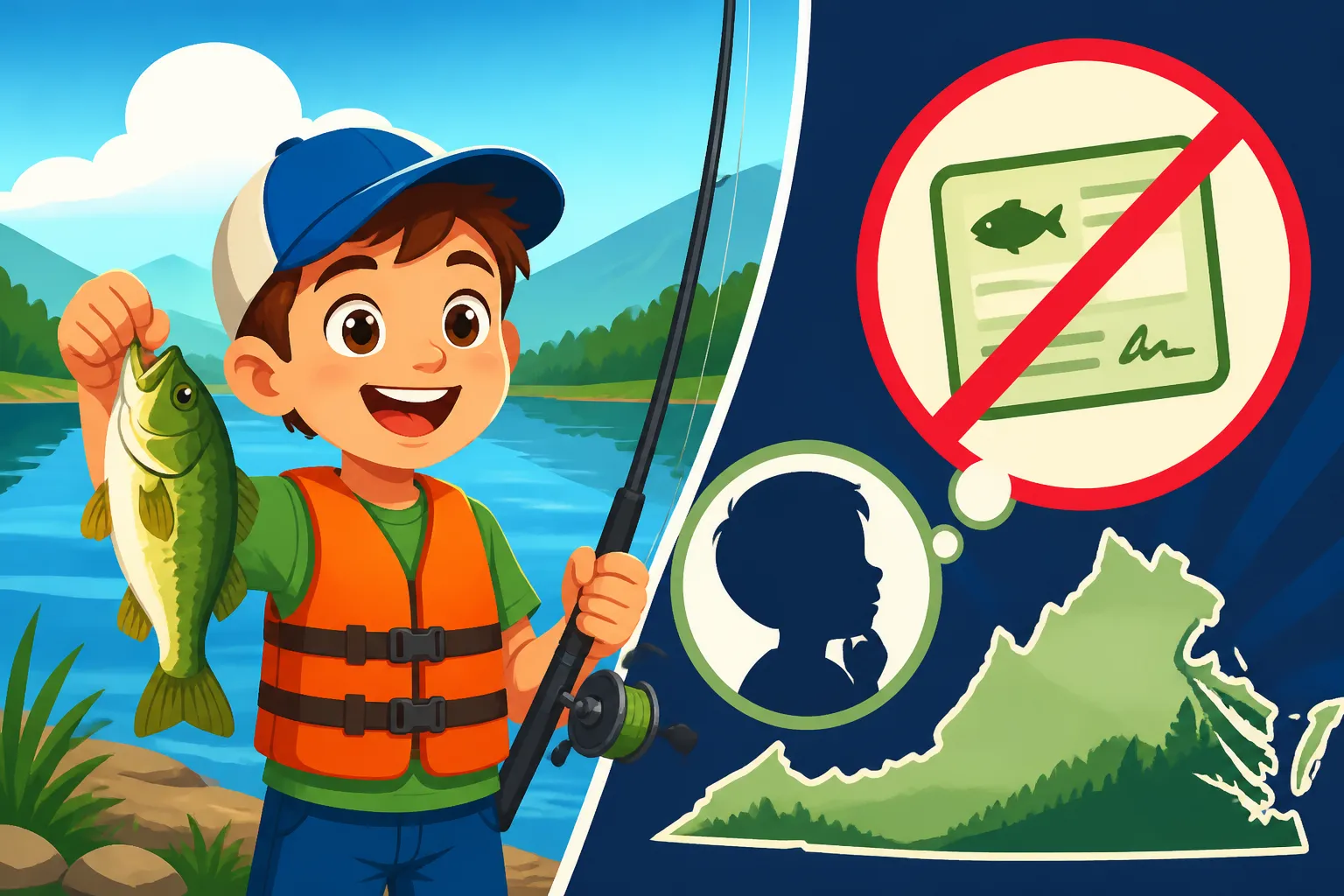
In Virginia, children are generally exempt from needing a fishing license up to a certain point. Specifically, any child under the age of 16 can fish in Virginia's public freshwaters and saltwaters without needing to purchase a fishing license. This rule is a fantastic encouragement for families to introduce their youngsters to the joys of fishing early on, making it incredibly accessible for those first exciting catches. Imagine a day at a local pond or casting into the Chesapeake Bay, and not having to worry about an extra piece of paperwork for your 10-year-old – that's the beauty of this exemption. It truly simplifies the process for families.
This exemption means that if you're planning a trip to a spot like Family-Friendly Fishing Spots in Virginia, you won't need to add a fishing license for your elementary or middle school-aged children to your checklist. It’s designed to remove barriers and make fishing a more natural, spontaneous activity for youth. Many states have similar provisions, recognizing that young people are the future of conservation and outdoor recreation, and making it easy for them to participate is a vital first step.
When a Child Can Fish Without a License
To reiterate, the primary rule is that individuals under 16 years of age do not need a freshwater or saltwater fishing license to fish in Virginia. This applies whether they are residents of Virginia or non-residents just visiting for a vacation. This blanket exemption is a huge relief for parents, scout leaders, or anyone looking to take a group of kids out for a day of angling. It means your 14-year-old can cast for bass in Smith Mountain Lake or try for flounder in the Chesapeake Bay alongside you, all without the need for their own official document.
Beyond the age exemption, there are also specific designated "Free Fishing Days" each year in Virginia, typically in June, where everyone – regardless of age – can fish without a license. For example, Virginia Free Fishing Days in June 2026 are a perfect opportunity to bring along older kids (16 and up) or even adults who might not normally fish, giving them a taste of the sport without the usual licensing requirement. These days are a fantastic public service by the DWR, encouraging broader participation and showcasing the rich angling opportunities Virginia has to offer. Just remember that all other fishing regulations, such as size and creel limits, still apply on these special days.
Why Virginia Has Age-Based Fishing License Rules
You might wonder why there's an age cut-off at all. Why not just let all kids fish free forever? Well, while the DWR is keen on fostering a love for fishing in youth, there's a practical and vital reason behind the licensing system, especially for older individuals. Fishing licenses aren't just pieces of paper; they are a fundamental part of Virginia's extensive conservation efforts and play a critical role in managing the state's diverse aquatic ecosystems.
Every dollar spent on a fishing license contributes directly to the health and sustainability of Virginia's fish populations and their habitats. This system ensures that the recreational opportunities we enjoy today will be available for future generations. It’s a way for anglers, including those who start young and eventually transition to needing a license, to actively participate in the stewardship of our natural resources.
Protecting and Funding Virginia's Fisheries
The funds generated from the sale of fishing licenses in Virginia are directly channeled back into programs that benefit fishing and wildlife. This includes critical activities like stocking fish, particularly popular species such as trout in designated streams and lakes, which ensures that there are always plenty of fish for anglers to pursue. These programs are vital for maintaining healthy populations, especially in waters that see heavy fishing pressure. You can learn more about how these fees contribute in articles like How Fishing License Fees Support Wildlife Conservation in Virginia.
Furthermore, license revenues support essential research and management efforts. Biologists monitor fish populations, study migration patterns, and assess habitat health to make informed decisions about catch limits, seasons, and other regulations. This scientific approach ensures that fishing remains sustainable, preventing overfishing and protecting vulnerable species. Without this funding, the robust fisheries that draw anglers to Virginia's Best Fishing Spots in Virginia would simply not thrive, impacting both the environment and the recreational opportunities for thousands.
Instilling Conservation Values Early
By having an age threshold for fishing licenses, Virginia isn't just collecting revenue; it's also subtly educating young anglers about their future responsibilities as stewards of the environment. While younger children fish for free, the transition at age 16 serves as an important milestone. It teaches them that with the privilege of fishing comes the responsibility to contribute to the resources they enjoy. This moment signifies a move from being a recipient of conservation efforts to becoming an active participant.
This approach helps instill a sense of ownership and responsibility. When a teenager buys their first fishing license, they are not just buying permission to fish; they are buying into the conservation ethic. It’s an unspoken agreement that says, "I value these resources, and I'm willing to contribute to their protection." This early exposure to the practical side of conservation ensures that the next generation of anglers understands the importance of obeying Virginia Fishing Regulations Explained and actively protecting our waters. It's about nurturing a lifelong commitment to the environment, beyond just the thrill of the catch.
Special Considerations for Young Anglers
While the basic age rule is straightforward, there are a few other scenarios and opportunities that can impact young anglers and their families. Knowing these can help you plan even better trips and avoid any unexpected surprises. Virginia's DWR tries to make fishing accessible and enjoyable for everyone, and these special considerations often reflect that commitment.
From designated free fishing days to specific rules for private ponds, understanding the nuances can enhance your family's experience. It’s all about creating positive memories and ensuring that the focus remains on fun and learning, rather than worrying about compliance.
Free Fishing Days: A Great Opportunity for Kids
As mentioned earlier, Virginia offers specific "Free Fishing Days" each year. These are fantastic dates to mark on your calendar, especially if you have older kids (16 and above) who would normally need a license, or if you're introducing friends or relatives to fishing. On these designated days, typically in early June, everyone—residents and non-residents alike—can fish in Virginia’s public waters without a state fishing license. This includes both freshwater and saltwater.
These days are not just for beginners; they’re an excellent opportunity for seasoned anglers to share their passion without worrying about the cost or hassle of extra licenses for their companions. It's a chance to explore new spots, try different techniques, or simply enjoy a stress-free day on the water. While the license requirement is waived, remember that all other fishing laws, such as creel limits, size restrictions, and gear restrictions, remain in effect. Always check the DWR website for the exact dates each year, as they can shift slightly.
Fishing on Private Waters with Kids
Another common question revolves around fishing on private property. What if you're visiting a friend with a pond, or staying at a cabin with private lake access? The rules for fishing on private waters can be a bit different, and it's important to clarify them before you cast a line, especially with children in tow.
Generally, if you are fishing in private waters located on private land that you own, or that you have permission to fish from the landowner, you or your child typically do not need a state fishing license. This usually applies to farm ponds or small lakes completely enclosed within private property. However, this exemption does not apply to waters that are publicly accessible, even if the shoreline is privately owned. For example, if you're fishing from a private dock on a large public lake like Lake Anna or Smith Mountain Lake, you and any licensed-aged children would still need a valid Virginia fishing license. It's crucial to understand the distinction between truly private, isolated waters and private access points to public waterways. When in doubt, it’s always best to err on the side of caution and check with the DWR or purchase a license.
How Tournament Rules Affect Junior Anglers
For kids who show a real passion for fishing, competitive angling can become an exciting next step. There are many youth fishing tournaments organized by local clubs, schools, and even national organizations like Bassmaster or The American Crappie Trail. But what about licenses for these junior anglers? The general rule regarding age exemptions still applies. If a child is under 16, they do not need a license to participate in a fishing tournament in Virginia, even if monetary prizes are involved.
However, once they turn 16, they are subject to the same licensing requirements as adult anglers. Some tournaments might also have additional rules or permits, especially if they are held on specific private reservoirs or involve unique species. For serious junior anglers, or parents looking into competitive fishing, it's always wise to check the specific tournament rules, as well as the Tournament Angler License Rules in Virginia for any special considerations. Most organizers are very clear about what is required for participants of all ages.
How to Get a Fishing License for Older Kids (When Needed)
So, your child has hit that magical age of 16, or perhaps they're just getting into fishing a little later in life, and now they need a license. Don't fret! Getting a fishing license in Virginia is a pretty straightforward process. The Virginia Department of Wildlife Resources (DWR) has made it quite convenient, offering several avenues for purchase to ensure that everyone can easily obtain the necessary documentation.
Whether you prefer the convenience of online shopping or the personal touch of an in-person transaction, Virginia offers options that cater to different preferences. Knowing these steps ensures a smooth transition from license-exempt fishing to being a fully licensed angler.
Online and In-Person Purchase Options
The easiest and often quickest way to purchase a Virginia fishing license is online directly through the DWR website. The process is streamlined, allowing you to select the appropriate license type (freshwater, saltwater, or a combination, and resident or non-resident options), enter the necessary personal information, and pay securely. You can often print a temporary license immediately, which is valid until your official license arrives in the mail, or simply carry a digital copy on your phone. This is incredibly handy if you decide last minute to head out to the water. Check out How to Buy a Fishing License Online in Virginia for a step-by-step guide.
For those who prefer a more traditional route, fishing licenses can also be purchased in person at various authorized license agents across the state. These agents include many sporting goods stores, bait and tackle shops, and some department stores. Places like Walmart, Dick's Sporting Goods, and smaller local tackle shops are common locations. You can use the DWR's online locator tool to find a Where to Buy a Virginia Fishing License near your home or preferred fishing spot. Purchasing in person allows you to get your physical license card immediately and often provides an opportunity to chat with local experts about current fishing conditions or hot spots.
Important Information for Juvenile License Applications
When an older child (16+) needs to apply for their first fishing license, or renew one, they will need some basic information. This typically includes their full name, date of birth, address, and proof of residency if applying for a resident license. For Virginia residents, a driver's license or state ID card is usually sufficient. Non-residents will simply indicate their out-of-state address. It's a good idea to have this information handy, especially if applying online, to make the process quick and seamless.
There are different types of licenses available, from annual freshwater or saltwater licenses to combination licenses that cover both. For younger anglers just starting out at 16, an annual license is often the most cost-effective if they plan to fish regularly throughout the year. If they only fish occasionally, shorter-term options like a 5-day freshwater or 10-day saltwater pass might be more suitable, but these typically apply to non-residents or specific scenarios. It's a good idea to explore all the options available in the Virginia Fishing License Guide to find the best fit for their fishing habits.
Encouraging a Love for Fishing in Young People
Getting kids hooked on fishing is one of the most rewarding experiences a parent or mentor can have. It’s not just about catching fish; it’s about teaching patience, appreciating nature, and creating lasting memories. While the license aspect is important, the true goal is to foster a lifelong passion for the outdoors.
Making fishing fun, providing the right tools, and leading by example are key components to inspiring the next generation of anglers. It’s an investment in their connection to nature and their understanding of conservation.
Making Fishing Fun and Educational
To truly engage kids, fishing needs to be an adventure, not a chore. Start with locations where success is likely. A well-stocked local pond or a calm section of a river where panfish or smaller bass are abundant can provide immediate gratification, which is huge for keeping a child's interest. The DWR often stocks certain ponds specifically for youth fishing, increasing the chances of a bite. Check out Simple Fishing Techniques for a Child's First Trip for some ideas on where to start.
Beyond the catch, incorporate educational elements in a fun way. Teach them about different fish species, explain why certain baits work best, or talk about the ecosystem of the water body. You can turn it into a game: "Who can spot the most turtles?" or "What kind of bird is that?" Pack plenty of snacks, drinks, and be prepared for breaks. Remember, a successful day isn't always measured by the number of fish caught, but by the smiles and the lessons learned. Encouraging catch and release for some fish also teaches responsible angling.
Essential Gear for Kids' Fishing Trips
Having the right gear makes a world of difference for young anglers. Starting with simple, user-friendly equipment is key. A spincast reel (the one with the button on the back) is often ideal for beginners because it's easy to cast and manage without tangles. Many brands like Shakespeare and Zebco make kid-specific combos that are brightly colored and perfectly sized for small hands. You can find a wide variety of these beginner-friendly rods and reels on Amazon or at local sporting goods stores.
Beyond the rod and reel, pack the essentials: a tackle box with simple hooks (barbless are great for beginners and catch-and-release), bobbers, sinkers, and a variety of bait. Live bait like worms or crickets are usually irresistible to panfish and offer immediate action. Don't forget a small cooler for drinks and snacks, sunscreen, insect repellent, a hat, and a first-aid kit. A small net can also be exciting for kids to help land their fish. For more ideas on what to pack and how to get them set up, look at Easy Fishing Techniques for Kids.
The Role of Adults in Mentoring Young Anglers
As adults, we play the most crucial role in shaping a child's fishing experience. Patience is paramount. Kids will get tangled lines, lose bait, and sometimes get bored. Your calm guidance and enthusiasm will set the tone. Teach them proper casting techniques, how to bait a hook, and how to safely handle and release a fish. Emphasize ethical angling practices, such as proper disposal of fishing line and respect for wildlife and other anglers.
Take the time to answer their questions, no matter how silly they might seem. Share your own fishing stories and let them tell theirs. Remember that your goal isn't just to catch fish, but to catch moments. These shared experiences foster bonds, build confidence, and impart valuable life lessons about nature, perseverance, and respect. Whether it's a quick trip to a local pier or a full day on the boat, your presence and guidance are the most important tools you can bring.
| Age Group | License Required (Virginia) | Typical Location | Recommended Activities | Key Takeaways |
|---|---|---|---|---|
| Under 16 | No | Public & Private | Exploring, trying different baits, learning to cast, identifying fish | Focus on fun, safety, and basic skills without license worries. |
| 16 and Older | Yes | Public | All fishing activities, including tournaments, deep-sea charters, and specialized fishing. | Responsible angling, understanding regulations, contributing to conservation. |
| All Ages (on Free Fishing Days) | No | Public | Introduction to fishing, trying new spots, family outings. | Great opportunity for all ages to fish license-free. |
| All Ages (on Truly Private Waters) | No | Private | Relaxed fishing, practicing techniques, enjoying secluded spots. | Ensure the water is truly private and not publicly accessible. |
Disclaimer
Please note that fishing regulations, license requirements, and fees can change. While this guide provides the most current information available, it is always best practice to consult the official Virginia Department of Wildlife Resources (DWR) website or contact them directly for the most up-to-date and specific regulations before your trip. This content is for informational purposes only and should not be considered legal advice.