Trout Fishing License Rules Explained
Navigating the world of Virginia fishing licenses can feel like trying to untangle a particularly stubborn knot in your fishing line, especially when it comes to trout. Many anglers, both seasoned and new, often wonder if a standard freshwater license is enough, or if there's some secret, extra permit needed to chase those elusive rainbow, brown, or brook trout. This guide is here to clear up all that confusion, walking you through the specific trout fishing license rules explained, so you can spend less time worrying about regulations and more time casting.
The Basics of Virginia Fishing Licenses for Trout
General Freshwater License Requirement
Okay, let's get the absolute fundamental out of the way first. If you're planning to drop a line in any freshwater body in Virginia, whether it's a tranquil pond, a sprawling reservoir, or a rushing river, you are almost certainly going to need a basic Virginia freshwater fishing license. This isn't specific to trout; it's the baseline requirement for pretty much all freshwater species, from bass and catfish to panfish. Think of it as your entry ticket to the vast majority of Virginia's inland waters. It's the first step every angler needs to take, ensuring you're legally permitted to engage in the sport.
This general freshwater license covers you for common species in typical lakes and rivers. However, where trout are concerned, things can get a little more nuanced. While your general freshwater license is a prerequisite, it doesn't automatically grant you permission to fish all trout waters or to keep trout in certain designated areas. The Virginia Department of Wildlife Resources (DWR) has specific programs and regulations designed to manage Virginia's trout populations, and these often come with additional licensing considerations. For anyone just starting out, understanding the nuances between a standard freshwater license and a specialized trout license is crucial to avoid any unexpected fines or legal troubles. You can find more comprehensive details in our Virginia Fishing License Guide.
When a Separate Trout License is Needed
Here's where the waters start to get a bit murkier for some anglers. While your general freshwater license is non-negotiable for freshwater fishing, Virginia has a separate, additional license specifically for trout fishing in designated "stocked trout waters." These are waters that the DWR actively manages by stocking hatchery-raised trout, often multiple times throughout the year, to enhance recreational fishing opportunities. These stocked trout programs are popular, especially in colder months, providing consistent fishing action when other species might be less active.
The cost for these stocking efforts is substantial, and that's why the DWR requires a separate trout fishing license, often called a "Trout License" or "Trout Permit," in addition to your basic freshwater license. This extra fee goes directly towards funding those stocking programs, ensuring that there are plenty of trout for everyone to enjoy. It's not about making things complicated; it's about sustaining a valued fishery. You'll typically need this additional permit if you're fishing in any stream, river, or lake that is publicly announced as a stocked trout water during the designated trout season. Failing to have both your basic freshwater license and the trout permit can lead to penalties, so it’s essential to be properly licensed before heading out.
Understanding Virginia's Stocked Trout Program
Stocked Trout Waters and Their Seasons
Virginia's DWR maintains an extensive list of waters designated as "stocked trout waters." These aren't just random streams; they are carefully selected and managed to provide consistent trout fishing opportunities. You'll find these waters across the state, from the mountain streams of Western Virginia to some lakes and ponds in more central regions. The key characteristic of these waters is that they receive periodic stockings of catchable-sized rainbow, brown, and sometimes brook trout. These stockings are usually heaviest from October through the mid-June period, often referred to as Virginia's stocked trout season.
During this season, anglers flock to popular spots like the Dan River, Mossy Creek, and various fee-fishing areas maintained by the DWR. These areas are specifically designed to offer high-probability fishing experiences, making them excellent choices for families or beginners looking to ensure some action. The specific stocking schedules are often published online by the DWR, allowing anglers to plan their trips around fresh stockings. It's a fantastic system that creates diverse opportunities, but remember, the privilege of fishing these abundant waters comes with the requirement of that special trout license. Understanding Virginia's Stocked Trout Season Runs from October to Mid-June can help you plan your trips.
Specific License for Stocked Trout Fishing
So, you've got your basic Virginia freshwater fishing license. Great! Now, if your sights are set on those stocked trout waters, you'll need to acquire the additional state trout fishing license. This is not a standalone license; it supplements your freshwater license. Think of it as an endorsement or an add-on. Without the base freshwater license, the trout license is invalid. This two-part requirement is critical for anyone planning to fish in designated stocked trout waters, especially if you intend to keep any trout you catch.
The Virginia DWR makes it pretty straightforward to get this additional permit. You can often purchase it at the same time and place you get your regular freshwater license, whether that's online, at a DWR agent, or even sometimes through outdoor retailers. This ensures that the revenue generated from these permits is earmarked directly for the trout stocking program, helping to maintain healthy populations for future generations of anglers. For details on Stocked Trout License Requirements in Virginia, check out our dedicated article.
Why a Special License for Stocked Trout?
Many anglers, especially those new to trout fishing, sometimes wonder why there’s an extra cost involved. It’s a fair question! The simplest answer is that trout stocking is expensive, and these specialized licenses help fund those costs. Raising thousands of trout in hatcheries, transporting them to various water bodies, and managing the logistics of stocking schedules requires significant resources. These operations are essential for maintaining recreational trout fishing opportunities in Virginia, particularly in waters that might not naturally support large wild trout populations due to habitat, temperature, or other environmental factors.
Without the revenue generated by the trout license, the DWR would struggle to provide the high-quality, put-and-take trout fisheries that are so popular. It's an investment in your fishing experience, ensuring that there are plenty of fish to catch, especially in areas where natural reproduction is limited. This system allows for more consistent catch rates and gives more people access to trout fishing, making it a sustainable model for the sport in Virginia. It's a critical component of the state's broader Virginia Fishing Regulations Explained, designed to balance angler enjoyment with conservation efforts.
Navigating Wild Trout Stream Regulations
Identifying Wild Trout Streams
Virginia is blessed with some truly pristine and beautiful wild trout streams, particularly in the mountainous regions. These are waters where trout populations – primarily native brook trout, but also some wild brown and rainbow trout – are self-sustaining, meaning they reproduce naturally without the need for hatchery stocking. Fishing in these wild trout streams offers a completely different experience than fishing stocked waters; it’s often more challenging, requiring greater skill and a deeper understanding of trout behavior and stream ecology. These waters are typically smaller, colder, and more remote, reflecting the specific habitat needs of wild trout.
The DWR meticulously identifies and designates these wild trout streams, often categorizing them as "Heritage Trout Waters" or simply "Wild Trout Waters." They are typically found at higher elevations in national forests, state parks, and other protected areas, where development is minimal and water quality is excellent. It’s crucial to know whether you’re fishing a stocked or a wild trout stream, as the regulations, including length limits and creel limits, can differ significantly. Always consult the DWR's official guides or local signage to confirm the status of the water you intend to fish. Our guide on Best Trout Streams in Virginia can help you identify these special places.
License Requirements for Wild Trout
Now for a pleasant surprise for some anglers: when you're fishing exclusively in designated wild trout streams, you generally do not need the separate state trout license. Your standard Virginia freshwater fishing license is usually sufficient. This is because these fisheries are self-sustaining; they don't rely on the hatchery programs funded by the trout license. The conservation efforts for wild trout focus more on habitat protection and strict harvest regulations rather than stocking.
However, and this is a big "however," it's absolutely vital to confirm the specific regulations for each individual stream you visit. Some wild trout streams might have special restrictions, such as "catch-and-release only" zones, "artificial lures only" rules, or unique length and creel limits. These are designed to protect the fragile wild populations. Always double-check the Virginia DWR regulations booklet or their website before heading out. While the need for the additional trout license might be waived, having your basic Virginia Resident Freshwater Fishing License Cost covered is still a non-negotiable must. You definitely don't want to get caught unprepared!
Catch and Release vs. Harvest in Wild Streams
The philosophy behind fishing wild trout streams often leans heavily towards conservation, which means catch-and-release is a common practice, and sometimes, a strict requirement. Many wild trout streams, particularly those with delicate native brook trout populations, are designated as "catch-and-release only." This means that every fish you catch must be immediately and carefully returned to the water, often with specific handling guidelines to minimize stress and injury. These regulations are paramount for preserving the genetic integrity and health of these precious wild populations.
Even in wild trout streams where some harvest is permitted, the regulations are typically much stricter than in stocked waters. You might encounter smaller creel limits (the number of fish you can keep) and sometimes a higher minimum length limit. For instance, Wild Trout Stream Rules in Virginia often specify a 7-inch minimum length and lower daily possession limits. The focus is on allowing a sustainable harvest while protecting the breeding stock. It's a delicate balance, and responsible anglers always adhere to these rules, appreciating the opportunity to fish for these truly wild gems. For proper catch-and-release techniques, many excellent resources, including books and tools like specialized nets, can be found on platforms like Amazon to help you minimize harm to the fish.
Special Considerations and Exceptions
Youth Anglers and Trout Fishing
Fishing is a wonderful way to introduce children to the outdoors, and Virginia makes it quite accessible for younger anglers. When it comes to fishing licenses in general, children under the age of 16 are exempt from needing a freshwater fishing license in Virginia. This is a fantastic policy that removes a barrier for families and encourages kids to get involved in the sport. So, if your child is under 16 and wants to try their hand at trout fishing, they won't need to purchase a basic freshwater license.
However, the specific rules for the additional trout license in stocked waters can sometimes cause a moment of pause. While the general freshwater license is waived, some sources and DWR information clarify that youth under 16 also do not need the additional trout license to fish in stocked trout waters. This is a common misconception, so it’s worth noting that the exemption often extends to the trout permit as well. Always double-check the most current DWR regulations, as rules can occasionally be updated, but generally, kids under 16 can enjoy trout fishing in Virginia without worrying about the permits. For a general overview, see our guide on Fishing License Rules for Kids in Virginia.
Senior Anglers and Trout Licenses
Virginia deeply values its senior citizens and offers some fantastic benefits for them, including special fishing license provisions. If you're a Virginia resident and 65 years of age or older, you are often eligible for reduced-cost or even free fishing licenses. Specifically, Virginia residents aged 65 and older can often obtain a Freshwater Fishing License for free. This is a huge perk for those who've enjoyed fishing their whole lives or are looking to pick up a new hobby in retirement.
Now, regarding the trout license, this is where it differs slightly from the youth exemption. While the freshwater license for seniors is free, the additional trout license is typically still required for resident seniors who wish to fish in stocked trout waters. However, there’s an important distinction: Virginia offers a lifetime freshwater fishing license for seniors (available free for those 65 and older), and for saltwater, a one-time $5 saltwater license for anglers over 65. The additional trout license is still a separate purchase, though it's often at a reduced rate or part of a combined senior package. Always confirm the current rates and options, as they can sometimes vary. For detailed information, check out our article on Free Fishing License for Virginia Seniors 65 and Older.
Free Fishing Days and Trout Waters
Imagine a few glorious days where you can fish almost anywhere in Virginia without needing any license. Sounds too good to be true, right? Well, it's not! Virginia annually designates several "Free Fishing Days," typically in early June, where residents and non-residents alike can fish in most public waters without a freshwater or saltwater fishing license. This is an incredible opportunity for beginners to try fishing for the first time, for families to enjoy a cost-free outing, or for experienced anglers to explore new waters without the upfront investment of a license.
During these free fishing days, the license requirement is generally waived for all fish species, including trout, in both stocked and wild trout waters. However, it's crucial to remember that while the license is waived, all other fishing regulations still apply. This means creel limits, length limits, gear restrictions, and season dates (where applicable) for trout fishing remain in full effect. You still need to know the rules for the specific body of water you're fishing. It's a fantastic chance to experience trout fishing without the license hurdle, but don't forget to pack your tape measure and consult the DWR's regulations to stay compliant with catch limits! For specific dates, look up Virginia's 2026 Free Fishing Days are June 5-7.
Where and How to Purchase Your Trout Fishing License
Online and In-Person Purchase Options
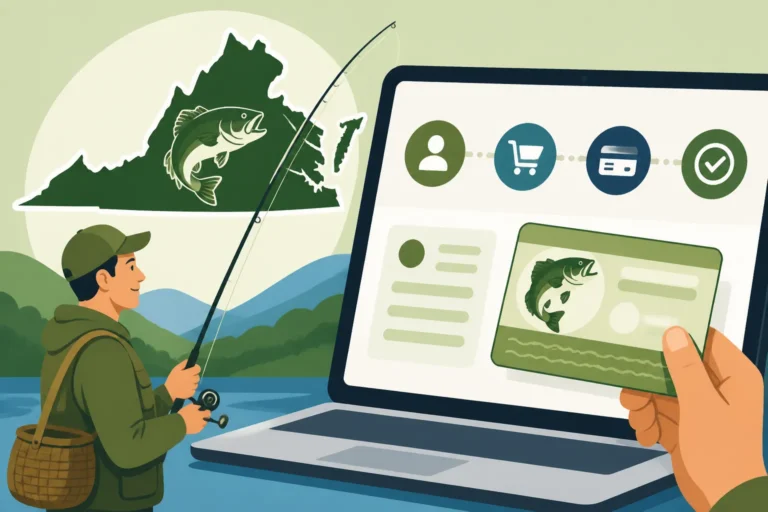
Getting your fishing license in Virginia is thankfully a pretty straightforward process these days, offering flexibility to suit almost anyone's preference. The most convenient method for many is purchasing online directly through the Virginia DWR website. Their portal is user-friendly and allows you to buy your general freshwater license and the specific trout license (if needed) quickly and efficiently from the comfort of your home. This is great for planning last-minute trips or for anglers who prefer digital convenience. You'll typically get an immediate confirmation, and often, a printable temporary license.
For those who prefer a more traditional approach or need some in-person assistance, Virginia also has a vast network of authorized license agents. These agents are typically local sporting goods stores, bait and tackle shops, Walmart locations, or county clerk offices scattered across the state. They can process your license purchase on the spot, print out your official license, and often provide valuable local fishing advice. It's a great way to support local businesses while ensuring you're compliant. Whichever method you choose, make sure you're getting your license from an official DWR source or authorized agent to avoid scams. Our How to Buy a Fishing License Online in Virginia guide provides a step-by-step walkthrough.
Digital vs. Physical License Proof
In today's digital age, the question often arises: do I need a physical copy of my license, or can I just show it on my phone? This is an important distinction to understand, especially when dealing with wildlife officers (game wardens) on the water. Many states, including Virginia, have embraced technology to make things easier. When you purchase your license online, you'll usually have the option to print a physical copy at home, and you'll also likely receive a digital version that can be stored on your smartphone.
The good news is that Virginia generally accepts electronic copies of your fishing license as valid proof. This means you can show your license on your smartphone or other mobile device if a game warden asks to see it. However, a word of caution: technology can fail. Batteries die, phones get dropped in the water, and signal can be non-existent in remote fishing spots. It's always a good idea to either carry a physical copy as a backup or, at the very least, have your license number written down somewhere safe. This small extra step can save you a lot of hassle and ensure you're always in compliance, even if your phone decides to take an unexpected swim. Carrying a waterproof bag, easily found on Amazon, for your phone and license is a smart move.
Penalties for Non-Compliance
Risks of Fishing Without Proper Licenses
Let’s be frank: fishing without the correct license in Virginia is simply not worth the risk. It might seem like a minor infraction, but wildlife regulations are in place for very important reasons—to manage fish populations, protect habitats, and ensure sustainable fishing for everyone. Getting caught without the required basic freshwater license, or without the additional trout license when fishing in stocked waters, can lead to significant consequences that will quickly outweigh any money you thought you were saving.
The immediate risk is a citation, which means a fine. These fines can range from moderate to substantial, depending on the severity of the offense and whether it's a first-time or repeat infraction. Beyond just the fine, an officer can also confiscate your fishing gear, and in some cases, even your catch. Repeated offenses could lead to more severe penalties, including the suspension of your fishing privileges. It's not just about the money; it's about respecting the rules that keep Virginia's fisheries healthy and enjoyable for all. Don't let a simple oversight turn a relaxing day on the water into a stressful and expensive one. You can read more about Penalties for Fishing Without a License in Virginia to understand the full implications.
How Wardens Enforce Regulations
Virginia's Department of Wildlife Resources employs dedicated and highly trained game wardens whose job it is to enforce all fishing and hunting regulations across the state. These officers are regularly patrolling rivers, lakes, streams, and coastal areas, often in places you might least expect them. They are not just looking for major violations; they conduct routine checks, and asking to see your fishing license is a fundamental part of their duties. Their presence is a vital part of ensuring that everyone is playing by the rules and contributing to the conservation efforts.
Wardens have the authority to approach anglers, request to see their licenses, and inspect any caught fish to ensure compliance with size and creel limits. They are professional and fair, but they are also serious about enforcing the law. They often use various methods to patrol, from marked patrol boats and vehicles to sometimes plainclothes observation in more remote areas. It's important to remember that they are there to protect the resource and ensure fair play. A simple "hello" and presenting your license when asked is usually all it takes for a smooth interaction. It is in everyone's best interest to be knowledgeable about Virginia Fishing Rules Every Angler Should Know. You can even grab a copy of the Virginia DWR regulations booklet, sometimes available for purchase on Amazon or at local retailers, to keep handy in your tackle box.
Here's a quick comparison of trout license scenarios in Virginia:
| Scenario | Basic Freshwater License Required? | Additional State Trout License Required? | Notes |
|---|---|---|---|
| Resident Angler (16-64) in Stocked Water | Yes | Yes | This is the most common scenario for general trout fishing in stocked areas. |
| Resident Angler (16-64) in Wild Stream | Yes | No | Your general freshwater license covers you, but always check stream-specific rules (catch & release, artificial lures only, etc.). See Difference between wild trout and stocked trout rules in Virginia for more. |
| Youth Angler (Under 16) in Any Trout Water | No | No | Great news for kids! They're generally exempt from both licenses, but still must follow all other regulations (size, creel limits). |
| Resident Senior (65+) in Stocked Water | No (Free Lifetime) | Yes | While the basic freshwater license is free for resident seniors, the additional trout license is typically still needed for stocked waters. |
| Resident Senior (65+) in Wild Stream | No (Free Lifetime) | No | Similar to regular anglers, their free lifetime freshwater license covers them. Still, heed stream-specific wild trout rules. |
| Non-Resident Angler in Stocked Water | Yes | Yes | Non-residents need to purchase both the non-resident freshwater license and the additional non-resident trout license. See Nonresident Freshwater Fishing License in Virginia for specific costs. |
| Non-Resident Angler in Wild Stream | Yes | No | Non-residents need their basic non-resident freshwater license, but not the additional trout license for wild streams. Still follow specific wild trout rules. |
| During Virginia Free Fishing Days | No | No | License requirements are waived for everyone, but all other fishing regulations (size, creel, gear, etc.) for that specific water body still apply. Mark your calendar for Virginia's 2026 Free Fishing Days are June 5-7! |
Disclaimer
Fishing regulations can change. While this guide provides comprehensive information, it is essential to consult the most current Virginia Department of Wildlife Resources (DWR) regulations guide before engaging in any fishing activity. Always verify specific rules, seasons, and limits for the waters you plan to fish.