Fishing License Rules for Kids in Virginia
It's a familiar scenario: you've packed the snacks, rounded up the kiddos, and you're headed to your favorite fishing spot, only to suddenly wonder, "Wait, does my child need a fishing license, or are they good to go?" The thought can hit you just as you're pulling out of the driveway, and it's a completely valid question! Navigating the ins and outs of fishing regulations, especially when it comes to age exemptions, can be a little confusing. This guide is here to clear up all that uncertainty, so you can focus on making those precious fishing memories with your young anglers in Virginia.
Understanding the Basics: Virginia's Youth Fishing License Exemptions
One of the best things about Virginia's fishing regulations is the emphasis on getting kids out on the water. The Department of Wildlife Resources (DWR) understands that fostering a love for the outdoors starts young, and they've made it incredibly easy for the newest generation of anglers to get their lines wet without a lot of red tape.
The Golden Age: When Kids Can Fish for Free
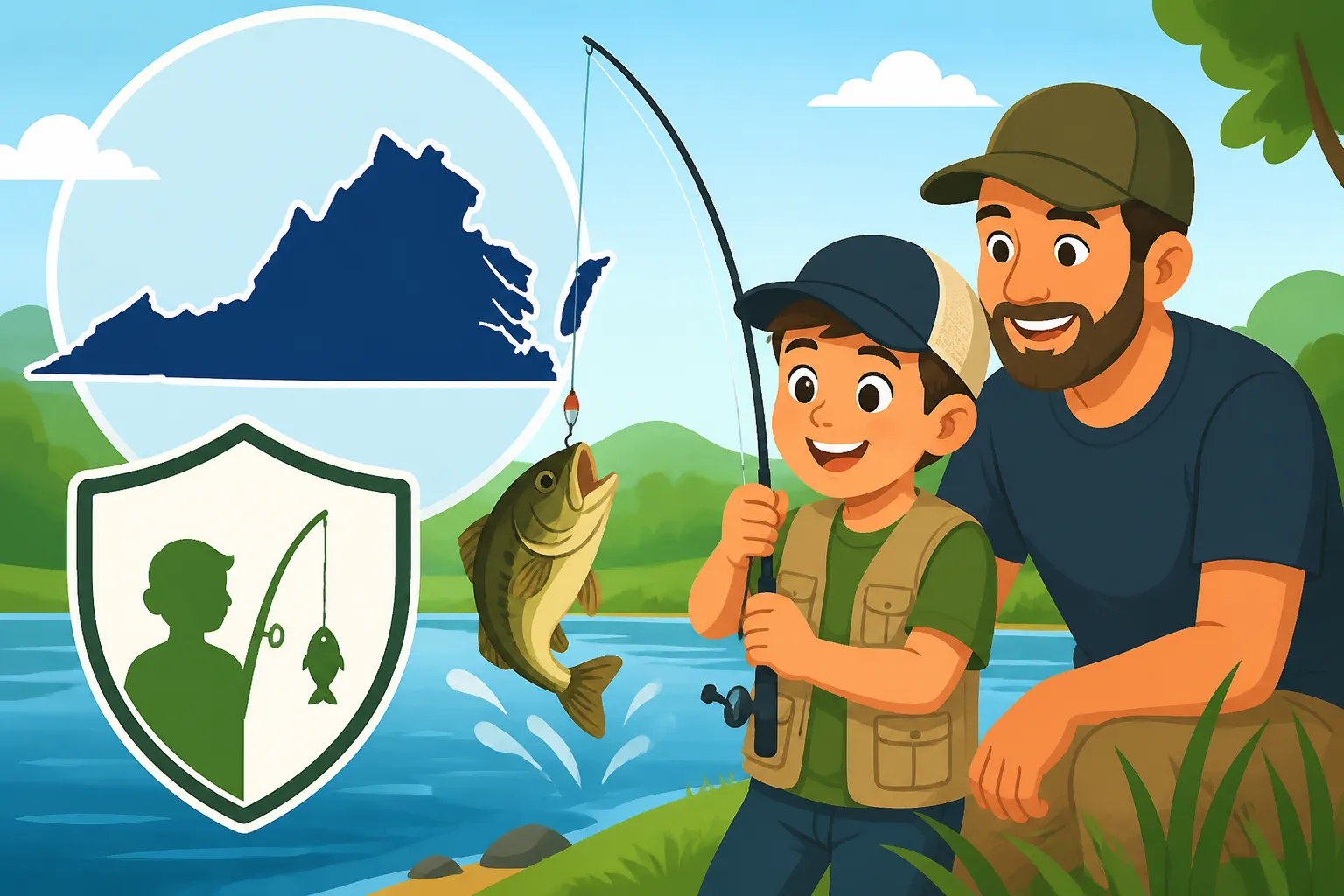
Here's the simple, wonderful truth for parents: In Virginia, children under the age of 16 do not need a fishing license to enjoy freshwater or saltwater fishing. This is truly the "golden age" of fishing freedom for youngsters, a fantastic initiative designed to reduce barriers and encourage families to embrace this timeless pastime. Imagine the excitement of your little one reeling in their first bluegill or croaker without you having to worry about an extra purchase or paperwork!
This exemption isn't just a loophole; it's a deliberate policy to make fishing accessible. Think about it: a family fishing trip with young children already involves packing a lot of gear, snacks, and patience. Adding the complexity and cost of a license for each child could easily deter families, especially those just starting out. By allowing kids under 16 to fish license-free, Virginia actively supports bringing new anglers into the fold. It's about planting the seed of appreciation for our natural resources and the joy of a quiet afternoon by the water. So, if you have a 5-year-old, a 10-year-old, or even a soon-to-be-16-year-old, rest assured that they can fish alongside you without needing their own official document. This applies whether you're dangling a worm in a local pond or casting into one of Virginia's scenic rivers. For a broader overview of state requirements, check out our guide on Do Kids Need a Fishing License to Fish?.
Freshwater vs. Saltwater: Do the Rules Change for Kids?
This is where some folks start to scratch their heads, wondering if the "under 16" rule is different depending on whether they're heading to a lake or the coast. The good news is that the core exemption remains consistent: kids under 16 are exempt from needing a fishing license for both freshwater and saltwater fishing in Virginia. This simplifies things immensely for families who enjoy both types of angling adventures.
However, there's a tiny nuance to be aware of for saltwater fishing. While a license isn't required for children, Virginia does have a Fisherman Identification Program (FIP) that requires anglers, including those exempt from a license, to register if they fish in saltwater. This program helps the DWR collect vital data on fishing effort, which is crucial for managing fish populations and ensuring sustainable fishing for everyone. For kids under 16, this FIP registration is also usually not required if they are fishing from a licensed pier, a charter boat that covers licenses, or simply recreationally from shore. Typically, if you, as the accompanying adult, have your saltwater license and are registered with the FIP, that covers the immediate group, especially minors. It’s always smart to double-check the latest Virginia Marine Resources Commission (VMRC) guidelines for FIP requirements, but generally, for casual youth fishing, the under-16 exemption is quite broad. So, whether you're trying your luck for catfish in the James River or casting for croaker in the Chesapeake Bay, your younger crew is largely in the clear!
What Happens When They Turn 16? Transitioning to an Adult License
The day they turn 16 can feel like a big milestone for a lot of reasons, and for aspiring anglers, it marks the time when they officially join the ranks of licensed fishermen. This transition is important, not just for compliance but for fostering a sense of responsibility and contributing to conservation efforts.
The Sweet Sixteen Milestone: Getting Their First License
Once your child blows out those 16 candles, they're no longer considered a "youth" in the eyes of Virginia's fishing regulations. At this point, they will need to purchase the appropriate fishing license to continue fishing legally. This isn't a punitive measure; it's part of becoming an adult angler and contributing to the conservation programs that stock fish, maintain boat ramps, and protect aquatic habitats. The funds generated from license sales directly support the DWR's vital work.
The type of license they'll need depends entirely on where they plan to fish. If their passion lies in the lakes and rivers of Virginia, a Virginia Resident Freshwater Fishing License Cost will be their go-to. If they're drawn to the saltwater opportunities of the Chesapeake Bay or the coast, they'll need a Virginia Resident Saltwater Fishing License Cost. For those who love the best of both worlds, a Virginia Resident Combination Fishing License Price is often the most cost-effective and convenient choice, covering both freshwater and saltwater angling. The process for getting this first license is straightforward, much like an adult acquiring one. They can get it online through the DWR website, visit a local license agent, or even mail in an application. You can find more details on How to Get a Fishing License in Virginia or Where to Buy a Virginia Fishing License.
Planning Ahead: Avoiding a Last-Minute Scramble
Nobody wants to get to their favorite fishing spot, rods in hand, only to realize that their newly 16-year-old is technically fishing illegally. Planning ahead is key to a stress-free transition. A great idea is to have a conversation with your teenager a few weeks or even months before their birthday. Explain why fishing licenses are important – that the money goes directly to protecting the fish and places they love to explore. This helps them understand that it's not just a rule, but a contribution to their hobby.
You can make it a joint effort. Sit down together and explore the DWR website to look at the different license types and prices. Many teenagers are quite tech-savvy, so they might even enjoy the process of learning How to Buy a Fishing License Online in Virginia. Consider making their first fishing license a birthday gift! It's practical, meaningful, and sets them up for many more years of legal and enjoyable angling. Having a valid license ready before their first trip as a 16-year-old will prevent any awkward encounters with game wardens and ensure they can focus on the fishing itself. Remember, Penalties for Fishing Without a License in Virginia can be costly, so it's always better to be prepared.
Beyond the License: Other Important Rules for Young Anglers
While the license exemption for kids under 16 is a huge plus, it's critical to remember that not all rules vanish with it. Kids, just like adults, are still expected to follow the core regulations designed to protect fish populations and ensure fair chase. These are excellent opportunities to teach them about conservation and responsible angling practices.
Catch Limits and Size Restrictions: Teaching Responsible Fishing
This is a really important point that sometimes gets overlooked. Even if your child doesn't need a license, they absolutely must adhere to all catch limits, size restrictions, and season dates that apply to the species they are targeting. For instance, if you're out bass fishing and the statewide daily limit is five bass, your child cannot keep more than five bass. Similarly, if there's a 12-inch minimum length limit for largemouth bass, they can't keep a bass shorter than that, even if they're only eight years old.
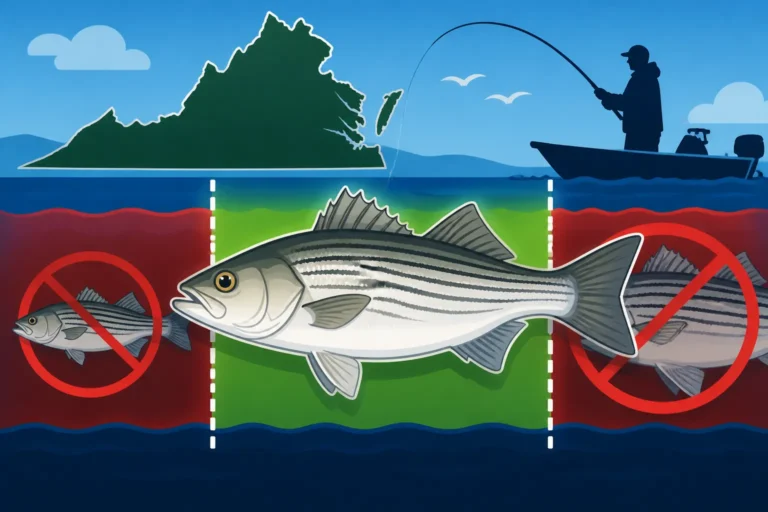
Teaching children about these rules instills a crucial understanding of conservation from a young age. It's not just about what you can catch, but what you should catch and keep responsibly. Imagine you're at Lake Anna, and your child catches a beautiful striped bass. If the Striped Bass Season and Slot Limit in Virginia specifies a slot limit of 28 to 31 inches, and their fish measures 26 inches, it goes back into the water. This provides a tangible lesson in responsible angling. Discussing why these rules exist – to allow fish to grow, reproduce, and maintain healthy populations – turns a regulation into a valuable teaching moment. You can explore our comprehensive Virginia Fishing Regulations Explained guide for all the specifics.
Special Permits and Trout Stamps: When Extras Are Needed
While the general license exemption is broad, there are specific circumstances where additional stamps or permits might come into play, even for young anglers who are old enough to require a license. The most common one that comes to mind is the Virginia Inland Fee Fishing License, often called a "trout license" or "trout stamp," for fishing in designated stocked trout waters.
If your child is 16 or older and wants to fish in one of Virginia's many beautiful stocked trout streams or lakes, they will need not only their regular freshwater fishing license but also a Virginia Freshwater Trout License in addition. This is a separate purchase that supports the DWR's extensive trout stocking program. It's easy to forget this extra step, but imagine the disappointment of catching a limit of rainbow trout only to realize you can't legally keep them! This is a good opportunity to talk about how different fish species require different management efforts and funding. So, when planning a family trout trip, if your teen is 16 or older, remember to check Stocked Trout License Requirements in Virginia to ensure they have all the necessary paperwork.
Table: Virginia Youth Fishing License Requirements at a Glance
| Age Group | Freshwater License Required? | Saltwater License Required? | FIP Registration (Saltwater) | Trout License (Stocked Waters) | General Catch/Size Limits Apply? |
|---|---|---|---|---|---|
| Under 16 | No | No | Generally No | No | Yes |
| 16 and Older | Yes | Yes | Yes | Yes (if fishing stocked trout) | Yes |
Note: FIP registration is generally covered by an accompanying licensed adult or charter for minors. Always verify current DWR and VMRC regulations.
Making Fishing Accessible: Resources and Exceptions for Families
Virginia's DWR goes above and beyond to make fishing accessible and enjoyable for everyone, especially families. Beyond the basic license exemptions, there are specific programs and options designed to encourage participation and simplify the angling experience.
Virginia's Free Fishing Days: A Perfect Opportunity
If you're looking for the absolute easiest, most stress-free way to introduce your kids to fishing – or even just to enjoy a license-free day yourself – Virginia's Free Fishing Days are your golden ticket. Each year, typically in early June, the DWR designates a weekend where no fishing license is required for anyone, resident or non-resident, to fish in the fresh or tidal waters of Virginia. This means that for those specific days, even adults don't need a license, making it a fantastic opportunity for the entire family to enjoy the sport without any of the usual licensing considerations.
These days are truly special, a chance to gather your gear, pack a picnic, and head to a local pond, riverbank, or pier without a second thought about permits. It’s the perfect time to try out new spots, maybe visit a state park with fishing access, or simply spend quality time outdoors. It removes any lingering confusion about age requirements or types of licenses, allowing you to focus purely on the joy of the catch. Mark your calendars for Virginia Free Fishing Days in June 2026 and plan a family outing around them! It’s an ideal time to get new rods and reels from Amazon or a local shop, and put them to the test.
Group Trips and Chartered Adventures: License Included?
For families dreaming of a bigger fishing adventure, like chasing striped bass in the Chesapeake Bay or targeting trophy fish on a large lake, a fishing charter or guided trip can be an excellent option. One of the often-unspoken perks of booking such an experience is how it handles fishing licenses, especially for children who might be turning 16 soon or are already over that age.
Many reputable fishing charters, particularly those operating in saltwater, include the necessary licenses for all paying passengers as part of the trip cost. This means if you book a Chesapeake Bay Fishing Charters in Virginia, the captain will typically hold a blanket license that covers everyone on board. This is a huge convenience, as it removes the burden of individual license purchases and ensures everyone is compliant. However, it is absolutely crucial to confirm this detail with your charter captain when you book. Don't assume anything; simply ask, "Does your charter cover all necessary fishing licenses for my family, including my 16-year-old?" Most captains are happy to clarify. For freshwater guided trips, like those on Smith Mountain Lake, the policy might vary, so always confirm with your specific guide. This can be especially helpful if you're planning a trip with a mix of ages and don't want to worry about each person's individual Virginia Fishing License Requirements for Residents and Nonresidents. It’s a common question, and you can delve deeper into it with our article, Do you need your own license for a charter trip?.
Practical Advice for Parents: Fostering a Love for Fishing
As parents, our role in fostering a love for fishing in our children goes far beyond just getting them to the water. It involves teaching them, equipping them, and setting a positive example. These elements are crucial for creating lifelong anglers and responsible stewards of our natural world.
Education Over Enforcement: Turning Rules into Learning Moments
It's easy to view fishing regulations as a dry list of rules to follow to avoid a fine. But with children, especially when they're learning, it's a golden opportunity to turn these regulations into valuable learning moments about conservation and respect for nature. Instead of simply stating, "You can't keep that fish, it's too small," explain why it's too small. Talk about how smaller fish need to grow larger to reproduce, ensuring there will be more fish for future generations. "We're putting this little one back so it can grow big and strong and make more fish for us to catch next year!"
When it comes to the license itself, as your child approaches 16, discuss the "why" behind it. Explain that the money from fishing licenses helps stock fish, manage habitats, and enforce the rules that protect the resource. Show them how their future license purchase directly contributes to the health of the very waters they love to fish. Leading by example is also incredibly powerful. Always ensure you, as the adult, have your own valid Virginia Fishing License Guide when you're fishing. Children absorb more than we think, and seeing you follow the rules diligently will teach them to do the same.
Gearing Up: Essential Equipment for Young Anglers
Having the right gear makes a world of difference in a child's fishing experience. Nobody wants to wrestle with a complicated reel or a rod that's too heavy. Investing in age-appropriate, easy-to-use equipment can significantly reduce frustration and amplify the fun. For very young children, a simple spincast combo is perfect. These reels are incredibly easy to cast and retrieve, making them ideal for beginners. Brands like Zebco and Ugly Stik make excellent, durable options that can be found at local sporting goods stores or easily ordered from Amazon.
As they grow, they might transition to a spinning reel setup, which offers more versatility. A basic tackle box filled with essential items like bobbers, sinkers, hooks (always barbless or crimped barbs for beginners to make release easier), and a few simple lures like small spinners or plastic worms is a great start. Don't forget a small pair of pliers for hook removal and a measuring tape to practice those size limits! A comfortable life vest is also non-negotiable, especially when fishing near open water or from a boat. Many fishing books for kids are also available on Amazon, which can deepen their interest in different fish species or techniques. Making sure their gear is functional and fun will keep them engaged and eager for the next fishing adventure.
Disclaimer
Please remember that fishing regulations can change. While we strive to provide the most accurate and up-to-date information, it is always your responsibility to consult the official Virginia Department of Wildlife Resources (DWR) and Virginia Marine Resources Commission (VMRC) websites or publications for the latest rules and regulations before heading out on your fishing trip.