Do You Need Your Own License for a Charter Trip?
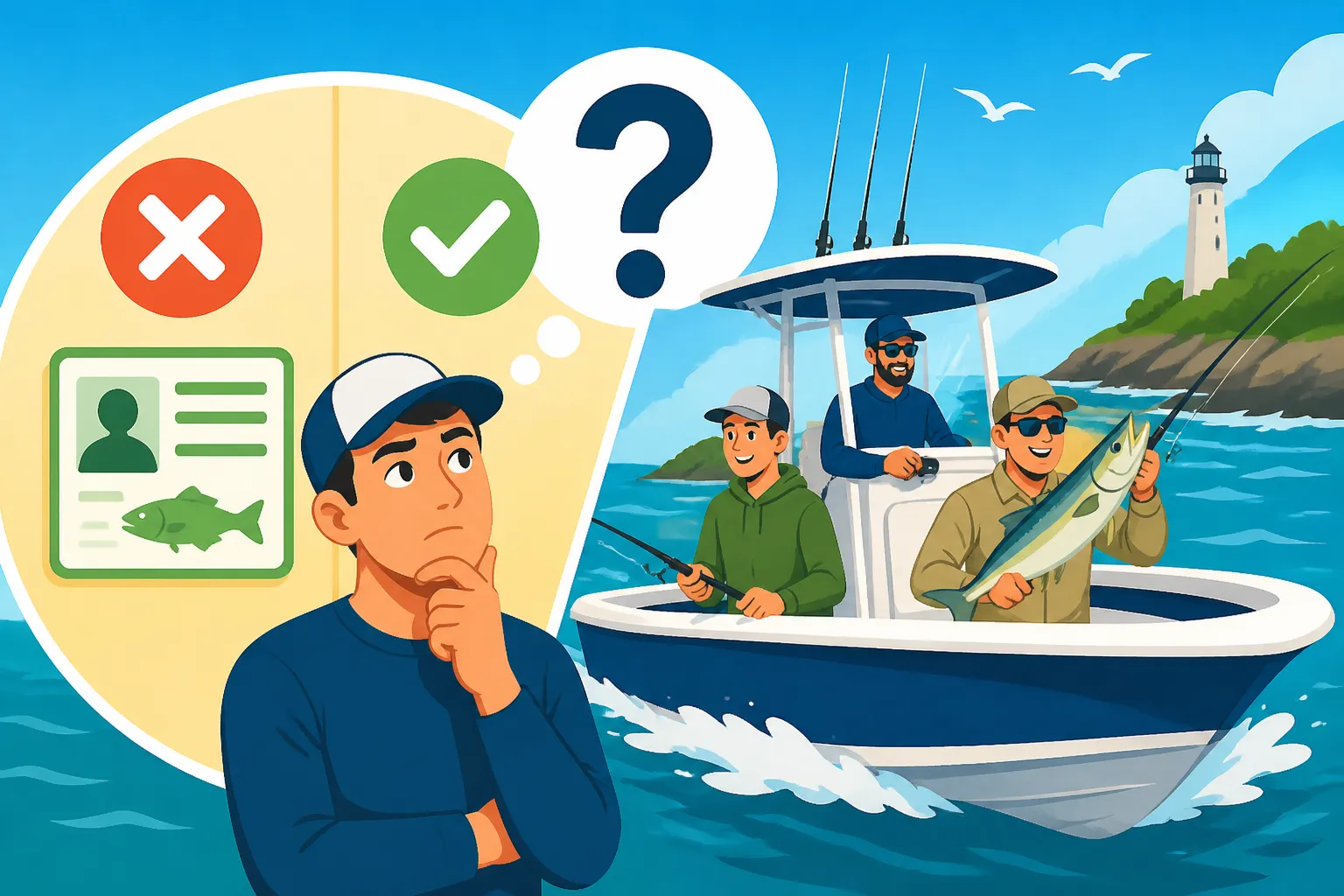
One of the biggest questions that pops into every angler's mind when they're planning a fishing trip, especially if they're looking to book a charter, is "Do I really need my own fishing license?" It's a valid concern, because nobody wants to get caught unprepared or, worse, face a penalty for something they genuinely didn't understand. The good news is, for many Virginia fishing charters, the answer is often simpler than you might think. This guide will walk you through exactly what to expect when it comes to fishing licenses on guided trips in Virginia, clearing up the confusion so you can focus on the excitement of the catch.
The Common Question: Do Charters Cover Licenses?
It’s completely understandable why this question comes up so often. You’re already paying for a charter trip, which includes the boat, the captain’s expertise, and usually all the gear and bait. It feels like a package deal, and naturally, you’d assume a fishing license might be part of that package. For many, the idea of having to navigate state regulations and purchase a separate license on top of the charter fee can feel like an extra hurdle, especially for visitors who aren't familiar with Virginia's specific requirements.
General Rule of Thumb for Charter Fishing
In most cases, when you book a legitimate, licensed fishing charter or guide service, especially for saltwater trips, you will not need to purchase an individual fishing license yourself. This is a huge relief for many anglers, particularly those visiting from out of state or new to the sport. The captain or guide operates under what's often referred to as a "for-hire" license or a commercial vessel license. This overarching license covers everyone on board for the duration of that specific charter trip. It’s designed to make things easier for both the anglers and the charter operator, streamlining the process so everyone can enjoy the experience without administrative headaches.
Think of it like this: when you go whitewater rafting with a commercial outfitter, you don't typically need your own special permit to be on the river. The outfitter has the necessary commercial licenses that cover their operation and, by extension, their paying clients. Fishing charters often work similarly, particularly for ocean or bay excursions where the boat itself is extensively regulated. This means less paperwork for you and more time to anticipate the big one!
Why This Rule Exists: The Captain's Master License
The reason most charter trips don't require you to buy an individual license is rooted in the captain's credentials. Charter captains, especially those operating in saltwater, typically hold a U.S. Coast Guard Master's License, along with other state-specific commercial fishing permits and licenses for their vessel. These aren't just boat-driving certifications; they encompass the legal right to take paying passengers fishing. Part of that legal right often includes a blanket fishing license that extends to everyone actively fishing from their vessel for the duration of the trip. This is crucial because it ensures that everyone on board is legally covered without needing to buy separate, potentially confusing, individual licenses.
These master licenses and commercial permits are often quite expensive and require rigorous testing and documentation, so it’s not just a casual formality. They ensure the captain is knowledgeable about navigation, safety, and local fishing regulations. This comprehensive licensing structure is designed to promote safe, legal, and sustainable fishing practices, while also simplifying the experience for customers. The fee you pay for the charter helps cover the significant investment the captain makes in these licenses and permits, allowing you to simply show up and fish. It’s one of the often-unseen benefits of booking a professional guide.
Virginia's Specific Fishing License Requirements for Charters
While the general rule of thumb applies broadly, it's always smart to understand the nuances, especially when it comes to state-specific regulations like those in Virginia. The Commonwealth has clear guidelines that largely follow the standard practice, but there can be slight differences depending on whether you're heading out into the vastness of the Chesapeake Bay or casting lines in a tranquil inland lake. For most recreational anglers, knowing these distinctions can prevent any last-minute surprises.
Saltwater Charter Operations
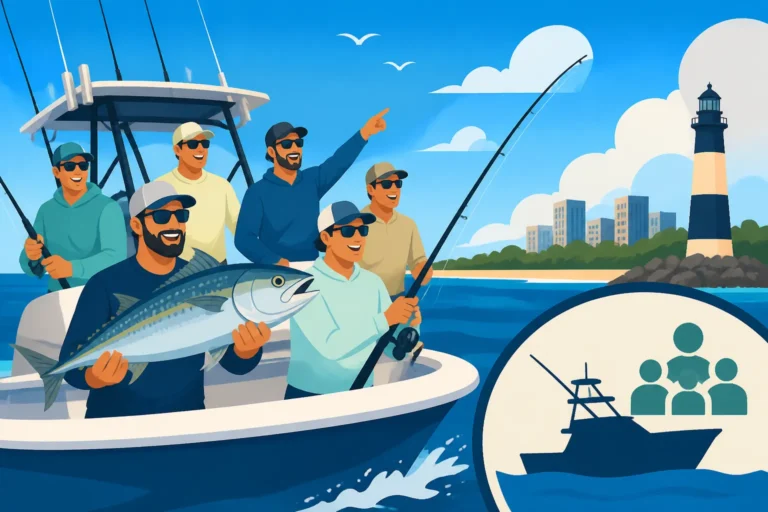
For saltwater fishing charters in Virginia, operating primarily in the Chesapeake Bay or out into the Atlantic Ocean, the good news holds true: your individual Virginia saltwater fishing license is almost certainly included in your charter fee. The captain's commercial "for-hire" license, often combined with a Virginia Recreational Saltwater Fishing License for the vessel, covers everyone on board. This makes booking a trip out of places like Virginia Beach or along the Eastern Shore incredibly convenient. You literally just show up, board the boat, and start fishing without a second thought about permits.
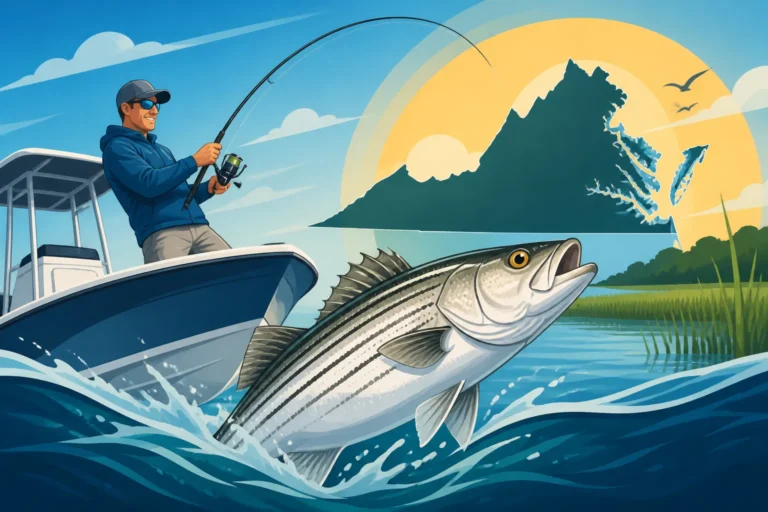
This coverage is designed to allow visitors and residents alike to enjoy the incredible saltwater fishing Virginia offers, from targeting trophy striped bass (often called "rockfish" here) to flounder, red drum, and cobia, without the hassle of purchasing a separate license. It's a huge perk, especially if you're only in the area for a short vacation and don't want to buy an annual license. However, even with this convenience, it's always a good practice to quickly confirm with your captain when you book your Virginia Fishing Charters and Guides: The Complete Guide trip. Most reputable charter services will explicitly state this on their website or when you call to inquire.
Freshwater Guide Trips
Now, freshwater fishing guides in Virginia sometimes operate a little differently than their saltwater counterparts. While many freshwater guides also carry special commercial licenses that cover their clients, it’s not always a universal given, especially on smaller, more independent guide operations. For instance, a fly fishing guide taking you out on the Shenandoah River for smallmouth bass or trout might operate under different regulations than a captain running a large boat on the Chesapeake Bay.
Some freshwater guides might operate under a blanket commercial license that covers their clients, similar to saltwater charters. However, it's not uncommon for some independent freshwater guides to require their clients to possess their own valid Virginia freshwater fishing license. This distinction is crucial because freshwater licenses often have specific endorsements, like a trout stamp, if you plan on fishing designated stocked trout waters. Therefore, for freshwater trips, it is imperative that you confirm the license requirements directly with your guide when you're booking. Don't assume; always ask. This ensures you're fully prepared, whether you're targeting bass on Smith Mountain Lake or trout in a mountain stream. Knowing the rules for Virginia Fishing License Requirements for Residents and Nonresidents is always a good idea, even when charter fishing.
What Your Charter Fee Usually Covers (and Doesn't)
When you hand over your hard-earned money for a fishing charter, you're not just paying for a boat ride. You're investing in an entire experience designed for success and enjoyment. Understanding what's included and what's not helps manage expectations and ensures you have everything you need for a fantastic day on the water. It’s about more than just getting to the fish; it’s about the full support system the charter provides.
Inclusions: Gear, Bait, and Expertise
The beauty of a fishing charter is that it typically takes care of almost everything you need to catch fish. Beyond the vessel itself and, as we've discussed, often your fishing license coverage, here's what you can almost always expect to be included:
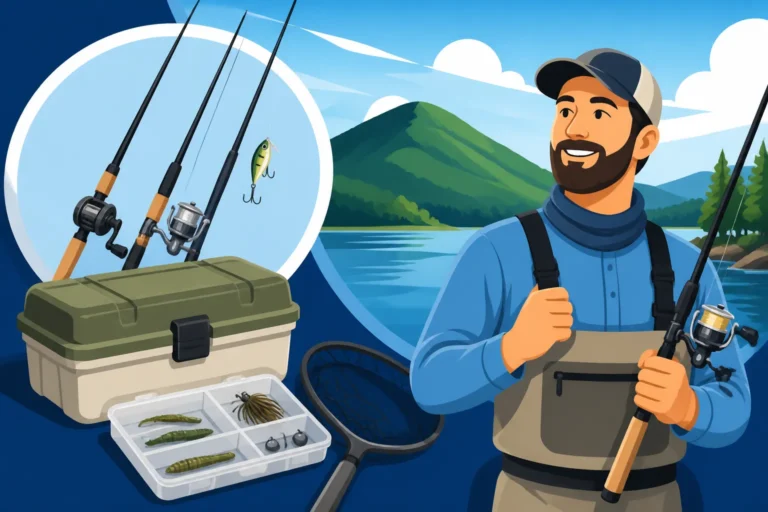
- Rods and Reels: High-quality, well-maintained fishing tackle suited for the target species. This means you don't have to worry about bringing your own gear or if it's appropriate for the type of fishing you'll be doing.
- Bait and Lures: Whether it's live bait, fresh cut bait, or an array of artificial lures, your captain will have a supply of whatever is working best on that particular day. They know what the fish are biting!
- Safety Equipment: Life jackets, first-aid kits, navigation equipment, and other safety gear are mandated by the Coast Guard and are always on board.
- Fuel: The cost of fuel, which can be substantial for a day of searching for fish, is part of your charter fee.
- Captain's Expertise: This is arguably the most valuable inclusion. Your captain brings years, sometimes decades, of local knowledge, understanding of fish patterns, navigation skills, and fishing techniques. They know where the fish are, what they're biting, and how to get them in the boat. This invaluable insight dramatically increases your chances of a successful trip. Booking through a platform like FishingBooker often highlights guides' experience and specialties.
- Fish Cleaning: Many charters offer to clean and fillet your catch at the end of the day, making it easy for you to take home fresh seafood.
These inclusions mean you can arrive at the dock relatively unburdened, ready to focus purely on the fishing itself. The preparation is already handled, allowing for a seamless transition from land to water. It makes the entire process incredibly user-friendly, especially for beginner anglers or those who don't own their own extensive fishing setups.
Exclusions: What You Might Still Need
While charters cover a lot, there are a few things you'll almost always need to bring yourself. These are typically personal items that ensure your comfort and enjoyment throughout the day. Forgetting them won't necessarily ruin your trip, but remembering them will certainly enhance it!
Here's a list of common exclusions to consider:
- Food and Drinks: Pack a cooler with your favorite snacks, sandwiches, and beverages. Most charters don't provide meals, though some might offer bottled water.
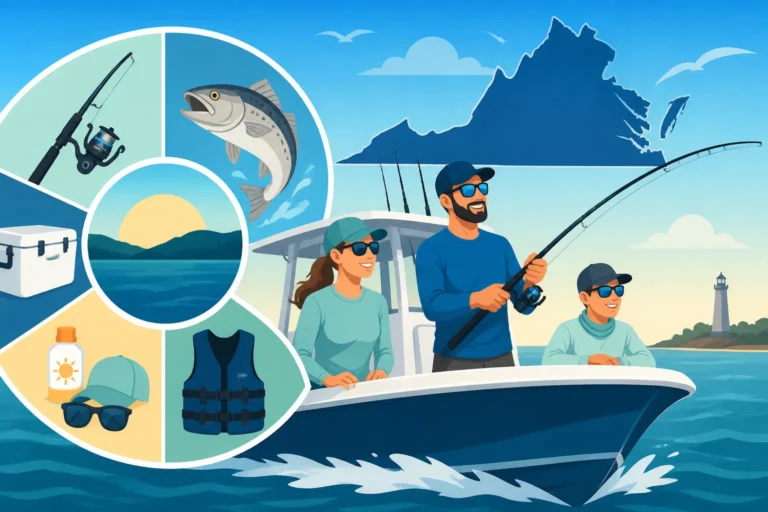
- Sun Protection: Sunglasses, a wide-brimmed hat, and plenty of sunscreen are essential. The sun's reflection off the water can be intense, even on cloudy days.
- Appropriate Clothing: Dress in layers! It can be chilly on the water in the morning, warm in the afternoon, and then cool down again. Non-skid shoes are also a must.
- Cooler for Your Catch: If you plan on keeping your fish, bring a separate cooler to transport your fillets home. The boat will have a cooler for the day's catch, but you'll need one for your journey back.
- Rain Gear: A lightweight rain jacket or poncho is always a good idea, even if the forecast looks clear. Weather can change quickly on the water.
- Camera: To capture those memorable moments and your prize catches!
- Gratuity for the Crew: While not mandatory, it is customary and highly appreciated to tip your captain and mate for their hard work. A good rule of thumb is 15-20% of the charter fee, especially if they went above and beyond. This is standard across the industry, whether you're on a Virginia Beach Fishing Charters and Trip Costs trip or a smaller local guide.
- Specialty Stamps/Permits: In very rare freshwater instances, if your guide doesn't cover licenses and you plan to fish for something like trout, you might need a separate trout stamp on your personal license. Always confirm with your guide beforehand.
Being prepared with these personal items ensures your day is as comfortable and stress-free as possible. The captain and crew handle the fishing; you handle your personal comfort.
When You Might Still Need Your Own Virginia Fishing License
While the general rule is that your charter captain's license covers you, there are a few specific scenarios where you might still need your own valid Virginia fishing license. These are exceptions rather than the norm, but they're important to understand to avoid any missteps. Thinking about Virginia Fishing Regulations Explained can help here.
Targeting Specific Species or Special Waters
Sometimes, particular types of fishing or specific locations have unique licensing requirements that even a general charter license might not fully encompass. For example:
- Designated Trout Waters: If you're on a freshwater guide trip specifically targeting trout in designated stocked trout waters, and your guide's commercial license doesn't specifically cover this, you might need your own Virginia freshwater fishing license and a special trout license or stamp. These waters often have specific seasons and catch limits, and the DWR wants to ensure all anglers are accounted for. This is less common with charter captains but more prevalent with smaller, specialized freshwater guides.
- Federal Waters: While most Virginia charters stick to state waters, some offshore trips might venture into federal waters, which could, in some specific and rare instances, introduce additional requirements depending on the target species. However, reputable offshore charters are usually well-versed in these rules and will inform you if anything extra is needed.
- Crabbing or Shellfishing: If your charter trip also includes crabbing, clamming, or oystering, separate recreational crabbing or shellfishing licenses might be required, even if your fishing is covered. Always clarify the full scope of activities with your charter operator. Do you need a fishing license for crabbing? is a good question to ask.
It really boils down to having a clear conversation with your charter operator when you book your trip. They are the experts on the local regulations and will be able to tell you definitively if any additional permits are necessary for the specific type of fishing you're planning.
Fishing Before or After the Charter Trip
This is a very common scenario where anglers can get caught out. The charter captain's license only covers you while you are actively fishing from their vessel during the booked trip. It does not magically grant you a personal fishing license for the entire day or duration of your vacation.
So, if you decide to:
- Cast a line from a public pier before your morning charter.
- Try your luck from a beach or shore after your afternoon trip.
- Fish from a rental boat or kayak on a different day.
- Wade into a river or stream on your own.
In any of these instances, you will need your own valid Virginia fishing license for the appropriate water type (freshwater or saltwater). Many anglers coming for a charter might spend a few extra days in Virginia and want to explore other fishing opportunities independently. If that's your plan, be sure to pick up your own license. You can usually get them online through the Virginia Department of Wildlife Resources (DWR) website, at a local sporting goods store, or even some bait and tackle shops. For more details, check out Where to Buy a Virginia Fishing License. Don't let the convenience of a charter trip make you forget the rules for your solo adventures!
Youth Anglers and Special Permits
Virginia has specific rules for youth anglers when it comes to fishing licenses, and these generally apply whether they are on a charter or fishing independently. In Virginia, children under the age of 16 typically do not need a fishing license to fish. This is fantastic news for families looking to introduce their kids to the joys of fishing.
This exemption applies to both freshwater and saltwater fishing. So, if you have a child under 16 joining you on a charter trip, they generally won't need their own individual license, even if the adults needed one in a specific freshwater scenario. The charter captain's license would cover the adults, and the state's age exemption would cover the kids.
However, if you're ever in doubt, or if there's any question about very specific situations like special youth tournaments or unique regulations, it's always best to ask your charter captain or guide directly. They will know the most up-to-date rules for young anglers. Learning about Fishing License Rules for Kids in Virginia can give you peace of mind. The goal is to make fishing accessible and fun for everyone, especially the next generation of anglers!
Confirming License Details Before You Book
You've heard the saying, "When in doubt, ask." That absolutely holds true for fishing charters and license requirements. Even with all the general information, the best way to ensure you're fully prepared and compliant is to get the details directly from the source – your charter captain or the booking platform. Proactive communication saves headaches and ensures a smooth, enjoyable trip.
How to Contact Your Charter Captain
Before you finalize your booking, take a moment to reach out to the charter captain or their booking agent. Most reputable charter services are more than happy to answer any questions you have, and clarifying license requirements is a very common inquiry. You can usually find contact information on their website, or if you're using a booking platform, there might be a messaging system to connect with the captain.
Here’s a simple script you can use:
"Hi Captain [Captain's Name], I'm interested in booking a Half-Day vs Full-Day Fishing Charters in Virginia trip for [number] people on [date]. I just wanted to confirm, do we need to purchase individual Virginia fishing licenses for this trip, or does your commercial license cover everyone on board?"
A good captain will provide a clear and concise answer. If they tell you that you do need an individual license for some reason (especially if it's a freshwater trip or a very specialized charter), they should also be able to tell you exactly what type of license you need and where to purchase it. This conversation also gives you a chance to gauge their customer service and get a feel for their professionalism before you commit.
Checking Charter Listings
Many online booking platforms, like FishingBooker, make it incredibly easy to see what's included in a charter trip, often listing license coverage right in the description. When you're browsing different charters, pay close attention to the "What's Included" or "Trip Details" sections.
Typically, you'll see bullet points that clearly state things like:
- "Fishing licenses included"
- "Rods, reels, and tackle provided"
- "Bait and lures included"
- "Fish cleaning services"
If you don't see explicit mention of fishing licenses being included, it's definitely a flag to reach out to the captain for clarification. While many assume it's covered, an omission could mean it's not, or it could simply be an oversight in the listing. Never assume. A quick check of the listing or a brief message via the platform can give you complete peace of mind, ensuring there are no surprises when you arrive at the dock. This is also where you can often see what specific species the charter targets, helping you pick the right Striped Bass Charter Fishing in Virginia experience.
The Value of a Charter Beyond Just the License
While the convenience of having your fishing license covered is a fantastic perk of booking a charter, it's really just one small piece of the overall value proposition. A fishing charter offers so much more than just a legal way to cast a line; it provides an immersive, educational, and often highly successful fishing adventure that many anglers wouldn't be able to experience on their own. It truly elevates a fishing trip from a simple outing to a memorable experience.
Local Knowledge and Expertise
This is, hands down, the biggest reason to book a fishing charter or guide. Your captain is a local expert, often spending hundreds, if not thousands, of hours on the very waters you'll be fishing. They possess an intimate understanding of:
- Fish Habits: Where the fish are hiding, what they're feeding on, and how their behavior changes with tides, currents, weather patterns, and seasons. They know the migration patterns of fish like Chesapeake Bay Striped Bass: A World-Class Virginia Fishery and how to intercept them.
- Hot Spots: Secret reefs, underwater structures, drop-offs, and channels that hold fish, which you'd never find on your own.
- Effective Techniques: They know which baits, lures, and fishing techniques are working best right now for the target species. They can quickly adapt strategies if the fish aren't biting as expected.
- Safety: Navigating unfamiliar waters, especially in varying weather conditions, can be dangerous. Your captain is trained and experienced in safe boating practices and emergency procedures, ensuring your well-being.
This wealth of knowledge translates directly into a higher chance of success and a much more efficient use of your fishing time. Instead of spending hours searching and experimenting, you're put directly on the fish, with the right gear and techniques. It's like having a cheat code for fishing.
Access to Specialized Equipment and Boats
Another significant benefit of chartering is the access you gain to top-tier equipment and vessels that would be incredibly expensive, if not impossible, for most recreational anglers to own themselves.
- High-End Boats: Charter boats are typically designed for fishing, featuring powerful engines for quick travel, comfortable decks, and advanced electronics. They are regularly maintained and inspected to ensure safety and reliability.
- Advanced Electronics: Fish finders, GPS systems, radar, and other navigational tools help captains locate fish, identify underwater structures, and stay on course, even in challenging conditions. These are professional-grade tools far beyond what most casual anglers would have.
- Specialized Tackle: Charters often have an array of rods, reels, and terminal tackle specifically chosen for the local species and fishing conditions. This includes everything from heavy-duty offshore trolling gear to sensitive light tackle for inshore finesse fishing. This means you’re using the right tool for the job every time.
- Safety Gear: Beyond personal floatation devices, charter boats are equipped with flares, EPIRBs (Emergency Position Indicating Radio Beacons), VHF radios, and other crucial safety equipment, ensuring you're prepared for any eventuality on the open water.
This access allows you to experience different types of fishing, from deep-sea excursions to intricate inshore maneuvers, without the massive investment in gear. It means more enjoyment, less hassle, and the opportunity to try out techniques and target species you might not otherwise have the means to pursue. Ultimately, the cost of a charter is an investment in a memorable and often successful fishing adventure, far outweighing the minor detail of a personal fishing license.
| Trip Type | License Included (Typically) | Personal License Needed (Possible Exceptions) | Ideal For |
|---|---|---|---|
| Saltwater Charter | Yes, by captain's license | No, generally fully covered | Tourists, beginners, offshore fishing |
| Freshwater Guide Trip | Often, but verify | Yes, for some guides/trout fishing | Specific species, fly fishing |
| Independent Shore/Pier | No | Yes, your own | Casual casting, low budget |
| Independent Boat/Kayak | No | Yes, your own | Own gear, exploring on your own terms |
Disclaimer
This article is for general informational purposes only and does not constitute professional advice. Laws, prices and regulations vary by location and change over time. Consult a qualified professional for guidance on your specific situation.