Chesapeake Bay Striped Bass: A World-Class Virginia Fishery
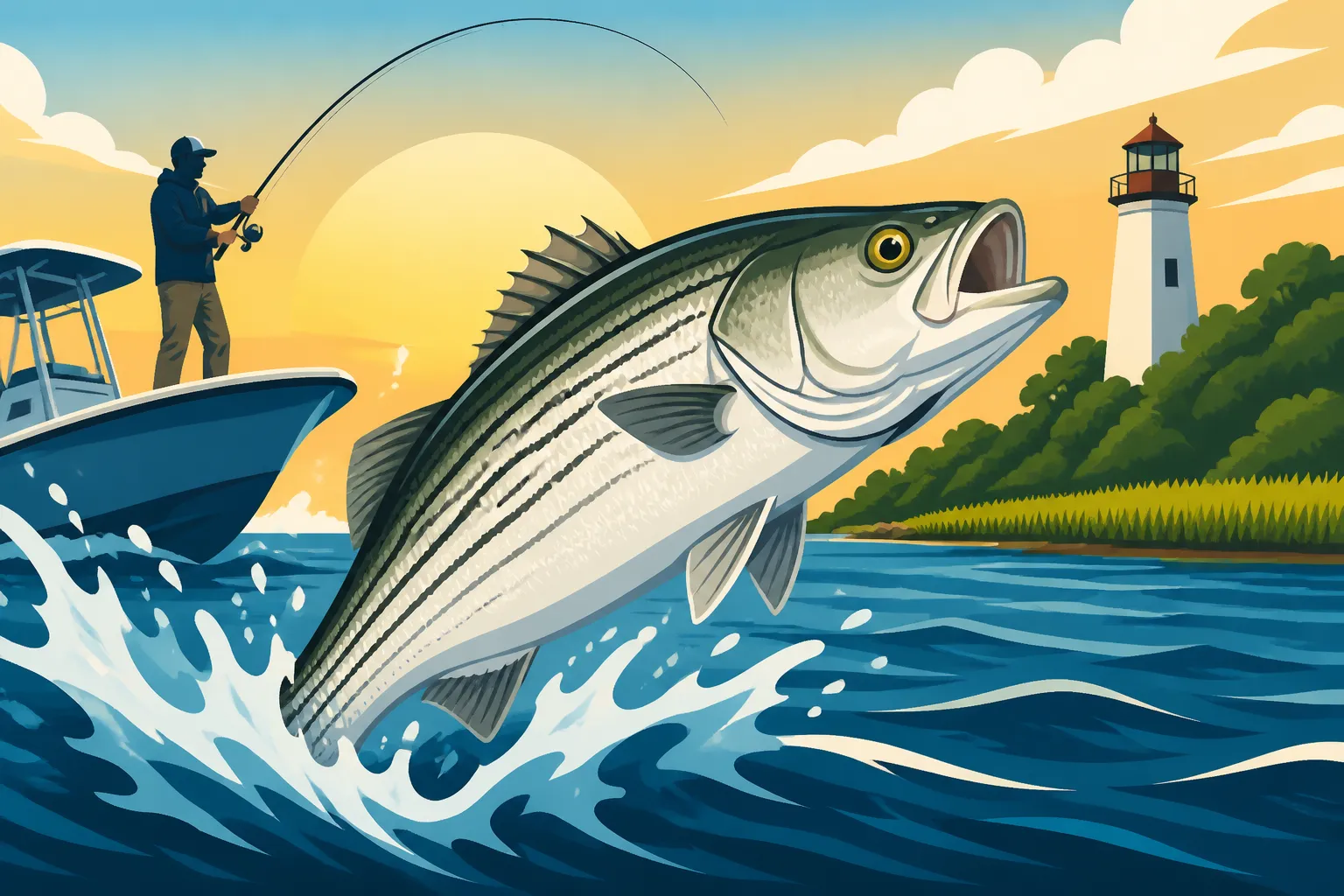
The Chesapeake Bay is an incredible natural wonder, but for anglers, it's also home to one of the most exciting and challenging fisheries on the East Coast: the striped bass, affectionately known as "rockfish." Many folks dream of hooking into one of these powerful swimmers, but navigating the seasons, regulations, and best techniques can feel like trying to untangle a particularly stubborn bird's nest. This guide is here to untangle all of that, offering a deep dive into what makes Chesapeake Bay striped bass fishing a truly world-class experience, from their elusive habits to the best ways to get them on your line.
The Allure of Chesapeake Bay Striped Bass (Rockfish) Fishing in Virginia
There's something truly captivating about chasing striped bass in the Chesapeake Bay. It's not just a fish; it's a legacy, a tradition that draws anglers from all over. The sheer power of these fish, coupled with the Bay's vast and dynamic environment, creates a fishing experience unlike any other. For many, it’s more than a hobby; it’s a passion, a ritual tied to the rhythms of the tides and the changing seasons.
Why the Chesapeake Bay is a Striped Bass Haven
The Chesapeake Bay isn't just any body of water; it's the largest estuary in the United States, a sprawling nursery and feeding ground that provides the perfect habitat for striped bass to thrive. Its mix of freshwater from numerous rivers and saltwater from the Atlantic creates a brackish environment rich in the baitfish that stripers crave. Think of it like a giant, vibrant buffet table for these magnificent predators, offering everything from menhaden and spot to eels and silversides. This abundance of food, combined with the Bay's diverse structure—from deep channels and oyster reefs to shallow grass flats and countless tributaries—offers stripers ideal conditions for both spawning and growing to impressive sizes. It’s this unique ecosystem that truly sets the Bay apart, making it a critical hub for the species' entire Atlantic Coast population.
Beyond just food, the Bay's intricate network of rivers, creeks, and vast open waters offers safe passage and ample protection for striped bass throughout their life cycle. During their crucial spawning migrations, the upper Bay tributaries provide exactly the right conditions for successful reproduction. Once hatched, the juvenile fish find sanctuary in the shallower, brackish waters, growing quickly before venturing into the deeper, more open parts of the Bay. This blend of rich feeding grounds, essential spawning areas, and varied topography cements the Chesapeake Bay's status as an unparalleled striped bass haven, supporting a robust population that continues to challenge and reward anglers.
The "Rockfish" Nickname and Its History
Walk into any tackle shop in Virginia or chat with a local angler on the pier, and you'll quickly hear the term "rockfish" tossed around, often interchangeably with "striped bass." This isn't just a regional quirk; it's a deeply ingrained part of the local fishing culture, especially here in Virginia and Maryland. The nickname originates from the striped bass's tendency to congregate around rocky bottom structures, jetties, and reefs, particularly in the shallower coastal waters and around the Bay's many islands and bridge-tunnels. Early settlers and fishermen observed these fish hugging the rocks, and the name just stuck.
While "striped bass" is the official scientific and regulatory name, "rockfish" evokes a sense of local heritage and ruggedness. It's a term that speaks to the fish's tenacious nature and its preference for hiding among the hard structures, making it a challenging and rewarding catch. Knowing this local lingo is a small but important detail that connects you to generations of Chesapeake Bay anglers. It’s a nod to tradition, a way of distinguishing our Bay stripers from those found in other parts of the world, and it reminds us of the specific places where these incredible fish thrive. Freshwater vs Saltwater Striped Bass: The Virginia Rockfish Story goes into even more detail about this distinction.
Understanding Striped Bass Biology and Behavior in the Bay
To truly become a successful striped bass angler in the Chesapeake Bay, you need to think like a rockfish. Understanding their life cycle, their migrations, and what makes them tick is paramount. These aren't just random swimmers; they have patterns, preferences, and predictable behaviors that, once you learn them, can drastically improve your chances of a successful outing. It's about more than just casting a line; it's about connecting with the ecosystem.
Life Cycle and Spawning Migrations
The life cycle of the Chesapeake Bay striped bass is one of nature's great migrations. Most of the Atlantic Coast's striped bass population is actually spawned right here in the freshwater tributaries of the Chesapeake Bay, particularly the Roanoke, Choptank, Nanticoke, and James Rivers. In early spring, typically from late March through May, mature adult stripers, sometimes traveling hundreds of miles from their ocean wintering grounds, surge into these rivers. They seek out specific conditions: freshwater, relatively shallow depths, and temperatures typically ranging from 55 to 68 degrees Fahrenheit. Here, they engage in mass spawning events, releasing millions of eggs that drift with the current.
After spawning, the adult fish slowly make their way back out into the main stem of the Bay and eventually, many return to the ocean. The newly hatched larval stripers spend their first few months in these nursery rivers, feeding on microscopic organisms. As they grow into juveniles, they gradually move downstream into the brackish waters of the Bay, where they spend several years feeding and growing. It’s a remarkable journey that highlights the critical importance of the Chesapeake Bay as the primary breeding ground for this iconic species. Protecting these spawning grounds and understanding these delicate cycles is absolutely essential for the long-term health of the fishery.
Feeding Habits and Preferred Forage
Striped bass are opportunistic and voracious predators, and their diet in the Chesapeake Bay is as diverse as the Bay itself. Their feeding habits are largely dictated by the abundance and availability of baitfish, which changes with the seasons and water temperatures. In the spring and fall, when vast schools of menhaden (also known as "bunker" or "pogies") flood the Bay, stripers gorge themselves on these oily, nutrient-rich fish. You'll often see tell-tale signs of this feeding frenzy: birds diving, baitfish showering on the surface, and distinct "blitzes" where stripers aggressively push bait to the surface.
Beyond menhaden, stripers will readily consume a wide variety of other forage. This includes spot, croaker, eels, silversides, shrimp, and even crabs. They’re not particularly picky eaters when they're hungry. Understanding what they're likely feeding on in a particular area or season can be a game-changer for lure selection or bait choice. If you're seeing small baitfish, smaller lures might be the ticket. If the menhaden are running thick, a large soft plastic imitation or even live bait might be more effective. Knowing their menu is key to getting a bite, and often, what you find in your chosen fishing spot will be available for purchase from local bait shops or through retailers like Amazon.
Striped Bass vs. Hybrid Striped Bass: Key Distinctions
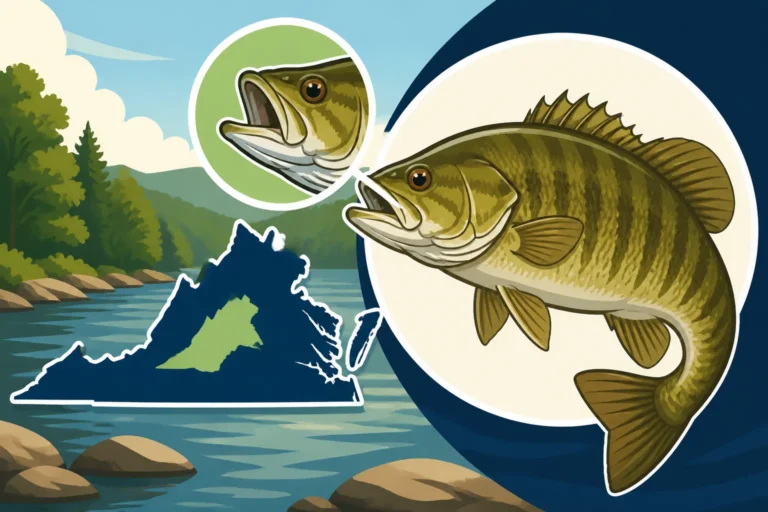
While both are incredibly fun to catch and share the "striped" moniker, it's important for anglers to understand the difference between true Chesapeake Bay striped bass (often called rockfish) and hybrid striped bass. True striped bass are a native, anadromous species that migrate between fresh and saltwater, spending part of their lives in the ocean and returning to freshwater to spawn. They have a more elongated, streamlined body, and their stripes are generally solid and unbroken from head to tail.
Hybrid striped bass, on the other hand, are a cross between a striped bass and a white bass. These fish are typically stocked in landlocked freshwater lakes and reservoirs, not in the main Chesapeake Bay or its tidal tributaries. They were originally developed to create a fast-growing, hard-fighting sport fish for impoundments that couldn't support true stripers. You'll often find hybrids in places like Lake Anna or Smith Mountain Lake, but rarely in the Bay. Hybrids tend to be a bit deeper-bodied and football-shaped, and their stripes are usually broken or interrupted, particularly below the lateral line. Knowing the difference isn't just academic; it's vital for adhering to Virginia Fishing Regulations Explained, as slot limits and size restrictions can differ even for species that look similar.
Key Seasons and Prime Fishing Opportunities
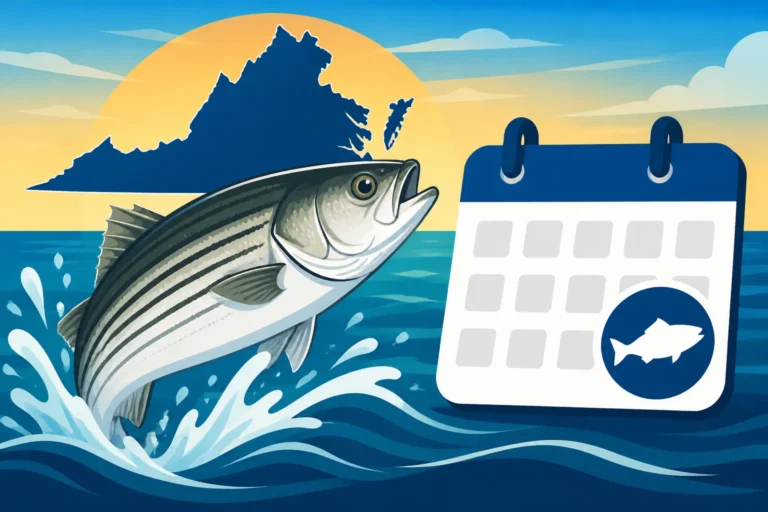
The Chesapeake Bay striped bass fishery truly comes alive with the changing seasons, offering distinct opportunities and challenges throughout the year. Experienced anglers know that timing is everything, and being in the right place at the right time with the right technique can make all the difference between a slow day and an unforgettable one. Understanding these seasonal shifts is fundamental to successful rockfish angling.
Spring Run: The Spawning Migration
The spring run is, for many, the most anticipated time of year for striped bass fishing in the Chesapeake Bay. This is when large numbers of mature striped bass, some of them truly enormous, migrate from their wintering grounds in the Atlantic Ocean and the deeper parts of the Bay into the freshwater tributaries to spawn. From late March through May, rivers like the James, Rappahannock, and Potomac become highways for these powerful fish. The excitement builds as water temperatures gradually climb, triggering the fish's instinct to reproduce.
During this period, anglers often target fish staged in the deeper channels leading to the spawning grounds or those returning to the main Bay after spawning. Techniques often involve trolling large baits or lures, or drifting live eels and large cut bait in key areas. It's a window of opportunity that requires careful attention to the Virginia Striped Bass Season and Slot Limit Guide as regulations can be particularly stringent to protect the spawning population. Catch and release is often the norm in many areas, emphasizing conservation during this critical reproductive phase. For those looking to get into prime spring action, a robust trolling setup, often featuring a specific type of rod and reel, is key, which you can easily find on platforms like Amazon.
Fall Run: The Blitz and Feeding Frenzy
If the spring run is about the cycle of life, the fall run is about pure, unadulterated feeding frenzy. As autumn arrives and water temperatures begin to drop in September, October, and November, striped bass in the Bay go on a massive feeding binge to bulk up for the winter ahead. Huge schools of menhaden, along with other baitfish, become the primary target, and the stripers chase them relentlessly, often pushing them to the surface in spectacular "blitzes." This is the time when the Chesapeake Bay can truly earn its reputation as a world-class fishery.
Anglers during the fall run often find themselves in the middle of chaotic, thrilling action. Birds diving, fish boiling on the surface, and the unmistakable sound of crashing water are common sights and sounds. Techniques vary widely, from casting topwater lures into breaking fish, jigging vertically with soft plastics or metal jigs, to trolling umbrella rigs or large swimbaits. The fish are aggressive, and often larger schools are present throughout the main stem of the Bay, making it an incredibly productive time for both numbers and size. Best Striped Bass Spots on the Chesapeake Bay, Virginia truly shine during this period, offering a plethora of productive fishing grounds.
Summer and Winter Challenges and Opportunities
While spring and fall are peak seasons, the Chesapeake Bay still offers striped bass fishing during the hotter summer months and colder winter periods, though with different challenges and approaches. In summer, as water temperatures rise, stripers tend to move to deeper, cooler waters, often congregating around oxygen-rich structure like the Chesapeake Bay Bridge-Tunnel or deep channel edges. This can make them harder to locate and tempt. Night fishing becomes a popular and often effective strategy, as the fish move shallower to feed under the cover of darkness. Live-lining eels or spot, or vertical jigging with heavy metal jigs, can be productive.
Winter fishing, while often overlooked, can also yield some impressive catches for the dedicated angler. As temperatures plummet, many stripers move to overwintering grounds in the deeper, more stable waters of the lower Bay or even out into the nearshore ocean. This period often requires specialized techniques like slow trolling with large lures or heavy jigging in deep water, often near thermal discharges or structure that holds bait. Patience is key, and the rewards can be significant, sometimes including some of the largest fish of the year. Keep in mind that Virginia's Fishing License and Catch Limit Basics can vary by season, so always check the latest regulations.
Top Techniques and Gear for Chesapeake Bay Stripers
Chasing striped bass in the Chesapeake Bay is a dynamic endeavor, and having the right techniques and gear in your arsenal can make all the difference. From high-speed trolling to subtle live bait presentations, each method has its time and place, dictated by the season, conditions, and the behavior of the fish. Being adaptable and prepared with versatile equipment is a hallmark of a successful Bay angler.
Trolling for Trophy Stripers
Trolling is undeniably one of the most effective and popular methods for catching striped bass in the Chesapeake Bay, especially when targeting larger fish or covering vast expanses of water. It involves dragging lures or baits behind a moving boat at various depths and speeds. The beauty of trolling lies in its ability to present multiple baits simultaneously, imitating schools of baitfish and drawing strikes from curious or actively feeding stripers. Common trolling setups include umbrella rigs, which mimic a school of bait, bucktail jigs, large diving plugs, and specialized swimbaits.
Successful trolling requires attention to detail. Varying your speed, changing lure colors, and experimenting with different depths using planer boards, downriggers, or lead core line can be crucial. Many anglers use fish finders to locate bait schools and structure, then position their trolling spread to intersect with these areas. Heavy-duty conventional tackle is often preferred for trolling, capable of handling the powerful strikes and long fights that trophy stripers can dish out. If you're looking to upgrade your trolling gear, a quick search on Amazon will reveal a huge array of rods, reels, and lures specifically designed for saltwater trolling.
Live Baiting and Chunking Strategies
When the stripers are finicky or you're aiming for that monster, live baiting and chunking are often the go-to techniques. Live baiting involves presenting a live baitfish, such as a menhaden, spot, or eel, on a hook, allowing it to swim naturally and entice a strike. This method is incredibly effective because it offers a realistic presentation that stripers find hard to resist. Anglers often fish live bait on a Carolina rig or a fish-finder rig, allowing the bait to move freely near the bottom or at a specific depth. The key is to keep the bait lively and present it where the fish are holding, often around structure or schools of other bait.
Chunking, on the other hand, involves cutting baitfish (like menhaden or mackerel) into pieces and deploying them as chum to attract stripers, while also fishing similarly cut pieces as bait. This creates a scent trail that draws fish in from a distance, essentially building a feeding zone around your boat. It’s a patient game, but when the fish respond, the action can be incredible. Both live baiting and chunking require a good supply of fresh bait and sturdy tackle to handle the powerful takes. Best Bait for Striped Bass in Chesapeake Bay provides an in-depth look at what works best for these methods.
Jigging and Artificial Lure Techniques
For those who prefer a more active, hands-on approach, jigging and casting artificial lures for Chesapeake Bay stripers can be incredibly rewarding. Jigging involves vertically dropping a weighted lure, often a metal jig, bucktail, or soft plastic jig, to a certain depth and then imparting an enticing up-and-down motion. This technique is highly effective when fish are concentrated in deeper water, schooled up on bait, or holding tight to structure. The retrieve varies from fast and aggressive to slow and subtle, depending on the fish's mood and the type of lure.
Casting artificial lures, such as topwater plugs, swimbaits, lipped crankbaits, or soft plastic paddle tails, is particularly exciting during the fall blitzes when stripers are actively busting bait on the surface. There’s nothing quite like the explosive strike of a big rockfish on a topwater lure. Matching the hatch—using a lure that closely resembles the size and color of the prevalent baitfish—is crucial for success. Light to medium-heavy spinning or conventional tackle is typically used for these techniques, allowing for long casts and the sensitivity to detect subtle bites. These lures are often available at your local tackle shop, but you can also find a vast selection of styles and colors on Amazon for any fishing scenario.
Navigating Virginia's Striped Bass Regulations
Fishing for striped bass in the Chesapeake Bay isn't just about knowing where and how to catch them; it's also about understanding and adhering to the regulations put in place to protect this vital fishery. Virginia's Department of Wildlife Resources (DWR) and other agencies work tirelessly to manage the striped bass population, and every angler plays a crucial role in conservation by following the rules. Ignorance of the law is never an excuse, and penalties for violations can be significant.
Understanding Slot Limits and Possession Rules
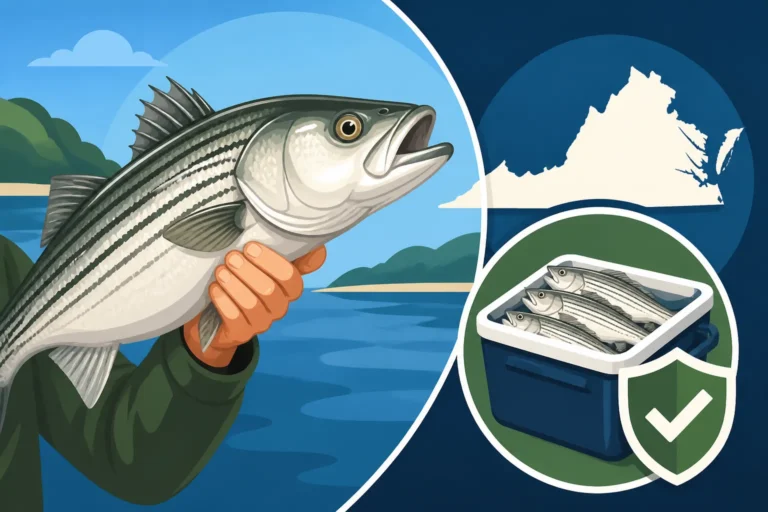
One of the most important aspects of striped bass regulations in Virginia's Chesapeake Bay is the slot limit. A slot limit means that only fish within a specific length range can be legally kept, while fish smaller or larger than that range must be immediately released. For example, Virginia's Striped Bass Season and Slot Limit in Virginia often specifies a range, such as 28 to 31 inches. This approach is a key conservation tool: it protects juvenile fish, allowing them to grow and mature, and it also protects the largest, most reproductively valuable adult fish (often called "spawners"), ensuring they can contribute to future generations.
In addition to slot limits, there are also possession limits, which dictate how many fish an individual angler can keep per day. These limits can change frequently based on scientific assessments of the fish stock, so it is absolutely imperative to check the most current regulations before heading out. Regulations also dictate specific seasons, meaning there are times of the year when striped bass fishing might be prohibited or restricted, such as during peak spawning periods. It’s not uncommon for Virginia to have a Virginia Striped Bass Split Season Dates Explained to manage the fishery more effectively. Always have a measuring device handy and be prepared to release any fish outside the legal slot immediately and gently.
Conservation Efforts and Their Importance
The health of the Chesapeake Bay striped bass fishery doesn't happen by accident; it's the result of ongoing, intensive conservation efforts by state and federal agencies, scientific organizations, and dedicated angler groups. These efforts include habitat restoration, monitoring fish populations, conducting scientific research, and implementing management strategies like slot limits and seasons. The goal is to ensure a sustainable fishery that can be enjoyed for generations to come.
As anglers, our participation in these conservation efforts is critical. This means not only adhering to all regulations but also practicing responsible angling techniques. Using appropriate gear to minimize harm to released fish, avoiding over-fishing in concentrated areas, and being mindful of the environment are all part of being a good steward of the resource. Many anglers also participate in citizen science programs, reporting their catches or tagging fish to aid research. Every bit helps in ensuring the future of this world-class fishery.
Reporting Your Catch and Staying Informed
Staying informed about the latest striped bass regulations is non-negotiable for any angler in Virginia. Regulations can change quickly, sometimes even mid-season, in response to biological data or regional agreements. The Virginia Department of Wildlife Resources (DWR) and the Virginia Marine Resources Commission (VMRC) are the primary sources for current information. Their websites are regularly updated, and many offer email newsletters or social media channels for real-time alerts. Local tackle shops are also invaluable resources for current rules and conditions.
In some cases, specific fisheries management plans may even require anglers to report their catches, especially for certain species or during particular seasons. This data is vital for scientists and managers to assess fish stocks and make informed decisions about future regulations. While it might seem like a small detail, every angler’s compliance contributes to the larger picture of sustainable fisheries management. Make it a habit to check the official Virginia fishing guides or visit the DWR website before every trip, ensuring you're always up-to-date on Virginia Fishing Rules Every Angler Should Know.
Popular Fishing Spots and Access Points in the Bay
The Chesapeake Bay is enormous, and knowing where to focus your efforts for striped bass can feel overwhelming. Luckily, seasoned anglers have identified numerous hotspots and productive areas throughout the Bay that consistently hold fish. These locations often share common characteristics: deep channels, abundant baitfish, complex underwater structure, or proximity to migratory routes.
Northern Bay Hotspots
In the northern reaches of the Chesapeake Bay, particularly closer to the Maryland border and extending south, there are several key areas that draw striped bass. The upper Bay tributaries, especially the Susquehanna Flats and the mouth of the Susquehanna River, are famous for their spring spawning runs. While much of this is in Maryland, the influence extends into Virginia's northern waters. Further south, the deep channels and humps around the Bay Bridge near Annapolis (again, largely in Maryland, but indicating the type of structure) and the major river mouths like the Potomac and Rappahannock are magnets for feeding fish.
These areas are characterized by a mix of deep water, strong currents, and often extensive oyster reefs or artificial structures that provide both cover and feeding opportunities. During the spring, anglers might focus on the tidal rivers themselves, while in the fall, the main stem of the Bay from the Potomac south can see incredible schooling action. Access points often include public boat ramps and charter services that specialize in these northern Bay excursions. For instance, the Potomac River, where it widens into the Bay, is a well-known area for both its resident and migratory striped bass populations.
Mid-Bay Productive Areas
Moving into the central portion of the Virginia Chesapeake Bay, the fishing opportunities for striped bass become even more diverse. This vast section of the Bay is crisscrossed by numerous deep channels, submerged structures, and the mouths of several major rivers. The waters around Stingray Point, the Rappahannock River mouth, and the areas surrounding Wolf Trap Light are perennial favorites. These spots often feature strong tidal currents that concentrate baitfish, making them prime ambush points for stripers.
The mid-Bay is also home to extensive artificial reefs and wreck sites, which become natural congregating areas for both bait and game fish. Anglers often target these areas by trolling, jigging, or live baiting. The fall run often sees massive schools of stripers moving through these central waters, chasing schools of menhaden. Public boat ramps are plentiful in towns like Deltaville, and numerous fishing charters operate out of marinas throughout this region, making it accessible for anglers looking to explore Virginia's Best Saltwater Fishing Destinations.
Lower Bay and Coastal Waters
The lower Chesapeake Bay, where it meets the Atlantic Ocean, is arguably one of the most famous and productive striped bass fishing grounds in the world. The iconic Chesapeake Bay Bridge-Tunnel (CBBT) is a massive artificial reef system that holds stripers year-round, but especially during the migrations. Its pilings, rock islands, and deep surrounding waters create a complex habitat that is legendary for big rockfish. Further out, the nearshore ocean waters off Virginia Beach and the Eastern Shore also host tremendous numbers of striped bass, especially during the colder months when many fish move to the ocean from the Bay.
Here, anglers can employ a variety of techniques, from targeting the CBBT structure with live eels or jigs, to trolling large lures in the deep channels around Cape Charles and Fisherman's Island. During the winter, the ocean migratory run offers opportunities for truly giant stripers, often caught trolling large plugs or live baits. The lower Bay is also a critical entry and exit point for the stripers migrating to and from their spawning grounds. Virginia Beach and the surrounding coastal towns offer extensive charter services and excellent public access points, making it a true hub for Chesapeake Bay Striped Bass: A World-Class Virginia Fishery action.
To summarize some of these prime locations and their typical fishing methods:
| Bay Region | Key Hotspots | Primary Techniques | Best Seasons | Common Bait/Lure |
|---|---|---|---|---|
| Northern Bay | Potomac River Mouth, Rappahannock Mouth | Trolling, Live Baiting, Jigging | Spring, Fall | Eels, Menhaden, Large Lures |
| Mid-Bay | Stingray Point, Wolf Trap Light, Oyster Reefs | Trolling, Live Baiting, Chunking | Fall, Summer Nights | Menhaden, Spot, Cut Bait |
| Lower Bay/Coastal | Chesapeake Bay Bridge-Tunnel (CBBT), Cape Charles | Live Baiting (Eels), Jigging, Trolling | All Year, esp. Fall/Winter | Eels, Jigs, Large Plugs |
Disclaimer
This article is for general informational purposes only and does not constitute professional advice. Laws, prices and regulations vary by location and change over time. Consult a qualified professional for guidance on your specific situation.