Virginia Saltwater Striped Bass Season Dates
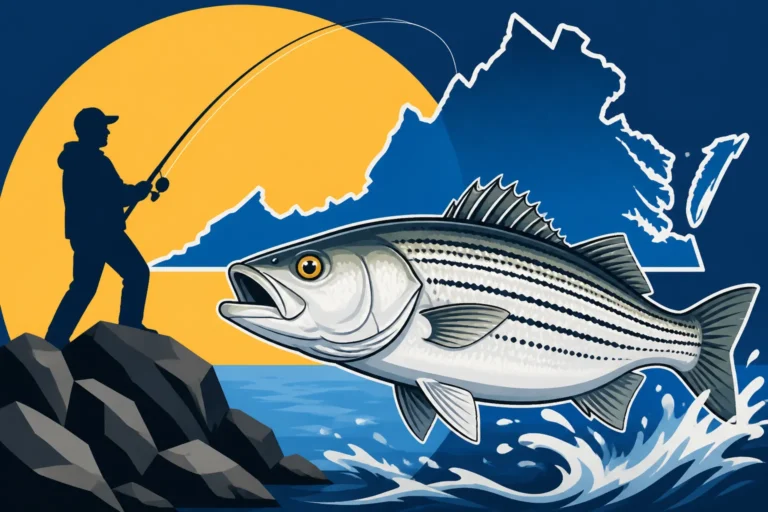
Navigating the ever-changing landscape of Virginia's fishing regulations can feel like trying to catch a greased fish – just when you think you've got it, it slips away! This is especially true when it comes to the highly sought-after saltwater striped bass, often affectionately called "rockfish" by local anglers. Their seasons can seem like a moving target, leaving many of us scratching our heads about when it's actually legal to cast a line for these magnificent creatures. But don't worry, you're not alone in that frustration, and this guide is here to shed some light on the typical Virginia saltwater striped bass season dates, helping you plan your next angling adventure with confidence.
Understanding the Virginia Saltwater Striped Bass Season Structure
The truth is, there isn't just one simple, continuous "striped bass season" in Virginia's saltwater. Instead, what we usually see are distinct fishing windows, or "split seasons," designed to protect the fish during critical times, like spawning, and manage the overall population health. These splits are put in place by regulatory bodies like the Virginia Marine Resources Commission (VMRC) and are crucial for the long-term sustainability of this incredible fishery. It might seem complicated, but it's all part of a larger conservation effort that benefits every angler in the long run. These regulations are dynamic, meaning they can and do change based on scientific assessments and stock health, so always treat the information here as a general guide and double-check official sources before heading out. For a more complete overview, check out our Virginia Striped Bass Season and Slot Limit Guide.
The complexities often stem from the migratory nature of striped bass. These fish don't just stay put; they travel up and down the Atlantic coast. Virginia's waters, particularly the Chesapeake Bay, serve as vital spawning grounds and migratory highways, making careful management essential. Balancing the needs of recreational anglers with the biological needs of the fish population is a constant challenge, leading to these carefully crafted season windows. It’s a dance between science, conservation, and the sheer joy of fishing.
Virginia's Primary Striped Bass Season Windows
While the exact dates can shift from year to year, typically within a few days or weeks, Virginia’s saltwater striped bass season generally opens during a few key periods. These periods align with different stages of the striped bass life cycle and migratory patterns, giving anglers specific windows of opportunity to target them. Getting to know these windows is your first step to a successful rockfish trip.
The Winter/Early Spring Fishery (January to March)
Imagine bundling up against the crisp winter air, hot coffee in hand, as you head out on the Chesapeake Bay or one of its tidal rivers. This is often the scene for Virginia's first saltwater striped bass season of the year, usually running from January 1st through March 31st. This early season can be incredibly productive, especially for anglers targeting larger, overwintering fish that have settled into deeper channels and structure within the bay and its tributaries. It’s a time when the water is cold, and the fish can be a bit sluggish, but they are often concentrated, making them a prime target if you know where to look.
During this period, successful strategies often involve slowing down your presentation. Think vertical jigging with heavy spoons or large soft plastics in deeper water, or trolling with umbrella rigs and large plugs. These fish are conserving energy, so a slow, tempting presentation can be key. Many anglers consider this a prime time to target trophy-sized stripers before they begin their spawning rituals. It's a challenging but rewarding fishery, demanding patience and a good understanding of where the fish are holding in colder water. For those brave enough to face the chill, the rewards can be substantial. For detailed dates, you might want to look at Virginia Striped Bass Season Dates January Through March.
The Late Spring/Early Summer Opportunity (May to June)
Just as the winter chill gives way to warmer temperatures and the trees fully green, another window for saltwater striped bass typically opens. This second season often kicks off around May 16th and runs through June 15th. This period often coincides with the post-spawn recovery of many striped bass, as they disperse from spawning grounds and begin to feed aggressively to regain their strength. The Chesapeake Bay, in particular, becomes a bustling highway for these fish as they move towards the ocean or north for the summer.
Fishing during this time can be fantastic, offering opportunities to catch actively feeding fish closer to the surface or along channel edges. Light tackle can be effective, with topwater lures, swimbaits, and even live bait becoming popular choices. The fish are more active and spread out, providing a different challenge and often more visual strikes. This period is particularly popular for those who prefer warmer weather fishing and the excitement of a more energetic bite. It's a vibrant time on the water, full of life and the promise of a strong fight. Consider delving into Virginia Striped Bass Season Reopens May 16 for more insights into this specific timing.
The Fall Run (October to December) – A Crucial Time
Ah, the fall run! For many Virginia anglers, this is the prime time for saltwater striped bass. While specific season dates for the fall run can vary and are often announced closer to the time, it traditionally kicks off in October and can extend through December. This is when the Chesapeake Bay and the nearshore ocean waters come alive with migratory striped bass making their way south for the winter. These fish are in full feeding mode, gorging themselves on baitfish like bunker (menhaden), mullet, and bay anchovies, building up reserves for their journey and the colder months ahead.
The fall run is characterized by massive schools of baitfish and predators, often leading to spectacular "blitzes" where stripers can be seen crashing the surface, herding bait. Anglers often employ a variety of techniques, from casting large topwater plugs and swimbaits into breaking fish, to trolling deep-diving lures and umbrella rigs. It's an electrifying time to be on the water, with the potential for multiple hook-ups and truly memorable catches. The weather is often cooler and more comfortable than summer, making for enjoyable long days on the water. Many consider October and November to be the Best Month to Fish for Striped Bass in Virginia due to this incredible activity.
Beyond the Dates: Important Regulations and Considerations
Knowing when to fish is only half the battle. To be a responsible and successful angler in Virginia's saltwater striped bass fishery, you also need to understand the critical regulations that govern how you can fish, what you can keep, and what steps you need to take before you even cast a line. Ignoring these rules isn't just bad etiquette; it can lead to hefty fines and penalties, and more importantly, it undermines the conservation efforts vital for future generations of rockfish.
Slot Limits and Possession Rules
This is perhaps one of the most crucial regulations to understand for striped bass: the slot limit. Unlike a simple minimum size limit, a slot limit means you can only keep fish that fall within a specific length range, and usually only one per person per day. For Virginia's saltwater striped bass, this slot limit has often been in the range of 28 to 31 inches. This means a fish shorter than 28 inches must be released, and a fish longer than 31 inches must also be released. The purpose of this specific slot is to protect both juvenile fish, allowing them to grow, and the large, mature breeding stock, which are essential for producing the next generation of striped bass.
Always measure your fish carefully from the tip of the nose to the tip of the tail, making sure to pinch the tail for an accurate measurement. Having a reliable measuring device on board is non-negotiable. Exceeding the daily possession limit or keeping an out-of-slot fish can lead to significant penalties, including fines and potential confiscation of gear. It’s truly imperative to know and respect these numbers. Our guide on Virginia Rockfish Slot Limit 28 to 31 Inches Explained can give you even more context on this important rule.
License Requirements for Saltwater Striped Bass Fishing
Before you even think about dropping a line for saltwater striped bass in Virginia, you absolutely must have the proper license. For saltwater fishing in Virginia, this typically means a Virginia saltwater fishing license. There's also the federal recreational fishing registry, often fulfilled through the Virginia Marine Resources Commission (VMRC) by registering for their Virginia Saltwater Recreational Fishing License (also known as the FIP registration). Even if you're not planning to keep any fish, you still need to be properly licensed.
The process for obtaining these licenses is usually straightforward, often available online through the Virginia Department of Wildlife Resources (DWR) website, or from authorized license agents like tackle shops. It's a small fee that goes a long way in supporting conservation efforts, habitat restoration, and fisheries management, ensuring that future generations can enjoy the same fantastic fishing opportunities. Don't risk getting caught without one; game wardens and marine police regularly patrol Virginia's waters, and the penalties for fishing without a license can be steep. To make sure you're squared away, a thorough read of our Virginia Fishing License Guide is highly recommended.
How to Stay Up-to-Date on Regulation Changes
Remember how we mentioned regulations are dynamic? That's not just a casual warning; it's a critical aspect of fishing in Virginia. Fisheries management is an ongoing process, and season dates, slot limits, and possession rules can be adjusted relatively quickly based on scientific data, coastal migratory patterns, and federal mandates. What was true last year might not be true this year, or even next month.
The best way to stay informed is to check the official sources directly. The Virginia Marine Resources Commission (VMRC) website is your primary go-to for saltwater regulations, including striped bass. They publish regulation changes, emergency actions, and advisories promptly. The Virginia Department of Wildlife Resources (DWR) website is also a valuable resource, especially for combination licenses. Beyond the official sites, joining local fishing forums, following reputable Virginia fishing social media pages, and striking up conversations with staff at local tackle shops can often give you early insight into proposed changes or clarifications. These local experts are usually on the front lines of knowing what’s happening. Staying vigilant means you're always fishing legally and responsibly. For comprehensive understanding, consult Virginia's Fishing Rules Every Angler Should Know.
Preparing for Your Virginia Saltwater Striper Trip
Now that you've got a handle on the seasons and regulations, it's time to get excited about the actual fishing! Preparing properly for a Virginia saltwater striped bass trip can make all the difference between a frustrating day and a fantastic one. From the right gear to knowing where to cast your line, a little planning goes a long way.
Essential Gear and Tackle for Striped Bass
Striped bass are strong, hard-fighting fish, so you'll want gear that can handle the challenge. For most saltwater applications in Virginia, a medium-heavy to heavy action spinning or baitcasting rod, paired with a reel spooled with 30-50 lb braided line, is a good starting point. This setup offers the power to cast larger lures and control big fish, while the braided line provides sensitivity and strength.
When it comes to lures, the options are vast and exciting! Some common favorites for Virginia stripers include:
- Bucktail Jigs: These classic lures are incredibly versatile and effective, especially when tipped with a soft plastic trailer. They mimic baitfish and can be fished in various depths.
- Soft Plastic Swimbaits: Often rigged on jig heads, these lures imitate baitfish swimming and are deadly when fish are actively feeding. Brands like Z-Man or Gulp! can be very effective.
- Topwater Plugs: Nothing beats the thrill of a striper exploding on a topwater lure at dawn or dusk, especially during the fall run. Poppers and walk-the-dog style baits are popular.
- Plugs and Crankbaits: Dive-and-rise plugs or deep-diving crankbaits are great for trolling or casting in deeper water, mimicking larger baitfish.
- Live Bait: Menhaden (bunker), eels, and spot are highly effective live baits, especially for larger stripers.
Don't forget essentials like a good pair of pliers for hook removal, a net or gaff for landing larger fish (check regulations on gaff use), and a measuring tape. You can often find a wide array of these specialized fishing items and other accessories on Amazon, offering convenience for getting all your gear in one place. For more specific bait recommendations, refer to Best Bait for Striped Bass in Chesapeake Bay.
Choosing the Right Location for Saltwater Stripers
Virginia offers a wealth of incredible saltwater locations for striped bass, each with its own unique characteristics. The Chesapeake Bay is undoubtedly the superstar, serving as a nursery, spawning ground, and migratory corridor for stripers. Within the Bay, hot spots can include:
- Bridge-Tunnel Structures: The Chesapeake Bay Bridge-Tunnel (CBBT) is legendary, attracting baitfish and, consequently, stripers, especially around its pilings and artificial reefs.
- Tidal Rivers: Major tributaries like the James, York, Rappahannock, and Potomac Rivers are vital for striped bass, particularly during spawning runs and when fish are seeking refuge or food in brackish waters.
- Channel Edges and Drop-offs: Stripers love to hold along changes in depth, ambushing baitfish moving through currents.
- Shallow Flats and Oyster Beds: During certain times, particularly in cooler months, stripers can be found cruising shallower areas near structure.
Beyond the Bay, the nearshore ocean waters off Virginia Beach can also be productive, especially during the fall migration when massive schools of bait and stripers move along the coast. Piers, jetties, and inshore wrecks can all hold fish. Understanding local bait movements and water temperatures will greatly influence your success in choosing a spot. To explore more about the best places to go, dive into Best Saltwater Fishing Spots in Virginia.
The Role of Charters and Guides
For many anglers, especially those new to Virginia's saltwater striped bass fishery or visitors, booking a fishing charter or guide can be an absolute game-changer. These seasoned professionals possess an intimate knowledge of local waters, current fishing patterns, and, crucially, the most up-to-date regulations and season nuances.
A charter trip takes much of the guesswork and hassle out of fishing. The captain and crew provide all the necessary safety equipment, specialized tackle, bait, and often even handle the licensing requirements for you (though it's always wise to confirm this beforehand). They know where the fish are biting, what lures or baits they prefer, and how to maximize your chances of a successful and enjoyable trip. This can be invaluable for learning new techniques, discovering hidden spots, or simply relaxing and letting someone else navigate the complexities. If you're looking to simplify your trip and boost your chances, consider reading our Virginia Fishing Charters and Guides: The Complete Guide to learn more about this option.
| Season Window | Typical Dates | Key Characteristics | Common Techniques |
|---|---|---|---|
| Winter/Early Spring | Jan 1 – Mar 31 | Colder water, fish in deeper channels, pre-spawn | Vertical jigging, slow trolling |
| Late Spring/Early Summer | May 16 – Jun 15 | Post-spawn, fish dispersing, actively feeding | Topwater, swimbaits, live bait, light tackle |
| Fall Run | Oct – Dec (Variable) | Major migration, aggressive feeding, "blitzes" | Casting plugs, trolling, live lining |
Note: These dates are typical patterns. Always verify current regulations with the Virginia Marine Resources Commission (VMRC) before fishing.
Disclaimer
This article is for general informational purposes only and does not constitute professional advice. Laws, prices and regulations vary by location and change over time. Consult a qualified professional for guidance on your specific situation.