Smith Mountain Lake’s Striped Bass: Tips for First-Time Anglers
If you're eyeing Smith Mountain Lake for your first striped bass adventure, you're in for a treat, but let's be real: it can feel overwhelming. This massive body of water holds some truly incredible stripers, but finding them and coaxing a bite, especially if you're new to the game, can sometimes feel like searching for a needle in a haystack. This guide is here to cut through the confusion and give first-time anglers the practical tips and tricks they need to successfully target Smith Mountain Lake's prized striped bass, turning that initial bewilderment into genuine angling excitement.
Understanding Smith Mountain Lake Stripers
Smith Mountain Lake, affectionately known as SML by locals, is a jewel in Virginia's fishing crown. It's a massive hydropower lake, and its striped bass fishery is legendary. These aren't just any stripers; SML is known for producing some truly big ones, making it a bucket-list destination for many anglers. But to catch them, you first need to understand their world.
Why Smith Mountain Lake is Unique for Stripers
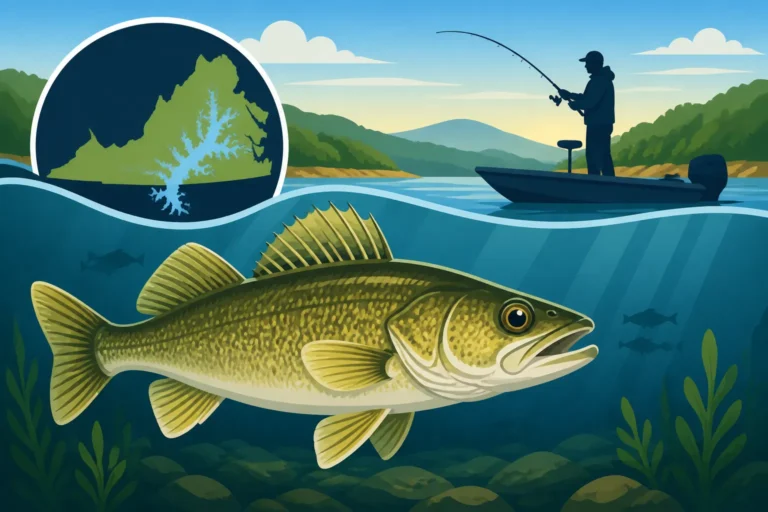
What makes SML such a fantastic striper haven? Well, it's a huge impoundment, boasting over 500 miles of shoreline and nearly 21,000 acres of water. This expansive habitat, combined with an abundant forage base primarily consisting of gizzard shad and alewives, allows stripers to thrive and grow to impressive sizes. Unlike coastal striped bass that migrate with the seasons, SML stripers are landlocked, meaning they spend their entire lives in this freshwater environment. This makes their behavior patterns somewhat predictable if you know what to look for, but the sheer size of the lake still presents a challenge. The deep, clear waters provide plenty of oxygenated areas for these powerful fish, even during the warmer months, allowing for year-round fishing opportunities, though success rates will definitely fluctuate with the seasons and water temperatures. Smith Mountain Lake Striped Bass Fishing in Virginia is a great resource if you're looking for even more depth on the topic.
Behavior and Feeding Patterns
Striped bass are highly predatory, schooling fish that are constantly on the move in search of food. Their behavior is heavily influenced by water temperature, light conditions, and the location of their preferred baitfish. In warmer months, they tend to move deeper to find cooler, more oxygenated water, often congregating around main lake points, humps, and submerged timber. As temperatures cool in the fall and winter, they become more active throughout the water column and can be found chasing baitfish closer to the surface, sometimes even creating impressive "boils" where they aggressively feed. Understanding these seasonal shifts is crucial. For instance, you might see them schooling heavily at dawn and dusk, pushing bait to the surface, while in the bright midday sun, they'll likely be suspended in deeper water. Knowing these general patterns will save you a lot of fruitless casting.
Recognizing the Right Time to Fish
Timing is everything with SML stripers. While you can catch them year-round, certain seasons offer better odds and different experiences. Spring, especially pre-spawn, sees stripers become very aggressive as they prepare to spawn, often moving into shallower coves and creek channels. Post-spawn, they transition back to more open water. Summer can be challenging due to heat, requiring anglers to target deeper, cooler water, often at night or during the low light hours of dawn and dusk. How to Catch Striped Bass in Cold Water offers insights for those winter adventures. Fall is often considered prime time, as cooling waters re-energize the stripers, sending them on feeding frenzies that can last for weeks, with large schools aggressively chasing bait. Winter fishing can also be productive, with stripers concentrating in predictable deep-water areas. Pay close attention to local fishing reports and water temperatures; a sudden cold front or a dramatic temperature swing can completely change their behavior for a few days.
Essential Gear for First-Time SML Striper Anglers
Walking into a tackle shop or browsing online for striper gear can feel like deciphering an alien language if you're new to it. Don't let the sheer volume of options intimidate you! For Smith Mountain Lake striped bass, you don't necessarily need the most expensive, specialized equipment right off the bat. The goal is to be effective and have fun.
Rods, Reels, and Line Choices
For SML stripers, you'll want a rod and reel combo that can handle powerful fish. A medium-heavy to heavy action casting or spinning rod, typically 7 to 8 feet long, is a good starting point. This length gives you good casting distance and enough leverage to fight a strong striper. Match this with a sturdy reel, preferably a baitcasting reel if you're comfortable with it, or a larger spinning reel (size 4000-6000) with a smooth drag system. That drag is your best friend when a striper decides to make a run!
When it comes to line, most experienced SML striper anglers opt for braided line, typically 30-50 pound test. Braid has incredible strength for its diameter, minimal stretch for better sensitivity, and excellent casting performance. However, because braid is highly visible to fish, it's almost always paired with a fluorocarbon leader. A 20-30 pound test fluorocarbon leader, 3-6 feet long, is a common choice, connecting your braid to your lure or bait. You can find quality braided lines and fluorocarbon leaders on Amazon, and reading reviews can help you pick a reliable brand. Just remember, a good knot connecting your leader to your main line is critical, so practice your Albright or FG knot before you hit the water!
Choosing the Right Bait and Lures
This is where the fun truly begins, and sometimes the confusion! Smith Mountain Lake stripers feed on a variety of forage, but gizzard shad and alewives are their primary diet. Your bait and lure choices should mimic these natural food sources.
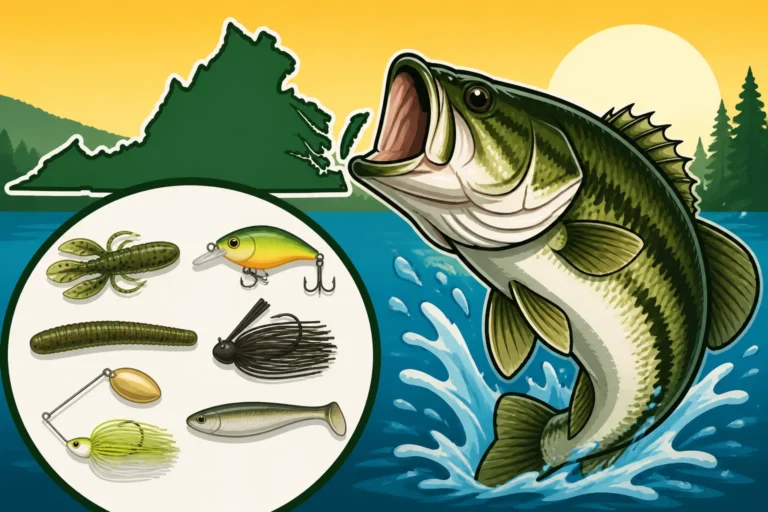
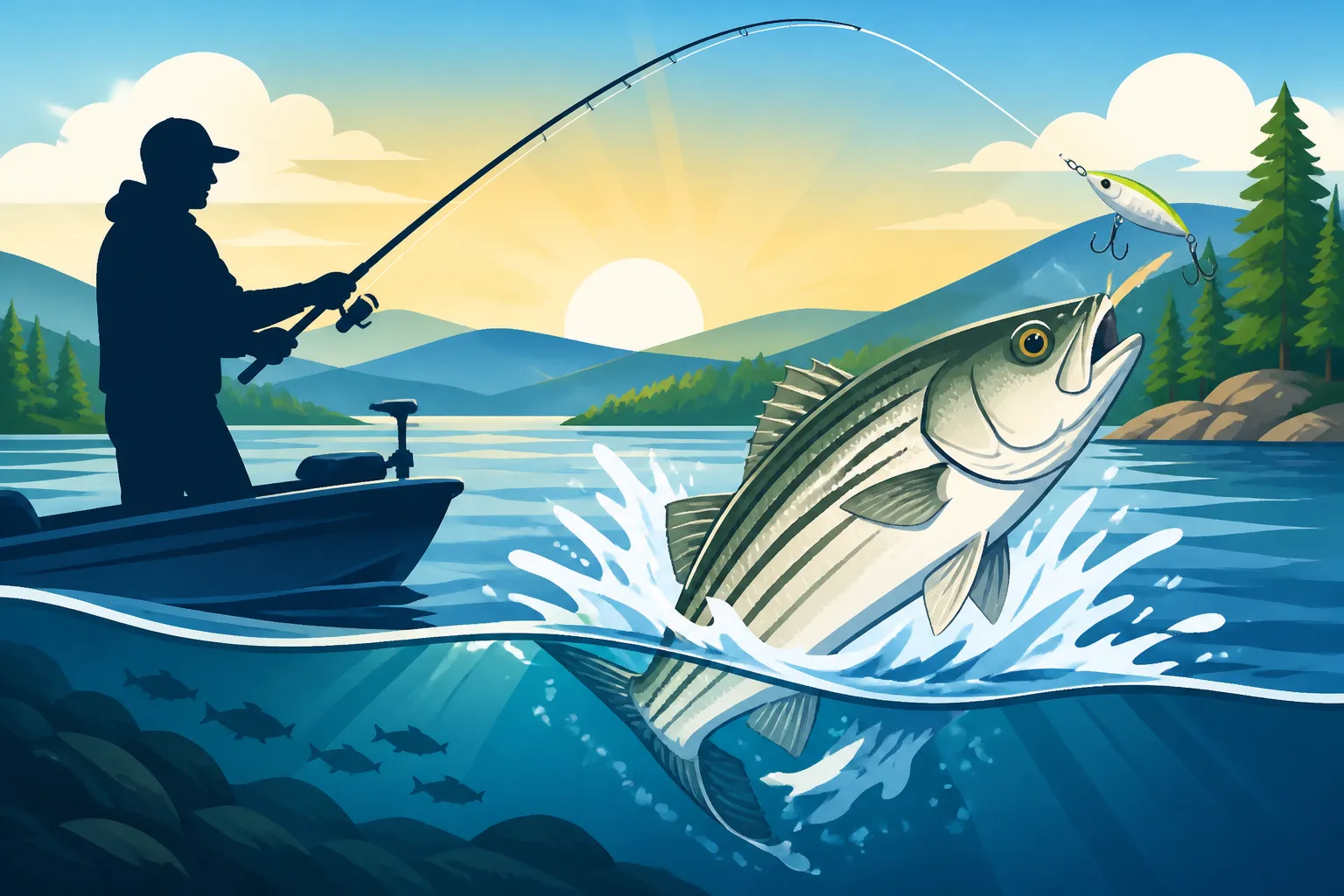
For live bait, gizzard shad are king. Catching your own with a cast net is ideal, but some bait shops around SML do carry them. Live bait can be fished in various ways: free-lining, under a float, or slow-trolling. When the fish are deep, a downrigger or a weighted jighead can get your live bait into the strike zone. If you're using artificials, bucktail jigs (white, chartreuse, or pearl), flukes (soft plastic jerkbaits), swimbaits, and topwater plugs (especially at dawn and dusk) are all proven striper getters. Silver, white, and shad-patterned lures are often highly effective. Don't be afraid to experiment with different sizes and colors until you find what the fish are keying in on that day. You'll find a wide selection of these lures on Amazon to get you started. Best Live Bait for Striped Bass Fishing can provide a deeper dive into bait selection.
Navigation and Safety Equipment
Smith Mountain Lake is a large body of water, and safety should always be your top priority. Beyond your fishing gear, ensure your boat is equipped with all necessary safety equipment, including personal flotation devices (PFDs) for everyone on board, a fire extinguisher, a horn or whistle, and navigational lights.
For navigation, a good GPS-enabled fish finder is almost indispensable. Not only will it help you find your way around the lake and mark productive fishing spots, but it's also crucial for locating schools of baitfish and the stripers themselves, which often appear as distinct arches or schools on the screen. Many units also have lake mapping features, helping you identify channels, humps, and points. A reliable anchor is also essential, especially if you plan to stay put in a promising spot. Always carry a fully charged cell phone, and consider a VHF radio if you're venturing far from shore. Planning your trip, checking weather forecasts, and letting someone know your float plan are just good practices for any day on the water.
Key Techniques for Success
Catching SML stripers consistently involves a mix of art and science. It's about understanding their behavior, knowing the lake, and employing the right techniques at the right time. For first-time anglers, focusing on a few proven methods will greatly increase your chances of success.
Trolling Strategies
Trolling is one of the most popular and effective ways to cover water and find active stripers on SML. It involves dragging lures or live bait behind a moving boat at a controlled speed. For stripers, speeds typically range from 2 to 4 miles per hour, but sometimes a slower or faster presentation is needed.
You can troll with various setups:
- Flatlining: Running lures or bait far behind the boat with no additional weight, great for fish near the surface.
- Planer Boards: These boards pull your lines out to the side of the boat, covering a wider swath of water and preventing tangles when running multiple lines.
- Downriggers: These devices allow you to precisely present lures or bait at specific depths, which is crucial when stripers are holding deep.
- Lead Core Line: A specialized line that sinks at a predictable rate, allowing you to get lures to depth without heavy weights directly on your fishing line.
When trolling, pay close attention to your fish finder. Look for bait balls and stripers, and adjust your depth and speed accordingly. Don't be afraid to make turns; often, a change in direction can trigger a strike as your lure changes speed or depth. Trolling Strategies offers more general advice that applies well here.
Live Baiting Approaches
Many SML striper fanatics swear by live bait, and for good reason—it's incredibly effective, especially with gizzard shad. The natural movement and scent of live bait are often irresistible to hungry stripers.
There are a few primary ways to present live bait:
- Free-lining: This involves hooking a live shad (usually through the nose or back) and letting it swim freely behind the boat, often with a light weight or no weight at all. This is fantastic when stripers are feeding on the surface or just below.
- Suspended Under a Float: For fish holding at a specific depth, a slip float or fixed float can keep your live bait in the strike zone. This is particularly effective around submerged brush, points, or humps where fish might be congregating.
- Bottom Rigging: If stripers are holding very deep, a Carolina rig or a three-way swivel rig with a heavy sinker can get your live bait down to them. This is often used when anchoring over a deep hump or channel edge.
Always keep your live bait lively! A good bait tank with aeration is crucial. When you hook a striper on live bait, let them take the bait for a few seconds before setting the hook firmly. They often mouth it first before fully committing. The comparison in Live Bait Versus Trolling for Smith Mountain Lake Stripers in Virginia might help you decide which method to focus on first.
Locating Stripers with Electronics
Modern electronics are an angler's best friend on a lake the size of SML. Your fish finder isn't just for depth; it's a powerful tool for locating fish. Learning to interpret what you see on the screen can drastically improve your success.
Look for schools of baitfish, which appear as dense clouds or masses on your sonar. Striped bass will often be lurking nearby, either directly below, above, or to the sides of these bait schools. Stripers themselves typically show up as distinct, often elongated, arches or individual marks. The bigger the fish, often the thicker the arch. Side imaging and down imaging technologies, if your unit has them, can provide even more detail, allowing you to see structure and fish off to the sides of your boat. Pay attention to water temperature readings, as stripers prefer specific thermal bands. Many anglers also use a thermometer to check surface temps. Using your GPS to mark waypoints when you find fish or structure is invaluable for returning to productive spots. How to Find Fish From a Boat With a Fish Finder dives deeper into maximizing your electronics.
Navigating SML for Striped Bass
Smith Mountain Lake offers vast expanses of water, but stripers often concentrate in specific areas due to factors like structure, depth, and baitfish presence. Knowing these key zones and respecting the lake's rules will make your first trip much more enjoyable and productive.
Popular Striper Spots
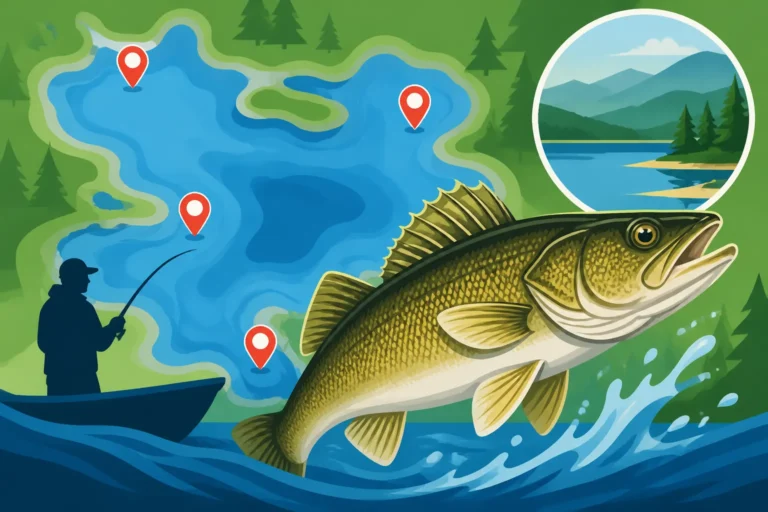
While stripers can be found throughout SML, certain areas are renowned for consistent action. The main lake points, especially those near deep channels, are always worth checking. Submerged humps and islands, often found in the middle of broader sections of the lake, act as magnets for bait and predators. The mouths of major creeks like Blackwater Creek, Gills Creek, and Craddock Creek can also be very productive, particularly in spring and fall when baitfish move into these areas.
Don't overlook bridge pilings and deep docks on the main lake; these structures often provide cover and ambush points for stripers. Remember, SML is a massive lake, so don't try to fish it all in one day. Pick a section and thoroughly explore it, using your electronics to identify promising structure and bait concentrations. Checking online fishing forums or local bait shop reports can often give you current hotspots. Smith Mountain Lake's Elite Virginia Striped Bass Fishery highlights some of these prime locations.
Understanding Lake Structure
Striped bass are structure-oriented fish, meaning they relate to changes in the lake bottom. Understanding common lake structures will help you predict where stripers might be holding.
- Points: Submerged landforms extending from the shore into deeper water. Stripers often patrol these points, ambushing baitfish moving along the edges.
- Humps and Islands: Underwater hills or elevated areas that rise from the lake bottom. These are prime ambush points and holding areas for both bait and stripers.
- Channels: The old riverbeds or creek channels that run through the lake. Stripers use these as highways and often suspend along their edges.
- Deep Docks and Brush Piles: Man-made structures that provide shade, cover, and attract baitfish, which in turn attract stripers.
As a first-timer, focus on areas where these structures intersect or where there's a significant depth change. Using your boat's contour maps (if available) and your fish finder will be critical for pinpointing these areas. Think about where baitfish would gather or try to hide, and chances are, stripers won't be far behind.
Respecting Other Anglers and Regulations
Smith Mountain Lake is a popular destination, and you'll often share the water with other anglers, boaters, and even swimmers. Courtesy on the water goes a long way. Maintain a respectful distance from other boats, especially those that appear to be actively fishing or trolling. Don't cut off other boats, and avoid excessive noise near fishing areas.
Crucially, always be aware of and follow Virginia's fishing regulations. This includes having a valid Virginia Fishing License Guide, adhering to the specific catch limits and slot limits for striped bass, and understanding any seasonal restrictions. For Smith Mountain Lake, there are specific regulations that apply, so make sure you're up-to-date. Ignorance of the law is never an excuse, and game wardens do patrol the lake. Checking the Virginia Department of Wildlife Resources (DWR) website is the best way to ensure you have the most current information.
Essential Smith Mountain Lake Striper Angler's Checklist
Here’s a quick overview of what a first-timer might consider essential for a successful SML striper trip. You can find many of these items, from fishing line to lures, conveniently on Amazon to compare options and prices.
| Category | Item | Notes |
|---|---|---|
| Rods & Reels | Medium-Heavy to Heavy Rod (7-8 ft) | Good for casting distance and fighting powerful fish. |
| Large Spinning Reel (4000-6000) or Baitcasting Reel | Smooth drag is key for strong runs. | |
| Line | 30-50 lb Braided Main Line | Strong, sensitive, low stretch. |
| 20-30 lb Fluorocarbon Leader | Less visible to fish, provides abrasion resistance. | |
| Baits & Lures | Live Gizzard Shad (if available) | King for SML stripers, often caught with a cast net. |
| Bucktail Jigs (white, chartreuse) | Versatile for various depths and presentations. | |
| Soft Plastic Flukes/Swimbaits | Mimic shad, effective on jig heads or weighted hooks. | |
| Topwater Plugs (dawn/dusk) | Exciting surface strikes, especially when fish are active. | |
| Terminal Tackle | Swivels, Snaps, Weights | Essential for rigging lures and bait, prevent line twist. |
| Quality Hooks (Circle hooks for live bait) | Strong, sharp hooks are a must. | |
| Electronics & Nav | GPS-enabled Fish Finder | Locates bait, fish, and helps navigate the large lake. |
| Lake Maps (digital or paper) | Understand depths, channels, and structure. | |
| Safety Gear | PFDs for all on board | Legally required and vital for safety. |
| Basic First Aid Kit | For minor cuts, scrapes, or hooks. | |
| Sunscreen, Hat, Sunglasses | Essential for protection from sun exposure. | |
| Other Essentials | Cooler with ice | For drinks, snacks, and keeping your catch fresh. |
| Fishing Pliers/Forceps | For hook removal and cutting line. | |
| Valid Virginia Fishing License | Don't leave shore without it! Virginia Fishing License Guide is a must-read. |
Starting your striped bass journey on Smith Mountain Lake is an exciting prospect. By understanding these powerful fish, equipping yourself with the right gear (and maybe picking up some essentials from Amazon before you go), and learning a few key techniques, you'll be well on your way to experiencing the thrill of battling one of Virginia's most iconic freshwater game fish. Remember, every angler has a "first time," and patience, persistence, and a willingness to learn are your best assets.
Disclaimer
This article is for general informational purposes only and does not constitute professional advice. Laws, prices and regulations vary by location and change over time. Consult a qualified professional for guidance on your specific situation.