Claytor Lake’s Walleye Population: What Anglers Should Know
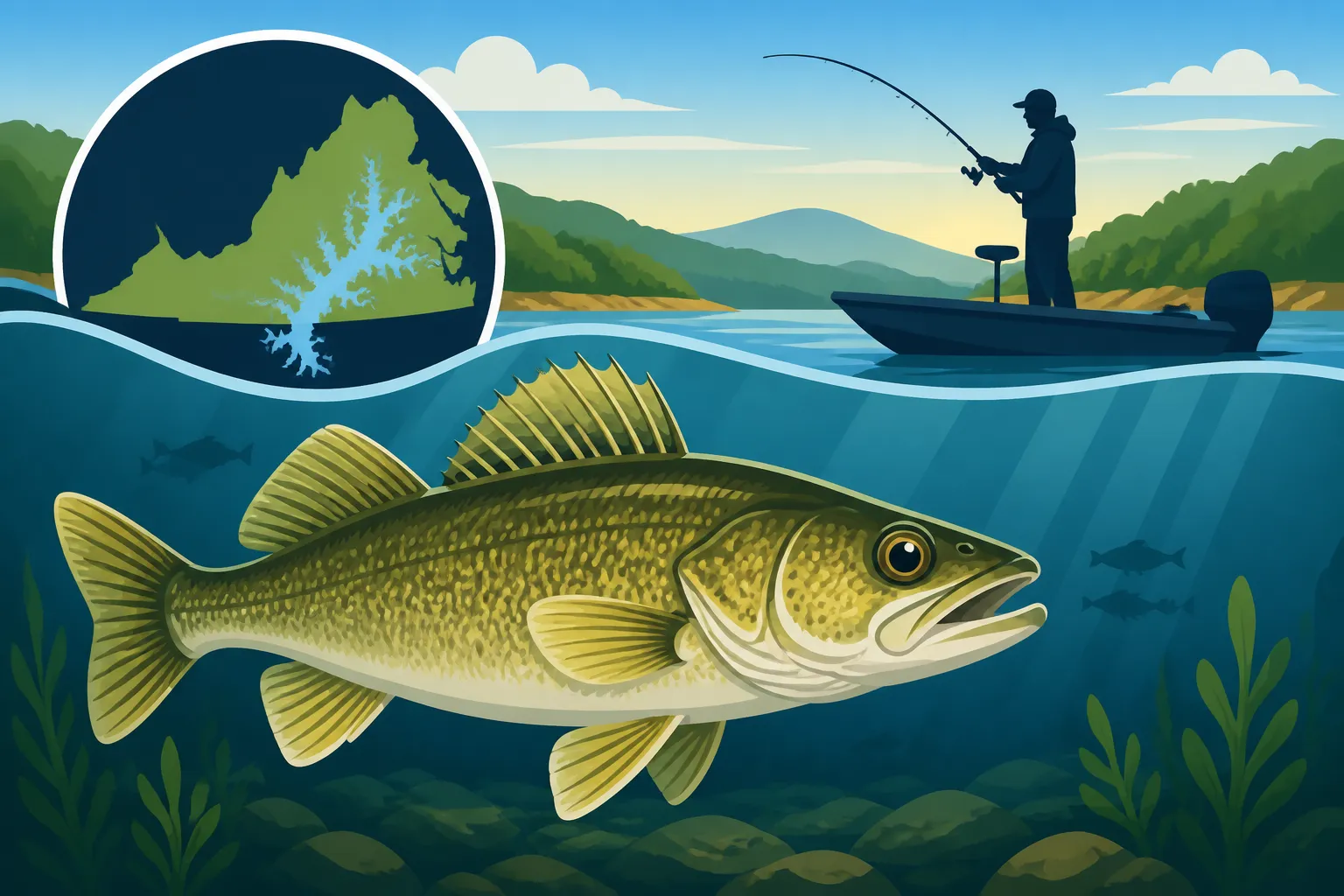
For anglers hoping to tangle with one of Virginia's most elusive and rewarding freshwater catches, the walleye, Claytor Lake often presents a unique set of challenges and triumphs. It's not always easy to pinpoint these finicky eaters, leading to plenty of head-scratching moments out on the water. This comprehensive guide is here to demystify Claytor Lake's walleye population, offering insights into their behaviors, preferred habitats, and the most effective techniques to help you finally land that golden-eyed trophy.
The Allure of Walleye in Claytor Lake
There's something truly special about walleye fishing. Maybe it's their reputation for being notoriously tricky to catch, or perhaps it's their firm, flaky white meat that makes for an incredible dinner. Whatever the reason, walleye have a mystique that draws anglers in, and Claytor Lake is one of Virginia's prime destinations to pursue them.
Why Walleye are a Prized Catch
Walleye aren't like some other fish that will hit almost anything you throw at them. They're often called "ghosts of the deep" because they prefer low light conditions, shying away from bright sun, and can be incredibly selective about what they'll bite. This elusive nature is precisely what makes catching one such a triumph. When you finally feel that distinct "thump" on your line and bring a beautiful walleye to the boat, it's a moment earned through patience, skill, and often, a bit of persistence. Their subtle bite means you need to pay close attention to your line, feeling for the slightest change, which really hones your angling senses. Beyond the challenge, walleye are also highly regarded for their delicious table fare, making them a favorite among anglers who enjoy eating their catch. Is Walleye Good to Eat?
Claytor Lake's Unique Walleye Fishery
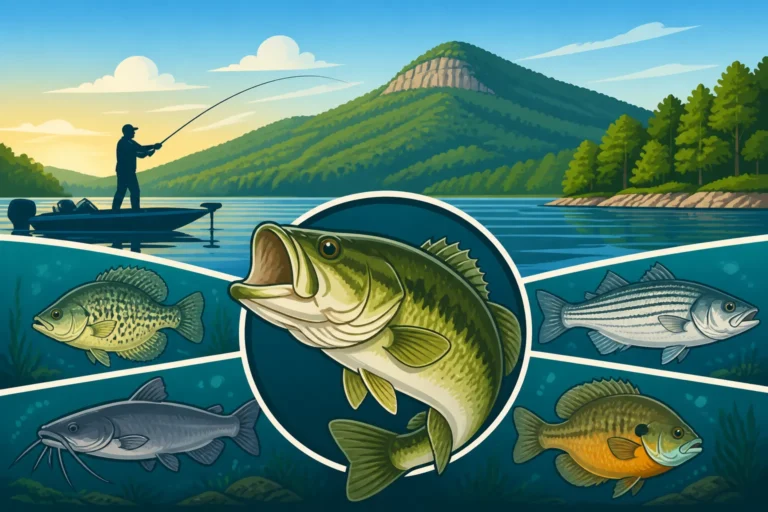
Claytor Lake, nestled in Southwest Virginia, isn't just another body of water; it’s a truly special place that fosters a thriving, if sometimes challenging, walleye population. Unlike some shallower, warmer impoundments, Claytor Lake offers deep, clear, and relatively cool waters, which walleye absolutely adore. The lake's irregular bottom contour, featuring steep drop-offs, underwater humps, and numerous points, provides the ideal structure these fish seek out. This means they have plenty of places to hide, ambush prey, and escape the midday sun. The lake also boasts a diverse forage base, including alewife, gizzard shad, and various panfish, which provides a consistent food source for a healthy walleye population. This combination of prime habitat and ample food allows walleye to grow to impressive sizes, making Claytor Lake a true gem for those looking to target this species in Virginia. For a broader look at the fish species here, check out Claytor Lake's Diverse Virginia Fish Species Guide.
Key Walleye Behaviors and Habitats on Claytor Lake
Understanding how walleye move and where they prefer to hang out throughout the year is perhaps the most critical piece of the puzzle for consistent success. They are creatures of habit, but those habits shift with the seasons, water temperature, and available light.
Understanding Walleye Seasonal Movements
Walleye movements are heavily dictated by water temperature and their spawning cycle. Knowing these patterns helps you anticipate where they'll be and what they'll be doing.
-
Spring: The Spawning Run and Post-Spawn Feast
As winter's chill gives way to warmer spring temperatures, usually when water temperatures hit the mid-40s to low 50s Fahrenheit, walleye begin their annual spawning migration. On Claytor Lake, this often means they'll move towards shallower, rocky areas, points, and even rip-rap banks where they can lay their eggs. This is a prime time for shore anglers or those in boats casting jigs or slowly trolling stickbaits near these rocky structures. After the spawn, typically when water temperatures climb into the 50s and 60s, the walleye become incredibly hungry, recovering from the strenuous spawning process. They'll actively feed in slightly deeper staging areas adjacent to the spawning grounds, often on submerged points or near creek channels. This post-spawn period can be one of the most productive times to catch them if you can locate these hungry fish. -
Summer: Deep Water Retreat
Once the scorching summer sun raises Claytor Lake's surface temperatures, walleye generally retreat to deeper, cooler, and more oxygenated waters. You'll find them concentrating around main lake points, deep humps, submerged islands, and along creek and river channels in the 20-40 foot range, sometimes even deeper. They become much more sensitive to light during this time, often feeding most actively during low-light periods like dawn, dusk, or even at night. During the day, they'll hug the bottom or relate tightly to structure. This is when a good depth finder becomes absolutely invaluable, helping you pinpoint these deep-dwelling fish. Targeting them often involves vertical jigging, deep trolling, or using live bait rigs on the bottom. How Water Temperature Affects Fish Feeding is key here. -
Fall: The Feeding Frenzy
As autumn arrives and water temperatures begin to drop, walleye experience a resurgence of activity. They move shallower again, following their forage as baitfish also migrate to shallower flats and points. This is a time of intense feeding as they bulk up for the upcoming winter. You'll find them actively chasing baitfish in the 10-25 foot range, often holding on the edges of structure where they can ambush prey. Trolling crankbaits at various depths, casting jerkbaits, or even vertical jigging can be highly effective during the fall. The cooler temperatures and increased activity make this one of the most enjoyable and productive seasons for walleye fishing on Claytor Lake. -
Winter: Slow and Deep
When Claytor Lake fully succumbs to winter's cold, walleye become more lethargic. They'll typically move to the deepest parts of the lake, often congregating in large schools near main lake channels, deep humps, and large submerged timber. Their metabolism slows down, and their bites can be incredibly subtle. The key to winter walleye is to present baits slowly and precisely, often using vertical jigging techniques with small, enticing baits. While not as active as other seasons, dedicated ice anglers (if conditions allow, and assuming it's legal/safe on Claytor Lake, which isn't always the case with large Virginia lakes) or boat anglers employing specific deep-water tactics can still find success. It requires patience and a good understanding of where they'll be holding in the deepest holes.
Prime Claytor Lake Structures for Walleye
Walleye are notorious structure-oriented fish. They love anything that offers them cover, shade, or an ambush point. Claytor Lake, with its varied topography, offers a buffet of such locations.
- Submerged Timber and Brush Piles: These underwater forests are fantastic walleye magnets, especially during warmer months. Fish will hide within the branches, using them for cover from predators and as a staging area to ambush passing baitfish. Presenting jigs or slow-trolling crankbaits along the edges of these submerged trees can be very productive. Just be prepared for snags!
- Rock Piles and Rubble Areas: Walleye love rocks, particularly during the spawn and in cooler water. These areas attract baitfish and provide excellent hiding spots. Look for rocky outcroppings, rip-rap banks, or underwater rock piles that might be overlooked. Jigs bounced along the bottom here are often irresistible.
- Ledges and Drop-Offs: These are classic walleye haunts. Ledges provide a natural transition zone where walleye can move up and down in the water column to feed or find comfortable temperatures. They'll often sit right on the edge of a drop-off, looking out into deeper water for prey. Trolling parallel to ledges or vertically jigging them is a time-tested strategy.
- Humps and Submerged Islands: Any elevated structure on the lake bottom, like a hump or a submerged island, is a high-percentage spot. Walleye will often cruise the tops of these structures, especially if they have some cover like rocks or brush. Anglers often find success by drifting or slowly trolling over these features, paying close attention to their fish finder.
- Creek Channels and Points: The old creek and river channels that were flooded to create Claytor Lake are superhighways for fish movement. Walleye will use these channels to travel between deep and shallow water. Points extending into the main lake or along these channels are also prime ambush locations, especially points that drop off quickly into deeper water. Claytor Lake Fishing Spots and Tips are often centered around these kinds of structures.
Essential Techniques and Tackle for Claytor Lake Walleye
Having a solid understanding of walleye behavior is one thing, but translating that into actual catches requires the right techniques and tackle. Walleye are discerning, so presentation is paramount.
Best Baits and Lures for Claytor Lake Walleye
Choosing the right offering is critical for enticing a bite from a Claytor Lake walleye. Their preferences can change with the season, time of day, and even water clarity.
-
Jigs: Versatile and Effective
Jigs are arguably one of the most versatile and effective lures for walleye. A simple lead-head jig tipped with a soft plastic grub, a swimbait, or even live bait like a minnow or nightcrawler can be deadly. For Claytor Lake, carry a variety of jig weights (from 1/8 oz to 1/2 oz, or even heavier for deep water) and colors. Chartreuse, white, orange, and purple are often go-to colors, but don't be afraid to experiment. You can find excellent selections of jigs and soft plastics, including popular brands like Berkley Gulp! or Z-Man, on platforms like Amazon, allowing you to stock up before your trip. Vertical jigging directly beneath the boat is great for deep-holding fish, while casting and slowly retrieving can work wonders on points and flats. Best Bait for Walleye in Virginia highlights just how important this choice is. -
Crankbaits: The Trolling Dynamo
Crankbaits are essential for covering water, especially when walleye are spread out or when you're trying to locate schools. Deep-diving crankbaits are perfect for trolling along ledges, humps, and creek channels, getting down to where the walleye are holding in deeper water. Medium-diving and shallow-diving crankbaits come into their own during spring and fall when fish are shallower. Again, a range of colors and sizes is important. Natural baitfish patterns (shad, alewife) are always a good starting point, but bright colors can also trigger reaction strikes. Trolling speed is critical; experiment until you find what the fish prefer, often a slow, methodical pace that allows the lure to wobble enticingly. -
Live Bait: Irresistible Enticement
Sometimes, nothing beats the real thing. Live bait is incredibly effective, especially for finicky walleye. Minnows (shiners, fatheads), nightcrawlers, and leeches (where legal and available) are all excellent choices. You can fish live bait on a simple jig head, under a bobber in shallower water, or on a bottom bouncer rig for deeper applications. The natural scent and action of live bait can often coax a strike when artificials fail. Presenting live bait slowly and naturally is key. Ensure your hooks are sharp and appropriately sized for your bait and target. While you might buy your minnows locally, you can find a lot of your live bait accessories, like aerators and minnow buckets, on Amazon.
Effective Fishing Methods on Claytor Lake
Beyond selecting the right lure, how you present it makes all the difference. Walleye are sensitive to presentation, so precision and patience are your allies.
-
Trolling: Covering Water and Controlling Depth
Trolling is a highly effective method for targeting walleye on Claytor Lake, particularly when they're scattered or when you're trying to find them. It allows you to cover large areas of water, presenting your bait or lure at a consistent depth. Pay close attention to your speed, often 1.5 to 2.5 miles per hour, but let the fish tell you what they want. Use a depth finder to identify humps, ledges, and channel edges, and then troll your lures to run at or just above these structures. Line counter reels can be incredibly useful for replicating successful presentations. Whether you're pulling crankbaits or spinner rigs tipped with live bait, trolling keeps your offering in the strike zone for extended periods. -
Jigging: Precision and Vertical Presentation
Jigging is a more active, hands-on approach that shines when walleye are concentrated around specific structures like rock piles, deep humps, or submerged timber. Vertical jigging involves positioning your boat directly over the fish or structure you've identified on your electronics and dropping a jig straight down. Gently lift and drop the jig, feeling for that subtle "thump" or spongy feel that indicates a bite. Casting jigs and working them back along contours or over flats is also effective, especially in shallower water. The key is to keep your jig in contact with the bottom or just above it, mimicking a feeding baitfish. -
Bottom Bouncing: Deep Water Success
For deep-water walleye, especially during the summer and winter, bottom bouncing rigs are incredibly effective. A bottom bouncer is a weighted wire rig designed to keep your bait or lure near the bottom without constantly snagging. You can trail a snelled hook with live bait (like a nightcrawler harness) or a small crankbait behind the bouncer. This method is often employed while drifting or slow trolling, allowing your bait to follow the contours of the lake bed. It's a fantastic way to present a natural-looking offering directly in the walleye's strike zone when they're holding tight to the bottom.
Gear and Electronics to Enhance Your Walleye Success
Having the right equipment can significantly improve your odds when chasing walleye, especially on a lake as varied as Claytor.
- Sensitive Rods and Reels: Walleye bites can be incredibly subtle, sometimes feeling like nothing more than extra weight on the line. A sensitive rod with a fast or extra-fast action is crucial for detecting these faint bites. Medium-light to medium power spinning rods, paired with a smooth spinning reel spooled with braided line and a fluorocarbon leader, are a popular choice. The braided line offers superior sensitivity, allowing you to feel every tap, while the fluorocarbon leader provides invisibility in clear water.
- Fish Finders and Sonar: This is non-negotiable for serious walleye anglers on Claytor Lake. A quality fish finder with down imaging and side imaging capabilities will help you locate structure, identify baitfish schools, and even spot individual walleye holding near the bottom or within cover. Knowing where the fish are is half the battle, and modern electronics make that much easier. Brands like Humminbird or Lowrance offer various models, and many accessories can be found on Amazon to optimize your setup. How to Find Fish From a Boat With a Fish Finder is a skill worth developing.
- GPS and Mapping: Integrated GPS with detailed lake maps on your fish finder or a separate unit is invaluable for marking productive spots, navigating complex underwater structures, and returning to specific locations that yielded fish previously. This is particularly useful for relocating those deep humps or submerged points where walleye often congregate.
- Other Useful Tools: Don't forget essentials like a good pair of polarized sunglasses to cut glare and spot shallow structure, a sturdy net with rubberized mesh (kinder to fish), and a ruler or measuring board to ensure your catch meets legal requirements. A quality cooler for your keepers is also a must.
Navigating Regulations and Conservation on Claytor Lake
Part of being a responsible angler is knowing and adhering to the rules, as well as understanding the importance of conservation. Virginia's Department of Wildlife Resources (DWR) sets these guidelines to ensure healthy fish populations for generations to come.
Virginia's Walleye Regulations and Limits
While walleye fishing can be incredibly rewarding, it's crucial to always be aware of the specific regulations for Virginia and for Claytor Lake in particular. These rules are in place to manage the fishery and protect the walleye population from overfishing. Typically, regulations will cover aspects like minimum length limits (to ensure fish have a chance to reproduce) and daily creel limits (the number of fish you're allowed to keep per day).
It's important to remember that regulations can change, so always check the most current Virginia DWR fishing regulations before heading out. You can usually find these online on the DWR website or by picking up a copy of the annual regulations booklet wherever fishing licenses are sold. Ignoring these rules can lead to penalties, so it's always better to be informed. For a general overview of the rules, you can refer to Virginia Fishing Regulations Explained.
Practicing Responsible Walleye Fishing
Beyond simply following the rules, truly responsible angling involves a commitment to conservation. Walleye can be a fragile fishery, and our actions on the water directly impact their future.
- Catch and Release Best Practices: If you're planning to release walleye, handle them with care. Use wet hands to minimize the removal of their protective slime coat, support their body horizontally, and if possible, keep them in the water during hook removal. Use de-barbed hooks or circle hooks, especially if targeting fish for release, as they often result in hooks in the corner of the mouth, minimizing internal injury.
- Minimizing Stress: Avoid excessive fighting of fish, especially in warmer water where oxygen levels are lower. Bring them in efficiently to reduce stress. When taking photos, do so quickly and get the fish back into the water promptly.
- Respecting the Fishery: Adhere to all slot limits or special regulations that might be in place for Claytor Lake's walleye. These are often designed to protect a certain size class of fish, like spawning females, to ensure the population can sustain itself. Also, be mindful of your impact on the environment around the lake, picking up any trash and leaving no trace. Your choices today contribute to the health of the fishery for tomorrow.
Here’s a quick overview of seasonal walleye patterns on Claytor Lake:
| Season | Typical Location | Recommended Techniques | Preferred Baits/Lures | Notes |
|---|---|---|---|---|
| Spring | Shallow rocky banks, points, creek channel edges | Casting jigs, slow trolling crankbaits | Live minnows, soft plastic grubs, shallow crankbaits | Post-spawn feeding frenzy, active. |
| Summer | Deep humps, ledges, main lake channels (20-40ft+) | Vertical jigging, deep trolling, bottom bouncing | Live nightcrawlers, deep diving crankbaits, spoons | Light sensitive, often nocturnal feeding. |
| Fall | Mid-depth points, flats, channel breaks (10-25ft) | Trolling crankbaits, casting jerkbaits, jigs | Shad-imitating crankbaits, jigging spoons, larger minnows | Aggressive feeding, bulking up for winter. |
| Winter | Deepest lake basins, main channels, submerged timber | Slow vertical jigging, dead sticking live bait | Small jigs tipped with minnows, blades, subtle soft plastics | Slow metabolism, light bite, requires patience. |
Claytor Lake’s walleye population offers an exciting challenge for any angler, from seasoned veterans to those just starting their journey into the world of fishing. With the right knowledge about their behavior, preferred habitats, and effective techniques, you'll be well on your way to experiencing the thrill of a Claytor Lake walleye on the end of your line.
Disclaimer
This article is for general informational purposes only and does not constitute professional advice. Laws, prices and regulations vary by location and change over time. Consult a qualified professional for guidance on your specific situation.