Best Bait for Crappie Fishing in Virginia
Crappie fishing in Virginia can be incredibly rewarding, but anyone who's spent a frustrating afternoon on the water knows these panfish can be notoriously finicky. Getting the right bait in front of them, at the right time, and presented just so, is the key to a successful outing. This comprehensive guide will walk you through the very best baits for crappie in Virginia, covering everything from the tried-and-true classics to modern artificials, and how to use them effectively to fill your cooler.
Understanding Crappie Behavior in Virginia Waters
Before we even talk about specific baits, it’s crucial to understand what makes crappie tick. These fish aren't always aggressive eaters; they often prefer a subtle, easy meal, and their location can shift dramatically with the seasons and even the time of day. Knowing their habits is half the battle when it comes to bait selection and presentation.
Seasonal Movements and Feeding Habits
Crappie are masters of adaptation, and their behavior changes significantly throughout the year in Virginia's diverse waterways. In early spring, as water temperatures begin to rise into the high 50s and low 60s, crappie move from deeper winter haunts into shallower spawning areas. They're looking for submerged brush, fallen trees, and weed beds to lay their eggs, and during this pre-spawn and spawn period, they can be found in relatively shallow water, sometimes just a few feet deep. This is a prime time for anglers, as they're often concentrated and aggressively feeding to build up energy for spawning.
As summer progresses and water temperatures climb into the 70s and 80s, crappie typically retreat to deeper, cooler water. They'll often suspend over submerged structure like old creek channels, humps, or deep brush piles, seeking refuge from the heat and bright sunlight. Their feeding can become more sporadic during the hottest parts of the day, often peaking during dawn and dusk. Fall sees a resurgence in activity as water temperatures cool, and crappie begin to feed heavily again, fattening up for the winter ahead. They'll often move back to structure at various depths, sometimes shallower than summer, before settling into their deeper winter patterns where they become more lethargic, requiring a very subtle presentation. Understanding these seasonal shifts is vital for knowing where to find them and which baits they're most likely to strike. For more details on yearly trends, check out Best Time of Year for Crappie Fishing in Virginia.
Water Conditions and Crappie Preferences
Crappie are highly sensitive to changes in water conditions, and these factors dictate not only where they'll be but also what they're willing to bite. Water clarity, for instance, plays a huge role. In clear water, crappie can be quite spooky and may prefer smaller, more natural-looking baits presented on lighter line. They have excellent eyesight, so subtle movements and realistic colors are key. Conversely, in murky or stained water, visual cues are less important, and crappie rely more on vibration and scent. This is where brighter, bolder colors, or baits with more action, can really shine.
Temperature and oxygen levels are also critical. Crappie are cool-water fish, generally thriving in temperatures between 65-75 degrees Fahrenheit. In warmer water, oxygen levels can drop, pushing crappie deeper or to areas with better circulation, like near inflowing creeks or springs. During colder periods, their metabolism slows, and they become less active, requiring a much slower retrieve and baits that can be held in their strike zone for longer. Barometric pressure can also influence their feeding behavior; a stable or rising pressure often means more active fish, while a sudden drop can make them less willing to bite. Paying attention to these environmental factors before and during your trip will significantly improve your crappie catching odds.
The Best Live Baits for Virginia Crappie
When it comes to consistently catching crappie, especially when they're being finicky, live bait often reigns supreme. There's just something about the natural movement and scent that artificials sometimes struggle to replicate. Many anglers swear by live bait, and for good reason—it’s often the easiest way to guarantee a bite, particularly for novice anglers or kids.
Minnows: The Unbeatable Classic
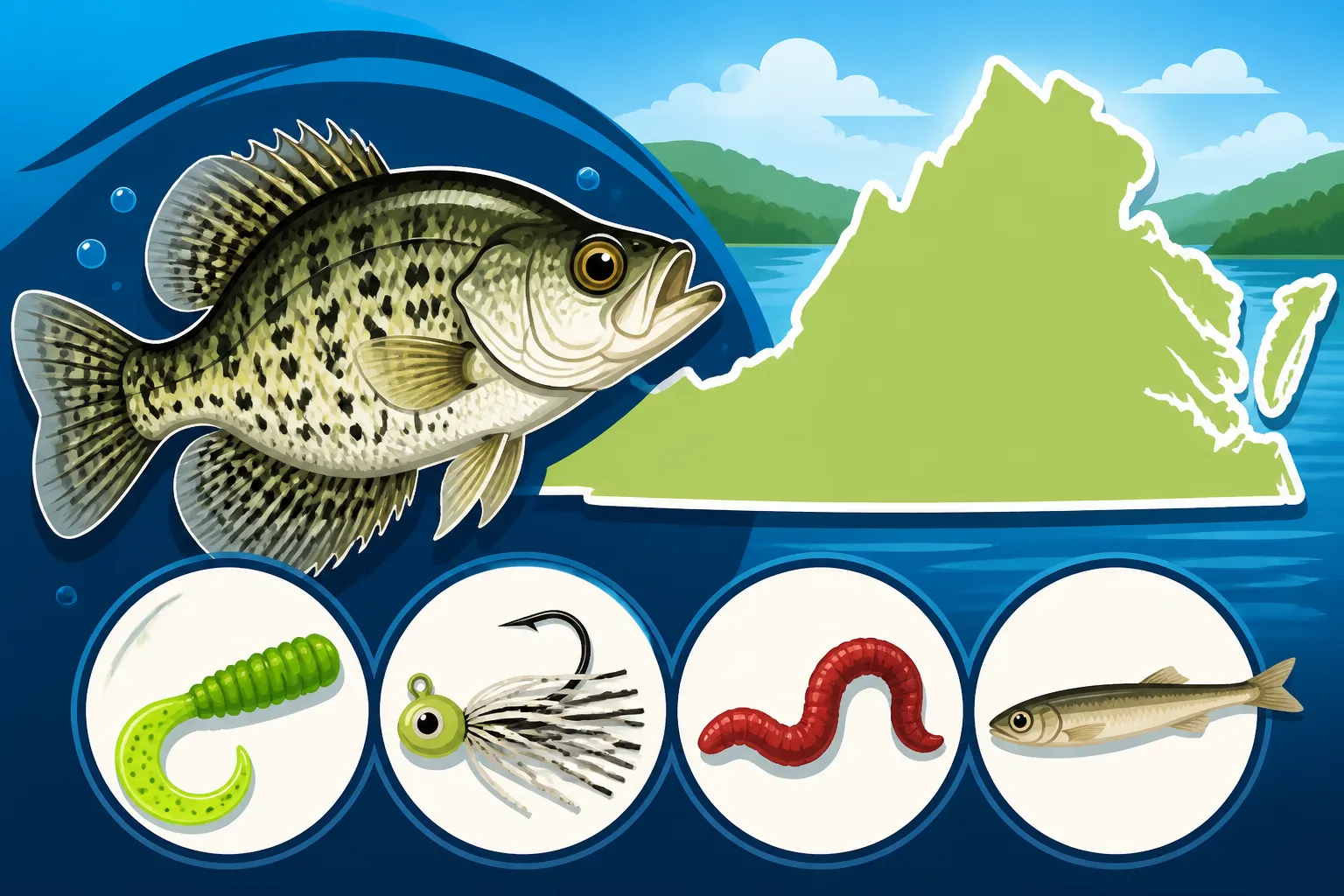
If there's one bait synonymous with crappie fishing, it's the humble minnow. Minnows are absolutely deadly on crappie, mimicking the primary food source for these fish in many Virginia lakes and rivers. They offer irresistible natural action and a scent trail that can draw in even the most hesitant crappie. Fathead minnows, shiners, or similar small baitfish are all excellent choices. For anglers looking for tips on setting up a successful crappie trip, minnows are almost always the first recommendation.
The key to fishing minnows effectively is often presentation. A common and highly effective method is to hook the minnow lightly through the lips or just behind the dorsal fin, allowing it to swim naturally. You can suspend it beneath a small bobber, which is fantastic for beginners or when fishing around brush piles, allowing the minnow to hover at a specific depth. Alternatively, fishing a minnow on a bare hook with a small split shot weight, especially in deeper water, can be very effective as you slowly retrieve or drift it. Keeping your minnows lively is also crucial; a good aerated bait bucket or a livewell will ensure they stay active and attractive to crappie throughout your fishing day. Many local bait shops in Virginia carry a variety of fresh minnows, and you can even find some specialized bait containers on Amazon that help keep them thriving.
Worms and Other Naturals
While minnows get most of the glory, other natural baits can be surprisingly effective for crappie, especially in certain situations. Small pieces of earthworms, for example, can be an excellent choice when crappie are being particularly stubborn or when you're targeting them in stained water where scent plays a more significant role. The wiggling action and natural scent of a worm can be enough to trigger a strike when other baits fail. They're also incredibly easy to come by, either by digging in your garden or purchasing them from a bait shop.
Beyond worms, don't overlook other natural offerings. Small insects, such as crickets or grasshoppers, can be very effective, particularly if crappie are feeding near the surface or around overhanging vegetation. Though less commonly used for crappie, the natural action and protein content of these insects can mimic a natural fall into the water. In some areas, small pieces of shrimp or even corn can attract crappie, although these are less traditional. The main advantage of these "other naturals" is their cost-effectiveness and accessibility. They also provide a different profile and scent, which can be useful for experimenting when crappie aren't responding to minnows or artificial lures. Always be mindful of local regulations on bait collection and usage, but don't be afraid to try something a little different if the fishing is tough.
Top Artificial Baits for Crappie in Virginia
For many anglers, the challenge and satisfaction of fooling a crappie with an artificial lure is a huge draw. Artificial baits offer incredible versatility, come in a dazzling array of colors and shapes, and perhaps best of all, you don't have to worry about keeping them alive! Modern artificials are incredibly effective and can often out-fish live bait when crappie are in an aggressive mood or when covering a lot of water.
Jigs: Versatility and Effectiveness
If live minnows are the king of natural baits, then jigs are undoubtedly the reigning monarch of artificial crappie baits. Jigs are incredibly versatile and can be fished in countless ways, making them a staple in almost every crappie angler's tackle box. The basic crappie jig consists of a weighted head and a hook, often dressed with a soft plastic body, marabou, bucktail, or synthetic fibers. The weight of the jig allows it to sink quickly, getting into the crappie's strike zone, while the dressing provides enticing action in the water.
One of the greatest strengths of jigs is their adaptability. You can fish them vertically beneath a boat, casting them and slowly retrieving, or even suspending them under a bobber. Tiny jigs, often 1/32 or 1/16 ounce, are popular for their subtle action and ability to mimic small prey. Pair them with a sensitive rod and light line, and you can feel even the lightest crappie bite. Marabou jigs, with their pulsating, lifelike movement, are perennial favorites, especially for Crappie Jigging Techniques. Soft plastic "tube" jigs or "grub" tails offer a different profile and come in an endless variety of colors, allowing you to match the hatch or stand out. You can find a huge selection of crappie jigs, in every color and size imaginable, on Amazon, making it easy to stock up for any condition you might encounter on Virginia's lakes.
Soft Plastics: Mimicking Natural Prey
Beyond traditional jigs, the world of soft plastics offers an incredible array of options for crappie anglers. These baits are designed to imitate various forms of natural prey, from tiny minnows and insects to aquatic larvae. Their soft, pliable texture and realistic shapes make them incredibly convincing to crappie, and when rigged correctly, they offer enticing action that often proves irresistible.
Popular soft plastic options include small paddle-tail swimbaits, which imitate minnows with a subtle tail kick, and tiny creature baits or worms that can be fished on a jig head or even Texas-rigged for fishing in heavy cover. "Spider" or "double-tail" grubs are another fantastic choice, offering more bulk and a unique swimming action that crappie often find alluring. The key with soft plastics is often their color and size. You want to choose colors that either blend in with the natural forage or stand out in murky water, depending on the conditions. These baits are particularly effective when Crappie Tightlining Basics are employed, allowing the soft plastic to undulate subtly with the boat's movement or current. The affordability of soft plastics also means you can experiment with many different styles and colors without breaking the bank, and many anglers even use a dab of crappie scent to give these lures an added edge.
Spinnerbaits and Crankbaits for Aggressive Crappie
While crappie are generally known for their subtle bites, there are times when they become more aggressive, and that's when spinnerbaits and crankbaits can truly shine. These lures are designed to create more flash, vibration, and movement, attracting crappie from a greater distance and triggering reactionary strikes. They're particularly effective when crappie are actively feeding or when you're trying to cover larger areas to locate schools of fish.
Tiny inline spinnerbaits, often referred to as "Roostertail" or similar brands, combine a flashing blade with a dressed body, creating both visual appeal and vibration. These are fantastic for casting and retrieving around shallow cover or along weed lines. The flash and thumping action of the blade can draw crappie out of hiding, especially on brighter days. Small crankbaits, particularly those designed for panfish, are another excellent option. These lures dive to specific depths, allowing you to target crappie suspending at various levels. Their wobbling action and internal rattles (on some models) can be incredibly effective. When crappie are chasing baitfish in open water, or when you're trolling to find scattered schools, these more aggressive lures can often outperform slower presentations. Just be sure to use smaller sizes designed for panfish, as larger bass-oriented lures will often be too big for a crappie's mouth.
Choosing the Right Bait Color and Size
It might seem like a small detail, but the color and size of your bait can make all the difference in crappie fishing. These factors are often overlooked by novice anglers, but seasoned pros know that matching the conditions and the fish's mood with the right bait attributes is paramount to success. It's not just about getting a bait in the water; it's about getting the right bait in the water.
Color Theory for Different Water Clarity
Crappie, like most fish, perceive color differently depending on light penetration and water clarity. This means what works in clear water might be ignored in muddy conditions, and vice versa. Understanding this "color theory" is a game-changer. In clear water, where crappie have excellent visibility, natural and subtle colors often work best. Think whites, light greens, translucent plastics, or patterns that mimic common baitfish like shad or shiners. These colors don't spook the fish and blend in, presenting a more realistic meal.
Conversely, when fishing in stained or muddy water—a common scenario after heavy rains or in certain river systems—you need colors that offer higher contrast and visibility. Chartreuse, bright orange, hot pink, and other fluorescent colors become incredibly effective. The UV properties in some of these colors can make them pop in low light conditions, grabbing a crappie's attention when they can't see as well. Darker colors like black or dark blue can also create a strong silhouette in murky water, making them easier for crappie to spot. It's often a good idea to start with a natural color and a bright color when you arrive at a new spot, letting the crappie tell you their preference. For more on this, check out Best Jig Colors for Crappie Fishing.
Matching Bait Size to Crappie Preferences
The size of your bait is just as critical as its color. Crappie have relatively small mouths, and while they can certainly swallow a surprisingly large minnow, a bait that's too big will often result in missed bites or no bites at all. The general rule of thumb is to err on the side of smaller baits. Most crappie jigs and soft plastics range from 1/32 ounce to 1/8 ounce, with tiny profiles to match.
When fishing for crappie, consider the size of the natural forage in the water you're fishing. If the lake is full of tiny minnows, then a small, 1-inch grub or a 1/32-ounce jig is likely to be more effective than a larger bait. However, if you're targeting larger "slab" crappie or if they're particularly aggressive, you might get away with slightly larger baits, like a 2-inch swimbait or a larger minnow. It’s a balance of enticing the fish with something they can easily eat versus something that stands out. Carrying a variety of sizes in your tackle box is always a good strategy, allowing you to adjust on the fly. Don't be afraid to downsize your bait and line when the bite gets tough; often, a smaller, more subtle presentation is what it takes to get those stubborn crappie to commit.
Essential Rigging and Presentation Techniques
Even with the best bait, if your rigging and presentation aren't on point, you'll be missing out on bites. Crappie are notorious for their light touch, and a poor presentation can lead to ignored lures or snatched baits. Mastering a few key techniques will significantly boost your success rate in Virginia's crappie hotspots.
Jigs and Bobbers: A Beginner-Friendly Setup
The classic jig and bobber setup is not only fantastic for beginners but also remains incredibly effective for seasoned anglers targeting crappie. This method allows you to present a small jig or a live minnow at a precise depth, keeping it in the crappie's strike zone for an extended period. The bobber acts as a visual strike indicator, signaling even the subtlest tap.
To rig this setup, simply tie your jig (or hook for a minnow) to your main line. A foot or two above that, attach a small bobber—slip bobbers are excellent as they allow you to easily adjust the fishing depth. If you're using a minnow, hook it lightly through the lips or behind the dorsal fin. If using a jig, ensure it's hanging horizontally for the most natural presentation. Cast your setup near known crappie cover like brush piles, docks, or submerged timber. The key is to let the bait sit, with only a slight twitch or very slow retrieve every now and often. The bobber will give you instant feedback, sinking or moving sideways when a crappie takes the bait. This technique is particularly effective in spring when crappie are shallow and relating to cover, but can be adapted for deeper water with larger slip bobbers and heavier jigs.
Spider Rigging and Trolling Strategies
For anglers looking to cover more water and present multiple baits simultaneously, spider rigging and trolling are highly effective strategies for crappie fishing, particularly on larger Virginia lakes. These techniques allow you to systematically search for crappie schools and present a spread of baits at different depths and colors, increasing your chances of finding what the fish want.
Spider rigging involves deploying multiple rods, typically four to eight, from the front of the boat, fanning them out like a spider's legs. Each rod will have a different bait (jigs, minnows, or a combination) set at varying depths. This allows you to quickly determine the crappie's preferred depth and bait. You then slowly motor through known crappie holding areas, letting your baits drift naturally through the water column. Trolling is a similar concept but usually involves fewer rods and often targets crappie suspending in open water or along contours. You might use small crankbaits or jig-and-minnow combinations, slowly pulling them behind the boat. Both techniques require patience and attention to detail, but they can be incredibly productive for locating and catching numbers of crappie. You can often find specialized rod holders and other accessories for these techniques through online retailers like Amazon.
Crappie Fishing Beyond Bait: Location and Timing
While bait is undoubtedly crucial, even the perfect lure won't do you any good if you're not fishing in the right place at the right time. Crappie are creatures of habit and structure, and understanding their preferred habitats and feeding windows is just as important as selecting the right artificial.
Finding Crappie Hotspots in Virginia
Virginia offers a fantastic array of crappie fishing opportunities, from large reservoirs to tidal rivers. To find the fish, you need to think about structure and cover. Crappie love to relate to anything that provides shade, ambush points, and protection from predators. Common hotspots include submerged brush piles, fallen trees, standing timber, dock pilings, bridge abutments, and even artificial fish attractors sunk by local wildlife agencies. On lakes like Smith Mountain Lake or Lake Anna, crappie will often stack up around deep points, humps, or creek channels, especially in warmer months.
Using your electronics, like a fish finder, can be a huge advantage for locating these submerged structures and even spotting schools of crappie. Look for baitfish schools as well, as crappie are almost always nearby. In rivers, look for calmer water out of the main current, such as eddies, oxbows, or deep holes behind wing dams. Understanding the seasonal movements we discussed earlier is also key; shallower cover in spring, deeper structure in summer and winter. Don't be afraid to move around until you find them. Sometimes, just a slight adjustment in depth or location can turn a slow day into a banner day. Many anglers find Best Crappie Fishing Lakes in Virginia to be fantastic resources for narrowing down where to go.
Best Times of Day and Year for Crappie Fishing
Timing is everything in crappie fishing, and knowing when to hit the water can significantly impact your success. As mentioned, spring is often considered the prime time for crappie in Virginia due to their predictable shallow-water spawning patterns. The pre-spawn and spawn period, generally when water temperatures are in the 55-65 degree range, offers some of the best action. The fish are concentrated and aggressive, making them easier to target.
Beyond spring, early morning and late evening (dawn and dusk) are almost always productive times for crappie, especially during warmer months. During these low-light periods, crappie often move shallower to feed, becoming more active. On bright, sunny days, they tend to retreat to deeper, shadier areas, becoming more lethargic during midday. Overcast days, however, can provide excellent crappie fishing throughout the day, as the subdued light keeps them active longer. Even in winter, when crappie are deep and slow, a few hours during the warmest part of a sunny day might be your best bet. Always check the weather forecast and consider how recent conditions might affect the fish. For those looking to learn more about fish identification, including these popular panfish, checking out Crappie Identification: Black Crappie vs White Crappie in Virginia can be really helpful. And remember, before you cast a line, make sure you're properly licensed by consulting our Virginia Fishing License Guide.
| Bait Type | Pros | Cons | Ideal Conditions |
|---|---|---|---|
| Live Minnows | Natural scent/action, highly effective | Keeping alive, cost, messier | All conditions, especially finicky fish |
| Earthworms | Natural scent/action, affordable | Less active than minnows, may attract other species | Stained water, subtle bites |
| Small Jigs | Versatile, wide color/size range, cost-effective | Requires angler action, no natural scent | Active fish, various depths, good for searching |
| Soft Plastics | Realistic look, varied action, many colors | No natural scent, can be torn by fish | Clear to stained water, precise presentations |
| Spinnerbaits | Flash and vibration, covers water quickly | Can be too aggressive for shy fish, larger profile | Aggressive fish, searching large areas, wind |
| Crankbaits | Dives to specific depths, strong vibration | Can be snaggy, larger profile | Open water, trolling, deep suspended fish |
Disclaimer
This article is for general informational purposes only and does not constitute professional advice. Laws, prices and regulations vary by location and change over time. Consult a qualified professional for guidance on your specific situation.