Largemouth Bass Fishing in Virginia’s Chesapeake Bay Tributaries
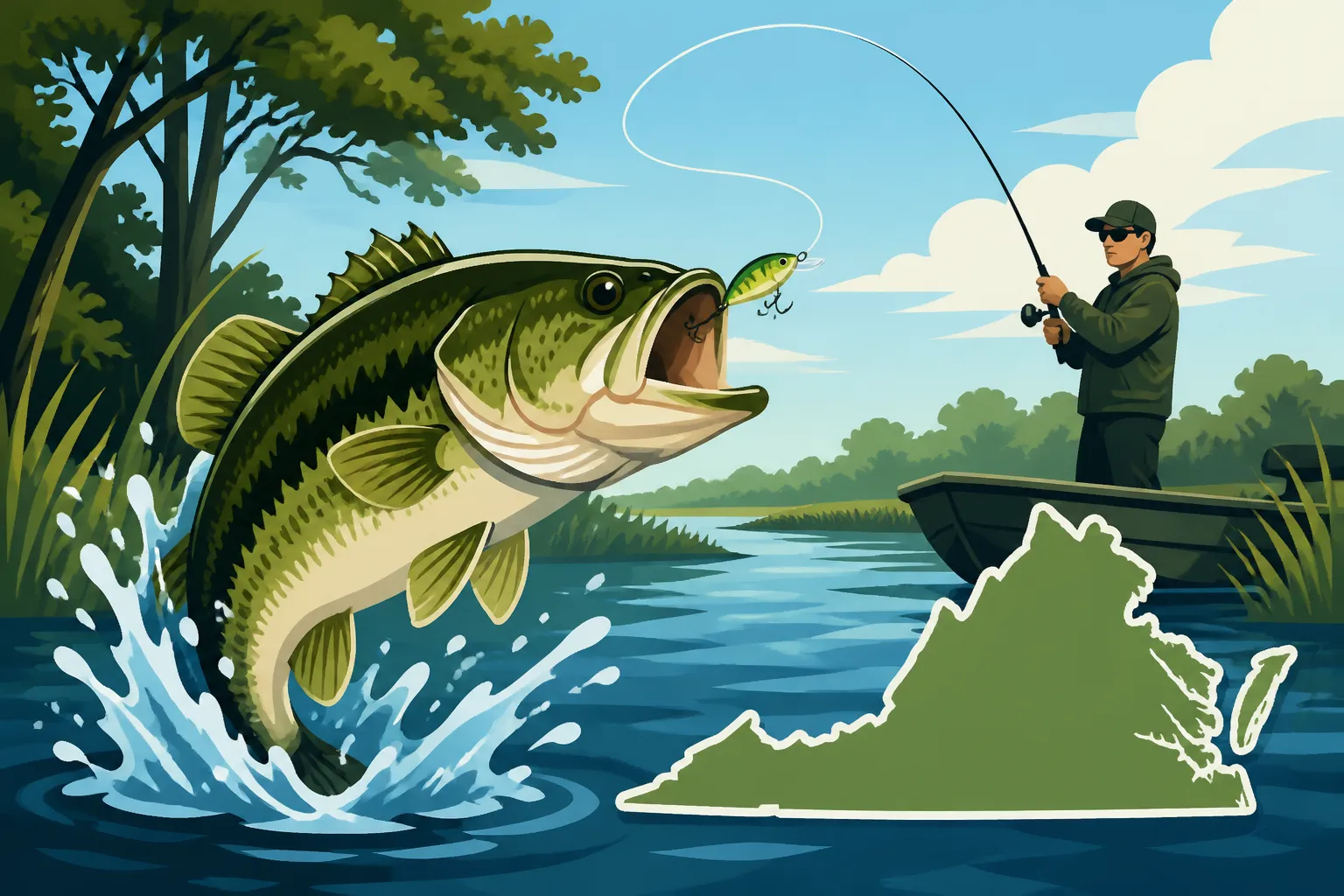
Many anglers, when they think of Virginia's famous Chesapeake Bay, immediately picture saltwater fishing – rockfish, flounder, and big red drum. But if you're overlooking the Bay's vast network of tidal tributaries, you're missing out on some truly incredible largemouth bass action. It's a unique fishery that can be incredibly rewarding, but it definitely presents its own set of challenges, from understanding the ever-changing tides to navigating sometimes murky waters. This guide is here to help you unlock the secrets to successful largemouth bass fishing in these dynamic tidal rivers, giving you the insights you need to hook into some impressive fish.
Understanding Virginia's Tidal Rivers for Largemouth Bass
Fishing for largemouth bass in Virginia's tidal rivers isn't quite like fishing your typical freshwater lake or pond. The environment is constantly in flux, and understanding these unique characteristics is key to finding and catching bass consistently. It can be frustrating trying to figure out where the fish went when the tide changes, but once you get the hang of it, these rivers can become your favorite fishing grounds.
The Unique Habitat of Tidal Tributaries
What makes these tidal tributaries so special, and sometimes a bit baffling, is the influence of the Chesapeake Bay itself. We're talking about brackish water, which is a mix of fresh and saltwater, creating a unique biological soup. The water levels aren't static; they rise and fall with the tides, sometimes by several feet. This means that cover and structure that might be submerged and holding fish at high tide could be completely exposed at low tide, or vice versa.
Bass in these rivers have adapted remarkably well. They learn to use the current to their advantage, ambushing prey that gets swept by. They also gravitate towards specific types of cover that can withstand the tidal push. Think about docks, bridge pilings, fallen trees, and especially the edges of marsh grass and lily pads. These areas offer shelter, ambush points, and often hold baitfish. While classic oyster beds are more for saltwater species, you'll often find bass lurking in nearby areas where the current flows over hard bottom or edges created by these mollusk communities. The trick is to identify where the current is weakest, allowing bass to conserve energy, or where it creates a natural funnel for bait.
Key Chesapeake Bay Tributaries for Bass Fishing
Virginia is blessed with a multitude of tidal rivers flowing into the Chesapeake Bay, and many of them offer fantastic largemouth bass fishing. It's easy to get overwhelmed trying to pick a spot, but a few stand out as consistent producers.
- James River: This is probably one of the most famous tidal bass fisheries in the state, especially the stretch above Richmond where the fall line creates unique fishing opportunities. Downstream, it offers vast stretches of tidal marsh, docks, and creeks. The bass here can be numerous and impressive in size.
- Chickahominy River: A major tributary of the James, the "Chick" is a classic tidal river with extensive cypress trees, lily pad fields, and grass beds. It's a favorite among local tournament anglers and is known for producing quality bass.
- Mattaponi and Pamunkey Rivers: These two rivers merge to form the York River and offer similar fishing experiences to the Chickahominy, though perhaps a bit more remote and less pressured in spots. They're rich in submerged timber and cypress knees.
- Potomac River (Virginia Side): While often associated with Maryland, the Virginia side of the Potomac, particularly its lower reaches and tributaries like Aquia Creek and Belmont Bay, provides excellent tidal bass fishing. It's known for vast grass flats and productive shallow water.
- Rappahannock River: Another beautiful tidal river with a good mix of shallow grass, docks, and creek mouths that hold largemouth.
Each of these rivers has its own personality, but they all share the common thread of tidal influence. Knowing a few of these rivers can greatly improve your chances, and for a broader overview of the state's options, check out Best Fishing Spots in Virginia or even more specifically, Virginia's Best Freshwater Fishing Destinations.
Essential Techniques for Tidal River Largemouth
Now that we understand where these bass live, let's talk about how to catch them. Tidal fishing demands a slightly different approach than your typical lake, and mastering these techniques can turn a frustrating day into a fantastic one.
Reading the Tides and Current
This is arguably the most crucial aspect of tidal river fishing. The tide dictates everything: water depth, current strength, and where the bass are likely to position themselves. Don't just show up and expect to catch them; study the tide charts!
- High Tide: At high tide, water pushes into the shallower marsh areas, flooding grass beds and bringing bass into these previously inaccessible spots. Bass might be cruising the edges of docks, behind inundated bushes, or deep within lily pad fields. This is often a good time for topwater lures or pitching soft plastics into dense cover.
- Falling Tide: As the water recedes, bass will often pull back from the shallowest cover. They might position themselves at the mouths of creeks, along the outside edges of grass lines, or near prominent points where baitfish are flushed out by the current. This can be a prime time for ambush predators. The current will pick up, so bass will often be on the current-side of structure, waiting.
- Low Tide: At dead low tide, many shallow areas become unfishable. Bass will congregate in deeper channels, ditches, or around deeper docks and submerged structure. It's a great time to focus on main river features that retain water.
- Rising Tide: As the tide starts to come back in, bass will begin to push back into those shallower areas, following the baitfish. This can be a strong bite as new feeding grounds open up.
Understanding these transitions is key. Bass are inherently lazy; they'll use the current to help them feed, but they won't fight it constantly. Look for current breaks – eddies behind pilings, the calmer water on the downstream side of a point, or the slack water within a creek mouth. These are prime locations.
Lures and Baits That Perform Well
The best lures for tidal bass are often those that can handle cover and mimic the local forage. You'll want a versatile tackle box ready for different situations and depths. If you're looking to stock up on essentials, you can find a huge selection on Amazon, from the latest soft plastics to durable terminal tackle.
- Topwater Lures: When the water is calm and the bass are shallow (especially at high tide or during dawn/dusk), topwater frogs, poppers, and walking baits can be deadly. Think about covering grass mats with a frog or working a popper along a dock line.
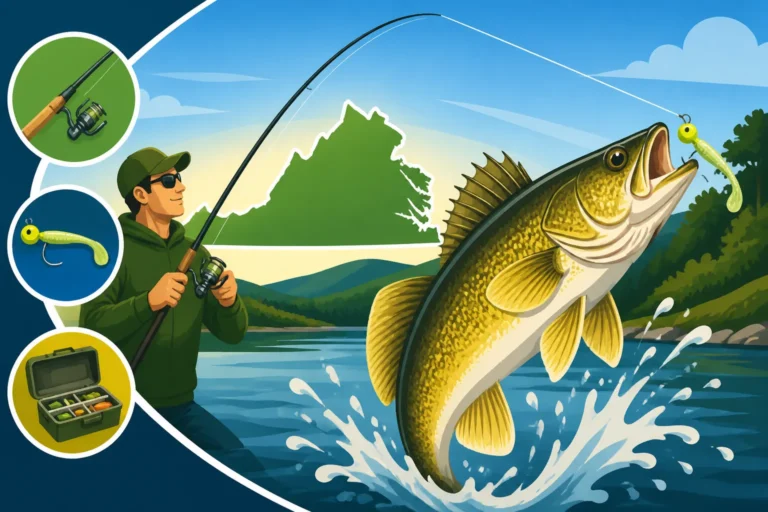
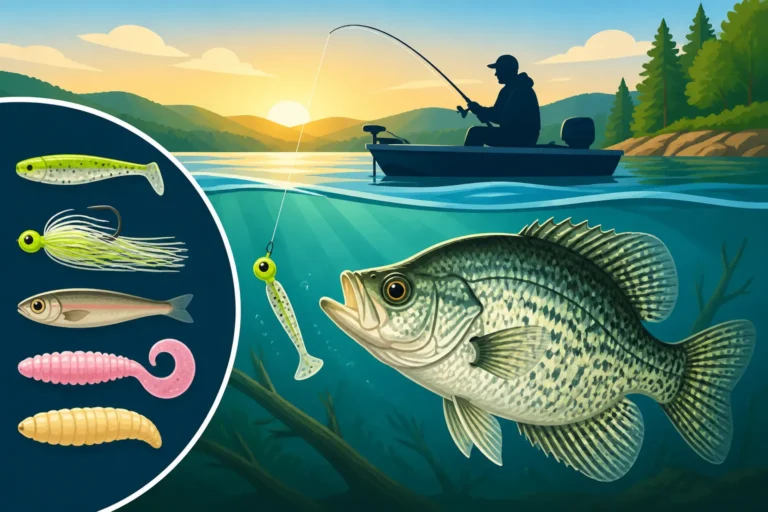
- Soft Plastics: These are your workhorses. Texas-rigged worms, creature baits, and jigs are excellent for pitching into dense cover like fallen trees, dock pilings, or grass mats. Weight them appropriately to penetrate cover and get down to the bass. For a more subtle approach, a wacky-rigged stick worm can be irresistible in clearer water or around sparse cover.
- Crankbaits and Spinnerbaits: These are great search baits. Use shallow-diving crankbaits to probe grass edges or riprap during high tide. Medium-depth crankbaits can work well along channel edges or points on a falling tide. Spinnerbaits are fantastic for covering water, especially in stained or murky conditions, and can be fished through sparse grass.
- Bladed Jigs: Chatterbaits have become incredibly popular for tidal rivers because they offer a lot of flash and vibration, penetrate cover reasonably well, and can be retrieved at various speeds, attracting bass in diverse conditions.
Remember to match your lure colors to the water clarity and forage base. Darker colors (black and blue, junebug) often work well in murky water, while natural baitfish patterns are good for clearer conditions.
Targeting Specific Structures
Tidal rivers are typically rich in different types of structure, each demanding a slightly different approach.
- Docks and Pilings: These man-made structures are bass magnets, offering shade, ambush points, and hard cover. Precision casting is key here. Skip jigs or soft plastics far under docks, or pitch them right against the pilings. Bass will often sit on the shady side or where the current is broken.
- Fallen Timber and Log Jams: Natural cover like fallen trees, snags, and log jams are prime real estate for big bass. These areas often require heavy-duty tackle to get a fish out. Pitch Texas-rigged creature baits or jigs directly into the thickest parts of the cover. Be prepared for snags, but also for big bites!
- Grass Beds and Lily Pads: Extensive grass flats and lily pad fields are characteristic of many tidal rivers. These areas provide excellent cover and hold huge numbers of baitfish. Frogs are the go-to for fishing over dense mats. For open pockets or edges, a weightless worm or a bladed jig can be very effective. Punching heavy jigs or creature baits through thick mats is a high-reward, high-risk tactic for monster bass.
- Seawalls and Riprap: These hard edges are often found along populated areas or channel banks. They attract baitfish and crayfish, which in turn attract bass. Crankbaits that deflect off the rocks, jigs, or even spinnerbaits can be very effective here. Work parallel to the wall or riprap, letting your lure bounce along the structure.
Seasonal Strategies and Considerations
Just like in any other fishery, the behavior of largemouth bass in tidal rivers changes significantly with the seasons. Adapting your approach to the time of year is crucial for consistent success.
Spring Pre-Spawn and Spawn Tactics
Spring is often when tidal river bass really come alive after the colder winter months. As water temperatures rise into the 50s and 60s, bass begin to move from their deeper wintering holes into shallower, protected areas to feed heavily and eventually spawn. This can be one of the most exciting times to fish.
During the pre-spawn, bass are focused on bulking up. Look for them in protected coves, creek mouths, and shallow flats that warm up quickly. These areas often have good cover like grass beds, lily pads, or submerged wood. Bladed jigs, lipless crankbaits, and spinnerbaits are excellent for covering water and locating active fish. As they transition closer to spawning, slower presentations like jigs and soft plastics become more effective. To really dial in on this period, check out How to Catch Bass in Spring Before the Spawn.
Once the water hits the mid-60s, the spawn kicks off. Bass will move onto hard bottom areas like sand pockets, gravel flats, or even submerged logs to build nests. While some anglers target bedding bass visually, it's often more ethical and just as productive to fish the areas adjacent to spawning flats. Soft plastics like lizards and flukes can be effective for bass guarding beds. Remember, the goal isn't just to catch them, but to allow them to successfully reproduce. For more detailed advice, refer to How to Catch Bass During the Spawn.
Summer Heat and Low Oxygen Concerns
Summer in Virginia's tidal rivers can be a challenge, not just because of the heat, but also due to potential low oxygen levels in shallower, stagnant areas, especially after long periods of hot weather with little rain. Bass will adapt by seeking out more favorable conditions.
During the hottest parts of the day, bass will retreat to deeper water, seek shade under docks or overhanging trees, or position themselves in areas with better current flow that brings in more oxygen. Early morning and late evening bites are often the most productive. Topwater action can be phenomenal at first light or dusk. As the sun rises, switch to pitching jigs and worms into dense cover, or working deeper channels and creek mouths with crankbaits or soft plastics.
Night fishing can also be incredibly effective in the summer, as bass become more active in the cooler, darker hours. Dark-colored spinnerbaits, worms, or even buzzbaits can produce big fish after dark. If you're looking for strategies to beat the heat, take a look at Best Time of Day to Catch Bass in Summer and How to Catch Bass at Night in Summer. You can even grab a good headlamp and a portable fan for your boat from Amazon to make those night trips more comfortable.
Fall Feeding Frenzy and Winter Slowdown
Fall is another fantastic time to fish Virginia's tidal rivers. As water temperatures begin to drop, bass start a massive feeding frenzy to fatten up before winter. They'll often follow baitfish schools into creeks and coves, becoming highly aggressive.
During the fall feeding frenzy, crankbaits, spinnerbaits, and bladed jigs are excellent for covering water and finding active schools of bass. Look for baitfish activity on your electronics or visually. Bass will often be concentrated around channel swings, points, and the deeper edges of grass beds. For more fall bass strategies, check out Best Bass Fishing Techniques for Fall.
As winter sets in and water temperatures dip into the 40s, the bass bite slows considerably. Fish will move to their deepest wintering holes, often in main river channels, deep creek mouths, or around deep timber. Slower presentations are key here. Vertical jigging spoons, slow-rolling spinnerbaits, or dragging jigs and Carolina-rigged plastics are effective. The bites will be subtle, and you'll need patience. If you're brave enough to venture out in the cold, How to Catch Bass in Cold Water offers valuable tips.
Practical Tips for a Successful Trip
Beyond understanding the fish and the seasons, there are some practical considerations that will make your tidal river bass fishing trips more enjoyable and successful. It’s not just about the fishing, it’s about being prepared for a unique environment.
Gearing Up for Tidal Waters
Having the right equipment can make a huge difference, especially when you're battling big bass in heavy cover or navigating unpredictable waters.
- Rod and Reel Choices: You'll want a versatile arsenal. Medium-heavy to heavy power baitcasting rods (7' to 7'6") are essential for pitching into heavy cover, punching mats, or throwing larger spinnerbaits and jigs. Pair them with sturdy baitcasting reels with a good drag system. For open water or topwater, a medium action rod might be suitable, often with a spinning reel.
- Line Selection: Braided line (30-65 lb test) is almost a necessity for fishing in heavy cover. Its strength, abrasion resistance, and lack of stretch make it perfect for punching through mats or pulling bass out of thick timber. You can use a fluorocarbon or monofilament leader if water clarity demands it. For open water applications, fluorocarbon (12-20 lb) is a good choice for its sensitivity and low visibility.
- Navigation and Safety: A good GPS/chart plotter is invaluable for tidal rivers. It helps you navigate shallow areas, mark productive spots, and stay safe, especially if you're exploring new waters. Many anglers use fish finders that integrate GPS capabilities, and you can find many excellent options for fishing electronics on Amazon. Always wear a life vest, and tell someone your float plan.
- Other Essentials: Don't forget polarized sunglasses to spot structure and fish, sunscreen, plenty of water, and a good pair of pliers or cutters for hooks. A stout net can also be a game-changer for landing a big bass, especially if you're fishing alone.
Understanding Regulations and Conservation
Even though you're in a freshwater-dominated part of a tidal system, you're still fishing in Virginia, and adherence to regulations is paramount. It’s important to remember that these rules are in place to ensure the health and longevity of the fishery for everyone.
- Virginia Fishing License: First and foremost, you absolutely need a valid Virginia fishing license. For most tidal rivers, a freshwater fishing license is sufficient, but always double-check the specific body of water if you're venturing far downriver where brackish conditions are more pronounced. If you ever find yourself in the main Bay or ocean, you'll need a saltwater license. You can find comprehensive information in the Virginia Fishing License Guide, and learn How to Get a Fishing License in Virginia.
- Statewide Limits: Virginia has statewide bass limits (typically a daily creel limit and a minimum size limit), but it's crucial to consult the Virginia Department of Wildlife Resources (DWR) regulations for any specific exceptions for the river you're fishing. Some rivers might have different slot limits or creel limits based on specific management goals. Ignorance of the law is no excuse, and wardens do check licenses and catches. You can read up on the specifics in Virginia Fishing Regulations Explained.
- Conservation: While it's thrilling to catch a big bass, consider practicing catch and release, especially for the larger, older fish that are vital to the breeding population. Handle fish carefully, minimize their time out of water, and use proper release techniques. These tidal fisheries are precious resources, and responsible angling helps ensure they remain healthy for generations to come.
Remember, fishing these unique tidal rivers is an adventure. It takes patience and a willingness to learn how the tides influence the fish, but the reward of a big, hard-fighting largemouth bass from one of Virginia's historic waterways is well worth the effort.
| Lure Type | Best Tidal Stage/Conditions | Ideal Structure | Retrieval Style | Notes |
|---|---|---|---|---|
| Topwater Frog | High Tide, Low Light | Dense Grass Mats, Lily Pads | Walk the dog, Pop & Pause | Excellent for heavy cover; weedless |
| Texas Rigged Worm | All Tides, Various Depths | Fallen Trees, Docks, Mats | Pitch & Flip, Dragging | Versatile, weedless, good for subtle bites |
| Bladed Jig | Falling/Rising Tide, Stained | Grass Edges, Docks, Open Water | Steady retrieve, Rip & Pause | Vibration and flash, good search bait |
| Shallow Crankbait | High Tide | Grass Edges, Riprap, Seawalls | Erratic retrieve, Deflection off cover | Mimics baitfish, covers water quickly |
| Spinnerbait | Stained Water, All Tides | Points, Channel Edges, Sparse Grass | Slow roll, Medium retrieve | Good vibration, covers water |
| Jig (Football/Flipping) | Low Tide, All Tides | Deep Docks, Timber, Rock Piles | Pitch & Flip, Hop & Drag | Great for bottom structure, big bass bait |
Disclaimer
This article is for general informational purposes only and does not constitute professional advice. Laws, prices and regulations vary by location and change over time. Consult a qualified professional for guidance on your specific situation.