Virginia Crappie Fishing Tips for Beginners
Feeling a bit overwhelmed by all the fishing options in Virginia, especially when you're just starting out? It's easy to get lost in the sheer number of species and complex techniques. But don't you worry, because crappie fishing offers an incredibly fun and rewarding entry point into the world of angling, perfect for beginners and seasoned pros alike. This guide is all about simplifying crappie fishing, giving you the solid, practical tips you need to confidently head out and start catching these delicious panfish.
Why Crappie Are the Perfect Fish for Beginners
Crappie, often lovingly called "papermouths" because of their delicate mouths, are hands-down one of the best fish for beginner anglers in Virginia. They're abundant, relatively easy to catch once you understand their habits, and they make for fantastic table fare. Many folks, myself included, started their fishing journey by targeting crappie, learning the ropes without the pressure of chasing elusive, high-stakes game fish. They're also incredibly social creatures, meaning where you find one crappie, you often find a whole school. This is fantastic news for beginners, as it greatly increases your chances of consistent action on the water.
Understanding Virginia's Crappie Species
In Virginia, you'll primarily encounter two types of crappie: the black crappie and the white crappie. While they share many similarities, knowing a little about each can help you tailor your approach, even if just slightly.
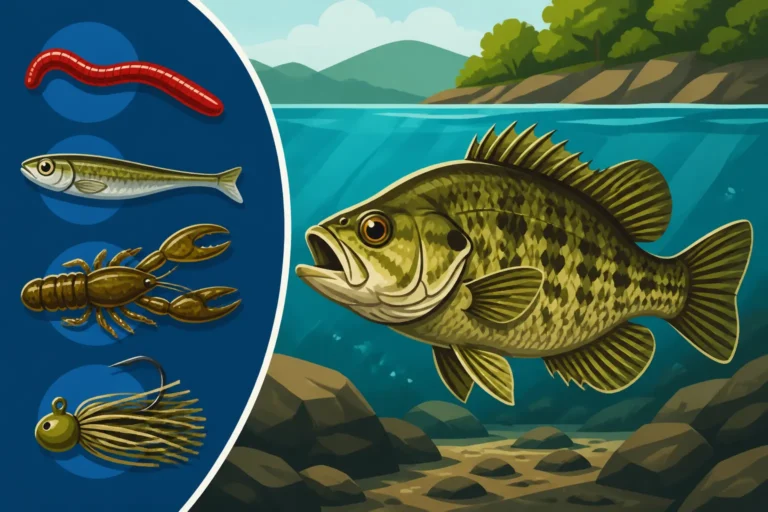
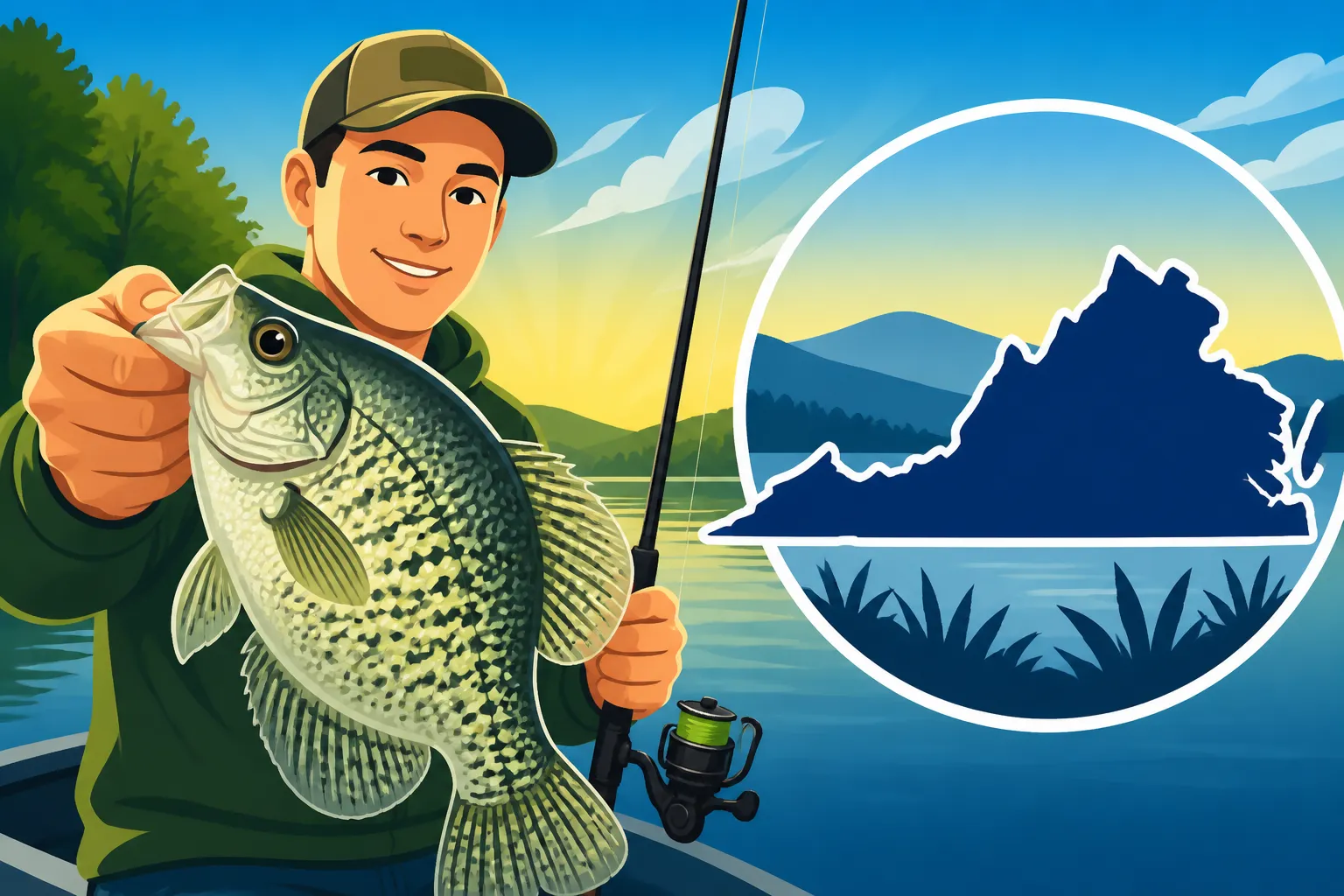
Black crappie tend to be a bit more prevalent in clear water lakes and ponds, often preferring areas with extensive submerged vegetation or woody cover. They're easily identified by their irregular, speckle-like spots scattered across their silvery-olive bodies and seven or eight dorsal fin spines. They usually have a slightly deeper body profile, giving them a rounder appearance.
White crappie, on the other hand, are more often found in murky or stained waters, particularly in larger rivers and reservoirs. They have distinct vertical bars or stripes on their sides, fewer dorsal spines (usually six), and a more elongated body shape. Both species are incredibly fun to catch and can grow to impressive sizes in Virginia's fertile waters. No matter which you hook, you're in for a good fight and a tasty reward! You can learn more about Crappie Identification: Black Crappie vs White Crappie in Virginia to really nail down the differences.
The Social Nature of Crappie and Why It Matters
One of the most encouraging aspects of crappie fishing for beginners is their schooling behavior. Unlike some predatory fish that might strike alone, crappie live in groups, sometimes quite large ones. This means that when you locate a school, you can often catch multiple fish from the same spot. Imagine the excitement of pulling in crappie after crappie – it's an incredible confidence booster for anyone new to fishing!
This schooling instinct also means that crappie tend to concentrate around specific types of structure or cover. This makes them easier to pinpoint. You're not casting randomly into open water hoping for a bite; you're actively searching for these crappie hotels, whether they're brush piles, submerged trees, bridge pilings, or dock supports. Focusing your efforts on these known holding areas dramatically increases your chances of success. It's a bit like a treasure hunt, and crappie are the gold at the end!
Essential Gear for Your First Crappie Outing
Getting started with crappie fishing doesn't require a huge investment in expensive gear. In fact, some of the most effective setups are incredibly simple and budget-friendly. The key is to choose tackle that's light enough to feel those subtle crappie bites, but strong enough to handle a decent fish. You can find almost everything you need from a trusted retailer like Amazon, making it super convenient to gather your supplies.
Rod, Reel, and Line Basics
For crappie, you'll want a light-action or ultralight-action spinning rod. Think something around 5 to 7 feet long. This lighter action is crucial because crappie have soft mouths, and a stiff rod can tear the hook out easily. The flexibility of a lighter rod also makes even a modest crappie feel like a trophy fight, adding to the fun! Pair that rod with a small spinning reel, typically a 1000 or 2000 series. These reels are compact, easy to handle, and perfect for light lines.
Speaking of line, braided line is a popular choice for many experienced anglers due to its sensitivity, but for beginners, a monofilament line in the 4 to 6-pound test range is absolutely perfect. Monofilament is more forgiving, easier to tie knots with, and has a bit of stretch, which helps cushion those delicate crappie mouths. Plus, it's generally more affordable. You can pick up a good spool of monofilament line on Amazon without breaking the bank.
Hooks, Sinkers, and Floats
When it comes to terminal tackle, simplicity is king for crappie. You'll need:
- Hooks: Small, sharp hooks are a must. Size 4 or 6 Aberdeen hooks are a classic choice because they're thin-wired, which helps prevent tearing a crappie's mouth. Jig heads, which combine a hook and weight, are also incredibly popular for crappie. Opt for jig heads in the 1/32 to 1/16 ounce range.
- Sinkers: If you're using bait, small split shot sinkers are ideal. You only need enough weight to get your bait down to the desired depth. Crappie are often suspended, so you don't want your bait pinned to the bottom.
- Floats (Bobbers): These are your best friend as a beginner! A small, sensitive bobber will instantly tell you when a crappie bites. Slip bobbers are particularly effective because they allow you to set your bait at any depth, which is key for crappie. You can thread your line through them, use a bobber stop to adjust depth, and cast without a big, cumbersome fixed bobber interfering.
It's a good idea to grab a variety pack of these small components, often available as a crappie fishing kit, which you can easily find on Amazon. Having a few options lets you experiment with what works best on any given day.
Simple and Effective Crappie Fishing Techniques
Crappie fishing is far from complicated. In fact, some of the most tried-and-true methods are incredibly straightforward, making them perfect for beginners. The goal is often to present a small bait or lure near cover where crappie are hiding.
The Classic Bobber and Minnow Setup
This is arguably the easiest and most effective way for beginners to catch crappie. You'll need a small live minnow (which you can usually buy at bait shops), a small hook (size 4 or 6 Aberdeen), a couple of small split shot sinkers, and a sensitive bobber.
Here's how to rig it:
- Tie your hook onto your main line.
- Attach one or two small split shot sinkers about 6-12 inches above the hook.
- Hook your minnow gently through the lips or just behind the dorsal fin. Be careful not to kill it, as a lively minnow is more attractive!
- Attach your bobber about 2-4 feet up your line (or whatever depth you suspect the crappie are holding).
Now, cast your setup near brush piles, fallen trees, or dock pilings. The minnow will swim naturally, and the bobber will signal the slightest bite. When the bobber dips or moves sideways, wait a second, then gently reel in the slack and set the hook with a soft, upward sweep of your rod. Remember that "papermouth" – don't yank!
Jigging with Soft Plastics
Jigging is another incredibly popular and effective method. Instead of live bait, you're using a small lead-head jig paired with a soft plastic body. These soft plastic bodies come in various shapes and colors, often resembling tiny minnows or grubs. Think 1/32 or 1/16 ounce jigs, dressed with a 1-2 inch plastic grub or tube.
To jig effectively, simply cast your jig near cover, let it sink to the desired depth, and then impart small, subtle movements. You can gently lift your rod tip a few inches and let it fall, or just twitch your rod tip slightly. The idea is to make the jig "dance" in the water, mimicking a small baitfish. Crappie will often strike on the fall, so pay close attention to your line for any twitch or hesitation as the jig sinks. This technique is great for covering more water and finding active fish. For specific options, check out some Crappie Jigging Techniques.
Trolling for Crappie
While often associated with more advanced anglers, a simplified form of trolling can be surprisingly effective for beginners, especially when crappie are scattered or you're trying to find them. This involves slowly moving your boat (or even paddling a kayak) while dragging multiple lines with jigs or minnows at different depths.
The key is slow and steady. You don't need a fancy trolling motor; a gentle breeze or a very slow idle can work. Use a rod holder if you have one, or just hold the rod, making sure to keep an eye on your line. You can even use a simple spider rigging setup, which involves multiple rods pointing out from the front of the boat, making it easier to cover a wide path and present several baits at once. This technique is fantastic on larger bodies of water like Smith Mountain Lake or Lake Anna.
When and Where to Find Virginia Crappie
Knowing when and where to look for crappie is half the battle. These fish are creatures of habit and will often relate to specific types of structure and depth depending on the season and water temperature. Virginia offers fantastic crappie fishing opportunities throughout its many lakes and rivers.
Seasonal Patterns: Spring, Summer, Fall, and Winter
Crappie behavior changes significantly with the seasons:
- Spring (Pre-spawn & Spawn): This is prime time for crappie! As water temperatures rise into the 50s and 60s, crappie move into shallow water to spawn. Look for them around submerged brush, docks, lily pads, and fallen trees in coves and creek arms. They'll be aggressive and relatively easy to catch. This is an excellent time for beginners.
- Summer: Once the spawn is over and waters warm up, crappie typically retreat to deeper, cooler water. They'll often suspend over brush piles, channel edges, or around bridge pilings at depths of 10-25 feet, sometimes even deeper in the heat of midday. Early mornings and evenings can find them shallower.
- Fall: As water temperatures begin to cool, crappie become more active again, feeding heavily to prepare for winter. They'll often be found somewhat shallower than in summer, but still relating to cover like brush piles and timber, especially on main lake points or creek channels.
- Winter: Crappie tend to school tightly in deep water during the colder months, often near main lake channels, humps, or deep brush piles. They become less active, so a slow, subtle presentation is key. Many anglers use electronics to locate these dense schools.
Understanding these patterns will help you determine the Best Time of Year for Crappie Fishing in Virginia.
Prime Crappie Locations in Virginia
Virginia is blessed with numerous excellent crappie fisheries. Here are a few places where beginners can find success:
- Smith Mountain Lake: This reservoir is renowned for its crappie population. Look for them around boat docks, submerged brush, and bridge pilings, especially in the creek arms. Smith Mountain Lake's Elite Virginia Striped Bass Fishery is famous, but the crappie fishing is stellar too.
- Lake Anna: Another fantastic lake for crappie. Similar to Smith Mountain, target docks, brush piles, and submerged timber. The Hot Side (where the water is warmer due to the power plant) can often produce crappie even in colder months. Check out Best Crappie Fishing Spots on Lake Anna, Virginia.
- Kerr Lake (Buggs Island Lake): This massive reservoir on the Virginia-North Carolina border is a crappie powerhouse. Look for crappie around standing timber, brush piles, and channel drop-offs, especially in the larger creek arms. Kerr Lake Fishing Guide for Beginners is a great resource.
- Claytor Lake: Offers consistent crappie fishing, particularly around submerged structures and bridge abutments. Claytor Lake Fishing Spots and Tips can give you an edge here.
- Smaller Ponds and Local Lakes: Don't overlook your local community ponds or smaller state park lakes. Many are regularly stocked and offer easy bank access, which is perfect for beginners. Often, these smaller bodies of water have less fishing pressure and very healthy crappie populations.
Remember, crappie love cover. Always cast your bait or jig as close to that structure as you can without getting snagged. Sometimes just inches make all the difference!
Crappie Fishing Checklist for Your First Trip
To help you get organized for your first crappie fishing adventure in Virginia, here's a handy checklist. You don't need everything on this list for every trip, but it covers the essentials.
| Item Type | Essential Items (Beginner) | Optional/Advanced Items |
|---|---|---|
| Rods/Reels | Ultralight spinning rod (5-7 ft), Small spinning reel (1000/2000) | Multiple rod setups, Rod holders (for boat/pier) |
| Line | 4-6 lb monofilament line | Braided line, Fluorocarbon leader |
| Terminal Tackle | Size 4 or 6 Aberdeen hooks, 1/32-1/16 oz jig heads, Small split shot sinkers, Slip bobbers, Bobber stops | Various jig colors/shapes, Crappie tubes, Hair jigs, Live bait hooks |
| Bait/Lures | Live minnows (if preferred), Small soft plastic grubs/tubes (1-2 inch) | Small crankbaits, Spinnerbaits (crappie size), Scent attractants |
| Tools | Small needle-nose pliers or hemostat, Small stringer or cooler, Nail clippers for line | Landing net, Fish gripper |
| Comfort/Safety | Hat, Sunglasses, Sunscreen, Water, Snacks, Rain gear, First-aid kit, Valid Virginia fishing license | Seat cushion, Bug spray, Camera |
Don't forget the most important item: your Virginia Fishing License Guide! You'll need one, even if you're just fishing for panfish.
Responsible Angling: Catch and Release vs. Keeping Your Catch
One of the great joys of crappie fishing is bringing home a fresh meal. Crappie are delicious, and their abundance means you can often keep a good number without impacting the population. However, it's crucial to always be aware of Virginia's current fishing regulations, including daily creel limits and any length restrictions for crappie in specific waters. These rules are in place to ensure healthy fish populations for everyone to enjoy.
As a beginner, it's a good practice to learn how to properly handle fish you intend to release, even if you're primarily keeping crappie. Wet your hands before touching the fish, minimize its time out of water, and use pliers to gently remove the hook. If a fish is deeply hooked and bleeding significantly, it's often best to keep it if within legal limits, as its chances of survival upon release are low.
Crappie are a fantastic resource for Virginia anglers, offering endless hours of enjoyment, especially for those just starting out. With these simple tips, a bit of patience, and the right gear, you'll be on your way to catching your first stringer of delicious crappie in no time. Happy fishing!
Disclaimer
This article is for general informational purposes only and does not constitute professional advice. Laws, prices and regulations vary by location and change over time. Consult a qualified professional for guidance on your specific situation.