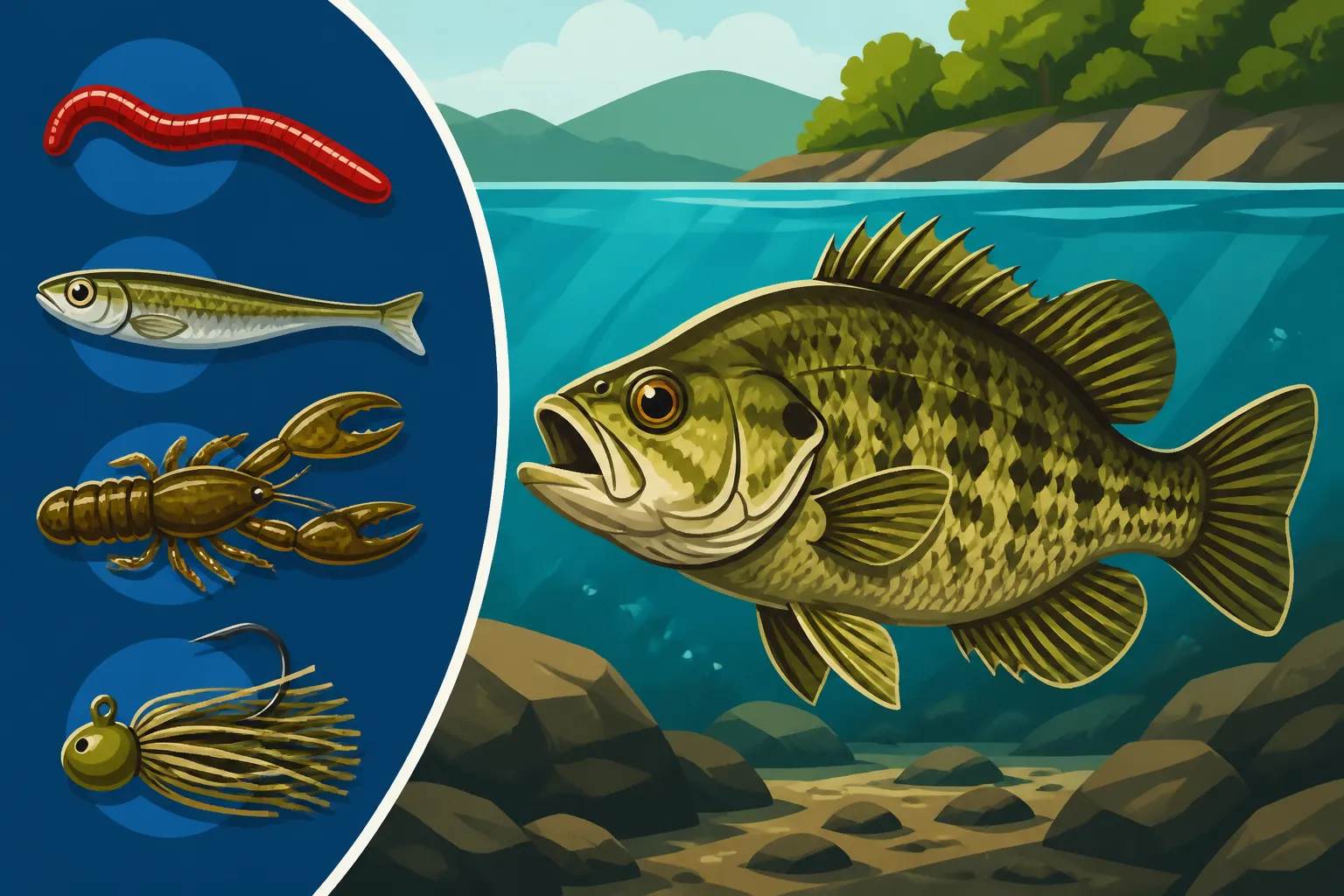
Best Bait for Rock Bass
It's frustrating when you head out to your favorite stream or river, armed with what you think is the perfect bait, only to come up empty-handed. Rock bass, with their feisty nature and broad distribution across Virginia's freshwater systems, can be incredibly fun to catch, but sometimes they seem to have very particular tastes. This guide is dedicated to helping you unlock the secrets to consistently catching these overlooked panfish by diving deep into the best baits, lures, and techniques that truly work in Virginia's diverse waters.
Understanding the Rock Bass Diet and Habitat
Before you can pick the perfect bait, it's crucial to understand what makes a rock bass tick. These aren't your picky, deep-water dwellers that require specialized equipment and a boatload of patience. Rock bass are opportunistic feeders, often found in surprisingly accessible areas, and their diet reflects this "eat anything that moves" mentality. Knowing what they naturally forage on will give you a significant advantage in choosing your bait.
What Rock Bass Eat Naturally
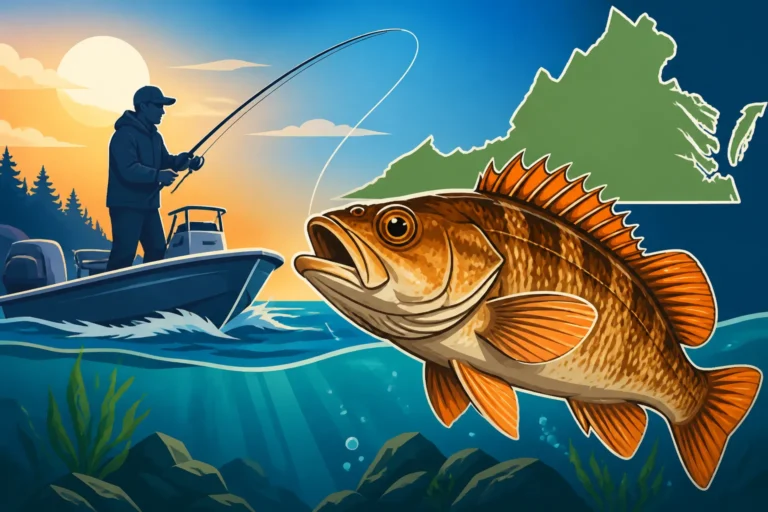
Rock bass are primarily insectivores and piscivores, meaning they love insects and smaller fish. Think about the natural food sources available in the rocky, clear-water streams and rivers they inhabit. Their diet typically includes a smorgasbord of aquatic insects like mayfly nymphs, caddisfly larvae, and stonefly nymphs. They're also not shy about munching on terrestrial insects that fall into the water, such as grasshoppers, crickets, and beetles, especially during the warmer months when these bugs are abundant.
Beyond the insect world, smaller minnows, dace, and juvenile sunfish are prime targets for a hungry rock bass. They have surprisingly large mouths for their size, allowing them to engulf prey that might seem a bit ambitious. Crayfish are another significant food source, particularly in rocky areas where these crustaceans thrive. Understanding these natural preferences is the first step in selecting a bait that looks and acts like something a rock bass would readily strike. This insight is key, whether you're targeting them specifically or simply running into them while Smallmouth Bass Fishing on Virginia's Shenandoah River.
Where to Find Rock Bass in Virginia Waters
Rock bass, true to their name, absolutely adore rocky structures. You'll find them congregating around submerged rocks, boulders, riprap, and rocky ledges in streams, rivers, and even some clear-water lakes across Virginia. They prefer areas with good cover and a slight current, often lurking in the eddies and slack water just behind obstacles, waiting to ambush unsuspecting prey. Think about cool, clear, flowing water, not necessarily raging rapids, but enough movement to bring food past their hiding spots.
In larger rivers like the Shenandoah or the upper James, look for them along current breaks, around bridge pilings, or near fallen timber that creates natural obstructions. In smaller creeks, they'll be in deeper pockets, under overhanging banks, and anywhere there's a good collection of rocks. They're not usually in the deepest parts of a body of water; instead, they prefer depths from a few feet to perhaps 10 or 15 feet, especially if there's structure. These general habitat preferences overlap with other panfish, so if you're exploring Best Panfish Species Every Virginia Angler Should Know, you'll likely encounter rock bass too.
Top Live Baits for Rock Bass Success
When it comes to rock bass, sometimes nothing beats the real thing. Live bait taps into their primal instincts, offering scent, movement, and a natural feel that artificial lures can sometimes lack. For anglers looking for consistent action, especially those introducing newcomers to fishing, live bait is often the most reliable choice. The wriggling, natural presentation is often irresistible.
Worms: The Universal Rock Bass Attractor
Ah, the humble worm. It's practically a universal truth in fishing that if there's a fish in the water, it'll probably bite a worm. And rock bass are no exception! Red wigglers, nightcrawlers (pinched in half for a smaller, more manageable presentation), or even small pieces of earthworm are absolute rock bass magnets. They provide a natural scent trail that calls fish in, and their wiggling action mimics many aquatic invertebrates that rock bass feast on.
Rigging a worm is straightforward. A small hook (size 8 or 10 is usually perfect) threaded through a small section of worm, fished under a tiny bobber or simply allowed to drift naturally with the current, is a deadly combination. You don't need fancy rigs or heavy tackle; a simple ultralight setup makes the fight more enjoyable with these feisty fish. You can often find a good selection of live bait at local tackle shops, or even order a kit for composting worms online if you want a continuous supply for your fishing trips. Just remember, fresh bait is always best, so keep those worms cool and lively!
Minnows and Small Fish: Mimicking Natural Prey
Given that smaller fish are a significant part of a rock bass's natural diet, it's no surprise that small minnows can be incredibly effective bait. Fathead minnows, shiners, or dace that are typically 1-2 inches long are ideal. The visual appeal of a struggling minnow sends strong predatory signals to a rock bass, often triggering an aggressive strike. This is especially true if you're targeting larger, more aggressive rock bass that are looking for a substantial meal.
When fishing with minnows, a light wire hook (size 6 or 8) through the back, just behind the dorsal fin, allows the minnow to swim naturally and stay alive longer. You can fish them under a small bobber, letting them drift into current breaks or around submerged structures, or slowly retrieve them near cover. Make sure your minnows are lively and active; a sluggish minnow won't attract nearly as much attention. While many bait shops carry minnows, sometimes finding the right size can be a bit of a hunt, so plan ahead or ask around at local spots that cater to river anglers.
Crickets and Grasshoppers: Seasonal Delights
When the weather warms up and terrestrial insects become abundant, crickets and grasshoppers become irresistible treats for rock bass. These "hoppy" baits are particularly effective in smaller streams and rivers where overhanging vegetation provides a natural source of food falling into the water. The splash and subsequent struggle of a cricket on the surface can drive rock bass wild, making for some truly exciting topwater bites.
You can often buy crickets at bait shops, or even pet stores that cater to reptile owners. For grasshoppers, a good old-fashioned net and some patience in a grassy field can yield a fantastic supply. Hook them lightly through the collar or just behind the head with a small hook (size 10 or 12) and fish them either on the surface with no weight, allowing them to drift, or with a very small split shot a foot or so above the hook to get them down slowly. This is a particularly fun technique for Easy Fishing Techniques for Kids, as watching a fish smash a surface bait is incredibly thrilling!
Artificial Lures That Rock Bass Can't Resist
While live bait is undeniably effective, artificial lures offer convenience, durability, and the ability to cover more water quickly. For the active angler, or someone who prefers not to deal with live bait, there are plenty of artificial options that rock bass will readily strike. The key is to choose smaller lures that mimic their natural prey in both size and action.
Small Spinners and Jigs: Easy and Effective
For sheer simplicity and effectiveness, small inline spinners and tiny jigs are tough to beat for rock bass. A spinner, with its flashing blade and vibrating action, mimics a struggling minnow or a large insect, triggering aggressive strikes. Brands like Rooster Tail or Mepps in sizes from 1/32 to 1/8 ounce are excellent choices. Colors like black, white, yellow, or even a chartreuse blade often work wonders, especially in clearer water where flash is key. You can find a fantastic selection of these small lures on Amazon, making it easy to stock up before your next trip.
Jigs, particularly those with a small soft plastic body or marabou feathers, are equally effective. A 1/32 to 1/16 ounce jig head paired with a tiny grub, tube bait, or a piece of plastic worm can be deadly. The key with jigs is a subtle presentation. A slow retrieve with occasional twitches, or a gentle jigging motion near cover, perfectly imitates a variety of small aquatic life. Experiment with colors like green pumpkin, clear with glitter, or even a simple white. Both spinners and jigs are excellent for exploring those rocky pockets and current seams where rock bass love to hide.
Tiny Crankbaits and Soft Plastics: Subtlety is Key
When rock bass are a bit more finicky, or you're fishing in slightly deeper water, tiny crankbaits and finesse soft plastics can be the ticket. Small crankbaits, usually in the 1-2 inch range, that dive a few feet, can effectively cover water and imitate small minnows or crayfish. Look for natural patterns that mimic baitfish or crawfish. A slow, steady retrieve with a few pauses often works best, allowing the lure's natural wobble to entice a bite.
Soft plastics offer incredible versatility. Aside from jigs, you can rig tiny creature baits (like micro-craws), small worms, or even miniature swimbait bodies on a lightweight jig head or under a drop-shot rig. The goal is to provide a very natural, subtle presentation. Texas-rigging a small worm can help avoid snags when fishing in heavy cover. These lighter presentations are often necessary when fishing for more cautious fish, particularly during bright daylight hours or in heavily pressured waters. Always keep a few different colors and styles in your tackle box; you never know what the rock bass will be biting on a given day. You can often find multi-packs of these versatile soft plastics on Amazon, giving you a good range of options.
Fly Fishing for Rock Bass: A Rewarding Challenge
For the fly angler, rock bass offer a fantastic opportunity for light tackle fun. They are eager to strike a variety of fly patterns and their aggressive nature makes them a joy to catch on a 3- or 4-weight fly rod. This can be a particularly rewarding way to fish, combining the challenge of fly casting with the thrill of a feisty fight. Many of the same flies used for trout or smallmouth bass will work wonders for rock bass. If you're into fly fishing, Fly Fishing for Smallmouth Bass will give you crossover insights into their river habitats.
Effective fly patterns include small poppers and foam spiders for topwater action, especially during warm evenings. For subsurface fishing, small woolly buggers (black, olive, or brown), weighted nymphs (like a Prince Nymph or Hare's Ear), and even small streamers that imitate minnows are excellent choices. Focus your casts around rocky structure, current breaks, and log jams. A gentle strip retrieve with a pause often triggers a strike. This is a wonderfully immersive way to experience Rock Bass: The Overlooked Panfish-Sized Bass in Virginia Waters.
Tips for Presenting Your Bait to Rock Bass
Choosing the right bait is only half the battle; knowing how to present it effectively is just as crucial. Rock bass might be opportunistic, but a poor presentation can still send them scurrying for cover. By focusing on natural movements and stealth, you can significantly increase your hook-up ratio.
Rigging for Success: Keeping it Natural
The goal with rigging is to make your bait or lure look as natural as possible. For live bait, this means using hooks that are appropriately sized – not too large to impede the bait's movement or scare the fish. A size 8 or 10 hook for worms and crickets, and a size 6 or 8 for minnows, usually hits the sweet spot. When using a bobber, select the smallest size that will keep your bait suspended, as a large, brightly colored bobber can be a deterrent. A tiny split shot or two, just enough to get your bait down to the desired depth, is all you need.
For artificials, ensure your knots are strong and your line is light enough (4-6 pound test monofilament or fluorocarbon is ideal) to allow the lure to move freely. A small snap swivel can help prevent line twist with spinners, but often a simple improved clinch knot tied directly to the lure provides the most natural action. Think about how a minnow or insect would move in the water, and try to replicate that with your retrieve. You can find quality line and leader materials easily on Amazon.
Reading the Water: Where to Cast
Rock bass love structure and current breaks. When you approach a new stretch of water, take a moment to "read" it. Look for visible rocks, fallen trees, bridge pilings, or any obstruction that breaks the current. The calmer water directly behind these obstructions, known as an eddy, is a prime hiding spot. Also, look for seams where fast-moving water meets slower water. These are natural feeding lanes.
Cast your bait or lure upstream of the target area and allow it to drift naturally into the zone. This gives the rock bass time to see and react to your offering. Don't be afraid to make multiple casts to the same spot, approaching from different angles. Sometimes, a slight change in the drift or retrieve path can make all the difference. Remember, these fish are often hiding in plain sight, waiting for an easy meal to pass by. Patience and observation are your best friends.
Stealth and Patience: Essential Rock Bass Tactics
While rock bass can be aggressive, they are also easily spooked, especially in clear, shallow water. Approach your fishing spots quietly and avoid heavy footsteps on the bank or sudden movements in your boat. If you can, keep a low profile. Long casts can help keep you out of their immediate line of sight. Wearing neutral-colored clothing might even make a difference in particularly clear streams.
Patience is also key. Even with the best bait, fish sometimes need a moment to decide to strike. If you're not getting bites in one spot, move on and try another. But also, give a productive spot a few minutes. Sometimes, once you catch one rock bass, others in the same schooling group will become more active. And always remember to check Virginia Fishing Regulations Explained for any specific rules that might apply to the waters you're fishing, though rock bass limits are usually quite generous.
| Bait Type | Best For | Presentation Tips | Pros | Cons |
|---|---|---|---|---|
| Red Worms/Crawlers | All Conditions | Small hook, under bobber or drift | Universal, strong scent, always available | Can be messy, smaller fish nibble |
| Minnows | Aggressive fish | Hooked through back, under bobber or slow retrieve | Mimics natural prey, attracts bigger fish | Requires care to keep alive, can be expensive |
| Crickets/Hoppers | Warm weather, surface | Light hook, no weight, surface drift | Exciting topwater bites, natural fall | Seasonal, can be fragile |
| Small Spinners | Covering water | Steady retrieve, varying speed | Durable, casts far, good flash | Can get snagged easily |
| Tiny Jigs | Finesse, deep cover | Slow retrieve, subtle twitching | Versatile, good for specific depths | Requires more skill to present naturally |
| Micro Crankbaits | Active fish, deeper | Steady retrieve with pauses | Good search bait, strong action | Can be expensive to lose, limited depth |
Disclaimer
This article is for general informational purposes only and does not constitute professional advice. Laws, prices and regulations vary by location and change over time. Consult a qualified professional for guidance on your specific situation.