Panfish Species Every Virginia Angler Should Know
If you've ever found yourself by a Virginia stream, pond, or even the tidal rivers, wondering what kind of feisty little fish might be tugging at your line, you're not alone. The world of panfish can seem a bit overwhelming with all their different names and similar appearances. But don't you worry, because this comprehensive guide is here to unravel the mystery and introduce you to all the delightful panfish species that call Virginia home, helping you identify them and, most importantly, how to catch them!
What Exactly Are Panfish, Anyway?
When we talk about "panfish," we're generally referring to a group of smaller, often schooling fish that are named for their tendency to fit perfectly in a frying pan. They might not be the giants of the fishing world, but what they lack in size, they more than make up for in sheer fun, accessibility, and deliciousness. They're the unsung heroes of many a family fishing trip and a staple for anglers looking for consistent action.
Defining "Panfish" in Virginia's Waters
In Virginia, when we say "panfish," we're usually thinking about members of the sunfish family, though the term can extend to others like crappie and yellow perch. These fish are characterized by their relatively small size, disc-shaped bodies (especially the true sunfish), and often vibrant coloration. They tend to be prolific breeders, which means healthy populations in many of our waterways, making them an excellent target for consistent bites. Unlike a solitary bass or a migratory striper, panfish often hang out in groups, making it possible to catch several once you find a good spot. This schooling behavior is a huge part of their appeal, especially for new anglers or those simply looking to unwind with a bent rod. They're also incredibly adaptable, thriving in everything from tiny farm ponds to vast reservoirs and even some brackish tidal waters.
The Appeal of Panfish for Anglers of All Skill Levels
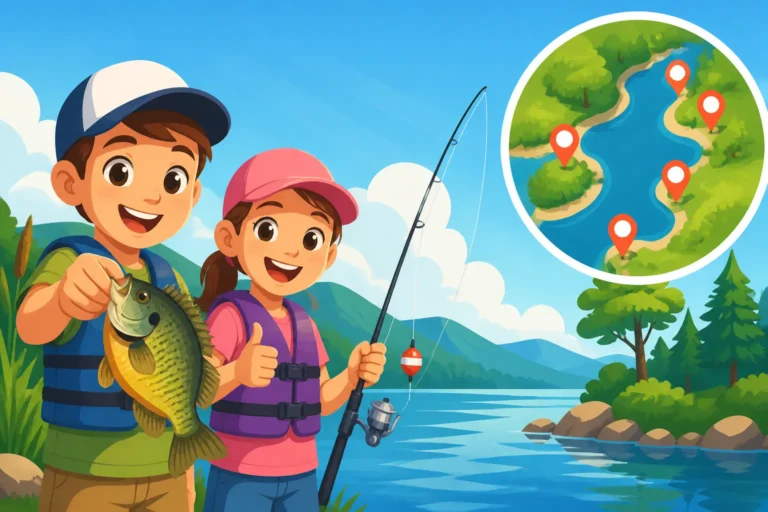
Honestly, if you ask most seasoned anglers what fish got them hooked on fishing, a panfish story is often not far behind. They are incredibly accessible, thriving in waters that are often easily reached from shore, piers, or small boats. You don't need a fancy boat or expensive electronics to find them. A simple cane pole, a bobber, and a worm are often all it takes to get into some serious panfish action. For kids, they're absolute gold, offering frequent bites that keep their interest high and teach them the basics of reeling in a fish. There's nothing quite like watching a child's face light up as they pull in a feisty bluegill!
Even experienced anglers often turn to panfish for pure enjoyment or a tasty meal. They put up a surprising fight for their size, especially on light tackle, making every catch feel like a genuine accomplishment. And let's not forget the table fare – many panfish species are absolutely delicious, with flaky, white meat that's perfect for frying, baking, or grilling. Plus, a successful panfish outing means you can bring home a generous supper without impacting the trophy populations of larger species.
The Virginia Panfish All-Stars: Your Go-To Species
When you cast a line into Virginia's freshwater, chances are high you'll encounter one of these common and beloved panfish species. They're the bread and butter of our local fisheries and are always ready for a fight.
Bluegill: The Ubiquitous Backyard Fighter
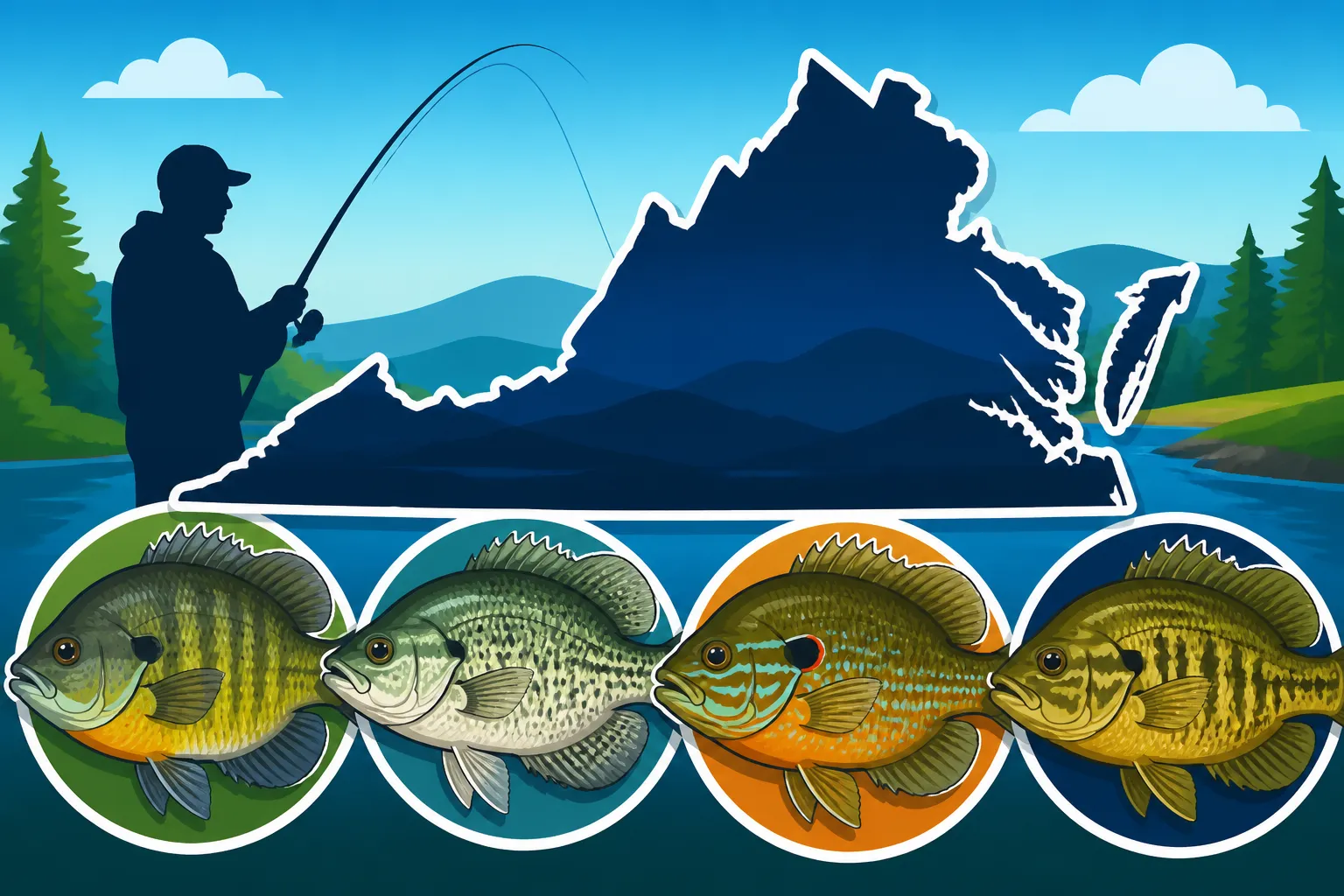
Ah, the bluegill. If there's one fish that defines "panfish" for most Virginians, it's probably this little dynamo. These guys are practically everywhere, from the smallest farm ponds to the biggest reservoirs. They're easily recognizable by their deep, laterally compressed bodies, a small mouth, and that distinctive dark "ear flap" (the opercular flap) that often has a blue-black spot on it. Their sides can range from olive green to yellowish, often with darker vertical bars, and their belly is typically yellowish to orange. They're just gorgeous fish, especially the mature males during spawning season, when their colors intensify.
Bluegill are fantastic for anglers of all ages because they're so eager to bite. They love to hang out around structure—think submerged logs, brush piles, lily pads, and dock pilings. You can often find them in relatively shallow water, especially in spring and early summer when they're nesting. Simple techniques work best: a small hook, a bit of nightcrawler, a cricket, or even a piece of corn suspended under a bobber will often do the trick. For those who prefer artificials, tiny jigs or spinners are irresistible to a hungry bluegill. They may be small, but they fight hard for their size, pulling like crazy and making that ultralight rod bend into a U-shape. If you're looking for consistent action, you really can't go wrong with bluegill. They're an absolute blast, and a great way to introduce someone new to fishing. If you want to dive deeper into getting started, check out Bream and Bluegill Fishing for Beginners.
Redear Sunfish: The Shellcracker Specialist
The redear sunfish, often affectionately called a "shellcracker" by anglers, is another fantastic Virginia panfish. Their nickname isn't just for show; these fish have specialized teeth in their throats that allow them to crush and eat snails, mussels, and other shelled invertebrates. This unique diet gives them a distinct advantage and a slightly different feeding pattern than their bluegill cousins.
You can identify a redear by its overall appearance, which is similar to a bluegill but generally a bit larger and more robust. The key feature is the bright red or orange margin around the "ear flap" – it's often quite prominent, especially on mature fish. Their body color is usually olive green to golden, often with faint dark spots or mottled patterns, but they lack the distinct vertical bars of a bluegill. You'll typically find redear sunfish in clearer, warmer waters, often on sandy or silty bottoms where their preferred mollusk snacks reside. They don't typically hang out as shallow as bluegill, often preferring slightly deeper beds or areas near drop-offs. When targeting them, try baits like small worms, crickets, or even pieces of shrimp fished directly on the bottom or just above it. Because they're crushing shells, a more subtle bite might be expected, but once hooked, they're strong fighters. These fish are a real treat, offering a slightly different challenge and often growing to a respectable size, making them a prize for any panfish angler.
Pumpkinseed Sunfish: A Splash of Color
The pumpkinseed sunfish is arguably one of the most beautiful panfish you'll encounter in Virginia. Their name is truly fitting, as their bodies are adorned with an explosion of vibrant colors, resembling a kaleidoscope more than a fish. They're often mistaken for bluegill due to their similar body shape, but a closer look reveals their striking features.
Key identification marks include wavy, iridescent blue-green lines on their cheeks and gill covers, and a bright orange or red spot on the tip of their opercular flap. Their body is typically olive to golden brown, speckled with iridescent orange, blue, and green spots, giving them a truly unique, jewel-like appearance. While they don't usually grow as large as bluegill or redear, their stunning coloration makes every catch a visual delight. Pumpkinseeds prefer clear, vegetated waters—think slow-moving streams, small ponds, and the shallow, weedy margins of lakes. They're often found hiding among lily pads or submerged grass, ambushing small insects and larvae. Like bluegill, they're not particularly picky and will readily take small worms, crickets, or tiny artificial lures. Their smaller size means they're perfect for ultralight gear, and their vibrant patterns make them a favorite among casual anglers and those looking to add some color to their fishing experience.
Beyond the Sunfish: Other Popular Virginia Panfish
While the sunfish family provides a ton of action, Virginia's waters also host other excellent panfish species that offer different challenges and, often, even larger sizes and a distinct taste.
Crappie: The Delicious Duo (Black and White)
When anglers talk about a "slab" panfish, they're often talking about crappie. Virginia is home to both black crappie and white crappie, and both are highly prized for their delicious, flaky white meat and their sometimes challenging but rewarding bites. While they share the "crappie" name, there are subtle differences to tell them apart.
Black crappie tend to have a deeper, more rounded body and are speckled with irregular black spots all over their silvery-white to golden body. They also have seven or eight dorsal spines. White crappie are usually more elongated, with a silvery body and distinct vertical bars on their sides, and typically have six dorsal spines. Both species prefer clear, calm water and are often found in lakes, reservoirs, and slow-moving rivers, especially around submerged brush, timber, docks, and bridge pilings. They're schooling fish, so when you find one, you're likely to find a bunch! Crappie fishing often involves specialized techniques like jigging with small soft plastic jigs, minnows, or even tiny crankbaits. They have a reputation for having a very light bite, sometimes just a subtle "thump," which means you need to pay close attention. Mastering crappie fishing can be incredibly rewarding, leading to coolers full of fantastic fillets. If you're ready to try your hand at these tasty fish, explore Crappie Fishing in Virginia.
Yellow Perch: The Striped Delicacy
The yellow perch is a beautiful and highly sought-after panfish, especially in the cooler waters of Virginia's lakes, reservoirs, and tidal rivers. They are instantly recognizable by their golden-yellow sides adorned with 6-8 distinct dark vertical bars, often leading to them being called "striped perch." They also have two separate dorsal fins, with the first being spiny.
Yellow perch are schooling fish that often hang out in deeper water, moving into shallower areas during spring spawning. They are predatory and will eagerly strike at small minnows, worms, and tiny artificial lures like jigs and spoons. They can be incredibly fun to catch, often providing consistent action once you locate a school. In many areas, they're considered a winter delicacy, biting well through the colder months when other species become dormant. Their firm, white flesh is highly regarded for its flavor, making them a favorite target for anglers looking to fill the frying pan. If you want to learn more about identifying them, check out Yellow Perch Identification for Virginia Anglers. These striped beauties offer a different kind of panfish experience and are well worth seeking out.
White Perch: A Bay and Tidal River Favorite
Not to be confused with their yellow-striped cousins, the white perch is a common and popular panfish in Virginia, particularly in brackish waters and the lower stretches of our tidal rivers, like the James, York, and Rappahannock, and throughout the Chesapeake Bay. While they are also called "perch," they actually belong to the temperate bass family, making them distant relatives of striped bass.
White perch have a more silvery body, sometimes with a faint greenish or brownish tint on their back, and typically lack the distinct vertical bars of the yellow perch. Their bodies are relatively deep and compressed, with a small mouth. They are prolific schoolers and can often be found in large numbers around oyster reefs, bridge pilings, docks, and channel edges. White perch are aggressive feeders, often striking small pieces of bait like bloodworms, squid, or clam, as well as tiny jigs, spoons, and spinners. Their willingness to bite, combined with their excellent taste, makes them a favorite for anglers fishing from shore, piers, or boats in tidal areas. They provide consistent action and are a fantastic species for new saltwater anglers. For more on these accessible fish, read White Perch: A Beginner-Friendly Virginia Panfish.
Rock Bass: The River Dwellers
Often overlooked but a feisty fighter nonetheless, the rock bass is another cool panfish that calls Virginia's rivers and clear, rocky streams home. While they're part of the sunfish family, they have a more robust, chunkier build than bluegill or pumpkinseed, giving them a tougher appearance that matches their habitat.
Rock bass are easily identified by their reddish-brown to olive-green bodies, often mottled with darker spots, and their prominent large red eyes—a characteristic that makes them quite distinctive. They have a larger mouth than other sunfish and are typically found lurking around rocky areas, current breaks, and submerged logs in moving water. True to their name, "rock bass" thrive in rocky habitats, hence their preference for rivers and clear, rocky lakeshores. They are opportunistic feeders, preying on small insects, crayfish, and minnows. Anglers can target them with small spinners, jigs, or natural baits like worms and crickets. They might not get as big as a crappie, but they put up a spirited fight on light tackle and are a fun catch for river anglers. If you want to get better at identifying these feisty fish, check out Rock Bass Identification for Virginia Anglers.
Essential Gear and Techniques for Panfish Success
One of the greatest things about panfish fishing is that it doesn't require a huge investment in gear. You can have an absolute blast with very basic equipment, but understanding a few key concepts can really boost your success.
Simple Setups: Rods, Reels, and Lines for Panfish
When it comes to panfish, simplicity and finesse are key. You don't need heavy-duty rods or reels built for battling giants. In fact, lighter gear often makes the experience much more enjoyable, allowing even a small bluegill to feel like a trophy fish.
A good starting point is a light or ultralight spinning rod, typically between 5 and 6.5 feet long. The light action allows for sensitivity to detect those subtle bites and provides maximum bend and fight from even a small fish. Pair this with a small spinning reel, something in the 500 or 1000 size class, spooled with 2 to 6-pound test monofilament or fluorocarbon line. Monofilament is a classic choice, offering good knot strength and a bit of stretch, while fluorocarbon is virtually invisible underwater and offers increased sensitivity. Braid can also be used, especially in slightly heavier tests, but often requires a fluorocarbon leader for stealth. The key here is balance: you want a setup that feels comfortable and allows you to cast light baits accurately. You can find excellent, affordable options for these setups on online retailers like Amazon, making it easy to get started without breaking the bank. For a more traditional approach, a simple cane pole or telescopic rod with a fixed line can also be incredibly effective, especially for kids or when fishing from a dock or pier. It simplifies the casting process and focuses purely on the bite!
Bait and Lures That Panfish Can't Resist
Panfish are generally not finicky eaters, which is another reason they're so popular. They have a wide diet, and both natural baits and small artificial lures can be incredibly effective.
-
Natural Baits:
- Worms: Nightcrawlers, red wigglers, or even garden worms are probably the most classic and consistently effective panfish bait. A small piece hooked through the middle or just at one end will often get inhaled.
- Crickets/Grasshoppers: Especially effective for sunfish and rock bass, these terrestrial insects are a natural food source for panfish that live near shorelines.
- Minnows: For larger crappie and yellow perch, live minnows are a top choice. Hook them lightly through the lips or dorsal fin and fish them under a bobber or on a small jig head.
- Corn/Bread: Believe it or not, kernels of sweet corn or tiny balls of bread can be surprisingly effective for bluegill and other sunfish, especially in heavily fished ponds where they've become accustomed to these offerings.
- Maggots/Mealworms: These small baits are fantastic for ice fishing or when targeting very finicky panfish.
-
Artificial Lures:
- Small Jigs: Tiny lead-head jigs, often dressed with marabou, chenille, or small soft plastic bodies (like grubs or tubes), are deadly for all panfish, especially crappie. Colors like chartreuse, white, black, and pink are consistent producers. You can easily stock up on a variety of these from Amazon.
- Spinners: Small inline spinners, like those from Rooster Tail or Mepps, in sizes 0 to 1, are excellent for covering water and attracting aggressive panfish. Their flash and vibration can draw fish from a distance.
- Spoons: Tiny casting spoons or ice fishing spoons can be effective, particularly for crappie and yellow perch, especially when jigged vertically.
- Small Crankbaits: Micro crankbaits, designed for ultralight gear, can sometimes entice larger panfish species that are feeding on baitfish.
Experimentation is key! What works one day might not work the next, so having a variety of options on hand is always a good idea. You'll quickly discover what your local panfish prefer.
Finding the Panfish: Habitat and Seasonal Tips
Panfish are generally structure-oriented fish, meaning they like to associate with anything that provides cover, shade, or ambush points. Understanding where to look for them throughout the year is crucial for consistent success.
-
Structure is Key: Think about what provides shelter:
- Docks and Piers: The shaded areas and submerged pilings around these structures are magnets for panfish.
- Brush Piles and Submerged Timber: These are classic crappie and sunfish hangouts.
- Lily Pads and Aquatic Vegetation: Provide excellent cover and foraging grounds.
- Rock Piles and Ledges: Great for rock bass and can hold other sunfish.
- Channel Edges and Drop-offs: Where shallow water meets deeper water, often a high traffic area for schooling fish like crappie and perch.
-
Seasonal Movements:
- Spring: This is prime time! Panfish move into the shallows to spawn. Look for them in less than 5 feet of water, often on sandy or gravelly bottoms (sunfish) or around submerged brush (crappie). They're aggressive and relatively easy to catch.
- Summer: As waters warm, panfish often retreat to deeper, cooler water or seek out dense shade. Look for them under docks, in the deepest parts of weed beds, or along drop-offs. Early morning and late evening bites are often best.
- Fall: Fish start feeding heavily again to build up fat reserves for winter. They can be found moving between shallow feeding areas and deeper resting spots. Look for them around the edges of dying vegetation.
- Winter: Panfish activity slows, but they can still be caught. They'll typically school up in deeper main lake basins or along deep creek channels. Ice fishing (where applicable and safe) can be very productive.
Knowing how to read the water and understand these seasonal shifts will put you right on top of the fish. For more detailed information on when and where to fish, consider looking into resources like Best Season for Panfish Fishing in Virginia.
Panfish Fishing Regulations and Conservation
Fishing for panfish is a wonderfully relaxed and rewarding experience, but it's important to remember that even with these abundant species, responsible angling practices and adherence to local regulations are paramount.
Understanding Virginia's Rules for Panfish
Compared to some of the more tightly regulated game fish like striped bass or trout, panfish in Virginia generally have more liberal regulations. This is largely due to their prolific breeding habits and healthy populations. However, "liberal" doesn't mean "non-existent." It's absolutely crucial for every angler to know the current rules before heading out.
Typically, Virginia's panfish species have generous daily creel limits (how many fish you can keep in a day) and often no minimum size limits. This allows anglers to harvest a good number of fish for the dinner table. However, these regulations can vary by specific body of water. For instance, a particular lake might have a special regulation that differs from statewide rules. Always check the Virginia Department of Wildlife Resources (DWR) website or their current fishing regulations booklet. Ignorance of the law is never an excuse, and game wardens do check. A quick glance at the Virginia Fishing License Guide or the official DWR site will always provide the most up-to-date information. It’s also important to remember that if you plan to fish, you'll need a valid Virginia fishing license, regardless of whether you're targeting panfish or a trophy bass.
Practicing Catch and Release (or Smart Harvest)
While panfish are often targeted for their delicious taste, responsible angling includes making smart decisions about what you keep and what you release. For many panfish species, particularly bluegill and crappie, a "smart harvest" actually benefits the fishery. Often, smaller lakes and ponds can become overpopulated with stunted panfish. By harvesting a good number of the smaller to medium-sized fish, you can actually improve the growth rate and overall health of the remaining population.
However, even with panfish, it’s good practice to release the larger, older individuals, especially the biggest crappie or sunfish, as these are often the best spawners and contribute more significantly to the genetic health of the population. If you're practicing catch and release, handle the fish gently, minimize their time out of water, and use barbless hooks to reduce injury. If you're keeping fish, dispatch them quickly and humanely. Proper handling ensures that whether you release a fish or take it home for dinner, you're doing so in a way that respects the resource. It's all about balancing enjoyment with conservation.
Supporting Virginia's Fisheries
Every time you purchase a fishing license in Virginia, you're directly contributing to the health and sustainability of our state's incredible fisheries. The revenue generated from fishing license sales is critical for funding conservation programs, habitat restoration projects, fish stocking efforts, and the enforcement of fishing regulations. These are the initiatives that ensure there are plenty of panfish, bass, trout, and other species for generations of anglers to enjoy.
It's a wonderful cycle: you buy a license, you go fishing, and your participation helps ensure that Virginia's waters remain vibrant and productive for years to come. This support is vital for maintaining public access points, boat ramps, and fishing piers, making it easier for everyone to get out on the water. So, when you're purchasing your Virginia Fishing License Costs and Types Explained or renewing it, know that you're not just buying a piece of paper; you're investing in the future of Virginia fishing. It's a small but significant way we all play a part in protecting the natural beauty and recreational opportunities that make Virginia such a special place for anglers. Even if you're just introducing Fishing License Rules for Kids in Virginia, it's a good lesson in contributing to the outdoors.
Here’s a quick overview of some common panfish species in Virginia:
| Species | Key Identification | Preferred Habitat | Common Baits/Lures | Avg. Size (Virginia) | Edibility |
|---|---|---|---|---|---|
| Bluegill | Dark ear flap spot, vertical bars, deep body | Ponds, lakes, slow rivers; near structure/vegetation | Worms, crickets, small jigs, tiny spinners | 6-10 inches | Excellent |
| Redear Sunfish | Red/orange ear flap margin, larger than bluegill | Clear, warmer lakes/ponds; sandy/silty bottoms | Worms, crickets, small jigs (bottom-fished) | 8-12 inches | Excellent |
| Pumpkinseed | Iridescent wavy lines on cheek, red spot on ear flap | Clear, vegetated ponds/lakes/slow streams | Worms, crickets, tiny jigs | 5-8 inches | Good |
| Black Crappie | Deep body, irregular black spots, 7-8 dorsal spines | Lakes, reservoirs, slow rivers; brush/timber | Minnows, small jigs, soft plastics | 8-14 inches | Excellent |
| White Crappie | Elongated body, vertical bars, 6 dorsal spines | Lakes, reservoirs, slow rivers; brush/timber | Minnows, small jigs, soft plastics | 8-14 inches | Excellent |
| Yellow Perch | Golden-yellow with 6-8 distinct dark vertical bars | Cooler lakes, reservoirs, tidal rivers | Minnows, worms, jigs, small spoons | 8-12 inches | Excellent |
| White Perch | Silvery body, no distinct bars, small mouth | Brackish water, tidal rivers, Chesapeake Bay | Bloodworms, squid, small jigs, spinners | 7-10 inches | Excellent |
| Rock Bass | Red eyes, mottled reddish-brown body, robust build | Clear, rocky rivers/streams, lake shores | Worms, crickets, small spinners, jigs | 6-10 inches | Good |
This article is for general informational purposes only and does not constitute professional advice. Laws, prices and regulations vary by location and change over time. Consult a qualified professional for guidance on your specific situation.