Best Season for Panfish Fishing in Virginia
There’s nothing quite like the simple joy of catching panfish in Virginia. Whether it’s a feisty bluegill tugging at the end of a line, a slab crappie destined for the frying pan, or a persistent perch, these fish are often the gateway to a lifelong love of fishing. But if you’ve ever cast a line wondering why the fish aren't biting, it's likely you weren't fishing during their peak activity. This guide is all about helping you understand the absolute best season for panfish fishing in Virginia, so you can maximize your chances and fill your cooler (or your heart, if you’re a catch-and-release angler).
Why Panfish Are the Ultimate Accessible Catch in Virginia
Panfish are, in my humble opinion, the unsung heroes of Virginia’s waters. They're abundant, relatively easy to catch with light tackle, and provide endless fun for anglers of all ages and skill levels. Unlike chasing elusive trophy bass or migrating striped bass, panfish offer consistent action, making them perfect for a relaxing afternoon on the water or introducing kids to the sport. But just because they're common doesn't mean they don't have their peak seasons and preferred habits. Knowing these can turn a slow day into a memorable one.
Bluegill and Other Sunfish: The Undisputed Kings of Consistency
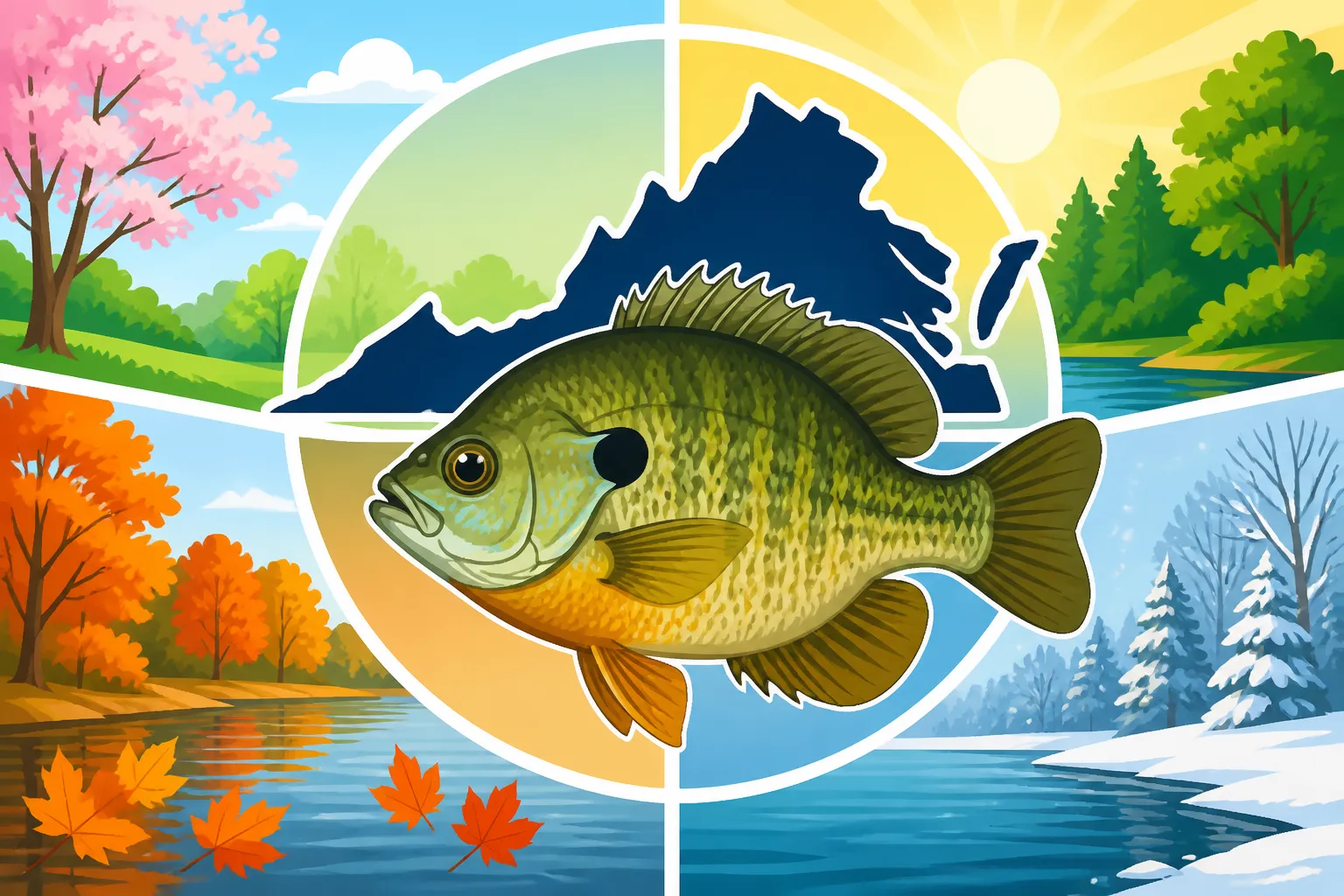
When we talk about panfish, bluegill and other sunfish (like pumpkinseed, redear sunfish, and warmouth) are usually what first come to mind. These little fighters are found in virtually every pond, lake, and slow-moving river across Virginia. They're not picky eaters and will readily strike at a wide array of baits and lures. What makes them so consistent is their widespread presence and their tendency to school together, especially when conditions are right. They’re a fantastic target for beginners and seasoned anglers alike who just want to feel a bend in their rod.
Their activity really ramps up as the water warms, making late spring and early summer their prime time. During this period, bluegill migrate to shallow waters to spawn, creating dense concentrations that are easy to locate. You’ll often find them guarding nests, making them particularly aggressive towards anything that comes too close. This is when a simple bobber and a worm or cricket can lead to non-stop action. Even outside of their spawning peak, bluegill are active throughout the warmer months, simply moving to slightly deeper or shadier spots during the heat of the day.
Crappie: The Delicious Springtime Delicacy
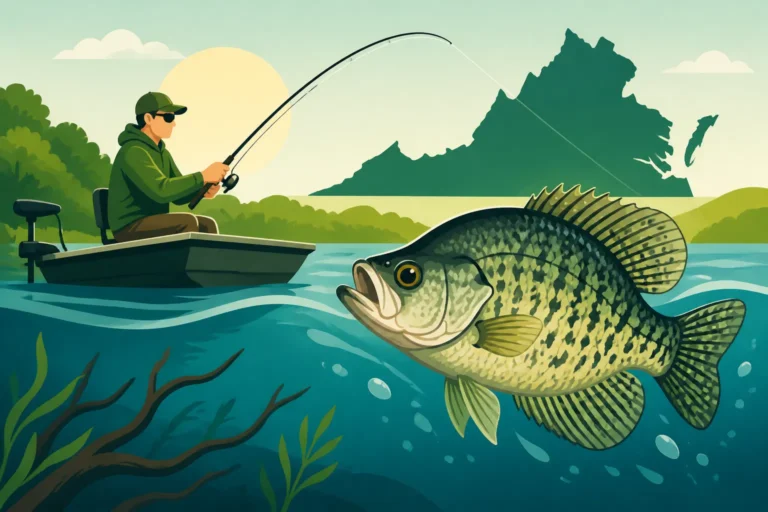
Crappie, both black and white varieties, are another beloved panfish species in Virginia. They offer a different challenge than bluegill, often preferring structure and slightly deeper water, but they are equally rewarding, especially when it comes to their flaky, delicious meat. Many anglers consider crappie to be among the finest eating freshwater fish. If you're looking to fill a stringer, crappie are your fish.
For crappie, spring is unequivocally the best season. As water temperatures begin to rise into the 50s and 60s Fahrenheit, crappie move out of their deeper wintering grounds and into shallower coves, brush piles, and submerged timber to spawn. This pre-spawn and spawn period is when they are most aggressive and concentrated. Anglers targeting crappie during this time can often find them stacked up in incredible numbers around specific pieces of structure. Knowing how to locate these hidden hotspots is key to a successful crappie trip. Best Time of Year for Crappie Fishing in Virginia is something every crappie enthusiast should master.
Perch: A Cooler Water Delight and Bycatch Bonus
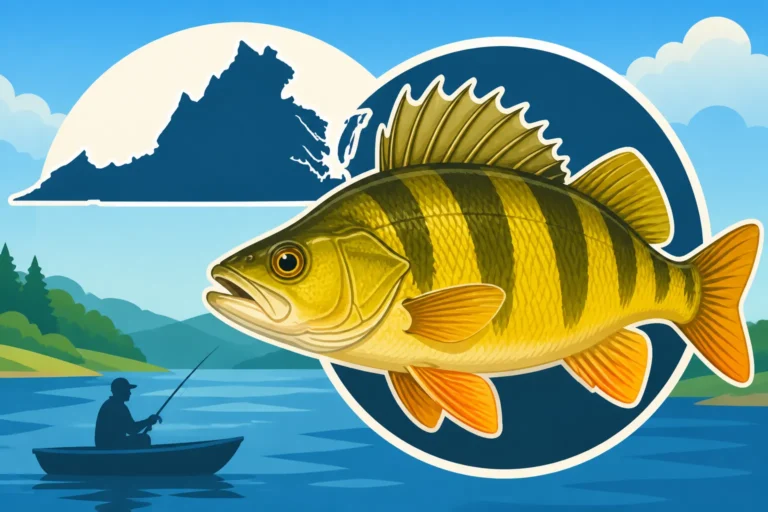
Virginia offers both white perch and yellow perch, and they are excellent panfish species often overlooked. White perch are predominantly found in the brackish and tidal freshwater areas of Virginia's major rivers and estuaries, as well as some inland reservoirs. Yellow perch prefer cooler, cleaner waters and are more common in the inland lakes and rivers, particularly in the western and northern parts of the state. These fish are gregarious, meaning they school together in large numbers, and when you find one, you've likely found a whole lot more!
While white perch can be caught year-round, their activity really picks up in cooler months, especially late fall and early spring. Yellow perch, being a cool-water species, are often targeted successfully in early spring and late fall, and even through the ice in areas where it freezes sufficiently. They provide a fantastic angling opportunity when other species might be less active. They're also often caught as a bonus when targeting other species, but their fighting spirit and delicious flesh make them a worthy target in their own right. If you want to learn more about them, check out White Perch: A Beginner-Friendly Virginia Panfish.
Spring: The Undisputed Prime Time for Panfish
If you're looking for the absolute best season to target panfish in Virginia, spring takes the crown, hands down. The rising water temperatures awaken fish from their winter lethargy, triggering feeding frenzies and, most importantly, the spawning urge that brings them into predictable, accessible locations. It's a truly magical time to be on the water, offering consistent action and some of the year's biggest catches.
Pre-Spawn and Spawn Frenzy: Timing is Everything
The key to spring panfishing success lies in understanding the pre-spawn and spawning phases. As ice melts (if applicable) and water temperatures slowly climb from the low 50s into the 60s Fahrenheit, panfish begin their move. Initially, they'll congregate in staging areas just outside their shallow spawning grounds, feeding heavily to build energy for the reproductive process. This is the pre-spawn, and it can be a fantastic time to catch plump, aggressive fish.
Once the water hits optimal temperatures – generally mid-60s for bluegill and various sunfish, and slightly cooler for crappie – the spawn kicks into high gear. Bluegill will create saucer-shaped nests in shallow, hard-bottomed areas, often in colonies. Crappie will move into brush piles, submerged trees, and dense weed beds in similarly shallow water. During this time, the fish are less concerned with caution and more focused on reproduction, making them incredibly receptive to baits and lures. You can practically walk the bank and spot bluegill beds, making them an easy target for even the youngest anglers. This predictable behavior is why spring is so reliable for panfish.
Gear and Tactics for Spring Panfish
Spring panfishing doesn't require a lot of fancy gear, which is part of its charm. Light tackle is the name of the game. An ultralight spinning rod and reel combo spooled with 4 to 6-pound test monofilament line is perfect. This setup allows for sensitive feel and exciting fights, even with smaller fish. For tiny jigs or ultralight fishing line, you can often find a fantastic selection on Amazon that might not be available at your local bait shop.
When it comes to bait, live options like crickets, mealworms, redworms, and small minnows are incredibly effective, especially when suspended under a small bobber. For artificial lures, small jigs (1/32 to 1/16 ounce) tipped with a small plastic grub, tube bait, or hair jig can be deadly for crappie and larger sunfish. Tiny spinners and micro crankbaits also have their moments. The key is to present your offering slowly and subtly, especially when fish are on their beds. When fishing for crappie around cover, a simple jigging motion around brush piles or vertical presentations from a boat can be incredibly effective. For those looking for specific guidance, check out Crappie Jigging Techniques.
Summer and Fall: Adapting Your Approach for Panfish Success
While spring might be the peak, summer and fall still offer fantastic panfish opportunities in Virginia. The fish don't disappear; they simply adjust their behavior to the changing conditions, and so should you. Adapting your tactics to warmer summer waters and the cooler, transition periods of fall will ensure you can keep reeling in those panfish all season long.
Summer's Deep Dives and Early Morning Bites
As summer temperatures soar, especially in July and August, panfish tend to move out of the super-shallow spawning grounds they occupied in spring. They'll seek refuge in deeper, cooler water, or congregate around shade and cover during the hottest parts of the day. Think submerged timber, docks, lily pad fields, or creek channels in lakes and ponds. Bluegill will often suspend under boat docks or hover near deep weed lines, while crappie will retreat to deeper brush piles or the cooler depths of main lake channels.
The best times to fish in summer are typically early mornings and late evenings, when the sun is less intense and the water is slightly cooler. You might also find a good bite after a summer rainstorm. During these times, panfish might move a bit shallower to feed. For techniques, focus on vertical jigging around structure with small jigs, or drifting live bait (like minnows for crappie, or crickets for bluegill) in deeper areas. If you're gearing up for a family trip, check Amazon for beginner-friendly rod and reel combos that work great for this kind of summer fishing. Also, consider fishing at night, as some panfish, especially crappie, can become very active after dark. Dawn and Dusk Fishing Patterns and Night Fishing Techniques are valuable reads for summer angling.
Fall's Feeding Frenzy Before Winter
Fall is a transition period, and it can be incredibly productive for panfish in Virginia. As the water temperatures begin to drop from their summer highs, panfish get active again, undertaking a feeding frenzy to fatten up before the leaner winter months. This is often referred to as the "fall turnover" period in lakes, where water layers mix, spreading oxygen and baitfish throughout the water column.
During early fall, you might find panfish still near some of the deeper summer structures, but as temperatures continue to fall, they'll often move to creek channels, deeper points, and around bridge pilings. Crappie in particular can be found schooling up in large groups, making for excellent catches. For yellow and white perch, fall can be a prime time, as they become more active in the cooler water.
Tactics for fall include slow trolling with small crankbaits or jigs, vertical jigging, and using live minnows. Look for baitfish activity; where the bait is, the panfish won't be far behind. Fall offers a final burst of consistent action before winter truly sets in. Need a new tackle box to organize all those panfish lures for fall? Amazon has a huge variety, so you can easily find one that suits your needs.
Winter: Finding the Hidden Gems
While it's generally not considered the "best" season, winter can still offer surprising opportunities for panfish in Virginia, especially for those willing to brave the colder weather. Panfish are still there, they just become a bit more lethargic and congregate in specific locations. Winter fishing requires patience and a slightly different approach, but the rewards can be great.
Locating Winter Panfish
In winter, panfish will generally move to the deepest parts of their habitat, often suspending in the water column or hugging bottom structure in deep creek channels, river bends, or main lake basins. They'll seek out thermal refuges, sometimes near power plant discharges (if available) or simply in the most stable, deepest water available. Crappie will often form incredibly tight schools in deep brush piles or sunken timber, while bluegill and other sunfish might huddle in dense cover on deep ledges.
Slow and subtle presentations are crucial in winter. Fish are not actively chasing food; they're conserving energy. Tiny jigs, often tipped with a crappie nibbler or a small piece of bait, fished vertically and slowly, are your best bet. A sensitive rod is key to detecting the lightest of bites. Don't forget the essentials like sunscreen and insect repellent – handy to grab from Amazon before your trip, even in winter, as reflection off snow or water can be intense. Ice fishing, where feasible in Virginia's colder regions, can also be highly productive for panfish.
Panfish Season at a Glance in Virginia
To help you visualize the best times to target different panfish species in Virginia, here's a quick overview:
| Species | Best Season | Secondary Season | Key Locations | Recommended Baits/Lures |
|---|---|---|---|---|
| Bluegill | Spring (Spawn) | Summer, Early Fall | Shallow beds, docks, lily pads | Worms, crickets, small jigs, tiny spinners |
| Crappie | Spring (Pre-Spawn/Spawn) | Late Fall, Early Winter | Brush piles, submerged timber, creek channels | Small minnows, jigs (tubes, grubs), micro crankbaits |
| White Perch | Early Spring, Late Fall | Summer (deeper) | Tidal rivers, estuaries, deep channels | Bloodworms, small pieces of fish, jigs, spinners |
| Yellow Perch | Early Spring, Late Fall | Winter (ice fishing) | Cooler lakes, deeper weed lines, structure | Minnows, small jigs, worms, ice spoons |
Understanding these patterns and adapting your strategies will significantly increase your success when targeting panfish in Virginia. Whether you're chasing the spring crappie bite or enjoying a warm summer afternoon with bluegill, there's almost always a panfish opportunity waiting for you. For more insights on general fishing times, you might find Virginia Fishing Seasons Explained to be a helpful resource. And for tips specifically geared towards introducing the next generation to the sport, definitely check out Virginia Panfish Fishing for Beginners and Kids.
Remember, fishing is about enjoying the outdoors and the thrill of the catch. Panfish provide that thrill consistently and reliably across Virginia throughout most of the year. So grab your light tackle, know your seasons, and get ready for some fun! Panfish Species Every Virginia Angler Should Know is a great resource to deepen your understanding of these wonderful fish.
Disclaimer
This article is for general informational purposes only and does not constitute professional advice. Laws, prices and regulations vary by location and change over time. Consult a qualified professional for guidance on your specific situation.