Virginia’s Stocked Trout Season: October Through Mid-June
Oh, the crisp air of autumn, the quiet ripple of a stream, and the promise of a beautiful trout at the end of your line! If you're anything like me, you've eagerly awaited the stocked trout season in Virginia, only to realize that understanding the "when" and "where" can sometimes feel like trying to untangle a particularly stubborn fishing knot. It’s easy to get confused with all the different rules and dates, especially if you're new to trout fishing or just trying to get back into the swing of things after a long summer. This comprehensive guide is here to clear up all that confusion, walking you through everything you need to know about Virginia's stocked trout season, which famously runs from October through mid-June. We’ll cover why it exists, what to expect, and how to make the most of your time on the water.
Demystifying Virginia's Stocked Trout Season
For many anglers in Virginia, the stocked trout season is a real highlight, providing fantastic opportunities to catch some feisty fish in beautiful settings. But what exactly does "stocked trout season" mean, and why does it have such specific dates? It’s not just a random timeframe; there's a lot of science and strategy behind it, all aimed at providing the best fishing experience for everyone.
The Official Dates: October Through Mid-June
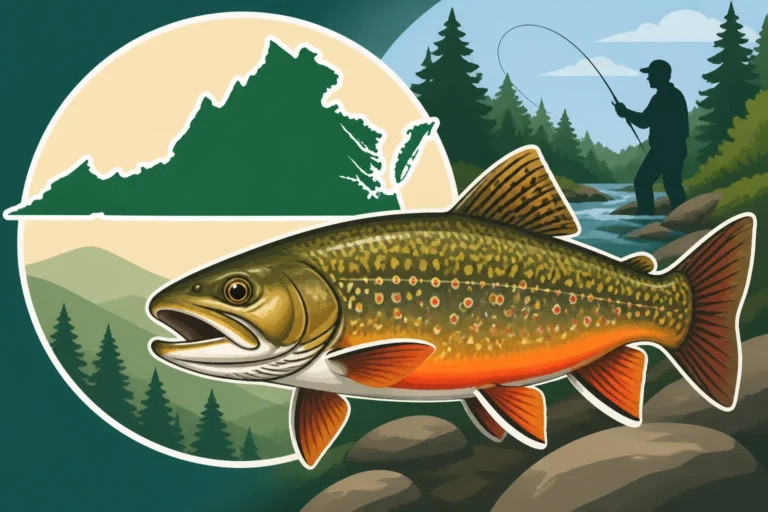
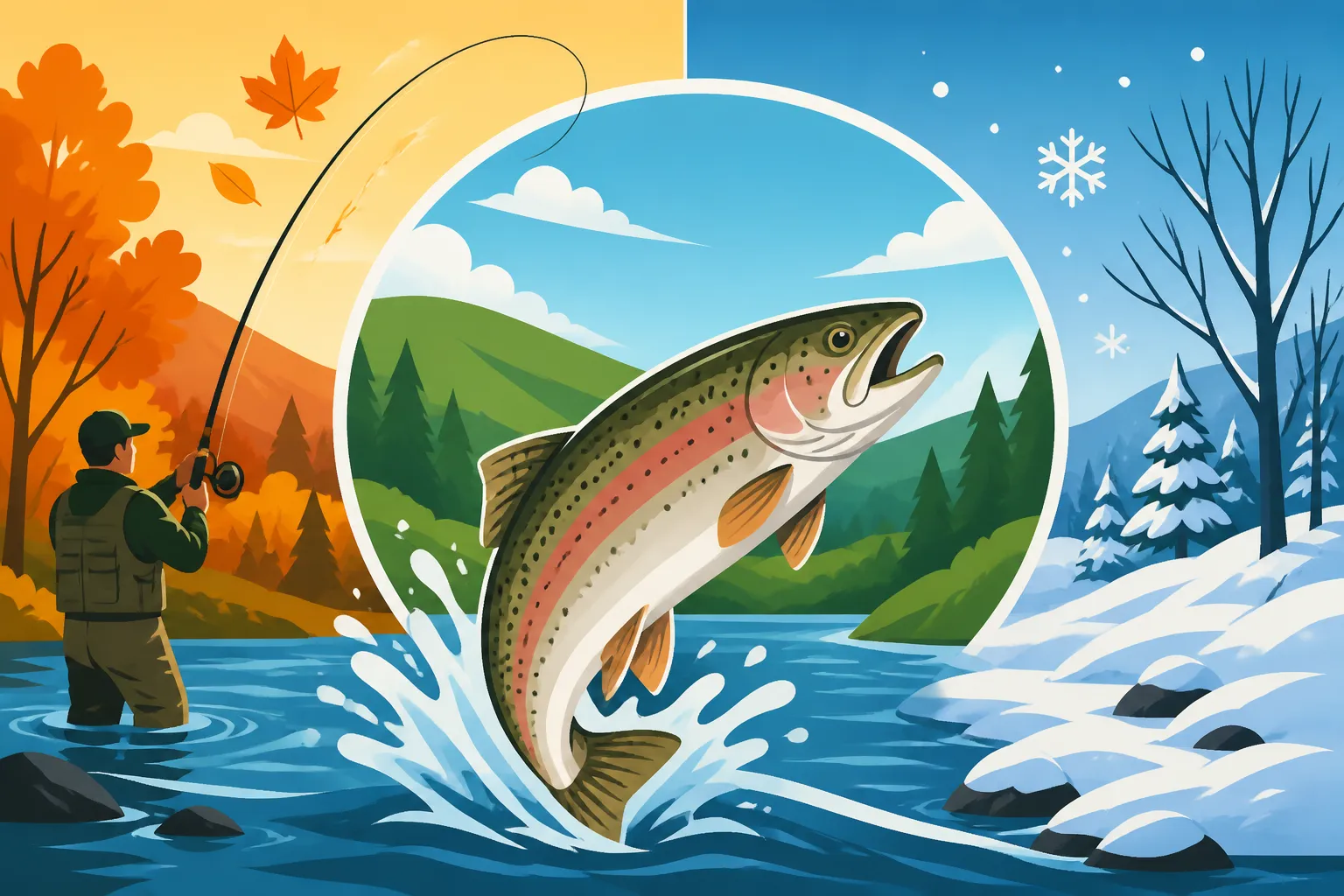
The Virginia Department of Wildlife Resources (DWR) — formerly DGIF — designates the stocked trout season from October 1st all the way through June 15th. This long window typically sees thousands upon thousands of trout released into designated waters across the Commonwealth. Think about it: that’s over eight months of potential trout fishing! It’s an incredible resource for anglers, offering opportunities through fall, winter, and spring. The reason for these dates primarily comes down to water temperature. Trout, especially the rainbow, brown, and brook varieties that are stocked here, thrive in colder water. As Virginia summers get scorching, many of our lower-elevation streams and lakes simply get too warm for trout to survive comfortably, or even survive at all. So, the season begins when water temperatures start to drop in the fall and winds down before the heat of summer truly sets in. This ensures that when those fish hit the water, they have the best chance to acclimate and provide some fantastic fishing.
Why We Have a Stocked Trout Program
You might wonder why we need a stocked trout program at all. Doesn't Virginia have wild trout? Yes, absolutely! We have stunning Wild Trout Stream Rules in Virginia in the mountains. But here's the thing: wild trout streams are often remote, can be challenging to access, and the wild populations themselves need careful management to remain healthy. The stocked trout program, on the other hand, is designed to create easily accessible, high-quality trout fishing opportunities closer to population centers and in waters that couldn't naturally sustain trout year-round. It's about spreading the joy of trout fishing to more people, including families and beginners, without putting undue pressure on our precious wild fisheries. The DWR works tirelessly, raising these trout in hatcheries specifically for release, making sure there's always a new batch of fish ready for anglers to pursue. It's a huge undertaking that pays off in smiles on the water.
What "Stocked Trout" Really Means for Anglers
When we talk about "stocked trout," we're generally referring to farm-raised rainbow trout, though brown and brook trout are also stocked in certain areas. These fish are typically hatchery-reared, meaning they've grown up in a relatively controlled environment. Because of this, they can sometimes behave a little differently than their wild cousins. They might be less wary of humans or certain baits, at least initially, making them a fantastic target for those just learning the ropes. However, they're still fish, and they can be incredibly fun to catch! The stocked waters are often well-marked and maintained, making access easier. It’s a chance to experience the thrill of a bending rod and a strong fight, whether you’re casting a simple bait rig or honing your fly-fishing skills. For an in-depth look at the species, check out Trout Fishing in Virginia: Rainbow, Brown, and Brook Trout.
Essential Gear and Techniques for Stocked Trout Success
Stepping out onto a stocked trout stream or lake can be intimidating if you're not sure what to bring or how to approach it. The good news is, you don't need a boatload of fancy, expensive equipment to enjoy stocked trout fishing. Simplicity often reigns supreme, especially when targeting these hatchery-raised fish.
Simple Setup for Beginners and Experts
Whether you're an old hand or just getting your feet wet, a basic spinning rod and reel combo, roughly 5 to 6 feet in length, is all you truly need. Pair that with some light monofilament line, say 4 to 6 pound test, and you're in business. Don't go too heavy on the line; lighter lines are less visible to the fish and can allow for a more natural presentation of your bait or lure. For a basic bait rig, a small hook (sizes 8 to 14 are usually perfect), a few split shots to get your bait down, and a small bobber if you prefer visual cues are essential. If you're into fly fishing, a 4 or 5 weight rod is versatile enough for most stocked trout scenarios. You can find excellent starter kits for both spinning and fly fishing on platforms like Amazon, offering a convenient way to get set up without breaking the bank. Remember, the goal is often subtlety and presentation rather than brute force.
Bait vs. Lures: What Works Best
This is the age-old debate, isn't it? For stocked trout, both bait and lures have their time and place, and both can be incredibly effective.
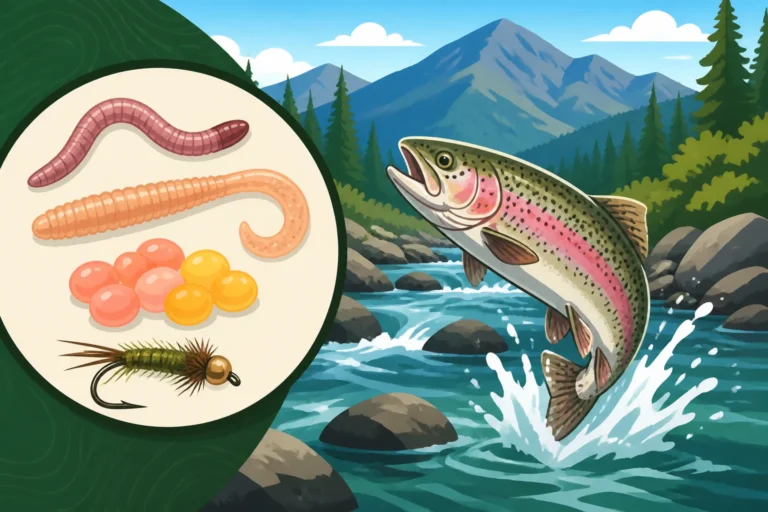
- Bait Fishing: When trout are freshly stocked, they are often accustomed to pelleted food from the hatchery, making PowerBait (especially the bright, fluorescent colors) a go-to choice. Worms, corn, and even small marshmallows can also be incredibly productive. The key with bait is often a natural drift. You want your bait to move with the current as if it were naturally dislodged. A simple Carolina rig or a slip-sinker rig can keep your bait near the bottom where trout often cruise. For more specific bait recommendations, you might find Best Bait for Rainbow Trout in Mountain Streams helpful, even for stocked waters.
- Lure Fishing: Small spinners (like Rooster Tails or Mepps), tiny spoons (such as Phoebe or Little Cleo), and miniature jerkbaits can all entice stocked trout. The flash and vibration of a spinner can be irresistible, especially when the fish are actively feeding. Soft plastics, like small grubs or trout magnets, fished under a bobber or lightly weighted, can also be dynamite. The trick with lures is experimentation. Try different colors, retrieves, and depths until you find what the fish are responding to that day. Sometimes a fast retrieve triggers a chase, other times a slow, methodical retrieve is key.
- Fly Fishing: If you're a fly angler, don't shy away from stocked waters. While they may not be as challenging as wild trout, they offer fantastic practice and plenty of action. Small nymphs (like Hare's Ears or Pheasant Tails), wet flies, and even some dries (especially if there's an insect hatch) can be very successful. Woolly Buggers in various colors are also incredibly effective. Just make sure your flies are sized appropriately – often smaller is better. Consider learning How to Fly Fish for Trout in a River for some excellent foundational techniques.
Reading the Water: Where to Find Stocked Trout
Even though they're "stocked," these fish still seek out certain types of water. They're not just scattered everywhere. Look for areas with:
- Current Breaks: Any structure that slows down the current, like large rocks, fallen logs, or deeper pools, can be a holding spot. Trout will sit in these calmer areas, expending less energy while waiting for food to drift by.
- Pools and Eddies: These deeper, slower-moving sections of a stream are prime real estate for trout. They offer protection and often accumulate food. Cast to the edges of the current where it meets the slower water.
- Riffles and Runs: The faster, shallower sections that break into white water can also hold trout, especially if there are deeper pockets or rocks. This is where insects often get dislodged, providing a food source.
- Overhanging Cover: Tree branches, undercut banks, or even thick aquatic vegetation provide shade and security. Trout feel safe under cover and are more likely to feed there.
- Structure in Lakes/Ponds: If you're fishing a stocked pond or lake, look for submerged timber, drop-offs, or areas where the bottom changes drastically. Trout will often congregate around these structures.
Don't be afraid to move around. If you're not getting bites in one spot, try another. Stocked trout can be transient, especially soon after they're released.
Navigating Licensing and Regulations for Stocked Trout Waters
Fishing for stocked trout in Virginia isn't just about having the right gear and knowing where to cast; it's also about understanding and adhering to the rules. Ignoring these regulations can lead to fines, so it's crucial to be informed before you even tie on your first fly.
Do You Need a Special License for Stocked Trout in Virginia?
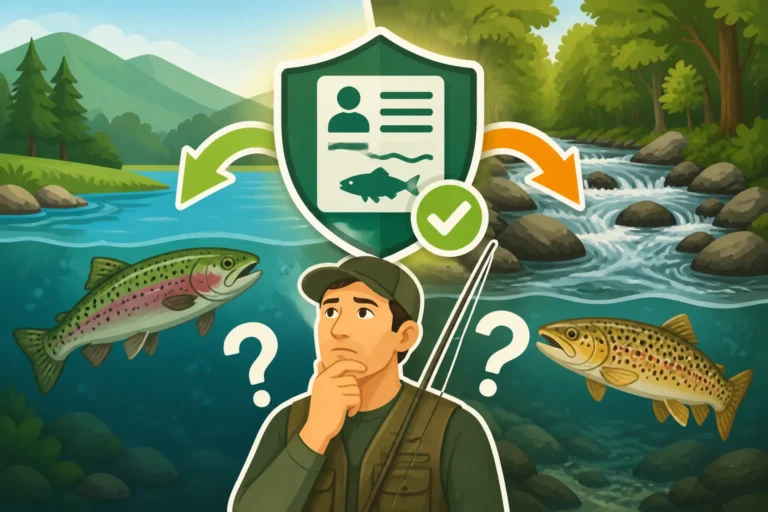
Yes, absolutely! While you’ll always need a basic Virginia Fishing License Guide to fish in the Commonwealth, pursuing stocked trout requires an additional permit. This is often referred to as a "trout license" or "trout stamp." This special fee helps fund the DWR's extensive stocking program, covering the costs of raising and transporting these fish. It's a small investment that directly supports the fantastic opportunities you get to enjoy. Make sure you purchase both your basic freshwater fishing license and the trout license before heading out. You can often buy these online through the DWR website, or from authorized agents like tackle shops and sporting goods stores. It's truly easy, and you don't want to be caught without it. For all the specifics, check out Virginia Stocked Trout Waters and License Requirements.
Understanding Catch Limits and Other Rules
Just like any other managed fishery, stocked trout waters have specific regulations regarding how many fish you can keep and their size. These rules are put in place to ensure fair access for all anglers and to maintain a healthy fishing experience throughout the season.
- Daily Creel Limit: Most stocked trout waters in Virginia have a daily creel limit, meaning the maximum number of trout you can legally keep in a 24-hour period. This limit can vary, so always check the latest Virginia Fishing Regulations Explained before you go. Generally, it's around 6 fish per person per day.
- Size Limits: While many stocked trout waters don't have a minimum size limit (as the stocked fish are typically of catchable size), some special regulation areas might. Again, consulting the DWR regulations is your best bet. You don’t want to inadvertently keep a fish that’s too small, or release one that was legal.
- Special Regulation Waters: Be aware that some specific streams or sections of streams might have unique regulations. These could include catch-and-release only sections, artificial lures only, or even different daily limits. These areas are often managed to provide a different type of fishing challenge. Always look for signage at public access points, or consult the DWR's official trout fishing guide.
- Possession Limits: This typically refers to the maximum number of fish you can have in your possession at any given time, which usually matches the daily creel limit. This prevents anglers from accumulating multiple daily limits over several days.
It’s always a good idea to print out or save a digital copy of the current DWR fishing regulations to your phone before you head out, especially if you're exploring new waters. That way, if you have a question about When Can You Keep Stocked Trout in Virginia, you have the answer right at your fingertips.
Here's a quick reference table for general stocked trout rules in Virginia, but always verify with current DWR regulations:
| Category | General Rule (Always Verify) | Notes |
|---|---|---|
| Fishing License | Virginia Freshwater Fishing License + Trout License | Both required for anyone 16 years or older. |
| Season Dates | October 1st – June 15th | Specific water closures or open dates may vary slightly. |
| Daily Limit | 6 Trout Per Person Per Day | Some "Special Regulation" waters may have different limits or be catch-and-release. |
| Size Limit | No Minimum Size on Most Stocked Waters | Check regulations for specific waters, especially designated "trophy" areas. |
| Gear | Spinning, Baitcasting, Fly Fishing | Some "Artificial Lures Only" sections exist; check regulations. |
Finding Stocked Trout Waters Near You
The DWR does a fantastic job of publicizing which waters are stocked and when. They typically release weekly stocking schedules during the peak season. You can find this information on their website, often under their "Trout Stocking Schedule" section. This schedule will list the specific streams, rivers, and lakes, along with the dates they were last stocked.
Popular stocked trout waters across Virginia include:
- Pedlar River in Amherst County
- Mossy Creek (part of it is stocked, part is wild/special regs) in Augusta County
- Jackson River tailwater below Lake Moomaw
- South Fork of the Shenandoah River (certain sections)
- Skimino Creek near Williamsburg
- Clinch River
- Cub Run and Upper Passage Creek in the George Washington National Forest
- Various small lakes and ponds specifically managed for trout.
Many of these spots offer excellent public access, often through state parks, national forest lands, or designated DWR access points. If you're looking for Best Trout Streams in Virginia, a quick look at the DWR stocking schedule will usually highlight the most active spots. Planning your trip around recent stocking dates can significantly increase your chances of a successful day.
Tips for a Rewarding Stocked Trout Experience (Beyond the Catch)
Fishing for stocked trout is about more than just filling your creel. It's an opportunity to connect with nature, enjoy some peace and quiet, or spend quality time with friends and family. A truly rewarding experience often comes from appreciating the whole process.
Respecting the Resource and Other Anglers
One of the most important aspects of any outdoor activity, especially fishing, is practicing good etiquette and conservation.
- Leave No Trace: Always pack out everything you pack in. This means wrappers, old fishing line, bait containers—everything. Many anglers leave behind tangled lines, which can be hazardous to wildlife and other anglers. Let's keep Virginia's beautiful waterways pristine for everyone.
- Mind Your Space: Stocked trout waters, especially immediately after stocking, can get crowded. Be respectful of other anglers' space. Don't crowd someone who is already fishing a spot, and avoid wading directly into areas where others are casting. A simple nod or polite greeting can go a long way.
- Handle Fish Carefully: Even if you plan to keep your catch, try to handle trout as gently as possible. If you're practicing catch and release in any specific area, minimize air exposure, use wet hands, and release the fish quickly and gently. This ensures the fish has the best chance of survival.
- Follow Regulations: We've already touched on licenses and limits, but it bears repeating: know and follow all regulations. This isn't just about avoiding fines; it's about being a responsible steward of our fisheries. The money from your trout license, for example, goes right back into the program.
Remember, fishing is a shared experience, and respecting the environment and your fellow anglers ensures everyone can enjoy their time on the water. It’s a huge Difference between wild trout and stocked trout rules in Virginia, but the core principles of ethical angling remain the same.
Preparing for Your Trip: What to Pack
Being well-prepared can make all the difference between a frustrating day and a fantastic one. Here’s a quick checklist of things to consider bringing:
- Valid Fishing License & Trout License: Non-negotiable! Store it safely, perhaps in a waterproof wallet or small tackle box.
- Appropriate Rod & Reel: As discussed, a light spinning setup or fly rod.
- Tackle Box: Filled with your chosen baits, lures, hooks, weights, and extra line. A small tackle box that you can easily carry is perfect. You can find good, organized options on Amazon.
- Waders or Waterproof Boots: Essential if you plan on wading into streams. Even if you're bank fishing, waterproof boots are a good idea for damp or muddy banks.
- Net: A small, soft-mesh landing net is invaluable for safely landing trout, especially if you plan to release them.
- Pliers/Forceps: For easily removing hooks, especially if fish have swallowed them deeply.
- Cooler with Ice: If you plan to keep your catch, a cooler will keep them fresh.
- Weather-Appropriate Clothing: Layers are always a good idea, as temperatures can change quickly, especially in the mountains. A waterproof jacket is a must.
- Snacks and Water: Stay hydrated and energized!
- Sunscreen and Hat: Even on cloudy days, UV rays can be strong.
- First-Aid Kit: For minor cuts, scrapes, or hook accidents.
- Camera: To capture those memorable moments (and the fish!).
- Optional: Small Backpack or Vest: To comfortably carry all your essentials while keeping your hands free for fishing. Again, a good quality fishing vest or backpack can be found on Amazon, making it easy to carry all your gear.
By putting in a little planning and preparation, you'll be set for a successful and enjoyable day chasing Virginia's stocked trout during their generous season. Whether you’re opting for a day or even a Virginia's 5-Day Freshwater Fishing Pass, being prepared is key.
Disclaimer
This article is for general informational purposes only and does not constitute professional advice. Laws, prices and regulations vary by location and change over time. Consult a qualified professional for guidance on your specific situation.