When Can You Keep Stocked Trout in Virginia
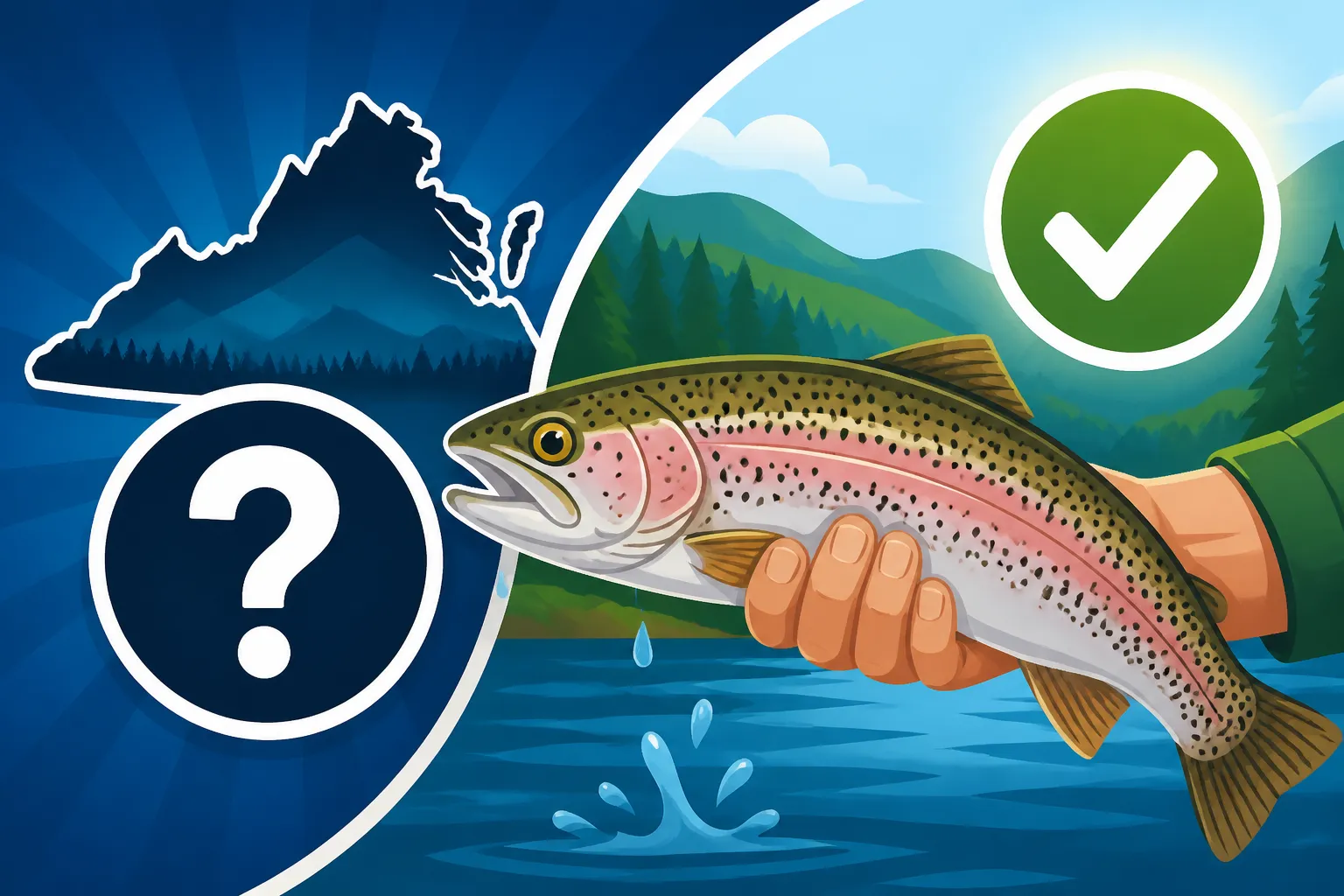
It's incredibly frustrating when you're out on a beautiful Virginia stream, the trout are biting, and you're not quite sure if you can actually keep that fish you just reeled in. With different rules for wild trout, stocked trout, and special regulation waters, it's easy to get bogged down in the details. This comprehensive guide will clear up all the confusion, detailing exactly when you can legally keep stocked trout in Virginia waters and what you need to know to ensure a successful and compliant fishing trip.
Understanding Virginia's Stocked Trout Program
Before we dive into the nitty-gritty of when you can keep a trout, it’s essential to understand the purpose behind Virginia’s robust stocked trout program. The Virginia Department of Wildlife Resources (DWR) puts a lot of effort into these programs, and knowing why they do what they do helps make sense of the regulations.
The Purpose of Stocked Trout in Virginia
The DWR's primary goal with stocked trout is to create what anglers often call "put-and-take" fisheries. What does that mean? Well, in many parts of Virginia, the natural conditions—especially water temperature during the warmer months—aren't ideal for wild trout populations to thrive and sustain heavy fishing pressure. So, the DWR steps in, stocking hatchery-raised rainbow, brown, and sometimes brook trout into designated streams and lakes. This ensures there are plenty of fish for recreational anglers to catch.
This program isn't just about catching fish; it's about providing accessible fishing opportunities for everyone, from seasoned veterans to families introducing their kids to the joys of angling for the very first time. These stocked waters often see significant fishing pressure, and without regular replenishments, the fish populations would quickly dwindle. The DWR ensures that anglers have a reasonable chance of success, which, in turn, helps foster a love for the outdoors and supports local economies in towns near popular trout fishing areas. Imagine a crisp autumn morning with your family, everyone catching a few trout – that’s the experience these programs aim to deliver.
Stocked Trout Waters Versus Wild Trout Streams
One of the biggest sources of confusion for anglers in Virginia is distinguishing between stocked trout waters and wild trout streams. It’s absolutely crucial to know the difference, because the rules for each are as different as night and day. Mishandling this distinction can lead to fines and frustration, and nobody wants that when they're trying to enjoy a peaceful day on the water.
Stocked waters, as the name implies, are those where the DWR regularly releases hatchery-raised trout. These fish are essentially put there for you to catch and keep within the legal limits. These locations are designed to handle more fishing pressure and are often easier to access. On the other hand, wild trout streams are pristine habitats where trout reproduce naturally. These delicate ecosystems require much stricter regulations to protect the often smaller, more elusive, and naturally reproducing populations. Catch-and-release is often mandatory, and the use of specific artificial lures is common. It’s easy to accidentally wander from a stocked section into a wild section without realizing it, which is why it’s so important to consult official DWR maps and read any posted signs carefully. For a deeper dive into the contrasting rules, check out the guide on Difference between wild trout and stocked trout rules in Virginia.
Knowing the specific regulations for the water you're fishing is paramount. The DWR publishes detailed information, and many popular stocked areas have signs at access points clarifying the rules. If you're unsure, always err on the side of caution or confirm with a local tackle shop.
Navigating Virginia's Stocked Trout Seasons and Catch Limits
Now for the main event: when can you actually put those beautiful stocked trout in your cooler? Virginia has specific windows and limits, and understanding them is key to a legal and enjoyable fishing trip.
The General Stocked Trout Season Window
For most of Virginia's stocked trout waters, the primary season for keeping fish runs from October 1 through mid-June. More precisely, the season typically concludes around June 15th each year, though it's always wise to check the DWR's latest regulations for precise dates as they can vary slightly by specific body of water or management area. This extended season provides ample opportunity for anglers to enjoy the stocked fisheries across various weather conditions.
The reason for this particular timeframe is largely biological. Trout, being cold-water fish, thrive in cooler water temperatures. During the fall, winter, and spring months, Virginia's streams and rivers are generally cold enough to support these fish after they've been stocked. As summer approaches, water temperatures in many of these lower-elevation streams and ponds can rise to levels that are stressful or even lethal for trout. By closing the harvest season in mid-June, the DWR helps manage the fishery, recognizing that the remaining stocked fish may struggle in the heat, and ensuring that future stocking efforts are effective. This also allows a brief period for the waters to rest before the next stocking cycle begins in the fall. You can find more details about this period in Virginia Stocked Trout Season October Through Mid-June.
So, if you're planning a trip to a stocked trout stream between October and mid-June, you're generally in the clear to keep your catch within the daily limits. Always remember that specific dates can have minor adjustments, so a quick check of the DWR's current regulations is a non-negotiable step before heading out.
Daily Creel and Size Limits for Stocked Trout
When you're fishing in a designated stocked trout water within the open season, there are clear guidelines on how many fish you can keep. For most stocked trout waters in Virginia, the standard daily creel limit is six trout per person. This means that in any given day, an individual angler can legally possess up to six stocked trout. It's important to keep this number in mind, even if the fish are biting ferociously and you feel like you could catch dozens!
Unlike wild trout, which often have strict minimum size requirements to protect younger, naturally reproducing fish, stocked trout generally have no minimum size limit in Virginia. This means if you catch a 7-inch rainbow trout in a stocked stream, and you're within the legal season and creel limit, you can absolutely keep it. This regulation is designed to maximize angler opportunity since the stocked fish are primarily intended for harvest. Imagine you're spending a lovely afternoon on the Jackson River with a valid license and trout stamp, and you reel in four trout measuring 8, 9, 10, and 11 inches. All four of those fish are perfectly legal to keep, as long as you don't exceed your daily limit of six. This straightforward approach makes it much easier for beginner anglers to enjoy the sport without worrying about intricate measurements.
It’s always a good practice to review the DWR's current regulations, as occasionally specific waters might have slight variations to these standard limits. The table below summarizes the typical daily limits for stocked trout in Virginia:
| Category | Standard Regulation | Notes |
|---|---|---|
| Open Season | Oct 1 – Mid-June | Varies slightly by water; always confirm DWR dates. |
| Daily Creel Limit | 6 Trout per person | Applies to all species of trout combined. |
| Minimum Size Limit | None | Any size trout caught within limits can be kept. |
| Special Regulations | Varies | Some waters (e.g., Delayed Harvest) have specific, stricter rules. |
Special Regulations for Designated Stocked Trout Waters
While the general rules for stocked trout are fairly consistent, Virginia has some "Special Regulation Waters" that throw a delightful, yet sometimes confusing, curveball into the mix. These areas are designed to offer different types of fishing experiences or protect certain populations, and it’s critical to understand their specific rules before you cast a line. Failing to do so can quickly turn a relaxing day into a stressful encounter with a game warden.
The most common example of these special regulations can be found in Delayed Harvest (DH) trout streams. These streams operate on a two-phase system that can really trip up unsuspecting anglers. From October 1st until May 31st, DH waters are strictly catch-and-release only, and you're typically restricted to using only artificial lures with single, barbless hooks. This period allows the stocked trout to grow larger and provide a more challenging, sport-focused experience. However, come June 1st (or sometimes a slightly later date, always check!), these same DH waters transition into a "put-and-take" fishery, meaning the standard daily creel limit of six trout applies, and often bait can be used. This sudden shift is a major point of confusion for many anglers who might visit the same stream in April and then again in June.
Other special regulation waters might have different restrictions, such as reduced daily creel limits (e.g., 2 or 4 fish instead of 6), specific bait restrictions, or even extended catch-and-release periods beyond the standard DH windows. You might find "Catch and Release Only" sections, or areas where only artificial flies are permitted. The absolute best way to stay informed is to check the DWR's annual fishing regulations booklet, which is available digitally on their website and in print at many license agents. Always, always, look for posted signs at access points; they are your best on-the-spot guide to understanding the immediate regulations. Ignorance of the law is not an excuse, and game wardens do regularly patrol these popular fishing areas. For a comprehensive overview, see Virginia Stocked Trout Waters and License Requirements.
Essential Requirements and Practical Advice for Trout Anglers
Understanding the regulations is one thing, but making sure you have all your ducks in a row before you even leave the house is another. There are a few non-negotiable items and pieces of advice that will ensure your stocked trout fishing trip is both legal and enjoyable.
The All-Important Fishing License and Trout Stamp
Let's cut right to it: if you're 16 years of age or older and planning to fish for stocked trout in Virginia, you absolutely must have a valid Virginia freshwater fishing license. This is the foundational requirement for nearly all freshwater fishing in the Commonwealth. But here's where it gets a little more specific and often catches people off guard: to fish in designated stocked trout waters or to possess any trout caught anywhere in Virginia (outside of specific Free Fishing Days), you also need a Virginia trout stamp, sometimes simply called a "trout license."
Many anglers, especially beginners or those new to Virginia, might buy a general freshwater license and assume they're all set. Unfortunately, without that additional trout stamp, you're technically fishing illegally in stocked waters. This is a common oversight that can lead to an unexpected conversation with a game warden and a potential fine. The trout stamp fee goes directly back into funding the DWR's vital trout stocking programs, so it's a small but significant contribution to the sport. Acquiring both is straightforward: you can purchase them conveniently online through the Virginia DWR website, or in person at numerous license agents across the state, including sporting goods stores like Dick's Sporting Goods, local tackle shops, and even big box retailers like Walmart. For a full breakdown of what you need, check out the Virginia Fishing License Guide and a specific article on Stocked Trout License Requirements in Virginia. If you're wondering, "Do I really need a special license for stocked trout in Virginia?", the answer is a resounding yes! And for those looking for online convenience, our guide on How to Buy a Fishing License Online in Virginia has you covered.
Gear and Bait for Stocked Trout Success
One of the great things about fishing for stocked trout is that you don't need highly specialized, expensive gear to have a good time and catch fish. These hatchery-raised trout are typically less wary than their wild cousins and are often quite eager to bite, making them a fantastic target for anglers of all skill levels, especially beginners and kids.
For spinning gear, a light to ultralight spinning rod (typically 5 to 6 feet in length) paired with a small spinning reel spooled with 4 to 6-pound test monofilament or fluorocarbon line is usually perfect. This lighter setup allows for more delicate presentations and makes even smaller trout feel like a respectable fight. If fly fishing is your passion, a 3- to 5-weight fly rod with a matching reel and floating line will handle most stocked trout scenarios. When it comes to bait, stocked trout are not picky! Old standbys like PowerBait (the dough bait in various colors like chartreuse, rainbow, or corn yellow are perennial favorites), canned corn, and live worms (nightcrawlers or red wigglers) are incredibly effective. Small inline spinners, such as those from Panther Martin or Mepps, as well as tiny spoons and small jigs, also work wonders. You can find a fantastic selection of PowerBait in various colors, as well as affordable ultralight spinning reels, on Amazon to get you started. Looking for some new inline spinners or a reliable trout net? Amazon has a wide array of options, often with quick delivery right to your door.
Regardless of your chosen method, keep your presentations light and natural. Stocked trout will often congregate in deeper pools or slow-moving runs, especially after a fresh stocking, so focus your efforts on these areas. Don't be afraid to experiment with different baits and lures until you find what they're hitting on that particular day. Having a variety of options on hand, easily sourced from retailers like Amazon, gives you a better chance of success.
Finding Virginia's Stocked Trout Waters
So, you're licensed, stamped, and geared up – now where do you go? Locating Virginia's stocked trout waters is easier than you might think, thanks to the DWR's transparent and thorough communication. There's no secret handshake or hidden map; the information is readily available for anyone who knows where to look.
Your absolute best resource is the Virginia Department of Wildlife Resources (DWR) website. They maintain an up-to-date list of all designated stocked trout waters across the state, often organized by region. Crucially, they also publish stocking schedules, which indicate when and where new batches of trout have been released or are planned to be released. This information is gold for planning your trip, as fishing tends to be hottest right after a stocking event. Beyond the DWR website, talking to local tackle shop owners is an invaluable resource. These folks are often on the water themselves or talk to anglers daily, giving them the most current, on-the-ground intelligence about recent stockings, water conditions, and what the fish are biting on. They can also point you to specific access points or lesser-known spots.
Virginia boasts numerous popular stocked locations that anglers frequent year after year. These include well-known rivers and streams such as sections of the Jackson River, Dan River, South Fork Holston River, various tributaries of the Shenandoah, and countless smaller creeks like Big Cedar Creek and Cripple Creek. Each offers a unique experience, from wider river settings to intimate mountain streams. Remember, while the DWR provides these lists, it's up to you to check any local signs or specific regulations for each body of water, especially concerning those special Delayed Harvest rules we discussed earlier. To help you plan, you can refer to our guide on Where Virginia Stocks Rainbow Trout Each Year and get more ideas from Best Trout Streams in Virginia.
Responsible Angling for a Sustainable Fishery
Fishing is more than just catching fish; it's about being a good steward of our natural resources and a respectful member of the angling community. Practicing responsible angling ensures that Virginia's excellent trout fishing opportunities remain abundant for generations to come.
Respecting Limits and Fellow Anglers
Even though stocked trout are often referred to as "put-and-take" and are intended for harvest, adhering to the established creel limits is absolutely vital. That six-trout daily limit isn't just a suggestion; it's a regulation put in place to manage the resource effectively and ensure that everyone who visits the stream has a fair chance to catch some fish. Over-harvesting, even of stocked fish, can quickly deplete a waterbody and diminish the quality of the fishing experience for others. It’s incredibly frustrating to arrive at a favorite spot only to find it completely fished out because a few individuals decided to disregard the rules.
Beyond legal limits, showing respect for fellow anglers is a cornerstone of good fishing etiquette. Give others plenty of space—don't crowd someone's fishing spot, especially if they were there first. Minimize noise and disturbance as you move along the bank. Always pack out everything you pack in; leaving trash, discarded fishing line, or bait containers is not only unsightly but also harmful to wildlife. While many stocked trout are destined for the dinner table, if you decide to release a fish, handle it carefully and gently to maximize its chances of survival. Even stocked fish can survive to be caught another day, providing enjoyment for someone else.
The Conservation Aspect of License Fees
It's easy to view fishing licenses and trout stamps as just another fee, a mandatory expense before you can enjoy your hobby. And yes, it can feel like a bit of a burden when you're just eager to get out on the water. However, it's incredibly important to remember that these fees are not just random charges; they are the financial backbone of Virginia's entire wildlife and fisheries management system. The money collected from the sale of your freshwater fishing license and trout stamp goes directly back into conservation efforts.
These funds are critical for the Virginia DWR to continue its extensive trout stocking programs, ensuring that those fish you’re catching are actually there. They also support vital habitat restoration projects, ensuring that streams remain healthy for both stocked and wild trout, as well as other aquatic species. Furthermore, these fees fund law enforcement—the game wardens who patrol our waters and ensure everyone is adhering to the regulations, which in turn protects the resource from over-exploitation. So, while you might grumble a little when you renew your license, take a moment to appreciate that your contribution directly supports the very fishing opportunities you enjoy. It’s a direct investment in the future of Virginia fishing. For more on this, explore How Fishing License Fees Support Wildlife Conservation in Virginia.
Preparing Your Catch
So, you've had a successful day, kept your legal limit of stocked trout, and now you're heading home. The adventure isn't over yet! Proper handling and preparation of your catch are crucial for ensuring your hard-earned trout taste as good as they did fighting on the line. Nobody wants a perfectly caught fish to go to waste or to taste less than its best because it wasn't handled correctly.
The absolute first rule for keeping your trout fresh is to get them on ice as quickly as possible. A good cooler filled with ice is indispensable. As soon as you decide to keep a fish, humanely dispatch it, and get it into that ice bath. This rapid cooling slows bacterial growth and helps preserve the texture and flavor of the meat. Once home, it's time to clean your catch. Gutting the fish promptly is essential, removing the entrails and gills. While some prefer to scale trout, many simply rinse them thoroughly and leave the skin on for cooking, as it crisps up beautifully. If you're planning to keep your catch, a good cooler and some quality fillet knives are essential. You can find excellent options for both on Amazon to ensure your trout stays fresh from the stream to your dinner plate.
When it comes to cooking, trout are incredibly versatile. A simple pan-fry with a little butter, lemon, and fresh herbs (like dill or parsley) is a classic and delicious way to enjoy them. Baking them whole, stuffed with aromatics, or grilling them in foil packets are other fantastic options. The mild, delicate flavor of fresh trout is a true culinary reward for your efforts on the water.
Disclaimer
Please be aware that fishing regulations, seasons, and licensing requirements in Virginia can change. While this guide provides comprehensive and up-to-date information, it is essential for all anglers to consult the official Virginia Department of Wildlife Resources (DWR) website or their current annual fishing regulations booklet for the most accurate and precise rules before heading out to fish. Your adherence to these regulations is crucial for the conservation of Virginia's fisheries.