Virginia Stocked Trout Waters and License Requirements
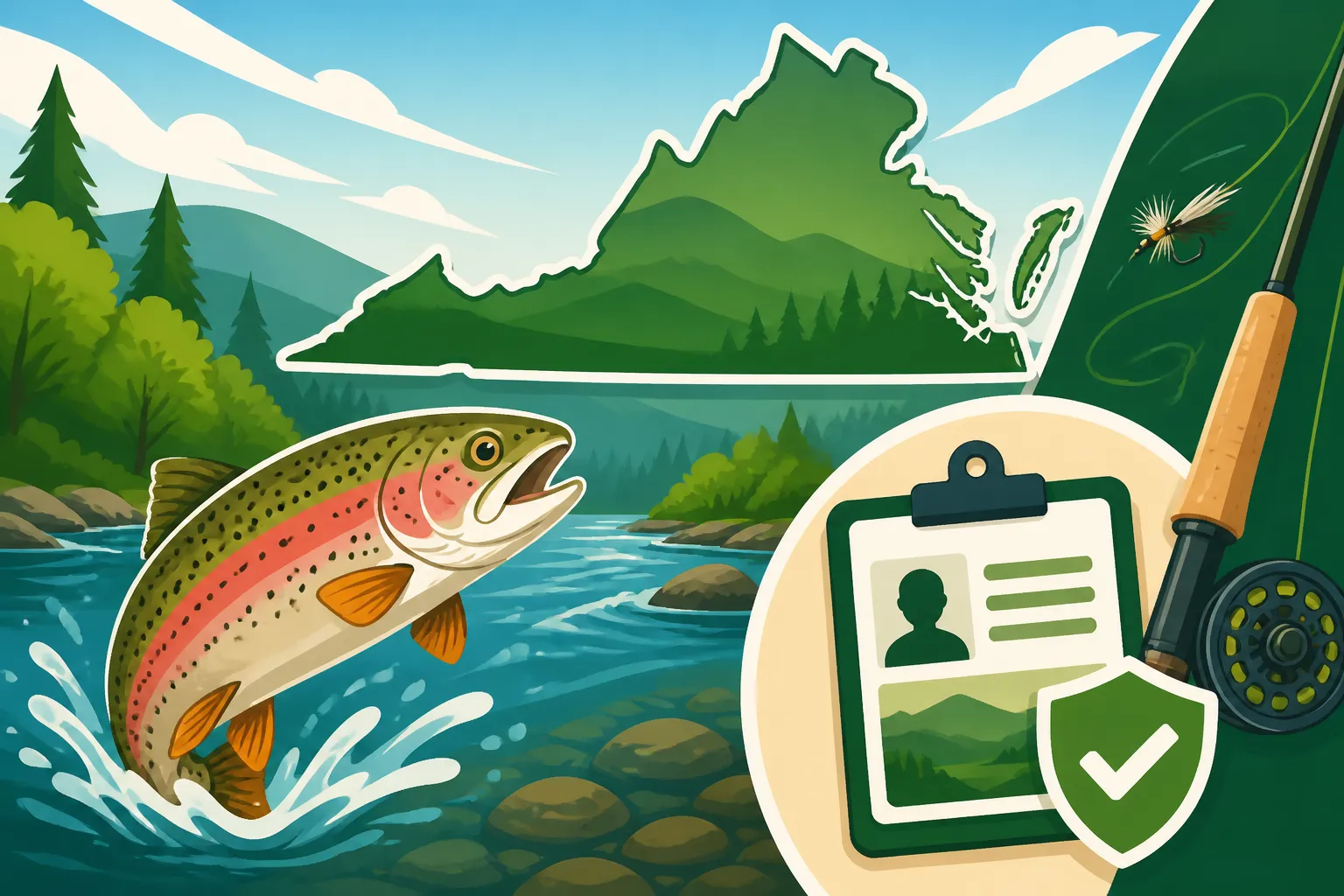
There's nothing quite like the thrill of a bending rod and the flash of a trout in Virginia's beautiful waterways. But let's be honest, figuring out exactly where you can cast your line and what licenses you actually need for those feisty stocked trout can feel like trying to solve a puzzle with half the pieces missing. It’s a common frustration for new and seasoned anglers alike! This comprehensive guide is here to untangle the complexities, walking you through Virginia's stocked trout waters, breaking down the specific license requirements, and offering practical advice to ensure your next trout fishing adventure is both legal and incredibly rewarding.
Understanding Virginia's Stocked Trout Program
Virginia’s stocked trout program is a real gem, designed to make trout fishing accessible and exciting for thousands of anglers. It’s not just about dumping fish in a stream; there's a thoughtful purpose behind it all, ensuring a healthy balance between conservation and recreation.
The Purpose Behind Stocking Trout
The Virginia Department of Wildlife Resources (DWR) goes to great lengths to manage the state's trout fisheries, and stocking plays a critical role. The primary goal is to enhance recreational opportunities, giving more people the chance to experience the joy of catching trout, especially in areas where wild trout populations might not sustain heavy fishing pressure. Think of it as a way to spread the fun around. By stocking streams, rivers, and even some impoundments, the DWR can provide consistent fishing opportunities throughout the designated trout season.
The stocked trout program typically features rainbow, brook, and brown trout, with rainbows being the most common due to their hardiness and popularity with anglers. Many stocked waters are managed as "put-and-take" fisheries, meaning the fish are stocked with the expectation that anglers will catch and keep them within legal limits. This contrasts sharply with some of the more delicate "catch-and-release" wild trout streams, where the focus is solely on conservation and protecting those native populations. The DWR's efforts ensure that even if you're not trekking miles into the backcountry for wild trout, you still have fantastic opportunities closer to home.
General Characteristics of Stocked Trout Waters
Stocked trout waters in Virginia are generally characterized by their accessibility and regular management. Unlike the remote, rugged terrain often associated with Wild Trout Stream Rules in Virginia, stocked waters are typically found in more developed areas, featuring easier access points, designated parking, and sometimes even amenities like picnic areas or restrooms. These are the kinds of places where you can often bring the whole family for a day out.
The DWR maintains a rigorous stocking schedule, often updated weekly during the prime trout season, so anglers can plan their trips to coincide with fresh stockings. These waters are usually larger streams, rivers, or impoundments that can handle a higher volume of fishing activity. They might include sections of major rivers, smaller feeder creeks, or even purpose-built trout ponds within state parks. The key difference from wild trout streams is that these fish are reared in hatcheries, making them initially less wary of anglers and often more eager to strike a variety of baits and lures. This makes them an excellent target for beginners and experienced anglers alike who are looking for consistent action without the intense effort often required for elusive wild trout.
Key Stocked Trout Waters Across Virginia
Virginia boasts an impressive network of waters where you can find stocked trout, from bustling rivers to serene mountain lakes. Knowing these hotspots is half the battle won when planning your next trip.
Major Hatchery-Supported Streams and Rivers
When you think of stocked trout streams in Virginia, several names often come to mind, and for good reason. These waters receive regular infusions of hatchery-raised trout, providing fantastic opportunities throughout the season.
One of the most popular is the South River, particularly the sections around Waynesboro. This river offers a mix of urban and rural access, with generous stretches that are actively stocked. Anglers here can expect to find rainbow, brown, and brook trout, often taking readily to spinners, small spoons, and even flies. The river's varied structure, from riffles to deeper pools, provides ample hiding spots for freshly stocked fish. Another prime location is the Jackson River Tailwater below Gathright Dam near Covington. This section is known for its cold, clear water, making it an ideal habitat for trout. It's often managed with special regulations, including some sections that are catch-and-release or fly-fishing-only, so always double-check the specifics before you go. This river is famous for producing larger trout, drawing anglers from across the region.
Smaller, but equally productive, streams like Mossy Creek (while often managed for wild trout in sections, it also has stocked areas) and Back Creek near Bath County also offer excellent opportunities. These streams typically have a more intimate feel, winding through picturesque landscapes. They might require a bit more walking to find the best spots, but the reward of a beautiful trout in a peaceful setting is well worth the effort. Always consult the DWR's weekly stocking schedule on their website, as it’s the most up-to-date resource for planning your visit to these dynamic waterways.
Stocked Lakes and Ponds
While rivers and streams often get the spotlight, Virginia also has several lakes and ponds that are regularly stocked with trout, offering a different kind of fishing experience. These impoundments can be fantastic for those who prefer still water fishing or want to try their hand at trolling.
Lake Moomaw, nestled in the Allegheny Mountains near Covington, is perhaps Virginia’s premier stocked trout lake. This deep, clear reservoir supports a cold-water fishery year-round, making it a haven for rainbow and brown trout, with occasional brookies. Fishing here often involves boats, whether you're trolling with downriggers or simply drifting with live bait or PowerBait. The lake's depths provide refuge for trout even in warmer months, making it a reliable destination. Similarly, Cripple Creek in Southwest Virginia, while primarily a stream, has sections designated as “trophy trout” waters and receives significant stockings, offering both stream and pond-like fishing in some areas.
Many of Virginia’s state parks, such as Douthat State Park Lake and Sherando Lake Recreation Area, also feature smaller lakes and ponds that are regularly stocked. These locations are particularly family-friendly, often offering easy bank access, boat rentals, and other amenities. Fishing in these ponds can be highly productive, especially right after a stocking, and they are perfect for teaching kids the basics of trout fishing. Techniques often involve fishing with natural baits like worms or corn, or small spinners, either from shore or a small boat. Remember to check for specific park entry fees or fishing regulations that might apply in addition to your state licenses.
Navigating Virginia's Trout License Requirements
Alright, let's talk brass tacks: licenses. This is where many anglers, especially those new to trout fishing, can get a bit confused. It’s important to understand that trout fishing in Virginia often requires more than just a basic fishing license.
The Virginia State Fishing License Base
Before you even think about specialized trout permits, the first and most fundamental step to legally fish in Virginia is obtaining a general state fishing license. This is your foundation, whether you're targeting bass in a local lake, panfish in a pond, or striper in the Chesapeake Bay. Without this base license, any further permits are irrelevant.
Virginia offers various types of general fishing licenses tailored to different anglers. If you're a resident, you'll find options like an annual resident freshwater fishing license or a resident saltwater fishing license. Non-residents, of course, have their own specific licenses, which typically cost a bit more. For those who enjoy both freshwater and saltwater angling, a combination license is often the most convenient and cost-effective choice. You can also opt for shorter-term licenses, like a 5-day freshwater or a 10-day saltwater pass, which are perfect for vacationers or those testing the waters without committing to a full year. Deciding which type of license you need is crucial and depends on where and how often you plan to fish. For a deeper dive into all the options, check out our comprehensive Virginia Fishing License Guide.
The Essential Trout License
Now, here's the crucial part for trout anglers: simply having a general Virginia fishing license isn't enough to fish in most stocked trout waters. You need an additional permit, specifically the Virginia Trout License. This is a separate stamp or endorsement that must be purchased in conjunction with your base fishing license. Think of it like an add-on feature for your fishing privileges.
The Virginia Trout License is required for anyone 16 years of age or older to fish in designated "stocked trout waters" and "special regulation trout waters" during their open seasons. It's a key funding mechanism for the DWR's trout stocking program, directly supporting the hatcheries and management efforts that make these fisheries possible. Without this license, you could face penalties if caught fishing in these specific areas. The good news is that it's relatively inexpensive and widely available. It ensures that the costs of raising and stocking these fish are shared by the anglers who benefit most from the program. If you're wondering, Do you need a special license to fish stocked trout waters in Virginia?, the answer is a resounding yes!
Special Permits and Exceptions
While the general fishing license and the trout license cover most scenarios, there are a few additional considerations and exceptions worth noting to avoid any surprises.
Some specific stocked trout waters may be located within national forests, like the George Washington and Jefferson National Forests. If you plan to fish in these areas, you might need a National Forest stamp in addition to your state licenses. This stamp helps fund the management of these federal lands. Always check the specific regulations for the particular body of water you intend to visit. Similarly, some state parks might have their own small daily access fees or fishing permits, even if the waters are stocked by the DWR. It's always a good idea to call ahead or check the park's website before your trip to understand all potential requirements.
There are also a couple of notable exceptions to the license rules. Children under the age of 16 are generally exempt from needing a Virginia fishing license, including the trout license, though they must still abide by all creel and length limits. Additionally, Virginia hosts annual Virginia Free Fishing Days Guide, typically in early June. During these designated days, residents and non-residents alike can fish without a license in most public waters, including stocked trout streams. This is a fantastic opportunity for beginners or families to try trout fishing without the initial investment in licenses. However, these free days don't waive other permits like the National Forest stamp, so it's always wise to confirm the exact rules for your chosen spot.
Practical Tips for Stocked Trout Anglers
Catching stocked trout can be incredibly fun, but having a few tricks up your sleeve can make your day on the water even more successful. These fish behave a bit differently than their wild cousins, and understanding those nuances is key.
Best Times and Techniques for Stocked Waters
Timing is often everything when it comes to stocked trout. The absolute prime time to fish stocked waters is usually right after a stocking event. Freshly stocked trout are often disoriented and hungry, making them quite aggressive and easier to catch. Keep a close eye on the DWR’s stocking schedules, which are frequently updated during the Virginia Stocked Trout Season Guide, running from October to mid-June. Arriving a day or two after a stocking can dramatically increase your chances. As the fish settle in, they become warier, but they still offer great opportunities throughout the season.
When it comes to techniques, stocked trout aren't usually picky initially. A common and highly effective method is using bait. PowerBait, in various colors and forms (dough, nuggets), is a staple. Corn, salmon eggs, and good old-fashioned worms are also excellent choices. Rig these baits with a small hook (size 10-14), a few split shots to get it down, and sometimes a small bobber if you're fishing still water. For lures, small inline spinners like Mepps, Rooster Tail, or Panther Martin are incredibly effective. Their flash and vibration mimic small baitfish or insects, triggering strikes. Small spoons, like Kastmasters or Little Cleos, also work wonders. Fly anglers can find success with nymphs (like Prince Nymphs or Pheasant Tails) and small wet flies, especially as the trout acclimate to their new environment and start feeding on natural insects. Don't be afraid to experiment with different presentations until you find what the fish are biting on that day.
Essential Gear and Supplies
Having the right gear doesn't mean breaking the bank, but it does mean being prepared. For most stocked trout fishing, a light to ultralight spinning rod and reel combo is ideal. This setup allows for sensitive feel, making it easier to detect subtle bites, and provides plenty of sport with even smaller trout. Spool your reel with 4 to 6-pound test monofilament or fluorocarbon line; anything heavier can be too visible and reduce your casting distance.
Beyond your rod and reel, a small tackle box filled with an assortment of hooks, split shots, swivels, and a variety of baits and lures is crucial. As mentioned, PowerBait, corn, worms, and an array of spinners and spoons are must-haves. A small landing net is highly recommended, especially if you plan to practice catch-and-release, as it helps protect the fish. Don't forget a stringer or a cooler with ice if you intend to keep your catch. Other essentials include a pair of small pliers for hook removal, a pair of polarized sunglasses to reduce glare and spot fish, and comfortable wading boots or waders if you plan on getting into the water. Many of these essential items, from a basic spinning combo to a variety pack of trout lures, can be conveniently found on Amazon, often at competitive prices, making it easy to stock up before your trip. For more in-depth information on the various species you might encounter, check out our guide to Trout Fishing in Virginia: Rainbow, Brown, and Brook Trout.
Understanding Catch Limits and Regulations
Adhering to catch limits and regulations is not just about legality; it's about preserving the fishery for everyone. Virginia has specific rules for stocked trout waters, and they can vary depending on the specific designation of the water body.
For most general stocked trout waters, the daily creel limit is typically 6 fish per person. There usually isn't a minimum length limit for these "put-and-take" fisheries, meaning you can keep any legal-sized trout you catch up to your daily limit. However, it is absolutely paramount to always double-check the current regulations for the specific body of water you are fishing. The DWR publishes an annual fishing regulations booklet and updates its website regularly. Some waters might have special regulations, such as reduced creel limits, minimum length limits, or even gear restrictions (like single hook artificial lures only) to promote trophy fish or manage specific sections. For instance, sections of the Jackson River tailwater often have stricter rules. Ignorance of the law is no excuse, and game wardens do patrol these waters. Carrying a copy of the regulations or having them readily accessible on your phone can save you a lot of grief. For a complete overview of all the rules, our Virginia Fishing Regulations Explained guide is an invaluable resource.
The Financial Side of Trout Fishing
Let’s be realistic, fishing, like any hobby, comes with some costs. But with a little planning, you can absolutely enjoy Virginia's stocked trout fishing without breaking the bank. Understanding where your money goes, especially regarding licenses, is a good starting point.
Breaking Down License Costs
The cost of fishing licenses in Virginia is pretty straightforward once you understand the different components. As we've discussed, you'll need a general Virginia fishing license and the Virginia Trout License. Here’s a basic breakdown of annual resident and non-resident costs (prices are subject to change, so always verify with the DWR):
| License Type | Virginia Resident Cost | Non-Resident Cost | Notes |
|---|---|---|---|
| Freshwater Fishing License | ~$23 | ~$47 | Required for all freshwater fishing, base license. |
| Saltwater Fishing License | ~$17.50 | ~$25 | Required for all saltwater fishing (tidal). |
| Freshwater/Saltwater Combo | ~$39.50 | ~$71 | Most convenient for diverse anglers. |
| Virginia Trout License | ~$23 | ~$23 | Add-on to a base fishing license for trout waters. |
| National Forest Stamp | ~$4 | ~$4 | If fishing in National Forests. |
As you can see, a resident planning to fish stocked trout exclusively in freshwater would typically pay around $23 (freshwater license) + $23 (trout license) = $46 for an annual permit. A non-resident would pay $47 + $23 = $70. There are also short-term options if you're only visiting for a few days, which can be more economical for a quick trip. These costs might seem like a bit much upfront, but remember, these licenses are valid for a full year from the date of purchase, providing countless hours of potential enjoyment. To get the most current and detailed pricing, our Virginia Fishing License Costs and Types Explained article is a fantastic resource.
Budgeting for Gear and Trip Expenses
Beyond the licenses, your other expenses will primarily revolve around gear and the actual logistics of your trip. The good news is that stocked trout fishing doesn't require a fortune in high-end equipment. You can easily get started with a decent quality, affordable spinning combo, which might run you anywhere from $40 to $80. A basic tackle box with essential lures and baits can be stocked for another $30-$50.
However, costs can quickly escalate if you're not mindful. Things like premium waders, a high-end fly rod setup, or specialized electronics for lake fishing can add hundreds or even thousands to your initial investment. For beginners or casual anglers, it's smart to start with the basics and upgrade as you gain experience and identify your specific needs. Many anglers find great deals on starter kits or value packs for baits and lures on sites like Amazon, allowing them to try different options without a huge upfront cost. Beyond gear, remember to factor in other trip expenses: fuel to get to the fishing spot, snacks and drinks, maybe a packed lunch, and any daily park fees if applicable. If you're planning an overnight trip, accommodation costs will also come into play. A simple way to keep costs down is to pack your own food and focus on accessible local spots that don't require extensive travel or specialized gear.
Conservation and Responsible Angling
Being an angler means more than just catching fish; it means being a steward of the environment and contributing to the health of our fisheries. Virginia's stocked trout program thrives because of the collective responsibility of its fishing community.
Supporting Virginia's Fisheries
Every time you purchase a Virginia fishing license and especially a Virginia Trout License, you are directly contributing to the conservation and management of the state's aquatic resources. The revenue generated from these license sales is a crucial funding source for the DWR. This money goes towards a wide array of vital programs, including the operation of state-run hatcheries that raise and stock the very trout you're hoping to catch. It also funds essential research into fish populations, habitat restoration projects for both wild and stocked waters, enforcement by game wardens, and educational initiatives for anglers of all ages.
The DWR's efforts extend beyond trout, benefiting bass, catfish, panfish, and countless other species across Virginia's diverse waters. Without these funds, the robust and accessible fishing opportunities we enjoy simply wouldn't exist. It’s a classic example of user-pay, user-benefit, where anglers' contributions directly support the resource they cherish. So, when you swipe your card for that license, you’re not just buying a piece of paper; you're investing in the future of Virginia fishing. To learn more about this crucial link, check out How Fishing License Fees Support Wildlife Conservation in Virginia.
Practicing Ethical Angling
Beyond financial contributions, ethical angling practices are paramount to maintaining healthy fisheries and ensuring a positive experience for everyone. The core principle is simple: leave no trace and respect the resource. Always pack out everything you pack in, including any fishing line, bait containers, or food wrappers. Litter not only harms wildlife but also detracts from the beauty of our natural spaces.
Proper fish handling is another critical aspect, especially if you plan to practice catch-and-release. Use a landing net to minimize stress on the fish, handle them with wet hands to protect their slime coat, and release them gently back into the water as quickly as possible. Avoid dragging fish on the bank or handling them unnecessarily. If you are keeping your catch, dispatch them quickly and humanely. Lastly, always respect private property boundaries and obtain permission before accessing private lands. Be courteous to fellow anglers, giving them ample space, and respect local communities. Following these simple guidelines ensures that Virginia's stocked trout waters remain productive, beautiful, and enjoyable for generations of anglers to come.
Disclaimer
The information provided in this guide is for general informational purposes only and is subject to change. Fishing regulations, license fees, and stocking schedules in Virginia are set by the Virginia Department of Wildlife Resources (DWR) and can be updated at any time. Always consult the official DWR website or their current fishing regulations booklet before planning your trip to ensure you have the most accurate and up-to-date information.