Wild Trout Stream Season in Virginia
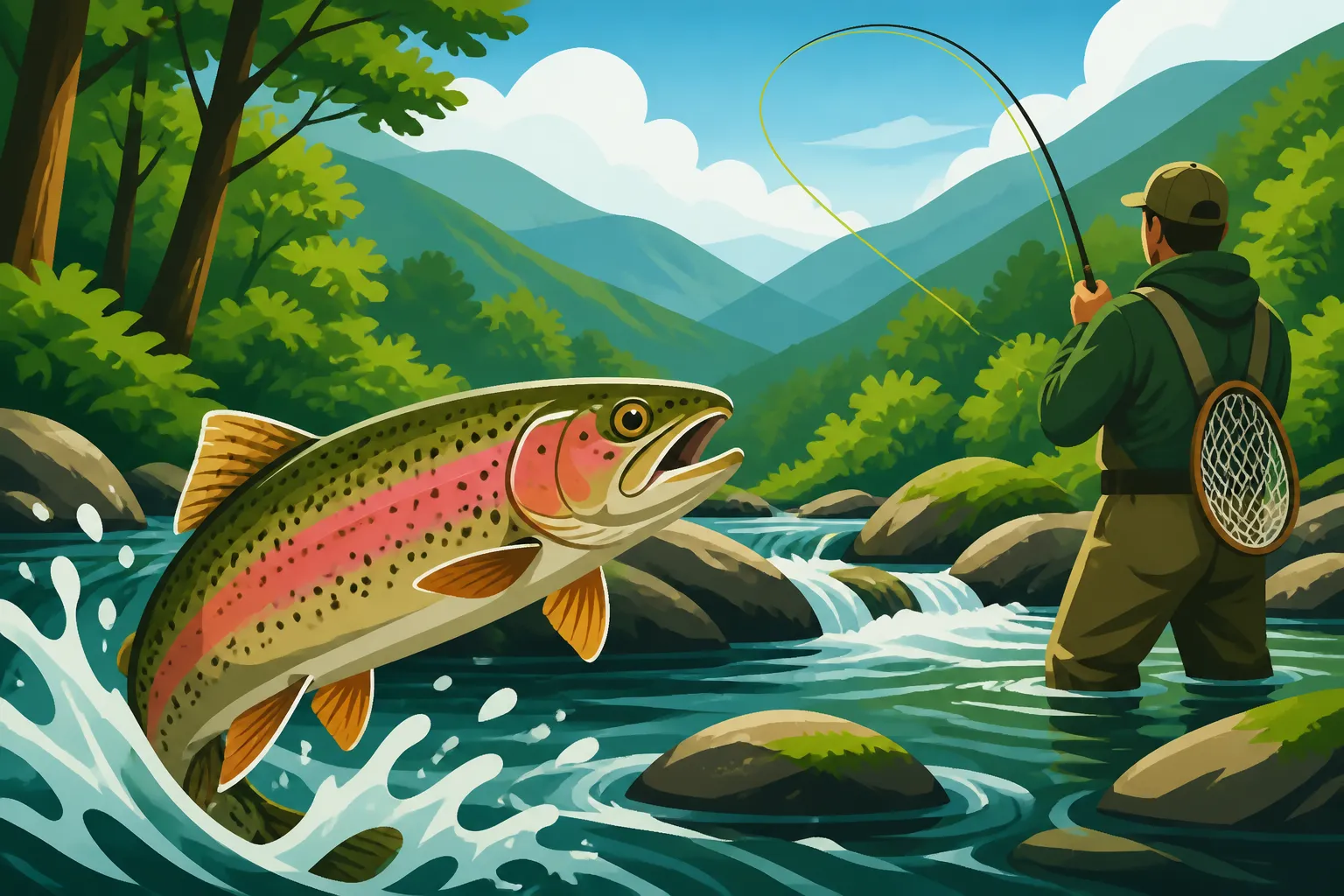
There's nothing quite like the thrill of chasing wild trout in Virginia's pristine mountain streams. But let's be honest, figuring out the specific regulations, especially when it comes to season dates and what's allowed in these delicate ecosystems, can feel like trying to untangle a bird's nest of monofilament. It's not the same as fishing a stocked pond, and the rules are there for a reason – to protect these precious fish. This comprehensive guide will walk you through everything you need to know about the wild trout stream season in Virginia, from understanding the official dates to essential gear and ethical practices, ensuring your next adventure is both rewarding and responsible.
Understanding Virginia's Wild Trout Streams
Virginia is blessed with an abundance of natural beauty, and tucked away in its western mountains are countless miles of cold, clear streams that are home to native brook trout and self-sustaining populations of brown and rainbow trout. These aren't your typical hatchery-raised fish; wild trout are a different breed entirely, born and bred in the wild, showcasing vibrant colors and incredible resilience.
What Makes a Stream "Wild Trout" Designated?
It's easy to assume that any stream far from civilization is a "wild trout stream," but in Virginia, the designation by the Department of Wildlife Resources (DWR) carries specific meaning and regulations. A stream is typically designated as a wild trout water if it supports a naturally reproducing population of trout without any stocking. This means the fish you're catching were born in that very stream, a testament to the water quality and habitat health. These streams are usually characterized by their cold temperatures year-round, clean gravel beds for spawning, and abundant insect life, all crucial for trout survival. When you're out there, remember you're stepping into a truly special, self-sustaining fishery, which is why the rules are often stricter than on other waters.
These specific designations are often listed in the annual DWR Fishing Regulations Digest, and it's always smart to double-check before heading out. Sometimes, a section of a larger river might be designated wild trout, while other sections are stocked or have different regulations. Knowing exactly where you are and what rules apply is paramount. It ensures you're fishing legally and contributing to the preservation efforts.
Identifying Prime Wild Trout Habitats
Wild trout, particularly native brook trout, are incredibly sensitive to their environment. They thrive in headwater streams, often at higher elevations, where the water remains consistently cold, even through the summer months. Look for streams with a good mix of riffles, runs, and deep pools, as well as plenty of instream cover like fallen logs, undercut banks, and large rocks. These features provide essential hiding spots from predators and strong currents, and they create ideal foraging grounds for aquatic insects.
The presence of diverse insect life is another key indicator of a healthy wild trout stream. If you see caddisflies, stoneflies, and mayflies fluttering around, chances are you're in a good spot. Healthy riparian zones – the vegetated areas along the stream banks – are also vital. They help shade the water, preventing it from getting too warm, and filter runoff, keeping the water clean. Anglers who take the time to learn to read water when fly fishing a river will often find these prime habitats more easily, understanding where the fish will hold and feed. Sometimes, the best spots are a bit of a hike, requiring a walk along unimproved trails or through dense woods, but the reward of a pristine environment and vibrant wild trout is absolutely worth the effort.
The Official Wild Trout Season: What You Need to Know
Unlike stocked waters that often have specific opening days with high angler pressure, the wild trout season in Virginia is generally more extended, though with particular nuances. It's designed to protect these fish through their spawning periods and ensure the long-term health of the populations.
When is the Wild Trout Season Open?
For most designated wild trout streams in Virginia, the general fishing season runs from the first Saturday in April through October 1. However, this is where things get a little tricky, and it's crucial to always consult the current Virginia DWR fishing regulations. Some specific wild trout streams, particularly those designated as "Special Regulation Wild Trout Waters," might offer year-round catch-and-release fishing. This allows dedicated anglers to pursue wild trout even outside the general harvest season, providing fantastic opportunities for solitude and skill development.
It's important to differentiate this from the Virginia stocked trout season guide, which typically has a much earlier opening day, usually in late fall or winter, and often closes before the spring wild trout season even begins in earnest. The DWR sets these dates carefully, considering the trout's reproductive cycles and the environmental conditions that allow them to thrive. Always double-check the DWR website or the latest regulations digest for the specific stream you plan to visit, as changes can occur annually.
Length and Creel Limits for Wild Trout
This is where the "wild" designation truly makes a difference. For designated wild trout streams that are open to harvest, the statewide length limit for wild trout is typically 7 inches, and the creel limit (how many fish you can keep) is usually 6 trout per day. However, and this is a big however, many of the most pristine wild trout waters, especially those designated as special regulation streams, are catch-and-release only. This means absolutely no harvest is allowed, and all fish must be immediately returned to the water unharmed.
For example, on many of Virginia's exceptional wild brook trout streams, you'll find signs indicating "Catch and Release Only." This management strategy is vital for sustaining these fragile populations. Wild trout grow much slower than their stocked counterparts, and even removing a few fish can significantly impact the stream's ecosystem. Respecting these limits, or better yet, practicing catch-and-release even where harvest is permitted, helps ensure these precious resources remain vibrant for future generations. If you're wondering about the specifics, you'll find detailed information under Virginia's 7-inch minimum length for wild trout streams.
Special Regulations and Restrictions
Beyond season dates and harvest limits, wild trout streams often come with additional rules that might surprise anglers accustomed to more lenient fishing. These are typically designed to minimize stress on the fish and prevent the introduction of invasive species or diseases. For instance, some wild trout waters are designated artificial lures and flies only. This means no live bait, no power bait, and no scented soft plastics are allowed. The logic here is that artificial presentations are less likely to cause deep hooking, which significantly increases the survival rate of released fish.
You might also encounter restrictions on the number of hooks, requiring single, barbless hooks, or specific types of tackle. For example, some streams might forbid the use of treble hooks. These regulations vary from stream to stream, so it’s not enough to know the general rules; you must research the specific body of water you intend to fish. These details are clearly outlined in the Virginia Fishing Regulations Explained document published by the DWR. Disregarding these special rules can lead to fines and harm to the resource, so always be informed and fish responsibly.
Essential Gear and Techniques for Wild Trout
Fishing for wild trout is often a minimalist affair, favoring stealth, precision, and an understanding of trout behavior. You won't typically need heavy gear or elaborate setups. Instead, focus on lightweight, sensitive equipment that allows you to present your offering naturally and protect the fish during the fight.
Recommended Rods, Reels, and Lines
For most wild trout streams in Virginia, especially the smaller, brush-lined headwaters, a lightweight fly rod is often the weapon of choice. A 2-weight to 4-weight fly rod, typically 6 to 7.5 feet long, is ideal. This setup allows for delicate presentations, is forgiving in tight quarters, and offers plenty of fight for wild trout that usually range from 6 to 12 inches. Couple it with a matching fly reel – usually just a line holder for these smaller fish – and a weight-forward floating fly line, and you're good to go. You can find a decent selection of entry-level fly rods and reels, perfect for this kind of fishing, on Amazon if you're looking to get started without breaking the bank.
If you prefer spin fishing, a ultralight spinning rod (4.5 to 6 feet long) paired with a small spinning reel spooled with 2 to 4-pound test monofilament or fluorocarbon line is excellent. The key is light tackle to match the delicate nature of wild trout fishing and to avoid overpowering these smaller, wilder fish. Anything heavier can make casting in tight spots difficult and might be too much for the size of fish you'll encounter, leading to less enjoyable fights and potentially more stress on the fish.
Effective Lures and Flies for Wild Trout
When it comes to lures and flies for wild trout, think small and natural. For fly anglers, a diverse fly box is crucial. Classic patterns like Elk Hair Caddis, Adams dry flies, Parachute Adams, and various emerger patterns (like Pheasant Tail Nymphs, Hare's Ear Nymphs, or Prince Nymphs) are perennial favorites. Don't forget some terrestrials like ant or beetle patterns, especially during late summer. Learning about best fly patterns for trout in spring can give you a head start.
Spin anglers will find success with micro-jigs, small inline spinners (like Panther Martin or Mepps in sizes #0 or #1), and tiny spoons. Natural colors like olive, brown, black, and cream often outperform brighter, more aggressive hues. Remember, many wild trout waters are "artificial lures and flies only," so leave the worms and corn at home. The goal is to mimic the natural food sources available in the stream, and a delicate, well-presented offering is often more effective than something flashy or obtrusive.
Wading Safety and Stream Navigation
Wild trout streams often flow through rugged terrain, making wading an essential part of the experience. Safety should always be your top priority. Invest in a good pair of wading boots with felt or rubber soles for traction on slippery rocks. A wading staff can provide crucial stability, especially in fast currents or on uneven streambeds. Always wear appropriate waders – breathable chest waders are comfortable for most of the season – and layer clothing underneath for warmth.
When navigating these streams, move slowly and deliberately. Wild trout are incredibly spooky, and heavy footsteps or sudden movements can send them darting for cover. Approach pools and runs from downstream, casting upstream, to avoid silhouetting yourself against the sky and to present your fly or lure naturally with the current. Pay attention to water levels and currents; what looks like a shallow crossing can hide deep pockets or swift flows. Always let someone know where you're going and when you expect to return, especially if you're venturing into more remote areas. The solitude is part of the appeal, but preparedness is key to enjoying these beautiful, sometimes challenging, environments.
Conservation and Ethical Angling Practices
Fishing for wild trout isn't just about catching fish; it's about connecting with nature and being a steward of these precious resources. Ethical angling practices are paramount to ensuring the long-term health and sustainability of Virginia's wild trout populations.
Catch and Release: Why It's Crucial
While some wild trout streams allow for a limited harvest, the vast majority of dedicated wild trout anglers practice catch-and-release exclusively. This practice is absolutely crucial for wild trout, particularly the slow-growing brook trout, which are the native species in many of Virginia's pristine headwaters. Unlike stocked fish, which are bred for resilience and often replaced annually, wild populations take years to establish and can be easily decimated by overfishing. Releasing fish unharmed ensures they can continue to grow, reproduce, and contribute to the stream's ecosystem.
To maximize survival rates when practicing catch-and-release:
- Handle fish minimally: Try to keep the fish in the water as much as possible.
- Wet your hands: Always wet your hands before touching a fish to protect its delicate slime coat, which is vital for disease resistance.
- Use barbless hooks: Pinching down the barb on your hook makes removal quicker and less damaging. Many artificial lure/fly-only regulations actually require barbless hooks.
- Remove hooks quickly: Use forceps or pliers to gently remove the hook.
- Revive the fish: Hold the fish gently in the current, facing upstream, until it swims away on its own. Don't simply toss it back.
By prioritizing the fish's well-being, you're directly contributing to the health of the fishery and ensuring that these beautiful creatures continue to thrive. This mindful approach to fishing is a core tenet of wild trout angling.
Minimizing Your Impact on Fragile Ecosystems
Wild trout streams are often found in fragile environments, from delicate riparian zones to pristine wilderness areas. Minimizing your impact goes beyond just handling fish carefully. It's about leaving no trace and protecting the surrounding habitat. Stick to established trails whenever possible to prevent erosion. Avoid disturbing the streambed unnecessarily, as this can dislodge aquatic insects and disrupt spawning beds. If you need to cross, do so carefully and avoid trampling aquatic vegetation.
Pack out everything you pack in, and then some. This includes all trash, discarded fishing line, and any other litter you might encounter. Even biodegradable items can take time to break down and can impact water quality. Consider using biodegradable sunscreens and insect repellents to reduce chemical runoff. Furthermore, be conscious of wading through sensitive areas where trout may be spawning, often identified by clean, disturbed gravel areas. By being a thoughtful visitor, you help preserve the wild beauty and ecological integrity of these special places, ensuring they remain vibrant sanctuaries for both fish and future anglers.
Key Differences: Wild Trout vs. Stocked Trout Fishing
While both types of fishing offer unique experiences, understanding the distinctions between wild and stocked trout fishing in Virginia is crucial for success and compliance. It's like comparing a thoroughbred racehorse to a friendly pony – both are horses, but their behaviors and needs are vastly different.
Behavioral Distinctions of Wild Fish
The most significant difference lies in the fish themselves. Wild trout are typically much more wary and elusive than their stocked cousins. Having survived and thrived in their natural environment, they possess keen survival instincts. They're incredibly sensitive to shadows, vibrations, and unnatural presentations. This means you need a much stealthier approach, lighter tackle, and more natural presentations to entice a strike. Wild trout rely on natural food sources – aquatic insects, small baitfish, and terrestrials – and are often very selective about what they eat. They won't usually charge a brightly colored power bait like a hungry stocked fish might.
Furthermore, wild trout tend to be smaller on average, especially native brook trout in headwater streams, though large wild browns and rainbows can be found in some rivers. They also fight harder pound-for-pound, possessing an incredible vitality that makes them a true challenge on light tackle. When you feel that strong tug from a wild trout, you know you've earned it through careful observation, precise casting, and a deep respect for their environment. This inherent wariness is why many anglers prefer the challenge and reward of pursuing wild fish.
Navigating Different Regulations for Wild vs. Stocked Waters
The regulations for wild trout streams are generally much stricter than those for stocked waters, and for good reason. Stocked trout fisheries are managed with the understanding that fish are being introduced specifically for angler harvest. Therefore, you often see higher creel limits, less restrictive tackle rules, and a focus on angler participation. For example, getting a stocked trout license requirement in Virginia means you're contributing to a program designed for harvest.
In contrast, wild trout stream regulations prioritize conservation and the protection of naturally reproducing populations. This often translates to lower or no creel limits, smaller minimum length requirements (or catch-and-release only), and restrictions on bait and tackle (e.g., artificial lures and flies only, single barbless hooks). You might even find specific days or times when certain sections are closed to protect spawning fish. Understanding this fundamental difference is key to being a responsible angler. Always consult the DWR regulations for the specific stream you plan to fish, as ignoring these differences can lead to unnecessary stress on the fish and legal repercussions for you. The difference between wild trout and stocked trout rules in Virginia highlights these distinctions clearly.
Planning Your Wild Trout Adventure
Embarking on a wild trout fishing trip is an experience that connects you deeply with nature. It requires a bit more planning than a trip to a local stocked pond, but the rewards are immeasurable – solitude, beautiful scenery, and the satisfaction of outsmarting a truly wild fish.
Finding Designated Wild Trout Waters
Virginia has many excellent wild trout streams, mostly concentrated in the western mountainous regions. The George Washington and Jefferson National Forests are home to numerous pristine headwater streams, many of which are designated wild trout waters. Areas like Shenandoah National Park also offer fantastic opportunities, though they have their own specific regulations you'll need to research. The DWR website is your absolute best resource for identifying designated wild trout streams, often providing detailed maps and regulation summaries.
Word of mouth from local fly shops or experienced anglers can also be invaluable, but always verify information with official DWR sources. Many of these streams might not be well-known, requiring some exploration and a willingness to hike. Don't expect easy access or paved roads; often, the best spots are found after a good walk into the wilderness. For some general ideas, you could start by looking into the best trout streams in Virginia, then cross-reference with DWR information to see which ones hold wild populations.
Checking Current Conditions and Forecasts
Before heading out, checking current stream conditions is just as important as knowing the regulations. Water levels, clarity, and temperature can drastically affect trout behavior and angler success. Recent heavy rains can blow out streams, making them muddy and unfishable, or create dangerous wading conditions. Conversely, prolonged dry spells can lead to extremely low flows and warm water temperatures, which are stressful for wild trout. Fishing in warm, low water should often be avoided, even if legally permissible, to prevent undue stress on the fish.
Many local fly shops and outfitters will post updated stream reports, or you can often find real-time stream gauge data online from agencies like the USGS. Weather forecasts are also critical, especially in the mountains where conditions can change rapidly. Pack for all possibilities – rain gear, warm layers, and sun protection are often needed on the same day. By being prepared for the conditions, you not only increase your chances of a successful and enjoyable trip but also ensure you're not putting yourself or the delicate stream ecosystem at risk.
Disclaimer
The information provided in this guide is for general informational purposes only and is not a substitute for official regulations. Fishing regulations, season dates, and license requirements in Virginia are subject to change. Always consult the latest Virginia Department of Wildlife Resources (DWR) official fishing regulations digest and website before planning any fishing trip. It is your responsibility to know and abide by all applicable laws and regulations.