Virginia wild trout streams have a 7-inch minimum length
It can be incredibly frustrating to hit the water, eager for a peaceful day of fishing, only to realize you’re not entirely sure about the specific regulations for the stream you’ve chosen. Virginia, with its diverse waterways, offers some truly spectacular wild trout fishing, but these delicate ecosystems come with their own set of rules designed to protect them. This guide will meticulously break down everything you need to know about fishing Virginia’s wild trout streams, especially that crucial 7-inch minimum length, so you can fish confidently and responsibly.
Understanding Virginia's Wild Trout Streams and Their Unique Rules
Virginia is blessed with countless miles of cold, clean mountain streams, many of which harbor thriving populations of native and wild trout. These aren't your average stocked ponds; they are special places that require a different approach and a specific set of regulations to ensure their longevity.
What Makes a Stream a "Wild Trout Stream"?
When we talk about "wild trout streams" in Virginia, we're referring to waters where trout reproduce naturally without human intervention, like stocking. These streams are usually found in higher elevations, nestled within national forests or state parks, characterized by their pristine water quality, dense riparian vegetation, and often challenging terrain. The trout that inhabit them – primarily native brook trout, but also wild brown and rainbow trout in some systems – are often smaller but incredibly vibrant and resilient. They've adapted to their environment over generations, developing unique genetic traits that we, as anglers, have a responsibility to preserve. The Virginia Department of Wildlife Resources (DWR) actively manages and identifies these streams, often designating them as such to ensure they receive the protection they need.
Why the 7-Inch Minimum Length Rule Exists
The 7-inch minimum length limit for wild trout in Virginia isn't some arbitrary number; it's a carefully considered conservation measure. Unlike stocked trout, which are typically raised to a catchable size, wild trout grow more slowly and face numerous natural challenges. This minimum length ensures that most wild trout have had a chance to spawn at least once, if not multiple times, before they can be legally harvested. This biological buffer is critical for maintaining healthy, self-sustaining populations. If anglers were allowed to keep smaller, immature trout, it could severely impact the stream's ability to reproduce and recover, potentially leading to a decline in future generations. It's all about ensuring there are plenty of beautiful, feisty trout for everyone to enjoy for years to come.
Differentiating Wild Trout from Stocked Trout Waters
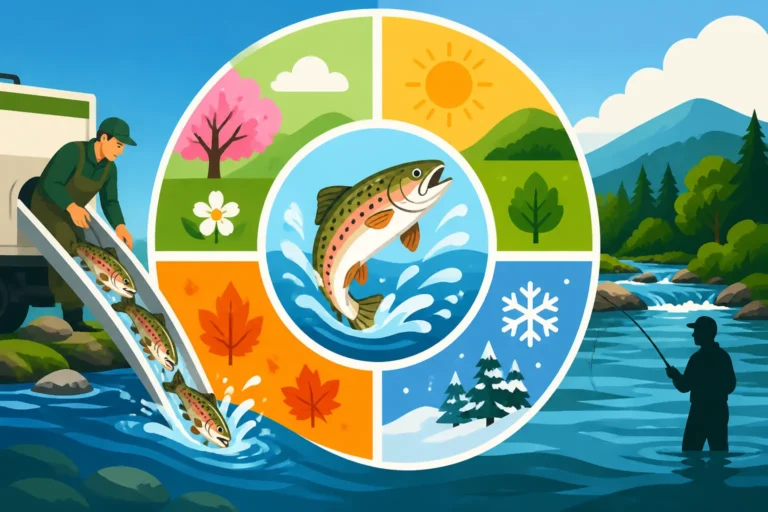
One of the biggest areas of confusion for anglers in Virginia is knowing the difference between a wild trout stream and a stocked trout water. It's a critical distinction because the regulations, especially regarding length and creel limits, are vastly different. Stocked trout waters are those where the DWR regularly releases hatchery-raised trout, often larger, into easily accessible streams and rivers, particularly during the cooler months. These waters are designed for higher harvest rates and often have different seasons and license requirements, such as a Stocked Trout License Requirements in Virginia. Wild trout streams, on the other hand, rely solely on natural reproduction. They are typically smaller, more remote, and their populations are more sensitive to fishing pressure. Always check the current Virginia DWR fishing regulations before heading out. A good rule of thumb: if it's a small, pristine mountain stream not explicitly listed as a stocked water, it's likely a wild trout stream, and those 7-inch rules apply. For a comprehensive overview, understanding the Difference between wild trout and stocked trout rules in Virginia is essential.
Essential Regulations for Fishing Virginia's Wild Trout Waters
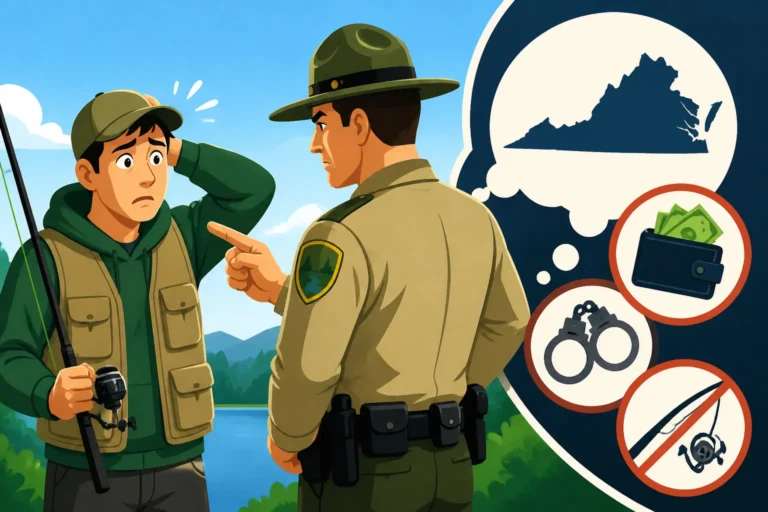
Fishing for wild trout is a rewarding experience, but it demands a keen awareness of the specific rules in place. These regulations are designed to protect the fragile populations and ensure sustainable angling opportunities. Getting caught without understanding these rules can lead to disappointment or, worse, penalties.
The All-Important 7-Inch Minimum Length Limit
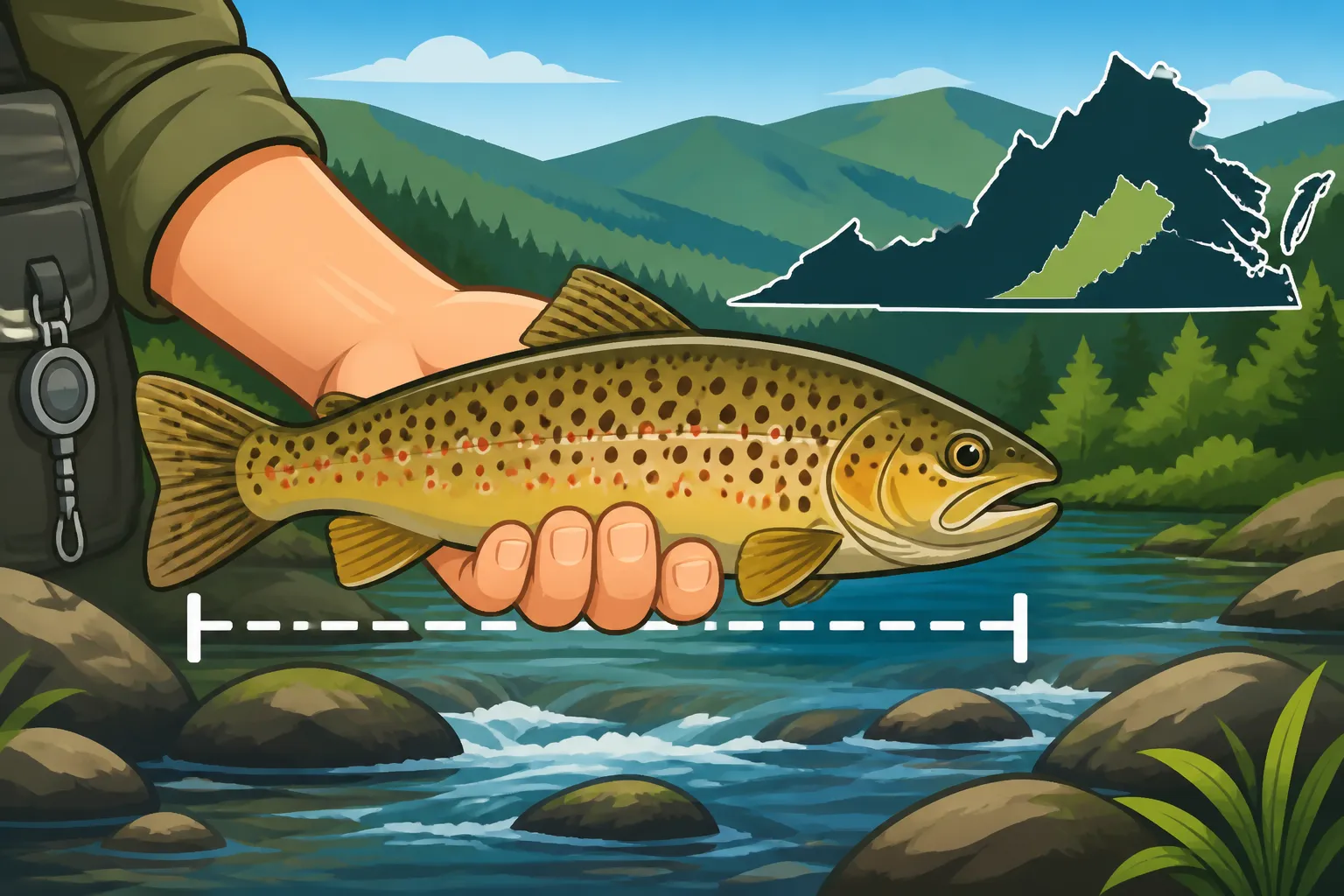
As we've discussed, the 7-inch minimum length for wild trout is non-negotiable. This means any trout you catch from a designated wild trout stream that measures less than 7 inches from the tip of its nose to the end of its tail must be immediately and carefully released back into the water. Anglers often carry a small, flexible measuring tape or a ruler marked on their net handle to quickly verify a fish's length. Imagine you're fishing a gorgeous stretch of the Rapidan River, known for its native brook trout. You hook into a spirited brook trout, and as you bring it in, your heart races. But a quick check reveals it's just 6 inches. Despite its beauty and fight, that fish must go back to ensure it has a chance to grow and contribute to the next generation. This rule applies uniformly across all designated wild trout waters in the Commonwealth.
Daily Creel Limits for Wild Trout
Beyond the minimum length, there's also a strict daily creel limit for wild trout. In Virginia, anglers are typically allowed to keep a maximum of four (4) wild trout per person per day. This limit is considerably lower than what you might find in some stocked trout waters, reflecting the more vulnerable nature of wild populations. For instance, if you're having an incredible day on a wild stream and have already kept four brook trout that meet the 7-inch minimum, any subsequent legal-sized trout you catch must be released. It's tempting to keep more when the bite is hot, but respecting this limit is paramount for conservation. This rule, combined with the length limit, significantly reduces fishing pressure on these sensitive populations, allowing them to thrive naturally.
Gear Restrictions and Special Considerations
While Virginia’s wild trout regulations primarily focus on length and creel limits, some wild trout waters might have additional gear restrictions or special considerations, especially in heavily managed or exceptionally fragile areas. It's always best practice to check the specific regulations for the exact stream you plan to fish. For example, some streams might be designated "Special Regulation Waters" which could include:
- Single Hook Artificial Lures Only: This common restriction aims to reduce mortality from gut-hooked fish. Treble hooks can cause significant damage, especially to smaller, feisty wild trout. Using single, barbless hooks is even better, making catch-and-release smoother and less stressful for the fish.
- Catch-and-Release Only Sections: Certain stream sections, particularly those with very delicate populations or ongoing restoration efforts, may be designated as catch-and-release only, meaning no fish can be kept, regardless of size.
- Time of Day/Season Restrictions: While less common for wild trout streams, always be aware if any specific stream has seasonal closures or time-of-day restrictions to protect spawning fish or sensitive habitats.
You can often find these detailed regulations on the Virginia DWR website or in their annual fishing regulations guide, which is a fantastic resource for all anglers navigating Virginia Fishing Regulations Explained. When gearing up, consider lighter tackle and smaller lures suitable for these often-small, intimate waters. Many fly anglers prefer a lightweight fly rod (e.g., a 2-weight or 3-weight) and small flies, which you can often find a great selection of on Amazon.
Here’s a quick reference table for Virginia's wild trout stream rules:
| Regulation Type | Detail | Important Note |
|---|---|---|
| Minimum Length | 7 inches (from tip of nose to end of tail) | Any fish under this length must be immediately released. |
| Daily Creel Limit | 4 trout per person | Once you've kept 4 legal-sized wild trout, all subsequent must be released. |
| Gear | Typically artificial lures, single hooks recommended/required in some. | Always check specific stream regulations; barbless hooks reduce harm. |
| License | Valid Virginia freshwater fishing license (and possibly a trout license depending on DWR designation) | Virginia Fishing License Guide is crucial. Often, a regular freshwater license suffices for wild trout, but verify. |
| Catch & Release | Highly encouraged, especially for smaller fish or after creel limit. | Reduces stress on fish and promotes conservation. |
Where to Find Virginia's Pristine Wild Trout Streams
Virginia's wild trout streams are truly special places, offering solitude and a genuine connection with nature. They are often tucked away in the more rugged parts of the Commonwealth, requiring a bit more effort to reach, but the reward is always worth it.
Prime Regions and Notable Waterways
When seeking out wild trout, you'll generally want to focus on the mountainous western regions of Virginia, particularly within the George Washington and Jefferson National Forests. These vast public lands are crisscrossed by countless small streams and tributaries that hold thriving populations of wild brook trout, the state's only native trout species. Some of the most renowned areas include:
- Shenandoah National Park: While much of the fishing here is catch-and-release only, the park boasts an incredible network of streams that are home to native brook trout. Streams like the Best Trout Streams on the Shenandoah River, Virginia and its tributaries offer stunning scenery and challenging fishing for wary wild fish. Remember to always check park-specific regulations which can sometimes be more stringent than state rules.
- George Washington National Forest: This sprawling forest offers a multitude of wild trout opportunities. Streams in areas like the James River Ranger District, Lee Ranger District, and Warm Springs Ranger District are popular spots. Think of remote headwaters flowing off mountain slopes – these are prime wild trout habitats. Specific streams are often un-named or locally known, adding to their allure and requiring a bit of exploration.
- Jefferson National Forest: Further south, the Jefferson National Forest provides similar opportunities. Many streams flowing into the New River or upper Tennessee River drainage contain wild trout. Again, look for smaller, colder tributaries high up in the mountains.
It's important to remember that these are general regions. To find specific streams, consult detailed topographic maps, local fishing reports, or resources from the Virginia DWR. Many of the best spots are those you discover yourself after a bit of hiking and exploring.
Accessing and Protecting These Delicate Ecosystems
Reaching many of Virginia's wild trout streams often involves some degree of hiking, sometimes over rugged or unmarked trails. This adds to the adventure but also means you need to be prepared. Think about wearing sturdy wading boots with good ankle support, especially if you're crossing slippery rocks or uneven terrain. Carrying a map and compass (or a reliable GPS app) is highly recommended, as cell service can be spotty or non-existent in these remote areas. When purchasing gear for these adventures, many anglers find reliable and affordable options for hiking essentials, like a sturdy backpack or water purification tablets, on Amazon.
More importantly, accessing these areas comes with a responsibility to protect them. These ecosystems are fragile, and our actions can have a significant impact:
- Leave No Trace: Pack out everything you pack in, and perhaps even a little more. This means all trash, fishing line, and anything else that doesn't belong.
- Stay on Trails: Where marked trails exist, stick to them to minimize erosion and disturbance to riparian vegetation.
- Wade Carefully: Avoid unnecessary disturbance to the stream bed, especially during spawning season. Be mindful of disturbing aquatic insects, which are a vital food source for trout.
- Respect Private Property: Many smaller streams run through private lands before entering public access areas. Always be aware of property lines and gain permission before trespassing.
By practicing these principles, we ensure that these wild places remain pristine and healthy for generations of anglers and wildlife alike.
Tips for a Successful and Ethical Wild Trout Fishing Trip
Fishing for wild trout is an art form, a subtle dance between angler and nature. It's about more than just catching fish; it's about the experience, the solitude, and the satisfaction of fooling a truly wild creature. To maximize your success and minimize your impact, a few key strategies and ethical considerations come into play.
Choosing the Right Gear and Techniques
Wild trout, especially brook trout in smaller streams, are often less discerning than their larger, more heavily pressured cousins, but they are incredibly wary of their surroundings. Here's how to gear up and approach them:
- Light Tackle is Key: For fly fishing, a 2-weight or 3-weight rod is perfect for casting small flies and protecting light tippets. For spin fishing, an ultralight rod and reel spooled with 2-4 pound test line will give you the sensitivity you need. Avoid heavy lines and bulky lures that can spook these easily alarmed fish.
- Stealth and Presentation: Wild trout streams are often small and clear, making stealth essential. Approach pools and riffles slowly, staying low and out of sight as much as possible. Cast accurately and delicately, aiming for natural drifts with your flies or subtle retrieves with your lures. Overhanging branches and undercut banks are prime hiding spots, so learn How to Read Water When Fly Fishing a River effectively.
- Fly Fishing: Imitate Naturals: Small dry flies (like Elk Hair Caddis, Adams, Parachute Adams) work well when insects are hatching. Nymphs (like Hare's Ear, Pheasant Tail) are excellent subsurface. Don't overlook small streamers for more aggressive fish. Always check what insects are prevalent in the area; a good selection of flies can be easily ordered from Amazon before your trip.
- Spin Fishing: Small Lures: Tiny inline spinners (Mepps, Panther Martin), micro jigs, or small plastic grubs are very effective. Focus on natural colors like black, brown, or olive. Bait fishing, if allowed, can also be successful with small worms or corn, but be mindful of hook-setting to avoid deep hooking, especially if practicing catch-and-release.
Remember, the goal is to present your offering as naturally as possible, making it irresistible to a hungry trout without alarming it with your presence.
Practicing Catch-and-Release for Conservation
Even when a fish meets the 7-inch minimum length and you haven't reached your creel limit, practicing catch-and-release whenever possible is a powerful way to contribute to conservation. Wild trout populations are sensitive, and returning healthy fish to the stream ensures they can continue to grow and reproduce.
Here are some tips for ethical catch-and-release:
- Minimize Handling: Try to keep the fish in the water as much as possible. If you must handle it, do so with wet hands to protect its delicate slime coat, which acts as a barrier against disease.
- Use Barbless Hooks: Crushing the barb on your hooks or using specific barbless hooks makes removal much easier and quicker, reducing stress and injury to the fish's mouth.
- Quick Release: Remove the hook gently and release the fish quickly. If the fish seems stunned, hold it gently in the current, facing upstream, until it regains its strength and swims away on its own.
- Avoid Over-Fighting: While exciting, fighting a fish to exhaustion increases its stress and reduces its chances of survival after release. Use appropriate tackle to bring fish in efficiently.
For anglers wanting to improve their trout game, learning Best Fly Patterns for Trout in Spring or How to Catch Bass in Spring Before the Spawn (if targeting other species) can also enhance the overall experience while promoting ethical practices.
Respecting the Environment and Other Anglers
A wild trout stream offers more than just fishing; it's an experience of nature. Respecting the environment and fellow anglers is part of the unspoken code of these special places.
- Keep Noise Down: Wild trout streams are often tranquil. Loud noises or splashing can scare fish and disturb the peaceful experience for others.
- Give Space: If you encounter another angler, give them plenty of room. Don't crowd their spot. A friendly wave and moving on to find your own stretch is common courtesy.
- Pack It Out, Always: This cannot be stressed enough. Any trash, old fishing line, or food wrappers you bring in, you must take out. These pristine environments deserve to stay that way.
- Protect Riparian Zones: Avoid trampling stream banks unnecessarily. The vegetation along the banks is vital for preventing erosion, providing shade, and supporting the insect life that trout feed on.
- Know Your Licenses: Always have your valid Virginia freshwater fishing license with you, and any additional permits required for specific parks or special regulation waters. The DWR has excellent resources on topics like Virginia Fishing License Requirements for Residents and Nonresidents and Where to Buy a Virginia Fishing License.
By adhering to these guidelines, you not only ensure a more enjoyable and successful trip for yourself but also help preserve these precious wild trout resources for everyone, now and in the future.
Disclaimer
The information provided in this guide is for general informational purposes only and is subject to change. Fishing regulations, seasons, and license requirements are set by the Virginia Department of Wildlife Resources (DWR) and can be updated at any time. It is the angler's responsibility to consult the most current Virginia DWR fishing regulations before engaging in any fishing activity. Failure to comply with regulations may result in penalties.