Why fishing license prices increase over time
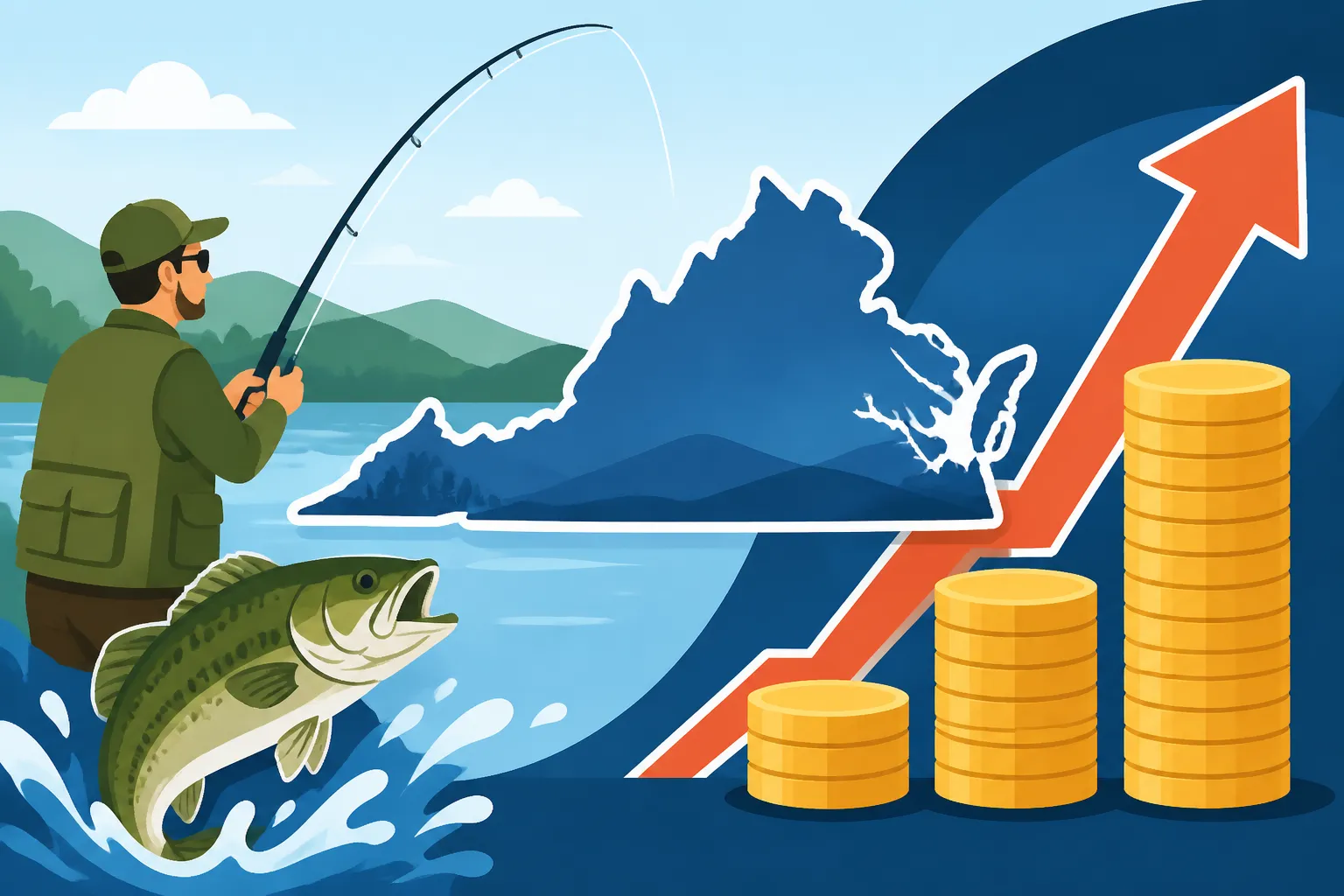
It's a familiar sting for many of us who love casting a line in the Old Dominion: every few years, you go to renew your Virginia fishing license, and boom, the price has nudged up a dollar or two, sometimes more. It can feel a bit frustrating, especially when every penny counts, and you just want to enjoy your passion without feeling like you're constantly paying more. But there are very real, often overlooked reasons behind these adjustments, and understanding them can help us appreciate where our hard-earned cash is actually going. This guide is here to shed light on exactly why fishing license prices tend to climb over time in Virginia.
The Invisible Hand of Inflation and Operational Expenses
Just like the cost of your favorite coffee or the price of gas for your boat, the operational costs for managing Virginia's vast aquatic resources are constantly on the rise. It's not a secret that everything gets more expensive over time, and the Department of Wildlife Resources (DWR) is certainly not immune to these economic pressures.
Think about it: the DWR employs a dedicated team of biologists, conservation police officers, hatchery managers, and administrative staff who work tirelessly to ensure healthy fish populations and accessible fishing opportunities across the state. Their salaries, benefits, and training need to keep pace with the cost of living. Then there's the physical infrastructure. Those state-of-the-art fish hatcheries, like the ones that produce millions of trout for our mountain streams, require constant maintenance, utility upgrades, and specialized equipment that costs a pretty penny. Fuel for patrol boats and trucks, vehicle maintenance, office supplies, even the electricity to run the DWR website where you might go to renew your Virginia fishing license are all subject to inflation. These aren't just abstract numbers; they represent tangible costs that keep the lights on and the wheels turning for conservation efforts.
When the price of feed for hatchery fish increases, or when the cost of specialized netting or water filtration systems goes up, those expenses have to be absorbed. These are often purchases that ensure the quality and viability of the fish stocking programs, which are vital for many popular fisheries. Imagine if the DWR couldn't afford to run its trucks to stock trout in your favorite stream; that would impact countless anglers. So, a small increase in license fees often acts as a necessary adjustment to meet these ever-growing operational expenses, ensuring that the services and resources you rely on as an angler can continue without interruption. It’s a bit like your own household budget – sometimes, you just have to adjust for rising costs.
Funding the Future: Where Your License Dollars Truly Go
One of the most significant reasons fishing license prices increase is directly tied to the vital role these funds play in wildlife conservation. In Virginia, as in many other states, fishing license fees are the backbone of funding for the DWR's efforts to protect, manage, and enhance fish and wildlife resources. Your license isn't just a permit to fish; it's an investment in the future of fishing.
Let's break down where that money goes. A substantial portion is allocated to fish stocking programs. Whether it's stocking millions of fingerling largemouth bass into a lake like Smith Mountain Lake to bolster its population, or regularly releasing catchable-size trout into designated public waters, these programs are expensive. Raising fish from eggs to a size where they can thrive and be caught requires specialized facilities, expertise, and a lot of resources. Without these efforts, many of Virginia's popular fisheries simply wouldn't be as robust or productive.
Beyond stocking, license fees fund habitat protection and restoration. This means projects like improving water quality in rivers, restoring wetlands crucial for fish spawning, or creating natural structures in lakes and reservoirs where fish can hide and feed. These are long-term investments that ensure healthy ecosystems, which are fundamental for sustainable fishing. Think about efforts to restore oyster reefs in the Chesapeake Bay; these projects benefit a multitude of species, including many popular game fish.
Research and monitoring are also heavily reliant on license revenue. Biologists constantly study fish populations, water quality, and environmental factors to make informed decisions about catch limits, seasons, and management strategies. This science-based approach is what helps prevent overfishing and ensures that future generations can enjoy the same opportunities we have today. Ever wonder how they decide on the specific slot limits for striped bass? It's all based on extensive research funded, in part, by your license.
And of course, there's law enforcement. Our conservation police officers are out on the water and in the field, making sure everyone adheres to Virginia Fishing Regulations Explained. They patrol lakes, rivers, and the coast, educating anglers and enforcing laws that protect fish populations from poaching and illegal activities. Their presence is crucial for maintaining fair and ethical fishing practices for everyone. This ensures that when you get a Virginia Fishing License Guide, you're participating in a regulated, sustainable activity.
Here's a simplified look at how license fees generally contribute to conservation:
| Category | General Purpose | Impact on Anglers |
|---|---|---|
| Fish Stocking | Enhancing populations, providing catchable fish | More fish to catch, diverse fishing opportunities |
| Habitat Restoration | Improving water quality, creating fish cover | Healthier ecosystems, better fish spawning grounds, larger fish |
| Research & Monitoring | Studying fish populations, setting science-based limits | Sustainable fishing, preventing overfishing, informed regulations |
| Law Enforcement | Ensuring compliance, preventing poaching | Fair play, protected resources for everyone, safety on the water |
| Public Access & Facilities | Maintaining boat ramps, fishing piers, public lands | Easier access to fishing spots, improved amenities |
| Education & Outreach | Teaching safe practices, promoting conservation | Informed anglers, fostering a love for the outdoors in new generations |
This entire system, from stocking to enforcement, requires consistent and growing funding, which directly translates into occasional increases in the Virginia Fishing License Costs and Types Explained. It's a testament to the fact that anglers are often the first and most direct funders of conservation.
The Dynamics of Increased Participation and Environmental Pressures
Another factor that subtly but surely pushes license prices upward is the shifting landscape of angling itself – specifically, increased participation and escalating environmental pressures. More people discovering the joys of fishing, while wonderful for the sport, also means more demands on our natural resources and the agencies managing them.
When more anglers are hitting the water, whether it's a bustling weekend at Lake Anna or a quiet weekday on the Shenandoah River, it places greater stress on fish populations. This isn't necessarily a bad thing, but it does require more intensive management by the DWR. They need to ensure that the increased catch rates don't deplete the populations, which might involve more frequent fish surveys, more aggressive stocking schedules, or even adapting catch limits and seasons. All these additional management efforts come with a cost. Imagine a popular fishing spot seeing double the number of anglers; the DWR then needs to allocate more resources to monitor that specific area to ensure sustainability.
Furthermore, our environment is constantly facing new challenges. Issues like climate change, habitat degradation from development, pollution, and the introduction of invasive species all require significant resources to combat. When a new threat emerges, like the spread of a particular invasive plant in a beloved lake, the DWR must divert funds and personnel to address it. These challenges don't just disappear; they require ongoing vigilance and proactive measures. For example, if a severe drought impacts stream levels or a major storm causes significant erosion, the DWR might need to implement emergency stocking or habitat repair efforts that weren't budgeted for years prior. This means that funds from license sales become critical to respond to these unexpected, yet impactful, environmental shifts.
It’s a delicate balance. We all want healthy fish, pristine waters, and plentiful opportunities. But achieving that in the face of more people enjoying the outdoors and greater environmental stress simply costs more. Sometimes, people will even hop on a website like Amazon to buy new gear before realizing they need to check Virginia's Fishing License and Catch Limit Basics for their trip. The cost of fishing is an investment in ensuring those future trips remain possible and enjoyable.
Legislative Decisions and Economic Realities
Finally, the price of your fishing license isn't just an arbitrary number conjured up by the DWR; it's often the result of complex legislative processes and broader economic realities at the state level. Virginia's Department of Wildlife Resources operates under a budget approved by the state legislature, and any significant changes to license fees typically require legislative approval.
When the DWR identifies a need for increased revenue—perhaps due to rising operational costs, new conservation initiatives, or a mandate to expand public access—they must propose these changes through a formal process. This often involves detailed financial analyses, public comment periods, and ultimately, a vote by state lawmakers. This means that license fee adjustments are thoroughly vetted and are not made lightly. They represent a consensus that such increases are necessary to maintain or improve the state's fishing resources.
Broader economic trends also play a role. During periods of economic growth, there might be more state funding available to supplement DWR programs, potentially slowing the need for license fee increases. However, during economic downturns, state general funds might be tighter, placing more pressure on dedicated revenue sources like license sales to cover essential conservation work. This can lead to more significant fee adjustments to make up the difference.
Think about how many people have turned to outdoor activities, including fishing, as a way to de-stress, particularly in recent years. This surge in interest, while fantastic, has also highlighted the need for more robust infrastructure and management. For instance, creating more Shore Fishing Access Points in Virginia or upgrading existing boat ramps requires capital investment, and while some of this might come from grants, a portion often needs to be covered by user fees. You might even find yourself looking for a new cooler on Amazon to accommodate more trips, only to be reminded that the DWR also needs funds to maintain the very waters you're fishing. It's a cycle where increased demand for recreational opportunities eventually necessitates increased investment, and fishing license fees are a direct way for users to contribute to that investment. So, when you see a slight increase, remember that it's often tied to a deliberate decision-making process aimed at preserving our cherished natural heritage.
Disclaimer
The information provided in this guide is for general informational purposes only and does not constitute legal advice. Fishing regulations and license requirements in Virginia can change, and it is always the angler's responsibility to consult the most current Virginia Department of Wildlife Resources (DWR) regulations before fishing.