Virginia Fishing License Guide
There’s nothing quite like the feeling of casting a line into Virginia’s beautiful waters, whether it's the serene rivers, expansive lakes, or the vast Chesapeake Bay. But before you even think about baiting a hook, there’s a crucial piece of the puzzle that often causes confusion: the Virginia fishing license. Navigating the different types, costs, and requirements can feel like trying to untangle a stubborn fishing knot. This comprehensive guide is here to untangle all that for you, ensuring you understand exactly what you need to fish legally and responsibly in the Commonwealth.
Why a Fishing License is Essential in Virginia
For many first-time anglers or those new to the state, the concept of needing a license just to fish can seem a bit cumbersome. However, Virginia’s fishing license system isn’t just about collecting fees; it's a vital component of managing and conserving the state’s rich aquatic resources, ensuring that these opportunities remain for generations to come.
The Legal Imperative for Anglers
Let's get straight to it: fishing without a valid license in Virginia is against the law. It’s not a minor infraction that most wardens will overlook with a friendly warning. Virginia game wardens are dedicated professionals who regularly patrol lakes, rivers, and coastal areas, checking for proper licensing. If you’re caught without the correct license, you could face fines, penalties, and even have your fishing gear confiscated. Imagine having to explain that to your fishing buddies or, worse, your family after a fun day out gets cut short! Understanding the legal imperative is the first step to enjoying a worry-free day on the water. It’s always better to be prepared and understand the potential consequences, like the severe repercussions detailed in this guide on Penalties for Fishing Without a License in Virginia.
Funding Conservation Efforts
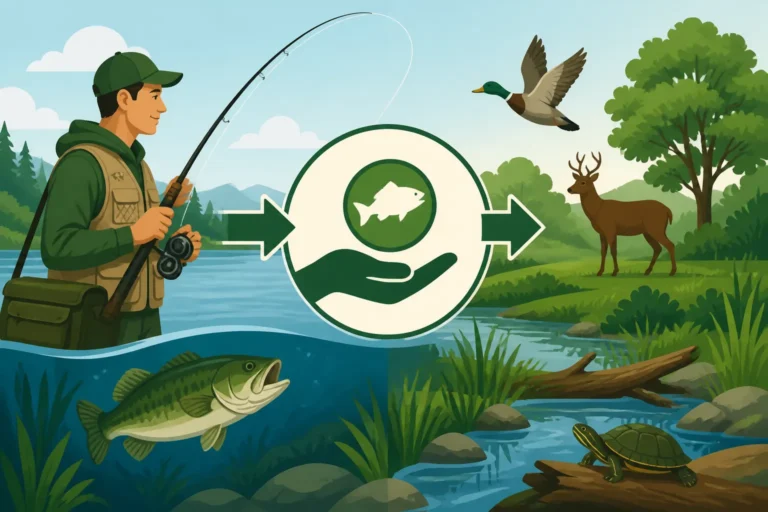
The money collected from fishing license sales directly supports the Virginia Department of Wildlife Resources (DWR), the agency tasked with managing and conserving Virginia's fish and wildlife resources. Think about it: your license fee isn't just a tax; it's an investment in the health and future of the very waters you love to fish. These funds go towards crucial initiatives like fish stocking programs in various lakes and rivers, habitat restoration projects, scientific research to monitor fish populations, and maintaining public access points. Without these funds, many of Virginia's cherished fisheries would simply not thrive as they do. It’s a direct way that every angler contributes to the bigger picture of environmental stewardship.
Ensuring Sustainable Fisheries
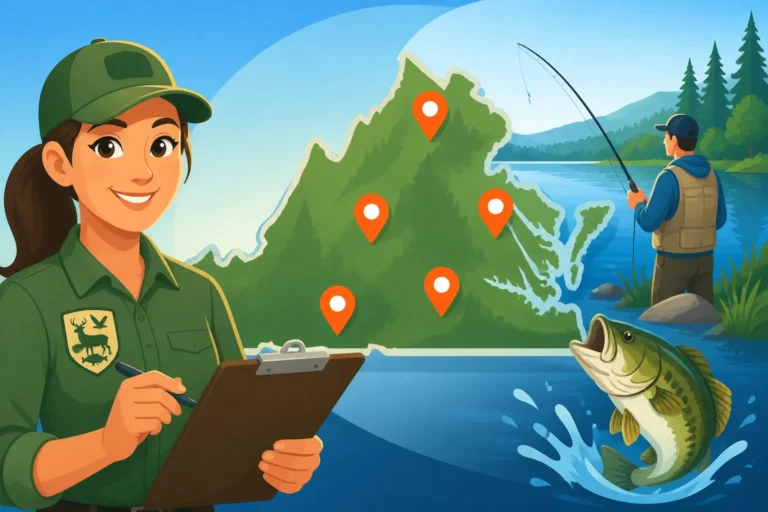
Beyond just stocking and habitat, licenses play a critical role in data collection. When you purchase a license, your information contributes to valuable statistics that help biologists and resource managers understand fishing pressure, angler participation, and ultimately, the health of various fish populations. This data is essential for setting sensible catch limits, determining appropriate seasons, and implementing regulations that prevent overfishing. For instance, knowing how many anglers are targeting striped bass in the Chesapeake Bay helps DWR manage the species responsibly, ensuring future runs of these iconic fish. This ensures that species like trout, bass, and rockfish remain abundant and healthy, allowing for continued enjoyment of the sport.
Understanding Virginia's Resident Fishing License Options
If you call the Commonwealth home, you'll find a range of license options tailored to your specific fishing preferences and frequency. Choosing the right one can save you money and hassle in the long run.
Freshwater vs. Saltwater: Choosing Your Path
Virginia is unique in offering both incredible freshwater and saltwater fishing opportunities. This also means you'll need to specify which type of water you plan to fish, as the licenses are typically separate.
For freshwater anglers residing in Virginia, the most common option is the annual resident freshwater fishing license. This covers you for all non-tidal inland waters, including most lakes, rivers, and streams that aren't influenced by ocean tides. Whether you're chasing largemouth bass on Smith Mountain Lake or smallmouth bass in the Shenandoah River, this is your go-to. The current cost is quite reasonable, making it accessible for most local enthusiasts. You can find more details on Virginia Resident Freshwater Fishing License Cost.
If your passion lies in the vast expanse of the Chesapeake Bay or along Virginia's Atlantic coastline, you'll need a resident saltwater fishing license. This covers tidal rivers and all marine waters. This is essential for targeting species like striped bass (often called rockfish), flounder, red drum, and tautog. Just like freshwater, there's an annual option. Additionally, Virginia even offers a Virginia's Lifetime Saltwater Fishing License Option for residents, a fantastic value if you plan to fish saltwater for many years to come, and a one-time purchase that can prevent the need for annual renewals. The specific fees are covered in Virginia Resident Saltwater Fishing License Cost.
It’s crucial to understand that these are generally separate; a freshwater license won't cover you in saltwater and vice-versa. Always double-check where you're fishing and ensure you have the appropriate coverage.
The Convenience of Combination Licenses
For many Virginians, their angling adventures aren't limited to just one type of water. Perhaps you enjoy casting for catfish in the James River one weekend and then heading to Virginia Beach for some pier fishing the next. If this sounds like you, the resident combination fishing license is often the most economical and convenient choice. This single license covers both freshwater and saltwater fishing across the entire state.
Instead of purchasing two separate licenses, which can add up, the combination license offers a bundled price that is usually less than the sum of its parts. It simplifies things, giving you peace of mind that you're covered no matter where your rod takes you within Virginia's borders. It's truly the "best of both worlds" option for versatile anglers and eliminates the worry of accidentally fishing in the wrong type of water with the wrong license. Details on this cost-effective option are available in Virginia Resident Combination Fishing License Price.
Short-Term and Annual Resident Licenses
While the annual license is the most popular choice for residents, Virginia also offers short-term options that can be beneficial in certain situations.
Annual Licenses: These are valid for one year from the date of purchase (not necessarily a calendar year, so check your specific license for the expiration date). For anyone who plans to fish more than a handful of times in a year, the annual license almost always provides the best value. It's a one-and-done purchase that lets you focus on fishing without worrying about an expiring license. It’s also often the most straightforward choice when considering overall convenience.
Short-Term Licenses: For residents who only fish a couple of times a year or are trying fishing out for the first time, short-term options might be available, though they are more commonly associated with non-residents. These typically come in 1-day, 5-day, or 10-day increments. While seemingly cheaper upfront, if you find yourself buying more than two or three short-term licenses within a year, you’ve likely spent more than you would have on an annual pass. These are perfect for a spontaneous weekend trip or if you're introducing a friend or family member to fishing who isn't sure they'll become a regular. Always calculate which option truly makes the most sense for your fishing habits.
Navigating Nonresident Fishing Licenses in Virginia
Virginia's stunning natural beauty and incredible fishing draw visitors from all over the country. If you're coming from out-of-state to experience our waters, you'll need a nonresident fishing license, and the options are slightly different than for residents.
Freshwater and Saltwater Choices for Visitors
Just like residents, nonresidents need to differentiate between freshwater and saltwater when planning their fishing trip to Virginia.
If you're an out-of-state angler coming to enjoy Virginia's famous freshwater fisheries – perhaps tackling the impressive smallmouth bass of the James River or casting for trophy largemouth at Lake Anna – you'll need a Nonresident Freshwater Fishing License in Virginia. This license covers all inland non-tidal waters. It’s usually priced higher than the resident equivalent, which is standard practice across most states to help support local conservation efforts.
For those drawn to the tidal waters of the Chesapeake Bay, the Atlantic Ocean, or Virginia's coastal rivers, the Nonresident Annual Saltwater Fishing License in Virginia is your ticket. This is necessary for targeting red drum, flounder, croaker, and of course, the prized striped bass during their open seasons. It grants you access to all saltwater fishing opportunities. Make sure you purchase the appropriate license before heading out, especially if you're chartering a boat in the Chesapeake Bay or fishing from one of Virginia's many popular fishing piers, like the Virginia Beach Fishing Pier.
Short-Term Passes for Brief Trips
Not every nonresident angler plans an extended stay, and Virginia understands that. For shorter visits, the state offers convenient short-term license options that can be a real boon for tourists or those on a quick weekend getaway.
For freshwater excursions, the Virginia's 5-Day Freshwater Fishing Pass is an excellent choice. This allows you to fish for five consecutive days in freshwater, perfect if you’re only in the state for a long weekend targeting trout in the mountain streams or bass in a specific lake. For saltwater enthusiasts, Virginia's 10-Day Saltwater Fishing License offers similar flexibility, covering ten consecutive days of saltwater action. This is ideal if you’re planning a fishing vacation to the coast or a multi-day charter trip out of a place like Rudee Inlet in Virginia Beach.
These short-term licenses are often more cost-effective than buying an annual nonresident license if you only plan to fish for a limited number of days in a year. When preparing for such a trip, consider buying your fishing essentials online, where you can easily compare options and have them shipped directly to your door, perhaps even browsing on Amazon for specific gear or tackle that local shops might not carry.
Combination Options for the All-Around Nonresident Angler
If you're a nonresident who wants the freedom to explore both Virginia's incredible freshwater lakes and its teeming saltwater estuaries during your visit, the nonresident combination license is your best bet. This single license covers both freshwater and saltwater fishing for the duration of its validity, eliminating the need to buy two separate permits.
This option is particularly popular with vacationers who might spend a few days fishing for panfish in a mountain lake and then head east to try their hand at striped bass in the Bay, all within the same trip. While it will be more expensive than a single-type license, it offers the ultimate flexibility and peace of mind. You won't have to worry about accidentally crossing into a different type of water body without the correct licensing. For all the specifics on pricing and what's covered, check out Nonresident Combination Fishing License in Virginia. It's designed to make your multi-faceted fishing adventure as seamless as possible.
Here's a quick comparison of the common annual fishing license costs:
| License Type | Virginia Resident Annual Cost | Nonresident Annual Cost |
|---|---|---|
| Freshwater Only | $23.00 | $47.00 |
| Saltwater Only | $17.50 | $25.00 |
| Freshwater/Saltwater Combo | $39.50 | $71.00 |
Note: Prices are subject to change, always verify current rates with the Virginia DWR.
Special Fishing Licenses and Exemptions You Should Know About
Beyond the standard resident and nonresident options, Virginia offers specific licenses and exemptions for certain groups, ensuring that fishing remains accessible to everyone. It’s always worth checking if you qualify for one of these special considerations.
Youth Anglers: Do Kids Need a Fishing License to Fish?
This is a question every parent or guardian taking a child fishing needs to ask. The good news is that Virginia has made it very accessible for young anglers to get started. Generally, children under a certain age are not required to possess a fishing license. In Virginia, typically, anglers under the age of 16 do not need a freshwater fishing license. For saltwater, the rules can be slightly different, but often the general rule still applies, or they might be covered by an adult's registration if fishing from a recreational boat.
This exemption is fantastic for introducing kids to the joys of fishing without an immediate financial barrier. It encourages families to spend time outdoors and fosters a love for the sport from a young age. However, even if they don't need a license, they still need to adhere to all other fishing regulations, such as catch limits and size restrictions, just like adults. Always confirm the exact age requirements before you head out, and for a deep dive into this topic, refer to Fishing License Rules for Kids in Virginia.
Senior Angler Benefits
Virginia deeply appreciates its senior citizens, and this appreciation extends to fishing licenses! Anglers aged 65 and older often qualify for special reduced-cost or even free fishing options.
For Virginia residents who are 65 or older, there is a fantastic benefit: you can often obtain a free freshwater fishing license. This allows you to fish all non-tidal inland waters without paying an annual fee. It's a wonderful perk that recognizes a lifetime of contributions and encourages continued outdoor activity. You can learn more about this in Free Fishing License for Virginia Seniors 65 and Older.
For saltwater fishing, seniors also have a unique option. Instead of a free annual license, Virginia offers a Virginia offers a one-time $5 saltwater license for anglers over 65. This lifetime permit is an incredible value, providing unlimited saltwater fishing access for a nominal one-time fee. It's truly a no-brainer for senior residents who enjoy the Bay or ocean. These benefits are a testament to Virginia's commitment to making fishing enjoyable and accessible for all its residents.
Free Fishing Days and Other Exemptions
Did you know there are specific times you can fish in Virginia without any license at all? These are known as Free Fishing Days, and they are a highlight for many, offering a perfect opportunity to try fishing or introduce friends and family to the sport.
Each year, the Virginia Department of Wildlife Resources designates a few days—typically in early June—when anyone, resident or nonresident, can fish the public waters of Virginia without a fishing license. This includes both freshwater and saltwater. It's an incredible initiative designed to encourage participation in outdoor recreation and introduce new anglers to the sport. For the specific dates, keep an eye out for announcements like Virginia Free Fishing Days in June 2026. While the license requirement is waived, all other fishing regulations, such as size and creel limits, remain in effect.
Beyond Free Fishing Days, there are other, more specific exemptions:
- Private Ponds: If you are fishing in a private pond entirely on private land, with no inlet or outlet to public waters, you might not need a license. However, if the pond connects to a public waterway, a license is generally required. Always err on the side of caution.
- Disabled Veterans and Other Groups: Specific exemptions or reduced-cost licenses may be available for permanently disabled veterans, those with severe disabilities, or members of the armed forces depending on their active duty status and residency. It's always best to check the DWR website or contact them directly for the most up-to-date information on these important exemptions.
How and Where to Purchase Your Virginia Fishing License
Getting your Virginia fishing license is easier than ever, with several convenient options available to suit your preference. Whether you prefer the click of a mouse or the personal touch of a local vendor, Virginia has you covered.
Online Convenience: Your Digital Gateway
For most people, especially those who are tech-savvy or planning ahead, purchasing a fishing license online is the quickest and most hassle-free method. The Virginia Department of Wildlife Resources (DWR) maintains a user-friendly online licensing system that allows you to buy your license from the comfort of your home, 24 hours a day, 7 days a week.
To purchase online, you'll simply visit the DWR website, select the type of license you need (resident, nonresident, freshwater, saltwater, combo, etc.), provide your personal information, and pay with a credit or debit card. Once the transaction is complete, you'll receive a printable copy of your license via email. Many anglers simply save this to their smartphone, which is perfectly acceptable as proof of license. The convenience of this system means you can even decide to go fishing on a whim and have your license purchased and ready in minutes. For a step-by-step guide on this process, see How to Buy a Fishing License Online in Virginia.
In-Person Purchase Options
If you prefer a more traditional approach or need to pick up a license on your way to your favorite fishing spot, there are numerous authorized license agents throughout the Commonwealth.
These agents include:
- Sporting Goods Stores: Large retailers like Bass Pro Shops and Dick's Sporting Goods almost always have a licensing counter. Smaller, local tackle shops and outdoor outfitters are also excellent places, and they often provide invaluable local fishing advice along with your license.
- Walmart and Kmart: Many larger Walmart and Kmart stores with sporting goods departments are authorized to sell fishing licenses. This can be a convenient one-stop shop where you can grab bait, tackle, and your license all at once.
- DWR Offices: While less common for everyday purchases, some Virginia DWR offices may sell licenses directly. However, their hours might be more limited.
Purchasing in person allows you to ask questions, confirm your selection, and sometimes even pick up local maps or tackle tips. When stocking up for your trip, consider that many of these same retailers, as well as online stores like Amazon, offer a vast selection of fishing gear, from rods and reels to specialized baits and lures, ensuring you're fully equipped for your outing.
Other Ways to Get Your License
While online and in-person are the most common methods, there are a couple of other ways you can secure your Virginia fishing license:
- By Phone: The Virginia DWR usually offers a phone-in option for purchasing licenses. This can be particularly useful if you have questions or prefer to speak with a representative directly, but don't have internet access or a local vendor nearby. There’s often a specific number to call during business hours.
- Mail-in Renewal: While buying a new license via mail is less common, some anglers prefer to renew their existing licenses through the mail. This option is typically for those who received a renewal notice and wish to send in a check or money order. For information on this, check out Virginia fishing license mail-in renewal option. This is generally a slower process, so plan accordingly to ensure your license arrives before you plan to fish.
No matter which method you choose, the key is to have your license in hand (or on your phone) before your line hits the water.
Common Fishing License FAQs and Troubleshooting
Even with all the information at hand, questions can pop up, or unexpected situations might arise. Knowing how to handle these common scenarios can save you a lot of headache.
What Happens if You're Caught Without a License?
This is a question no one wants to ponder, but it's vital to understand the reality. Getting caught fishing without a valid Virginia fishing license is a serious offense, not just a slap on the wrist. Virginia game wardens take their job of protecting wildlife resources very seriously, and a license check is a routine part of their patrol.
If you're found fishing without the appropriate license, you can expect to receive a citation. The penalties can include a substantial fine, court costs, and potentially even the forfeiture of your fishing equipment (e.g., rods, reels, tackle). The exact fine amount can vary depending on the specific circumstances, such as whether it's your first offense, and the discretion of the court. It’s also important to remember that ignorance of the law is generally not considered a valid excuse. The most straightforward way to avoid this unpleasant experience is simply to ensure you have the correct and current license before you start fishing. For a full breakdown, check out Penalties for Fishing Without a License in Virginia.
Renewals and Replacements
Life happens, and sometimes licenses get lost, or you simply forget to renew. Knowing the process for renewals and replacements is crucial for uninterrupted fishing enjoyment.
Renewing Your License: Most Virginia fishing licenses are valid for one year from the date of purchase. It's a good habit to check the expiration date on your current license periodically. The Virginia DWR often sends out renewal reminders via email or mail if you've provided that information. Renewing is typically as easy as buying a new license online or in person. Simply log into your DWR account or visit an authorized agent, and they can process your renewal. Don't wait until the day before your trip to renew, especially during peak fishing seasons when the system might be busy. For specifics on how to renew, see Renewing a Fishing License in Virginia.
Replacing a Lost License: Misplacing your license is frustrating, but it's not the end of the world. If you purchased your license online, you can usually log back into your DWR account and print another copy. If you bought it in person, you might need to visit an authorized agent or contact the DWR directly to request a replacement. There might be a small fee for a duplicate license, but it's a minor cost compared to the penalties of fishing without one. Always ensure you have a physical copy or a digital image on your phone when fishing.
Reciprocity with Neighboring States
Virginia shares borders with several other states, and anglers often wonder if a license from a neighboring state is valid in Virginia, or vice versa. This concept is called reciprocity.
Generally speaking, a fishing license from another state is not valid for fishing within Virginia's state lines, and a Virginia license won't cover you in Maryland, North Carolina, or any other state. Each state has its own licensing requirements, and you typically need to purchase a license for the specific state you are fishing in.
However, there can be exceptions, particularly for boundary waters that are shared between states. For example, there are specific agreements for fishing certain sections of the Potomac River, which borders both Virginia and Maryland. These agreements are usually very precise about which sections of the river are covered and under what conditions. It's imperative to research these specific agreements before you go, as they are not universal. For detailed information on these specific interstate rules, you can look into resources like Virginia and Maryland fishing license reciprocity rules or check directly with the DWR if you plan to fish a border waterway. Never assume reciprocity without confirming the exact regulations; it’s a quick way to find yourself in violation of the law.
Beyond the License: Key Virginia Fishing Regulations to Remember
While having the correct license is your foundational step, it's just one piece of the regulatory puzzle. Virginia has a host of other rules designed to protect fish populations and ensure fair chase. Ignoring these can lead to penalties just as severe as fishing without a license.
Understanding Catch Limits and Size Restrictions
One of the most critical aspects of responsible fishing, beyond your license, is adhering to catch limits and size restrictions. These rules are not arbitrary; they are scientifically determined by the DWR to maintain healthy fish populations and ensure sustainable fishing for the future.
- Daily Creel Limits: This refers to the maximum number of a particular species of fish you can keep in a single day. For instance, you might be allowed to keep five largemouth bass per day. These limits vary significantly by species and sometimes even by specific body of water.
- Size Limits (Slot Limits): Many species have minimum and/or maximum size limits. A minimum size limit means the fish must be at least that long to be kept. A maximum size limit means fish over a certain length must be released. Some species even have "slot limits," where only fish between two specific sizes can be kept, meaning very small and very large fish must be released. A prime example is Statewide Bass Fishing Limits in Virginia, which dictate how many and what size bass you can keep. Another critical one to be aware of is the Striped Bass Season and Slot Limit in Virginia, which changes frequently to manage this popular migratory species.
It's your responsibility as an angler to know these limits for the species you're targeting and the waterbody you're fishing. Ignorance is no excuse, and wardens regularly check coolers and stringers. Before heading out, grab a current Virginia Fishing Regulations booklet (available online or from license agents) or consult the DWR website.
Trout Stamp Requirements
If you're an avid trout angler, especially if you enjoy fishing in Virginia's stocked trout waters, there's an additional requirement you need to be aware of: the trout stamp.
A basic freshwater fishing license covers general freshwater species. However, to fish in designated stocked trout waters or to keep trout caught in any Virginia waters (even if they weren't specifically stocked), you generally need to purchase a separate trout stamp. This is an additional permit that costs a nominal fee and helps fund the DWR's extensive trout stocking programs. These programs ensure that streams and rivers are regularly replenished with healthy rainbow, brown, and brook trout, providing fantastic angling opportunities.
If you're fly fishing in a wild trout stream, the requirements might differ slightly, but for the vast majority of trout fishing in Virginia, especially in areas highlighted for their trout programs, that stamp is essential. So, before you head to one of Virginia's picturesque mountain streams with your fly rod or spinning gear, make sure you've got both your freshwater license and the necessary trout stamp. You can find more specific rules in Stocked Trout License Requirements in Virginia.
Rules for Public vs. Private Waters
Understanding where you can legally cast your line is just as important as knowing what fish you can keep. The rules can differ significantly between public and private waters.
- Public Waters: This includes most of Virginia's major lakes, rivers, and the Chesapeake Bay. As long as you have the appropriate license, you are generally free to fish these waters, provided you have legal access (e.g., from a public boat ramp, park, or pier). All state regulations apply.
- Private Waters: Fishing in private ponds or lakes owned by an individual or association presents a different set of rules. As mentioned earlier, if the pond is completely self-contained with no connection to public waters, a state fishing license might not be required. However, if the waterbody connects to a public stream or river, then state licensing and regulations usually apply, even if the land around it is private.
Furthermore, even if a waterbody is private, you always need permission from the landowner to access it if you're not the owner. Trespassing is illegal, regardless of whether you have a fishing license. Many private landowners allow fishing with permission, but it’s crucial to ask first. For a comprehensive overview of these distinctions, delve into Virginia's Rules for Fishing on Public and Private Waters. Always be respectful of private property and secure permission when necessary.
Supporting Virginia's Waters: How Your License Helps
We’ve touched on it already, but it’s worth reiterating the incredible impact your fishing license purchase has beyond simply granting you legal access to the water. Every dollar contributes to a larger mission of conservation and enhancement for Virginia's diverse aquatic ecosystems.
Investing in Habitat and Stocking Programs
The revenue generated from fishing license sales is the lifeblood of many DWR programs. A significant portion of these funds is directly channeled into projects that benefit fish populations and their environments. This includes extensive fish stocking initiatives, where millions of fish—from trout to various warm-water species like bass and sunfish—are raised in hatcheries and released into lakes, rivers, and streams across the state. These programs ensure that popular fishing spots remain productive and that anglers have ample opportunities to make a catch.
Beyond stocking, funds are also used for critical habitat restoration and enhancement projects. This could involve restoring eroded riverbanks, creating submerged structures for fish cover (like brush piles in lakes), improving water quality, or purchasing land to preserve sensitive wetlands crucial for fish spawning and nursery grounds. These investments aren't just about adding more fish; they're about creating healthier, more resilient aquatic ecosystems where fish can thrive naturally.
Enforcement and Research
Your license fee also directly supports the dedicated men and women who work tirelessly to protect Virginia's natural resources. Game wardens, who patrol countless miles of waterways and land, ensure that fishing regulations are followed, preventing poaching and overfishing. Their presence is a deterrent to illegal activities and helps maintain a fair and equitable experience for all law-abiding anglers.
Furthermore, a significant portion of the funds goes into scientific research. DWR biologists conduct studies on fish populations, water quality, disease prevention, and the impacts of environmental changes. This research provides the data necessary for informed decision-making, allowing the DWR to adapt regulations, identify conservation priorities, and manage fisheries based on the best available science. Without this continuous research, managing complex fish populations in an ever-changing environment would be impossible. Your license helps ensure these vital scientific efforts continue.
The Future of Fishing in Virginia
Ultimately, every fishing license purchased is an investment in the long-term future of fishing in Virginia. It’s a commitment to ensuring that the next generation of anglers can enjoy the same, if not better, fishing opportunities that we have today. From supporting educational programs that teach youth about responsible angling to advocating for clean water policies, the DWR—powered by your license dollars—is constantly working to safeguard this cherished pastime.
So, the next time you purchase your Virginia fishing license, remember that you’re not just buying a piece of paper or a digital file. You’re becoming an active participant in a crucial conservation movement, contributing directly to the health, sustainability, and enjoyment of Virginia’s incredible fisheries for years to come. It’s a small price to pay for the priceless experiences that Virginia's waters offer.
Disclaimer
The information provided in this guide is intended for general informational purposes only and does not constitute legal advice. Fishing regulations, license requirements, and fees in Virginia can change. Always consult the official Virginia Department of Wildlife Resources (DWR) website or their current regulations booklet for the most accurate and up-to-date information before engaging in any fishing activities. Compliance with all applicable laws and regulations is the sole responsibility of the angler.