Virginia fishing license mail-in renewal option
It's incredibly frustrating when you're ready to hit your favorite fishing spot, only to realize your Virginia fishing license has expired. The good news is, for those who prefer a less digital approach or live in an area with spotty internet, Virginia offers a reliable mail-in renewal option. This comprehensive guide will walk you through everything you need to know to successfully renew your fishing license by mail, ensuring you stay legal and on the water.
Understanding Virginia's Fishing License Renewal Process
Navigating the world of fishing licenses can sometimes feel like a puzzle, especially when you're just trying to enjoy a peaceful day on the water. Many anglers appreciate having different options for renewal, and Virginia definitely provides them. While online renewal is a popular choice for its speed and convenience, and hitting up a local vendor like a sporting goods store is great for immediate gratification, the mail-in option serves a vital purpose for many.
Why Renewing Your License Matters
Let's be real: nobody wants to get a ticket when they're out fishing. Renewing your license isn't just about following the rules; it's about protecting yourself from unwanted fines and ensuring you can continue to enjoy your passion without interruption. Virginia's Department of Wildlife Resources (DWR) officers, often called game wardens, are out on the water, checking licenses. Getting caught without a valid one can lead to significant penalties for fishing without a license in Virginia, which can certainly put a damper on your day and your wallet.
Beyond avoiding legal trouble, your license fees play a crucial role in the health of Virginia's fisheries. Those funds go directly to conservation efforts, stocking programs for popular species like trout, habitat restoration, and enforcement to prevent overfishing. So, when you renew your license, you're not just buying a piece of paper; you're investing in the future of fishing in the Commonwealth. It's a small but mighty contribution to ensure that our children and grandchildren can experience the same joy of a tug on the line.
Different Ways to Renew Your Virginia Fishing License
The Virginia DWR understands that anglers have different preferences and access to technology, which is why they offer a few avenues for obtaining or renewing your fishing license. Each method has its own benefits, catering to various needs and lifestyles.
For the tech-savvy and those who value instant gratification, learning how to buy a fishing license online in Virginia is incredibly straightforward. You can hop onto the DWR website, click a few buttons, and print your temporary license right then and there. This is perfect for last-minute trips or if you realize your license expired while you're packing your tackle box.
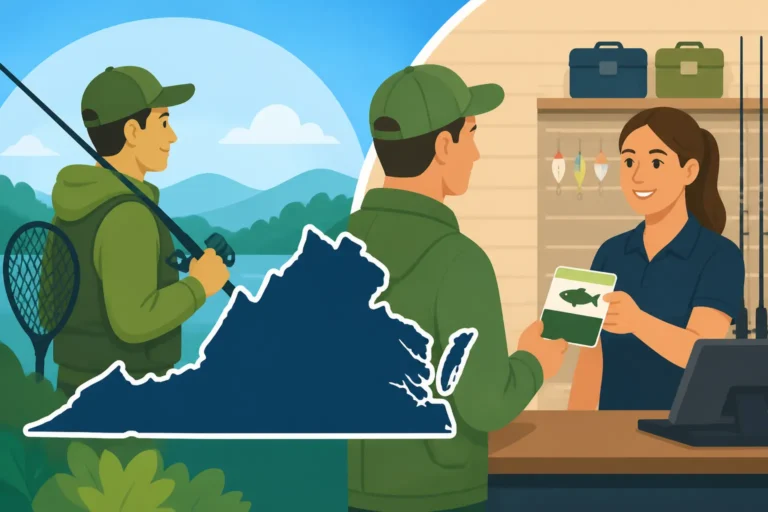
Then there's the in-person option, which is still a favorite for many. You can head to a local DWR license agent near popular fishing spots, often found in bait and tackle shops, Walmart, Kmart, or even some DMV customer service centers. This method offers immediate proof of purchase and allows you to chat with knowledgeable staff who might offer local fishing tips.
But what if you don't have reliable internet access, or prefer the tactile process of paper forms and mailing? Maybe you're planning ahead, or you live in a rural area where the nearest license agent is a long drive away. This is where the mail-in renewal really shines. It offers a convenient alternative, allowing you to handle your license renewal from the comfort of your home, at your own pace, and without needing to fire up a computer or drive anywhere. It's a traditional method that still holds significant value for many anglers across the state.
The Step-by-Step Guide to Mail-In Renewal for Your Virginia Fishing License
Renewing your Virginia fishing license by mail isn't complicated, but it does require a bit of attention to detail and planning ahead. Think of it like carefully preparing your gear before a big fishing trip – a little preparation makes all the difference for a smooth experience.
Gathering Your Essentials
Before you even think about putting pen to paper, you'll need to collect a few crucial items. Having everything organized upfront will prevent frustrating delays and ensures your application is processed efficiently.
First and foremost, you'll need the correct renewal form. While you might have received a paper reminder in the mail, the most reliable place to get the official form is usually from the Virginia Department of Wildlife Resources (DWR) website. Look for a section on "Licenses & Permits" and then "Buy a License." Often, they will have a printable application form specifically for mail-in requests. If you don't have a printer at home, a quick trip to a local library or office supply store can solve that. Make sure it's the current year's form, as details can sometimes change.
Next, you'll need your personal identification information. This typically includes your Virginia DWR customer ID number (it's usually printed on your old license), your full name, current address, date of birth, and possibly your driver's license number. Having your old fishing license handy is a huge help, as it contains most of this information. If you're applying for a new type of license, or if it's your very first time renewing after initially obtaining it another way, you might need to provide a bit more detail.
Finally, you'll need to figure out your payment. For mail-in renewals, the Virginia DWR typically accepts personal checks or money orders. Never send cash through the mail. Make sure your check or money order is made out to the "Treasurer of Virginia" or "Virginia DWR" for the exact amount of your license fee. If you're unsure about the exact cost, you can usually find current prices for a typical cost of a resident freshwater fishing license or other license types on the DWR website. For instance, Virginia fishing license costs and types explained outlines the various options available, from freshwater to saltwater and combination licenses. Double-check your calculations to avoid any shortfalls or overpayments that could delay processing. You can even pick up stamps or other mailing supplies from online retailers like Amazon to make sure you have everything you need without an extra trip.
Filling Out the Application Correctly
This step is critical. A small mistake on the form can lead to your application being returned, causing frustrating delays and postponing your next fishing adventure. Take your time and be meticulous.
Start by clearly writing all of your personal information. Use block letters if your handwriting isn't the clearest. Ensure your name, address, and date of birth match what's on your existing DWR record or identification. The DWR customer ID number is especially important as it helps them quickly locate your profile in their system. Don't forget to indicate whether you are a resident or non-resident, as this impacts the license fees.
Next, carefully select the type of license you wish to renew. Are you renewing your basic Virginia resident freshwater fishing license? Or perhaps a Virginia resident combination fishing license price? Maybe you need a special permit for stocked trout waters? Be specific. If you're unsure which one you need, refer to your old license or consult the DWR website for a breakdown of Freshwater and Saltwater Fishing Licenses in Virginia. Check the appropriate boxes and be clear about the duration (e.g., annual, 5-day, 10-day).
Once you've filled out all the necessary sections, carefully review the entire form. Did you miss anything? Is your payment amount correct? Did you sign and date where required? Many forms have a small "Declaration" or "Attestation" section that you must sign, confirming that the information provided is true and accurate. Overlooking this is a common reason for applications being sent back. It’s always a good idea to make a photocopy of your completed application and your check/money order for your records before you mail it. This way, if there's any issue or question, you have a copy of what you sent.
Packaging and Mailing Your Application
With the form filled out and your payment ready, it’s time to send it off! Proper packaging ensures your sensitive documents and payment reach the DWR safely and securely.
Place your completed application form and your check or money order inside a sturdy envelope. A standard business envelope will usually suffice. Make sure the envelope is sealed securely to prevent anything from falling out during transit.
Address the envelope clearly to the Virginia Department of Wildlife Resources. The exact mailing address for license applications is usually provided directly on the application form itself. It's often something like:
Virginia Department of Wildlife Resources
License Section
P.O. Box [Specific P.O. Box Number]
Richmond, VA [Specific Zip Code]
Always use the address listed on the current application form, as it can occasionally change. Apply the correct postage. It’s better to use slightly too much postage than too little, as insufficient postage will cause your mail to be returned, further delaying your renewal. You can purchase stamps at your local post office or, if you're like me and often run out, order a roll or two of stamps from Amazon to have on hand.
While optional, consider sending your application via certified mail with a return receipt requested. This provides proof that your application was sent and received by the DWR. It adds a small extra cost, but for peace of mind, especially if you're mailing critical documents, it can be well worth it. Once everything is sealed, stamped, and addressed, drop it in a secure mailbox or take it to your local post office. Now, the waiting game begins!
What to Expect After Mailing Your Renewal
After you've carefully prepared and mailed your fishing license renewal, it's natural to wonder when you'll receive your new license. Patience is definitely a virtue when dealing with mail-in processes, but it's also helpful to know what to expect and what to do if things don't go as planned.
Processing Times and When to Expect Your New License
Generally speaking, mail-in applications for Virginia fishing licenses aren't an instant process. The DWR needs time to receive your mail, open it, process the payment, update their records, print your new license, and then mail it back to you.
You can typically expect a processing time of anywhere from 2 to 4 weeks from the date they receive your application. This timeframe can vary depending on the time of year. For instance, peak fishing season or just before the start of a new license year might see slightly longer delays due to a higher volume of applications. If you mail your application around popular holidays, postal service delays could also add to the wait.
Because of this, it's highly recommended to send your renewal application at least a month before your current license expires. This gives you ample buffer time to receive your new license without any interruption to your fishing schedule. Remember, you must possess a valid, unexpired license to fish legally. Don't wait until the last minute if you're choosing the mail-in option! Once processed, your new physical license card will be mailed to the address you provided on the application.
Troubleshooting Common Mail-In Issues
Even with the best intentions and careful preparation, sometimes things go awry. Knowing how to troubleshoot common issues can save you a lot of stress.
One of the most frequent problems is delays or a lost application. If you've waited beyond the estimated 4-week processing window and haven't received your license, the first step is to check your bank statement. Has your check been cashed? If so, the DWR has received and processed your payment, and your license should be on its way or already active in their system. If the check hasn't been cashed, your application might be delayed in the mail or lost. This is where sending via certified mail with a return receipt can be invaluable, as it provides proof of delivery.
If your check hasn't been cashed and you're well past the expected timeframe, or if you simply need to confirm your license status, you should contact the Virginia Department of Wildlife Resources directly. Their customer service line or online portal for license inquiries is the best place to start. You'll need your DWR customer ID number and the date you mailed your application. They can often tell you if your application has been received, if there's a problem, or if a new license has been issued. They can also help you with how to check if your fishing license is still active.
Another potential issue could be an incomplete or incorrect application. If you made a mistake on the form, such as forgetting to sign it or writing the wrong license type, the DWR will typically mail the application back to you with a note explaining the issue. This is why making a photocopy of your submission is so important – it allows you to quickly identify what might have been wrong without having to wait for the original to be returned. If this happens, correct the error promptly and re-mail it, keeping in mind that this will add further delay to your renewal.
Pros and Cons of Mail-In Renewal
Every method of renewing your fishing license has its unique benefits and drawbacks. Understanding these can help you decide if the mail-in option is truly the right fit for your needs, or if another method, like visiting a Virginia DWR license agent near popular fishing spots, might be more suitable.
Advantages for Certain Anglers
The mail-in renewal option offers several compelling advantages, especially for specific groups of anglers in Virginia.
For starters, it's incredibly convenient for those who prefer to handle paperwork at home. You don't need to drive to a physical location or navigate a website. This can be a huge plus for individuals who live in remote areas of Virginia where internet access might be unreliable, or the nearest license vendor is a considerable distance away. Imagine not having to worry about gas money, driving time, or coordinating schedules just to get a simple license renewed.
Another significant benefit is for those who are less comfortable with technology. Not everyone is keen on online transactions or has a printer readily available. The mail-in method offers a familiar, traditional way to manage official documents, which can be reassuring for many. It allows for careful review of the application in a relaxed setting, away from the pressure of a checkout counter or a ticking online timer.
Furthermore, mail-in renewal can be ideal for meticulous record-keepers. By filling out a physical form and making a photocopy, you create a tangible record of your application. This can be particularly useful if you're someone who likes to keep physical files of all your important documents or if you're choosing the right fishing license for occasional anglers and want to ensure you've selected the correct one. It also gives you a clear paper trail if any questions or discrepancies arise later. Many anglers appreciate the peace of mind that comes with knowing they have a copy of exactly what they sent.
Potential Drawbacks and Alternatives
While mail-in renewal certainly has its perks, it's not without its downsides. Understanding these can help you make an informed decision and perhaps consider alternative methods when appropriate.
The most significant drawback is the time commitment. As discussed, mail-in applications can take several weeks to process and return. This isn't ideal for last-minute anglers who suddenly decide to go fishing and realize their license has expired. If you need your license immediately, waiting weeks is simply not an option. This contrasts sharply with the instant gratification of printing a paper copy of your Virginia fishing license after an online purchase or walking out of a store with a physical license in hand.
Another potential issue is the risk of mail delays or loss. While rare, mail can get lost or delayed, especially during busy seasons or due to unforeseen circumstances. This can lead to frustration, extra calls to the DWR, and further delays in getting your valid license. Sending sensitive information and payment via regular mail also carries a slightly higher risk, though certified mail can mitigate some of these concerns.
Finally, the mail-in method offers less flexibility for immediate corrections or questions. If there's an issue with your application, it has to be mailed back and forth, adding more time to the process. If you have questions about different Virginia fishing license types, such as a nonresident annual saltwater fishing license in Virginia or a Free Fishing License for Virginia Seniors 65 and Older, you can't get an immediate answer from the DWR via mail. This is where options like buying a license in person at a licensed vendor or utilizing the DWR's online portal for prompt assistance become more appealing.
For anglers who value speed and immediate verification, renewing their fishing license online via the Virginia DWR website or visiting a local vendor in person remains the most efficient choice. However, for those who plan ahead, prefer traditional methods, or face technological barriers, the mail-in option is a perfectly viable and valuable service offered by the state.
| Feature | Online Renewal | In-Person Renewal | Mail-In Renewal |
|---|---|---|---|
| Speed | Instant (print temporary license) | Immediate | 2-4 weeks (plus mail time) |
| Convenience | From home, 24/7, needs internet/printer | Local vendor during business hours | From home, needs mailing supplies/postage |
| Payment Options | Credit/debit card | Cash, credit/debit card | Check, money order (no cash) |
| Proof of License | Temporary printout, email confirmation | Physical license card | Physical license card (mailed later) |
| Record Keeping | Digital record, email confirmation | Physical receipt, license card | Physical copies of application/check, license card |
| Ideal For | Last-minute needs, tech-savvy anglers | Immediate needs, local advice, no internet | Planning ahead, no internet access, traditional preference |
| Common Issues | Printer issues, website glitches | Store hours, limited vendors | Mail delays/loss, incomplete applications |
Disclaimer
The information provided in this guide is intended for general informational purposes only and is subject to change. While we strive to provide accurate and up-to-date content, fishing regulations, license requirements, and fees can be updated by the Virginia Department of Wildlife Resources (DWR) at any time. It is always the angler's responsibility to verify the most current regulations and license information directly with the Virginia DWR before engaging in any fishing activities. This guide does not constitute legal advice.