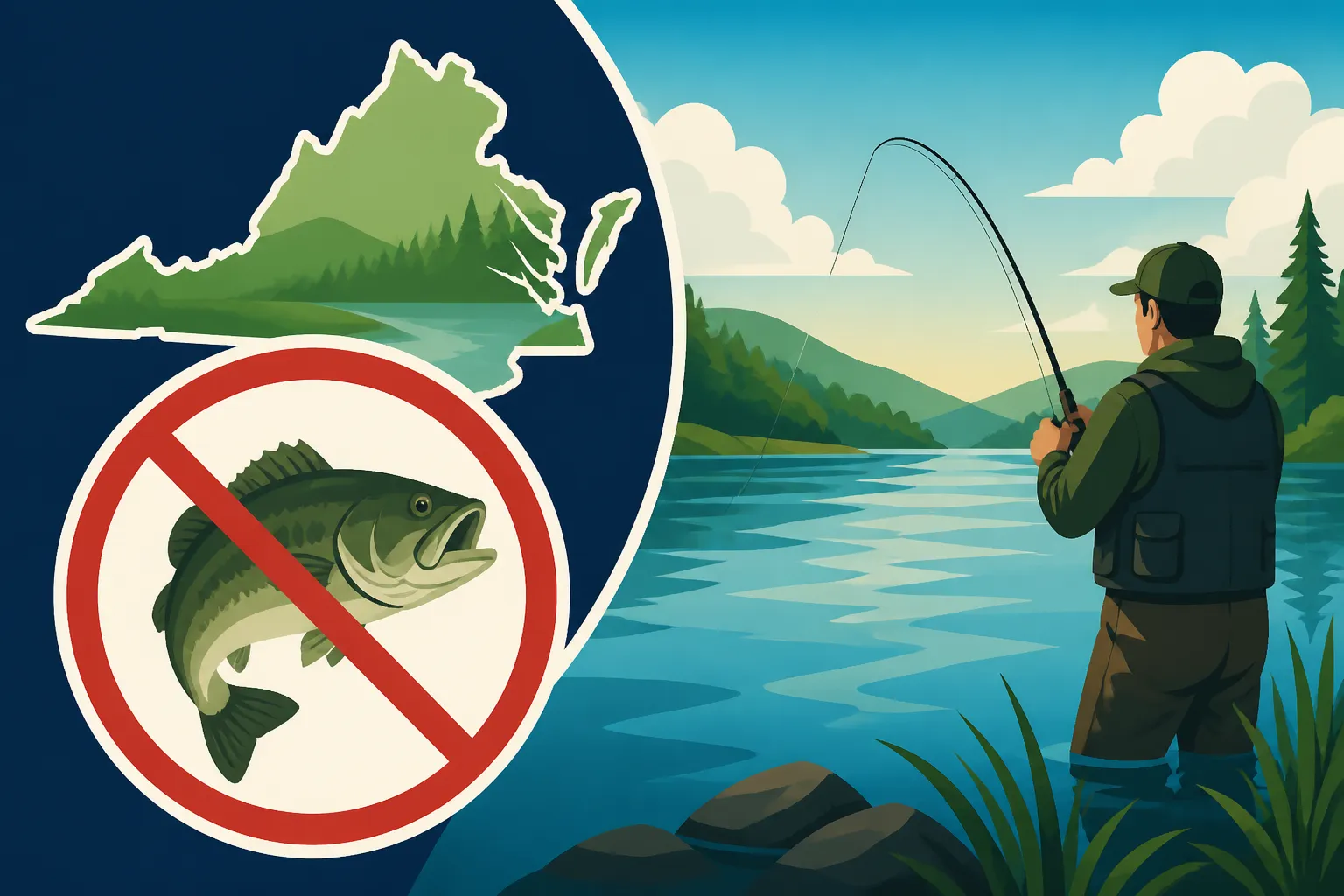
Special Slot Limits on Certain Virginia Waters
It’s easy to feel like you need a law degree just to go fishing in Virginia sometimes, isn't it? One minute you're happily casting, the next you hear whispers about a "slot limit" and your mind starts racing. You wonder if you’re suddenly breaking a rule you didn't even know existed. This comprehensive guide is here to untangle the complexities of special slot limits on certain Virginia waters, explaining why they're in place, how they work, and exactly where you need to pay close attention to avoid any unwelcome surprises from our diligent game wardens.
Why Special Slot Limits Exist in Virginia Waters
Before we dive into the nitty-gritty of where these special rules apply, let's chat about why they even exist. It's not just to make your life harder, I promise! These regulations are a crucial tool in the arsenal of our Department of Wildlife Resources (DWR) to ensure healthy, vibrant fish populations for generations of anglers to enjoy. It's all about balancing the fun of fishing with the vital need for conservation.
Protecting Trophy Fish Populations
One of the primary reasons for implementing slot limits is to protect those big, beautiful trophy fish that every angler dreams of catching. Think about it: larger, older fish are often the most successful spawners. They've proven their genetic fitness and contribute significantly more to the next generation than smaller, younger fish. By creating a slot limit – say, allowing you to keep fish below a certain size and above another, but not those in the middle – fisheries managers can effectively safeguard these prime breeders.
For example, if a lake is known for growing massive largemouth bass, a slot limit might dictate that you can only keep bass under 15 inches or over 22 inches. This means those prime breeding-age fish, perhaps between 15 and 22 inches, are protected and must be released. It allows them to continue their reproductive cycle, ensuring a steady supply of future lunkers. This strategy helps maintain a healthy age structure within the population, meaning you'll find a good mix of young, growing fish and mature, breeding adults. It's a long-term investment in fantastic fishing, and who can argue with that?
Restoring Depleted Fisheries
Sometimes, a particular fish population in a specific body of water might be struggling. Maybe there's been too much fishing pressure, or perhaps environmental factors have impacted their numbers. In these cases, slot limits can act as a powerful restoration tool. By carefully selecting a size range that protects the most vulnerable or crucial segments of the population, DWR can help a fishery bounce back.
Consider a scenario where a lake's crappie population has dwindled, and the remaining fish are mostly small. A slot limit might be put in place that allows anglers to keep only crappie above a certain size, letting the smaller fish grow to maturity and reproduce. Or, conversely, if a species is being overfished before it can reach reproductive age, a slot limit could protect fish within a specific, critical size range, allowing them to spawn at least once before being harvested. These aren't just theoretical possibilities; they're strategies actively employed by the DWR to rebuild and sustain our precious aquatic resources. It shows that our state is proactive in ensuring we all have plenty of fish to chase, which is something every angler can appreciate. To really understand the overarching framework, it's worth taking a look at the comprehensive guide on Virginia Fishing Regulations Explained.
Understanding How Slot Limits Work
So, what exactly is a slot limit, and how does it differ from the more straightforward "minimum length" rules you might be used to? It’s a common point of confusion, and honestly, it can be a little tricky until you get the hang of it. But once you grasp the concept, it becomes second nature.
Minimum and Maximum Size Restrictions
At its core, a slot limit means you can only keep fish that fall within a specific size range. Anything smaller than the minimum or larger than the maximum must be released immediately. It's like a Goldilocks rule for fish: not too small, not too big, just right.
For instance, you might encounter a 12-to-16-inch slot limit. This means any fish you catch that measures less than 12 inches or more than 16 inches must be returned to the water. Only fish measuring between 12 and 16 inches (inclusive, unless otherwise specified) are legal to keep. This is a stark contrast to a simple minimum size limit, where anything over a certain length is fair game. Slot limits are designed to funnel fishing pressure away from specific, vulnerable size classes of fish, often the largest, most prolific spawners or the smallest, still-growing juveniles. It's a nuanced approach to managing fish populations, far more intricate than a blanket "keep anything over X inches."
Catch-and-Release for Out-of-Slot Fish
This is perhaps the most critical aspect of slot limits: if a fish doesn't fall within the legal slot, you must release it. And not just any release; it needs to be done quickly and with the utmost care to maximize the fish's chances of survival. This means minimizing handling time, using wet hands to protect their slime coat, and, if possible, dehooking them while they're still in the water. Barbless hooks can be a real game-changer here, making it much easier to release fish unharmed.
Anglers often find that circle hooks are excellent for preventing deep hooking, especially when fishing with bait, which dramatically improves the survival rate of released fish. Remember, the goal of a slot limit isn't just to reduce harvest; it's to ensure the long-term health of the fishery by letting those protected fish live to fight another day, and more importantly, to reproduce. This commitment to careful catch-and-release is vital for the success of any slot limit program and shows respect for the resource we all enjoy.
Daily Creel Limits Within the Slot
Just because you've found a fish within the legal slot doesn't mean you can keep as many as you want. Slot limits are almost always paired with a daily creel limit (also known as a bag limit). This means you can only keep a certain number of fish that fall within the legal slot per day.
Let's use our earlier example: a 12-to-16-inch slot limit for bass, combined with a daily creel limit of 5 fish. You might catch ten bass throughout the day. Five of them measure 14 inches (perfectly in the slot!), and five measure 18 inches (too big). In this scenario, you could keep your five 14-inch bass, but the five 18-inch bass and any other bass you catch that are outside the slot (or if you already have your five legal fish) must be released. It's a combination of size and quantity control, designed to precisely manage the harvest and maintain a healthy fish population. It can feel like a lot to juggle, but mastering these rules is part of being a responsible angler in Virginia. For a deeper dive into overall catch limits, check out Virginia's Fishing License and Catch Limit Basics.
Key Virginia Waters with Noteworthy Slot Limits
Virginia is a diverse state, offering everything from mountain trout streams to expansive tidal rivers and massive reservoirs. With such variety, it's no surprise that regulations, including slot limits, can vary significantly from one body of water to another. Knowing these specific, localized rules is absolutely essential for a successful and legal fishing trip.
Black Bass Largemouth, Smallmouth on Specific Lakes
When it comes to black bass – that’s largemouth, smallmouth, spotted, and Alabama bass – Virginia generally has a statewide daily creel limit of 5 fish in aggregate. However, several of our premier bass fisheries have special slot limits that deviate from this general rule, and these are the ones you absolutely must pay attention to.
Take Smith Mountain Lake, for example, a truly legendary bass fishery. For largemouth bass on Smith Mountain Lake, you’re looking at a 15-to-22-inch slot limit. This means any largemouth bass you catch that measures between 15 and 22 inches must be immediately released unharmed. You can keep fish under 15 inches, and you can keep one fish per person over 22 inches, as part of your overall 5-fish daily limit. This specific regulation is designed to protect the prime breeding and growing bass in that critical size range, allowing them to become those truly massive trophy fish Smith Mountain Lake is famous for. It's a regulation that has undeniably contributed to the lake's reputation for producing some absolute giants. If you're planning a trip there, getting familiar with this is crucial; you can find more detailed information in our Smith Mountain Lake Fishing Guide.
Then there’s Lake Anna, another fantastic destination for bass anglers. Lake Anna also has its own special slot limit for largemouth bass: a 12-to-16-inch slot. Similar to Smith Mountain Lake, this means all largemouth bass caught between 12 and 16 inches must be released. You can keep fish under 12 inches, and you're allowed to keep one fish per person over 16 inches, within your 5-fish daily limit. This slightly different slot reflects the specific management goals and population dynamics of Lake Anna's bass. These special local rules are precisely why simply knowing the statewide bass limit isn't enough; you really need to drill down into the regulations for the specific body of water you plan to fish. Understanding these nuances is key to a successful outing, and our Lake Anna Fishing Guide can offer even more insights for your visit.
Striped Bass Regulations in Freshwater and Saltwater
Striped bass, often affectionately called "rockfish" in Virginia's coastal waters, are a hugely popular species, and their regulations can be among the most complex, especially given the split seasons and varying limits between freshwater and saltwater environments. This is a species that has seen significant regulatory changes over the years to protect its populations, making it vital to stay current.
For those targeting striped bass in our saltwater regions, primarily the Chesapeake Bay and its tidal tributaries, the regulations have been quite dynamic. As of my last check, the most common saltwater regulation for striped bass in Virginia is a single fish per person, within a 19-to-24-inch slot limit. This means any striper shorter than 19 inches or longer than 24 inches must be released. These limits are frequently adjusted by the Atlantic States Marine Fisheries Commission (ASMFC) and the Virginia Marine Resources Commission (VMRC) to manage the coast-wide stock, so it's always critical to check the very latest rules before heading out. Anglers often find this particularly frustrating because the rules can change frequently, but these adjustments are made with the health of the fishery in mind. If you’re heading to the Bay, our Chesapeake Bay Striped Bass Fishing Guide has more localized details.
Now, let's talk about freshwater striped bass, particularly in reservoirs like Smith Mountain Lake. The rules here are entirely different from their saltwater cousins, which can trip up even experienced anglers. On Smith Mountain Lake, for example, the regulation for striped bass is typically a daily limit of four fish per person, with one fish allowed to be over 29 inches, and the rest (up to four) must be between 18 and 29 inches. This creates a sort of modified slot with a "bonus" fish allowance. This distinction between freshwater and saltwater striped bass regulations highlights the need to know not just the species you're targeting, but also the type of water you're fishing. It's all about local management for specific populations. Always double-check the DWR regulations for the specific lake you're fishing to ensure you're compliant, as these valuable fish are closely monitored. You can get a general overview of striper rules in Striped Bass Season and Slot Limit in Virginia.
Trout Stream Special Regulations
Virginia's beautiful trout streams, especially those tucked away in our mountains, also have their own set of special regulations designed to protect these delicate fisheries. These rules often distinguish between "wild trout streams" (where trout reproduce naturally) and "stocked trout waters" (where the DWR regularly introduces hatchery-reared fish).
For wild trout streams, the regulations are usually more restrictive. Many wild trout waters in Virginia operate under a 7-inch minimum length limit, and often have a daily creel limit of 6 trout. However, some particularly sensitive wild trout streams are designated as "catch-and-release only," meaning absolutely no trout can be harvested, regardless of size. These streams are often marked with specific signage, and it’s important to identify them before you start fishing. The idea is to preserve the genetic integrity and natural reproductive capacity of these unique populations. This is especially true for our native brook trout, which are treasured indicators of healthy aquatic ecosystems. More information on these specific waters can be found in Wild Trout Stream Rules in Virginia.
In contrast, stocked trout waters typically have more liberal regulations, designed to provide ample opportunities for harvest. These streams are managed to provide a "put-and-take" fishery, meaning the DWR stocks them regularly, and anglers are encouraged to keep a reasonable number of fish. While there might still be a general statewide limit (often a 7-inch minimum and 6 fish daily), slot limits are rare in these waters, as the management goal is different. However, some put-and-take trout areas might have specific season dates or bait restrictions, so always consult the DWR's annual fishing regulations or their dedicated Virginia's Stocked Trout Season Guide for the most current information. The varying rules truly underscore how tailored these regulations are to the specific needs of each fishery.
Navigating the Regulations: Where to Find Up-to-Date Information
Alright, so we've established that slot limits are a real thing, they vary, and they're super important. The next logical question is: how on earth do you keep up with them? Believe me, I know the frustration of trying to find the exact current rule for your specific fishing spot. Regulations are living documents, constantly being reviewed and updated, so staying informed is an ongoing process.
Virginia DWR Website and Publications
Your absolute best, most reliable, and most up-to-date source for all Virginia fishing regulations, including special slot limits, is the Virginia Department of Wildlife Resources (DWR) website. Seriously, bookmark it! The DWR is the official regulatory body, and their site, DWR.Virginia.gov, is meticulously maintained. They typically publish a new set of regulations annually, usually available in digital format as a PDF, which you can easily download to your phone or tablet.
Beyond the annual guide, the DWR website also features news releases and specific regulation changes throughout the year, especially for species like striped bass where rules might be adjusted mid-season based on stock assessments. They also offer a fantastic mobile app, GoOutdoorsVA, which provides a convenient way to access regulations, purchase licenses, and even report harvests directly from your fishing spot. While it might feel like a lot of reading, familiarizing yourself with these resources is the single most important step you can take to ensure you're always compliant. Remember, ignorance of the law is never a valid excuse for a game warden! If you're new to the DWR site, you might want to start with the steps on Virginia DWR website fishing license purchase steps to get comfortable with the platform.
Local Bait Shops and Expert Guides
While the DWR website is the ultimate authority, there's an undeniable treasure trove of real-time, ground-level information available right in your community: your local bait and tackle shops. These folks aren't just selling hooks and worms; they're often avid anglers themselves, deeply immersed in the local fishing scene, and they make it their business to know the latest regulations. They hear about changes as soon as they happen and often deal with questions from other anglers, giving them a pulse on what's current.
Walking into a shop like a small independent tackle store or even the fishing section of a larger retailer like Gander Outdoors or Bass Pro Shops, and simply asking "Hey, what's the current slot limit for bass on Lake X?" can save you a lot of headache. They'll often have printouts of the latest regulations or be able to tell you instantly. Similarly, if you're ever considering booking a trip, a reputable Virginia Fishing Charters and Guides: The Complete Guide will be intimately familiar with every single regulation for their target species and waters. They literally rely on this knowledge for their livelihood, making them an excellent resource. You can often find specialized gear, and even some great reference books, on Amazon if you prefer to do your research there before hitting the local shop.
Avoiding Common Pitfalls and Ensuring Compliance
Nobody wants to have their fantastic day on the water interrupted by a conversation with a game warden about a violation. Even if it's accidental, the consequences can be a real buzzkill. Thankfully, with a little preparation and attention to detail, you can easily avoid most common pitfalls when dealing with special slot limits.
The Importance of Accurate Measurement
This might sound obvious, but accurate measurement is absolutely non-negotiable when a slot limit is in play. A quarter-inch can be the difference between a legal fish and a violation. Never "eyeball" a fish; always use a reliable measuring device. A sturdy, rigid measuring board (often called a "bump board") is your best friend. These are typically marked with clear, easy-to-read increments and have a fixed end to "bump" the fish's mouth against for consistent measurement.
When measuring, lay the fish flat on the board with its mouth closed and bumped against the end. Gently pinch the tail fin (caudal fin) to get the maximum length. Avoid using flimsy tape measures that can stretch or bend, leading to inaccurate readings. Remember, it's your responsibility to ensure your fish is within the legal slot. Having an easily accessible, accurate measuring device is as important as having the right bait or lure. You can find some excellent, easy-to-read fish rulers and bump boards on Amazon that will make this process a breeze, ensuring you're always confident in your catch.
Consequences of Non-Compliance
Let's be blunt: getting caught violating fishing regulations in Virginia is no joke. The DWR and Marine Resources Commission take their conservation duties very seriously, and their wardens are out there enforcing the rules to protect our natural resources. Ignorance of the law is not an excuse, and saying "I didn't know" won't get you out of a citation.
Penalties for fishing violations can range from significant monetary fines to suspension of your fishing license, and in some cases, even confiscation of your gear or boat. For serious or repeated offenses, legal action can follow. Imagine catching a prized bass, only to have to pay a hefty fine because it was just outside the slot limit. It's simply not worth the risk. Always double-check your regulations, measure carefully, and when in doubt, practice catch-and-release. It's better to release a potentially legal fish than to face the penalties for an illegal one. Understanding the rules is part of being a responsible angler, and it helps ensure that future generations can enjoy the same incredible fishing opportunities we do. If you're curious about the specifics, our guide on Penalties for Fishing Without a License in Virginia offers a look into potential repercussions for general infractions, which can apply to slot limit violations as well.
| Virginia Lake/Water | Species Targeted | Special Slot Limit (example) | Daily Creel Limit |
|---|---|---|---|
| Smith Mountain Lake | Largemouth Bass | Under 15" or over 22" (one over 22") | 5 fish total |
| Lake Anna | Largemouth Bass | Under 12" or over 16" (one over 16") | 5 fish total |
| Chesapeake Bay | Striped Bass | 19-24 inches (check current rules) | 1 fish |
| Smith Mountain Lake | Striped Bass | 18-29 inches (one over 29") | 4 fish |
| Wild Trout Streams | Brook/Rainbow/Brown Trout | 7-inch minimum (some C&R only) | 6 fish |
Disclaimer
The information provided in this guide is for general informational purposes only and is subject to change. Fishing regulations, including slot limits, can be updated frequently by the Virginia Department of Wildlife Resources (DWR) and the Virginia Marine Resources Commission (VMRC). It is the angler's sole responsibility to consult the official, current regulations from DWR.Virginia.gov or VMRC.Virginia.gov before fishing. Failure to comply with current regulations can result in fines and penalties.