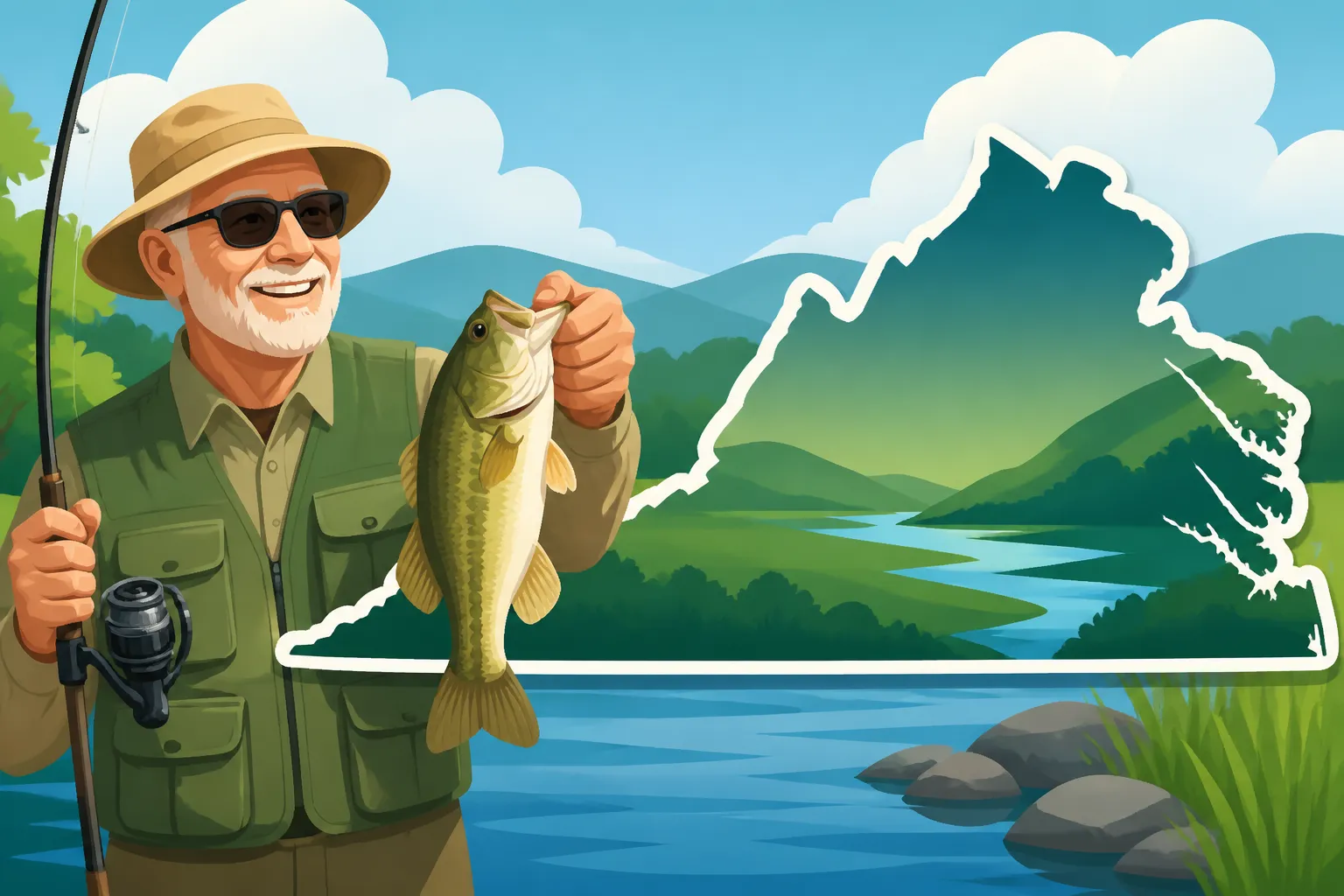
Anglers 65 and older fish Virginia’s freshwater waters without paying a license fee
There's a common misconception that once you reach a certain age, all fishing licenses become a thing of the past. While it's true that Virginia offers some wonderful concessions for its senior residents, especially when it comes to enjoying our beautiful freshwater fisheries, there are still specific rules to navigate. This guide aims to clear up any confusion and provide a comprehensive overview of how Virginia's fishing license requirements apply to anglers aged 65 and older, ensuring you can cast your line worry-free.
Understanding Virginia's Fishing License Exemptions for Seniors
The Commonwealth of Virginia values its senior citizens and recognizes the importance of providing opportunities for them to continue enjoying the state's natural resources. Fishing, a timeless pastime, is one such activity that Virginia makes more accessible for its older residents, particularly in freshwater environments.
The 65-Year-Old Freshwater Exemption
Let's get straight to the heart of the matter: If you are a resident of Virginia and are 65 years of age or older, you are indeed exempt from needing a state freshwater fishing license. This isn't a temporary pass; it's a full exemption designed to encourage lifelong engagement with our rivers, lakes, and ponds. This means you don't have to worry about the annual cost or the renewal process for a standard resident freshwater license. Imagine the relief of just grabbing your tackle box, maybe a new rod you saw on Amazon, and heading out the door without a second thought about paperwork.
This exemption applies to purely freshwater bodies within the state. Think about casting a line into the serene waters of Lake Anna, pursuing largemouth bass in Smith Mountain Lake, or enjoying a quiet afternoon on a local pond. These are the kinds of spots where your age gives you a special pass. The Virginia Department of Wildlife Resources (DWR) has streamlined this to be as straightforward as possible, acknowledging the many years you've likely contributed to the state and its conservation efforts. It's a small thank you, if you will, for a lifetime of being a Virginian.
Why This Exemption Exists
These kinds of exemptions aren't just arbitrary gestures; they're rooted in thoughtful policy and a deep appreciation for community. One of the primary reasons Virginia offers this freshwater license exemption to seniors is to encourage continued outdoor recreation and healthy living. Fishing is a fantastic way for older adults to stay active, engage with nature, and maintain social connections. It provides a peaceful escape, a challenge, and a chance to create memories with family and friends.
Furthermore, these policies often reflect a recognition of the demographic's fixed incomes. By removing the cost barrier of an annual license, the state helps ensure that fishing remains an affordable and accessible hobby for those on a budget. It's a way to give back to a generation that has often contributed significantly to society and conservation over the years. This exemption aligns with broader conservation goals by fostering a love for the outdoors, which indirectly supports future generations of anglers and environmental stewards. While you might not be paying for a license, the funds from other anglers' licenses still support critical DWR programs, ensuring healthy fisheries for everyone. You can learn more about all the various permits and requirements in our comprehensive Virginia Fishing License Guide.
Distinguishing Freshwater from Saltwater Rules for Seniors
This is where many anglers, especially those new to fishing in Virginia or those transitioning from other states, can get tripped up. The senior freshwater exemption is fantastic, but it's crucial to understand its limitations.
The Saltwater Exception: It's a Different Kettle of Fish
Despite the freshwater exemption, if you're a Virginia resident aged 65 or older and you plan to fish in saltwater, you do still need to comply with specific registration or license requirements. This is a common point of confusion, but it's an important distinction made by the Virginia Marine Resources Commission (VMRC), which manages saltwater fishing in the state. You cannot simply assume your age covers all types of fishing.
For saltwater fishing, Virginia offers a couple of options for seniors. Many senior anglers opt for the Virginia offers a one-time $5 saltwater license for anglers over 65. This is an incredibly affordable, lifetime option that grants you the necessary permissions for saltwater recreational fishing. It’s a fantastic deal that ensures you’re covered for all your future trips to the coast. Alternatively, the state also offers the Free FIP saltwater registration for Virginia seniors explained. While this registration is free, it typically needs to be renewed annually and might have slightly different stipulations. Both options provide a legitimate way to enjoy the bountiful waters of the Chesapeake Bay and the Atlantic Ocean. Make sure you understand the nuances of each to choose the best fit for your fishing habits.
Identifying Freshwater vs. Saltwater Fishing Areas
Knowing where the lines are drawn between freshwater and saltwater is absolutely critical for compliance. It's not always as simple as "rivers are freshwater, the ocean is saltwater." Many of Virginia's major rivers, such as the James, York, Rappahannock, and Potomac, have significant tidal sections that are considered saltwater or "brackish" (a mix of fresh and salt).
- Freshwater: Generally refers to inland lakes, ponds, and river sections above the "freshwater/saltwater demarcation line" which is legally defined for each river. These areas are typically characterized by fish species like largemouth bass, smallmouth bass, crappie, bluegill, and various catfish. If you're fishing these areas, and you're a Virginia resident 65 or older, you're good to go without a license.
- Saltwater/Brackish Water: This includes the entire Chesapeake Bay, its tidal tributaries up to their demarcation lines, and the Atlantic Ocean. Here, you'll find species like striped bass (often called rockfish), flounder, red drum, croaker, and speckled trout. If your target species are saltwater fish or you're fishing in waters influenced by the tides and salinity, you'll need that special senior saltwater license or registration.
Always err on the side of caution. If you're unsure whether a specific section of a river is considered freshwater or saltwater, consult the Virginia DWR or VMRC regulations maps, often available on their websites, or ask at a local tackle shop. They're usually happy to help clear up any confusion and help you understand Virginia Fishing Regulations Explained.
Important Considerations Beyond the License Exemption
Even with the fantastic benefit of a freshwater license exemption, being a responsible and law-abiding angler involves more than just holding the correct piece of paper – or, in this case, no paper at all.
Still Need to Know the Regulations
The absence of a license requirement for senior freshwater anglers does not mean an absence of rules. Every angler, regardless of age or license status, must adhere to the prevailing fishing regulations for the specific waters they are fishing. These regulations cover a wide array of factors designed to protect fish populations and ensure sustainable angling for everyone.
For instance, you'll still need to be aware of:
- Catch Limits: How many fish of a certain species you can keep per day. For example, Virginia's daily bass limit is 5 fish combined, meaning you can't keep more than five largemouth, smallmouth, or spotted bass in total.
- Size Limits: Minimum or maximum lengths for fish you intend to keep. Keeping an undersized or oversized fish can result in a citation.
- Season Dates: When certain species can or cannot be harvested. Some species have specific seasons to protect them during spawning or other vulnerable periods.
- Gear Restrictions: What types of bait, lures, or methods are allowed in certain areas. This is especially true for specialized areas like Wild Trout Stream Rules in Virginia, which often have strict rules on tackle.
Imagine landing a beautiful striped bass in the tidal James River, only to realize it's outside the legal slot limit. Or catching too many crappie on a particular lake because you didn't check the daily creel limit. Ignorance of the law is never an excuse, and game wardens are out there making sure everyone plays by the rules to protect our resources. It's always best to consult the DWR fishing regulations guide, available online or at many license agents, before each trip.
Required Registrations and Permits (Even for Exempt Anglers)
While your age grants you a freshwater license exemption, there are still a few scenarios where additional permits or registrations might be necessary. This is especially true for specific types of fishing or certain bodies of water.
The most common example is trout fishing. If you plan to fish in designated stocked trout waters, even as a senior with a freshwater exemption, you will generally need to purchase a Virginia Freshwater Trout License (often called a trout stamp). This is a separate permit that funds the stocking program and ensures continued opportunities for trout fishing across the state. It's a key distinction often overlooked, and not having this stamp in a stocked trout stream can lead to trouble. So, if you're heading to a stream known for its stocked trout, make sure you're covered. You can get a deeper dive into this specific requirement in our article, Stocked Trout License Requirements in Virginia, and get answers to the common question, Do you need a special license to fish stocked trout waters in Virginia?.
Additionally, if you're fishing on certain federal lands, such as national parks or forests, there might be specific federal permits required in addition to state regulations. While less common for general angling, it's worth a quick check if you're venturing into these protected areas. Always check local signage or websites for any specific site permits.
Knowing these nuances is part of being a seasoned angler. Even without a general license, understanding the full scope of Virginia's Fishing License and Catch Limit Basics is essential for a peaceful and legal day on the water.
Practical Tips for Senior Anglers in Virginia
Fishing should be an enjoyable and stress-free experience, especially for senior anglers. A little preparation and awareness can go a long way in ensuring your trips are safe, comfortable, and successful.
Carrying Proof of Age and Residency
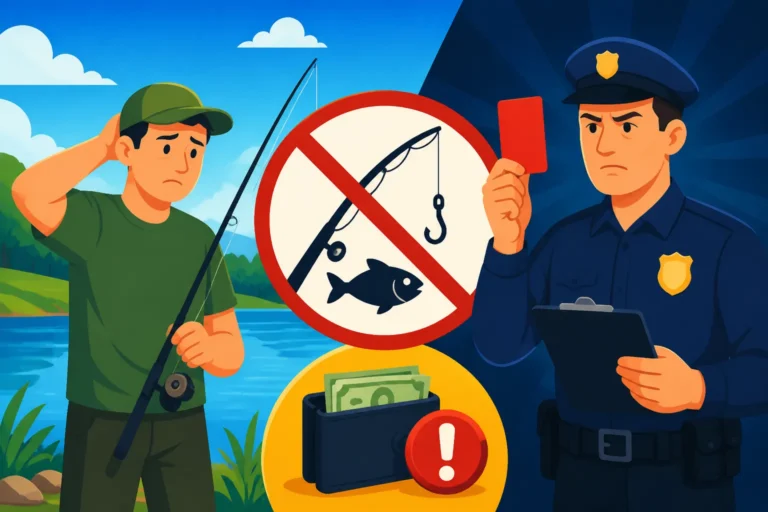
Even though you're exempt from purchasing a freshwater license, it's absolutely vital to carry proof of your age and Virginia residency when fishing. Imagine a scenario: you're enjoying a peaceful morning fishing on the James River, catching some beautiful panfish, when a Virginia DWR game warden approaches for a routine check. They'll ask for your fishing license. While you don't have one, you'll need to demonstrate why you're exempt.
Acceptable forms of identification typically include a valid Virginia driver's license or a Virginia Department of Motor Vehicles (DMV) issued identification card. These documents clearly show your birth date and current address, proving both your age and residency status. It's always a good idea to keep this identification easily accessible, perhaps in a waterproof pouch in your tackle box or fishing vest. Being able to quickly and clearly demonstrate your exemption status will make the interaction smooth and pleasant, allowing you to get back to fishing without delay. Without proper identification, you could face the same consequences as someone without any license, which can lead to Penalties for Fishing Without a License in Virginia.
Staying Safe and Comfortable While Fishing
Comfort and safety are paramount for any angler, but especially for seniors. Our bodies change over time, and what was easy in our younger days might require a bit more planning now.
- Sun Protection and Hydration: Virginia's sun can be intense, even on cloudy days. Always wear a wide-brimmed hat, sunglasses, and apply sunscreen generously. Dehydration is a serious risk, so bring plenty of water or other hydrating beverages.
- Appropriate Gear: Invest in comfortable, supportive footwear, especially if you plan on standing for long periods or walking along uneven banks. A lightweight, comfortable fishing chair can make a world of difference for bank fishing. Consider gear designed for ease of use, like fishing rods with comfortable grips or reels that are easy to operate. You might even find some excellent ergonomic fishing accessories, like a tackle box with a comfortable strap or a quality fishing net, on Amazon.
- Accessibility: Choose fishing spots that offer easy access and level ground. Many state parks and public fishing piers are designed with accessibility in mind, often featuring paved paths and sturdy railings. If you use a wheelchair or have mobility challenges, look for designated accessible fishing locations.
- Buddy System: Whenever possible, fish with a friend or let someone know where you're going and when you expect to return. This is a good safety practice for anyone, but particularly helpful for seniors.
- First Aid: Carry a small first-aid kit with essentials like bandages, antiseptic wipes, pain relievers, and any personal medications you might need.
Remember, fishing is about relaxation and enjoyment. Don't push yourself too hard, and always prioritize your well-being. There's no shame in taking breaks, seeking shade, or deciding to call it a day if you're feeling tired. Our local tackle shops, or even larger retailers like Bass Pro Shops or Cabela's, often carry senior-friendly gear. You can also explore options online, where platforms like Amazon offer a huge variety of comfortable seating, easy-grip tools, and sun protection tailored for long days outdoors.
Comparing Senior Fishing License Requirements
To help clarify the differences between freshwater and saltwater fishing for Virginia seniors, here's a quick overview:
| Requirement Category | Virginia Resident Seniors (65+) for Freshwater Fishing | Virginia Resident Seniors (65+) for Saltwater Fishing |
|---|---|---|
| General License | EXEMPT (No general freshwater license needed) | REQUIRED (Either a $5 Lifetime Saltwater License OR Annual FIP Registration) |
| Trout Stamp | REQUIRED if fishing in designated stocked trout waters | N/A (Trout are freshwater species) |
| Proof of Age/Residency | REQUIRED to show exemption if checked by warden | REQUIRED to obtain specific saltwater license/registration & show if checked |
| Catch/Size Limits | STILL APPLY | STILL APPLY |
| Season Dates | STILL APPLY | STILL APPLY |
| Federal Permits | May apply on certain federal lands | May apply on certain federal lands (less common for saltwater) |
Understanding these distinctions is key to a hassle-free fishing experience. Whether you're planning a trip to a local pond or dreaming of a big catch in the Chesapeake Bay, make sure you're properly prepared with the right documentation. If you ever need to buy a different type of license or permit, you can explore the various options and locations at Where to Buy a Virginia Fishing License.
Disclaimer
Please remember that fishing regulations can change. While this guide provides the most current information available, it is always your responsibility to verify the latest regulations directly with the Virginia Department of Wildlife Resources (DWR) and the Virginia Marine Resources Commission (VMRC) before you head out to fish. This content is for informational purposes only and does not constitute legal advice.