Lake Anna Fishing Guide
There’s nothing quite as frustrating as heading out for a day on the water, full of hope, only to find yourself casting into what feels like a barren desert. We’ve all been there, wondering if the fish just packed up and left, or if there’s some secret everyone else knows. Lake Anna can feel like that sometimes with its vastness and unique characteristics, but don't worry – it's teeming with incredible fishing opportunities once you understand its rhythm. This guide is going to peel back the layers, sharing everything you need to know to make your next Lake Anna fishing trip a resounding success.
Unlocking the Secrets of Lake Anna's Fisheries
Lake Anna, a true gem in Virginia's fishing crown, isn't just another pretty lake. It's an intricate ecosystem shaped by human ingenuity and natural beauty, offering a diverse array of angling experiences. Understanding its foundational characteristics is the first step to truly mastering its waters and consistently finding success.
A Brief History and Unique Characteristics of Lake Anna
Nestled in the heart of Virginia, Lake Anna didn't come into existence naturally. It was formed in 1971 by the Virginia Electric and Power Company (now Dominion Energy) to serve as a cooling pond for the North Anna Nuclear Generating Station. This origin story is crucial because it directly influences the lake's unique thermal properties, which we’ll dive into shortly. Covering approximately 13,000 acres, it's one of Virginia's largest freshwater lakes, boasting over 200 miles of shoreline dotted with coves, points, and deep channels.
What makes Lake Anna truly stand out, beyond its sheer size and man-made origins, is its incredible fish habitat. The lake was initially stocked with a variety of species, and over the decades, these populations have thrived, creating a robust and diverse fishery. From submerged timber and rocky bottoms to expansive grass beds in certain areas, there's a structure for almost every popular freshwater species. The lake's clear to moderately stained water also presents different challenges and opportunities for anglers, demanding a versatile approach to lure selection and presentation.
Navigating the "Hot Side" and "Cold Side" Dynamics
Perhaps the most defining characteristic of Lake Anna is its division into two distinct sections: the "cold side" and the "hot side," or more formally, the main lake and the private side. The main lake, often referred to as the "cold side," is open to the public and functions like any other large reservoir. This is where you'll find most of the public access points, marinas, and a wider array of fishing environments. Water temperatures here fluctuate seasonally, dictated by ambient air temperatures and natural processes.
The "hot side," on the other hand, is a series of interconnected ponds and canals on the private side of the lake, separated from the main body by dikes. This section receives warm water discharged from the power plant, which keeps its temperatures significantly higher than the main lake, especially during colder months. This creates a fascinating micro-climate that drastically alters fish behavior and concentration. For instance, during winter, while the main lake might be frigid and slow, the hot side can offer incredible action for bass and stripers that are drawn to the warmer, more active waters. Conversely, in the peak of summer, the hot side can become too hot, pushing fish into deeper, shadier areas or back towards the main lake. Understanding this thermal dynamic is key to year-round success on Lake Anna.
Mastering Bass Fishing on Lake Anna
When people talk about fishing Lake Anna, bass often comes up first. And for good reason! The lake is a premier destination for both largemouth and striped bass, offering thrilling action and the chance at truly trophy-sized fish. But like any good fishery, it demands strategy and adaptation.
Largemouth Bass Strategies for Every Season
Largemouth bass are the undisputed kings of Lake Anna's shallow and mid-depth waters, providing exciting opportunities throughout the year. In spring, as water temperatures rise and bass move towards their spawning grounds, targeting shallow coves and protected pockets becomes crucial. Look for areas with emergent vegetation, submerged brush, or rocky points. Jerkbaits, spinnerbaits, and square bill crankbaits can be incredibly effective during the pre-spawn. Once the spawn is in full swing, flipping jigs or soft plastics into bedding areas can yield big results, though many anglers practice catch-and-release during this sensitive period. Understanding the nuances of How to Catch Bass in Spring Before the Spawn can significantly improve your early season success.
Summer fishing for largemouth on Lake Anna often means going deep or going early/late. As the sun beats down and water temperatures soar, bass will retreat to cooler, deeper water or seek refuge in dense cover. Carolina rigs, deep-diving crankbaits, and shaky heads are excellent choices for probing offshore humps, ledges, and deep brush piles. Don't forget the early morning topwater bite around docks and grass edges, or the incredible Night Fishing Techniques that can be employed when bass move shallow under the cover of darkness. In fall, bass become much more active, feeding heavily in preparation for winter. They'll often school up and chase baitfish, making chatterbaits, lipless crankbaits, and swimbaits highly effective around main lake points and creek channels. As winter sets in, the bite slows, but quality fish can still be caught on slower presentations like jigs, blade baits, or suspending jerkbaits fished patiently in deeper pockets and channels, especially on the warmer "hot side."
Targeting Striped Bass in Lake Anna's Depths
Lake Anna is famous for its thriving striped bass fishery, often referred to as "stripers" or "rockfish." These powerful, hard-fighting fish provide an adrenaline rush that few other freshwater species can match. Unlike their largemouth cousins, stripers are pelagic, meaning they often suspend in open water, chasing schools of baitfish like gizzard shad. This requires a different approach, often involving trolling or live bait.
The best places to target stripers on Lake Anna are typically main lake points, deep humps, and the channels of the larger creeks. Trolling with large crankbaits, bucktail jigs, or umbrella rigs is a popular and effective method, allowing you to cover vast amounts of water and find active schools. Downriggers are often used to present lures at precise depths where baitfish and stripers are holding. Live bait, especially large gizzard shad, can be deadly when fished on freelines or weighted down to specific depths. In the winter months, the warmer waters of the "hot side" become a magnet for stripers, offering some of the most consistent action of the year. Understanding Where to Catch Striped Bass on Lake Anna is crucial, as their patterns differ greatly from largemouth. They are truly an incredible sportfish and well worth the effort.
Best Largemouth Bass Coves on Lake Anna, Virginia
Lake Anna is absolutely riddled with fantastic coves that hold largemouth bass, each with its own character and charm. Knowing which ones tend to produce consistently can save you a lot of time on the water. For instance, the large coves in Sturgeon Creek and Goldmine Creek are perennial favorites. These areas offer a mix of submerged timber, boat docks, and varying depths, providing excellent cover and foraging opportunities for bass. They are particularly productive during the spring spawn and fall feeding frenzies, when bass are more concentrated in shallower waters.
Further down the lake, around the mid-lake area, sections of Ware Creek and Elk Creek also offer numerous smaller coves and pockets that can be goldmines. These often feature extensive grass beds, especially in the shallower sections, which provide perfect ambush points. Topwater lures like frogs and poppers can be incredibly exciting in these grassy areas during warmer months, while Texas-rigged worms and jigs can probe the edges of the cover. Exploring these specific areas mentioned in Best Largemouth Bass Coves on Lake Anna, Virginia can dramatically increase your chances of finding quality fish. Always remember to pay attention to subtle changes in depth, cover, and water clarity within each cove, as these factors will dictate where the bass are holding.
Beyond Bass: Crappie, Catfish, and More
While bass often get the spotlight on Lake Anna, this versatile fishery offers so much more. Anglers looking for different challenges, or simply a delicious meal, will find plenty to love in the lake's diverse population of crappie, catfish, and other panfish.
Finding and Catching Lake Anna's Abundant Crappie
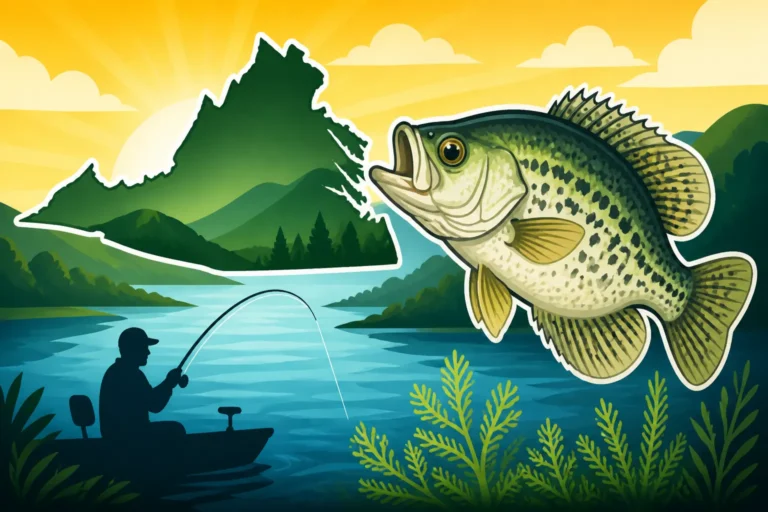
Crappie fishing on Lake Anna can be absolutely phenomenal, especially in the spring and fall. These panfish are known for their delicate bite and delicious taste, making them a favorite target for many anglers. They tend to congregate around structure, particularly submerged brush piles, standing timber, and boat docks. In the spring, they’ll move into shallower coves and creek arms to spawn, often found around wood or rip-rap.
The key to consistent crappie success often lies in finding these brush piles or timber beds, which can be done effectively with a good fish finder. Once located, vertical jigging with small jigs (1/16 to 1/8 ounce) tipped with a small plastic grub or minnow is incredibly effective. Trolling with multiple small jigs at varying depths, known as tightlining, is another popular method for covering water and locating schools. For more in-depth strategies, checking out Crappie Jigging Techniques can provide invaluable tips. Don't overlook the deep water around bridge pilings and major creek channels during the summer and winter months, as crappie will often suspend there in large schools. The hot side can also hold some impressive crappie, especially in the cooler months, as they too are drawn to the warmer water.
Best Catfish Holes on Lake Anna, Virginia
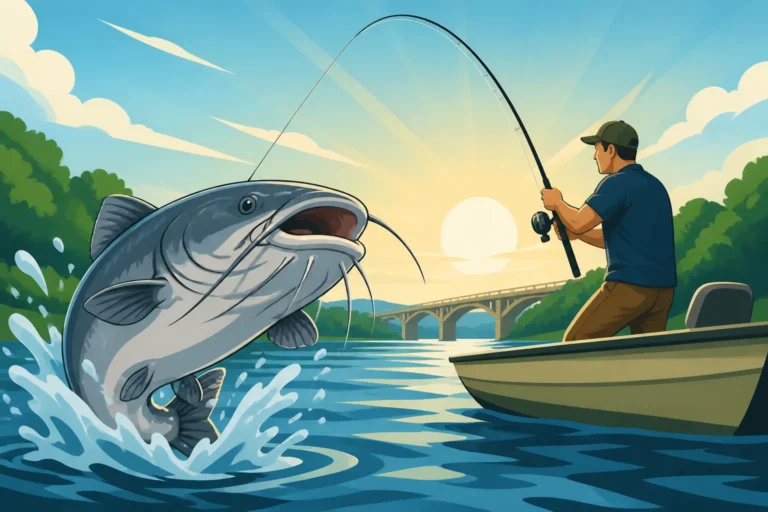
If you're after a powerful fight and a substantial catch, Lake Anna's catfish population won't disappoint. The lake is home to channel catfish, blue catfish, and flathead catfish, with the latter two capable of reaching impressive sizes. Catfish are generally less finicky than bass or crappie, making them an excellent target for anglers of all skill levels, and they provide a fantastic opportunity for a family outing.
The major creek channels and deeper areas of the main lake are prime catfish territory. Look for areas with a soft bottom, especially near bends in the channel or around submerged logs and debris. The mouths of Sturgeon Creek, Goldmine Creek, and the deeper sections near the dam are known hotspots. For bait, cut bait (like shad or herring), chicken livers, nightcrawlers, and stink baits are all highly effective. For flatheads, live bait like bluegills or small perch often works best. Fishing on the bottom with a Carolina rig is the most common technique, allowing your bait to sit right where these bottom-dwelling giants feed. Night fishing is particularly productive for catfish, as they are primarily nocturnal feeders. For detailed locations and tactics, consult Best Catfish Holes on Lake Anna, Virginia.
Other Popular Species and How to Target Them
Beyond the big three – bass, stripers, crappie, and catfish – Lake Anna is home to a delightful array of other species that offer fantastic fishing opportunities, especially for those looking for a relaxed day or introducing kids to fishing. Sunfish, including bluegill and redear sunfish, are abundant throughout the lake. They are often found in shallow, weedy areas, around docks, and near shorelines, making them perfect targets for light tackle. A simple setup with a bobber, a small hook, and a piece of worm or a tiny artificial grub is usually all it takes to catch a mess of these feisty panfish. They provide continuous action and are an ideal choice for beginner anglers.
Yellow perch and white perch are also present, especially in the deeper, cooler sections of the main lake. These schooling fish can be found in similar habitats to crappie, often suspended over brush piles or around bridge pilings. Small jigs, minnows, or tiny spoons are effective for enticing them. While not as heavily targeted as other species, they offer excellent table fare and a fun fight on ultralight gear. Always be mindful of Virginia Fishing Regulations Explained for all species, as limits and seasons can vary. Lake Anna truly offers something for everyone, regardless of skill level or preferred target.
Essential Gear and Techniques for Lake Anna Anglers
Having the right tools for the job can make all the difference, and fishing Lake Anna is no exception. While you don't need a tackle shop's worth of gear, understanding the basics for rods, reels, lines, and lures tailored to Lake Anna's environment will significantly improve your chances of success.
Recommended Rods, Reels, and Lines for Lake Anna
For largemouth bass, a good all-around setup would be a 6'6" to 7' medium-heavy action spinning or casting rod paired with a matching reel. Spinning reels are excellent for lighter baits and finesse techniques, while casting reels offer more power and precision for heavier lures and pitching into cover. For line, 10-15 lb fluorocarbon or monofilament is a versatile choice, offering a good balance of strength and castability. Braid (20-30 lb) with a fluorocarbon leader is also popular, especially when fishing around heavy cover, as it provides superior sensitivity and strength.
When targeting striped bass, you'll want a heavier setup. A 7' medium-heavy to heavy action casting rod with a robust baitcasting or conventional reel is ideal. Spool up with 15-25 lb monofilament or 30-50 lb braided line, especially if you're trolling or fighting larger fish. Stripers hit hard and fight dirty, so reliable gear is a must. For crappie and panfish, opt for ultralight or light action spinning rods, typically 5' to 6'6" in length. Pair these with small spinning reels spooled with 4-6 lb monofilament or fluorocarbon. This lighter tackle makes even a small bluegill feel like a trophy and enhances the fight from crappie. Choosing the right gear is fundamental for feeling those subtle bites and having the power to land your catch.
Go-To Lures and Baits for Success
Lake Anna's diverse fish population means you'll want a versatile tackle box. For largemouth bass, some absolute must-haves include:
- Plastic Worms and Jigs: Texas-rigged worms (like a Senko or Zoom Trick Worm) in green pumpkin or black/blue are unbeatable for pitching to docks and brush. Jigs, especially football jigs or skirted jigs, are fantastic for probing deeper structure or flipping into heavy cover.
- Crankbaits: Square bill crankbaits in shad or crawfish patterns for shallower water, and deep-diving crankbaits for offshore ledges and humps.
- Spinnerbaits and Chatterbaits: Excellent for covering water and fishing around grass or wood. White, chartreuse, and perch patterns are often productive.
- Topwater Lures: Frogs, poppers, and walking baits for early morning and late evening action, especially around grass or docks.
For striped bass, focus on lures that imitate their primary forage:
- Large Crankbaits: Deep-diving models in chrome, shad, or pearl.
- Bucktail Jigs: White or chartreuse, often tipped with a soft plastic trailer.
- Umbrella Rigs: These mimic a school of baitfish and are incredibly effective for trolling.
- Live Bait: Gizzard shad or herring, if available, are often irresistible to stripers.
When it comes to crappie and panfish, keep it simple but effective:
- Small Jigs: 1/32 to 1/8 ounce jigs in chartreuse, white, or black, tipped with small plastic grubs or tubes.
- Minnows: Live minnows under a bobber are a classic and highly effective crappie and perch bait.
- Worms: Red wigglers or nightcrawlers for bluegill and other sunfish.
Mastering the Art of Seasonal Presentations
The truly successful anglers on Lake Anna understand that fish behavior changes dramatically with the seasons, and so too must their presentation. It's not just about what you throw, but how you throw it, and where you put it. In spring, bass are actively shallow, preparing to spawn. This means covering water with moving baits like spinnerbaits and chatterbaits, and then slowing down with jigs or soft plastics once you locate active fish near cover. A slower, more deliberate retrieve is often key. As you think about your approach, remember that Best Time of Year for Bass Fishing in Virginia insights will help you adapt.
Summer often calls for deeper presentations during the day, focusing on offshore structure like humps, ledges, and creek channel drops. Carolina rigs, deep crankbaits, and even dropshot rigs become invaluable for targeting these suspended or deep-holding fish. During low light conditions (dawn, dusk, or night), fish might move shallower, opening up opportunities for topwater or shallow-running crankbaits. Fall sees fish becoming aggressive as they feed heavily. Fast-moving baits like lipless crankbaits, swimbaits, and jerkbaits become highly effective, especially around schooling baitfish on main lake points and creek mouths. Covering water is important to find those active schools. Finally, winter demands patience and a very slow presentation. Jigs, blade baits, and suspending jerkbaits fished meticulously in deep holes or on the warmer "hot side" of the lake will coax bites from lethargic fish. Understanding Summer Bass Fishing Patterns can help you transition your techniques as the season progresses.
Planning Your Lake Anna Fishing Adventure
A successful fishing trip to Lake Anna starts long before your line hits the water. From knowing where to launch your boat to understanding the local rules and considering expert help, a little planning goes a long way.
Boat Ramps on Lake Anna for Fishing Access and Shore Fishing Options
Lake Anna offers several excellent boat ramps, making access for boat anglers relatively easy. Public ramps are primarily located on the main lake (the "cold side"). Popular options include the Lake Anna State Park ramp, which offers multiple lanes, ample parking, and additional amenities like restrooms and picnic areas. There's usually a small fee to enter the park. Another good public access point is the DWR Lake Anna Boat Ramp off Elk Creek Road, which provides direct access to one of the lake's productive creek arms. For those looking for more specific amenities or services, several private marinas around the lake also offer launch facilities, though these typically come with a higher fee. These include Anna Point Marina and Sturgeon Creek Marina, which also offer fuel, bait, and tackle. Exploring Boat Ramps on Lake Anna for Fishing Access will give you a comprehensive overview and help you pick the best spot for your departure.
While Lake Anna is predominantly a boat-fishing destination due to its size, there are some limited shore fishing opportunities. Lake Anna State Park offers designated bank fishing areas, docks, and a fishing pier, making it an excellent choice for anglers without a boat or for families with young children. These spots can be great for catching panfish, catfish, and even some largemouth bass, especially in the spring and fall. Additionally, some residential areas and private rental properties might offer limited shore access for guests. Always be mindful of private property signs and respect local residents' privacy. For shore anglers, patience and a willingness to explore will pay off.
Understanding Lake Anna's Regulations and Licenses
Before you even think about casting a line, you absolutely need to make sure you're legally equipped. Fishing in Lake Anna, like all public waters in Virginia, requires a valid Virginia freshwater fishing license. This isn't just a formality; it’s how the state funds critical conservation efforts and maintains the incredible fisheries we all enjoy. If you're a resident, the cost is quite reasonable, and non-residents also have options for annual or short-term licenses. You can easily purchase a license online through the Virginia Department of Wildlife Resources (DWR) website, at a local sporting goods store, or a DWR agent. For a full breakdown of requirements, check out How to Get a Fishing License in Virginia and Virginia Fishing License Costs and Types Explained.
Beyond the license, it’s crucial to be familiar with the statewide fishing regulations. These cover everything from daily creel limits (how many fish you can keep) and size limits (minimum or maximum lengths for certain species), to season dates for specific fish. While most species in Lake Anna follow general statewide regulations, it’s always a good idea to double-check for any specific regulations that might apply to Lake Anna itself. For instance, while not always the case, some lakes might have special slot limits for bass to protect trophy-sized fish. Being aware of these rules not only keeps you compliant with the law but also contributes to the health and sustainability of the lake's fish populations for future generations of anglers.
Considering a Guided Trip on Lake Anna
For anglers who are new to Lake Anna, or those looking to specifically target a trophy fish, booking a guided trip can be an invaluable investment. A professional fishing guide lives and breathes Lake Anna; they know the lake's ever-changing patterns, the best spots for specific species, and the techniques that are producing right now. This local knowledge can cut years off your learning curve and significantly increase your chances of a successful and memorable day on the water. Many guides specialize in particular species, such as largemouth bass or striped bass, and come fully equipped with top-of-the-line gear, bait, and often even provide your fishing license if needed.
Booking a guide is a fantastic way to learn the lake quickly, pick up new techniques, and understand the seasonal patterns without having to invest in all the specialized equipment yourself. You can find reputable guides through online platforms like FishingBooker, local tackle shops, or by searching for Lake Anna fishing charters. Always look for guides with positive reviews and inquire about their specialties and what’s included in the trip price. Even seasoned anglers can benefit from a day with a guide to explore new areas or refine their tactics. It’s an investment in knowledge and an almost guaranteed way to put fish in the boat.
Lake Anna's Fishing Calendar: Best Times to Visit
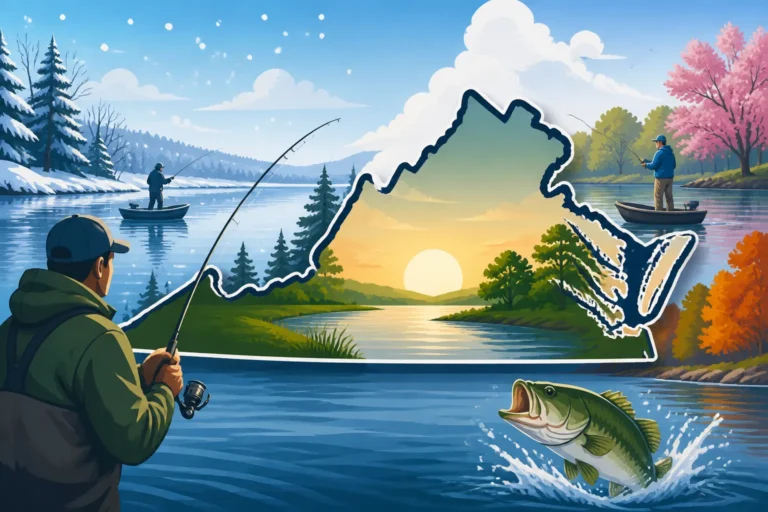
Lake Anna offers productive fishing throughout the entire year, but the specific techniques and target species can vary wildly from one season to the next. Understanding this ebb and flow is crucial for planning your most successful trip.
Spring's Explosive Action and Pre-Spawn Frenzy
Ah, spring! This is arguably the most anticipated season for many Lake Anna anglers, and for good reason. As the cold grip of winter loosens and water temperatures begin to climb into the 50s and 60s, the lake comes alive. The pre-spawn period, typically from late March through April, is absolutely electric for largemouth bass. They move from their deep winter haunts into shallower coves and creek channels, feeding aggressively to prepare for the spawn. This is a prime time for throwing moving baits like spinnerbaits, chatterbaits, and jerkbaits around points, docks, and emerging grass lines.
As water temperatures continue to rise into the high 60s, the spawn begins, usually peaking in late April to early May. Bass will be visible on their beds in shallow, protected pockets, offering sight-fishing opportunities with jigs and soft plastics. Crappie also move shallow to spawn during this time, congregating around brush piles and docks in large numbers, making them easy targets for minnows and small jigs. Striped bass and catfish will also become more active, moving into more accessible areas. If you're planning a trip, be sure to keep an eye on Bass Spawn Timing on Virginia Lakes for precise predictions and strategy adjustments. Spring truly offers some of the most consistent and exciting action on Lake Anna.
Summer's Deep-Water Challenges and Night Fishing Opportunities
Summer fishing on Lake Anna brings its own set of challenges and rewards. As the sun blazes and water temperatures soar, especially on the main lake, fish tend to move deeper to seek cooler, more oxygenated water. For largemouth bass, this means targeting offshore humps, ledges, and deep brush piles with Carolina rigs, deep-diving crankbaits, and dropshot rigs. Early mornings and late evenings offer brief windows for shallow-water topwater or crankbait action, but during the midday heat, going deep is often the most productive strategy.
However, summer is also prime time for Night Fishing Techniques on Lake Anna. As the sun sets, many species, especially largemouth bass and catfish, will move back into shallower water to feed under the cover of darkness. Fishing lighted docks with jigs or plastic worms can be incredibly effective for bass, while cut bait or live bait fished on the bottom can yield monster catfish. Striped bass also remain active in summer, often schooling up and chasing baitfish in the main lake’s deeper thermocline. Trolling with downriggers becomes a key strategy to reach these suspended schools. While the heat can be intense, summer on Lake Anna offers unique and exciting fishing if you adapt your approach.
Fall's Feeding Spree and Winter's Subtle Bites
When autumn colors begin to paint the landscape, Lake Anna experiences another surge of activity, often rivaling spring for fishing excitement. As water temperatures start to cool, fish go on a major feeding spree, gorging themselves in preparation for the upcoming winter. This "fall turnover" period can be incredibly productive for virtually all species. Largemouth bass will chase baitfish schools around main lake points and creek mouths, making lipless crankbaits, swimbaits, and fast-moving jerkbaits highly effective. Striped bass will also be actively chasing bait in open water, providing thrilling topwater busts and excellent trolling opportunities. Crappie and catfish will feed heavily as well, often congregating in predictable patterns.
Winter brings a slower, more deliberate pace to Lake Anna fishing, but it doesn't mean the action stops. In fact, for those who brave the cold, it can offer some of the best opportunities for trophy fish and consistent striped bass action, particularly on the "hot side" of the lake. The warmer discharge from the power plant attracts and concentrates baitfish and predatory species, making it a hotspot when the main lake is frigid. Slow-rolling jigs, blade baits, and suspending jerkbaits in deeper pockets and channels are effective for bass, while live bait or cut bait can entice lethargic catfish and stripers. Patience is key, and understanding subtle bites becomes paramount. For a comprehensive look at how bass patterns shift during the warmer months, consider reading up on Summer Bass Fishing Patterns.
| Season | Primary Target Species | Key Techniques | Recommended Baits/Lures | Notable Features/Tips |
|---|---|---|---|---|
| Spring | Largemouth Bass, Crappie, Striped Bass | Shallow cranking, jigging, slow plastics, sight fishing | Spinnerbaits, Chatterbaits, Jigs, Plastic Worms, Small Jigs, Minnows | Pre-spawn/spawn activity; fish shallow coves and docks. |
| Summer | Striped Bass, Catfish, Largemouth Bass | Deep trolling, bottom fishing, night fishing | Deep Crankbaits, Live Bait, Cut Bait, Carolina Rigs, Topwater (dawn/dusk) | Fish deep offshore structure during day; focus on cooler temps. |
| Fall | Largemouth Bass, Striped Bass, Crappie | Fast retrieves, covering water, jigging | Lipless Crankbaits, Swimbaits, Jerkbaits, Bucktail Jigs, Small Jigs | Fish feed heavily; target main lake points and creek mouths. |
| Winter | Striped Bass, Largemouth Bass, Catfish | Slow presentations, live bait, deep jigging | Jigs, Blade Baits, Suspending Jerkbaits, Live Bait, Cut Bait | Focus on the "hot side" for warmer water action; patience is key. |
Disclaimer
Please remember that fishing conditions, regulations, and fish behavior can change. Always check the latest Virginia Department of Wildlife Resources (DWR) regulations before your trip. This guide is for informational purposes only and does not constitute legal advice. Adhere to all local, state, and federal laws and always prioritize safety on the water.