Best Catfish Fishing on the Rappahannock River
Navigating the vast waters of the Rappahannock River for catfish can sometimes feel like searching for a needle in a haystack, especially when you're dreaming of landing a trophy flathead or filling a cooler with feisty channel cats. The river's diverse environments, from its freshwater upper reaches to its tidal zones, each present unique challenges and opportunities for anglers. This guide is here to untangle those complexities, offering a deep dive into the best spots, proven techniques, and essential insights to significantly improve your catfish catch rate on the Rappahannock.
Understanding the Rappahannock River's Catfish Dynamics
The Rappahannock River is a true gem for Virginia anglers, and its catfish population is nothing short of legendary. But to consistently catch them, you first need to understand the fish themselves and how they interact with this specific river system. It's not just about dropping a line in the water; it's about understanding their world.
The Dominant Catfish Species
When you're out on the Rappahannock, you'll primarily encounter three main species of catfish, each with its own characteristics and preferences. Knowing what you're targeting can drastically change your approach and improve your success.
First up, we have the Channel Catfish. These are perhaps the most widespread and recognizable catfish in the river. They're characterized by their somewhat slender bodies, deeply forked tails, and usually a scattering of small, dark spots (though these can fade with age). Channel cats are omnivores, meaning they'll eat just about anything, from insects and crustaceans to smaller fish and even fruits. They thrive in a variety of habitats, from slow-moving muddy bottoms to areas with moderate current and structure. In the Rappahannock, you'll find them almost everywhere, from the upper freshwater sections down into the brackish tidal zones. They're known for their strong fight and make for excellent table fare. You might catch them anywhere from a pound or two to upwards of 20 pounds, though the average is usually in the 3-10 pound range. They're particularly aggressive feeders, making them a fantastic target for anglers of all skill levels.
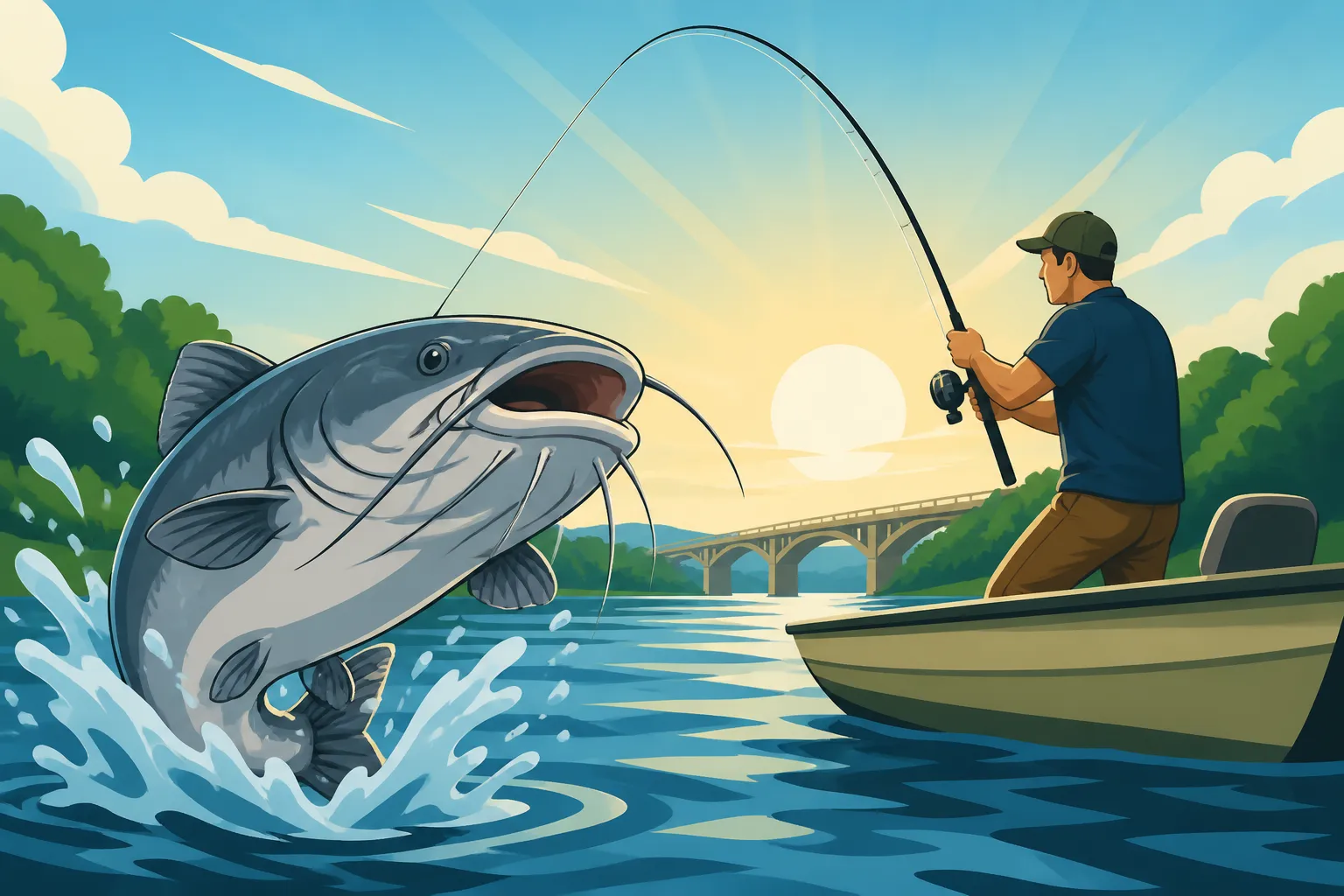
Next, and often the prize for many dedicated catfishermen, is the Flathead Catfish. These are truly distinct. They have broad, flattened heads (hence the name), small eyes, and a less-forked, almost square tail. Their coloring is typically mottled brown and yellow, offering great camouflage against rocky and woody structure. Unlike channel cats, flatheads are ambush predators with a diet consisting almost exclusively of live fish. They love to hide in deep holes, under log jams, and around heavy cover, waiting for an unsuspecting meal to swim by. The Rappahannock boasts a healthy population of flatheads, and these fish can grow to immense sizes, often exceeding 50 pounds and offering a brutal fight. Targeting them requires a different strategy and often heavier gear. Knowing the difference is crucial, and you can learn more by checking out the guide on Channel Catfish vs Flathead Catfish: How Virginia Anglers Tell Them Apart.
Finally, while less common for trophy hunters, the White Catfish also calls the Rappahannock home, particularly in the lower, tidal reaches. These are smaller, typically only reaching a few pounds, with a noticeably shorter, broader head than a channel catfish and a moderately forked tail. They are often bluish-gray to olive on top, fading to white on their belly. White catfish are opportunistic feeders, much like channel cats, and will readily take common baits. They're a fun catch, especially for younger anglers or those looking for a high-volume day, and they also taste great.
Seasonal Catfish Behavior
Catfish activity on the Rappahannock isn't static; it ebbs and flows with the seasons, water temperature, and river conditions. Understanding these patterns is key to being in the right place at the right time.
Spring (March-May): As the water begins to warm in early spring, catfish become increasingly active after their winter sluggishness. Channel cats start moving into shallower areas, especially mud flats and creek mouths, looking for food. This is often an excellent time for quantity. Flatheads will also begin to stir, moving out of their deep winter holes to feed more regularly as baitfish become more active. Pre-spawn feeding frenzies can occur, offering some of the best fishing of the year. The spawn typically happens in late spring/early summer when water temperatures hit the mid-70s, and during this time, male catfish are very protective of their nests, often less interested in feeding.
Summer (June-August): This is prime time for catfish on the Rappahannock, though you'll need to adjust your tactics for the heat. Catfish are highly active in warm water, but they often retreat to deeper, cooler water or seek shade under docks, fallen trees, or bridge pilings during the heat of the day. Early mornings, late evenings, and especially night fishing can be incredibly productive. Catfish are primarily nocturnal hunters, and the cooler night air often brings them out into shallower feeding grounds. The abundant baitfish and insect life mean a constant food supply, keeping them on the prowl. If you’re looking to maximize your summer hauls, you might want to consider going out at night.
Fall (September-November): As water temperatures start to drop, catfish enter a significant feeding period to fatten up for winter. This is a fantastic time for both size and numbers. They become less restricted by daylight hours and can be found actively feeding throughout the day. Channel cats will school up, making them easier to target, while flatheads will aggressively chase live bait as they sense the approaching cold. Look for them in deeper bends, around submerged structure, and transition areas where they can easily ambush prey. This period often rivals spring for sheer excitement and big catches.
Winter (December-February): While catfish fishing can be tougher in winter, it's certainly not impossible. Catfish become much more lethargic in cold water, conserving energy. They'll typically move to the deepest holes in the river, often congregating in large schools. Your bites will be much subtler, and you'll need to fish slowly and patiently, often with natural, slow-moving baits. While you might not catch as many, the ones you do hook tend to be larger, as the smaller, less robust fish are less active. It's a challenging but rewarding time for dedicated anglers. For more general advice on seasonal patterns, check out Best Time of Year to Catch Catfish.
Prime Catfish Fishing Locations on the Rappahannock River
The Rappahannock River is a long and varied waterway, offering distinct fishing opportunities depending on whether you're in the tidal lower sections or the non-tidal upper reaches. Understanding these differences and knowing where to focus your efforts is paramount.
Tidal Rappahannock Hotspots (Downstream)
The tidal section of the Rappahannock, roughly from the fall line in Fredericksburg downstream to the Chesapeake Bay, is a dynamic environment influenced by the tides and brackish water. This area is particularly famous for its robust catfish populations, especially channel cats and large flatheads.
One of the most popular and productive areas is near Fredericksburg. Here, the fall line creates a transition zone where freshwater meets the tidal influence. Downstream from the historic city docks, you'll find numerous deep holes, ledges, and submerged timber that act as perfect catfish sanctuaries. The current around the bridges, such as the Chatham Bridge or the I-95 bridge, often scours out deep pockets, and the bridge pilings themselves provide structure that attracts baitfish and, consequently, catfish. Access for bank anglers is good around the city parks and waterfront areas, while boaters can launch from various public ramps in and around Fredericksburg. This area is fantastic for both numbers of channel cats and the potential for a monster flathead. A great resource for those without a boat is Bank Fishing Access on the Rappahannock River Near Fredericksburg.
Further downstream, as the river widens, towns like Port Royal and Tappahannock become excellent focal points. Around Port Royal, the river features expansive mud flats and deeper channels. Look for areas where smaller creeks feed into the main river, as these confluence points often concentrate baitfish and provide nutrient-rich waters that catfish love. Submerged log jams and fallen trees along the banks are also prime flathead territory.
In the vicinity of Tappahannock, the river is much wider, and the tidal influence is more pronounced. Here, the edges of the main channel, deep bends, and oyster reefs (even if subtle in the upper tidal areas) can hold significant numbers of catfish. The deep water around the Route 360 bridge is a consistent producer. Anglers with boats can explore these wider sections, targeting channel swings and abrupt depth changes. Many smaller creeks and tributaries in this lower section, such as the Piscataway Creek or the Hoskins Creek, also offer excellent catfish action, especially during warmer months when fish might move into these shallower, warmer waters to feed or spawn. When fishing these tidal areas, always pay attention to the tide charts, as feeding activity often picks up during moving water (incoming or outgoing).
Non-Tidal Rappahannock Secrets (Upstream)
Above the fall line in Fredericksburg, the Rappahannock transforms into a classic Virginia freshwater river, characterized by rocky bottoms, riffles, runs, and pools. While often associated with smallmouth bass, this section holds a healthy population of catfish, particularly channel cats and flatheads, which thrive in its varied structure.
One of the most promising stretches for non-tidal catfish is upstream around Kellys Ford and Remington. Here, the river flows through a more rural landscape, with plenty of natural features that attract catfish. Look for deeper pools that form after a series of rapids or riffles. These pools often have rocky bottoms with scattered boulders and fallen trees, providing perfect ambush points and hiding spots for flatheads. The slower currents in these pools are also favored by channel cats. Access in this area can be a bit more challenging, often requiring a kayak, canoe, or careful wading, but the reward is often less pressured fish.
Areas with significant log jams and undercut banks are absolute magnets for flathead catfish in the non-tidal Rappahannock. Flatheads are solitary and territorial, and they love to set up residence in these dense covers. During the day, they'll hide deep within the structure, emerging at night to feed. For channel cats, focus on the deeper runs and the tail-outs of larger pools, especially where there's a good mix of current and calmer water.
Another excellent strategy in the upper river is to target the confluence points of larger creeks like the Hazel River or the Rapidan River, which join the Rappahannock further upstream. These areas bring in fresh nutrients and often feature deeper water and varied bottom contours, concentrating baitfish and drawing in catfish. When fishing this part of the river, pay close attention to depth changes, current seams, and any visible structure. Since much of this area is more remote, using a fishing guide service like those found on FishingBooker can be incredibly helpful for navigating the river and finding those hidden honey holes, ensuring you're fishing safely and effectively. The pristine environment and relative solitude make fishing the upper Rappahannock a unique and rewarding experience for catfish anglers. For those keen on exploring the broader Rappahannock, our Fishing the Rappahannock River in Virginia guide offers more comprehensive insights.
Essential Techniques and Baits for Rappahannock Catfish
Successfully targeting catfish on the Rappahannock isn't just about knowing where to fish; it's also about understanding how to fish and what to use. Different species, water conditions, and even times of day call for specific strategies.
Go-To Baits for Different Catfish Species
Choosing the right bait is perhaps the most critical decision an angler can make when targeting catfish. On the Rappahannock, what works for a channel cat might not entice a flathead, and vice versa.
For Channel Catfish, versatility is key because they are opportunistic omnivores. You have a wide array of choices, and often, what's readily available and smelly is best.
- Cut Bait: Freshly cut pieces of shad, herring, or even bluegill are fantastic. The scent trail they release in the water is irresistible to channel cats. Just make sure your cut bait is fresh; rancid bait is far less effective.
- Stink Baits: These commercially prepared baits, often cheese-based or blood-based, are designed to appeal to the channel cat's keen sense of smell. Brands like Catfish Charlie or Sonny's Super Sticky Bait are popular choices. They come in various forms, from dough balls to dips that you apply to a sponge or worm.
- Chicken Livers: A classic for a reason. Chicken livers are messy but incredibly effective. Their soft texture means they disperse a lot of scent, but they can be tricky to keep on the hook. Try wrapping them in a small piece of nylon stocking or using a treble hook.
- Nightcrawlers and Worms: Simple, effective, and readily available. A big wad of nightcrawlers can attract channel cats of all sizes, especially in slightly clearer water.
- Prepared Baits: Some anglers swear by unusual concoctions like hot dogs soaked in garlic, shrimp, or even corn during certain times of the year.
For Flathead Catfish, the rule is almost always live bait. Flatheads are apex predators in their environment and prefer to hunt live prey.
- Live Baitfish: The best baits are often what the flatheads are naturally feeding on in the river. This typically includes sunfish (bluegill, redear sunfish, green sunfish), small carp, bullheads, or gizzard shad. Always check local regulations regarding the use of live bait and baitfish collection. The ideal size for flathead baitfish is usually 4 to 8 inches.
- Presentation: When using live bait for flatheads, it's crucial to keep the bait alive and active on the hook. This means hooking it strategically, often through the lips or just behind the dorsal fin, in a way that doesn't impede its swimming action. This natural movement is what triggers a flathead's predatory instinct.
You can find more detailed information on specific flathead baits in Best Bait for Flathead Catfish in Virginia Rivers. Many local fishing guides on platforms like FishingBooker specialize in flathead fishing and can provide hyper-local advice on the best live baits to use at specific times of the year on the Rappahannock.
Rigging and Presentation Strategies
Once you have your bait, the next step is presenting it effectively to the catfish. The right rig ensures your bait stays where the fish are and that you can detect bites.
The Carolina Rig (also known as a Slip Sinker Rig) is perhaps the most common and versatile rig for bottom fishing catfish. It consists of a sliding egg sinker above a swivel, followed by a leader (typically 12-24 inches) and a hook. This setup allows the fish to pick up the bait and move away without immediately feeling the weight of the sinker, leading to more confident bites. It's excellent for both channel and flathead catfish in a variety of current conditions.
For fishing in heavier current or when you want to suspend your bait slightly off the bottom to avoid snags or target fish looking up, the Three-Way Swivel Rig (also called a Santee Cooper Rig in some regions) is a great choice. This rig uses a three-way swivel with a mainline coming to one eye, a short leader to a sinker from a second eye, and a longer leader to the hook from the third eye. This keeps your bait elevated, making it more visible and less prone to snagging. You can even add a small foam float to your hook leader to lift the bait further. Learn more about effective bottom setups in Catfish Bottom Fishing Techniques.
When fishing for Flatheads with live bait, a sturdy Circle Hook is highly recommended. Circle hooks are designed to hook fish in the corner of the mouth, reducing gut-hooking and making releases easier and healthier for the fish. Sizes typically range from 5/0 to 10/0, depending on the size of your bait and target fish. For Channel Cats, an Octpus-style hook or J-hook from size 2/0 to 6/0 works well, especially with cut bait or chicken livers.
Line strength is paramount, especially for flatheads. Many experienced Rappahannock catfish anglers use braided mainlines of 50-80 lb test, often paired with a monofilament or fluorocarbon leader of similar or slightly lighter test. Braided line offers superior sensitivity and strength for battling large fish and pulling them out of heavy cover. When fishing with cut bait, consider the advice in How to Rig Cut Bait for Catfish for optimal presentation.
Anchoring vs. Drifting:
- Anchoring: If you've found a promising deep hole, log jam, or bridge piling, anchoring upstream and casting your baits into the strike zone is often the best strategy. This allows your bait to soak in the productive area for an extended period. Use a good anchor system that can hold your boat securely in current.
- Drifting: In wider, open stretches of the river, especially the lower tidal sections, drifting with the current can be an effective way to cover ground and find actively feeding fish. Use a controlled drift, perhaps with a drift sock, to ensure your baits are moving naturally with the flow. This is especially good for channel cats that might be scattered across a flat.
Shore Fishing: For bank anglers, casting distance and finding accessible deep water are key. Look for jetties, deep cuts near shore, or areas where the bank drops off quickly. Sometimes, casting out a hefty piece of cut bait into the channel can yield impressive results right from the bank.
Tips for a Successful Rappahannock Catfish Trip
Beyond just knowing the spots and the gear, a successful day (or night!) on the Rappahannock for catfish often comes down to paying attention to environmental cues and being prepared.
Reading the Water and Weather
Catfish, like all fish, are incredibly sensitive to changes in their environment. Understanding how water and weather patterns affect them can turn a slow day into a productive one.
Current and Water Levels: The Rappahannock's flow can change dramatically, especially after significant rainfall.
- High Water/Rising Water: Often, rising water levels, especially after a heavy rain, can push catfish into newly flooded areas along the banks, where they search for worms and other food washed into the river. The increased turbidity can also make them bolder, as they feel more secure in the stained water. However, extremely high, fast currents can make fishing difficult and even dangerous. Focus on eddies and calmer pockets out of the main flow.
- Falling Water: As water levels drop, catfish tend to retreat from the shallower, flooded areas and concentrate in deeper channels, holes, and around main river structures.
- Moderate Current: Catfish are often most active during moderate current, as it dislodges food and carries scent. They'll position themselves just out of the main current, in "current seams" or eddies, waiting for food to wash by. Too little current, and they can become lethargic; too much, and they struggle to hold position.
Water Temperature and Turbidity:
- Water Temperature: This is a major driver of catfish activity. Warmer water generally means more active fish, though extremely hot summer temperatures can push them deep or make them nocturnal. Cold water makes them sluggish, concentrating them in deep holes.
- Turbidity (Water Clarity): Catfish, particularly channel cats, thrive in murky or stained water. Their excellent sense of smell and touch allows them to hunt effectively when visibility is low. Clear water can make them skittish, requiring longer leaders and more natural presentations, especially for flatheads. After a big rain, the river might be muddy, but this can actually be fantastic for channel catfish. Our guide on How to Fish After Heavy Rain offers excellent advice for these conditions.
Barometric Pressure and Weather Fronts:
- Falling Barometric Pressure: Often associated with approaching storms or fronts, falling pressure can stimulate a feeding frenzy in catfish. They sense the change and become more active, feeding heavily before the weather deteriorates.
- Stable Barometric Pressure: During periods of stable high or low pressure, fishing can be consistent, but usually not as explosive as during a falling barometer.
- Post-Frontal Conditions: After a cold front has passed, high pressure moves in, and fishing can become significantly tougher. The fish often become lethargic and less willing to bite. You'll need to slow down your presentation, downsize your bait, and be extremely patient.
Equipment and Safety Considerations
Having the right gear and prioritizing safety are crucial for an enjoyable and successful catfish trip on the Rappahannock.
Rod and Reel Recommendations:
- For Channel Cats: A medium-heavy to heavy action spinning or baitcasting rod, 7 to 9 feet long, paired with a reel spooled with 15-30 lb monofilament or 30-50 lb braid, is ideal. This setup offers enough backbone for strong fights but remains sensitive enough for smaller bites.
- For Flathead Cats: You'll want serious gear. A heavy to extra-heavy action baitcasting rod, 7 to 10 feet long, with a strong, high-capacity baitcasting reel spooled with 50-80 lb braided line, is recommended. This power is necessary to turn big fish away from snags and handle their incredible strength. Brands like Ugly Stik or Okuma offer durable and affordable options that can stand up to the abuse of catfish angling.
Essential Accessories:
- Strong Landing Net: A large, sturdy net with a rubberized mesh (to protect fish and prevent hooks from tangling) is indispensable, especially for bigger flatheads. Trying to land a big catfish by hand without experience can be risky.
- Pliers/Hook Removers: Catfish have powerful jaws and often swallow hooks deeply. Long-nosed pliers or specialized hook removers are essential for safe and efficient hook extraction.
- First-Aid Kit: Accidents happen, especially around sharp hooks, knives, and rocky banks. Always have a basic first-aid kit on hand.
- Headlamp/Flashlight: If you're fishing at night, a reliable headlamp is non-negotiable for rigging, baiting, and safely moving around.
- Life Vest: If you're in a boat, wearing a life vest is smart, especially in current or after dark. Virginia regulations require them to be onboard.
Fishing Licenses and Regulations: Always, always, always ensure you have a valid Virginia fishing license for the waters you intend to fish. The Rappahannock River spans both freshwater and tidal/saltwater zones, so make sure your license covers the specific section you're fishing. Additionally, be aware of any specific catch limits, size restrictions, or bait regulations for catfish or baitfish. Ignorance of the law is not an excuse, and game wardens do patrol the Rappahannock. You can get all the details on licenses in our comprehensive Virginia Fishing License Guide. Remember, if you hire a guide or charter through services like FishingBooker, they often provide the necessary licenses or will inform you exactly what you need, taking some of the guesswork out of it.
By combining knowledge of the river's unique catfish dynamics, focusing on prime locations, employing effective techniques and baits, and prioritizing preparation and safety, your Rappahannock River catfish adventure is bound to be a memorable and successful one.
Catfish Bait & Rig Comparison Table
Here's a quick reference for common baits and ideal rigs for the main catfish species on the Rappahannock:
| Catfish Species | Preferred Bait Types | Recommended Rigs | Hook Size Range | Best Time to Fish |
|---|---|---|---|---|
| Channel Catfish | Cut Bait (shad, herring), Stink Baits, Chicken Livers, Nightcrawlers | Carolina Rig, Three-Way Swivel Rig | 2/0 – 6/0 | Year-round, often active day & night |
| Flathead Catfish | Live Bait (sunfish, small carp, shad, bullheads) | Carolina Rig (heavy), Three-Way Swivel Rig | 5/0 – 10/0 | Nighttime is prime, especially summer & fall |
Disclaimer
Please remember that fishing conditions, regulations, and fish behavior can change. Always consult the latest Virginia Department of Wildlife Resources (DWR) regulations before heading out. Safety should always be your top priority on the water.