Best Crappie Fishing Coves on Smith Mountain Lake, Virginia
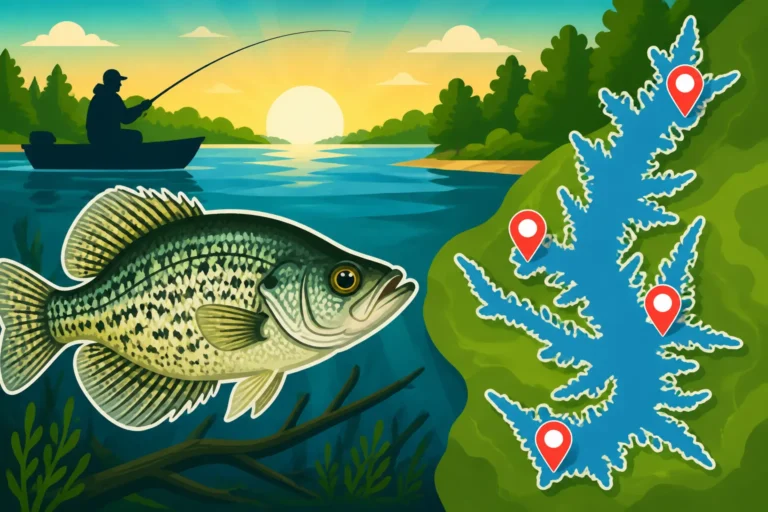
Trying to find those elusive crappie on a sprawling body of water like Smith Mountain Lake can sometimes feel like searching for a needle in a haystack. It’s a massive lake with countless nooks and crannies, and knowing which coves hold the most promise can dramatically improve your chances of a successful day. This guide is here to cut through the guesswork, helping you pinpoint the best crappie fishing coves on Smith Mountain Lake so you can spend less time searching and more time reeling in slabs.
The Crappie Conundrum on Smith Mountain Lake: Why Coves Are Key
Smith Mountain Lake, with its impressive 500 miles of shoreline, offers an incredible angling experience, but its sheer size can be overwhelming for those specifically targeting crappie. These panfish, both black and white crappie, have particular preferences when it comes to habitat, and more often than not, the sheltered, food-rich environment of a cove is where you'll find them congregating. It’s not just about finding any cove, though; it’s about understanding why certain coves are crappie magnets throughout the year.
Seasonal Movements and Crappie Preferences
Crappie are creatures of habit, and their movements are heavily dictated by the seasons and the water temperature. This means that a hot spot in spring might be completely barren in summer, and vice versa. Coves, by their very nature, offer protection from strong winds and currents, making them ideal sanctuaries for crappie as they transition through their annual cycles.
In the spring, as water temperatures begin to rise, crappie move into shallow coves for their spawning rituals. They seek out areas with submerged brush, stumps, or docks where they can lay their eggs. These shallow coves warm up faster, signaling to the crappie that it's time to reproduce. Anglers often find incredible action during this period, often just a few feet from the bank.
As summer heats up, crappie retreat to deeper, cooler waters, often found in the mouths of coves or deeper pockets within them. They’ll still relate to structure, but it will be deeper – think submerged timber, brush piles near drop-offs, or the shaded undersides of deepwater docks. The protection offered by the cove still keeps them safe from predators and direct sunlight, which they tend to avoid.
During the fall, as water temperatures cool, crappie become more active and start feeding aggressively to prepare for winter. They'll often be found suspended over brush piles or along channel edges within coves, chasing baitfish. This can be another fantastic time for crappie fishing, as they are often easier to locate and eager to bite.
Finally, in winter, crappie will suspend in the deepest parts of coves, often over channel drop-offs or deep brush piles. Their metabolism slows down, and they become less active, but a patient angler can still entice them to bite with slow, subtle presentations. The calmer waters of a cove offer them a stable environment during the coldest months. Understanding these Virginia Fishing Seasons Explained is crucial for crappie success.
Understanding Structure and Cover in Coves
Crappie are ambush predators, and they love to hide in or around structure and cover. Think of it like a cozy apartment building for fish. Within Smith Mountain Lake’s many coves, you’ll find an abundance of these crappie hotels:
- Brush Piles and Submerged Timber: These are goldmines. Many anglers, and even the Department of Wildlife Resources (DWR), have sunk brush piles to create fish habitat. Crappie will hold tightly to these, using them for protection and as a staging area to ambush baitfish. If you see standing timber, especially in the backs of coves, fish it thoroughly.
- Boat Docks and Piers: These man-made structures provide excellent overhead cover and often have brush or old Christmas trees tied to their supports by homeowners. The shade they cast is also a huge draw for crappie, especially on sunny days. Docks with lights that attract baitfish at night are particularly effective.
- Ledges and Drop-offs: Coves aren't always uniformly shallow. Many have distinct depth changes or submerged creek channels running through them. Crappie will use these ledges as highways, moving up and down the water column with changing conditions, especially in summer and winter.
- Vegetation: While Smith Mountain Lake isn't known for extensive shallow water vegetation like some other lakes, any patches of lily pads, pondweed, or even fallen trees with branches extending into the water can attract crappie, especially during the spawn.
When you're out exploring, keep your eyes peeled for anything that breaks up the uniformity of the lake bottom or surface. These are the spots where crappie are most likely to be holding.
Deciphering Prime Crappie Habitat Within Smith Mountain Lake's Coves
Finding a cove is one thing, but knowing which parts of that cove are most likely to hold crappie is where the real skill comes in. Smith Mountain Lake's vastness means there are countless coves, but some possess characteristics that consistently make them more productive than others. It's about looking for the subtle cues that signal a healthy crappie hangout.
Identifying Productive Cove Features
Think like a crappie: where would you feel safe, find food, and be able to reproduce? That's the mindset you need when scouting coves. Here are some features that scream "crappie heaven":
- Feeder Creeks or Inflows: Coves with small creeks or drains feeding into them are often highly productive. These inflows bring in nutrients, which attract baitfish like minnows and shad, and where the baitfish go, the crappie follow. In spring, the slightly warmer water from these inflows can be a magnet for spawning crappie.
- Depth Changes and Creek Channels: Many coves on Smith Mountain Lake are actually old creek beds that were flooded when the lake was formed. Using your fish finder to locate these submerged creek channels as they wind through a cove can be incredibly effective. Crappie will often position themselves along the edges or within the deeper parts of these channels. Look for sharp drop-offs or subtle humps along the channel.
- Concentrated Structure: It's not just about any structure, but concentrated structure. A lone stump might hold a crappie or two, but a dense brush pile, a cluster of standing timber, or a long stretch of docks with submerged brush underneath will hold entire schools. Local knowledge or a good depth finder is invaluable for finding these hidden gems. You might even consider hiring a local guide who specializes in Kid-Friendly Guided Trips on Smith Mountain Lake to show you these exact locations.
- Points at the Mouth of Coves: As crappie transition from deeper main lake areas into coves, they often stage on points at the mouth of the cove. These points offer quick access to deeper water for safety while still being close to the feeding and spawning grounds within the cove.
Learning to "read the water" and interpret what your electronics are showing you is a skill that comes with practice, but focusing on these key features will give you a significant advantage.
The Role of Water Temperature and Clarity
Water conditions play a monumental role in crappie behavior, even within the confines of a cove. Being aware of these factors will help you refine your approach and maximize your chances.
- Water Temperature: As mentioned, temperature is the primary driver of crappie movements. In spring, crappie will move into the shallowest parts of coves when the water hits the low to mid-50s Fahrenheit, with spawning typically occurring when temperatures reach the low 60s. In summer, they'll seek out thermoclines – layers of water where temperature changes rapidly – or simply the deepest, coolest parts of a cove. In winter, they'll stay in stable, deep water. Your boat's thermometer is your best friend.
- Water Clarity: Crappie are visual feeders, but they also use their lateral lines to detect vibrations. In clearer water, they might be more wary and hold tighter to cover. You might need to use lighter lines and more subtle presentations. In stained or murky water, they might be less spooky and more willing to chase a bait, but you'll need baits with more vibration or brighter colors. Coves often have different clarity levels than the main lake, especially after heavy rains, which can muddy up inflows. Observe the water as you enter each cove. Sometimes, a slightly stained cove can be more productive than a crystal-clear one, as it offers crappie a sense of security.
For more generalized crappie knowledge, delving into topics like Crappie Identification: Black Crappie vs White Crappie in Virginia or even Best Time of Year for Crappie Fishing in Virginia can provide invaluable context to your Smith Mountain Lake adventures.
Top Crappie Coves and Hotspots on Smith Mountain Lake
Okay, enough theory! Let's get down to some actual locations. Smith Mountain Lake is huge, so pinpointing exact GPS coordinates for every brush pile isn't practical, but I can certainly guide you to some of the most consistently productive general areas and coves known for their crappie populations. Remember, conditions change, and what was hot yesterday might be lukewarm today, but these areas have the underlying habitat crappie love.
Specific Cove Recommendations
Smith Mountain Lake essentially has three main arms: the Blackwater River arm, the Roanoke River arm, and the main lake area. Crappie can be found in all of them, but certain coves are legendary.
- Blackwater River Arm Coves: This arm tends to be shallower and can warm up faster in the spring, making many of its coves prime spawning grounds.
- Gills Creek: A long, winding creek arm with numerous smaller coves branching off. It's known for extensive docks, submerged timber, and brush piles. The upper reaches often hold good numbers of crappie in spring.
- Witcher Creek: Similar to Gills Creek, Witcher has plenty of cover. Look for crappie around the many docks and any visible standing timber, especially deeper into the creek arm.
- Indian Creek: Another strong contender, especially further back in the creek where it narrows and offers more sheltered water. The docks and brush here are consistent producers.
- Roanoke River Arm Coves: This arm tends to be deeper and can hold crappie year-round, especially in its deeper coves and main channel edges.
- Craddock Creek: This is a big, popular area, but for good reason. It has excellent depth changes and a lot of residential docks. Look for crappie suspended around brush piles near the old creek channel or under the deeper docks.
- Poplar Branch: Another extensive creek arm with good crappie potential. Explore the many secondary coves within Poplar Branch for less pressured fish.
- Bull Run Creek: This area offers good structure, especially as you move towards its upper reaches. It can be a great place to find crappie holding tight to cover.
- Main Lake Area Coves (near the dam and big water): These coves tend to be deeper and can be excellent for summer and winter crappie, as they offer quick access to the main lake's deep channels.
- Coves near Hardy and Union Hall: Many unnamed but productive coves can be found here. Focus on coves with significant depth changes, especially those with points extending into the main lake or deep water access. Any docks in these areas are worth investigating.
- The State Park Area (near the dam): The coves and structure around Smith Mountain Lake State Park can be very productive. They often have public access points and plenty of natural and man-made structure.
When you're out there, a service like FishingBooker can sometimes help you connect with local guides who have intimate knowledge of these specific coves and even their exact brush pile locations.
Navigating Access and Angling Pressure
Finding a great cove is one thing, but being able to fish it effectively without too much competition is another. Smith Mountain Lake is a popular destination, so managing angling pressure is part of the game.
- Public Boat Ramps: Several public ramps around the lake provide excellent access. The ramps at Gills Creek, Pats Point, and those near the State Park are great starting points. From these, you can explore nearby coves. Always check ramp conditions, especially during peak season.
- Shore Fishing Access: While primarily a boat fishing lake, there are some shore fishing opportunities, particularly within Smith Mountain Lake State Park. However, for serious crappie cove fishing, a boat or kayak is almost essential. Kayaks are fantastic for quietly slipping into the shallower, tighter coves where bigger boats can't go.
- Dealing with Pressure: If you arrive at a popular cove and see several boats, consider moving. Crappie can get spooked easily, especially in shallower water. Look for less obvious, smaller coves, or try fishing during off-peak hours like early mornings, late evenings, or even at night (crappie are often very active after dark). Weekdays are generally less crowded than weekends. Don't be afraid to explore further up into the narrower sections of creeks – often, the best fishing is away from the main thoroughfares.
Remember, a little solitude often leads to better fishing. The quiet approach is usually the most productive, especially when targeting crappie.
Mastering Techniques for Crappie in Smith Mountain Lake's Coves
Once you've identified your target coves and located promising structure, the next step is to present your bait in a way that crappie simply can't resist. Crappie aren't usually aggressive predators like bass; they often prefer a more subtle approach, especially in clear water or when they're less active.
Essential Gear and Bait for Cove Fishing
Having the right tools for the job makes all the difference. Crappie fishing isn't about heavy gear; it's about finesse.
- Rods and Reels: A light to ultralight spinning rod, typically 6 to 7 feet long, paired with a small spinning reel (size 500-1000), is ideal. This setup allows for light lines, accurate casting of small lures, and maximum sensitivity to detect those subtle crappie bites.
- Line: Opt for 4-6 pound test monofilament or fluorocarbon. Monofilament is forgiving and floats, which can be good for bobber fishing. Fluorocarbon is nearly invisible underwater and has less stretch, offering better sensitivity. Braided line isn't typically necessary for crappie but can be used with a fluorocarbon leader if you want the extra sensitivity and casting distance.
- Jigs: Small jigs are the bread and butter of crappie fishing.
- Tube Jigs: These soft plastic bodies come in countless colors and are incredibly versatile. Sizes usually range from 1/16 oz to 1/8 oz.
- Grub Jigs: Similar to tube jigs, these have a curly tail that provides enticing action with minimal movement.
- Hair Jigs/Feather Jigs: These traditional jigs offer a very natural, subtle action that can be irresistible to crappie.
- Crappie Magnets: A popular brand known for its durable, fish-catching soft plastics.
- Carry a variety of colors. Chartreuse, white, black/chartreuse, pink, and natural baitfish colors (silver, smoke) are good starting points.
- Minnows: Live minnows are incredibly effective, especially when crappie are finicky or during colder months. Hook them through the lips or just behind the dorsal fin. Small shiners or crappie minnows are perfect.
- Bobbers/Floats: Slip bobbers are excellent as they allow you to set your depth precisely and easily cast. Fixed bobbers work well in very shallow water.
- Small Hooks and Sinkers: If fishing live minnows without a jig, use small, sharp hooks (size 4-8 aberdeen or tru-turn hooks) and tiny split shot sinkers to get your bait down.
For more specific recommendations, checking out Best Bait for Crappie Fishing in Virginia can give you an edge.
Effective Presentation Strategies
The way you present your bait to crappie is often more important than the bait itself. Crappie are often suspended, so getting your bait to the right depth and presenting it naturally is key.
- Vertical Jigging: This is incredibly effective when crappie are tightly schooled around brush piles or under docks. Drop your jig straight down, using your fish finder to position it just above the fish. Gently lift and drop the rod tip, imparting a subtle jigging motion. Sometimes, simply holding the bait still can be the most effective, as a crappie might just swim up and inhale it.
- Casting and Retrieving: When crappie are more spread out or chasing baitfish, casting a small jig past the structure and slowly retrieving it can work wonders. Experiment with retrieve speeds and pauses. A slow, steady retrieve often works best. You can twitch the rod tip periodically to give the jig some extra action.
- Bobber Fishing: This classic method is fantastic for both live minnows and small jigs, especially in shallower coves or when targeting specific depths. Set your bobber so your bait hangs just above the crappie or at the depth where you've seen activity. Cast near docks, brush piles, or other cover and let the bobber do its job. A slight breeze can even add a natural movement to your bait.
- Tightlining: This involves fishing a light jig or minnow straight down without a bobber, relying on the feel of the bite. It requires a sensitive rod and good concentration but can be deadly when crappie are biting very lightly.
- Spider Rigging (Trolling in Coves): For larger coves or when searching for fish, some anglers use a spider rig, which involves multiple rods (often 4-6) extended from the front of the boat, each with a jig or minnow presented at a different depth. You slowly troll through the cove at a very low speed, covering a lot of water and presenting a spread of baits. While often associated with open water, a scaled-down version can be effective in broader coves.
Remember, crappie bites can be incredibly subtle – sometimes it's just a slight "tick" on the line, or your line might just go slack. Setting the hook gently but firmly is important. Being patient and observant, and willing to try different techniques and depths, is the true secret to consistent crappie success on Smith Mountain Lake. If you're struggling to understand specific techniques, resources like Crappie Jigging Techniques and Crappie Tightlining Basics can offer valuable insights.
| Cove/Area Feature | Best Season | Primary Structure | Recommended Technique | Notes |
|---|---|---|---|---|
| Shallow, Upper Cove (Gills C.) | Spring (Spawn) | Submerged brush, docks, stumps | Bobber & Minnow/Jig | Warms fast, high crappie concentration for spawning. |
| Deep Docks (Craddock C.) | Year-round | Brush piles, dock supports | Vertical Jigging, Tightlining | Offers shade in summer, shelter in winter. Lights attract bait. |
| Submerged Creek Channels | Summer, Winter | Ledges, drop-offs, brush piles | Vertical Jigging, Spider Rigging | Crappie suspend along edges or over structure in channels. |
| Points at Cove Mouths | Spring, Fall | Rock piles, submerged humps | Casting Jigs, Live Minnows | Transition areas for crappie moving in/out of coves. |
| Mid-Cove Brush Piles | Year-round | Man-made brush, standing timber | Vertical Jigging, Slow Retrieve | Classic crappie hangout. Often placed by DWR or local anglers. |
Disclaimer
Please remember that fishing conditions, regulations, and fish behavior can change. Always consult the latest Virginia Department of Wildlife Resources (DWR) regulations before you head out, and prioritize safety on the water. This guide provides general information and recommendations; local knowledge and real-time conditions should always inform your final fishing decisions.