Best Wading Spots on the Shenandoah River, Virginia
Many anglers dream of wading into pristine waters, casting a line, and feeling the tug of a feisty fish, but finding accessible, safe, and productive wading spots can be a real challenge, especially on a large river like the Shenandoah. Navigating public access, understanding river currents, and knowing exactly where to go for the best action can be daunting. This comprehensive guide will cut through the confusion, revealing the prime wading locations on the majestic Shenandoah River and equipping you with the knowledge for a successful and safe adventure.
Why the Shenandoah River is a Wading Angler's Dream
The Shenandoah River, winding through the heart of Virginia's scenic Shenandoah Valley, isn't just a picturesque waterway; it's a vibrant ecosystem that calls to wading anglers. Unlike fishing from a boat, wading allows you to become truly immersed in the environment, feeling the current tugging at your legs and getting a ground-level perspective of the river's intricate features. It offers a level of stealth and precision that can be unmatched, letting you sneak up on wary fish in ways a boat simply can't.
One of the biggest appeals of wading the Shenandoah is the sheer accessibility to prime fishing lies. Much of the river is characterized by varied depths, from shallow riffles and runs to deeper pools and rocky shelves, all of which can be reached by foot with the right gear and careful navigation. This diversity in structure provides habitat for a wide array of fish, ensuring that there's usually something biting, no matter the season or conditions. The continuous flow of healthy, oxygenated water also contributes to a thriving fishery, making it a truly rewarding destination for those willing to get their feet wet.
Target Species for Wading Anglers
When you step into the Shenandoah, you're entering the domain of some truly iconic Virginia fish species, each offering a unique challenge and reward to the wading angler. Understanding what you're likely to encounter helps in choosing the right spot and strategy.
Smallmouth Bass are undeniably the undisputed kings of the Shenandoah's warmer waters. These hard-fighting fish thrive in the river's rocky, current-swept sections, often holding behind boulders, along ledges, or in the seams of faster moving water. Wading allows you to precisely target these structures, presenting your lure or fly exactly where a smallmouth is likely to be ambushing prey. They are aggressive biters and renowned for their acrobatic leaps and strong pulls, making them a favorite among many Shenandoah regulars. Look for them in areas with good current and plenty of rock cover, especially during the warmer months. You can learn more about Where to Catch Smallmouth Bass on the Shenandoah River in our other guides.
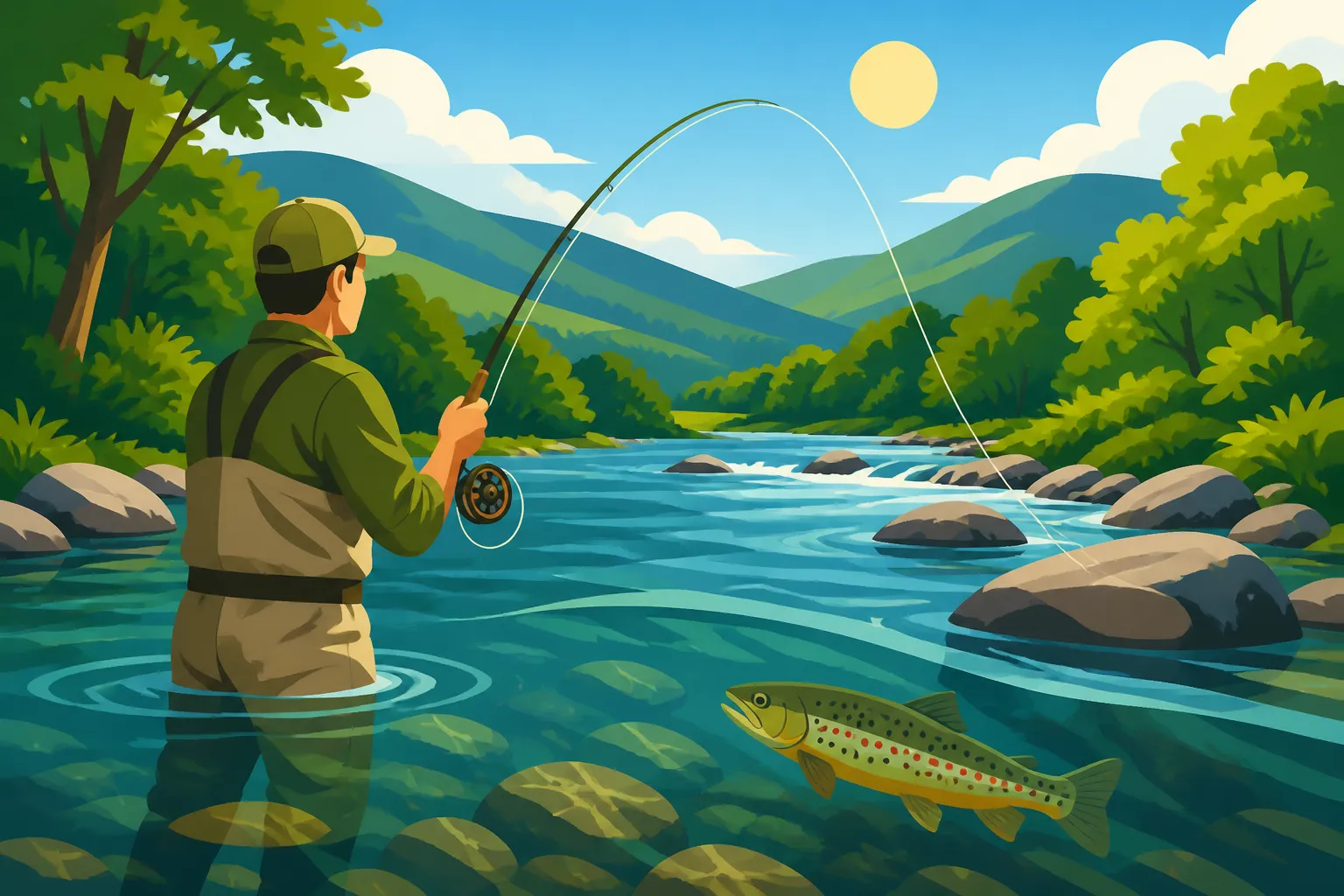
Further upstream, particularly in the cooler headwaters and numerous mountain tributaries that feed the Shenandoah, you'll find a different class of target: Trout. Virginia is home to beautiful Rainbow, Brown, and native Brook Trout, and many of the Shenandoah's feeder streams, and even some sections of the main river itself, are designated trout waters. Wading is the quintessential method for pursuing these elusive fish, allowing you to quietly navigate tight corridors, cast into delicate pockets, and present flies or small spinners with utmost stealth. Always be mindful of specific regulations, as some areas are designated as wild trout streams with special rules, while others are regularly stocked. Be sure to check the Wild Trout Stream Rules in Virginia before heading out.
Beyond the main stars, the Shenandoah River also hosts a healthy population of Panfish, including species like bluegill and redbreast sunfish. While often overlooked by anglers targeting larger game fish, these feisty little fighters offer incredible fun, especially for beginners or when the smallmouth bite is slow. They are abundant in slower moving pools, eddies, and around submerged vegetation, and are incredibly accessible to wading anglers. A simple worm or small spinner can lead to non-stop action, providing a fantastic way to enjoy the river on a leisurely day.
The Unique Wading Experience
There's something profoundly different about wading a river compared to fishing from the bank or a boat. It's an immersive experience that connects you directly with the river's pulse. As you carefully pick your way across the riverbed, feeling the water flow around your legs, you gain an intimate understanding of the river's contours, hidden rocks, and subtle current changes that you might never observe from a distance. This physical connection helps you "read" the water more effectively, anticipating where fish might be holding and adapting your approach on the fly.
Beyond the technical advantages, wading offers a level of tranquility and solitude that's often hard to find in today's busy world. You're surrounded by the sounds of rushing water, chirping birds, and rustling leaves, creating a peaceful escape where the daily grind melts away. This stealthy approach allows you to access secluded pockets and untouched runs that boats can't reach, often leading to encounters with less pressured fish. It’s an adventure that engages all your senses, from the cool splash of water to the vibrant green of the riverbanks, creating memories that go far beyond just the fish you catch. It truly embodies the spirit of exploration and discovery that makes fishing such a cherished pastime.
Prime Wading Locations on the Shenandoah River
The Shenandoah River is a long and winding waterway, and pinpointing the best wading spots requires a bit of local knowledge. Thankfully, there are several well-known and publicly accessible areas that offer fantastic opportunities for wading anglers. Remember to always double-check local conditions and access rules before you go.
Upper Shenandoah: South Fork Gems
The South Fork of the Shenandoah River, particularly in its upper and middle sections, is a wading paradise. Characterized by its diverse structure—long pools, swift riffles, and plenty of rocky cover—it provides ideal habitat for smallmouth bass and, in certain stretches, even trout.
One popular and relatively easy-to-access spot is the Bogle's Wharf Boat Landing near Front Royal. This DWR access point offers ample parking and direct river access, making it a great starting point for a wading adventure. From here, you can typically wade both upstream and downstream, exploring various pools and riffles. The riverbed here is generally rocky, providing excellent cover for smallmouth bass. During lower water conditions, anglers can cover significant stretches, targeting current breaks and deeper pockets. It's a fantastic spot for both fly fishing and spin fishing, and because of its popularity, you might even see some fellow anglers, but there's usually enough room for everyone to find their own piece of water.
A little further south, near Bentonville, you'll find wading opportunities around the Bentonville Battleground Access. This site often provides a quieter experience than some of the more popular boat landings. The river here offers a good mix of shallow wading areas and slightly deeper runs, with diverse structures like submerged logs, rock gardens, and small ledges. It's a fantastic place to hone your ability to "read the water," as smallmouth bass will often be holding in very specific ambush points. Parking is available, and from the access point, you can explore the river by carefully wading upstream or downstream, looking for those prime fishing lies.
Another excellent option in the South Fork is Andy Guest State Park, located near Bentonville. This state park boasts extensive river frontage with several designated access points and trails that lead to the river. While a day-use fee may apply, the park offers well-maintained facilities and stretches of river that are very conducive to wading. The varied terrain within the park, from open fields to wooded areas along the river, makes for a scenic backdrop to your fishing. Anglers can find plenty of riffles and pools that hold smallmouth bass, and the overall family-friendly atmosphere makes it a great choice for a multi-purpose outdoor excursion. You'll find good spots for Bank Fishing Spots on the South Fork Shenandoah River within the park as well.
North Fork Nuggets: Less Traveled Paths
The North Fork of the Shenandoah River can offer a more secluded and wild wading experience. While it might be narrower and sometimes swifter in sections, its less-pressured waters can hold some impressive smallmouth bass, and its scenic beauty is unparalleled.
Near Woodstock, Chapman's Landing provides public access to the North Fork. This spot is known for its rugged beauty and can offer excellent smallmouth fishing for those willing to navigate its rocky terrain. The currents can be a bit stronger here in certain sections, so good wading boots and a sturdy staff are highly recommended. However, the reward can be worth the effort, with fewer anglers and a greater sense of wilderness. It's a place where careful observation of the river's flow and structure will often pay off with a hard-hitting smallmouth.
A true gem for wading anglers on the North Fork is Seven Bends State Park, also near Woodstock. This park was specifically designed to highlight and protect the unique "seven bends" of the North Fork, offering numerous points of access to the river's winding course. With multiple trails leading down to the water, anglers can spread out and explore different sections. The river within the park is characterized by its dramatic rock gardens, ledges, and deep holes, providing fantastic habitat for smallmouth bass. The park emphasizes conservation and offers an incredible opportunity to experience the river's beauty up close. It's truly one of the Best Fly Fishing Access Points on the Shenandoah River for those using a long rod.
Further downstream on the North Fork, the Strasburg Ramp offers another solid access point. From this DWR boat ramp, wading opportunities extend both upstream and downstream. The river here can feature a good mix of shallow, faster water and deeper, slower pools, providing diverse fishing conditions. It's generally a more accessible point for those looking for a relatively straightforward wade. As with any river section, water levels will dictate the ease and safety of wading, so always check conditions before venturing far from the access point.
Public Access Points and Regulations
Finding good public access is paramount for any wading angler. Virginia is fortunate to have a well-developed system of public boat ramps and access sites managed by the Virginia Department of Wildlife Resources (DWR). These sites are usually clearly marked and provide parking, though some may require a minimal access fee or have specific hours of operation. Always look for signage that indicates public access points, such as those maintained by the DWR or within state parks and national forests. These are your safest and most reliable bets for getting onto the river legally.
However, a significant portion of the riverfront land along the Shenandoah is privately owned. It is absolutely critical to understand that even if the river itself is considered public, the land bordering it is not, and trespassing is illegal. Always respect private property boundaries, which are often marked with "No Trespassing" signs or purple paint. If you're unsure about land ownership, err on the side of caution and find a confirmed public access point. Never cut across private land to reach the river without explicit permission from the landowner. Knowing your Virginia Fishing Regulations Explained is not just about fish sizes and limits, but also about respecting the laws of the land.
Before heading out, it's also a good idea to secure your How to Get a Fishing License in Virginia. Most public access areas will have regulations posted regarding parking, camping, and other activities. Familiarize yourself with these rules to ensure a smooth and enjoyable trip. Utilizing resources like the DWR's interactive maps online can also help you identify legal access points and plan your route effectively, avoiding any potential conflicts with landowners.
Essential Gear and Safety for Wading the Shenandoah
Wading the Shenandoah can be an incredibly rewarding experience, but it also comes with inherent risks. Being properly equipped and understanding river safety are not just recommendations; they are vital for a successful and, most importantly, safe trip.
Must-Have Wading Gear
Your gear list should prioritize safety, comfort, and functionality. At the top of that list are waders. Breathable waders, typically made of Gore-Tex or similar materials, are highly recommended for the Shenandoah's varied seasons, offering comfort in warmer weather while providing protection from cold water when layered underneath. Make sure they fit well—not too tight, allowing for movement, and not too baggy, which can be a tripping hazard. Paired with your waders, you'll need wading boots. The choice between felt and rubber soles depends on your preference; felt offers superior grip on slick, algae-covered rocks but can transfer invasive species, while rubber soles with studs provide excellent traction and are more environmentally friendly. Ankle support is crucial for navigating the river's uneven bottom.
A wading staff is not optional; it's a lifesaver. This collapsible or fixed pole acts as a third point of contact, dramatically increasing your stability in strong currents and on slippery or uneven riverbeds. It allows you to probe the depth before stepping, preventing unexpected plunges into deep holes. Equally important, especially if you plan to wade in deeper sections or areas with swift currents, is a Personal Flotation Device (PFD). Modern inflatable PFDs are lightweight and comfortable, providing peace of mind without hindering your casting or movement. Don't forget polarized sunglasses to reduce glare and spot submerged structures or fish, a hat for sun protection, and a small fishing vest or sling pack to carry essential tackle, water, and snacks.
Navigating River Currents and Hazards
The Shenandoah is a dynamic river, and its currents and bottom can present numerous hazards. Learning to "read the water" is a skill that develops over time, but some basic principles can keep you safe. Always be on the lookout for darker, faster-moving water which indicates deeper sections or stronger currents. Lighter, slower moving water usually signifies shallower, safer wading. Avoid wading directly across strong currents; instead, look for seams or slower eddies. When crossing, angle slightly downstream and take small, deliberate steps, always maintaining two points of contact (two feet or one foot and your wading staff) with the riverbed.
The river bottom is frequently composed of slippery rocks covered in algae, or slick bedrock. Wading boots with good traction (and studs, if legal and desired) are essential. Shuffle your feet rather than lifting them high to maintain balance and avoid falls. Sudden drops in depth are another common hazard. Always probe the water ahead with your wading staff to check the depth before taking a step. What looks like a shallow flat could suddenly drop into a chest-deep pool. Furthermore, always keep an eye on the weather. A sudden thunderstorm upstream can rapidly raise water levels and increase current speeds, turning a safe wading spot into a dangerous situation. In colder months, the risk of hypothermia from prolonged exposure to cold water, even after a minor fall, is significant, so dress appropriately in layers and consider a dry suit or a more robust PFD.
Ethical Angling and Conservation
Being a responsible angler on the Shenandoah means more than just following the rules; it means actively contributing to the health and sustainability of the fishery and its surrounding environment. Practicing catch and release, especially for larger game fish like smallmouth bass, is highly encouraged to maintain healthy populations. When releasing fish, minimize handling, keep the fish in the water as much as possible, and use barbless hooks or crimp down barbs to reduce harm. Handle fish with wet hands and avoid placing them on dry surfaces. This ensures they swim away strong to fight another day.
Adhering to the principles of Leave No Trace is also vital. This means packing out everything you pack in, including all trash, discarded fishing line, and food wrappers. Even biodegradable items should be packed out. Leave the river and its banks in better condition than you found them. Avoid disturbing riverbanks, vegetation, or wildlife habitats. If you see trash left by others, consider taking a moment to pick it up. Understanding and respecting local regulations, such as specific slot limits, creel limits, or designated Wild Trout Stream Rules in Virginia, helps manage fish populations and preserve the delicate balance of the ecosystem. By being a mindful and ethical angler, you help ensure that the Shenandoah River remains a vibrant and enjoyable resource for generations to come.
Planning Your Shenandoah Wading Trip
A successful and enjoyable wading trip on the Shenandoah River doesn't just happen; it requires thoughtful planning. From understanding the best seasons to tapping into local knowledge and checking current conditions, a little preparation goes a long way.
Best Times of Year for Wading
The Shenandoah River offers wading opportunities throughout the year, but each season presents unique challenges and rewards. Knowing what to expect can help you plan your trip for optimal success and comfort.
Spring (March-May) can be an excellent time to wade, especially for trout in the cooler tributaries and the main river's upper reaches. As water temperatures rise, smallmouth bass begin to become more active, especially in late spring as they move into pre-spawn patterns. However, spring often brings higher water levels from rain and snowmelt, which can make wading more challenging and sometimes unsafe. Always check river gauges before heading out.
Summer (June-August) is arguably the most popular time for smallmouth bass fishing on the Shenandoah. Water levels are typically lower and clearer, making wading generally easier and safer. The warm water makes smallmouth aggressive, especially during early morning and late evening hours. However, midday heat can be intense, and thunderstorms can pop up quickly, causing sudden rises in river levels. This is a prime time for Smallmouth Bass Fishing on Virginia's Shenandoah River.
Fall (September-November) is often considered a prime season for both scenic beauty and fishing action. As temperatures cool, smallmouth bass go on a feeding frenzy in preparation for winter, offering fantastic fishing. Trout also become more active in the cooler water. The changing foliage along the riverbanks provides a stunning backdrop, making for a truly memorable experience. Water levels are usually stable, making for comfortable wading conditions.
Winter (December-February) wading can be productive but requires a higher level of preparation and caution. While trout can remain active, and deep-holding smallmouth can be caught, the extreme cold water temperatures pose significant hypothermia risks. Dry suits or very warm layering under waders are essential, and shorter trips are advisable. This is a time for the most dedicated anglers, and conditions must be meticulously checked for safety.
Finding Local Knowledge and Guides
While this guide provides a great starting point, nothing beats real-time, local intelligence. Your first stop should always be a local bait and tackle shop near your chosen section of the Shenandoah. These shops are community hubs where anglers gather, and the staff are often lifelong residents who know the river intimately. They can provide invaluable information on current water conditions, recent fish activity, productive patterns, and even specific baits or lures that are working. They might also share tips on lesser-known access points or potential hazards.
For those looking for a truly enhanced experience, especially if you're new to the river or wading in general, consider hiring a fishing guide. Websites like FishingBooker are fantastic resources for connecting with experienced local guides who specialize in wading trips on the Shenandoah. A guide found through FishingBooker can take all the guesswork out of your trip, leading you to prime spots, teaching you specific techniques for Shenandoah River Fly Fishing for Trout and Smallmouth Bass in Virginia, and ensuring your safety. They provide equipment, flies, or lures, and most importantly, their expertise on navigating the river and finding fish. For instance, if you're interested in Best Time to Fly Fish the Shenandoah River in Virginia, a guide booked via FishingBooker will know exactly when and where to go for the best chances. It's a great way to maximize your time on the water and learn directly from a seasoned pro.
Checking River Conditions Before You Go
Before you even load your gear into the car, always, always check the current river conditions. This is paramount for both safety and fishing success. The most reliable tool for this is the USGS River Gauges. The U.S. Geological Survey maintains real-time streamflow data for rivers across the country, including multiple gauges on the Shenandoah. Look for data on "gauge height" (the water level) and "cubic feet per second" (CFS, which indicates flow rate). A rapidly rising gauge height or a high CFS count can indicate dangerous wading conditions. Many local anglers have their own preferred "safe" range for these numbers, so ask around at a bait shop or consult an experienced guide.
In conjunction with the USGS data, always check the weather forecast for the specific area you plan to fish, and also for upstream regions. Heavy rains upstream can cause the river to rise significantly, even if it's clear and sunny at your location. Pay attention to predictions for thunderstorms, as lightning is a serious hazard, and rapid water level changes can occur. Lastly, consider water clarity. Heavy rains can turn the river into a muddy torrent, making fishing difficult or impossible for many species. While some fish, like catfish, prefer murky water, smallmouth bass and trout typically require clearer conditions. A quick glance at online webcams (if available) or even a call to a local bait shop can give you a good idea of clarity.
| Wading Location | Fork (N/S) | Primary Species | Wading Difficulty | Key Features | Notes |
|---|---|---|---|---|---|
| Bogle's Wharf | South | Smallmouth Bass | Easy-Moderate | Pools, riffles, rocky bottom | Popular, can be crowded. Good for general bass fishing. |
| Bentonville Battleground | South | Smallmouth Bass | Moderate | Diverse structure, some deeper pools | Historical site, quieter stretches available. |
| Andy Guest State Park | South | Smallmouth Bass | Easy | Established trails, various access points | Fee might apply. Family-friendly. |
| Seven Bends State Park | North | Smallmouth Bass | Easy-Moderate | Scenic bends, ledges, rock gardens | Designed for river access. Excellent for exploring. |
| Chapman's Landing | North | Smallmouth Bass | Moderate-Difficult | Rocky, swifter currents, remote feel | Less crowded, potential for larger fish. Use caution. |
| Overall Upper Trout (Various small creeks) | South/Tributaries | Trout | Moderate-Difficult | Cold, clear water, tight quarters | Requires specific knowledge and potentially smaller streams. |
Wading the Shenandoah River offers an unparalleled connection to nature and a truly engaging fishing experience. With the right preparation, knowledge of prime locations, proper gear, and a strong commitment to safety and conservation, you're set for an unforgettable adventure. So grab your waders, pack your tackle, and step into the flowing waters of the Shenandoah – your next great fishing story awaits!
Disclaimer
The information provided in this guide is for general informational purposes only and does not constitute professional advice. Wading in rivers carries inherent risks, and conditions can change rapidly. Always exercise caution, assess your abilities, wear appropriate safety gear, and consult official regulations and local authorities before engaging in any outdoor activity. The author and publisher are not responsible for any incidents or injuries that may occur.