Is the James River Good for Beginner Anglers?
It's completely normal for new anglers to feel a bit overwhelmed when they first decide to cast a line in Virginia. With so many incredible waterways, from vast lakes to meandering rivers, choosing the right spot can feel like a big decision. This guide is here to cut through that confusion and explore why the historic James River in Virginia stands out as an exceptionally welcoming and rewarding destination for beginner anglers looking to get their feet wet.
The James River: A Welcoming Waterway for New Anglers
The James River, Virginia's longest river, carves a path through the heart of the state, offering an incredible variety of fishing experiences. For someone just starting out, its sheer size and diverse ecosystems might seem intimidating at first glance, but in reality, these very qualities make it an ideal classroom for learning the ropes. You see, a river this big doesn't put all its eggs in one basket; it provides a multitude of habitats, meaning different fish thrive in different areas, and there's usually something biting somewhere. This consistency is golden for beginners who are still building their confidence and just want to feel that exhilarating tug on the line.
Diverse Fish Species for Every Skill Level
One of the biggest advantages of the James River for beginner anglers is the incredible diversity of fish species it holds. You're not just limited to one type of fish; the river is teeming with options, from readily available panfish to hard-fighting catfish, and even some exciting bass species when you're ready for a challenge. This variety means that even if you're not targeting a specific species, you're likely to have success catching something, which is incredibly encouraging for a novice.
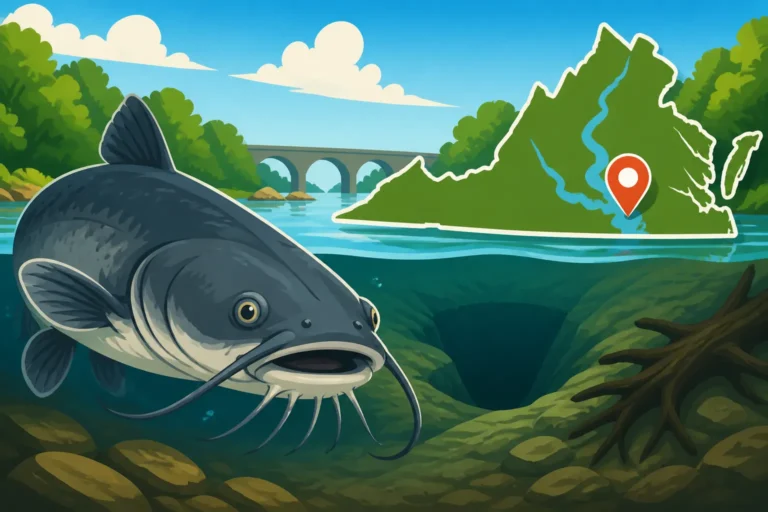
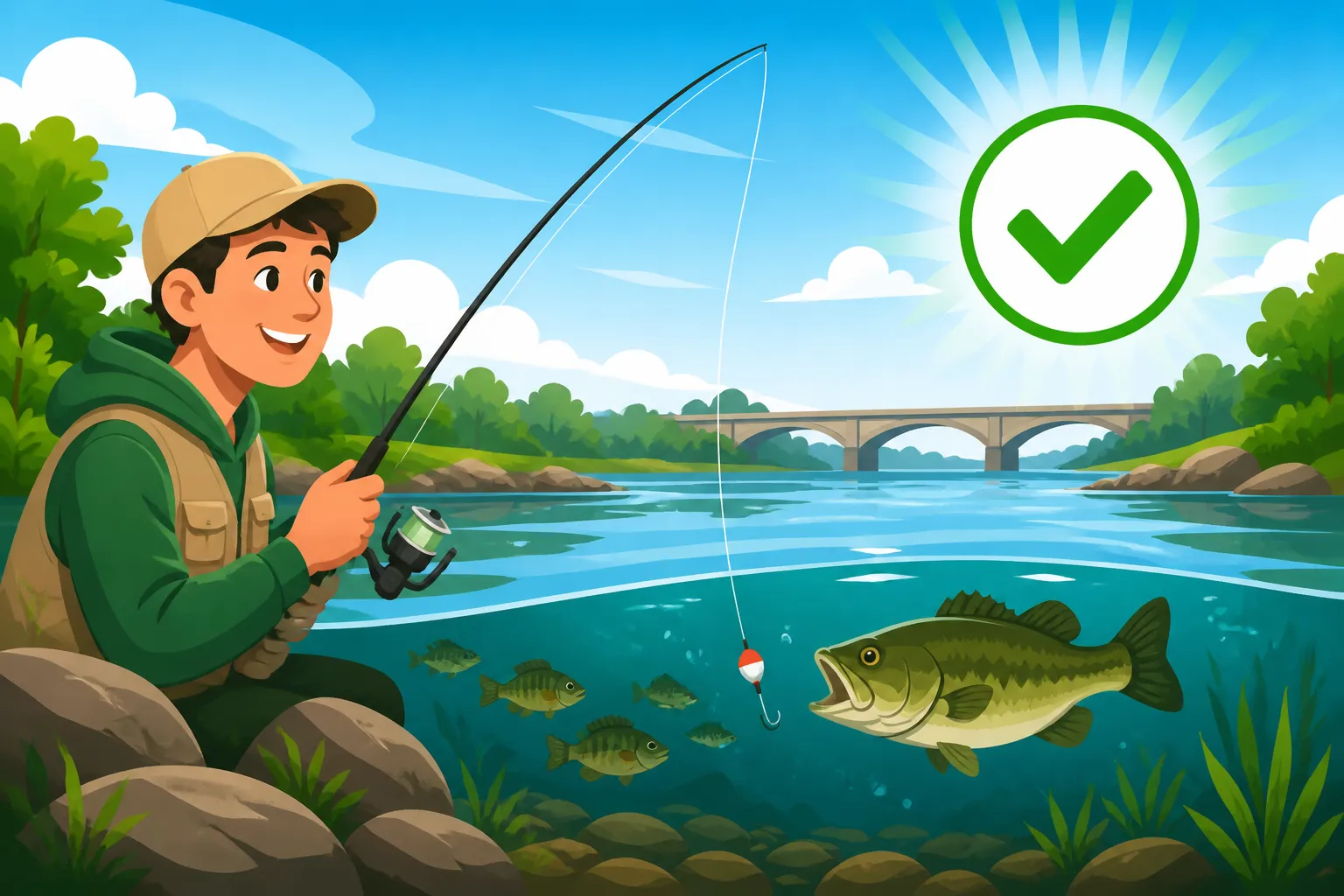
Imagine casting a simple bait-and-bobber setup near a fallen tree or a quiet eddy. Chances are, you'll soon be reeling in panfish like bluegill or crappie. These species are abundant, relatively easy to catch, and provide fantastic practice for setting the hook and fighting a fish. It's the kind of action that keeps kids (and adults!) engaged and excited about fishing. As you gain a bit more experience, you might start to feel a stronger pull on your line and find yourself battling one of the James River's many Channel Catfish. These whiskered bottom-dwellers are plentiful and can grow to impressive sizes, offering a thrilling fight on even basic gear. They're often caught using simple bottom-fishing techniques with common baits like cut bait or worms, making them perfect targets for beginners who want to experience a more substantial catch without needing complex setups. For those who feel ready to step up their game, the James also holds thriving populations of Largemouth Bass and Smallmouth Bass. While these might require a bit more finesse in lure presentation and understanding fish behavior, the sheer abundance of them means you can start experimenting with different techniques as your skills develop.
Abundant and Accessible Fishing Spots
Another aspect that makes the James River so welcoming is its accessibility. You don't necessarily need a fancy boat or expensive gear to find productive fishing spots. The river offers numerous public access points, from dedicated fishing piers and boat ramps to parks with extensive shoreline access, especially as it flows through and around major cities like Richmond. This means you can often find a good spot just a short drive from home, making spontaneous fishing trips much easier to plan.
Consider the wealth of opportunities for bank fishing along its banks. Many local parks, like those found in the Capital Region, provide well-maintained access where you can cast a line from shore, enjoying the scenic beauty without the need for a vessel. These spots are fantastic for beginners because they remove the complexities of boat handling and navigation, allowing you to focus purely on the fishing itself. For those who might want to venture a bit further, but aren't ready for a full-sized boat, kayak or canoe access is also widely available. These smaller vessels open up quieter coves and shallower stretches of the river that larger boats can't reach, offering a more peaceful and intimate fishing experience. Even if you're completely new to boating, many areas along the James have gentle currents, making them manageable for first-time paddlers. Exploring the river is part of the adventure, and sites like FishingBooker can help you find local guides who are experts at navigating these waters, ensuring a safe and productive outing, especially if you're thinking about a guided trip to truly learn the ropes.
What Makes the James River Beginner-Friendly?
Beyond the sheer number of fish and easy access, the James River possesses inherent qualities that inherently make it a fantastic learning ground for new anglers. It's not just about what you can catch, but how you can catch it, and the overall experience of being out on the water.
Simpler Techniques and Gear
One of the biggest barriers for beginners is often the perceived complexity of fishing techniques and the amount of gear involved. The James River, thankfully, allows for immense success with incredibly simple setups, which is a huge relief for anyone just starting out. You don't need a tackle box overflowing with specialized lures or a rod and reel combo that costs an arm and a leg.
Think about the classic bobber-and-worm setup. It's an age-old technique, incredibly effective for catching panfish, and perfect for learning the basics of casting and detecting bites. You can literally just use a simple spinning rod, a basic reel, some monofilament line, a hook, a sinker, and a bobber. Bait it with a live worm, a bit of corn, or even a piece of bread, and you're good to go. This straightforward approach minimizes frustration and maximizes the chances of success, which is crucial for building enthusiasm. For those targeting catfish, bottom fishing is equally simple. A heavy sinker, a leader, a hook, and some cut bait (like pieces of chicken liver or hot dogs) can be incredibly productive. You cast it out, let it sink to the bottom, and wait for a bite. These techniques allow beginners to focus on fundamental skills like casting accuracy, feeling the bite, and proper retrieval, rather than getting bogged down in intricate lure presentations or complex knots. When you start with the basics and see results, it encourages you to learn more and try new things, rather than giving up out of frustration.
Consistent Action and Diverse Ecosystem
There’s nothing more deflating for a beginner than spending hours on the water without a single bite. It can quickly turn an exciting new hobby into a disappointing chore. This is where the James River truly shines for novice anglers: its vibrant and diverse ecosystem generally translates to consistent action. The river is a living, breathing network of habitats, from shallow, rocky rapids to slow, deep pools and expansive tidal flats. This means fish aren't just in one place; they're spread out, and their feeding patterns can vary greatly depending on the section of the river and the time of year.
Because of this ecological richness, there's always a good chance of encountering fish, which keeps spirits high for new anglers. Even if the bass aren't biting in one area, you might find a school of crappie in another, or a hungry catfish lurking in a deeper channel. The sheer volume of fish means that even if you're not an expert at reading the water or predicting fish behavior, you stand a solid chance of getting a bite purely through persistence. The dynamic nature of the James River also means there's always something new to learn and explore. One day you might be catching panfish in a calm cove, the next you could be trying your hand at catching smallmouth bass in a faster current further upstream. This constant opportunity for discovery, combined with the likelihood of consistent action, makes the James River an engaging and rewarding environment for anyone looking to cultivate a lifelong love for fishing.
Navigating the James River: Tips for Your First Trip
Embarking on your first fishing trip on the James River can be an incredibly memorable experience. To make it as smooth and enjoyable as possible, a little preparation goes a long way. Thinking ahead about your gear and understanding the basic rules of the river will set you up for success and, more importantly, a safe and fun time.
Essential Gear for Your James River Adventure
When you’re just starting, you don't need to break the bank on high-end fishing equipment. The beauty of beginner-friendly fishing on the James River is that a few core items will get you a long way. Let's talk about the absolute essentials:
First off, a medium-action spinning rod and reel combo is your best friend. These are versatile, easy to use, and capable of handling a wide range of fish sizes you’ll encounter on the James. Look for something in the 6-7 foot range; it’s manageable for casting and provides enough backbone for fighting fish. Spool it with 8-10 pound monofilament line – it's forgiving for beginners and strong enough for most catches.
Next, your tackle box doesn’t need to be huge. Start with a selection of hooks (sizes 2-6 for panfish, 1/0-3/0 for catfish), an assortment of sinkers (split-shot for light bait, egg sinkers for bottom fishing), and a few bobbers. If you're feeling adventurous and want to try for bass, a few simple plastic worms or spinnerbaits can be a great addition. For bait, live worms or crickets are universally effective for panfish, while chicken livers or cut bait are irresistible to catfish. Don't forget a pair of pliers for hook removal, a small cooler for your snacks and drinks, and perhaps a stringer or cooler for any fish you plan to keep. And definitely remember a basic first-aid kit – small cuts and scrapes happen!
Understanding James River Regulations and Safety
While fishing on the James River is enjoyable, it’s also important to be aware of the rules and prioritize safety. The Virginia Department of Wildlife Resources (DWR) sets specific Virginia Fishing Regulations Explained that all anglers, regardless of experience, must follow. The most crucial one for beginners is having a valid fishing license. Most fishing guides, whether you're using a service like FishingBooker or a local outfitter, will typically advise on license requirements, but it's always good to check beforehand. You'll need a Virginia Resident Freshwater Fishing License Cost if you're a Virginia resident over the age of 16. It's easy to get one online through the DWR website, or from many local sporting goods stores. The penalties for fishing without a license can be steep, so don't skip this step!
Beyond licenses, understanding basic safety is paramount. Always let someone know where you're going and when you expect to return, especially if you're exploring new areas. If you're on a boat or even a kayak, wearing a life jacket is non-negotiable. The James River, particularly in its tidal sections or after heavy rains, can have strong currents, so always be mindful of water conditions. Dress in layers, wear sun protection (hat, sunglasses, sunscreen), and stay hydrated. Being prepared for varying weather and potential hazards ensures your focus stays on the thrill of the catch rather than unexpected problems.
Popular Beginner-Friendly Fishing Spots on the James River
The James River stretches for hundreds of miles, offering an incredible array of fishing environments. For beginners, the key is to find spots that are easily accessible, relatively safe, and have a good reputation for consistent bites. Luckily, several areas along the James fit this description perfectly, making them excellent starting points for your angling journey.
Bank Fishing Spots for Easy Access
Bank fishing is arguably the best way for beginners to start fishing on the James River. It eliminates the need for a boat, making it less expensive and less logistically complex. Plus, there's something incredibly peaceful about casting from shore and feeling connected to the land.
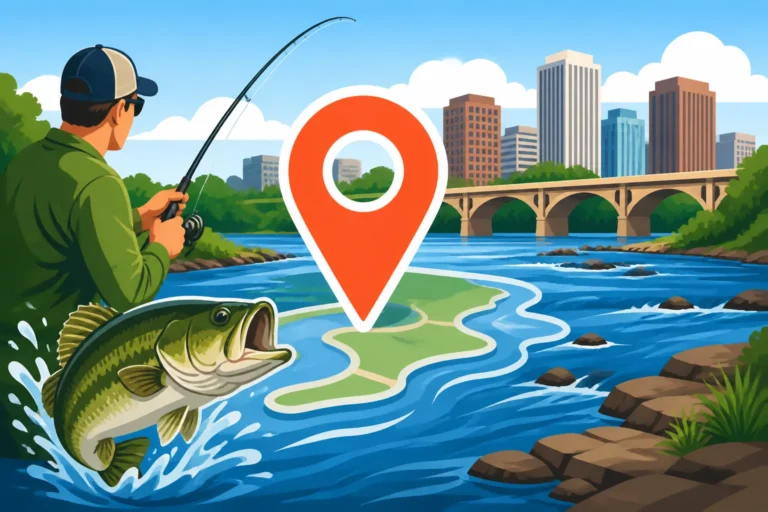
One of the most popular and accessible areas for bank fishing, especially for those near the state's capital, is the downtown Richmond stretch of the James River. Spots like Belle Isle, Pony Pasture Rapids Park, and Ancarrow's Landing offer excellent public access. Belle Isle, for example, features walking trails and plenty of shoreline where you can cast into calmer eddies and slower currents that often hold catfish and panfish. Pony Pasture is known for its rocky banks and can be a fantastic spot for smallmouth bass, though it requires a bit more careful footing. Ancarrow's Landing, on the other hand, offers more traditional bank access and is known for its catfish population. Further downstream, closer to the tidal waters, you’ll find spots with wider, flatter banks, which are generally easier to navigate for beginners. These areas are often well-maintained by local authorities, sometimes even offering picnic areas or restrooms, making them perfect for a family outing. When you’re looking for a spot, keep an eye out for public parks or wildlife management areas listed on the Virginia DWR website – they often detail fishing access points specifically.
Kayak and Canoe Fishing for the Adventurous Beginner
Once you've gotten comfortable with bank fishing and perhaps want to explore a bit more of the river's hidden gems, kayak or canoe fishing opens up a whole new world on the James. It's still relatively low-cost compared to powerboating, and these smaller vessels allow you to quietly slip into shallower waters and explore areas that aren't reachable from shore. This can be incredibly rewarding, offering a more serene experience and access to less pressured fish.
For beginners looking to try kayak or canoe fishing, focus on the slower-moving sections of the river, especially the wider, tidal stretches downstream of Richmond, or the calmer pools further upstream. Many public boat ramps and access points, often marked by the DWR or local county parks departments, are suitable for launching kayaks and canoes. Look for areas with minimal current and plenty of structure like submerged timber, rock piles, or lily pads, as these provide excellent cover for fish. For example, some of the backwater sloughs and oxbow lakes adjacent to the main stem of the James River can be fantastic for kayak fishing for largemouth bass and panfish, as they often have less current and more protected waters. Remember to always wear your life jacket, even in calm water, and be mindful of other boat traffic. For an added layer of safety and guidance on your first kayak trip, consider booking a guided trip through a service like FishingBooker; many guides specialize in kayak fishing and can provide invaluable local knowledge and safety tips.
Common Beginner-Friendly Fish on the James River
To help you get started, here's a quick overview of some of the most common and accessible fish species you're likely to encounter on the James River as a beginner angler, along with simple tips for catching them.
| Fish Species | Best Beginner Bait Options | Typical Habitat for Beginners | Best Time of Year (General) | Notes for New Anglers |
|---|---|---|---|---|
| Bluegill/Sunfish | Worms, crickets, small artificial baits | Shallow, calm water near cover (docks, lily pads, fallen trees) | Spring – Fall | Abundant, aggressive, great for learning to feel bites. |
| Crappie | Minnows, small jigs, worms | Brush piles, submerged timber, docks | Spring, Fall | Can be found in schools; good action once located. |
| Channel Catfish | Cut bait (chicken liver, hot dogs), worms, stink bait | Deeper holes, channel edges, current breaks, bottom | Spring – Fall | Strong fighters, plentiful, excellent table fare. |
| White Perch | Small jigs, minnows, bloodworms | Tidal areas, deeper channels, structure (bridges) | Spring – Fall | Schooling fish, can provide fast action. |
| Largemouth Bass | Plastic worms, spinnerbaits, live shiners | Weedy areas, submerged cover, docks, lily pads | Spring – Fall | A bit more challenging but very rewarding. Start simple. |
| Smallmouth Bass | Small jigs, spinnerbaits, tubes, live minnows | Rocky areas, swift currents, riffles | Spring – Fall | Found in upper river sections; strong fighters. |
This table should give you a good idea of what to expect and how to approach your first few fishing trips on the James. Remember, fishing is about enjoying the outdoors and the process of learning, so don't get discouraged if every cast isn't a success. Every trip is a new adventure!
Disclaimer
Please note that fishing regulations, seasons, and license requirements can change. Always consult the official Virginia Department of Wildlife Resources (DWR) website or current regulations guide before heading out on any fishing trip. This article is intended for informational purposes only and does not constitute official legal advice. Always prioritize safety and environmental responsibility when fishing.