Where to Catch Walleye on Claytor Lake
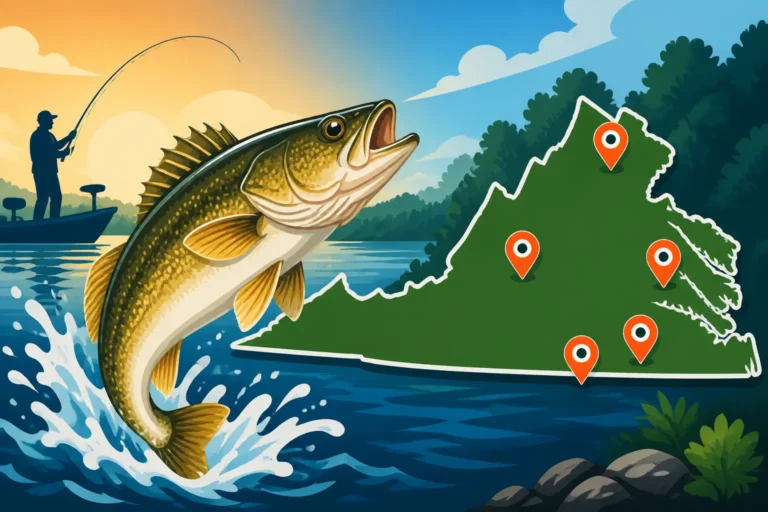
There’s nothing quite like the thrill of a walleye bite, but anyone who’s spent time on Claytor Lake knows that these elusive predators can be notoriously tricky to locate. It’s easy to feel overwhelmed, staring at a vast expanse of water, wondering where to even begin your search for these delicious, finicky fish. This comprehensive guide is here to cut through that frustration, offering you the insider knowledge on exactly where to catch walleye on Claytor Lake, alongside the techniques and tips you'll need to turn a tough day into a triumph.
Understanding Claytor Lake's Walleye Fishery
Before we dive into specific locations, it's really helpful to understand what makes Claytor Lake tick, especially from a walleye's perspective. Think of it like a detective trying to understand a criminal – you need to know their habits, their hideouts, and what they're looking for. Claytor Lake isn't just a big body of water; it's a dynamic ecosystem that constantly influences where these fish will be.
Unique Habitat and Forage
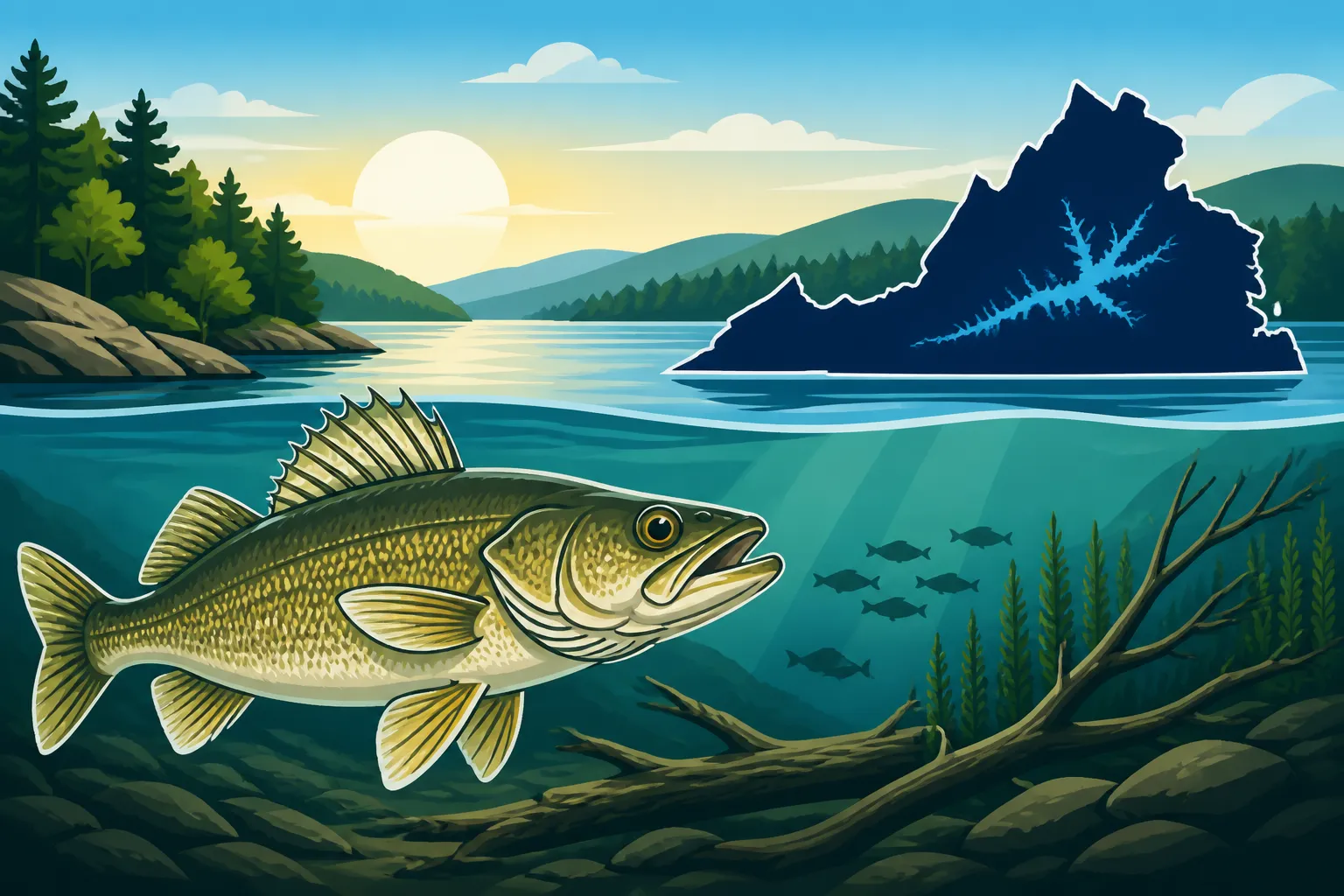
Claytor Lake, nestled in Pulaski County, Virginia, offers a fantastic habitat for walleye due to its unique characteristics. It’s known for its relatively clear, deep waters and a diverse bottom composition that includes rocky points, submerged humps, ledges, and channels. Walleye absolutely thrive in these conditions, preferring structure and cooler, oxygen-rich depths, especially during the warmer months. The New River, which feeds into Claytor Lake, provides a continuous flow of fresh water, maintaining good water quality and creating currents that walleye often relate to.
What really keeps these walleye happy and healthy in Claytor Lake is their abundant food source. They're true predators, and they have a buffet to choose from. Their primary forage includes schooling baitfish like threadfin shad and alewives, which they actively pursue in open water. But they're not picky; they'll also feast on yellow perch, bluegill, and various invertebrates. Understanding this diet helps you pick the right lures and presentations – you want to "match the hatch" or present something that looks irresistibly easy for them to snatch up. When walleye are actively chasing schools of shad, for example, a fast-moving crankbait or a swimbait can be incredibly effective, mimicking their natural prey.
Seasonal Movements of Walleye
Walleye are constantly on the move, dictated largely by water temperature, spawning urges, and the availability of food. Their behavior shifts dramatically throughout the year, meaning a spot that's hot in spring might be completely barren in summer. Learning these patterns is key to consistent success.
In spring, as water temperatures creep into the mid-40s to low 50s Fahrenheit, walleye begin their pre-spawn migrations. They'll move towards shallower, rocky areas, often near river mouths or tributary inflows, where they will eventually spawn. During this time, they're hungry and aggressive, making them a prime target for anglers. As the water warms further post-spawn (late spring to early summer), they disperse and begin to follow baitfish into deeper open water, often suspending over main lake channels or associating with submerged humps and ledges. This is when your electronics really become your best friend.
Summer sees walleye retreating to the cooler, deeper sections of the lake, often holding tightly to the thermocline if one forms. They become more nocturnal, feeding heavily during low light conditions or after dark. Fall, however, is a fantastic time to target them as they put on the feedbag for winter. They'll often move back shallower, particularly into creek arms and onto main lake points, chasing baitfish that are also staging for cooler temperatures. Finally, in winter, walleye can be found in deep holes and channels, often schooling tightly, and can be caught by vertical jigging or slow trolling. Understanding these seasonal shifts is crucial, as what works for a Spring Bass Fishing Patterns might not work for a walleye in summer.
Top Walleye Hotspots on Claytor Lake
Knowing when walleye move is one thing, but knowing where to intercept them is another. Claytor Lake offers a variety of structures and features that consistently hold walleye, depending on the season and conditions. These aren't just random spots; they're areas that provide walleye with the perfect combination of ambush points, deep-water access, and forage.
Deep Main Lake Channels and Points
These are perennial favorites for walleye anglers on Claytor Lake, and for good reason. Walleye love to use changes in depth as ambush points, allowing them to dart out and surprise unsuspecting baitfish. The main lake channels, especially those near the deeper sections of the lake and closer to the dam, are essentially walleye highways. These areas often feature steep drop-offs, ledges, and subtle humps that provide excellent cover and access to deep water. Look for prominent points that extend far out into the lake, especially those with rocky bottoms or submerged timber. These act as staging areas and feeding grounds.
When targeting these spots, trolling deep-diving crankbaits is a highly effective strategy, especially if you're covering a lot of water. Lures that dive to 15-30 feet or more can entice walleye suspended over deeper water or hugging the breaks. Alternatively, if you mark fish holding tight to the bottom on your fish finder, vertical jigging with heavy spoons or blade baits can be deadly. Sometimes, just slowly dragging a crawler harness along these contours can trigger a strike. Keep an eye on your electronics; walleye often show up as distinct arches or even streaks if they're moving fast, and they'll usually be very close to the bottom or suspended just above it.
River Mouths and Tributary Inflows
The New River is the lifeblood of Claytor Lake, and its influence on walleye movement cannot be overstated. The mouths of the New River, and other significant creeks and tributaries that feed into the lake, are prime walleye real estate, particularly during cooler water periods like spring and fall, and especially after significant rainfall. These inflows bring in nutrients, baitfish, and often slightly warmer water, creating an irresistible draw for walleye. The current created by these inflows also concentrates baitfish, making it easier for walleye to feed.
In the spring, walleye will stage heavily in these areas before moving upriver or into the shallower parts of the lake to spawn. During fall, they'll congregate there again, feeding aggressively on baitfish before winter sets in. Focus your efforts where the current is noticeable, looking for eddies, seams, and current breaks. Casting swimbaits, jerkbaits, or even vertical jigging with jigs tipped with minnows can be very effective in these situations. Bottom bouncing rigs with live bait like nightcrawlers or minnows, slowly drifted through these areas, can also produce excellent results. Pay attention to how the current moves your boat or kayak, and try to present your bait in a natural, downstream drift.
Rock Piles and Submerged Humps
Walleye are structure-oriented fish, and Claytor Lake has plenty of rocky terrain and underwater anomalies that hold them. Submerged humps, also known as "mounts" or "reefs," are underwater islands that rise significantly from the lake bed. Rock piles, often overlooked, can be literal goldmines. These structures provide cover, concentrate baitfish, and offer walleye a strategic position to ambush prey. Finding these spots can be challenging without good electronics, but they are often worth the effort.
To locate these hidden gems, invest in quality electronics with side imaging and down imaging capabilities. Brands like Humminbird and Garmin offer excellent units that can help you "see" the underwater landscape. Once you find a promising hump or rock pile, position your boat upstream or upwind and drift over it, presenting your baits right on top or along its edges. Vertical jigging with spoons, blade baits, or jigs tipped with live minnows is a go-to technique for these tight-lipped fish. You can also try casting crankbaits or spinnerbaits that run just above the structure. Remember, walleye on these structures are often holding very close to the bottom, so a precise presentation is crucial. For anglers looking to explore more about Boat Fishing Techniques, focusing on these structures is a great start.
Essential Techniques for Claytor Lake Walleye
Now that you know where to look, let's talk about how to catch them. Walleye fishing isn't always about brute force; it's often about finesse, patience, and presenting your bait in just the right way. Different situations call for different approaches, and mastering a few key techniques will significantly boost your success rate on Claytor Lake.
Trolling for Open Water Walleye
Trolling is arguably one of the most effective ways to cover large expanses of water and locate scattered walleye on Claytor Lake, especially when they are suspended or spread out over deep flats or channels. This technique allows you to present lures at specific depths for extended periods, drawing strikes from fish you might otherwise miss. It's particularly potent during the summer and fall when walleye are often chasing schools of baitfish in open water.
When trolling, precise depth control is paramount. Use a line counter reel to know exactly how much line you have out. Experiment with different crankbaits that are designed to dive to various depths. Lures like Rapala's Deep Husky Jerk or Berkley's Flicker Shad are popular choices, known for their fish-attracting action and ability to reach deeper walleye. Vary your trolling speed between 1.5 to 2.5 miles per hour until you find what the fish prefer. Sometimes, a subtle speed change or a sharp turn of the boat can trigger a hesitant walleye to strike. Don't forget planer boards if you want to spread out your lines and cover even more water, especially useful for reaching walleye that might be spooked by the boat. Your fish finder is essential here; use it to identify schools of baitfish and suspended walleye, then adjust your lure depth to match their position in the water column. Understanding How to Find Fish From a Boat With a Fish Finder is absolutely critical for effective trolling.
Vertical Jigging and Bottom Bouncing
When walleye are concentrated in deeper areas, holding tight to structure like humps, ledges, or deep holes, vertical jigging becomes an incredibly effective, yet often subtle, technique. This method is fantastic during colder months (late fall, winter, early spring) or during the heat of summer when walleye are seeking deeper, cooler water.
For vertical jigging, you'll want a sensitive rod that can detect those faint walleye bites. Jigging spoons (like a Northland Forage Minnow or a Johnson Thinfisher) or blade baits are excellent choices. Position your boat directly over marked fish or structure, drop your lure to the bottom, and then lift and drop it with varying cadences. Sometimes a subtle "lift-drop-pause" is all it takes, while other times a more aggressive snap-jigging motion can provoke a strike. The key is to keep your bait in the strike zone, which often means right on the bottom or just a foot or two above it.
Bottom bouncing, on the other hand, is a great way to present live bait or spinner rigs slowly and effectively along the lake bottom, particularly on flats or gradual breaks. A bottom bouncer setup typically involves a lead weight with a wire arm that keeps your bait elevated off the bottom, minimizing snags while maximizing presentation. Attach a crawler harness, a plain snell with a live minnow, or a plastic grub to the trailing line. Slowly drift or troll at very low speeds, letting the bottom bouncer occasionally tap the bottom. This technique is fantastic for covering ground where walleye are spread out but still bottom-oriented.
Live Bait Presentations
While artificial lures are effective, sometimes nothing beats the real thing, especially when walleye are finicky or heavily pressured. Live bait, correctly presented, can be an absolute game-changer on Claytor Lake. Minnows, nightcrawlers (often called "crawlers"), and leeches are the undisputed kings of walleye live bait.
For presenting minnows, a simple slip bobber rig allows you to suspend your minnow at a precise depth, which is perfect for targeting walleye holding over submerged brush piles or around docks. When fishing deeper structure, a Carolina rig or a drop shot rig can keep your minnow right in the strike zone, maintaining a natural presentation. For nightcrawlers, a popular and highly effective presentation is a "crawler harness." This rig features a series of small hooks designed to hold a whole nightcrawler, often preceded by spinner blades or beads that add flash and vibration. This can be trolled, drifted behind a bottom bouncer, or even cast and slowly retrieved. Leeches, though less common in Virginia, are a walleye delicacy in many places and can be fished under a bobber or on a plain hook. Always check local bait regulations before using live bait you've collected yourself, and ensure your bait is lively and healthy.
Timing Your Claytor Lake Walleye Trip
Just like real estate, fishing is all about "location, location, location," but for walleye, "timing, timing, timing" is equally vital. The time of year, day, and even the weather conditions can dramatically impact your success rate on Claytor Lake.
Best Seasons for Walleye Fishing
Claytor Lake offers walleye fishing opportunities almost year-round, but some seasons definitely shine brighter than others. Knowing the peak times can help you plan your most productive trips.
Spring (April-May): This is often considered prime time for walleye on Claytor Lake. As ice melts and water temperatures rise, walleye move shallow for their spawning rituals. They can be found in rocky areas, river mouths, and tributary inflows. Pre-spawn walleye are often aggressive and hungry. After the spawn, they'll disperse and feed heavily to recover, making them accessible. Focus on these shallower staging areas using jigs tipped with minnows or slow-trolling crankbaits.
Summer (June-August): Don't dismiss summer, but be prepared to go deep. As the water warms significantly, walleye retreat to cooler, deeper sections of the lake, often concentrating around the thermocline (if one develops) or along deep ledges and humps. They become more active during low-light periods, making dawn, dusk, and even night fishing incredibly productive. Trolling deep-diving crankbaits or vertical jigging with spoons are key techniques for these deep-water fish.
Fall (September-November): Fall is another fantastic season, rivaling spring for many anglers. As water temperatures begin to cool, walleye go on a major feeding binge to fatten up for winter. They'll often move back shallower, particularly into creek arms and onto main lake points, aggressively chasing baitfish. This can be a great time for casting crankbaits, spinnerbaits, or trolling. The fish are often more active during the day as the sunlight lessens.
Winter (December-March): While challenging, winter fishing on Claytor Lake can yield some of the biggest walleye. When the water is cold, walleye group up tightly in deep holes, channels, and around prominent submerged structures. Vertical jigging with heavy spoons, blade baits, or jigs tipped with live minnows is the most common and effective technique. Patience is key, and bites can be incredibly subtle. Bundle up and enjoy the solitude!
Prime Time of Day and Weather Conditions
Walleye are notorious for their light sensitivity, which heavily influences their feeding patterns. Generally, low-light conditions are your best friend. This means dawn and dusk are often prime times to be on the water. During these periods, walleye will often move shallower to feed under the cover of reduced light, making them more accessible to anglers.
Cloudy days, especially those with a light chop on the water, can also extend the prime feeding window throughout the day. The cloud cover diffuses the light, and the chop breaks up the water's surface, making it harder for prey to spot predators and for walleye to be spotted themselves. On bright, sunny days, walleye tend to retreat to deeper, shadier areas, making them harder to find and catch.
Weather conditions beyond light also play a role. A stable weather pattern for a few days can lead to consistent fishing. However, sudden changes, like a strong cold front, can really shut down the bite. Walleye often become lethargic and move deeper after a front passes. Conversely, fishing before a major cold front can be excellent, as fish sense the change and feed aggressively. Wind can be both a blessing and a curse. A light to moderate wind can create a "walleye chop" that helps break up the surface and stir up bait, but strong winds can make boat control and presentation incredibly difficult.
Gear Recommendations for Success
Having the right tools for the job can make all the difference, especially when you're targeting a tricky species like walleye. While you don't need the most expensive gear, understanding what works best for different techniques will give you a significant advantage on Claytor Lake.
Rods, Reels, and Line
For walleye fishing on Claytor Lake, versatility is key, but having specialized setups for different techniques will truly elevate your game.
Rods: A good all-around walleye rod is typically 6'6" to 7'6" in length with a medium-light to medium power and a fast or extra-fast action. This combination provides enough backbone to handle a decent-sized walleye while maintaining the sensitivity needed to detect those notoriously subtle bites. For vertical jigging, a shorter, more sensitive rod (6'0" to 6'6" with a fast action) allows for precise lure control. For trolling, longer, more forgiving rods (7'6" to 9'0" with a medium power and moderate action) are preferred, as they absorb the shock of a strike and keep crankbaits running true. Brands like St. Croix, Fenwick, and Bass Pro Shops offer excellent walleye-specific rod lines that won't break the bank.
Reels: For most casting and jigging applications, a spinning reel in the 2000-3000 size range is ideal. It should have a smooth drag system and a good retrieve ratio. For trolling, baitcasting reels are often preferred for their strength, line capacity, and the ability to control line payout, especially if you're using line counter models to manage depth precisely.
Line: Your choice of fishing line is crucial for detecting bites and landing fish.
- Monofilament (Mono): A good all-rounder, mono offers stretch, which can be forgiving on subtle bites and help prevent hooks from pulling out. It's affordable and easy to tie knots with. A 6-10 lb test is usually sufficient.
- Fluorocarbon (Fluoro): Virtually invisible underwater, fluoro is excellent for clear water conditions like those found in Claytor Lake. It has less stretch than mono, providing increased sensitivity, and sinks, which can be an advantage for deep-water presentations. Use 8-12 lb test, often as a leader with braided mainline.
- Braided Line (Braid): With almost no stretch and incredible sensitivity, braid is excellent for detecting faint bites and for powerful hooksets. It's also very strong for its diameter. The downside is its visibility, so it's often paired with a fluorocarbon leader (6-12 lb test). For trolling, 10-15 lb braid is common, while 8-10 lb is good for jigging.
Essential Lures and Baits
Having a diverse tackle box is key to adapting to changing conditions and walleye moods. Here’s a breakdown of must-have lures and baits for Claytor Lake walleye:
Jigs: These are versatile and effective year-round. A 1/8 to 3/8 ounce jig head tipped with a live minnow, a soft plastic grub (like a Berkley Gulp! Minnow or a Bass Pro Shops Stik-O), or even a bucktail can be incredibly productive for vertical jigging or casting shallow areas. Have a variety of colors, including natural baitfish patterns, chartreuse, and orange.
Crankbaits: Essential for trolling and casting. Deep-diving models (Rapala Deep Husky Jerk, Berkley Flicker Shad, Bandits) are crucial for reaching suspended walleye or those holding to deep structure. Medium-diving and shallow-diving crankbaits work well in spring and fall when fish are shallower. Again, natural baitfish colors, firetiger, and perch patterns are popular. For more insights on How to Choose Lure Color for Murky Water vs clear water, consider the light conditions.
Spoons and Blade Baits: These are fantastic for vertical jigging, especially in deep water or through the ice (if conditions allow safe ice fishing). Jigging spoons (like a Luhr-Jensen Crippled Herring or a Rapala Jigging Rap) provide a fluttering action on the fall, while blade baits (like a Silver Buddy) offer strong vibration.
Spinner Rigs/Crawler Harnesses: Paired with a bottom bouncer or simply trolled, these rigs are incredibly effective with a live nightcrawler. The flash and vibration from the blades, combined with the scent and action of a live worm, are irresistible to walleye.
Live Bait: As discussed, minnows, nightcrawlers, and leeches are often the most effective baits. Always have a good supply, and keep them lively.
Electronics and Navigation
In today's walleye fishing world, electronics are no longer a luxury—they are a necessity. Trying to find walleye on a lake like Claytor without a quality fish finder and GPS is like trying to navigate a new city without a map.
Fish Finders (Sonar): A good fish finder is your underwater eyes. Look for units that offer 2D sonar, Down Imaging, and ideally, Side Imaging.
- 2D Sonar: The traditional sonar view, great for showing depth, identifying bottom contours, and marking fish arches directly beneath your boat.
- Down Imaging: Provides a picture-like view of what's directly below, making it easier to distinguish structure (like rock piles or submerged timber) from fish.
- Side Imaging: Revolutionary for covering water. It allows you to scan wide areas to either side of your boat, revealing structure, baitfish schools, and even individual walleye that might be off to the side, outside of your traditional sonar cone. This is incredibly helpful for locating those hidden humps and rock piles.
GPS and Mapping: Integrated GPS with detailed lake maps is invaluable. Claytor Lake maps will show you contours, depths, navigation markers, and often highlight potential fishing spots. You can mark waypoints for productive areas, submerged structures, or schools of fish you encounter. This allows you to return to exact spots and develop a mental (and digital) map of walleye haunts. Top brands like Humminbird, Garmin, and Lowrance offer excellent chartplotter/fish finder combos that cater to serious anglers. Make sure your maps are up-to-date and have enough detail for Claytor Lake.
Claytor Lake Walleye Fishing Regulations
Before you even think about dropping a line, it's absolutely crucial to familiarize yourself with Virginia's fishing regulations. These rules are in place to ensure sustainable fish populations for future generations, and ignorance is no excuse for violations. Always double-check the Virginia Department of Wildlife Resources (DWR) website for the most current information, as regulations can change from year to year.
Understanding Limits and Seasons
For walleye in Claytor Lake (and generally statewide in Virginia), there are specific rules regarding how many fish you can keep and their size. As of the most recent regulations, the daily creel limit for walleye is typically 5 fish per person per day, and there's generally an 18-inch minimum size limit. This means any walleye caught under 18 inches must be immediately released unharmed.
It's important to measure your fish accurately from the tip of the nose to the tip of the tail, making sure to pinch the tail together for the maximum length. These limits are designed to protect younger fish and ensure that enough walleye reach spawning age. While there isn't a specific "walleye season" closure on Claytor Lake, these size and creel limits are strictly enforced throughout the year. Always carry a measuring device with you, and if you're unsure about a fish's size, it's always best to release it. Violating these regulations can lead to hefty fines and even loss of fishing privileges, so pay close attention! You can find a lot more information by reading about Virginia Fishing Regulations Explained.
Licenses and Permits
Let's be crystal clear: if you are 16 years of age or older, you absolutely need a valid Virginia fishing license to fish on Claytor Lake, regardless of whether you are a resident or non-resident. There are no exceptions for specific species like walleye; the license covers all legal fishing activities.
You can purchase your Virginia fishing license online through the DWR website, at most sporting goods stores, bait and tackle shops, and even some hardware stores. They offer various types of licenses, including annual resident, non-resident, short-term options (like a 5-day freshwater pass for visitors), and even lifetime licenses. If you're planning a trip to Claytor Lake, make sure your license is current and in your possession while fishing. A digital copy on your phone is usually acceptable, but carrying a physical printout is always a safe bet. It's really helpful to know the specific Virginia Fishing License Costs and Types Explained before you plan your trip.
Why a Fishing Guide Can Make a Difference
For anglers new to Claytor Lake, or those simply looking to maximize their chances and learn the ropes quickly, hiring a local fishing guide can be an invaluable experience. It's an investment, but it often pays off in knowledge gained and fish caught.
Local Knowledge and Expertise
A seasoned Claytor Lake walleye guide has spent countless hours on the water, learning the lake's intricate nuances throughout every season. They know the subtle humps that don't show up on standard maps, the specific rock piles where walleye congregate, and the precise depths at which fish are holding. They understand the patterns of the baitfish, the impact of recent weather, and how the current from the New River affects walleye behavior. This local knowledge is a treasure trove of information that would take years for an individual angler to accumulate.
Not only do they know where the fish are, but they also know how to catch them under prevailing conditions. They'll have the right baits, the right presentations, and the experience to adjust tactics on the fly. They can quickly assess the situation and put you on fish, saving you countless hours of trial and error. For a deep dive into all available options, check out the Virginia Fishing Charters and Guides: The Complete Guide.
Hassle-Free Fishing Experience
Beyond the expertise, booking a fishing guide offers a truly hassle-free experience. Most guides provide all the necessary gear – rods, reels, lures, and often even bait. This means you don't have to worry about packing your entire tackle box or investing in specialized equipment before you're even sure you like walleye fishing. They'll have a comfortable boat, safety equipment, and typically handle all the navigation.
This is especially great for beginners, families with kids, or even experienced anglers who just want to relax and enjoy the fishing without the stress of planning and preparation. Guides are also fantastic teachers; they can show you proper casting techniques, how to read your electronics, and how to detect those subtle walleye bites. It's a fantastic way to learn the lake and sharpen your skills. If you're looking to maximize your chances and find experienced local guides, platforms like FishingBooker are a great resource, connecting you with top-rated captains who specialize in walleye on Claytor Lake. They offer various trip lengths and prices, making it easy to find a guide that fits your budget and schedule.
Claytor Lake Walleye Hotspots & Techniques Summary
| Season | Primary Locations | Key Techniques | Recommended Baits/Lures | Depth Focus |
|---|---|---|---|---|
| Spring | Rocky points, River mouths, Shallow flats | Vertical jigging, Slow trolling, Casting jigs | Jigs w/minnows/grubs, Shallow/medium crankbaits | 5-20 feet |
| Summer | Deep main lake channels, Humps, Thermocline | Deep trolling, Vertical jigging (night fishing) | Deep-diving crankbaits, Jigging spoons, Live bait | 20-50+ feet |
| Fall | Main lake points, Creek arms, Ledges | Trolling, Casting, Bottom bouncing | Crankbaits, Spinnerbaits, Crawler harnesses, Jigs | 10-35 feet |
| Winter | Deep holes, Channel edges, Submerged structure | Vertical jigging, Slow bottom bouncing | Heavy spoons, Blade baits, Jigs w/minnows | 30-60+ feet |
Disclaimer
Fishing regulations, conditions, and fish behavior can change rapidly. Always consult the official Virginia Department of Wildlife Resources (DWR) website for the most current regulations before heading out. The information provided in this guide is for general informational purposes only and should not be considered legal advice or an exhaustive list of all rules. Always prioritize safety on the water and practice responsible angling.