Spring Bass Fishing Patterns
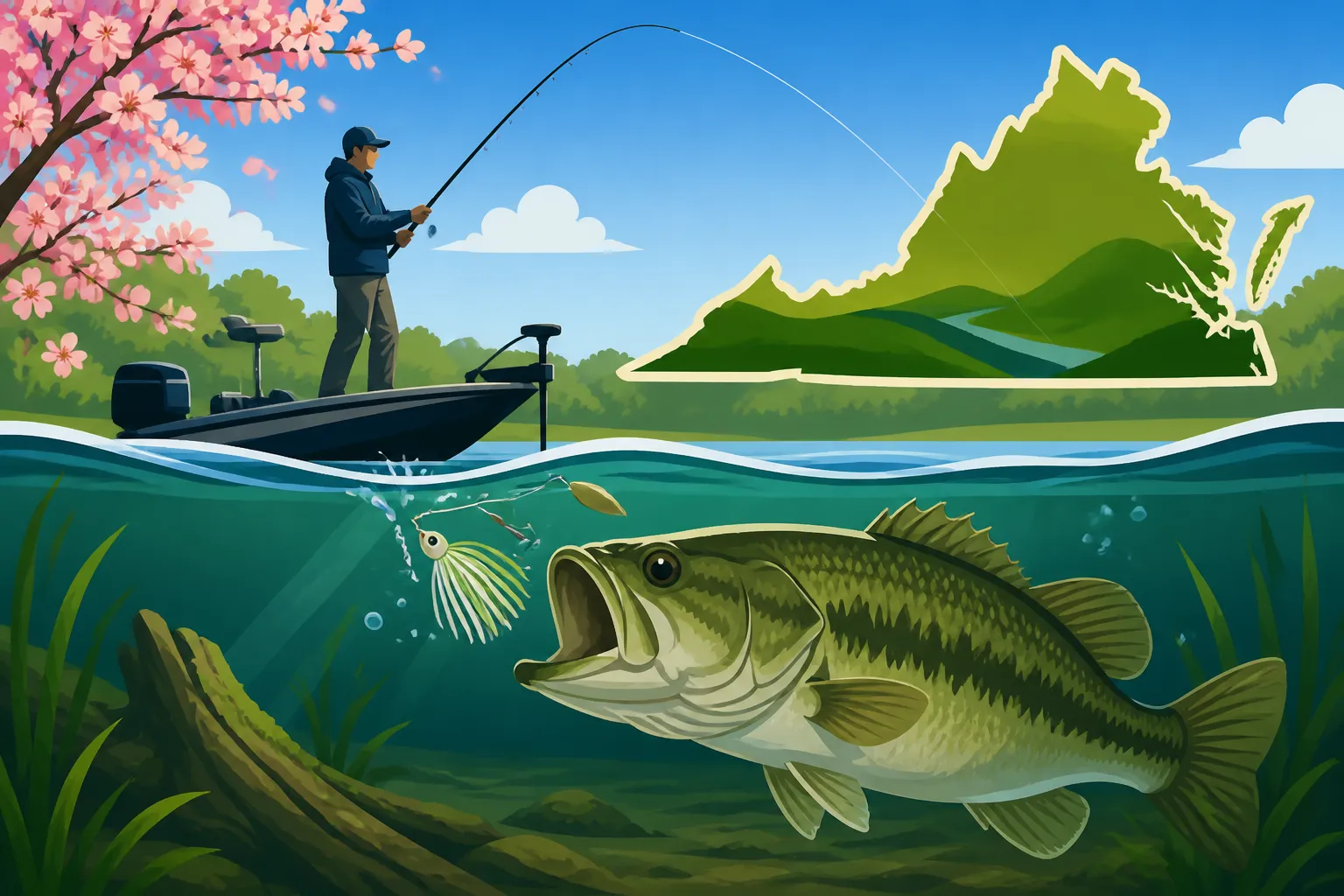
Oh, the anticipation of spring bass fishing in Virginia! It’s a time of year that fills every angler with hope, but let's be real, it can also be incredibly frustrating. One day they're biting everything, the next they've vanished without a trace. This guide is all about demystifying those tricky spring bass patterns, helping you understand where the fish are, what they’re thinking, and how to consistently put them in your boat or on the bank.
The Rhythmic Dance of Spring: Understanding Bass Behavior Shifts
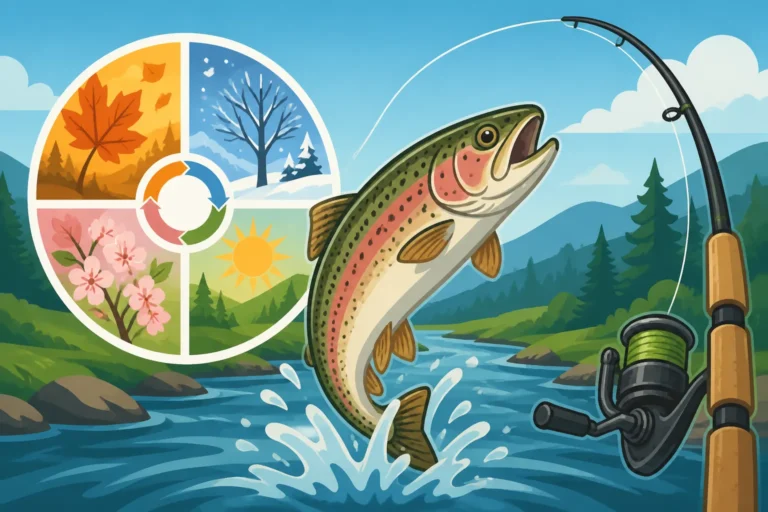
Spring in Virginia is a fantastic but often bewildering time to chase largemouth and smallmouth bass. It’s a season of dramatic change, where water temperatures fluctuate wildly, fronts roll in and out, and the bass themselves are undergoing one of the most significant biological shifts of their year: the spawn. If you think you can fish the same way you did in late winter or will in summer, you're in for a rude awakening. The key to success is understanding this dynamic, almost rhythmic dance that bass perform as they transition from their deep winter haunts to shallow spawning grounds and then back out again. It's a journey fueled by instinct and the warming waters.
Early Spring Challenges and Opportunities
When you first hit the water in early spring, especially after a long, cold Virginia winter, it can feel like bass fishing is an uphill battle. The water might still be in the low 40s or 50s, and the fish are often sluggish, still recovering from the cold months. They haven't quite moved into their pre-spawn gorging phase yet. This is where patience truly becomes a virtue. You won't find them chasing fast-moving baits with reckless abandon. Instead, they'll be tucked away in areas offering warmer water or ambush points where they can expend minimal energy to feed. Think about those northern coves, protected creek arms, or areas with dark bottom composition that absorb sunlight. These spots might only be a degree or two warmer, but to a cold-blooded bass, that's a huge difference. Targeting these fish effectively often means slowing down your presentation dramatically, perhaps even trying some slow rolling spinnerbaits or suspending jerkbaits.
Water Temperature's Dominant Role
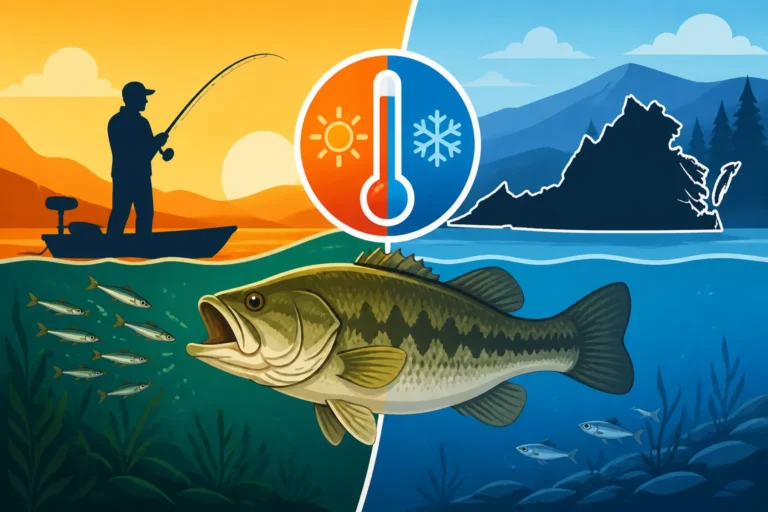
If there's one factor that dictates bass behavior in the spring more than any other, it's water temperature. It's the ultimate thermostat for their activity levels, metabolism, and migratory patterns. As the sun climbs higher and days get longer, that water begins to warm up, triggering a cascade of biological responses. Bass become more active, moving out of their deep winter holes and starting their annual trek towards spawning grounds. The magic numbers often cited for different stages of the spawn are crucial here. For instance, when water temperatures reach the mid-50s, bass typically enter the pre-spawn phase, staging near spawning flats. As temperatures climb into the low 60s, you'll see more fish on beds. Keeping a close eye on your boat's temperature gauge, or even investing in a good quality handheld thermometer if you’re a bank angler, can provide invaluable clues. Remember, it's not just the average temperature; look for subtle differences. A muddy flat might warm up faster than a rocky point, drawing fish to it even if the main lake is still chilly. Checking the Water Temperature for Bass Fishing in Virginia can give you a general idea, but local variations are huge.
Pre-Spawn Powerhouse: Fueling Up for the Future
The pre-spawn phase is arguably one of the most exciting times to fish for bass in Virginia. This is when the fish are at their heaviest, often gorging themselves to build up energy reserves for the strenuous process of spawning. They're aggressive, hungry, and often predictable, making them a prime target for anglers looking for those trophy-sized catches. This period is all about finding where these big, hungry fish are staging before they commit to the shallowest waters for nesting.
Locating Pre-Spawn Bass Hotspots
During the pre-spawn, bass are typically found in transition areas – not quite in their deep wintering holes, but not yet fully committed to the shallow spawning flats. Think of them as hanging out in the hallways just outside the main party room. They'll often stage on points, humps, ledges, and creek channel swings that are adjacent to prime spawning grounds. These locations offer them quick access to deeper water for safety or comfort during cold snaps, while also being close enough to move shallow when conditions are right. Look for areas where a creek channel sweeps close to a flat, or where a main lake point tapers into a bay with emergent vegetation. These "highways" allow bass to move efficiently. Using your electronics to find submerged cover like brush piles or rock formations on these staging areas can be a game-changer. These spots become bass magnets, holding schools of large, feeding fish. Many anglers find success in the productive waters of Smith Mountain Lake Fishing Guide during this crucial time.
Go-To Lures and Presentations for Hungry Bass
Since pre-spawn bass are trying to pack on the pounds, they're often receptive to larger, more substantial baits that imitate hearty meals. Crankbaits, especially those that dive to the depth of the staging areas, are absolute killers. Colors like crawfish, chartreuse, and shad patterns work well. Don't be afraid to experiment with different sizes and diving depths until you find what triggers a strike. Another fantastic option is a lipless crankbait, which can be ripped through grass or yo-yoed over structure to imitate a fleeing baitfish. Spinnerbaits, especially those with larger blades for maximum thump and flash, are also excellent choices, particularly on windy days or in stained water. And of course, a good old jig and pig combo, flipped or pitched into brush piles and rock, can draw some of the biggest bites of the year. For those who prefer soft plastics, a large Texas-rigged worm or creature bait can be deadly, slowly dragged along the bottom. You can find a vast selection of these on Amazon, perfect for stocking up your tackle box. For more specific tactics, you might want to look into How to Catch Bass in Spring Before the Spawn.
Dealing with Cold Fronts and Pressure Changes
Just when you think you've got them figured out, Mother Nature throws a curveball. Cold fronts in spring are notorious for shutting down a hot bite, and they happen frequently in Virginia. One day it's 70 and sunny, the next it's 40 and pouring rain. When a cold front pushes through, the barometric pressure rises, and bass often retreat to deeper, more stable water, becoming less active. Their metabolism slows, and they're less likely to chase a fast-moving bait. This is when you need to slow down, sometimes drastically. Finesse techniques become crucial. Try a shaky head worm, a drop shot, or a Ned rig fished excruciatingly slowly around deep cover. Focus on vertical presentations if the fish are hugging bottom. Sometimes, the best strategy is to find areas that offer a bit of thermal refuge, like main lake points with access to deeper water, or steep banks where bass can adjust their depth without moving far horizontally. Remember, they're still there, just a lot less enthusiastic.
The Spawn: Bedding Bass and Their Protective Instincts
The spawn is a truly remarkable time in the bass's life cycle, and for anglers, it presents a unique challenge and opportunity. Bass are focused almost entirely on reproduction, becoming fiercely territorial and protective of their nests. This intense focus can make them highly aggressive, but also very finicky, requiring a different approach than the pre-spawn feeding frenzy. Virginia's various lakes and rivers experience the spawn at different times, influenced heavily by local conditions and Bass Spawn Timing on Virginia Lakes.
Identifying Spawning Areas and Visible Beds
As water temperatures consistently hit the low to mid-60s, bass move into shallow, protected areas to build their nests, often called "beds." These are typically found in coves, backwaters, and protected pockets with hard bottom (gravel, sand, or hard clay) where sunlight can penetrate. Look for areas shielded from strong winds and boat traffic. Visible beds appear as light, circular depressions on the bottom, often cleaned of debris by the male bass. They'll be guarding these nests, or fanning them out to prepare for the female. Polarized sunglasses are your best friend here, allowing you to cut through the glare and spot these subtle signs. Often, you'll see a male bass, and sometimes a larger female, hovering nearby. Identifying these specific spots is crucial because it allows you to target fish that are actively engaged in the spawning ritual.
Finesse vs. Aggression: Approaching Bedding Bass
Targeting bedding bass often requires a delicate balance of finesse and controlled aggression. The goal is usually to irritate the bass into striking, rather than triggering a feeding response. Soft plastics are king here. Pitched or flipped jig worms, creature baits, or lizards in natural colors (green pumpkin, watermelon) are excellent choices. The key is to repeatedly present the bait to the bed, letting it sit there, twitching it gently, and sometimes even letting it drop onto the fish itself. This "dead-sticking" or "shaking" can often provoke a territorial strike. Some anglers also have success with small creature baits or tubes on a light jig head. However, bass can be incredibly frustrating during this phase; they might nose your bait, pick it up and move it, or simply stare at it without biting. Persistence is key, but also know when to move on. Sometimes a different angle, a different color, or even a different retrieve speed can make all the difference. Remember the Virginia's daily bass limit is 5 fish combined when considering how many fish you intend to keep.
Ethical Considerations for Targeting Spawning Fish
While catching bass off beds can be effective, it's a practice that sparks a lot of debate among anglers regarding ethics and conservation. When a bass is caught off its bed, it temporarily leaves its nest unprotected, making the eggs or fry vulnerable to predators like bluegill, crappie, or even other bass. Repeatedly catching the same fish off a bed can stress the fish and significantly impact spawning success. If you choose to target bedding bass, consider these points:
- Quick Release: Release the fish as quickly as possible, ideally right back to its bed.
- Minimal Handling: Reduce handling time and keep the fish in the water as much as possible.
- Limit Pressure: If a fish is heavily pressured or you're seeing multiple anglers targeting the same beds, consider moving to other areas.
- Focus on Males: Male bass guard the nest more consistently. Females are often larger but may leave after laying eggs.
Many anglers prefer to leave bedding fish alone and focus on pre-spawn or post-spawn fish that are actively feeding. It’s a personal choice, but always remember to prioritize the health of the fishery. Even though it's not a legal requirement, some anglers voluntarily practice catch-and-release during the spawn to ensure future generations of bass. Learning How to Catch Bass During the Spawn can be incredibly rewarding, but always balance success with responsibility.
Post-Spawn Recovery: The Fatigue and the Feast
After the intense effort of spawning, bass enter a recovery period known as post-spawn. Both male and female bass are often exhausted, skinny, and less aggressive initially. However, this phase quickly transitions into another excellent feeding period as they recuperate and prepare for the summer months. It's a time when bass redistribute across the lake, moving out of the very shallow spawning grounds but often lingering nearby.
Where to Find Post-Spawn Bass
Immediately after spawning, bass typically move to slightly deeper water, often holding on the first available cover adjacent to their spawning flats. This could be a submerged weed line, a rock pile, a dock, or a laydown tree in 5-15 feet of water. They're looking for recovery spots where they can rest, ambush prey, and regain their strength without expending too much energy. As they recover, they'll often follow creek channels or main lake points out to deeper offshore structure. Look for "wolf packs" of larger females that have finished spawning and are roaming in deeper ambush positions. These schools can be found around offshore humps, ledges, or deep timber. Smaller males might stay shallower longer, guarding any remaining fry. Understanding the layout of the lake and identifying those transition zones from shallow spawning flats to deeper structure is key. Fishing Largemouth Bass Fishing in Virginia's Chesapeake Bay Tributaries can be productive during this time as bass move out of smaller creek systems.
Triggering Strikes from Exhausted Bass
Initially, post-spawn bass can be finicky. They might not chase a fast-moving crankbait like they did in the pre-spawn. Slower, more subtle presentations are often the ticket. Soft plastics like shaky head worms, Carolina rigs, or weightless Senkos can be highly effective when retrieved slowly across cover. Topwater lures can also shine during the early morning or late evening as bass become more active and are willing to look up for an easy meal. Think about prop baits, walking baits, or even poppers around emergent vegetation or over submerged grass beds. As bass regain their energy, they'll become more aggressive, and you can transition back to faster baits like spinnerbaits, bladed jigs (ChatterBaits), and even smaller crankbaits. The key is to match your bait to their mood. If they're still sluggish, go slow and subtle. If they're starting to actively feed, pick up the pace.
Mastering Spring Bass Techniques for Virginia Waters
Virginia offers a diverse range of freshwater environments, from large reservoirs like Smith Mountain Lake and Lake Anna to winding rivers like the James and Shenandoah. Each body of water, and indeed each stage of spring, might call for slightly different tactics. However, some fundamental techniques consistently produce results across the Old Dominion.
Topwater Action and Frogs in Warmer Shallots
There's nothing quite as exhilarating as a topwater strike, and spring in Virginia can offer some fantastic opportunities, especially as the water warms into the mid-60s and beyond, moving into the later stages of the spawn and post-spawn. Bass that have moved into shallow cover—like lily pads, emergent grass, or thick slop—become prime targets for topwater presentations. Frogs, in particular, are deadly in dense vegetation. They can be walked across mats of weeds or plopped into small open pockets, mimicking a frog or small rodent. Other topwater lures like poppers, walking baits (think Zara Spooks), and prop baits can be incredibly effective in open water or around docks and laydowns, especially during low light conditions at dawn and dusk. The key to topwater success is patience: let the fish fully commit before setting the hook. When bass are aggressively feeding on the surface, this can be one of the most exciting ways to catch them, often bringing out some of the biggest fish. You can find a wide variety of these lures on Amazon, including top brands known for their effectiveness.
Jigging and Carolina Rigs for Deeper Structure
While topwater caters to aggressive shallow fish, many spring bass, especially during cold fronts or in deeper clear waters, will hold tight to structure. This is where bottom-contact baits like jigs and Carolina rigs truly shine. Jigs, whether a simple weedless jig with a craw trailer or a finesse jig, are fantastic for pitching into heavy cover like brush piles, docks, or standing timber. The slow, methodical presentation allows you to dissect cover thoroughly. How to Fish a Jig for Largemouth Bass involves feeling for subtle bites as the jig falls or is hopped along the bottom.
Carolina rigs are perfect for covering larger areas of deeper water, especially over points, humps, or ledges where bass are staging. The unweighted soft plastic (lizard, worm, or creature bait) behind a heavy weight and swivel allows for a natural, flowing presentation that can tempt wary bass. Dragging a Carolina rig slowly along the bottom allows the bait to flutter and dart, imitating a baitfish or crawfish. This technique is particularly effective for smallmouth bass in rivers or clear lakes, but it also fools plenty of largemouth. The separation of the weight from the bait often leads to more natural movement and can be a fantastic way to trigger strikes from fish that are holding slightly off the bottom or spread out over an area.
Essential Gear and Tips for a Successful Spring Season
Having the right gear and adopting a few smart habits can make all the difference in your spring bass fishing adventures across Virginia. From the Potomac River to Buggs Island Lake, the principles remain similar, but tailoring your setup can optimize your results. You don’t need to break the bank, but investing in a few key items and understanding their purpose will certainly elevate your game.
Rod, Reel, and Line Selection
Spring bass fishing often requires a versatile rod and reel setup to handle the diverse techniques you'll employ. For most situations, a medium-heavy power, fast-action casting rod, typically 6'6" to 7'3" in length, is a great all-around choice. This provides the backbone for setting hooks with jigs and heavy soft plastics, while the fast action gives you the sensitivity to feel subtle bites and accurately cast. Pair this with a baitcasting reel with a gear ratio in the 6.4:1 to 7.3:1 range, offering a good balance for both slower presentations and quickly taking up slack.
For line, fluorocarbon in 12-17lb test is a popular choice for its low visibility and sensitivity, making it excellent for bottom contact baits and clearer water. If you're flipping heavy cover with jigs or frogs, you might opt for heavier braided line (30-65lb test) for its strength and abrasion resistance, often with a fluorocarbon leader. Don't forget a spinning setup for finesse techniques like drop-shotting or shaky heads, especially during tough post-front conditions. A medium-light to medium power spinning rod with 6-10lb fluorocarbon or braided line with a leader is ideal here. When searching for reliable fishing lines, remember that Amazon offers a wide array from trusted brands like Seaguar and Berkley.
Accessorizing for Success
Beyond the basic rod and reel, a few key accessories can significantly improve your spring bass fishing experience.
- Polarized Sunglasses: Absolutely essential for spotting beds, submerged structure, and even following your line, especially in clear water. Costa Del Mar and Oakley are popular brands that offer excellent optics, and you can often find good deals on Amazon.
- Quality Tackle Storage: With all the different lures and techniques, keeping your tackle organized is paramount. Utility boxes by Plano or Flambeau help categorize your crankbaits, jigs, plastics, and terminal tackle, making quick lure changes efficient.
- Landing Net: Especially when targeting those heavy pre-spawn females, a rubberized landing net helps protect the fish and prevent hooks from getting tangled, ensuring a clean and safe release.
- Depth Finder/GPS: If you're on a boat, a reliable depth finder with GPS is invaluable for locating submerged structure, monitoring water temperature, and marking waypoints for productive spots. Brands like Humminbird and Lowrance offer a range of options suitable for various budgets.
- Appropriate Apparel: Spring weather in Virginia can be unpredictable. Layered clothing, including waterproof outer shells, can keep you comfortable through fluctuating temperatures, sudden rain showers, or even gusty winds.
By understanding the seasonal patterns and equipping yourself with the right tools, you'll be well on your way to enjoying a truly rewarding spring bass fishing season in Virginia!
Virginia Spring Bass Fishing Lure Guide by Phase
To help you get a handle on what to throw when, here's a quick overview of some go-to lures for each major spring bass fishing phase in Virginia.
| Spring Phase | Water Temperature Range | Primary Bass Behavior | Recommended Lures & Techniques |
|---|---|---|---|
| Early Spring | 40-55°F | Staging deeper, sluggish, seeking warmest water. | Suspending Jerkbaits (slow twitch), Lipless Crankbaits (slow roll), Jig & Pig (slow drag), A-Rigs |
| Pre-Spawn | 55-62°F | Aggressive feeding, staging near spawning flats. | Deep-Diving Crankbaits, Spinnerbaits, Bladed Jigs (ChatterBaits), Jigs, Texas-Rigged Creature Baits |
| Spawn | 62-68°F | Guarding beds, territorial, sometimes finicky. | Soft Plastic Lizards/Creature Baits (pitched to bed), Tubes, Weightless Senkos (dead-sticked) |
| Post-Spawn | 68-75°F | Recovering, moving to nearby cover, then offshore feeding. | Topwater (frogs, poppers), Shallow Crankbaits, Weightless Worms, Carolina Rigs, Drop Shots (for deep) |
Remember, these are general guidelines, and bass can be unpredictable. Always be willing to experiment and adjust based on the specific conditions you encounter on the water. For further reading, check out Best Time of Year for Bass Fishing in Virginia to get a broader perspective on seasonal nuances. If you’re looking to stock up, Best Lures for Summer Bass Fishing can help you plan ahead for when the warmer months arrive.
Disclaimer
The information provided in this guide is for general informational purposes only. Fishing regulations, seasons, and licensing requirements in Virginia can change. Always consult the most current regulations from the Virginia Department of Wildlife Resources (DWR) before heading out on the water. Fishing inherently carries risks; please prioritize safety and environmental responsibility during all your outdoor activities.