Fly Fishing for Trout on Rivers
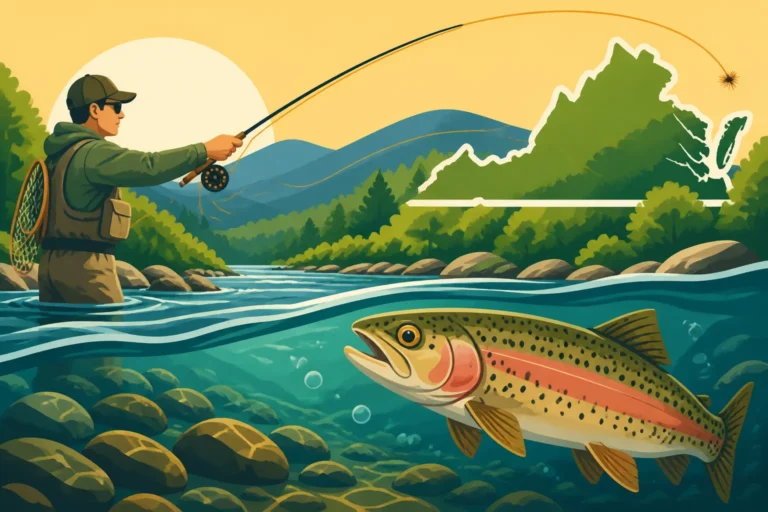
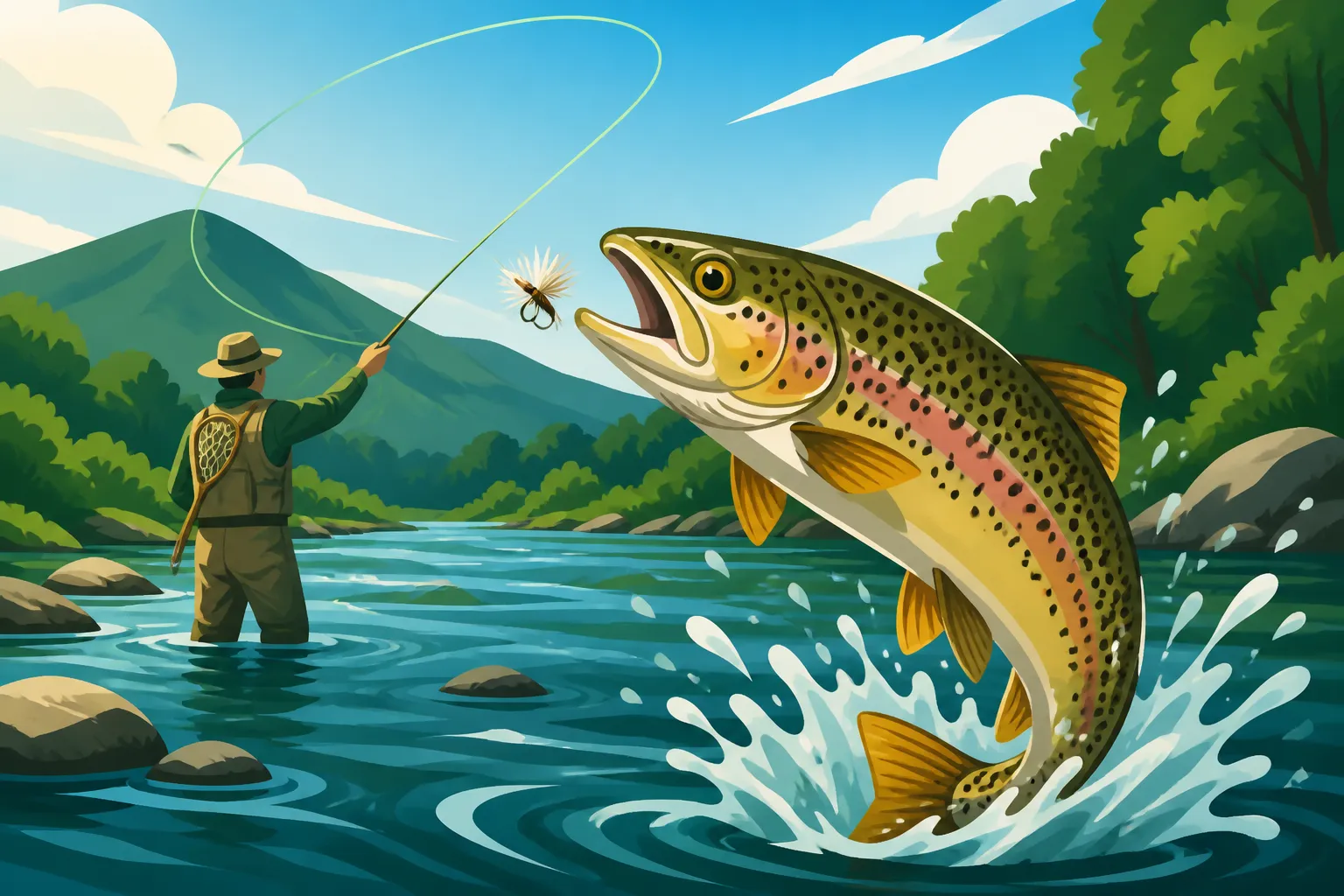
There's nothing quite like the serene beauty of a Virginia river, the gentle rush of water over ancient rocks, and the anticipation of a tug on your line. But let's be honest, for many folks, the idea of "fly fishing" for trout on these rivers can feel a bit like trying to solve a complex puzzle while standing in a cold stream. All those specialized knots, the delicate casting, and the challenge of figuring out what those finicky trout want to eat – it's enough to make even an experienced angler think twice. This comprehensive guide is here to demystify the art of fly fishing for trout on Virginia's beautiful rivers, breaking down everything from essential gear to reading the water and seasonal strategies, helping you cast with confidence and land some beautiful fish.
Understanding Virginia's Trout Rivers
Virginia is truly blessed with a diverse array of waterways, and many of them offer fantastic opportunities for trout. But not just any river will hold trout, especially the wild, native ones that give fly fishing its true challenge and reward. Understanding the specific characteristics that make a river a prime trout habitat is the first step in your fly-fishing journey.
Identifying Prime Trout Habitats
When we talk about prime trout habitat, we're really talking about a combination of factors that create the perfect living conditions for these cold-water fish. Trout need water that's consistently cold, generally below 68 degrees Fahrenheit, to thrive. They also need it to be crystal clear and highly oxygenated. This is why you often find trout in the headwaters of mountain streams or rivers fed by cold springs, like the upper reaches of the Jackson River or certain sections of the Shenandoah River's tributaries.
Beyond just the water quality, the physical structure of the river plays a huge role. Trout are masters of efficiency; they want to expend the least amount of energy possible while getting the most food. Look for areas with a good mix of riffles, runs, and pools. Riffles, those shallow, bubbly sections, are where oxygen is replenished, and insects often tumble, providing a natural food delivery system. Runs are deeper, faster sections that act as prime feeding lanes where trout can ambush prey. And pools, the deeper, slower areas, offer resting spots, cover from predators, and often hold larger, more wary fish. Undercut banks, fallen trees, large boulders, and submerged logs also create crucial cover and current breaks where trout love to hide and wait for a meal. For a deeper dive into what makes these waters special, you might want to explore articles like Best Trout Streams in Virginia.
Wild vs. Stocked Trout Waters
Virginia offers a fantastic mix of both wild and stocked trout fishing opportunities, and understanding the difference is key to a successful fly-fishing trip. Wild trout, primarily native brook trout in their natural range, along with some self-sustaining populations of brown and rainbow trout, are incredibly special. These fish have adapted to their environment over generations, are often smaller, and are typically much more wary and challenging to catch. They are found in pristine, often remote, mountain streams that haven't been significantly impacted by human activity. Their survival relies on healthy stream ecosystems, making their presence a sign of excellent water quality. You can learn more about the specific guidelines for these delicate environments in Wild Trout Stream Rules in Virginia.
Stocked trout, on the other hand, are hatchery-raised fish that are released into designated waters by the Virginia Department of Wildlife Resources (DWR). These fish are generally less cautious, often larger when stocked, and tend to congregate in more accessible areas like popular rivers or lakes. While they might offer a more immediate "fix" for catching fish, they don't possess the same wild instincts. The DWR strategically stocks various species, including rainbow, brown, and brook trout, throughout the state to provide diverse angling opportunities. This means you might find stocked trout in rivers near urban areas, making them excellent spots for beginners or those seeking consistent action. However, be aware that these waters often have specific seasons and regulations, and you might need to check if you need a Stocked Trout License Requirements in Virginia.
Essential Gear for River Fly Fishing
Getting into fly fishing can feel a little like walking into an outdoor store and being bombarded with a thousand options. But don't let the sheer volume of gear intimidate you. For river trout fishing in Virginia, we can break down the essentials into manageable categories, ensuring you have what you need without breaking the bank or over-complicating things.
Rod, Reel, and Line Selection
Your rod, reel, and line are the triumvirate of your fly-fishing setup, and choosing the right combination is crucial for success and enjoyment. For the majority of Virginia's trout rivers, a 3- to 5-weight fly rod is your sweet spot. A 3-weight is fantastic for smaller streams and more delicate presentations to spooky wild trout, offering incredible feel. A 4-weight is a versatile "do-it-all" rod, perfect for many situations. A 5-weight gives you a bit more power to cast slightly larger flies, handle a bit more wind, and tame a larger fish on bigger water. Rod lengths typically range from 7.5 to 9 feet. A shorter rod (7.5-8 ft) is great for tight, brushy streams where casting space is limited, while a longer rod (8.5-9 ft) provides better line control and easier mending on wider rivers.
Your fly reel should primarily be a vessel for your line and backing, but a smooth drag system is essential for fighting larger trout and preventing break-offs. A reel that balances well with your chosen rod is important for comfortable casting. Most modern reels feature a disc drag system, which is reliable and easy to adjust. Don't feel pressured to buy the most expensive reel; a mid-range option from a reputable brand will serve you well.
When it comes to fly line, a weight-forward (WF) floating line is the standard for most trout applications. The weight-forward design helps with casting distance and turnover, while the floating nature keeps your line on the surface, allowing for proper dry fly presentations and easy nymphing with indicators. Attached to your fly line, you'll need a tapered leader, which gradually thins out from the thick butt section (connected to your fly line) down to a fine tip. This taper helps transfer casting energy smoothly and allows your fly to present naturally. Leaders typically range from 7.5 to 9 feet, matching your rod length. Finally, at the very end, you'll tie on a section of tippet, which is a fine monofilament or fluorocarbon line that connects directly to your fly. Tippet material is crucial for stealth and protecting your leader from wear and tear. You'll typically use 4x-6x tippet for trout, with 5x being a good all-around choice. You can find a vast selection of these essentials on platforms like Amazon, making it convenient to compare options and read reviews.
Waders, Boots, and Safety Essentials
While some bank fishing opportunities exist, truly exploring Virginia's trout rivers often means getting in the water. That's where good waders and boots come in. Breathable chest waders are hands-down the best investment. They allow moisture to escape, keeping you comfortable even on warm days, unlike older neoprene waders that can make you sweat profusely. Look for durable, multi-layer fabrics and comfortable suspenders. Neoprene waders do have their place in colder winter fishing, but for general year-round use, breathable is the way to go.
Your wading boots are equally important. They provide crucial ankle support and traction on slippery riverbeds. You have a choice between felt soles or rubber soles. Felt soles generally offer superior grip on wet, mossy rocks, but they can be prohibited in some areas due to concerns about transporting invasive species. Rubber soles are more versatile, often lighter, and can be augmented with studs for extra grip. Whichever you choose, ensure they fit snugly over your wader booties to prevent uncomfortable rubbing or blisters.
Beyond the core wading gear, a few safety and comfort items are absolutely essential. A wading staff is a game-changer for stability, especially when crossing swift currents or navigating unfamiliar bottom terrain. It acts as a third point of contact, preventing falls. Polarized sunglasses are non-negotiable; they cut glare, allowing you to spot fish and submerged obstacles, and they protect your eyes from stray hooks. A wide-brimmed hat offers sun protection, and layered, quick-drying clothing ensures you stay comfortable as conditions change throughout the day. Don't forget a small first-aid kit, just in case of minor cuts or scrapes, and always let someone know where you're going and when you expect to return, especially if you're venturing into more remote areas.
Mastering Basic Fly Casting Techniques
The graceful arc of a fly line unfurling over a river is perhaps the most iconic image of fly fishing. While it looks complex, the basic overhead cast is fundamentally simple and can be mastered with practice. And for those tight, brushy spots common on many Virginia trout streams, the roll cast is an indispensable tool.
The Overhead Cast for Accuracy
Think of the overhead cast as the foundation of your fly-fishing technique. It's all about smooth, controlled movements that transfer energy from your rod to your line. Here’s a simplified breakdown:
- The Pick-Up: With your line gently extended on the water, raise your rod tip smoothly and slowly, letting the line straighten out behind you. Imagine painting a vertical line up to 1 o'clock with your rod tip.
- The Pause (Back Cast): As your line straightens out behind you, pause briefly. This pause is crucial and allows the line to load the rod with energy. Listen for the subtle "swish" of the line reaching its full extension behind you. Don't look back; feel the line.
- The Forward Stroke: Without hesitation, bring your rod forward, accelerating smoothly to about 10 o'clock. The power for your cast comes from a sharp stop of the rod tip, which slings the line forward.
- The Stop: This is perhaps the most important part. Stop your rod tip abruptly at that 10 o'clock position. If you follow through too far, your line will crash. If you stop too high, it will fly over your target.
- False Casts (Optional): Once you get the line moving, you can make several "false casts" – repeated back and forward strokes without letting the line touch the water – to extend your line or change direction.
- The Presentation: On your final forward cast, aim for your target, then gently lower your rod tip as the line unrolls, allowing your fly to land softly on the water.
Common mistakes often plague beginners. Rushing the cast is number one; the line needs time to fully extend behind you. Dropping the rod tip on the back cast or forward cast causes the line to hit the water prematurely. And remember, you're not "throwing" the line; you're using the rod to leverage and propel it. Practice is key, even in your backyard, to build muscle memory before hitting the river.
Roll Casting and Dealing with Obstacles
Imagine you're standing on a small Virginia trout stream, a beautiful pool in front of you, but dense rhododendrons or high banks loom directly behind. An overhead cast is impossible. This is where the roll cast becomes your best friend. It allows you to cast your fly forward without requiring any backcast space.
To execute a roll cast:
- Position: Bring your rod tip low, almost parallel to the water, with some line extended in front of you.
- Load the Rod: Slowly and smoothly lift your rod tip upward and slightly back, creating a "D" loop with your fly line on the water surface beside you. The key is to form this loop without lifting the fly out of the water.
- Forward Sweep: When the D-loop is fully formed and you feel the rod load, smoothly sweep your rod forward and slightly downward, stopping crisply around 10 or 11 o'clock. This motion rolls the line out in front of you.
The roll cast is incredibly useful for tight spots, for quickly presenting a nymph in a nearby current, or for simply resetting your line after a drift. It takes a little practice to get the timing right, but once you do, it unlocks many otherwise inaccessible fishing spots. Knowing both the overhead and roll cast will make you a much more versatile angler on Virginia's varied rivers, helping you navigate everything from wide-open runs on the Jackson to the narrow, canopied stretches of Passage Creek.
Reading the River and Locating Trout
You can have the fanciest rod and the most perfectly tied fly, but if you can't read the river, you'll struggle to find fish. Trout are creatures of habit and efficiency, and they position themselves strategically to conserve energy and ambush food. Learning to decipher the currents, depths, and structures of a river is like learning their secret language. This skill is critical for consistent success, whether you're on a wide-open section of the James or a tight, intimate wild trout stream. Many anglers find this the most challenging but ultimately most rewarding aspect of fly fishing.
Understanding Riffles, Runs, and Pools
Every trout river is a dynamic system, and understanding the distinct characteristics of its riffles, runs, and pools is fundamental to locating fish.
Riffles are those shallower, turbulent sections where the water breaks over rocks and gravel. They are highly oxygenated and act like conveyor belts, bringing dislodged insects and other food items downstream. While smaller trout often hold in riffles, actively darting to snatch food, larger, more cautious fish might linger at the tail of a riffle, where the current begins to slow, or along its edges, picking off easy meals. When fishing riffles, focus on areas where the current creates natural seams or breaks, as trout will often position themselves just out of the main flow, conserving energy.
Runs are typically deeper, smoother, and faster-moving sections of the river. These are prime feeding lanes. Trout will often position themselves in the deeper parts of a run, facing upstream, waiting for food to drift by. Look for subtle depressions, changes in bottom contour, or the edges of faster currents. The key to fishing runs effectively is to get your fly down to the fish's level quickly and maintain a natural drift, matching the speed of the current. This often means using weighted flies or adding split shot.
Pools are the deepest, slowest areas of the river, often found below rapids or sharp bends. They serve as resting and holding areas for larger trout, especially during bright, sunny days or when water temperatures are high. While pools may not always offer the most active feeding, they often hold the biggest fish. Target the head of the pool (where the faster water enters), the tail (where water exits), and any deep pockets or structure within the pool. Trout in pools can be incredibly spooky due to the clear, slow-moving water, so stealthy approaches and delicate presentations are paramount.
Knowing where these different features exist and how trout utilize them is paramount. Imagine a trout tucked into a deeper run just below a riffle on the Jackson River, waiting for nymphs to wash down, or a large brown trout lurking in the dark depths of a pool on a tributary of the Shenandoah. Understanding these subtle cues can turn a slow day into a memorable one.
Spotting Undercut Banks, Eddies, and Structure
Beyond the major river features, specific structures and current breaks offer prime hiding and feeding opportunities for trout. Learning to spot these "lies" is a skill developed through experience and keen observation.
Structure refers to anything that breaks the current or provides cover: fallen logs, large boulders, submerged root wads, or rock piles. These features create natural current breaks where trout can rest without fighting the full force of the water, and they also offer protection from aerial predators. A trout positioned behind a large boulder in a fast current has a significant advantage, as food washes past them in the slower water, while they remain unseen and untired. Fish the upstream and downstream side of these structures, as well as any pockets of slower water they create.
Undercut banks are absolute goldmines for larger, more wary trout. These are sections of the riverbank where the current has eroded beneath the surface, creating a hidden cavity. Trout can tuck themselves deep into these dark, protected sanctuaries, emerging only to snatch an easy meal. Presenting a fly into an undercut bank requires accuracy and stealth, as a sloppy cast can spook the fish. Many experienced anglers dedicate significant time to carefully fishing these elusive spots.
Eddies are swirling pockets of slower water found downstream of obstructions or along the inside bends of a river. They often collect debris, including unfortunate insects that have been swept downstream. Trout will frequently hold in the calmer water of an eddy, waiting for food to cycle past them. Fishing an eddy often requires understanding the conflicting currents and making a cast that allows your fly to drift naturally within the swirling water without getting dragged by the faster main current.
The ability to identify these holding areas, whether it's a logjam on the James River or a subtle eddy on the Mossy Creek, will dramatically increase your chances of finding and catching trout. Remember, trout are wild animals with keen senses, so a stealthy approach, minimal disturbance, and keen observation are your best allies in this game of hide-and-seek. For an even more detailed approach, consider reading about How to Read Water When Fly Fishing a River, as it's a skill that will benefit you immensely.
Selecting the Right Flies for Virginia Trout
Choosing the right fly can feel overwhelming with the thousands of patterns available. However, for most river trout fishing in Virginia, you can simplify your fly box considerably by focusing on a few essential categories: nymphs, dry flies, and streamers. These three groups cover the vast majority of what trout eat throughout the year.
Essential Nymphs and Their Presentation
Nymphs are undoubtedly the most consistent fly patterns for catching trout, largely because trout spend most of their lives feeding on aquatic insects in their larval or juvenile stages, which live underwater. When you're fishing a nymph, you're imitating these immature insects drifting or crawling along the riverbed.
Some of the most productive nymph patterns for Virginia trout rivers include:
- Pheasant Tail Nymph: A classic for a reason, this pattern imitates a wide variety of mayfly nymphs. It's subtle, effective, and always has a place in your fly box.
- Hare's Ear Nymph: Another fantastic general-purpose nymph, it suggests caddis larvae, stoneflies, and mayfly nymphs. It has a 'buggy' look that trout find irresistible.
- Prince Nymph: With its distinctive white wings and peacock body, the Prince Nymph is a flashy attractor pattern that also imitates larger stoneflies.
- Copper John: This highly weighted nymph sinks quickly and is an excellent imitation of various aquatic insects. Its flash can also draw strikes.
The key to successful nymphing is achieving a natural, "dead drift." This means your fly should be moving at the exact same speed as the current, just as a real insect would. Any drag on your line will cause the fly to move unnaturally, and trout will often reject it. There are several ways to nymph:
- Indicator Nymphing: This involves attaching a small bobber-like indicator to your leader. The indicator helps you detect subtle takes (when a trout eats your fly) and allows you to adjust the depth of your nymphs. This is a great technique for beginners.
- Euro Nymphing (or Tightline Nymphing): A more advanced technique, it involves using a long, sensitive rod and specialized leader to maintain direct contact with your nymphs, feeling for subtle takes. This method excels in getting flies deep quickly and accurately.
Remember to vary the size and weight of your nymphs, and don't be afraid to experiment. Sometimes, a tiny #18 Pheasant Tail is what they want, other times, a larger #12 Prince Nymph.
Dry Flies and Streamers for Different Conditions
While nymphs are your bread and butter, dry flies and streamers offer exciting alternatives for different fishing conditions.
Dry flies are designed to float on the surface of the water, imitating adult insects that have emerged from their underwater larval stage. There's nothing quite like watching a trout rise to the surface and sip your dry fly! You'll primarily use dry flies when you see trout actively feeding on the surface, indicating a "hatch" is occurring.
Key dry fly patterns for Virginia trout:
- Adams: A universal mayfly imitation that works almost anywhere.
- Elk Hair Caddis: An excellent imitation of various caddisflies.
- Parachute Adams: Similar to the standard Adams but with a parachute post that makes it float lower and easier to see.
- Royal Wulff: A high-floating, attractor pattern that can imitate larger mayflies or just generally looks "buggy."
The presentation for dry flies is similar to nymphs – a natural, drag-free drift is crucial. However, accuracy of presentation is often even more important with dry flies, as you're aiming for a specific feeding lane or a visible rising fish.
Streamers are flies designed to imitate baitfish, leeches, or other larger prey. They are fished subsurface and are incredibly effective for targeting aggressive trout, especially larger ones, that are looking for a substantial meal. Unlike nymphs and dry flies, streamers are typically fished with an active retrieve, stripping the line in short, erratic pulls to mimic a swimming baitfish.
Popular streamer patterns:
- Woolly Bugger: Perhaps the most versatile streamer ever invented, it can imitate everything from a leech to a sculpin or crayfish. It comes in various colors, with black, olive, and brown being highly effective.
- Clouser Minnow (smaller versions): Originally a saltwater fly, smaller versions are deadly for trout, imitating baitfish with their sleek profile and jigging action.
Streamers are particularly effective in stained water, after rain, or when trout are aggressively feeding. They can trigger reactionary strikes even when trout aren't actively feeding on insects. You can often find a good selection of these specific fly patterns, along with fly-tying materials if you're interested in making your own, through retailers like Amazon. Local fly shops in areas like the Shenandoah Valley or near the Jackson River are also invaluable resources for current hatch information and recommended patterns.
Seasonal Strategies for River Trout
Virginia's trout rivers offer year-round fishing, but the conditions and the trout's behavior change dramatically with the seasons. Understanding these shifts and adapting your strategies accordingly is what separates a consistent angler from someone who only catches fish occasionally. Each season presents unique challenges and opportunities, influencing everything from fly selection to the time of day you hit the water.
Spring Fishing for Actively Feeding Trout
Ah, spring! For many fly anglers in Virginia, this is the most anticipated season. After a long, cold winter, trout are often hungry and more actively feeding. As the water temperatures begin to rise (but still remain cool), insect activity picks up significantly, leading to the first major hatches of the year. You'll see more aquatic insects emerging, which means more opportunities for both nymphing and dry fly fishing.
During early spring, water levels can be higher due to snowmelt and spring rains. This often means trout are less spooky and more willing to venture into less protected areas to feed. Focus on the edges of currents, seams where fast and slow water meet, and the heads of pools where new food items are washing in. Nymphs will still be your most consistent producers, as many insects are still in their subsurface stages. However, keep an eye out for rising fish, as midges, stoneflies, and early caddis hatches can occur. As the season progresses into late spring, hatches become more pronounced, and dry fly fishing can be excellent, especially on overcast days. Remember to check local regulations, as many stocked trout waters open in the spring, and specific limits apply. For more detailed advice, check out our guide on Best Techniques for Spring Fishing.
Summer Challenges and Evening Hatches
Summer in Virginia can be a bit of a mixed bag for river trout fishing. As air and water temperatures climb, trout in many lower-elevation rivers become stressed and less active. Warmer water holds less oxygen, forcing trout to seek out cooler, more oxygenated sanctuaries. This often means finding them in the deepest pools, near cold spring seepages, or in higher-elevation streams where temperatures remain more stable.
During the height of summer, fishing during the midday heat can be unproductive and even detrimental to trout, especially if you plan to catch and release. Instead, focus your efforts on the early morning hours, before the sun gets too high and water temperatures peak, or in the late evenings. As the sun begins to set, temperatures cool, and trout become more comfortable. This is prime time for evening hatches of caddis, mayflies, and even terrestrials (like grasshoppers, ants, and beetles that fall into the water). Dry fly fishing can be spectacular at dusk, especially if you can match the prevalent insect. If targeting fish during the day, seek out shaded areas, the fastest riffles, or the deepest, darkest pockets where trout are likely holding in cooler water. Stealth is paramount, as low, clear water makes trout incredibly spooky.
Fall Runs and Winter Opportunities
Fall is another fantastic season for river trout fishing in Virginia, rivaling spring for many anglers. As temperatures cool, trout become very active, feeding aggressively to build up fat reserves for the winter and, for some species like brown trout, to prepare for spawning. The cooling water brings increased oxygen levels, and trout are often found throughout the river system.
During the fall, you'll encounter a great mix of fishing opportunities. Nymphing remains highly effective, as trout are opportunistic feeders. Streamer fishing can be particularly productive during this time, as trout are willing to chase larger meals. Many larger trout, especially brown trout, become more aggressive and territorial as their spawning season approaches, making them more susceptible to streamers. Dry fly opportunities might be fewer than in spring, but smaller blue-winged olives and midges can still provide good action on overcast days. The vibrant fall foliage also adds to the beauty of being on the water. For more insights on this season, refer to Best Techniques for Fall Fishing.
Winter fishing, while often overlooked, can be surprisingly rewarding for the dedicated angler. Trout metabolism slows down in the cold water, making them less active, but they still need to feed. They'll typically congregate in the deepest, slowest pools and runs, conserving energy. Your approach in winter should be slow and deliberate. Tiny nymphs, often fished under an indicator or with Euro nymphing techniques, are your best bet. Think small flies, subtle presentations, and extremely patient drifts. Focus on the warmest parts of the day, usually from late morning to early afternoon, when trout might become slightly more active. Layers of warm clothing are essential for staying comfortable in the chilly Virginia winter. For tips on braving the cold, check out Best Techniques for Winter Fishing.
Etiquette, Conservation, and Regulations
Fly fishing is more than just catching fish; it's about connecting with nature, respecting the environment, and upholding a code of conduct that ensures these precious resources remain for future generations. As a fly angler in Virginia, you're a steward of our rivers, and understanding proper etiquette, conservation practices, and the state's regulations is just as important as knowing how to cast.
Practicing Catch and Release Properly
Many fly anglers, especially those targeting wild trout, practice catch and release, recognizing the value of preserving healthy fish populations. If you choose to release your catch, doing it correctly is vital for the fish's survival. Here are key practices:
- Use Barbless Hooks: Crushing the barb on your hook or using hooks specifically designed without barbs makes removal much easier and causes less damage to the fish's mouth. This is a simple step that makes a huge difference.
- Minimize Handling: The less you handle a fish, the better. Try to keep the fish in the water as much as possible. If you must lift it for a quick photo, do so gently, supporting its body, especially its belly, with wet hands.
- Wet Your Hands: Always wet your hands before touching a fish. Dry hands can remove the protective slime layer (mucus) that helps protect the fish from disease and infection.
- Quick Release: Remove the hook quickly and gently. If the hook is deeply embedded, it's often better to cut the line as close to the hook as possible rather than tearing at the fish's gills or throat.
- Revive the Fish: Hold the fish gently in the water, facing upstream, allowing water to flow over its gills. Don't move it back and forth, as this can impede breathing. Release only when the fish is strong enough to swim away on its own.
- Avoid Overplaying: Try to land the fish as quickly as possible without stressing it too much. An exhausted fish has a lower chance of survival.
Practicing these methods is especially critical for Virginia's native brook trout populations, which are a true natural treasure and need all the help they can get to thrive.
Respecting Other Anglers and the Environment
Part of the joy of fly fishing is the peace and solitude, but you'll often encounter other anglers. Showing respect for your fellow enthusiasts and the environment ensures everyone has a pleasant experience.
- Give Space: Maintain a respectful distance from other anglers. A good rule of thumb is to allow at least one full cast length between you and the next angler, but more is always better. Don't crowd someone's fishing spot.
- Wade Quietly: If you're wading upstream or downstream, do so quietly and try not to disturb the water or the fish directly in front of another angler.
- Leave No Trace: Pack out everything you pack in, including all trash, broken line, and discarded tippet. Polystyrene foam containers, old bait containers, even fruit peels – if you brought it, take it home. Many anglers also carry a small trash bag to pick up any litter they find.
- Respect Private Property: Always be aware of property boundaries. Many of Virginia's rivers flow through private land. Obtain permission before accessing private property. Public access points are usually well-marked.
- Communicate: A friendly wave or a polite "How's the fishing?" can go a long way. If you need to pass someone, politely ask if it's okay to do so.
These simple courtesies contribute to a positive fishing community and help preserve the beauty of our rivers.
Understanding Virginia's Trout Regulations
Navigating fishing regulations can sometimes feel like a bureaucratic labyrinth, but it's absolutely crucial to understand and follow them. Virginia's Department of Wildlife Resources (DWR) sets specific rules to manage fish populations and ensure sustainable angling for everyone.
First and foremost, you'll need a valid Virginia Fishing License Guide. This is non-negotiable for most anglers over the age of 16. You can find information on How to Get a Fishing License in Virginia, including options for residents and nonresidents, and details on Virginia Fishing License Requirements for Residents and Nonresidents.
Beyond the general license, Virginia's trout regulations often vary depending on the specific water you're fishing:
- Statewide Rules: There are general statewide regulations regarding trout season dates, size limits (minimum length a fish must be to keep it), and creel limits (the maximum number of fish you can keep per day). These are often the baseline.
- Designated Stocked Trout Waters: Many of Virginia's rivers are part of the DWR's stocked trout program. These waters often have specific open seasons, creel limits, and sometimes require an additional trout license or stamp. As mentioned earlier, make sure you know if you need a Stocked Trout License Requirements in Virginia.
- Wild Trout Streams: These pristine waters are managed very differently to protect fragile native populations. They often have more restrictive regulations, such as catch-and-release only, single-hook artificial lures only, or specific fly-fishing-only sections. Always consult Wild Trout Stream Rules in Virginia for the specific stream you plan to fish.
- Special Regulation Areas: Certain sections of rivers might have unique rules, sometimes referred to as "Special Regulation Waters," which could involve different size limits, gear restrictions, or even entirely catch-and-release rules.
It is your responsibility as an angler to know and follow these regulations. The DWR website is an excellent resource, and local fly shops are also invaluable for up-to-date information on local conditions and rules. Ignoring these rules can result in fines and loss of fishing privileges. By being informed, you ensure that Virginia's fantastic trout fishing traditions can continue for generations to come. For a broader overview of all rules, check out Virginia Fishing Regulations Explained.
Wild vs. Stocked Trout: Key Differences for Anglers
To help clarify the differences between wild and stocked trout waters and their implications for your fly-fishing approach, here's a handy comparison:
| Feature | Wild Trout Waters | Stocked Trout Waters |
|---|---|---|
| Primary Goal | Conservation, natural reproduction | Provide recreational angling opportunities |
| Fish Origin | Native, naturally reproducing populations | Hatchery-raised, released by DWR |
| Fish Size | Typically smaller, often 6-12 inches (depending on species) | Can be larger, often 8-16 inches (or more for trophy plants) |
| Behavior | Extremely wary, selective, instinctual, strong fighters | Often less cautious, may be easier to catch initially |
| Habitat | Pristine, remote mountain streams, cold, high oxygen, complex structure | More accessible rivers, streams, lakes, and ponds |
| License/Stamp Req. | General VA fishing license, sometimes specific trout stamp/permit | General VA fishing license, often specific trout stamp/permit |
| Regulation Type | Often catch-and-release, artificial lures/flies only, barbless hooks | Specific daily creel limits, size limits, defined seasons |
| Challenge Level | High (requires skill, stealth, patience) | Moderate to High (can be easy initially, then harder) |
| Conservation Impact | Handling fish properly is critical for population survival | Less impact from release, but still good practice |
| Best Fishing Seasons | Year-round with proper strategy, but often best in spring/fall | Peaks during and shortly after stocking periods |
Disclaimer
The information provided in this guide is for general informational purposes only and is not intended as legal advice. Fishing regulations, seasons, and licensing requirements in Virginia are subject to change. Always consult the official Virginia Department of Wildlife Resources (DWR) website or current DWR regulations handbook for the most up-to-date and accurate information before planning your fishing trip. The author and publisher are not responsible for any errors or omissions.