Best Techniques for Winter Fishing
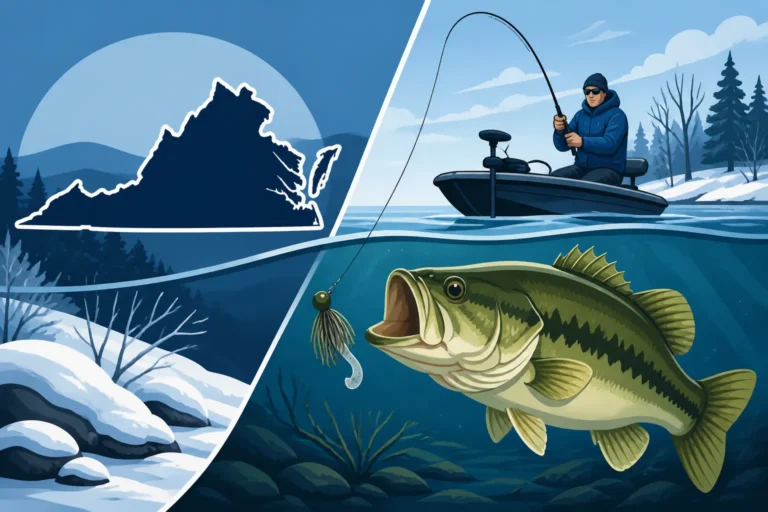
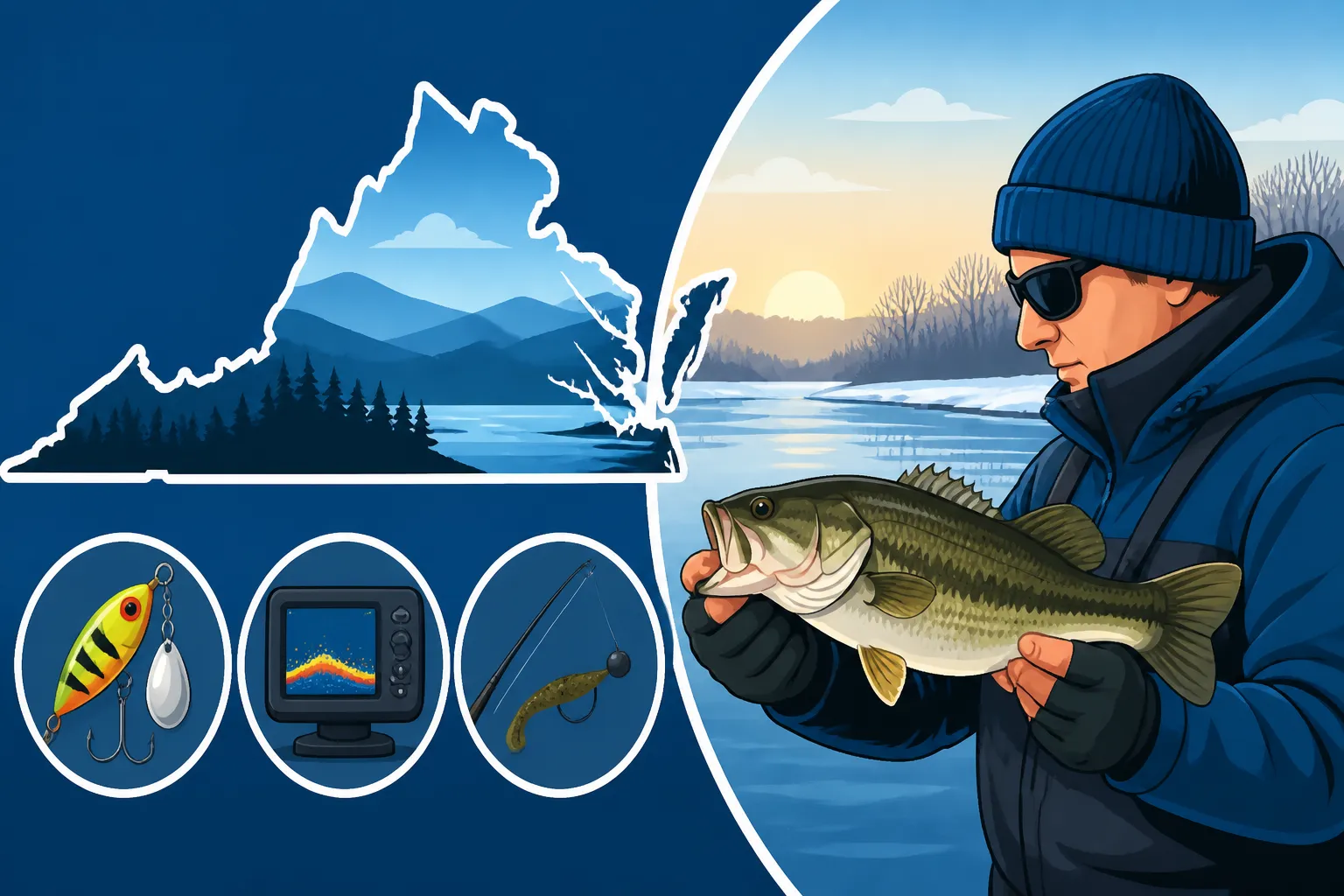
Oh, winter fishing in Virginia! It’s a whole different ballgame than those warm, sunny days we all dream about. Many folks simply hang up their rods when the temperatures drop, convinced that the fish have all gone into a deep, uncatchable slumber. But I’m here to tell you that’s just not true! While it certainly presents its own set of challenges, from biting winds to lethargic fish, winter can actually offer some of the most rewarding and peaceful angling experiences, if you know the right techniques and are prepared. This guide will walk you through exactly how to tackle those colder months, revealing the best strategies to keep your lines tight and your spirits high, even when there’s a chill in the air.
Understanding Winter Fish Behavior and Locations in Virginia
When winter truly sets in across Virginia, everything slows down, and that includes our finned friends beneath the surface. This isn't just a slight change; it's a fundamental shift in their metabolism and behavior that directly impacts how and where you'll find them. Understanding this biological slowdown is the first crucial step to successful winter fishing.
Fish are cold-blooded creatures, which means their body temperature is regulated by the water around them. As water temperatures drop, their metabolic rate plummets. They don't need to eat as much, they move slower, and they become far less aggressive. This means you can't just throw out your usual summer lures and expect the same results. They’re not actively chasing down meals with the same vigor. Instead, they're conserving energy, making them more finicky and harder to provoke into a strike. This knowledge helps us adjust our entire approach.
Another key aspect of winter fish behavior is their tendency to seek out stable, warmer water. While "warm" is a relative term in winter, even a few degrees can make a significant difference to a fish. In most Virginia lakes and reservoirs, this means fish will often move to deeper water, seeking the thermocline if one exists, or simply congregating in the deepest parts of a channel or basin where water temperatures are most consistent. Structure becomes even more critical – think deep ledges, humps, creek channels, and even standing timber that provides cover in deeper zones. These areas offer both thermal refuge and protection from predators.
In rivers, fish might also seek deeper pools with less current, as strong currents require more energy to fight against. On some of our larger rivers, like the James or the Shenandoah, you might find them in the slower, deeper sections, especially around bends or obstructions that break the flow. How Water Temperature Affects Fish Feeding is a topic that really underlines this point, showing just how crucial those subtle changes in water temp are to fish activity. Don't forget, even sunny days can warm shallow, dark bottom areas just enough to draw a few fish in for a short period, especially in the late afternoon.
Essential Gear and Preparedness for Cold Weather Fishing
Don't even think about hitting the water in Virginia's winter without being properly prepared. Cold weather isn't just uncomfortable; it can be dangerous. Your personal comfort and safety are paramount, and having the right gear is non-negotiable.
First and foremost, layering is your best friend. Forget heavy, bulky coats that restrict movement. Think multiple thinner layers that you can add or remove as conditions change. Start with a moisture-wicking base layer against your skin to pull sweat away. Next, add an insulating layer like fleece, and top it off with a waterproof and windproof outer shell. A good pair of waterproof boots, insulated gloves, and a warm hat that covers your ears are also essential. Believe me, cold hands and feet will ruin a trip faster than anything. I’ve made that mistake more times than I care to admit!
Beyond personal attire, your fishing equipment needs a winter adjustment too. Your lines, for instance, can become stiff and more prone to memory in cold temperatures. Fluorocarbon lines often perform well in winter due to their low stretch and sensitivity, which helps detect those incredibly subtle winter bites. You might also consider lighter lines than you typically use, as fish are often more line-shy in clear, cold water. Rods with sensitive tips are also a huge advantage; those barely-there nudges often signify a strike. Many anglers find that longer, medium-light rods give them the leverage and sensitivity they need.
And let's talk about those smaller items that make a big difference: hand warmers and foot warmers are fantastic for slipping into gloves and boots. A good thermos with hot coffee, tea, or even soup is a lifesaver. Don't forget a first-aid kit, especially if you're venturing to more remote areas. Staying hydrated is still important, even when it's cold. You'll also want to consider portable heaters if you're fishing from a boat and have a safe, well-ventilated space for them. For those essential items, from base layers to hand warmers, online retailers like Amazon offer a vast selection, making it easy to stock up before your next cold-weather excursion. Just make sure to check reviews for warmth and durability!
Top Freshwater Winter Fishing Techniques for Virginia Anglers
Now that we know where the fish are likely hiding and how to stay comfortable, let's dive into the actual fishing techniques that really shine in Virginia's colder waters. Remember, the theme here is slow, subtle, and precise.
Slow Down Your Presentation
This is perhaps the most critical piece of advice for winter fishing. Because fish are lethargic, they aren't going to chase a fast-moving bait. Your presentation needs to be agonizingly slow. Think of it less as an active hunt and more as offering a convenient meal right in front of their nose. Vertical jigging is incredibly effective for this. Whether you're in a boat directly over a deep structure or fishing from a pier into a channel, dropping a small jig or blade bait straight down and working it with minimal movement can be deadly. A slow lift, a pause, and a controlled drop is often all it takes. How to Catch Bass in Cold Water delves deeper into these slow presentations for one of Virginia's most popular species.
Another excellent slow-presentation technique involves slowly dragging jigs or Texas-rigged plastics along the bottom. Cast out, let your bait sink all the way to the bottom, and then retrieve it with incredibly slow, deliberate drags and long pauses. The idea is to mimic a crawfish or baitfish that's barely moving, perhaps stunned by the cold. This requires patience, but it pays off. You might not feel the aggressive thump of a summer bite; instead, it could be a slight pressure, a spongy feeling, or simply your line going slack.
Prioritizing Live Bait and Scent
When fish are reluctant to bite, nothing beats the natural appeal of live bait. Minnows, shiners, or even worms can be incredibly effective when fished slowly and directly in front of congregating fish. Rig them with small hooks and minimal weight, allowing them to drift naturally or suspend enticingly in the strike zone. A slip bobber can be invaluable for presenting live bait at precise depths, especially over deep structure where fish might be suspended just off the bottom.
Scent also plays a much larger role in winter. Since fish aren't using their eyes as much for fast pursuits, their other senses, like smell and their lateral line, become more important. Applying a scent attractant to your artificial lures can give you a significant edge. Many commercially available gels and sprays are specifically designed to mimic natural fish forage or distress signals, adding that extra enticement that might convince a hesitant fish to bite. Best Bait for Winter Fishing offers a more comprehensive look at options for different species and conditions.
Jigging Spoons and Blade Baits
These lures are fantastic for pinpointing deep-holding fish. Jigging spoons, often made of lead or other heavy metals, flash and flutter as they fall, mimicking a dying baitfish. Drop them to the bottom, then lift and let them fall on a semi-slack line. The key is to let the spoon do the work. Blade baits, with their vibrating action, can also be highly effective. The subtle vibration can draw attention even from sluggish fish. Again, a slow, controlled retrieve with plenty of pauses is crucial. When jigging these baits, pay close attention to your line – many strikes occur on the fall, and a sudden twitch or pause in your line's descent can indicate a bite. You'll often find these useful for species like crappie and even bass. For example, knowing How Deep Do Crappie Go in Winter can help you target them effectively with these vertical presentations.
Understanding the Role of Color
While presentation is king, color still matters, especially in clearer winter waters. In low light or murky conditions, darker, more silhouetted colors like black, blue, or purple can be effective. In clearer water, natural baitfish colors (silver, white, clear with flecks) often perform well. Sometimes, a bright, contrasting color like chartreuse or orange can trigger a reaction strike, even from a lethargic fish. Experimentation is key, but generally, less aggressive, more natural colors often prevail. This applies whether you're using jigs, soft plastics, or even the skirts on your live bait rigs. You might also want to consult guides like How to Choose Lure Color for Clear Water or How to Choose Lure Color for Murky Water for more specific advice.
Staying Safe and Enjoying Your Winter Fishing Experience
Winter fishing, while rewarding, demands extra vigilance concerning safety. The cold can quickly turn a fun day into a dangerous situation if you're not careful.
Ice Safety and Hypothermia Prevention
If you're considering ice fishing, which is possible on some smaller, shallower bodies of water in Virginia during unusually cold snaps, ice safety is paramount. Always check ice thickness before venturing out. General guidelines suggest at least 4 inches of clear, solid ice for walking, and more for ATVs or vehicles. Never fish alone on the ice, and always have safety gear like ice picks, rope, and a flotation device. Conditions can change rapidly, and thin ice over moving water or springs can be incredibly deceptive.
Even when not on ice, hypothermia is a real threat. It occurs when your body loses heat faster than it can produce it, leading to dangerously low body temperatures. Symptoms include shivering, confusion, slurred speech, and loss of coordination. The best prevention is proper layering and staying dry. If your clothes get wet, change them immediately if possible. Carry extra dry clothes in a waterproof bag. Hot drinks and high-energy snacks can help keep your core temperature up. If someone shows signs of hypothermia, get them warm, dry, and seek medical attention.
Planning Your Trip Wisely
Winter daylight hours are shorter, so plan your trips accordingly. Allow ample time for travel, fishing, and returning home before dark. Always let someone know where you're going and when you expect to be back, especially if you're fishing in a remote area. Cell service can be spotty in some of Virginia's beautiful but isolated fishing spots.
Consider fishing with a buddy. Not only is it safer, but it's also often more enjoyable! Having someone to share the quiet beauty of a winter day on the water, and to help if an emergency arises, is invaluable. Check the weather forecast before you go, and be prepared to cancel or postpone if conditions are too extreme. High winds, heavy precipitation, or extreme cold can make fishing unpleasant and unsafe.
Respecting Regulations and the Environment
Even in winter, all Virginia fishing regulations are still in effect. This includes having a valid fishing license. Make sure you understand Virginia Fishing Regulations Explained and Virginia's Fishing License and Catch Limit Basics for the species you're targeting. Game wardens are out year-round, and penalties for fishing without a license can be steep. Remember, fishing license fees directly support wildlife conservation efforts in the Commonwealth.
Finally, always practice responsible angling. Pack out everything you pack in, and leave no trace. Be mindful of wildlife, which can be more vulnerable in winter. If you're catch-and-release fishing, handle fish quickly and gently, especially in cold water, as they are more susceptible to stress. Winter fishing can be a truly special experience, offering solitude and unique challenges. By being prepared and respecting both the environment and its inhabitants, you can enjoy successful and safe trips throughout the colder months.
| Aspect | Summer Fishing | Winter Fishing |
|---|---|---|
| Fish Metabolism | High, actively feeding | Low, lethargic, conserving energy |
| Fish Location | Widespread, shallow to deep | Concentrated in deeper, stable water or structure |
| Presentation Speed | Fast, aggressive retrieves | Extremely slow, subtle, often vertical |
| Lure Size | Often larger, more erratic action | Smaller, natural, less movement |
| Bite Detection | Aggressive strikes, easy to feel | Subtle nudges, "mushy" feel, line twitch |
| Bait Preference | Wide range of artificials, live bait | Live bait, scented artificials often preferred |
| Gear Focus | Versatility, power | Sensitivity, lightweight, warm clothing |
| Safety Concerns | Sunburn, dehydration, thunderstorms | Hypothermia, ice safety, frostbite |
Disclaimer
This article is for general informational purposes only and does not constitute professional advice. Laws, prices and regulations vary by location and change over time. Consult a qualified professional for guidance on your specific situation.