How to Tightline for Crappie
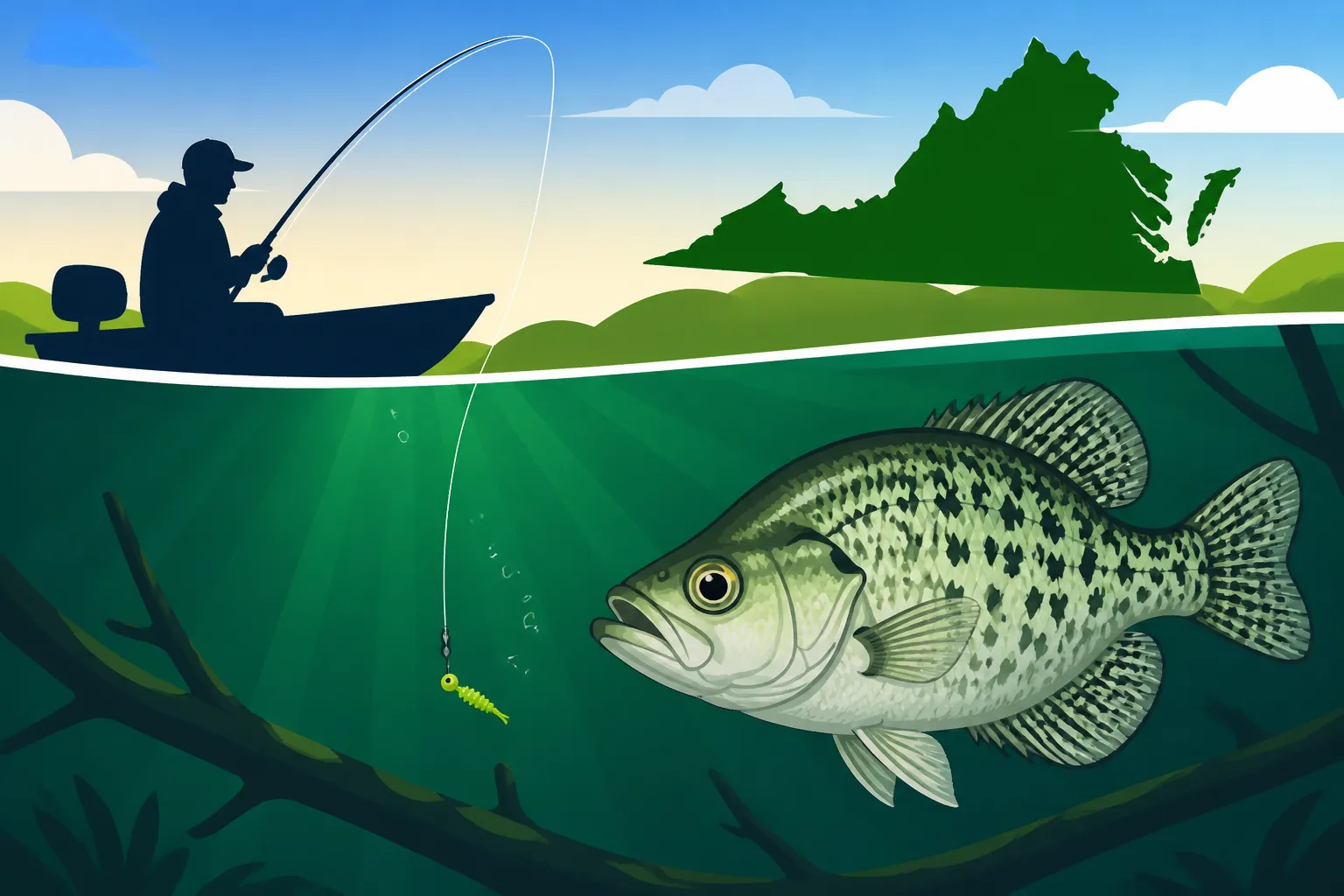
There's nothing quite like the thrill of feeling that subtle thump on your line when a crappie takes the bait, but sometimes it feels like they're just not cooperating, especially when you're casting and retrieving with no luck. If you've ever found yourself frustrated by finicky crappie or struggled to reach those hidden schools tucked away in deep cover, then this comprehensive guide on how to tightline for crappie in Virginia is exactly what you need to transform your fishing game and start consistently bringing in those speckled beauties.
Understanding the Essence of Tightlining for Crappie
Tightlining for crappie isn't just another fishing technique; it's a precise art that allows you to feel even the most delicate bites and present your bait with unparalleled accuracy. It's about direct contact, sensitivity, and putting your offering right in front of the fish's nose, especially when they're not in an aggressive mood or are holding tight to structure.
What Exactly is Tightlining?
At its core, tightlining involves fishing with minimal slack in your line, creating a direct connection between your rod tip and your bait or lure. Unlike traditional casting and retrieving, where you might be working a spinnerbait or crankbait, tightlining often involves slowly presenting a jig or live bait vertically or near structure. Think of it as feeling your way through the water column, rather than just pulling something through it. You're not relying on a bobber to tell you when you have a bite; instead, you're detecting the bite through the subtle vibration or weight change directly transmitted up your line to your sensitive rod tip. This direct communication is what makes it so effective for crappie, which are known for their incredibly light bites, sometimes feeling like nothing more than a slight increase in weight or a tiny tap.
Why Tightlining Excels for Crappie
Crappie are ambush predators that love to hug structure, whether it's submerged brush piles, standing timber, dock pilings, or bridge fenders. They're also notorious for their soft mouths and light strikes. Tightlining addresses both of these characteristics beautifully. By keeping your line tight, you gain an immense advantage in detecting those faint bites that a slack line would completely mask. Moreover, it allows for pinpoint bait placement. You can systematically work a jig up, down, and around individual branches of a brush pile, or hover it precisely at the depth where a school of crappie is suspended. This precision is difficult to achieve with traditional casting, especially in tight quarters or when crappie are holding deep. It also gives you superior control over your bait's movement, allowing for subtle jiggles or pauses that can trigger a strike from even the most lethargic crappie.
Ideal Conditions and Locations for Tightlining
Tightlining truly shines when crappie are relating closely to cover or are suspended at specific depths. This technique is particularly effective during the colder months when crappie tend to school up tightly and hold in deeper water or dense cover, becoming less active and more prone to light bites. However, it's also a powerful tactic during the post-spawn period when crappie scatter and often retreat to deeper brush piles or during the heat of summer when they suspend under docks or in thermoclines. Look for areas with significant underwater structure – fallen trees, old stumps, rock piles, bridge pilings, and especially man-made crappie attractors. These are the classic hangouts where crappie will stack up. Places like Smith Mountain Lake Fishing Guide or Lake Anna Fishing Guide in Virginia, with their abundant submerged timber and deep water, offer prime opportunities for tightlining. Even smaller local ponds or community lakes with docks and weed lines can be excellent spots.
Essential Gear for Successful Crappie Tightlining in Virginia
Having the right equipment is paramount when you're learning how to tightline for crappie. You don't need to break the bank, but investing in a few key items designed for sensitivity and finesse will drastically improve your success rate.
Rods and Reels for Precision
The rod is your primary tool for feeling those subtle crappie bites. You'll want a rod that is lightweight, sensitive, and has a fast action with a limber tip. A good choice would be a graphite rod between 6 to 9 feet long, in a light to ultralight power. The longer rod provides better leverage for reaching around cover and absorbing sudden runs, while the sensitive tip allows you to detect even the slightest tap. Many anglers prefer specialized jigging rods, often labeled as "crappie rods," which are built specifically for this purpose. For reels, a small spinning reel in the 500 to 1000 series size is perfect. These reels are lightweight, balance well with ultralight rods, and have a smooth drag, which is crucial for handling crappie's delicate mouths without tearing the hook out. Brands like Pflueger and Daiwa offer excellent options at various price points that are well-suited for crappie fishing.
Line Selection for Optimal Feel
Your fishing line is the direct link between you and the crappie, so choosing the right one is critical for tightlining. Monofilament line, often in 4 to 6 lb test, is a popular choice due to its stretch and affordability. The stretch can be forgiving with crappie's soft mouths, preventing hook pull-outs. However, monofilament's stretch can also reduce sensitivity, making it harder to feel those faint bites, especially in deeper water. Fluorocarbon line offers much less stretch, providing superior sensitivity and good abrasion resistance, which is a big plus when fishing around rough structure. It's also virtually invisible underwater. Many serious tightliners swear by fluorocarbon in 4 to 6 lb test. Braided line, typically 6 to 10 lb test with a small diameter, offers the ultimate in sensitivity and no stretch, but its visibility and lack of forgiveness can be a disadvantage for crappie. If you opt for braid, always tie on a 2-3 foot fluorocarbon leader using a small swivel or an FG knot for stealth.
Hooks, Sinkers, and Jigs: The Business End
This is where the magic happens for crappie. For live bait, small, sharp Aberdeen hooks in sizes #2 to #6 are excellent. Their thin wire helps prevent snagging and allows for easy hook removal. For jigs, which are incredibly versatile, you'll need a range of sizes and colors. Jig heads typically range from 1/32 to 1/8 ounce. Lighter jigs (1/32, 1/16 oz) are best for shallower water or when crappie are super finicky, offering a slower, more natural fall. Heavier jigs (1/8 oz) help you get down faster in deeper water or in current. As for soft plastics, the options are endless. Small tube jigs, curly tail grubs, and tiny swimbaits (1 to 2 inches) are crappie magnets. Popular colors include chartreuse, white, black, pink, and various glitter patterns. A good strategy is to have a variety of "Best Jig Colors for Crappie Fishing" on hand and experiment until you find what they're hitting. You can easily find a fantastic selection of these on Amazon. When using live minnows, you'll also need small split shot weights to get your bait down to the desired depth.
Must-Have Accessories
Beyond the basics, a few accessories will make your tightlining experience much smoother. A good livewell or a bucket with an aerator is essential for keeping your minnows lively. A set of pliers or forceps for hook removal is crucial, especially if you're catching and releasing or dealing with deeply hooked fish. A small tackle box with plenty of compartments will help keep your diverse collection of jigs and hooks organized. Don't forget a pair of polarized sunglasses to help you see subsurface structure and identify crappie schools in clearer water. And finally, if you're serious about finding those elusive schools, a reliable fish finder with down-imaging or side-imaging capabilities can be a game-changer, helping you locate structure and baitfish, and ultimately, the crappie.
Step-by-Step Guide to Mastering Tightlining Techniques
Once you have your gear, it's time to put it all together and learn the nuances of how to tightline effectively. This isn't just about dropping a line; it's about precise presentation and understanding crappie behavior.
Rigging Your Setup for Success
There are a few popular ways to rig for tightlining crappie. A simple single jig rig involves tying your jig head directly to your main line or leader. This is great for maximum sensitivity. For a bit more versatility, many anglers prefer a double jig rig. Here's how to set it up: Tie your main line to a small swivel. From the swivel, tie two separate leaders of different lengths (say, 8 and 14 inches) to two different jig heads or hooks. This allows you to present two baits at slightly different depths and gives crappie an extra target. Another popular setup, especially for deeper water, involves tying a heavier jig or a bell sinker at the very bottom of your line. Then, about 12-18 inches up from the weight, tie a dropper loop and attach a small jig or hook to it. This ensures your weight is always at the bottom, keeping your bait suspended just above the structure where crappie often lurk. Remember, a light touch is key. Your knot strength is crucial, so practice tying reliable knots like the Palomar or improved clinch. For more setup ideas, look into Crappie Tightlining Basics.
Presenting Your Bait with Finesse
With your rig ready, the presentation is where tightlining truly shines. Lower your bait slowly and deliberately to the desired depth. You might target a specific depth shown on your fish finder, or you might start by dropping it all the way to the bottom and then slowly raising it in small increments (6-12 inches) after a few seconds at each depth. The goal is to keep your line as vertical as possible, directly over the crappie or structure.
When you're at the desired depth, hold your rod tip still and keep a close eye on it. Crappie bites can be incredibly subtle – sometimes it's just a slight twitch of the rod tip, a momentary cessation of line movement, or a feeling of added weight. It might feel like your jig just got heavy. That's a bite! Don't be afraid to give your rod tip a very gentle jig or a slow lift and fall every few seconds to impart some action to your bait. This can entice hesitant crappie. When you feel a bite, don't rear back with a massive hookset like you would for bass. Instead, simply lift the rod tip smoothly and firmly to set the hook. Crappie have paper-thin mouths, and an overly aggressive hookset can easily tear the hook free. This soft-touch technique applies to Crappie Jigging Techniques as well.
Locating Crappie Hotspots
Finding the crappie is half the battle, and tightlining is particularly effective once you've pinpointed their location. Start by looking for structure. Submerged brush piles, old Christmas trees, fallen timber, rock piles, and bridge pilings are classic crappie magnets. In lakes with thermoclines during summer, crappie will often suspend right above or within this cooler water layer.
A good fish finder is your best friend here. Use it to scan for baitfish schools, which crappie will follow, and for definitive arches or blobs that indicate crappie themselves. Pay attention to depth, as crappie often school at consistent depths. For example, if you find them at 15 feet around one brush pile, check other similar structures at the same depth. In early spring, crappie will move shallower to stage for the spawn, often relating to shallower brush or dock pilings, while in winter, they'll often be found in deeper holes or near creek channels. Understanding "How to Find Crappie in Summer" or "How Deep Do Crappie Go in Winter" is crucial for year-round success.
Adapting to Virginia's Diverse Waters
Virginia offers a fantastic variety of crappie fishing opportunities, from the vast expanses of Buggs Island Lake (Kerr Reservoir) to the numerous smaller reservoirs and rivers. On large impoundments like Buggs Island or Lake Gaston, tightlining multiple rods (if regulations allow and you have a boat) with a spider-rigging setup can be incredibly effective, slowly trolling over large flats or creek channels. For smaller, clear lakes, a more stealthy approach with a single rod, focusing on individual pieces of structure or dock pilings, will yield better results.
The key is always to adapt. If the crappie are at 10 feet, fish at 10 feet. If they're biting on chartreuse, stick with chartreuse. If the bite slows, try a different color, a different jig weight, or even switch to live minnows for a more natural presentation. Remember, crappie behavior can change with weather, water temperature, and time of day, so be prepared to adjust your strategy on the fly. Places like the tidal rivers that feed the Chesapeake Bay also hold excellent crappie populations in their freshwater sections, offering different types of structure like cypress knees and undercut banks where tightlining can be very productive.
Common Challenges and Troubleshooting Tightlining Issues
Even with the best gear and technique, tightlining can present its own set of challenges. Knowing how to troubleshoot common issues can turn a frustrating day into a productive one.
Dealing with Snags and Hang-ups
Fishing tight to cover means you're going to get snagged. It's just a fact of crappie fishing. The best way to deal with snags is to try and prevent them. Use lighter wire hooks (like the Aberdeen mentioned earlier) that will bend out under pressure, allowing you to often retrieve your rig. When you feel your jig touch structure, lift it slightly to clear it, rather than pulling it through. If you do get snagged, try pointing your rod tip directly at the snag and pulling steadily. Often, the hook will bend free. If that doesn't work, give the line some slack, then quickly snap it tight; sometimes this will dislodge the jig. If all else fails, a lure retriever can be a lifesaver, especially when fishing expensive jigs or valuable bottom-bouncers. Using a double jig rig can also mean losing two jigs at once, so having plenty of backup jigs on Amazon is a good idea.
Missed Bites and Light Biters
One of the most common frustrations in crappie fishing is feeling a bite but failing to hook the fish. This often happens with light-biting crappie. The solution lies in several areas:
- Increased Sensitivity: Ensure your rod, reel, and line are optimized for sensitivity. A highly sensitive setup will transmit even the faintest tap.
- Focus: Pay constant, unwavering attention to your rod tip and line. Any unusual movement or feeling is probably a bite.
- Delayed Hookset: Sometimes, a crappie will "mouth" the bait before fully committing. Instead of setting the hook immediately, give it a half-second pause after the initial tap. This allows the crappie to fully inhale the bait, leading to a more solid hookset.
- Sharpen Your Hooks: A dull hook will lead to countless missed fish. Always check your hook points and sharpen them or replace the jig if necessary.
- Smaller Baits: When crappie are particularly finicky, downsizing your jig or minnow can make a huge difference. Sometimes they just want a smaller, easier meal.
Weather and Water Conditions: Adjusting Your Strategy
Crappie, like all fish, are influenced by environmental factors.
- Cold Fronts: After a cold front, crappie often become less active and move to deeper water or denser cover. This is a prime time for slow, methodical tightlining with small jigs or live minnows.
- Warm Fronts/Stable Weather: During stable, warmer periods, crappie can be more aggressive and willing to chase. While tightlining is still effective, you might find success with slightly faster retrieves or larger baits.
- Clear Water: In clear water, crappie are more skittish. Use lighter lines (fluorocarbon is excellent here), natural bait colors, and maintain a low profile to avoid spooking them.
- Stained/Murky Water: In stained water, crappie rely more on scent and vibration. Brighter jig colors (chartreuse, orange) and scented baits can be more effective.
- Wind: Wind can make boat control difficult, especially when trying to hold directly over a spot. Consider using a drift sock or anchoring securely. Wind also makes it harder to feel light bites. Using a slightly heavier jig to maintain better contact can help.
Maximizing Your Catch and Keeping Crappie Fresh
Once you start catching crappie, you'll want to keep them fresh, especially if you plan to enjoy a delicious crappie fry. For "Is Crappie Good to Eat?", the answer is a resounding yes! They are a fantastic table fish.
- Cooler Management: A cooler with plenty of ice is essential. Place your crappie directly on ice immediately after catching them. This rapidly chills them, preserving their quality.
- Bleeding Fish: Some anglers prefer to bleed their fish (by cutting a gill arch) immediately after catching them. This helps to improve the taste and texture of the meat.
- Filleting: Learning to fillet crappie efficiently will save you a lot of time. Small, sharp fillet knives (like those found on Amazon) are key. Practice makes perfect!
- Storage: Once filleted, crappie meat can be stored in zip-top bags with a little water to prevent freezer burn. Vacuum sealing is even better for long-term storage.
By understanding these common challenges and having a plan to address them, you'll be well on your way to becoming a tightlining pro and consistently catching more crappie on Virginia's beautiful waters. If you are looking for even more information, be sure to check out Crappie Fishing Techniques for Beginners for a more basic overview.
| Tightlining Setup Comparison | Single Jig Rig | Double Jig Rig | Bottom Bouncer/Dropper Rig |
|---|---|---|---|
| Description | One jig tied directly to main line/leader. | Two jigs/hooks tied at different lengths from a main swivel. | Heavy weight at bottom, one or more jigs/hooks on dropper loops above. |
| Sensitivity | Very High (direct contact) | High (still good, but two baits can muddy feel slightly) | Moderate to High (weight cushions, but still good contact) |
| Versatility | Excellent for precise targeting, light bites. | Good for experimenting with depths/colors, doubles catch. | Best for deep water, current, or fishing very close to bottom. |
| Snag Risk | Moderate | Moderate to High (two hooks) | Lowest (weight takes the brunt of snags, hooks ride above). |
| Recommended Use | Finicky fish, precise depth control, subtle bites. | Covering water column, trying different bait presentations. | Heavy cover, strong current, fishing deep ledges/drop-offs. |
| Pros | Maximum feel, simplest, least snag-prone per hook. | Increased chances of hookup, offers choice to fish. | Excellent for structure, keeps bait in strike zone. |
| Cons | Only one bait presentation, slower to find depth. | Can tangle easily, higher chance of snagging two hooks. | Can be bulky, less direct feel than single jig. |
Disclaimer
The information provided in this guide is for general informational purposes only and is not intended as a substitute for professional advice. Fishing regulations, license requirements, and best practices can change, and it is the sole responsibility of the angler to be aware of and comply with all current Virginia Department of Wildlife Resources (DWR) regulations. Always prioritize safety, practice ethical angling, and consult official sources for the most up-to-date information before heading out on the water.