Crappie Jigging Techniques
There's nothing quite like the feeling of a crappie thumping your jig, especially when you've been searching for those elusive slabs. So many anglers get frustrated trying to pinpoint crappie, especially when they're hiding in deep cover or scattered across open water. This guide is all about cutting through that frustration, diving deep into the art and science of crappie jigging techniques that will help you consistently put more fish in your cooler, no matter what challenges Virginia's waters throw your way.
Understanding Crappie Behavior for Effective Jigging
Before you even think about tying on a jig, you need to get inside the head of a crappie. These panfish are creatures of habit, largely influenced by water temperature, light, and the availability of their favorite meals. Knowing why they are where they are is half the battle won, and it makes your jigging efforts exponentially more productive.
Seasonal Movements and Habitat Preferences
Crappie are constantly on the move, chasing comfortable temperatures and baitfish. In the spring, as water temperatures creep into the upper 50s and low 60s, you'll find them making their way to shallow, warmer waters to spawn. This means brush piles, submerged timber, lily pads, and shallow docks in places like Lake Anna or the coves of Smith Mountain Lake become prime targets. They're often only a few feet deep, making them relatively accessible for bank anglers or those in smaller boats.
Once the spawn is over and summer heat sets in, crappie retreat to deeper, cooler sections of the lake or river. They’ll seek refuge in deeper brush piles, submerged creek channels, bridge pilings, and standing timber, often suspending over these structures at specific depths. This can be the trickiest time to locate them, but it’s when understanding vertical jigging really pays off. As autumn approaches, crappie become more active again, feeding heavily in preparation for winter. They'll often school up on main lake points, channel bends, and around baitfish schools. Then, in winter, they huddle in deep, stable water, often suspended over structure or in the deepest parts of creek channels. This knowledge is crucial because it dictates where you should even begin your jigging adventure. If you're struggling to find them, you might want to read our guide on how to find crappie in summer.
Reading Water Temperature and Clarity
Water temperature is the undisputed king when it comes to crappie behavior. It dictates their metabolism, their comfort level, and ultimately, where they feed. Early spring crappie will hug the warmest water they can find, which might be a shallow, dark-bottomed cove that warms up faster in the sun. In the heat of summer, they'll avoid direct sunlight and seek the thermocline – a distinct layer where water temperature changes rapidly – or deep, shaded cover. Your fish finder's temperature gauge isn't just a fancy extra; it's a vital tool.
Water clarity also plays a huge role in how crappie react to your jig and what colors they might prefer. In clear water, like you might find in some parts of Claytor Lake, crappie tend to be more wary. They rely heavily on their sight, so subtle, natural-colored jigs (like greens, browns, and whites) presented slowly are often more effective. Fluorescent colors can sometimes spook them. In stained or muddy water, which is common after a heavy rain or in certain river systems, crappie rely more on lateral line vibrations and darker, more contrasting colors (like chartreuse, orange, or black/chartreuse combos) that stand out. You might even want to try jigs with a bit more bulk or a spinner blade to create extra vibration.
Crappie Feeding Habits and Preferred Forage
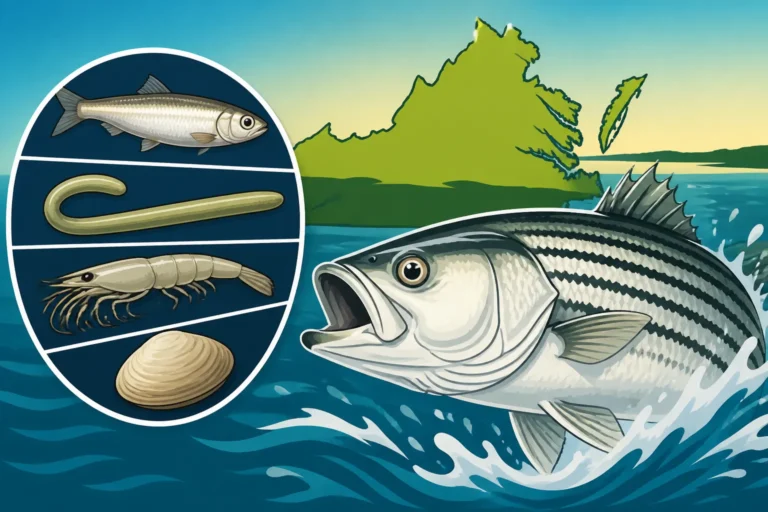
Crappie are primarily sight feeders, and their diet consists mainly of small minnows, tiny crustaceans, and various aquatic insects. This is why jigs are so incredibly effective: they are designed to perfectly imitate these natural food sources. Understanding what crappie are likely eating at a given time or in a specific body of water helps you choose the right jig type, size, and color.
If you see baitfish flickering on your sonar, or if you've caught a few crappie and noticed what they're spitting up, that's your cue. In many Virginia lakes, shad and shiners are key forage, meaning a jig that mimics a small baitfish, like a white or silver grub, can be deadly. When crappie are keyed in on insects, a smaller, darker jig, perhaps a hair jig, might be the ticket. They have a relatively small mouth, so presenting a lure that's too big is a common mistake that can lead to missed bites. Always err on the side of smaller baits, especially when the bite is tough.
Essential Crappie Jigging Gear You'll Need
Having the right tools for the job can make a world of difference when you're crappie jigging. It's not about having the most expensive gear, but rather the right gear that gives you the sensitivity and control needed to detect those often subtle crappie bites and present your jig effectively.
Rods and Reels for Precision Jigging
For crappie jigging, sensitivity is paramount. You'll want a rod that's specifically designed for light tackle, usually a light or ultralight action spinning rod between 5.5 and 7 feet long. A longer rod can sometimes help with casting distance and control, especially if you're fishing from the bank or a boat and need to reach distant cover. The tip of the rod should be very sensitive, allowing you to feel the slightest tap or even just the change in resistance as your jig falls. Graphite rods are excellent for this, as they transmit vibrations exceptionally well.
Pair your sensitive rod with a small, lightweight spinning reel, typically in the 500 to 1000 series size. These reels are designed for lighter lines and have smooth drags, which are important when you're fighting a surprisingly large slab on light tackle. The goal is a balanced setup that feels like an extension of your arm, allowing you to subtly twitch your jig and detect the almost imperceptible "tick" of a crappie bite. You can find some fantastic, affordable ultralight spinning combos on Amazon that are perfect for getting started.
Line Choices: Mono, Fluoro, or Braid?
Choosing the right fishing line is a critical, often overlooked, aspect of successful crappie jigging. Each type of line has its own set of advantages and disadvantages that can directly impact your success.
- Monofilament (Mono): This is a classic for a reason. It's affordable, easy to tie knots with, and has a good amount of stretch, which acts as a shock absorber. This stretch can be forgiving, helping prevent hooks from tearing out of a crappie's paper-thin mouth. However, mono's stretch also means reduced sensitivity, making it harder to feel subtle bites, especially in deeper water. It's great for beginners or when fishing shallow water with less precise presentations.
- Fluorocarbon (Fluoro): Fluorocarbon offers a nice balance. It has less stretch than mono, providing better sensitivity, and it's nearly invisible underwater, which can be a huge advantage in clear water or when crappie are finicky. It sinks faster than mono, helping your jigs get to the desired depth quicker. The main drawback is that it's typically more expensive and can be a bit stiffer, making knot tying a little trickier. Many anglers use a fluorocarbon leader tied to a braided main line.
- Braided Line (Braid): Braid has virtually no stretch, offering maximum sensitivity. You'll feel everything – every tiny bump, every subtle bite. It's also incredibly strong for its diameter, allowing you to use lighter line while still having the power to pull jigs free from snags. Its main disadvantage is its visibility; it's quite opaque underwater, which is why many anglers opt for a fluorocarbon leader. Also, its lack of stretch means less forgiveness, so you need a good drag system and a soft hand when fighting fish. For feeling those light winter bites or fishing deep water, braid with a fluoro leader is often the go-to.
Jig Types and Sizes: Matching the Hatch
The variety of crappie jigs available is astounding, and it can feel overwhelming at times. However, understanding the basic categories will help you make smart choices.
- Soft Plastic Jigs: These are perhaps the most popular, coming in countless shapes (grubs, tubes, paddle tails, minnow profiles) and colors. They offer a lifelike action in the water and are incredibly versatile. Sizes usually range from 1/32 to 1/8 ounce, though heavier options exist for deep water. Brands like Bobby Garland and Strike King offer excellent options. You can easily stock up on a variety of colors and styles from Amazon to cover all your bases.
- Marabou Jigs: Often considered a classic, marabou jigs feature soft, pulsating feathers that provide an incredibly natural, breathing action in the water, even with very subtle movements. They are particularly effective in clear water when crappie are wary.
- Hair Jigs: Similar to marabou, hair jigs (often made from deer hair or squirrel hair) offer a lifelike presentation. They tend to be a bit more durable than marabou jigs and are fantastic for imitating small baitfish or aquatic insects.
- Micro Jigs: When crappie are extremely finicky, or in very cold water conditions, scaling down to micro jigs (1/64 oz or even smaller) can be the answer. These require ultra-light tackle and incredible sensitivity but can coax bites when nothing else will.
When choosing a jig, consider the size of the baitfish crappie are feeding on, the water clarity, and the depth you're fishing. Generally, clearer water calls for more natural colors (whites, silvers, light greens), while stained water benefits from brighter, high-contrast colors (chartreuse, orange, black/chartreuse). Don't be afraid to experiment!
Mastering Crappie Jigging Techniques
Now that you're geared up and have a basic understanding of crappie behavior, it's time to talk about the "how." Crappie jigging isn't a one-size-fits-all approach; different situations call for different techniques. Mastering these will give you a versatile arsenal for any crappie scenario.
Vertical Jigging: The Classic Approach
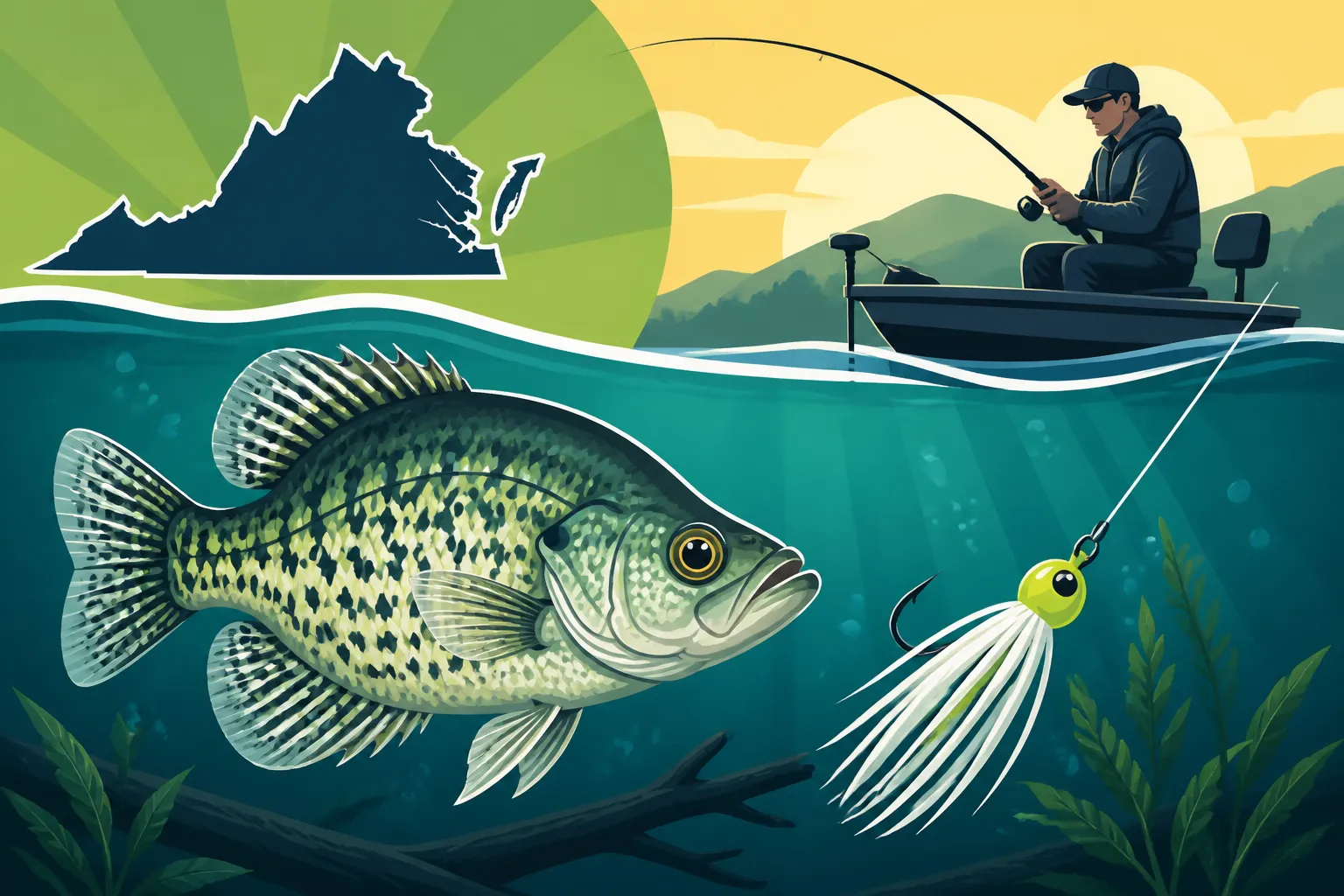
Vertical jigging is perhaps the most fundamental and effective crappie jigging technique, especially when fish are suspended over structure or holding tight to cover. This method involves positioning your boat directly over the fish or structure you've located with your sonar and dropping your jig straight down.
The key to successful vertical jigging is maintaining control and feel. Once your jig reaches the desired depth (which you can often gauge by counting its fall or watching your line), you begin a series of subtle lifts and drops. Think of it as a gentle dance: lift the rod tip a few inches, then slowly let it fall, allowing the jig to swim and flutter enticingly. The bites are often incredibly light – sometimes it's just a slight "tick" on the line, other times your line might simply go slack or move horizontally. It takes practice to distinguish a bite from the jig hitting structure. When fishing brush piles, you'll want to get your jig into the cover without getting snagged. This means slowly lowering it, feeling for branches, and gently working it around them. This technique is fantastic for spots like the deep channels of Kerr Lake, where crappie often suspend.
Casting and Retrieving: Covering Water
While vertical jigging is great for precise presentations, casting and retrieving is your go-to method for covering larger areas, especially when crappie are more scattered or holding in shallower, accessible cover. This technique allows you to fan-cast around docks, along weed lines, or across flats, searching for active fish.
The retrieve itself can vary greatly depending on the crappie's mood. A common approach is a slow, steady retrieve with occasional pauses and subtle twitches. Imagine your jig as a wounded baitfish, darting and resting. Let your jig sink to a specific depth (again, counting down can help) and then begin your retrieve. When you pause, let the jig flutter or fall naturally; this is often when strikes occur, as the jig appears vulnerable. Experiment with different retrieve speeds and cadences. Some days, a fast retrieve with aggressive jerks might trigger a reaction strike; other days, a painfully slow, barely moving presentation is what it takes. Pay close attention to where the bites occur – was it on the fall, during the retrieve, or on the pause? This tells you how to adjust your next cast.
"Spider Rigging" and Multi-Rod Jigging
Spider rigging is a highly specialized and incredibly effective technique, particularly popular on large reservoirs like Buggs Island Lake (Kerr Lake) or Lake Gaston, where crappie can be spread out over vast areas. This method involves using multiple rods (often 4 to 8, sometimes more, depending on local regulations) extending from the front of the boat like a spider's legs. Each rod is typically rigged with a jig, a jig-and-minnow combo, or a bare minnow.
The boat is then moved very slowly, often using an electric trolling motor, across flats, channel edges, or along contours where crappie are likely to be holding. The beauty of spider rigging is that it allows you to present multiple baits at different depths and with different jig styles simultaneously, increasing your chances of finding the crappie's preferred offering and depth for that particular day. Each rod acts as a detector, signaling a bite when its tip dips or twitches. While traditionally done with live bait, many experienced anglers incorporate jigs, or even jig-and-minnow setups, into their spider rigging spread. This strategy is about efficiency and maximizing your chances by covering a broad strike zone.
Advanced Tips for Tricky Crappie Conditions
Crappie fishing isn't always easy. There will be days when the fish seem to have lockjaw or are holding in spots that feel impossible to reach. These advanced tips are designed to help you tackle those challenging scenarios and come out on top.
Jigging in Deep Water and Heavy Cover
Deep water and heavy cover are where many anglers get intimidated, but these are often the places where the biggest crappie hide. To effectively jig in deep water (say, 15-30+ feet), you'll need to make some adjustments to your gear and technique. First, opt for heavier jigs, like 1/8 to 1/4 ounce, to ensure they sink quickly and maintain contact with the bottom. Braided line is almost essential here for its zero stretch, allowing you to feel subtle bites from distant depths.
When it comes to heavy cover – submerged trees, brush piles, or dense aquatic vegetation – patience and precision are key. Use your fish finder to pinpoint openings or the edges of the cover. Drop your jig slowly, feeling for branches or snags. A common trick is to use a weedless jig head or a small, snag-resistant soft plastic like a tube jig. If you get snagged, try popping the line or using a lure retriever before pulling directly, which can often free your jig. The biggest crappie are often tucked deep inside these sanctuaries, so getting your jig right into their living room is crucial. This is particularly true for spots where you know crappie congregate, so make sure to check out guides like How to Catch Crappie Around Brush Piles.
Night Jigging for Slab Crappie
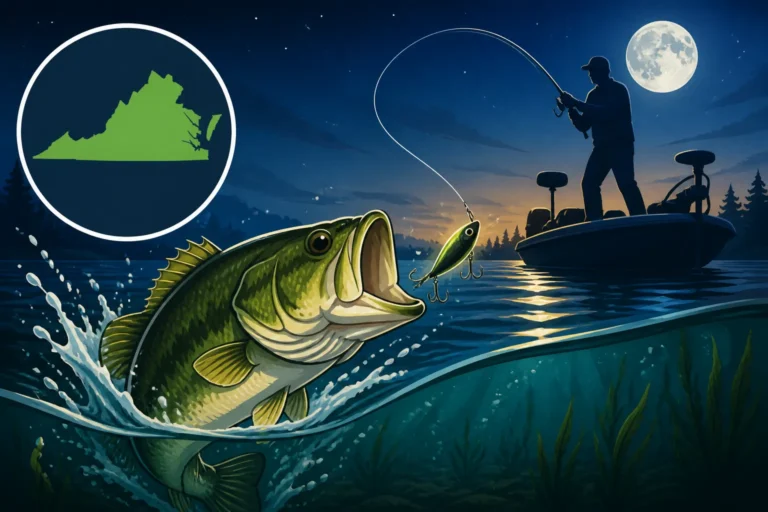
Night fishing for crappie is a whole different ballgame, and it can be incredibly productive, especially during the warmer months when crappie are more active after dark. The primary strategy for night jigging involves using submersible lights or surface lights to attract baitfish, which in turn attract crappie. As the light penetrates the water, it draws in plankton, then small baitfish like shad, and finally, the crappie move in to feed on the baitfish.
Position your boat over a known crappie haunt – a channel bend, a deep brush pile, or bridge pilings – and deploy your lights. Once the baitfish start to gather, begin vertical jigging directly under the lights or just outside the brightest halo. Many anglers use glowing jigs or jigs dressed with luminous soft plastics to stand out in the dark. The bites at night can be surprisingly aggressive, but also subtly different. Pay close attention to your line and feel for any unusual tension or slack. Night jigging offers cooler temperatures and often less boat traffic, making for a peaceful and potentially rewarding experience.
Adapting to Cold Fronts and Post-Spawn Lulls
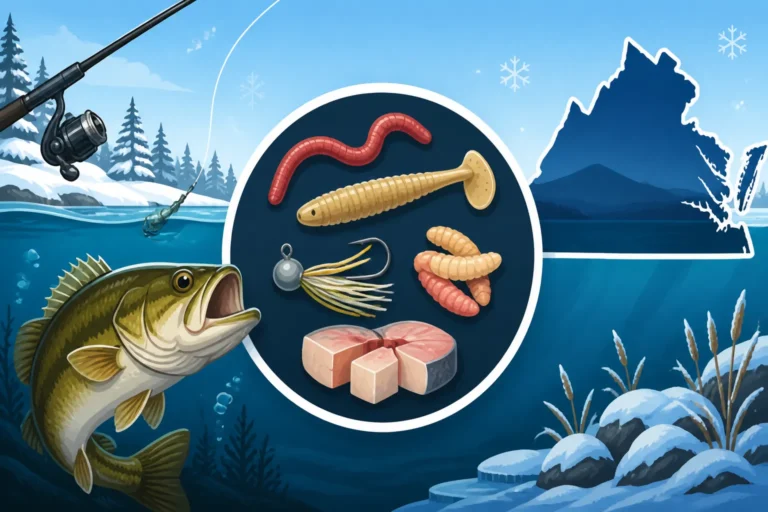
Cold fronts can be an angler's worst nightmare. After a cold front passes, crappie often become lethargic and reluctant to bite. Similarly, the post-spawn period can see crappie recovering and scattered, making them tough to catch. In these situations, your approach needs to be incredibly slow and subtle.
Scale down your jig size – sometimes going from a 1/16 ounce to a 1/32 ounce or even a 1/64 ounce can make all the difference. Slow down your retrieve to an almost imperceptible crawl. Instead of aggressive jerks, use tiny twitches or simply let the jig hang motionless for extended periods. Sometimes, simply holding the jig still for 10-20 seconds right in front of a crappie's face is what it takes to trigger a reaction strike. Crappie in these conditions are often suspended tightly to structure, so precise vertical jigging becomes even more critical. They might not chase a fast-moving bait, but a slow, easy meal presented right in their strike zone can be irresistible. This is where patience truly becomes a virtue.
Common Mistakes to Avoid When Jigging for Crappie
Even seasoned anglers can fall into bad habits or make simple errors that cost them bites. Being aware of these common pitfalls can help you refine your crappie jigging skills and improve your success rate dramatically.
Improper Jig Weight and Size Selection
One of the most frequent mistakes anglers make is using a jig that's either too heavy or too light for the conditions. Using a jig that’s too heavy means it falls too quickly, potentially passing through the crappie's strike zone before they have a chance to react, and it can also mask subtle bites. Conversely, a jig that’s too light won't get down to the desired depth fast enough, especially in current or windy conditions, and can be difficult to feel.
It’s also crucial to match the jig size to the forage. Crappie have relatively small mouths, and they can be particular. Trying to catch a crappie on a jig designed for bass is usually a futile exercise. If the crappie are keyed in on tiny minnows, a larger jig, even if it's the right color, might be completely ignored. Always carry a variety of jig head weights and body sizes in your tackle box. Don't be afraid to experiment throughout the day; if you're not getting bites, try changing your jig weight or profile. This flexibility is key to consistent success.
Overworking the Lure and Ignoring Subtle Bites
Crappie are not usually aggressive predators that chase down fast-moving baits (though there are exceptions, especially for hybrid striped bass, which are often confused with crappie when schooling). A common mistake is overworking the lure, imparting too much action, or retrieving it too quickly. Crappie often prefer a slow, subtle presentation, mimicking a wounded or dying baitfish that's easy prey.
Many anglers also miss bites because they're expecting a hard "thump." Crappie bites can be incredibly subtle – sometimes it's just a slight twitch of your line, a feeling of "mushiness," or simply a sudden increase in weight when you lift your rod. This is why having a sensitive rod and paying constant attention to your line and rod tip are so important. If you feel anything even slightly out of the ordinary, set the hook! It's better to set the hook on a snag a few times than to miss a trophy crappie. Practice feeling the difference between the jig hitting structure and a fish mouthing your lure.
Fishing the Wrong Depth or Structure
Crappie are notorious for holding at very specific depths. They might be just a few feet off the bottom, or suspended 10 feet down over 30 feet of water. Fishing even a few feet above or below their preferred depth can mean the difference between a full livewell and an empty one. Without a fish finder, you're essentially guessing, and that can be a truly frustrating experience.
Many anglers spend too much time fishing open water when crappie are tightly associated with structure. Brush piles, standing timber, channel edges, bridge pilings, and submerged rock piles are crappie magnets. If you're consistently casting into open water without success, it's time to locate some prime structure. Use your sonar to scan for these features and then focus your efforts there. Even within a piece of structure, crappie might only be on one side or at a particular depth. Once you catch one crappie, make a mental note or mark a waypoint on your GPS, because there are almost certainly more fish at that exact depth and location.
Here's a quick reference for common crappie jig types:
| Jig Type | Primary Action | Ideal Conditions | Common Sizes | Notes |
|---|---|---|---|---|
| Soft Plastic | Wiggling, fluttering, darting | Versatile, good for most situations | 1/32 – 1/8 oz | Mimics baitfish, worms, insects. Great variety of shapes/colors. |
| Marabou Jig | Pulsating, "breathing" | Clear water, finicky fish | 1/64 – 1/8 oz | Very natural action with minimal movement. |
| Hair Jig | Subtle wiggle, durable | Clear to slightly stained water | 1/32 – 1/8 oz | Good baitfish imitation, can be more robust than marabou. |
| Tube Jig | Spiraling, gliding | Vertical jigging, heavy cover | 1/32 – 1/8 oz | Hollow body can hide hook for snag resistance, great fall rate. |
| Spinner Jigs | Flash and vibration, erratic movement | Stained water, active fish, searching | 1/16 – 1/4 oz | Blade adds attraction, good for covering water. Often a tandem rig. |
Remember, the best jig is often the one you have confidence in, but don't let that stop you from trying something new if the bite is off. Experimentation is the key to unlocking new patterns and catching more fish in Virginia's diverse waters.
Disclaimer
Fishing involves inherent risks, including but not limited to drowning, injury from hooks or equipment, and exposure to environmental elements. Always prioritize your safety on the water. Check local weather conditions, wear appropriate safety gear (such as life jackets), and inform others of your fishing plans. Adhere to all Virginia Department of Wildlife Resources (DWR) regulations regarding fishing licenses, seasons, catch limits, and boating safety. The information provided in this guide is for informational purposes only, and angling success can vary widely based on numerous factors.